Why This Native Florida Shrub Is Becoming South Carolina’s Favorite Hedge
Something surprising is taking root across South Carolina’s yards, neighborhoods, and garden centers. It originally comes from Florida.
Walter’s viburnum, a tough and beautiful native shrub, is quietly becoming the go-to hedge plant for homeowners all over the Palmetto State.
It handles the heat, loves the humidity, and looks stunning year-round.
Once people discover what it can do, they rarely go back to anything else.
Walter’s Viburnum Thrives In South Carolina’s Climate
Ask any South Carolina gardener what their biggest challenge is, and they’ll probably say the heat and humidity.
Walter’s viburnum laughs at both.
This native Florida shrub has quietly crossed the border and made itself completely at home in South Carolina’s warm, sticky climate.
It evolved in the southeastern United States, which means it already knows how to handle long, hot summers and mild winters without skipping a beat.
Unlike many imported ornamental shrubs that struggle through their first few seasons, Walter’s viburnum settles in fast.
Its root system establishes quickly, which means less watering and babying from you.
Once it gets going, it’s practically unstoppable.
South Carolina’s USDA hardiness zones 7b through 9a are basically a sweet spot for this plant.
It handles coastal humidity near Myrtle Beach just as well as the warmer inland areas around Columbia.
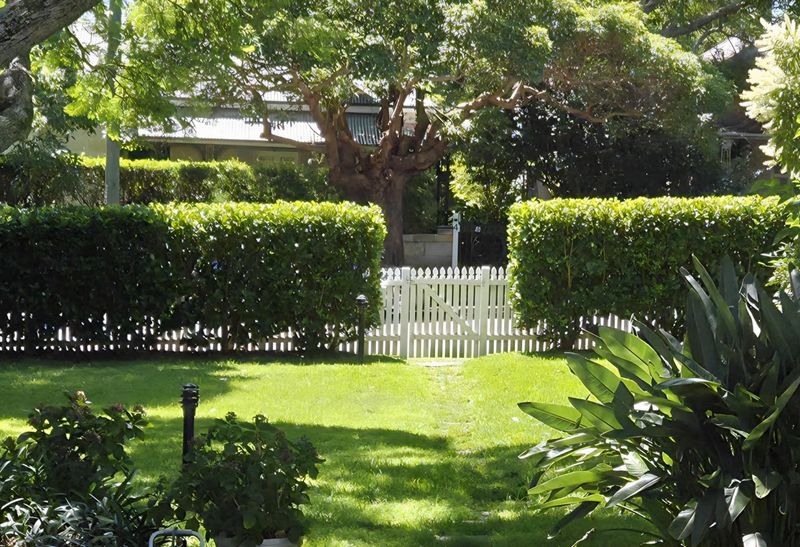
Gardeners in Charleston have especially embraced it, planting it along fences and property lines where it creates a full, green wall of privacy.
The shrub also tolerates occasional cold snaps without complaint, bouncing back quickly after a frosty night.
For a state known for unpredictable weather swings, that kind of resilience is genuinely priceless.
Privacy Without The Maintenance Headache
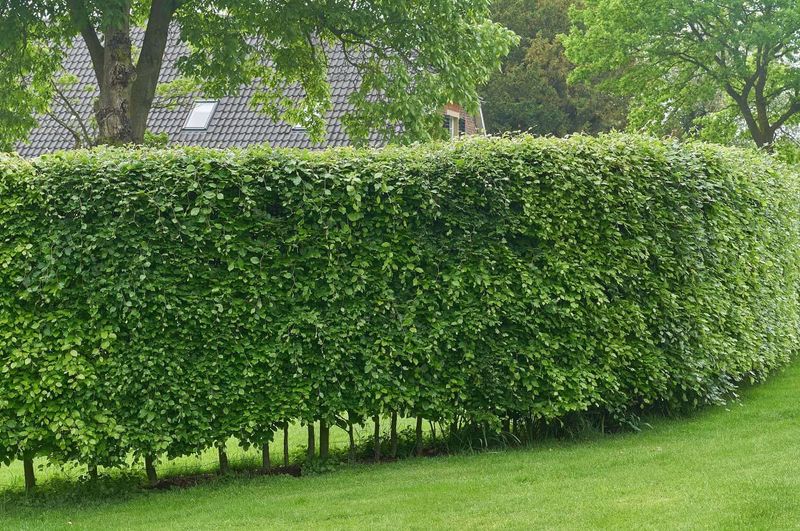
Forget spending every weekend trimming, spraying, and worrying about your hedge.
Walter’s viburnum gives you real, lush privacy without turning into a part-time job.
It grows quickly, often reaching eight to twelve feet tall, forming a thick, leafy wall that blocks nosy neighbors and street noise alike.
Most traditional hedging plants demand constant shearing to stay tidy.
Walter’s viburnum has a naturally upright, dense growth habit that looks neat even when you leave it alone for months.
Its branches fill in tightly, leaving very few gaps that would break up your privacy screen.
Homeowners across the Lowcountry have started replacing old wooden privacy fences with this shrub because it’s both more attractive and longer-lasting.
Wood rots, warps, and needs painting.
A Walter’s viburnum hedge just keeps growing stronger every year.
Maintenance is refreshingly simple, a light trim once or twice a year keeps it shaped without stressing the plant.
It doesn’t require specialized fertilizers or complicated soil amendments to perform well.
For busy families and working professionals who want a beautiful yard without the grind, this shrub is a genuinely smart investment.
Your weekends suddenly belong to you again.
Wildlife Loves It And That’s A Very Good Thing

Planting a Walter’s viburnum hedge isn’t just good landscaping, it’s practically building a wildlife sanctuary in your backyard.
Your South Carolina Garden Changes Every Week. Your Plan Should Too.
Gardening in South Carolina changes quickly throughout the season. Every Friday you’ll receive a simple weekly plan showing exactly what to plant, prune, fertilize, harvest, and protect so you never miss the right timing.
This shrub produces clusters of small, dark berries that birds go absolutely wild for.
Cedar waxwings, mockingbirds, and robins are frequent visitors once the fruit ripens in late summer and fall.
South Carolina is a major stopover point on the Atlantic Flyway, meaning millions of migratory birds pass through every year.
A yard with Walter’s viburnum is like putting out a welcome sign for those travelers.
Beyond birds, the white flower clusters that bloom in spring attract native bees and butterflies, making this shrub a true pollinator powerhouse.
Gardeners who care about supporting local ecosystems have made it a centerpiece of their planting plans.
It contributes to biodiversity in a way that non-native hedging plants simply cannot match.
Did you know that non-native shrubs like privet actually push out wildlife by offering food that local animals haven’t evolved to use efficiently?
Walter’s viburnum flips that script entirely.
Every berry eaten and every flower visited strengthens the local food web.
For South Carolinians who love their state’s rich natural heritage, that connection to the wild makes this shrub feel deeply personal.
Beating Back Invasive Plants The Natural Way
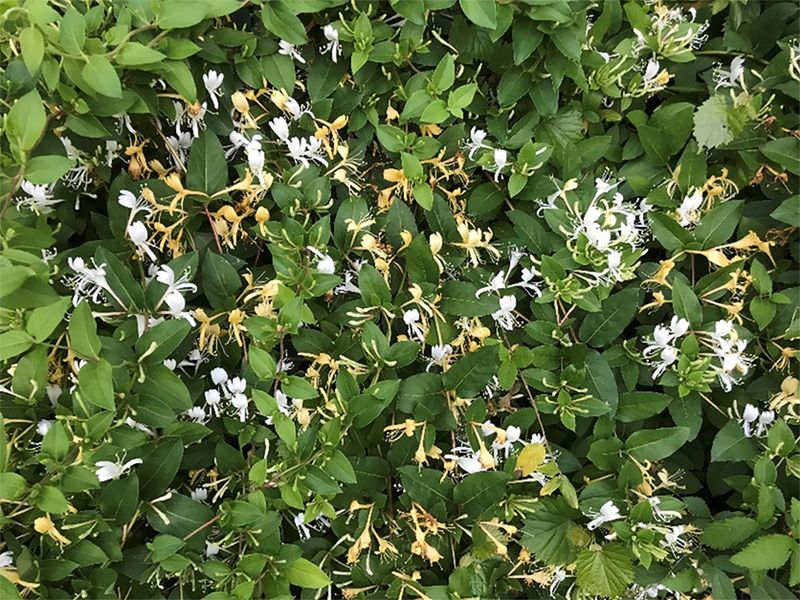
South Carolina has a serious problem with invasive plants, and most homeowners don’t even realize they’re part of it.
Chinese privet, Japanese honeysuckle, and Bradford pear are everywhere and they crowd out native species while providing little ecological value.
Switching to Walter’s viburnum is one of the most effective ways individual homeowners can push back against that invasion.
When you plant a native shrub, you’re not just beautifying your yard.
You’re restoring a small piece of the natural landscape that existed here long before ornamental plant trends took over.
Walter’s viburnum doesn’t spread aggressively or escape into wild areas the way many non-native species do.
It stays where you put it and plays nicely with surrounding plants and ecosystems.
Across South Carolina, conservation groups and university extension programs have started actively recommending it as a replacement for invasive hedging choices.
Clemson University’s cooperative extension service has highlighted native viburnums as smart alternatives for homeowners looking to make environmentally responsible choices.
The shift is already happening in neighborhoods from Greenville to Beaufort.
Choosing Walter’s viburnum means your hedge actively helps the environment rather than quietly harming it.
That’s a trade-off that makes every planting decision feel genuinely meaningful.
Year-Round Beauty That Never Gets Old
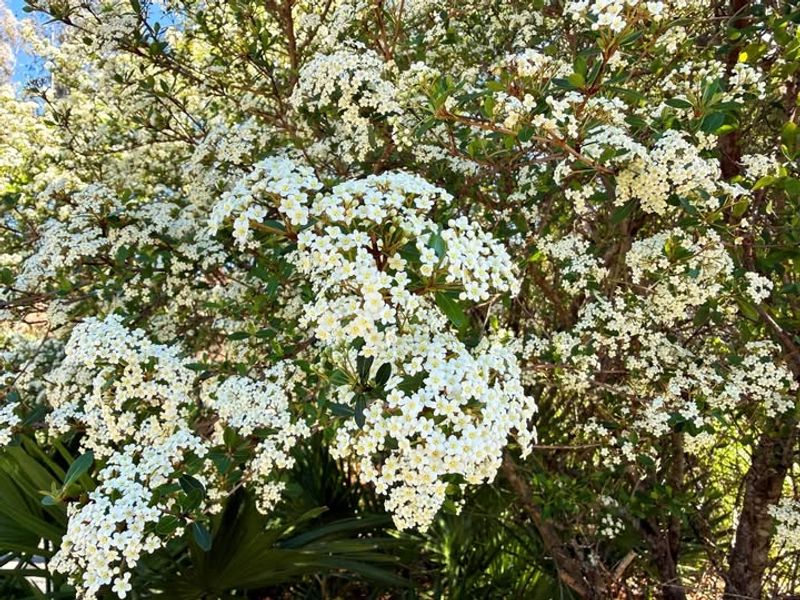
Some plants are one-season wonders. Stunning in spring, forgettable the rest of the year.
Walter’s viburnum refuses to be that plant.
It brings something beautiful to the table in every single season, which is a rare quality in any landscape shrub.
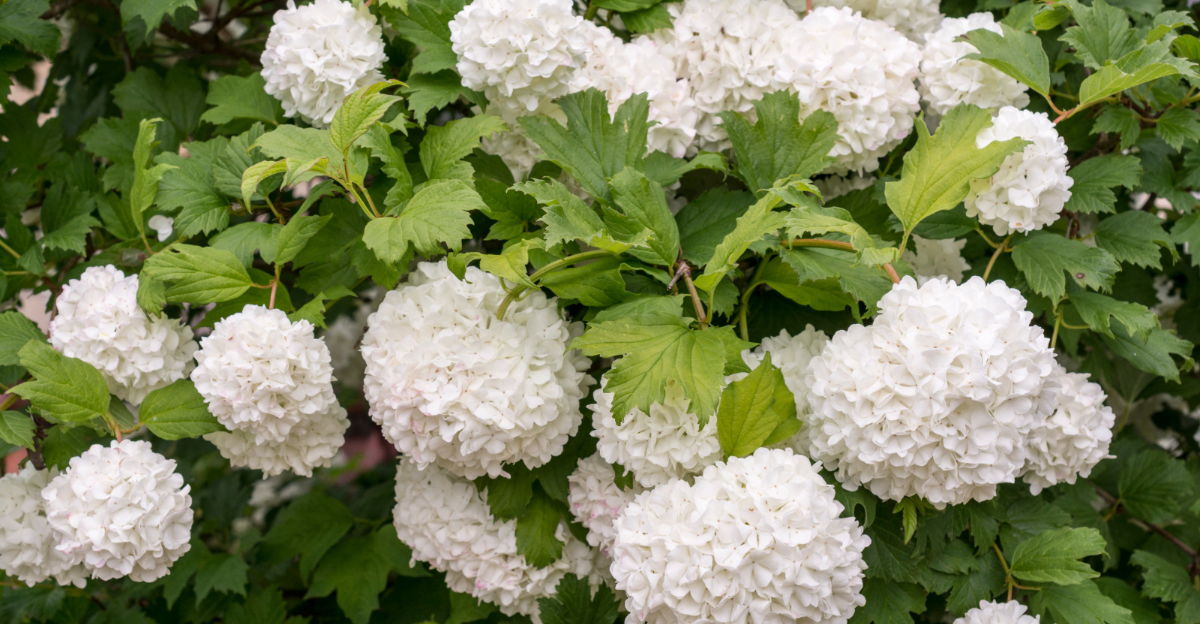
Spring kicks things off with a stunning show of creamy white flower clusters that cover the plant from top to bottom.
The fragrance is soft and sweet, noticeable without being overwhelming and it fills the garden with a freshness that signals warmer days ahead.
Summer brings dense, glossy dark green foliage that creates a rich, full backdrop for other garden plants.
Then fall arrives with clusters of small berries that shift from green to red to deep blue-black as they ripen.
Even in winter, the plant holds its structure well, providing visual interest and wildlife shelter when most other shrubs look bare and lifeless.
South Carolina’s mild winters mean Walter’s viburnum often stays semi-evergreen, keeping its leaves through most of the cold months.
That persistent greenery makes a huge difference in neighborhoods where winter landscapes can look bleak and colorless.
Choosing this shrub means your yard always has something worth looking at, no matter what month it is.
Drought Tolerance That Saves Water And Money
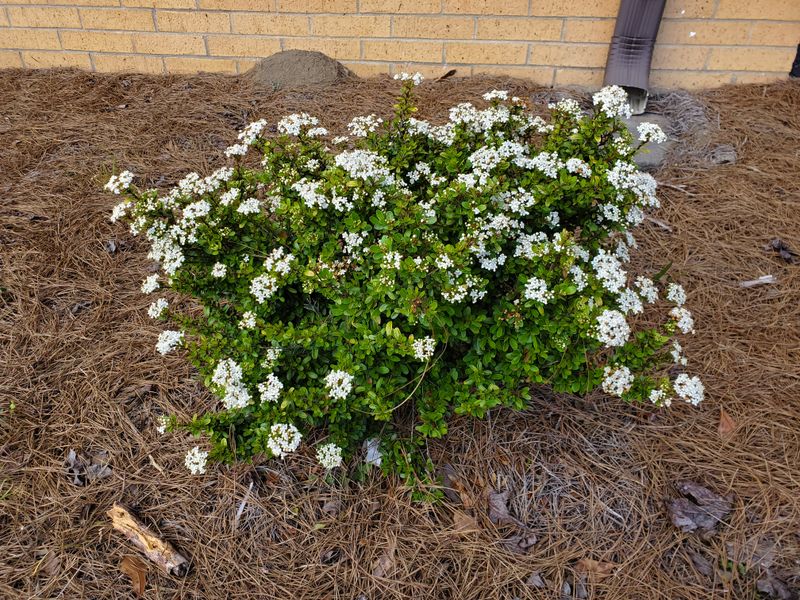
Water bills in South Carolina summers can get painful, especially when you’re trying to keep a traditional hedge alive through weeks of dry heat.
Walter’s viburnum changes that equation completely.
Once established, usually after its first full growing season, it handles drought conditions with impressive ease.
Its deep root system allows it to tap into moisture reserves that shallower-rooted plants can’t reach.
That means you can step back from the hose and let nature do the heavy lifting during dry spells.
Many homeowners in the Columbia and Midlands areas have reported that their Walter’s viburnum hedges sailed through summer droughts that left neighboring plants wilted and struggling.
That kind of toughness isn’t just convenient, it’s a real financial advantage.
Less watering means lower utility bills and less time dragging hoses around the yard.
South Carolina’s occasional summer water restrictions also become far less stressful when your hedge doesn’t depend on constant irrigation to survive.
Pairing Walter’s viburnum with a layer of organic mulch around its base helps retain soil moisture even further, stretching each rainfall deeper into the dry season.
For practical-minded homeowners, the combination of low water needs and high visual payoff makes this shrub almost impossible to argue against.
Perfect Fit For South Carolina’s Coastal Gardens

Coastal gardening in South Carolina is its own unique challenge.
Salt spray, sandy soil, and relentless humidity can destroy plants that thrive perfectly well just fifty miles inland.
Walter’s viburnum handles all of it without flinching which is exactly why it’s become a favorite in Lowcountry gardens from Hilton Head to Georgetown.
The shrub shows solid tolerance for salt air, a trait that most ornamental hedges simply don’t share.
Many popular hedging plants turn brown and brittle when exposed to the coastal environment, forcing homeowners to replace them repeatedly at significant cost.
Walter’s viburnum stays green and healthy even when sea breezes roll in off the Atlantic.
Sandy coastal soils drain fast, which can starve moisture-hungry plants.
Fortunately, Walter’s viburnum adapts well to well-drained sandy conditions, especially once its roots have had time to spread and anchor.
Adding compost at planting time gives it an extra boost in nutrient-poor coastal soils.
Charleston gardeners have been especially enthusiastic adopters, weaving it into the city’s tradition of lush, layered garden design.
Along the city’s famous historic corridors, Walter’s viburnum fits right in contributing to that signature Lowcountry lushness that makes Charleston’s green spaces so iconic and inviting.
How To Plant It Right The First Time
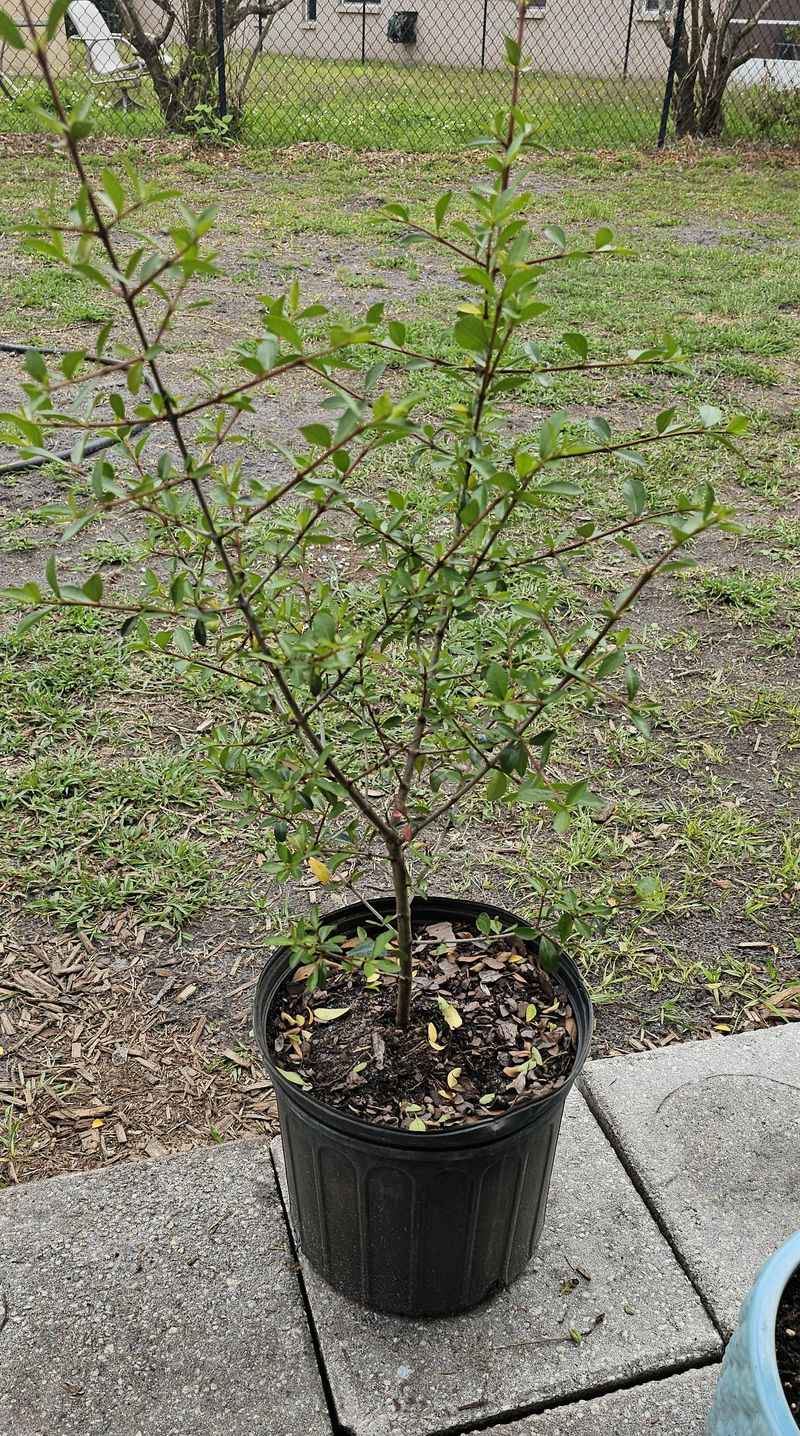
Getting Walter’s viburnum off to a strong start is easier than most people expect, but a few smart moves early on make a big difference in how quickly it takes off.
Timing matters, fall planting is ideal in South Carolina because cooler temperatures let the roots establish without the stress of summer heat bearing down on a brand-new plant.
Spring planting works too, but you’ll need to water more consistently through those first hot months.
Choose a spot that gets full sun to partial shade.
Walter’s viburnum performs best with at least four hours of direct sunlight daily, though it tolerates shadier conditions better than many hedging plants.
Dig a hole twice as wide as the root ball but no deeper, then backfill with native soil mixed with a little compost.
Avoid the temptation to over-fertilize right after planting.
A slow-release balanced fertilizer applied in early spring gives it a gentle push without overwhelming young roots.
Mulch generously around the base, a three-inch layer keeps soil moisture in and competing weeds out.
Water deeply once or twice a week for the first season, then back off as the plant matures.
After that, your job is mostly just watching it grow.
Where To Find Walter’s Viburnum In South Carolina
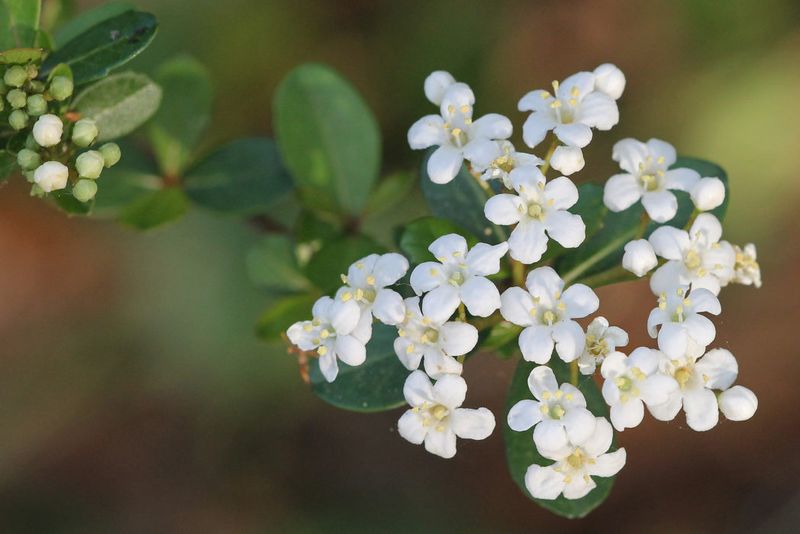
Ready to add Walter’s viburnum to your yard?
Finding it has gotten a lot easier over the past few years as demand across South Carolina has surged.
Local independent nurseries are usually your best bet, they tend to carry regionally appropriate native plants that big-box stores overlook.
Ask specifically for Viburnum obovatum, which is the botanical name for Walter’s viburnum.
Staff at reputable local nurseries will know exactly what you’re talking about and can guide you toward the right size and cultivar for your space.
Some popular cultivated varieties like ‘Mrs. Schiller’s Delight’ and ‘Whorled Class’ offer slightly more compact growth habits, which work beautifully in smaller yards or tighter planting spaces.
Native plant sales held by organizations like the South Carolina Native Plant Society are another excellent resource, often offering healthy specimens at lower prices than retail nurseries.
Clemson Extension offices across the state can also point you toward reputable local suppliers and provide free planting advice tailored to your specific county and soil type.
Online nurseries that specialize in southeastern natives ship directly to South Carolina as well, making access even easier for gardeners in rural areas.
Wherever you source it, buying locally grown stock gives your new hedge the best possible head start.