Plant These 9 Spring Flowers Now In Virginia For A Garden That Blooms All Summer
Virginia is a gardener’s paradise.
Warm springs and long, humid summers create the perfect conditions for a flower garden to truly shine. From the Shenandoah Valley to the coastal plains near Chesapeake Bay, gardeners across the state have a major advantage when it comes to growing vibrant blooms.
The secret is simple: plant the right flowers at the right time. By choosing blooms that love the heat and humidity early in spring, your garden can stay colorful well into late summer.
A well-chosen mix can keep beds lively even in August and September, when many gardens begin to fade. The following blooms thrive in Virginia’s climate and bring reliable color all summer long.
Black-Eyed Susan (Rudbeckia Hirta)
Few flowers capture the spirit of a Virginia summer quite like the cheerful Black-Eyed Susan.
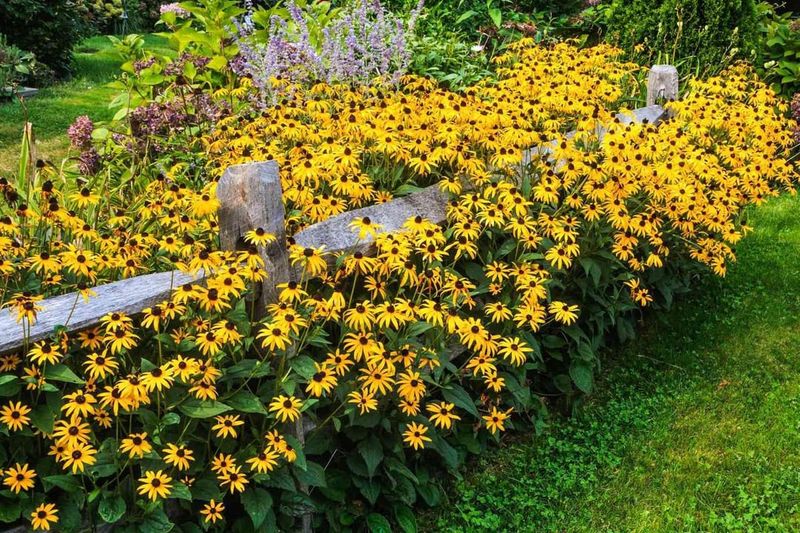
This native wildflower thrives in the state’s long, warm days, making it a superstar for any garden. Plant seeds or transplants in early spring, and by June, your yard will be alive with bold golden blooms that glow all the way through September.
Black-Eyed Susans are incredibly low-maintenance. They flourish in full sun and, once established, are surprisingly drought-tolerant.
Forget about rich, fertile soil, these flowers prefer it a little lean, which makes them one of the easiest plants for beginner gardeners across Virginia. Plant them in clusters for maximum impact, and you’ll have a vibrant display that seems effortless.
Over time, they naturally spread, filling empty garden beds with cheerful golden faces without much effort on your part.
Pollinators absolutely adore them. Bees, butterflies, and even goldfinches are regular visitors, turning your garden into a lively, buzzing paradise.
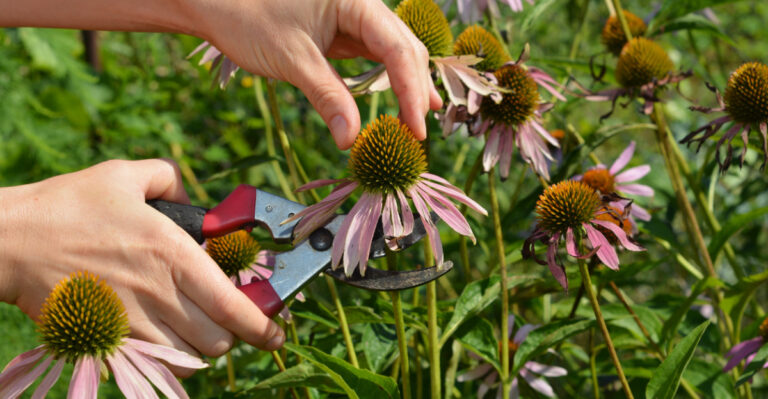
Deadhead spent blooms to encourage continuous flowering throughout the season.
For a truly show-stopping border, many Virginia native plant enthusiasts pair Black-Eyed Susans with purple coneflowers. Together, these two create a striking two-tone display that looks professionally designed but requires minimal care and no professional budget.
Your summer garden will feel alive, colorful, and inviting from June straight through the early fall.
Coneflower (Echinacea)
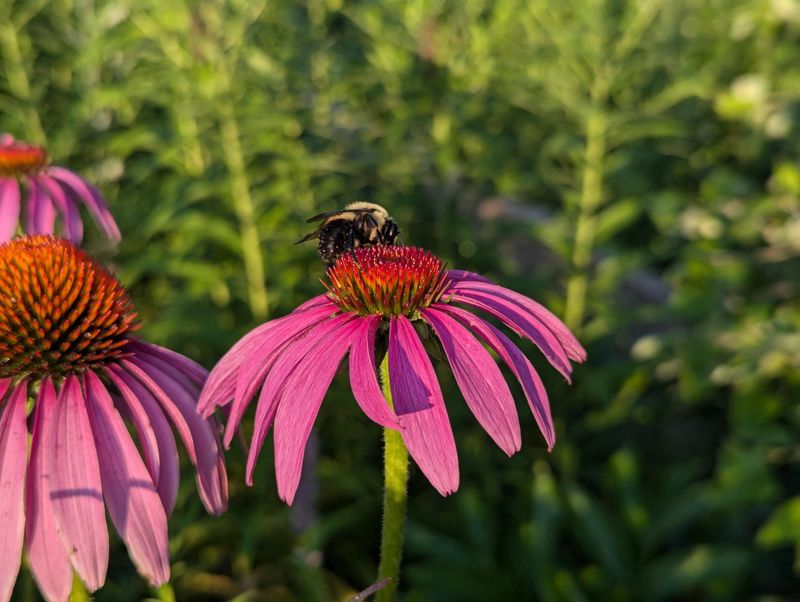
Virginia summers suit coneflowers perfectly.
They handle the state’s heat and humidity with ease, blooming from June all the way into fall. Once established in the garden, they provide a long-lasting display that brings steady color when many other flowers begin to fade in the summer sun.
Plant them in spring once the soil warms up, and they will reward you with bold, daisy-like flowers in shades of purple, pink, white, and orange.
Their raised central cones and slightly drooping petals give them a distinctive, natural look that fits beautifully in cottage gardens, wildflower beds, and pollinator-friendly landscapes.
One of the best things about Echinacea is how little fuss it demands. Give it full sun and well-drained soil, and it basically takes care of itself.
Once the plants settle in, they become impressively resilient and can thrive with minimal attention.
Once established, coneflowers are drought-resistant. They also tolerate poor soil better than many other flowering perennials, making them a dependable choice for gardeners who want beauty without constant maintenance.
Your Virginia Garden Changes Every Week. Your Plan Should Too.
Gardening in Virginia changes quickly throughout the season. Every Friday you’ll receive a simple weekly plan showing exactly what to plant, prune, fertilize, harvest, and protect so you never miss the right timing.
Butterflies and bees cannot get enough of these blooms. The spiky seed heads that form after flowering also attract birds, especially goldfinches, who happily pick at them through late autumn.
Today, gardeners love it just as much for its beauty as its toughness. Group several plants together for a dramatic mass planting effect, or mix different color varieties for a garden that feels lively and full of personality all season long.
Zinnia (Zinnia Elegans)
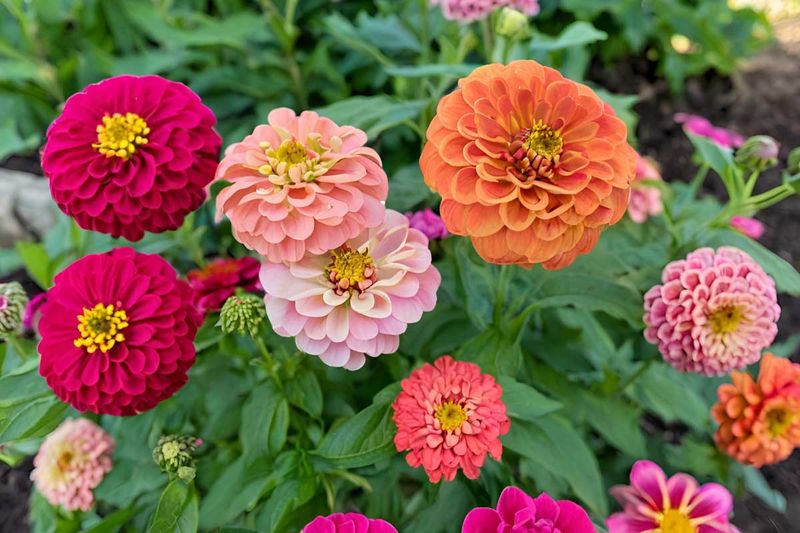
Few flowers perform as reliably in summer gardens as zinnias.
Plant seeds directly in the ground after Virginia’s last frost, usually mid-April in most regions, and these fast-growing annuals will be blooming within eight weeks.
They keep going strong right up until the first frost of fall, giving you months of non-stop color.
Available in nearly every color imaginable, zinnias are a designer’s dream for garden borders and cutting gardens.
Tall varieties can reach two feet high, while compact types work beautifully along pathways or in containers on patios and porches.
Hot summers do not slow zinnias down, they actually thrive in high heat.
Virginia’s long, warm growing season is practically tailor-made for them.
Just make sure they get full sun for at least six to eight hours daily.
Water at the base rather than overhead to keep powdery mildew away, which can be a minor issue in Virginia’s humid climate.
Butterflies flock to zinnia blooms all season.
If you want a garden that feels magical and alive, plant a wide row of mixed zinnias and watch the show unfold.
They also make spectacular cut flowers that last well in a vase.
Salvia (Salvia Splendens)
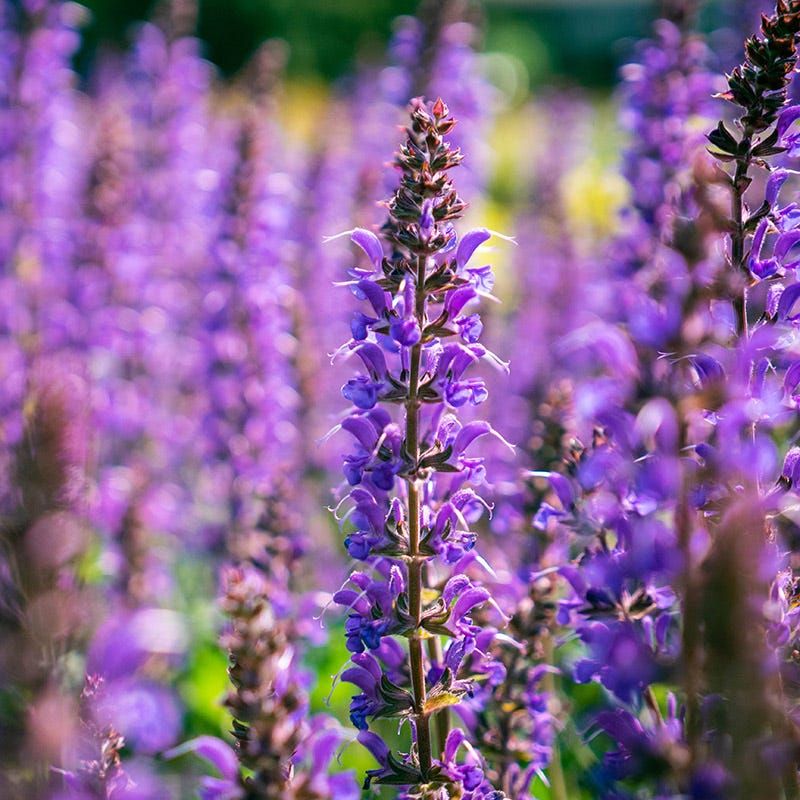
Salvia brings a kind of electric energy to any garden it inhabits.
The tall, spike-shaped flower clusters in vivid shades of blue, purple, and red stand out dramatically against green foliage.
Plant transplants in spring after the last frost, and salvia will begin blooming by early summer and continue until temperatures drop in fall.
Virginia gardeners love salvia for one very practical reason: hummingbirds cannot resist it.
Those tiny, fast-moving birds will visit your garden daily once salvia is in bloom, turning your yard into a natural spectacle.
Annual varieties like Salvia splendens grow quickly and produce heavy flower spikes that look great in both garden beds and large containers.
Perennial salvias, once established, come back every year, a bonus for anyone who wants less replanting work.
Salvia handles Virginia’s heat extremely well and is moderately drought-tolerant once its roots are established.
It prefers full sun and well-drained soil, making it a great fit for raised beds or sunny borders.
Trim back spent flower spikes to encourage a fresh flush of blooms.
This simple habit keeps the plant looking tidy and producing flowers right through to the end of summer.
It is low maintenance and high reward, a winning combination for any Virginia gardener.
Marigold (Tagetes Patula)
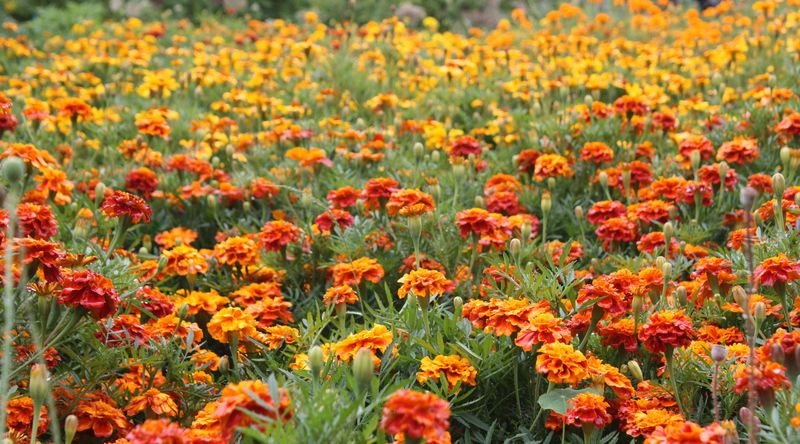
Marigolds have been a gardener’s best friend for generations, and for very good reason.
These tough, cheerful annuals bloom from late spring all the way through fall, pumping out bold orange, yellow, and red flowers without demanding much in return.
Plant them in Virginia in early spring after frost risk has passed, and they will hit their stride just as summer heat kicks in.
Beyond their good looks, marigolds are incredibly practical.
They are widely known for repelling certain garden pests, including aphids and whiteflies, making them a smart companion plant near vegetable beds.
Virginia home gardeners often line their tomato and pepper rows with marigolds for this exact reason.
Full sun is non-negotiable for marigolds. They sulk in shade and produce far fewer blooms.
They are tolerant of Virginia’s summer heat and actually prefer drier conditions, so avoid overwatering once plants are established.
Deadheading spent flowers regularly keeps marigolds producing at full speed.
Skip that step and flowering will slow noticeably by midsummer.
French marigolds stay compact and are ideal for container gardens and window boxes.
African marigolds grow tall and bushy, creating bold garden borders that stop people in their tracks.
Either way, you really cannot go wrong.
Lantana (Lantana Camara)
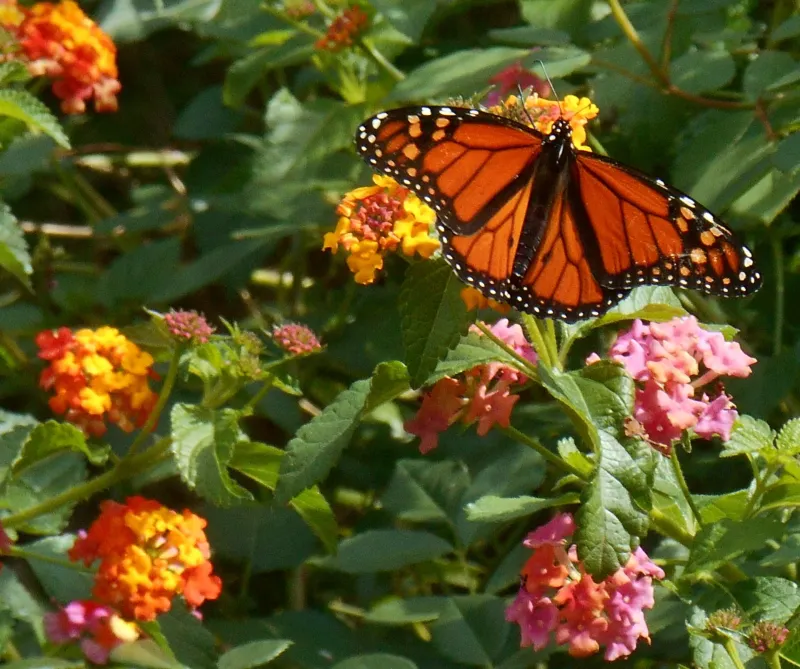
Lantana is the flower that refuses to quit, even when summer heat becomes relentless.
Virginia’s hot, humid summers are exactly the conditions this tropical-natured plant loves most.
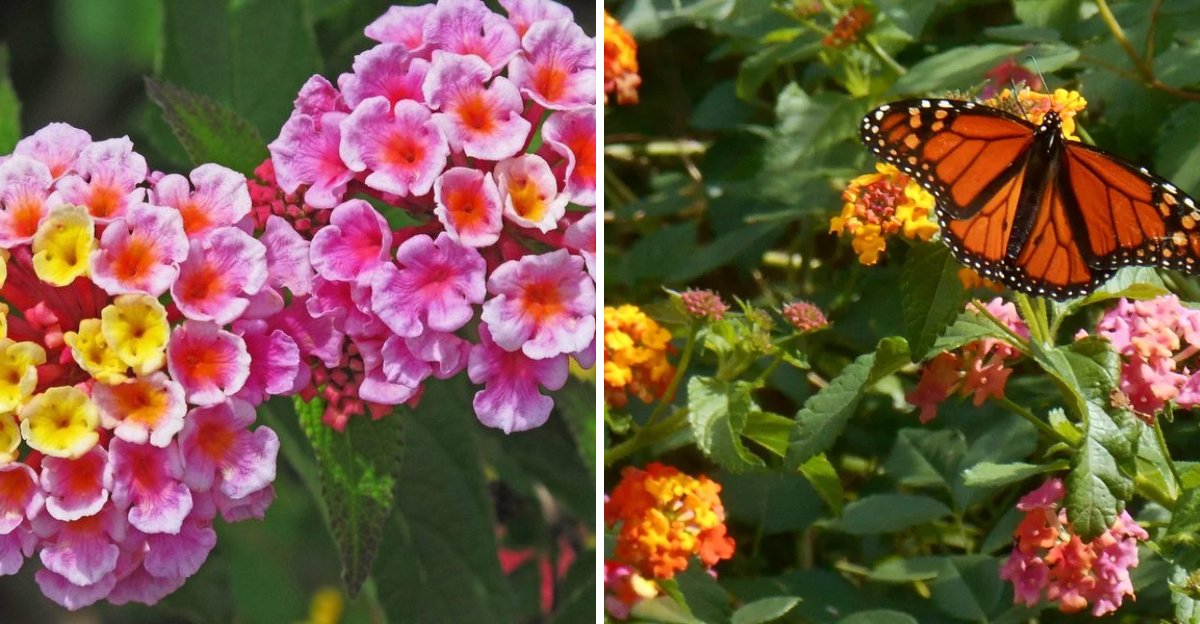
Once the temperatures rise, lantana shifts into high gear, producing dense clusters of tiny multicolored flowers in combinations of orange, yellow, red, pink, and purple.
Plant lantana outdoors in Virginia after mid-April when frost risk is gone.
It establishes quickly and begins blooming by late spring, continuing without pause until the first frost arrives in October or November.
Butterflies treat lantana like an all-you-can-eat buffet.Monarch butterflies in particular are drawn to it during their migration south through Virginia in late summer and early fall.
Planting lantana is one of the easiest ways to support these incredible travelers.
Lantana thrives in full sun and well-drained soil.It handles drought better than most flowers, which makes it a reliable choice during dry Virginia summers.
Overwatering is actually more of a risk than underwatering with this plant.
Use lantana as a sprawling ground cover, a cascading container plant, or a colorful border flower.Trimming it back occasionally encourages fresh growth and even more blooms.
For a summer garden that practically manages itself, lantana is hard to beat.
Coreopsis (Coreopsis Verticillata)
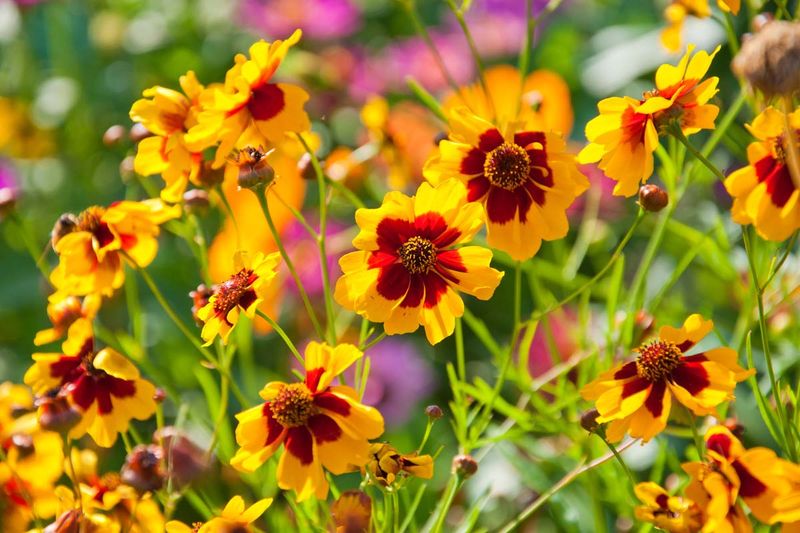
Coreopsis is sometimes called the sunshine flower, and one look at it explains why.
Those bright, daisy-like yellow blooms are impossible to miss, lighting up garden beds from early summer through fall.
Virginia even named Coreopsis its official state wildflower, a well-deserved honor for a plant that grows beautifully across the entire state.
Plant coreopsis in early spring for blooms that start in June and keep going for months.
It thrives in full sun and average, well-drained soil.
Rich, over-fertilized soil actually works against it, producing leafy growth at the expense of flowers.
Once established, coreopsis is impressively drought-tolerant.
It handles Virginia’s dry summer stretches without wilting or fading, which is more than most flowers can claim.
That resilience makes it a favorite among busy gardeners who cannot water every single day.
Both annual and perennial varieties are available.
Perennial types like Coreopsis verticillata come back reliably each spring, spreading gradually to fill more space over time.
Annual varieties offer slightly larger blooms and more color variety, including soft pinks and bicolors.
Bees and butterflies visit coreopsis constantly throughout the season.
Deadhead regularly to extend bloom time, or let some seed heads form to attract birds in late summer.
Either approach keeps the garden looking lively and full.
Verbena (Verbena Hybrida)
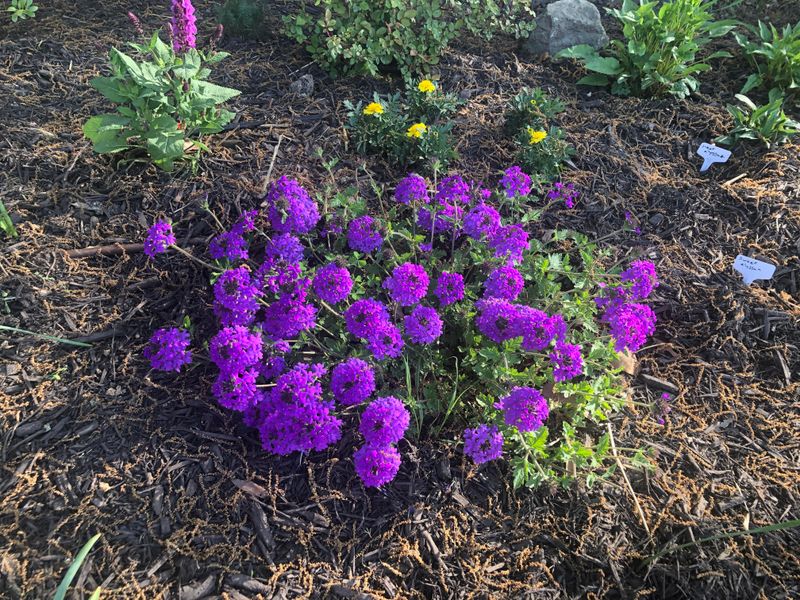
Verbena has a certain old-fashioned charm that never goes out of style.
Low-growing and spreading, it spills beautifully over garden borders and container edges, producing dense clusters of small flowers in shades of purple, pink, red, white, and coral.
Plant it in Virginia in spring after frost danger passes and it will bloom generously from late spring right through the summer months.
Heat and sunshine are verbena’s best friends.
The hotter and sunnier the spot, the more enthusiastically it blooms.
Virginia’s long, sunny summers give verbena exactly the conditions it craves to perform at its absolute best.
Verbena is a magnet for butterflies, especially swallowtails and skippers.
Planting it along a sunny pathway or at the front of a flower border creates a welcoming corridor of color that pollinators will use all season long.
It prefers well-drained soil and does not like sitting in wet conditions for extended periods.
Spacing plants properly allows good air circulation, which helps prevent powdery mildew, a common concern in Virginia’s humid summers.
Trailing verbena varieties work wonderfully in hanging baskets and window boxes, draping gracefully over the sides.
Upright types anchor garden borders with tidy mounds of nonstop color.
Either way, verbena earns its place in any Virginia summer garden with minimal fuss and maximum visual payoff.
Gaillardia (Gaillardia Pulchella)
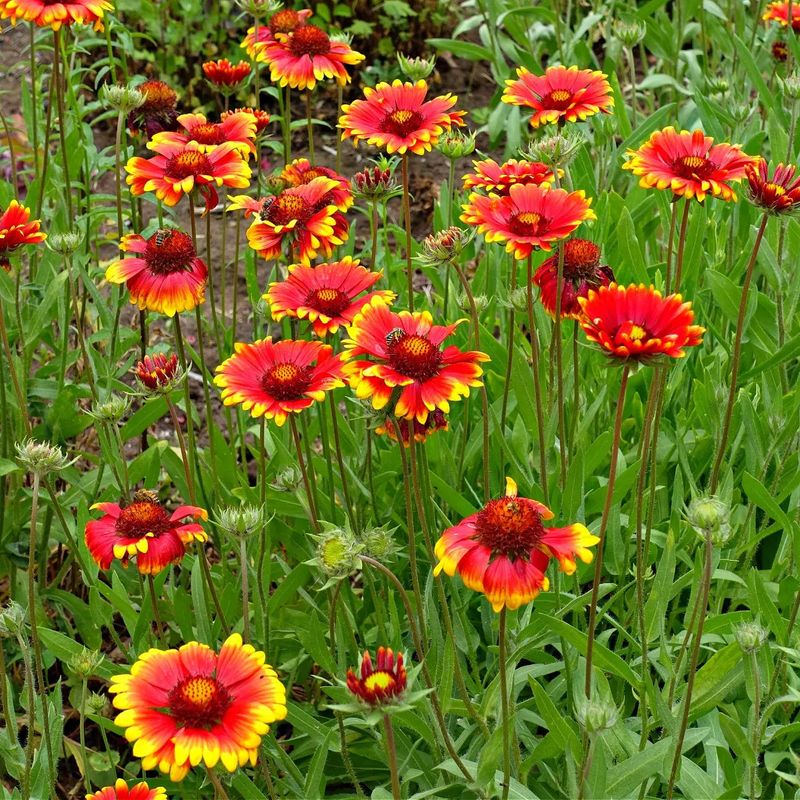
Gaillardia, famously known as the “Blanket Flower,” lives up to its fiery nickname in spectacular fashion.
From early summer all the way through the first frost, this little powerhouse blankets your garden in a riot of red, orange, and yellow blooms that seem to set your yard ablaze.
Its vibrant colors aren’t just eye candy, they’re a magnet for butterflies and bees, turning your garden into a lively, buzzing paradise.
One of the best things about Gaillardia is how effortlessly it thrives in Virginia’s warm, humid summers. Unlike finicky plants that demand perfect soil and constant attention, this hardy beauty actually prefers sandy or poor soil.
Simply transplant it in early spring after the last frost, and watch it take off like it’s on a mission to conquer your flowerbeds.
For a nonstop show of color, deadhead spent blooms regularly, each snipped flower encourages even more vibrant blossoms to pop up. Its resilience and long blooming season make it a standout in any garden.
With Gaillardia, your garden doesn’t just survive summer, it thrives, buzzing with life and glowing with fiery colors that feel like a warm, cheerful hug from nature itself.