What To Do In Your California Garden In March For A Strong Spring Start
March in California carries a familiar buzz in gardens large and small. After winter’s slow growth, there’s a sense of urgency as the sun climbs higher and soil warms.
Many gardeners spend mornings tending beds with coffee in hand, watching familiar routines come alive again.
This month is ideal for prepping soil, starting cool-season vegetables, and giving fruit trees a gentle boost. The tasks you tackle now set the stage for vibrant growth and abundant flowers in the coming weeks.
With the right steps this month, your garden won’t just wake up – it will surge forward. The next moves you take could determine which plants flourish and which settle quietly into the season.
1. Prepare And Amend Garden Beds With Compost And Mulch
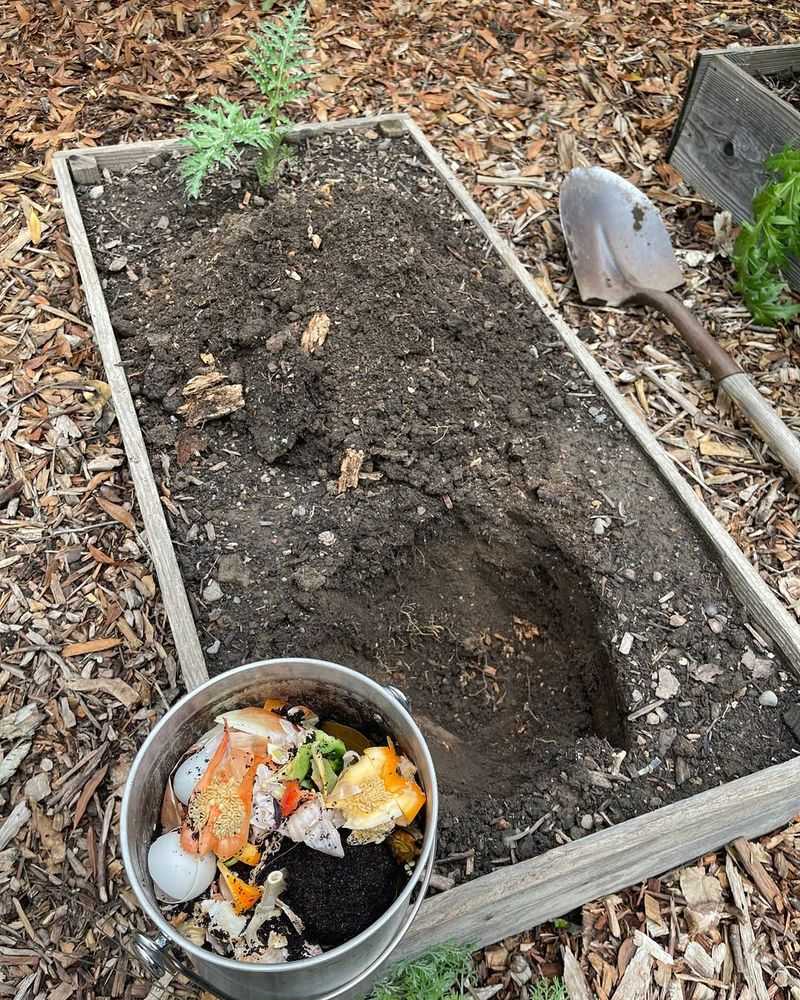
Few things give a California garden a better head start than well-prepared soil. Before you plant a single seed or seedling this March, take time to work compost into your garden beds.
Compost adds nutrients, improves drainage, and feeds the beneficial microbes that help roots grow strong.
Start by loosening the top six to eight inches of soil with a garden fork. Then spread two to three inches of finished compost across the surface and work it in gently.
If your soil feels compacted or sandy, this step makes a huge difference in how well plants perform through spring and summer.
After amending, layer two to four inches of organic mulch on top of the beds. Straw, wood chips, or shredded leaves all work well in California gardens.
Mulch holds moisture in the soil, which is especially important as warmer, drier months approach. It also helps keep weed seeds from getting the sunlight they need to sprout.
Amending and mulching soil in March can help improve moisture retention, reduce weeds, and support healthier plant growth throughout the season. Think of compost and mulch as an investment that pays off every single week.
Your future self will be grateful when your garden is thriving in May and June.
2. Start Cool-Season Vegetables And Herbs
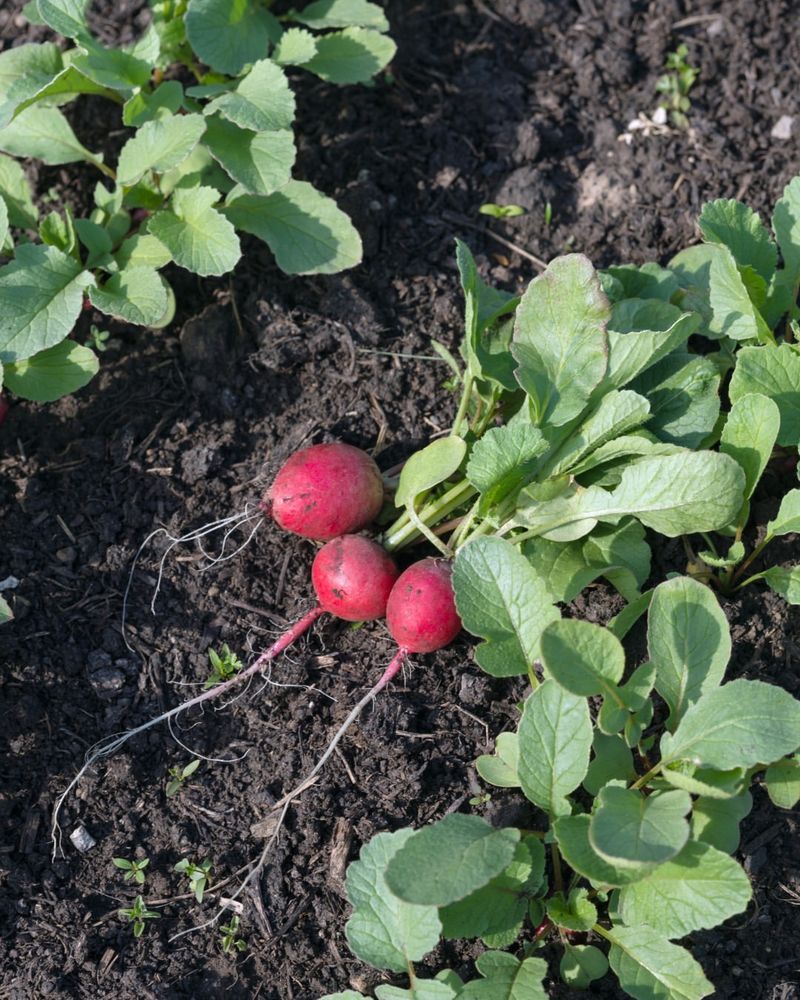
Cool-season vegetables absolutely love California’s mild March weather. Crops like lettuce, spinach, kale, radishes, and Swiss chard thrive when temperatures are still on the cooler side.
Planting cool-season vegetables in March can extend the harvest window before summer heat and help reduce early bolting.
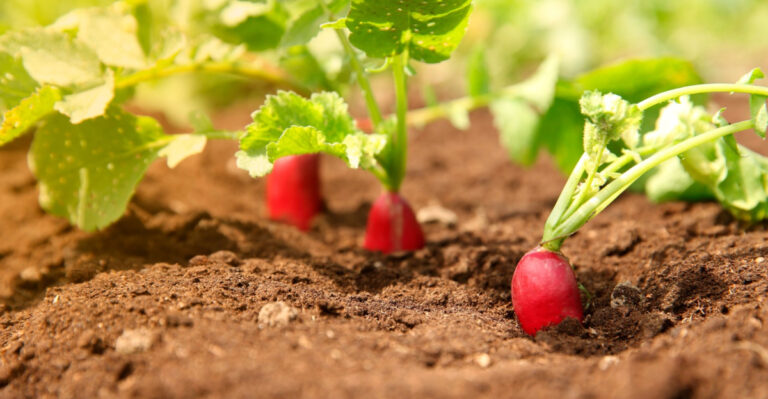
You can sow seeds directly into prepared garden beds or start them in small trays indoors. Radishes are especially satisfying because they mature quickly, often within three to four weeks.
Lettuce and spinach can be scattered in wide rows for a cut-and-come-again harvest that keeps producing for months.
Herbs are equally at home in a March California garden. Cilantro, parsley, dill, and chives all prefer cool weather and can be tucked between vegetable rows or grown in containers on a sunny patio.
Fresh herbs not only boost your cooking but also attract beneficial insects to your garden space.
Water newly seeded beds gently and consistently, keeping the soil moist but not soggy. Thin seedlings once they are a couple of inches tall so each plant has enough room to grow.
Your California Garden Changes Every Week. Your Plan Should Too.
Gardening in California changes quickly throughout the season. Every Friday you’ll receive a simple weekly plan showing exactly what to plant, prune, fertilize, harvest, and protect so you never miss the right timing.
A little attention now leads to abundant harvests that make all the early-morning garden visits completely worthwhile. California’s spring climate is truly a gift for vegetable growers.
3. Sow Or Transplant Cool-Season Flowers And Natives
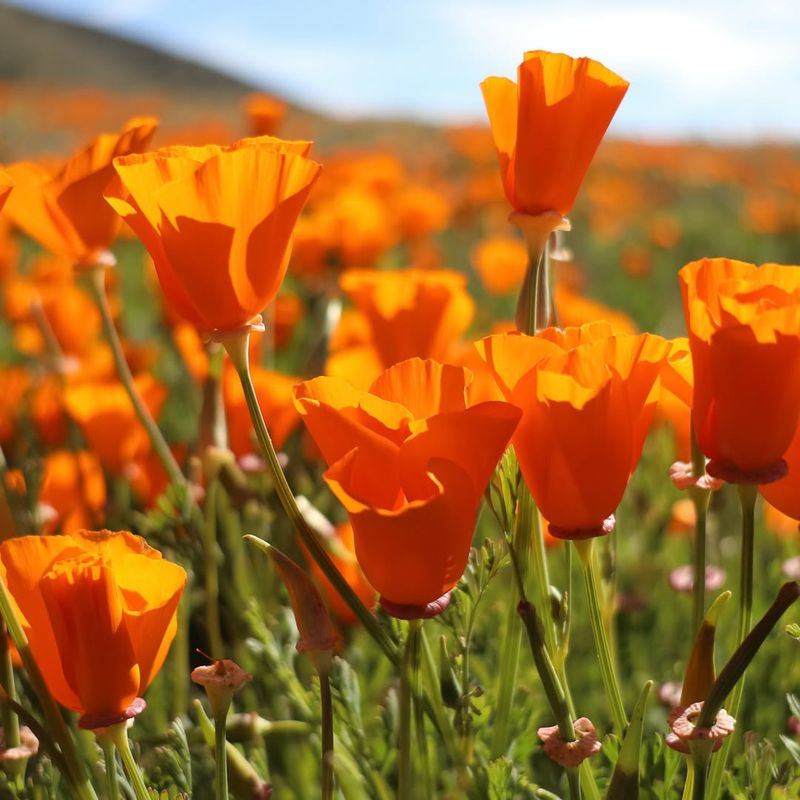
Color in the garden does wonders for your mood, and March in California is prime time to get flowering plants in the ground. Cool-season flowers like snapdragons, sweet peas, stock, and pansies all perform beautifully during the mild weeks of early spring.
They add cheer to garden beds while the warm-season plants are still just seeds on a shelf.
California native wildflowers are another fantastic option for March planting. California poppies, lupine, and clarkia can be scattered directly onto prepared soil and lightly raked in.
Once established, native flowers are remarkably low-maintenance because they are naturally adapted to the local climate, rainfall patterns, and soil conditions found throughout the state.
Transplanting nursery starts is a great option if you want faster color. Look for healthy, compact plants at your local nursery and get them in the ground on a mild day.
Water them in well and add a light layer of mulch around the base to help retain soil moisture.
Planting natives alongside cool-season flowers also supports local pollinators like native bees and butterflies, which are essential for a productive garden. A mix of cultivated flowers and California natives creates a vibrant, layered look that is both beautiful and ecologically valuable.
Your spring garden will feel like a celebration.
4. Start Tomatoes And Pepper Seedlings Indoors
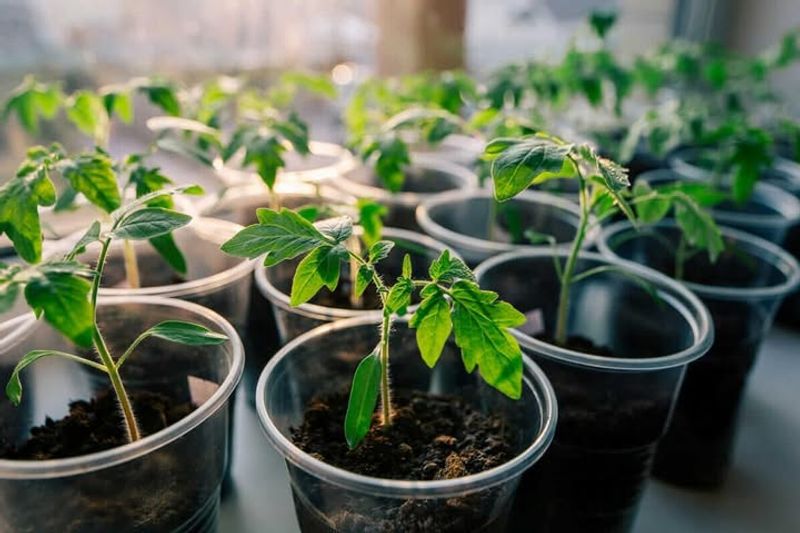
In California gardens, warm-season superstars like tomatoes and peppers need a head start to reach their full potential. March is the ideal month to sow these seeds indoors, giving them six to eight weeks of indoor growing time before outdoor temperatures are consistently warm enough for transplanting.
Fill seed-starting trays with a light, sterile seed-starting mix and sow two seeds per cell about a quarter inch deep. Keep the trays in a warm spot, ideally between 70 and 80 degrees Fahrenheit, to encourage quick germination.
A heat mat placed under the trays can speed things up significantly, especially in cooler parts of California.
Once seedlings emerge, they need bright light for at least 14 to 16 hours a day. A sunny south-facing window can work, but a simple grow light set close to the seedlings produces sturdier, more compact plants.
Leggy seedlings that stretch toward the light tend to be weaker and harder to transplant successfully.
Water seedlings from the bottom by setting trays in a shallow dish of water. This encourages roots to grow downward and helps prevent a common fungal problem called damping off.
Starting tomatoes and peppers indoors in March gives them a head start and can improve the chances of a productive summer harvest.
5. Feed Citrus And Fruit Trees Before Spring Growth
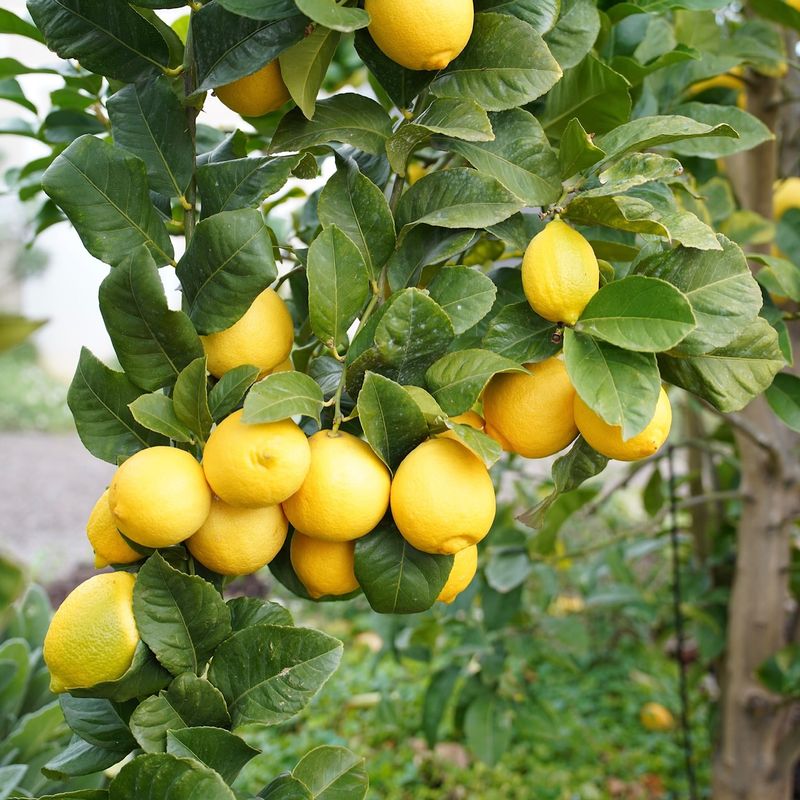
One of the true joys is caring for citrus trees, and March is the perfect window to give them the nutrition they need before the spring growth flush. Feeding your citrus now helps produce strong new branches, healthy foliage, and plenty of fruit later in the season.
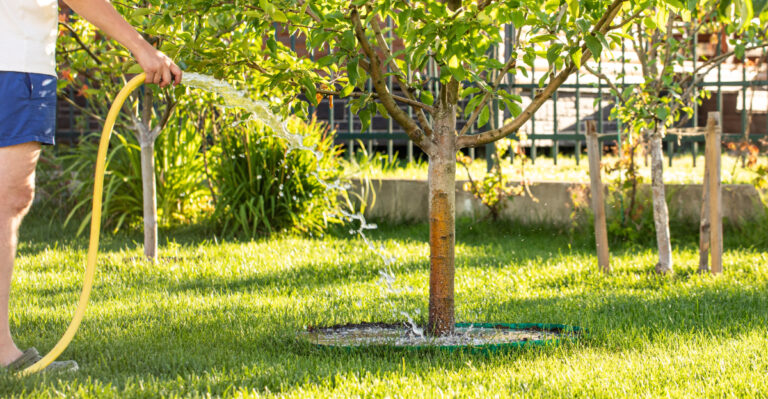
Use a fertilizer formulated specifically for citrus and follow the package directions carefully. Most California gardeners apply a granular slow-release fertilizer by spreading it evenly under the canopy of the tree, staying a few inches away from the trunk.
Water it in thoroughly after application so nutrients can begin moving into the root zone.
Fruit trees like peaches, plums, apples, and pears also benefit from a March feeding. A balanced fertilizer or one slightly higher in nitrogen encourages vigorous leafing out and supports the developing fruit buds.
Avoid over-fertilizing, though, as too much nitrogen can push excessive leafy growth at the expense of fruit production.
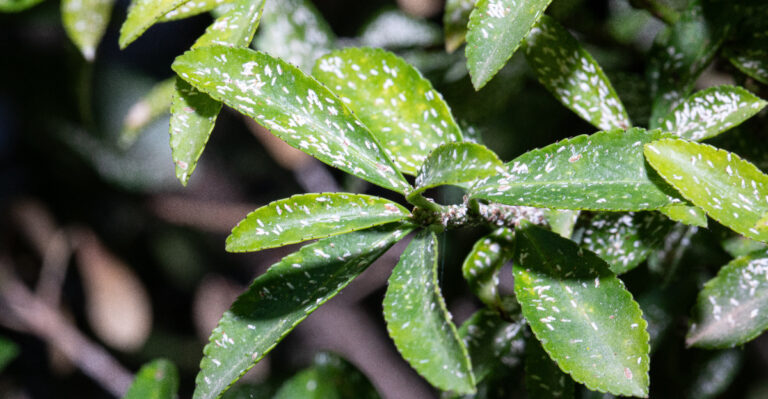
While you are out there feeding your trees, take a moment to check for signs of pest activity or disease on the branches and leaves. Catching problems early in spring makes them much easier to manage.
A well-fed fruit tree in a California garden is a rewarding sight, especially when summer rolls around and the harvest begins.
6. Check And Maintain Irrigation Systems
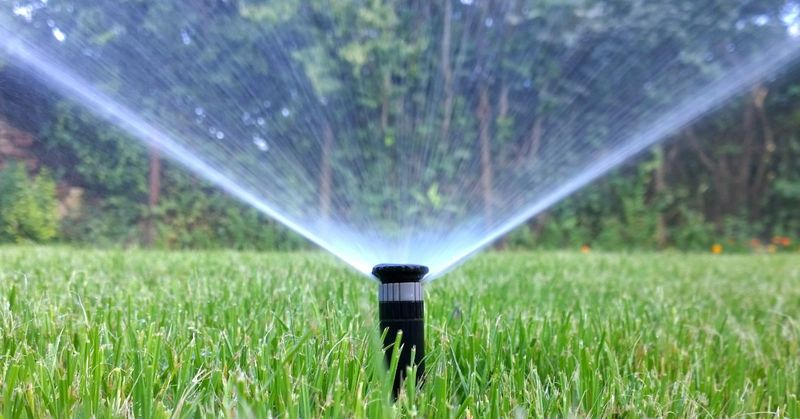
Water is everything in a California garden, and March is the smart time to make sure your irrigation system is ready before the dry season sneaks up on you. A quick inspection now can save you from coming home to stressed, thirsty plants in the middle of a warm April week.
Walk through your garden and turn on each zone of your irrigation system. Watch for broken heads, clogged drip emitters, or lines that have been disconnected over winter.
Even a small leak can waste hundreds of gallons over the course of a season, which adds up on your water bill and stresses nearby plants.
Check your timer or controller to make sure the programming still makes sense for spring conditions. Many California gardeners forget to update their watering schedules after winter, leaving systems running on summer settings that overwater cool-season plants.
A general rule of thumb is to water deeply but less frequently to encourage deep root growth.
If you have not yet switched to a drip irrigation system for your vegetable beds or planting areas, March is a great time to make that upgrade. Drip systems deliver water directly to the root zone, reducing evaporation and runoff.
Smart water management is a cornerstone of successful California gardening, and a well-maintained irrigation system makes everything easier.
7. Pull Young Weeds Before They Set Seed
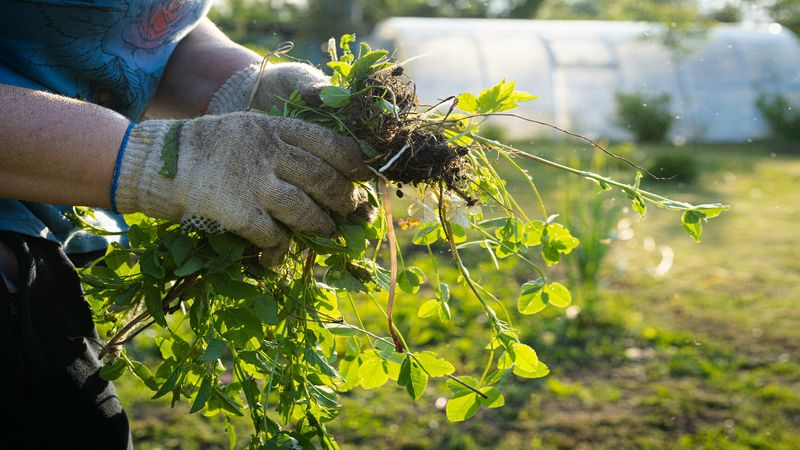
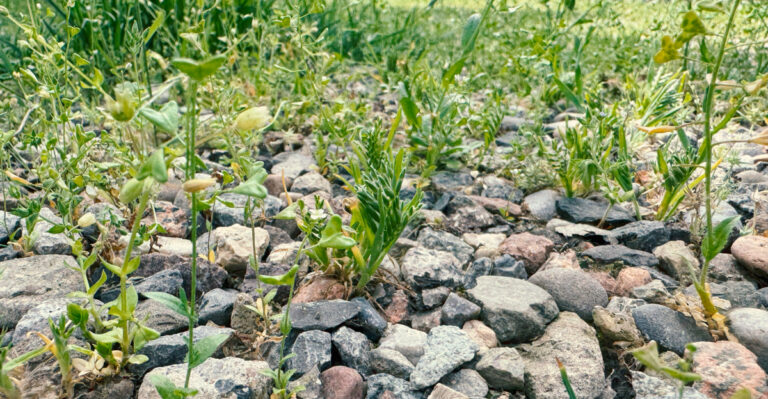
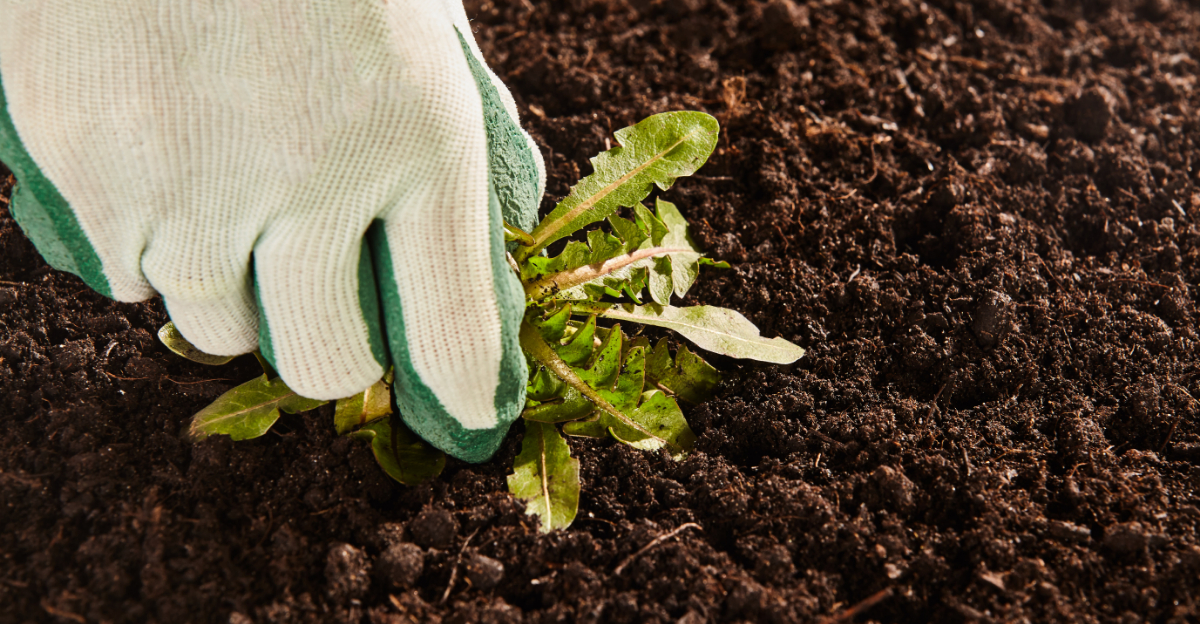
In March, weeds are still small and shallow-rooted, making them easy to remove. Letting them grow for a few more weeks can mean hundreds of new problems for your garden.
Early action is one of the most effective strategies for managing weeds in California gardens.
Common early-season weeds in California include chickweed, annual bluegrass, hairy bittercress, and oxalis. They tend to pop up in garden beds, along pathways, and at the base of shrubs after winter rains.
A hand weeder or hori-hori knife makes it easy to get the roots out cleanly without disturbing surrounding plants.
Try to weed after a rain or after watering, when the soil is moist and roots slide out more easily. Dry soil makes weeding frustrating and often leaves root fragments behind that will simply resprout.
Tossing pulled weeds into a compost pile is fine as long as they have not yet flowered or formed seeds.
After weeding, top off your mulch layer to help prevent new weed seeds from finding bare soil to germinate in. A consistent two to three inch mulch layer is one of the best long-term weed suppression tools available to California gardeners.
Staying on top of weeds in March truly pays off in a cleaner, lower-maintenance garden all spring and summer long.
8. Test Soil And Adjust pH Or Nutrients
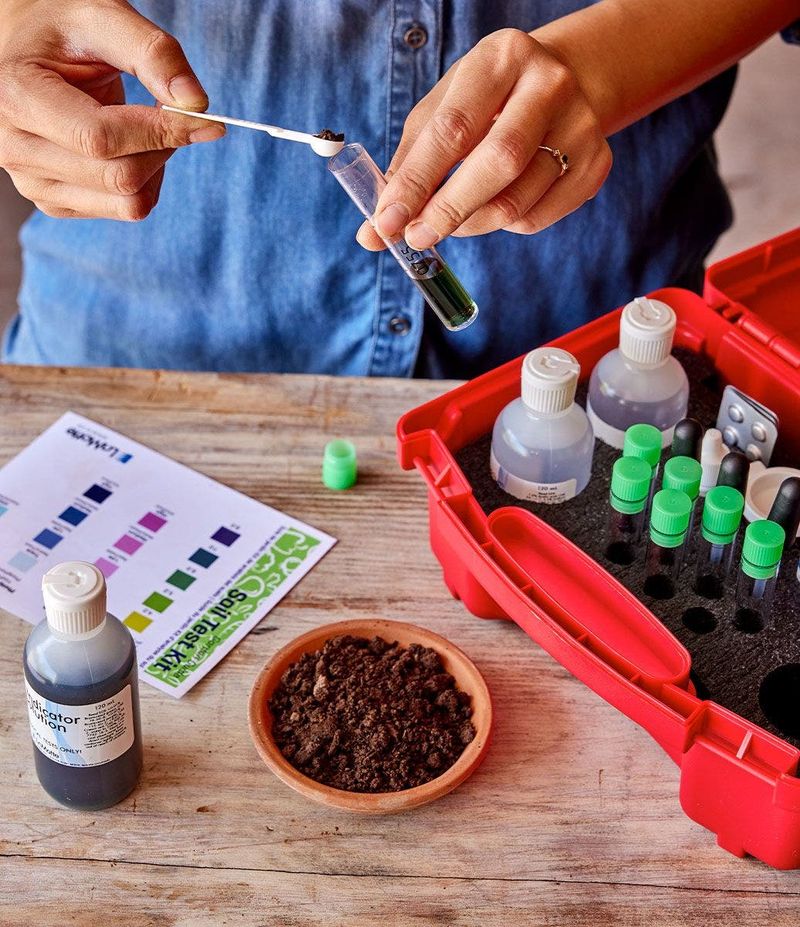
Most California gardeners never test their soil, and that is a missed opportunity. A simple soil test tells you the pH level of your garden beds along with the amounts of key nutrients like nitrogen, phosphorus, and potassium.
Armed with that information, you can make targeted improvements instead of guessing what your plants need.
Soil pH matters because it controls how well plants can absorb nutrients. Most vegetables and flowers prefer a slightly acidic to neutral pH, somewhere between 6.0 and 7.0.
California soils can vary widely depending on your region. Coastal areas often have different pH profiles than inland valleys or hillside gardens, so testing your specific beds is always worthwhile.
You can find basic soil test kits at most garden centers, or send a sample to your local UC Cooperative Extension office for a more detailed analysis. If your soil is too alkaline, adding sulfur can help bring the pH down over time.
If it is too acidic, agricultural lime is the typical amendment used to raise pH gradually.
Beyond pH, your test results might reveal low levels of iron, calcium, or other micronutrients that could be limiting your plants. Addressing those deficiencies in March, before the main growing season gets going, gives amendments time to work into the soil.
Understanding your soil is one of the most empowering things a California gardener can do.
9. Protect Tender Plants From Late Frosts
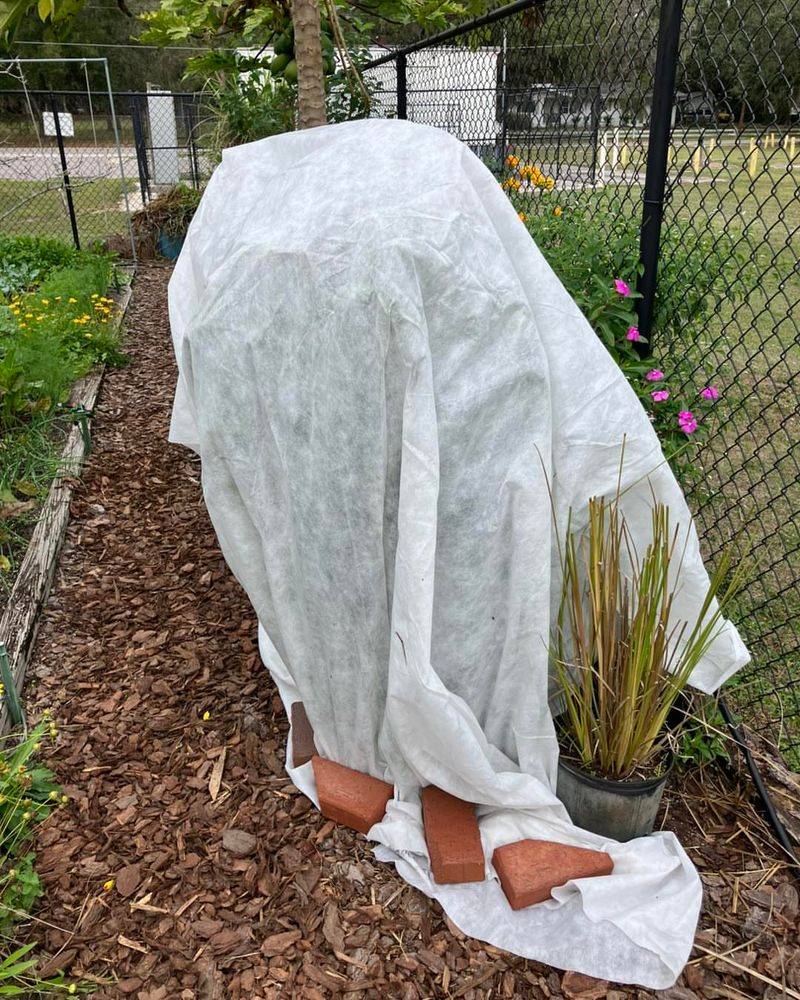
California has a reputation for warm weather, but late frosts in March are a real possibility, especially in inland valleys, foothill communities, and higher elevation areas throughout the state. A late frost in March can damage tender seedlings or early-blooming plants if precautions are not taken.
Keep an eye on your local weather forecast throughout March. When nighttime temperatures are expected to drop below 32 degrees Fahrenheit, cover vulnerable plants with frost cloth, old bed sheets, or lightweight garden fabric.
These covers trap heat radiating from the soil and can protect plants from several degrees of frost damage.
Place covers over plants before sunset so they can trap the warmth of the day. Remove them in the morning once temperatures rise above freezing.
Leaving covers on during sunny days can cause overheating and actually harm the plants you are trying to protect.
Container plants are especially vulnerable to cold because their roots are not insulated by the surrounding ground. Move pots to a sheltered spot like a covered porch, garage, or against a south-facing wall on frosty nights.
Newly transplanted seedlings and tropical plants like basil and young citrus trees are the most frost-sensitive in a California garden. A little preparation on cold evenings goes a long way toward keeping your spring plantings safe and growing strong.