When Is The Best Time To Plant Hostas In Pennsylvania Gardens
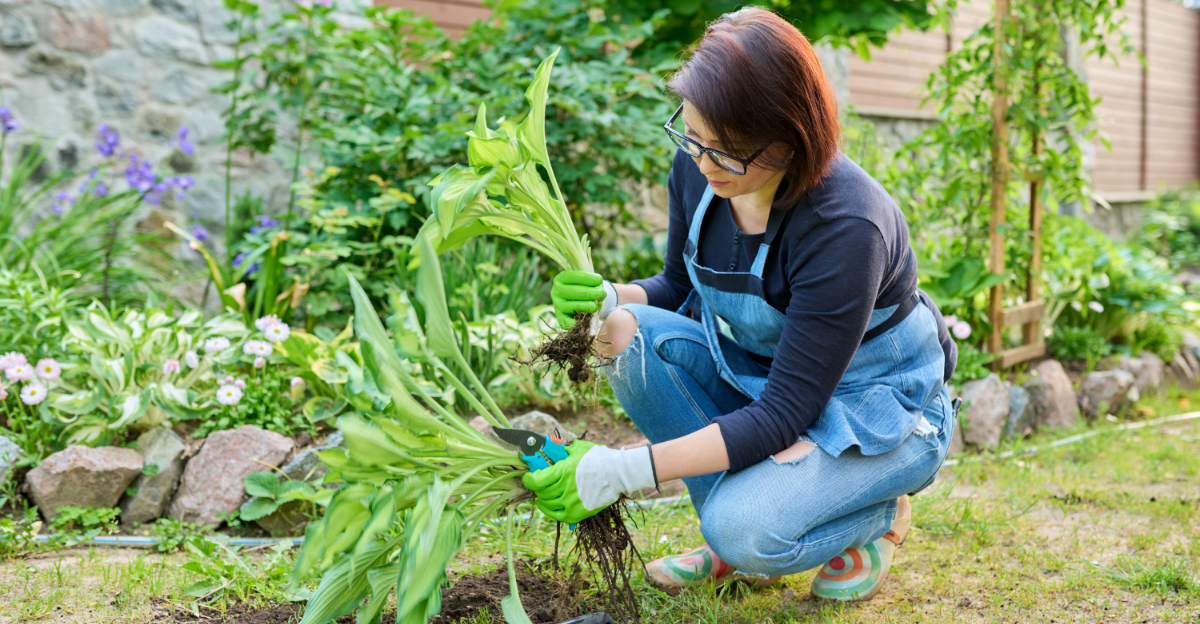
You know that thrill when spring finally teases its way into Pennsylvania yards? The soil softens, morning frost starts to fade, and those leafy shadows along the walkways hint at new life.
If you’ve spent years tending beds and borders, you know that timing is everything, especially for hostas.
Plant too early, and the chill can stunt those tender roots; wait too long, and the garden rhythm feels rushed, like catching a train you almost missed.
Hostas thrive when they settle into the soil at just the right moment, letting their roots reach deep before summer’s warmth. A little preparation now pays off in lush foliage and a neat, welcoming garden later.
Stick around to discover exactly when Pennsylvania soil is ready and how planting at the perfect window can make these classic perennials flourish like never before.
1. Spring Or Fall Are Your Best Bets For Planting Hostas
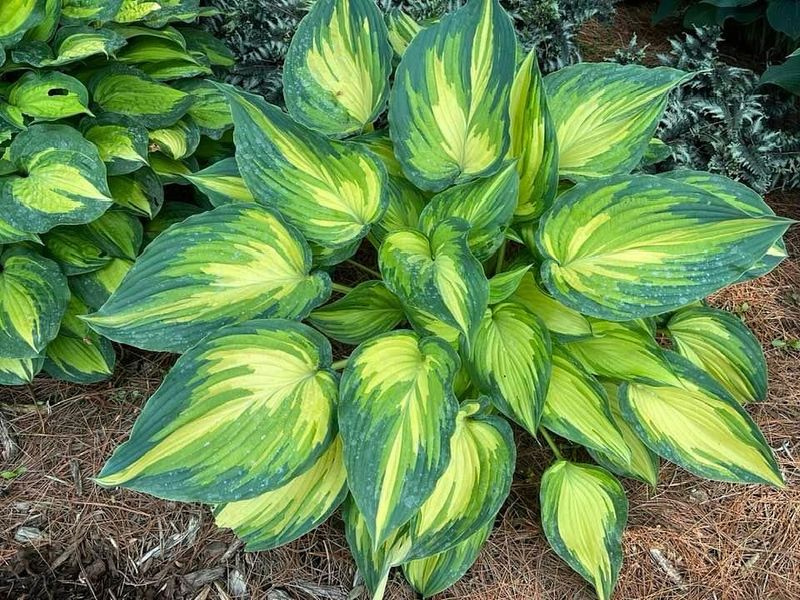
Experienced Pennsylvania gardeners often recommend spring and fall as common windows for planting hostas because these seasons typically provide suitable soil and moderate temperatures. There is a reason that advice gets repeated so often, and it comes down to one simple idea: hostas need time to settle their roots before facing extreme weather.
In Pennsylvania, spring planting typically begins after the last frost, which generally occurs from mid-April in the southeast to early May in central areas, though local conditions and microclimates can shift these dates slightly. Once that frost risk passes, the soil starts to warm up and hostas wake up from dormancy ready to grow.
Planting at this point gives them a full growing season to establish strong root systems before summer arrives.
Fall planting can also work well. Planting hostas from late August through early September in most areas allows roots to establish in still-warm soil before the first frosts, though northern or higher elevation locations may need to plant a little earlier.
Roots keep growing even as the leaves start to fade, which means your plants enter winter already anchored and ready to bounce back strong in spring.
Both seasons work well across Pennsylvania because neither extreme heat nor hard frost is an immediate threat. The plant gets breathing room to adjust, spread its roots, and soak up nutrients without being shocked by sudden temperature swings.
Gardeners in Philadelphia, Pittsburgh, and everywhere in between can count on these two seasons to deliver the best results. Choosing the right season is truly the foundation of hosta success.
2. Wait Until The Soil Is Workable Not Just Calendar Time
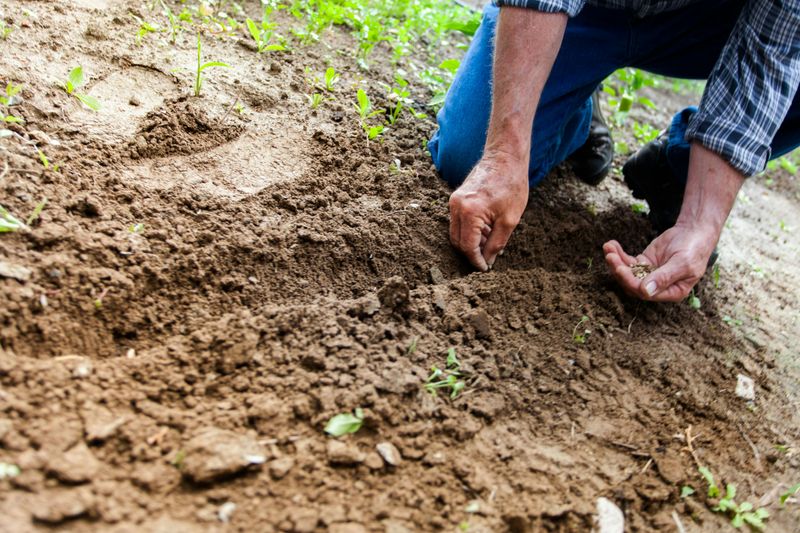
Calendars are helpful, but your soil tells a more honest story. One of the most common mistakes Pennsylvania gardeners make is rushing to plant hostas just because the date looks right, without actually checking whether the ground is ready to receive them.
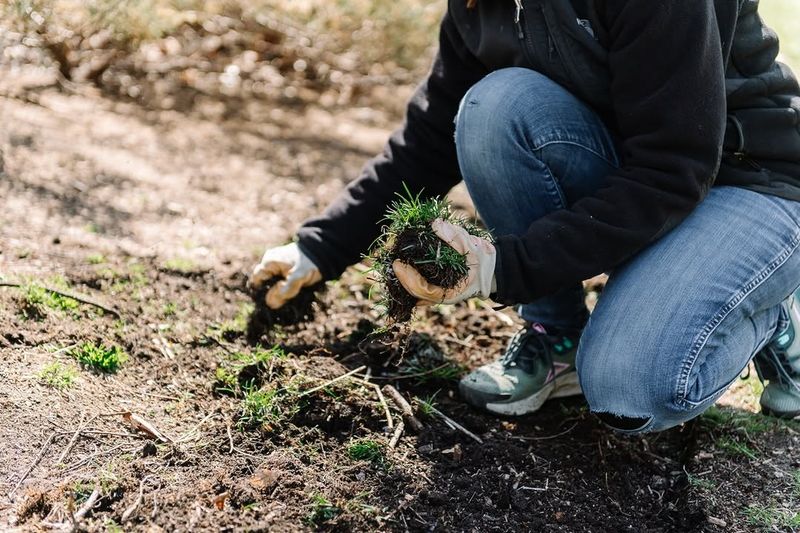
Workable soil means it is no longer frozen solid, it crumbles apart in your hand rather than clumping into a wet, sticky ball, and it has some give when you press a finger into it. If you dig a hole and the soil smears like clay paste, it is still too wet and cold.
Your Pennsylvania Garden Changes Every Week. Your Plan Should Too.
Gardening in Pennsylvania changes quickly throughout the season. Every Friday you’ll receive a simple weekly plan showing exactly what to plant, prune, fertilize, harvest, and protect so you never miss the right timing.
Planting in that condition can compact the soil around the roots and actually slow down root development instead of helping it.
In Pennsylvania, workable soil often appears from late March to mid-April in southern regions, but northern counties such as Potter or Sullivan and higher elevations may see soil ready two to three weeks later. Elevation matters too, so gardens in the Pocono Mountains region may need to wait a bit longer than gardens in the Lehigh Valley.
A simple test is to grab a handful of soil and squeeze it tightly. Open your hand and tap the clump lightly.
If it falls apart easily, you are good to go. If it stays in a tight, wet ball, give it another week or two.
Patience here pays off big time because hostas planted in properly conditioned soil grow faster, root deeper, and look far healthier all season long.
3. How Frost Dates Affect Planting Windows
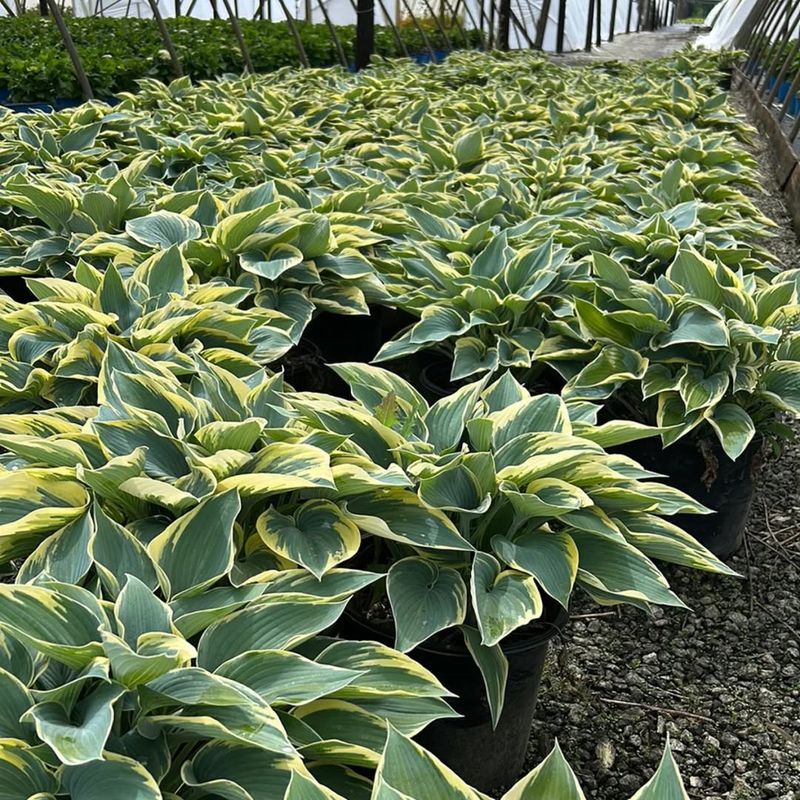
Frost dates are one of those gardening concepts that sound technical but are actually pretty straightforward once you get the hang of them. For Pennsylvania gardeners, knowing your local frost dates is like having a built-in planting calendar that tells you when it is safe to put hostas in the ground.
The last spring frost date marks the point after which freezing temperatures are unlikely to return. In Pennsylvania, this date varies quite a bit by region.
Southeastern areas around Philadelphia typically experience their last frost between April 10 and April 20, depending on local microclimates and seasonal variations. Central Pennsylvania, including areas like State College and Harrisburg, tends to run from late April into early May.
Northern and mountainous parts of Pennsylvania may not be frost-free until late May, depending on elevation and local climate.
Young hosta shoots are surprisingly tough, but a hard frost right after planting can set them back significantly. Waiting until after your local last frost date before planting new hostas greatly reduces the risk of frost damage but does not eliminate it entirely.
You can look up your specific frost dates using the USDA Hardiness Zone map or through the Penn State Extension website, both of which offer reliable, location-specific information.
On the fall side, the first frost indicates when to finish planting. Hostas generally benefit from about three to five weeks of frost-free weather after planting to develop roots before the soil begins to freeze.
In most parts of Pennsylvania, that means wrapping up fall planting by mid-September at the latest to give your plants their best shot at a strong start.
4. Why Fall Can Be A Smart Second Option
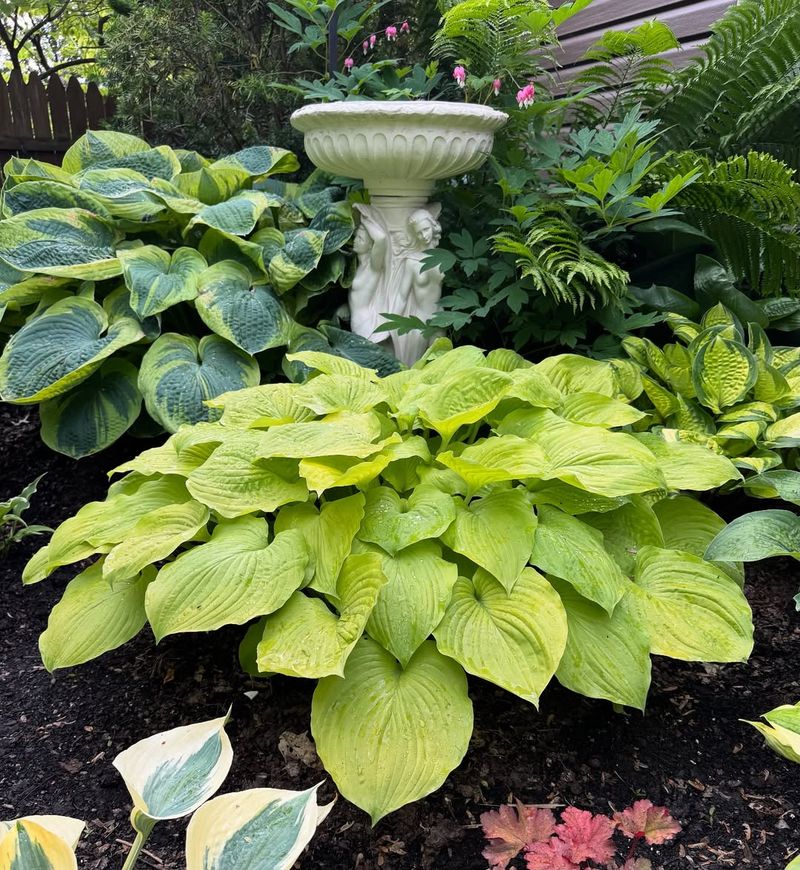
Spring gets most of the attention when it comes to planting, but fall deserves a lot more credit than it usually receives. For Pennsylvania gardeners who missed the spring window or simply want to expand their hosta collection before next year, early fall is a genuinely excellent time to get plants in the ground.
Here is what makes fall so appealing: the soil is still warm from summer, which encourages root growth, but the air temperature has dropped enough that the plant is not fighting heat stress at the same time. That combination is nearly perfect for hostas, which want warm roots and cool air while they get settled in.
You are essentially giving them a cozy environment to establish themselves without asking them to do too much at once.
Planting in late August through mid-September across most of Pennsylvania gives hostas four to six weeks of solid root-growing time before the first frost arrives. By the time the leaves die back and the plant goes dormant for winter, it already has a healthy root system tucked into the soil and ready to fuel strong spring growth.
Another bonus of fall planting is that rainfall tends to be more consistent in Pennsylvania during September and October, which reduces how much supplemental watering you need to do. Less watering, cooler temperatures, and warm soil add up to a surprisingly easy planting experience.
Gardeners in Pittsburgh and across western Pennsylvania especially tend to appreciate fall planting because their September weather is often mild and cooperative for this kind of work.
5. Avoid The Hot Stuff Summer Isn’t Ideal
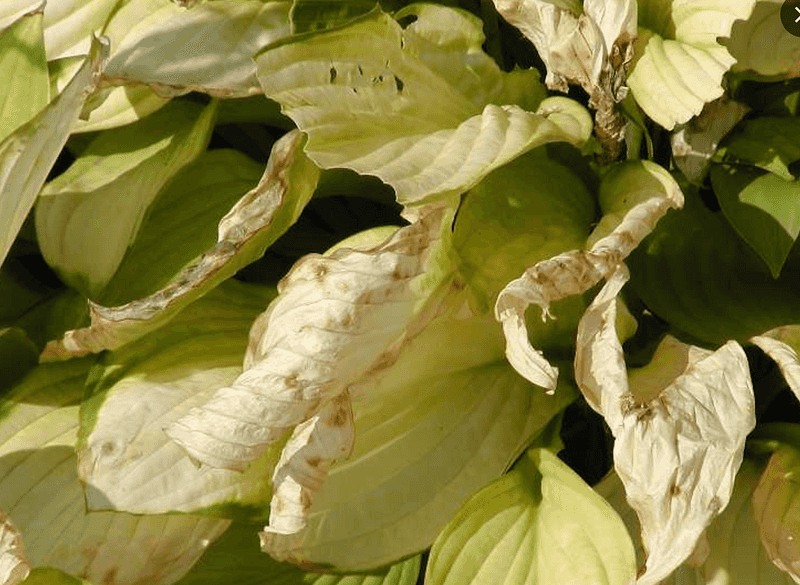
Summer in Pennsylvania can get quite warm, with temperatures sometimes reaching the upper 80s and occasionally into the low 90s in some areas. That kind of heat is hard on established plants, and it is even harder on hostas that were just pulled out of a pot or divided from a clump and dropped into the ground.
When you plant a hosta in summer, the plant has to deal with two major challenges at the same time. First, it needs to grow new roots to anchor itself and find water and nutrients.
Second, it is trying to keep its existing leaves cool and hydrated in the middle of intense heat. Those two demands compete with each other, and the plant often ends up stressed, with leaves that look scorched, wilted, or just plain sad.
Hostas planted in summer often require more frequent watering, particularly during prolonged heat, to support root establishment and prevent leaf stress. That extra care is doable, but it adds real work to your routine.
And even with consistent watering, summer-planted hostas often lag behind spring or fall-planted ones in terms of overall root development and vigor.
If you absolutely must plant in summer, choose an overcast day, water deeply right after planting, and add a thick layer of mulch to help keep the soil cool. Planting in the evening rather than midday also reduces immediate stress on the plant.
That said, if you can wait, holding off until early fall is almost always the smarter move for Pennsylvania gardeners who want strong, healthy hostas without the extra hassle.
6. Soil Prep And Site Choice Matter More Than You Think
Getting the timing right is only half the battle. Where you plant your hostas and what condition the soil is in when you do it can make just as big a difference as choosing the right season.
Fortunately, hostas are pretty forgiving plants as long as you give them a few key things from the start.
Hostas love rich, well-draining soil with a slightly acidic to neutral pH, ideally between 6.0 and 7.2. Before planting, work in a generous amount of compost or well-rotted organic matter to improve both the fertility and the drainage of your garden bed.
Pennsylvania soils vary quite a bit across the state, from the heavy clay soils common in many suburban yards to the rocky, thinner soils found in more rural or mountainous areas. Amending with compost helps in both situations.
Site selection is equally important. Hostas are shade lovers, and they perform best with morning sun and afternoon shade or consistent dappled light throughout the day.
Planting them under mature trees or along the north side of a house or fence works beautifully in most Pennsylvania landscapes. Avoid spots where afternoon sun blazes in for hours, as that can cause leaf edges to brown and crisp up even in otherwise healthy plants.
Spacing also plays a role in long-term success. Depending on the variety, hostas should be planted 18 to 36 inches apart to allow good air circulation and room to spread.
Crowded plants are more prone to slugs and fungal issues, both of which are common challenges in Pennsylvania’s humid summers. Good spacing from the start saves a lot of trouble down the road.