Top 9 Soil Prep Tasks For Kentucky Gardeners This March

March in Kentucky feels like nature flipping a switch.
The air starts to warm up, the ground begins to thaw, and gardeners across the Bluegrass State start itching to get outside.
Think of March as your garden’s “foundation month.” Just like a house needs a solid base, your vegetables, herbs, and flowers depend on healthy, living soil to grow strong.
Before you plant a single seed, your soil needs some serious attention. Getting your soil ready in March is the secret to a thriving garden all season long, and these nine tasks will set you up for success from Louisville to Lexington and everywhere in between.
1. Test Your Soil’s pH Level

You would not bake a cake without checking your ingredients first, and your garden works the same way. Soil pH tells you how acidic or alkaline your ground is, and that number controls how well your plants can absorb nutrients.
In Kentucky, soils tend to lean slightly acidic, especially in eastern parts of the state near the Appalachian Mountains.
A simple pH test kit from your local garden center can give you results in minutes. Most vegetables and flowers prefer a pH between 6.0 and 7.0.
If your number is too low, you will need to add lime to raise it. If it is too high, sulfur can help bring it back down.
Kentucky’s cooperative extension offices, including the University of Kentucky’s extension service, offer affordable soil testing services with detailed reports. They will tell you exactly what your soil needs, taking the guesswork out of the process.
Sending a sample in early March gives you plenty of time to make adjustments before planting season kicks off. Skipping this step is like driving blindfolded, you might get lucky, but why risk it?
Knowing your pH is the smartest first move any Kentucky gardener can make this spring.
2. Clear Out Winter Debris From Garden Beds

Winter in Kentucky can be rough on garden beds, leaving behind a soggy mess of dead leaves, broken stems, and matted plant material. All that leftover debris can harbor pests and fungal diseases that will cause problems once warm weather arrives.
Clearing it out in early March gives your soil a fresh start and lets sunlight reach the ground faster.
Grab a sturdy rake and work through your beds methodically, pulling out anything that looks dead, slimy, or diseased. Be gentle near the soil surface because some beneficial insects overwinter just below the top layer.
Toss diseased material in the trash rather than your compost bin to avoid spreading problems later.
Healthy plant debris like dry leaves or clean stems can go straight into your compost pile. Think of it as recycling your garden’s leftovers into next season’s gold.
Once the beds are cleared, you will be amazed at how much better the soil looks and breathes. Gardeners across Kentucky, from the rolling hills of Bardstown to the suburbs of Lexington, swear by this simple early-spring ritual.
Your Kentucky Garden Changes Every Week. Your Plan Should Too.
Gardening in Kentucky changes quickly throughout the season. Every Friday you’ll receive a simple weekly plan showing exactly what to plant, prune, fertilize, harvest, and protect so you never miss the right timing.
A clean bed in March means fewer headaches in May and June, and your plants will thank you for putting in the effort now.
3. Add Compost To Boost Soil Nutrients

Compost is basically a superfood smoothie for your garden soil, and March is the perfect time to spread it. Over the winter, your soil loses nutrients as rain washes them deeper into the ground.
Adding a fresh layer of compost in early spring replenishes what was lost and wakes up the biological life in your soil.
Spread two to three inches of finished compost across your garden beds and gently work it into the top six inches of soil. You do not need to go deep; most plant roots thrive in that upper layer.
If you have been maintaining a backyard compost pile through the Kentucky winter, now is the time to put it to work.
Not composting yet? No worries.
Bagged compost is widely available at garden centers throughout Kentucky, from big box stores in Louisville to local nurseries in smaller towns. Look for compost made from a mix of plant and animal materials for the broadest range of nutrients.
Worm castings are another excellent add-on that can supercharge your soil’s microbial activity. The microbes in healthy compost break down nutrients into forms your plants can actually use.
Think of compost as an investment that pays off with bigger harvests, brighter blooms, and healthier plants all season long.
4. Loosen Compacted Soil With A Garden Fork

Kentucky winters can pack your soil down tighter than a drum, especially in clay-heavy areas common across the central and western parts of the state. Compacted soil makes it nearly impossible for plant roots to push through, and it blocks water and air from reaching the root zone.
Loosening things up in March is one of the most impactful things you can do before the planting season begins.
A garden fork is your best friend for this job. Push it straight down about eight to ten inches and rock it gently back and forth to break up clumps without completely disrupting the soil structure.
Work across your beds in a grid pattern so no spots get missed.
Avoid tilling when the soil is soaking wet because that can actually make compaction worse in the long run. The old squeeze test works great: grab a handful of soil and squeeze it.
If it crumbles apart when you open your hand, it is ready to work. If it stays in a soggy ball, wait a few more days.
Gardeners in Louisville and Frankfort who deal with heavy clay soil especially benefit from this step. Combining fork aeration with compost addition creates a fluffy, well-draining growing environment that most vegetables and flowers absolutely love.
5. Check And Improve Soil Drainage
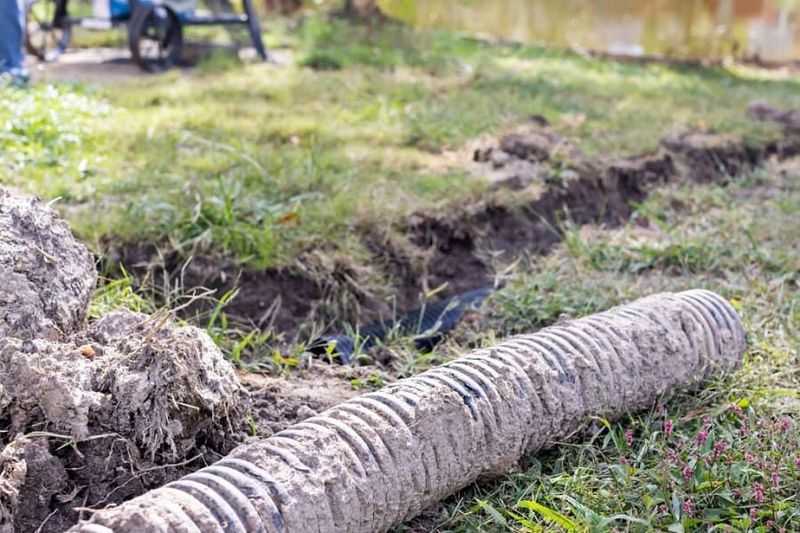
Poor drainage is a sneaky problem that ruins gardens before they ever really get started. If water sits on top of your soil for hours after a rain, plant roots can suffocate from lack of oxygen.
Kentucky sees a good amount of spring rainfall, so drainage is not something you want to leave to chance.
The percolation test is a quick and easy way to check how your soil drains. Dig a hole about twelve inches deep and fill it with water.
If the water drains within an hour, you are in good shape.If it is still sitting there two hours later, you have a drainage issue that needs fixing before you plant anything.
Raised beds are a popular solution for Kentucky gardeners dealing with heavy clay soils. You can fill them with a custom mix of topsoil, compost, and coarse sand for near-perfect drainage.
Adding organic matter like aged wood chips or compost to existing beds also helps clay soils drain better over time. For serious low spots, installing simple French drains or redirecting downspouts can make a big difference.
Gardeners near the Ohio River in northern Kentucky know firsthand how waterlogged spring soil can set a garden back weeks. Fixing drainage now saves you a mountain of frustration later in the season.
6. Apply A Layer Of Mulch To Protect Soil

Mulch might look like just a finishing touch, but it does some seriously heavy lifting in the garden. Spread over your soil in March, mulch acts like a protective blanket that holds in moisture, moderates soil temperature, and slows down weed growth before it gets out of control.
For Kentucky gardeners, where spring weather can swing from warm to frosty overnight, that temperature buffering is especially valuable.
Shredded hardwood bark, straw, or wood chips all make excellent mulch choices. Apply a two to three inch layer over your garden beds, keeping it a few inches away from plant stems and tree trunks to prevent rot.
Fresh mulch also gives your garden beds a clean, polished look that makes the whole yard feel more put-together.
As mulch breaks down over the season, it slowly adds organic matter back into the soil, which is a bonus you do not have to do anything extra to earn. In urban Kentucky neighborhoods, like the Highlands area in Louisville, homeowners often use mulch to tie together ornamental beds and keep maintenance manageable.
Choose locally sourced mulch when possible to support Kentucky businesses and reduce the environmental footprint of your garden. A fresh mulch application in March is one of the easiest, highest-reward tasks on any gardener’s spring checklist.
7. Incorporate Aged Manure Into Garden Beds

Aged manure has been a garden secret weapon for centuries, and Kentucky gardeners have a natural advantage here. With the state’s long tradition of horse and cattle farming, quality aged manure is often easier to find in Kentucky than just about anywhere else in the country.
Worked into garden beds in March, it adds a powerhouse blend of nitrogen, phosphorus, and potassium that synthetic fertilizers simply cannot match.
The key word is aged, because fresh manure is too strong and can actually burn plant roots. Look for manure that has been composted or aged for at least six months.
Horse farms across the Bluegrass Region often give it away for free or sell it cheaply to local gardeners, which is a win-win for everyone involved.
Mix aged manure into the top six to eight inches of your soil using a garden fork or spade. One to two inches spread across the bed is usually plenty for most vegetable gardens.
The organic matter in manure also improves soil structure over time, making it easier to work season after season. If you are gardening near Lexington or the horse country of central Kentucky, connecting with a local farm could score you an incredible supply of this garden gold.
Your vegetables will grow stronger, your soil will stay richer, and your whole garden ecosystem will be healthier for it.
8. Plan And Rotate Your Planting Zones

Smart gardeners do not plant the same crops in the same spot year after year, and March is the ideal time to rethink your layout. Crop rotation is a proven technique that prevents soil-borne diseases from building up and stops pests from settling in permanently.
Moving plant families around the garden each year keeps your soil balanced and your harvests consistent.
Start by sketching out a simple map of your garden beds and noting what you grew in each section last year. Then plan to shift plant families to a new location this season.
For example, if tomatoes were in the east bed last summer, move them to the west bed this year and plant a different crop family, like beans or squash, where the tomatoes were.
Rotation also helps different plants naturally replenish different nutrients. Legumes like beans and peas actually add nitrogen back into the soil, which is great news for whatever follows them next season.
Kentucky gardeners who grow traditional favorites like corn, beans, and squash together, inspired by the Native American three-sisters method, naturally rotate and support each other. Planning your zones in March gives you a clear roadmap before the planting rush begins in late April and May.
A little organization now prevents a lot of confusion and disappointment when the busy growing season is in full swing.
9. Add Cover Crop Residue Into The Soil

If you planted a cover crop last fall, congratulations because you made one of the best investments a gardener can make. Cover crops like winter rye, crimson clover, or hairy vetch protect your soil all winter long, and now in March it is time to cash in on that investment.
Turning those plants into the soil before they go to seed is called green manuring, and it is incredibly effective.
Use a garden spade or fork to chop the cover crop into pieces and work it into the top six to eight inches of soil. Give the plant material at least two to three weeks to break down before you start planting.
As it decomposes, it releases a steady stream of nutrients directly into the soil where your future plants need them most.
Crimson clover is especially popular among Kentucky gardeners because it fixes nitrogen from the air into the soil naturally. That means free fertilizer, which is always a good thing.
In rural areas outside of Frankfort and Bowling Green, many home gardeners and small-scale farmers rely on cover cropping to reduce their need for purchased fertilizers. If you did not plant a cover crop this past fall, make a note to start one next October.
Your March 2026 self will be very glad you did.