8 Common Mistakes Arizona Gardeners Make With Citrus Trees
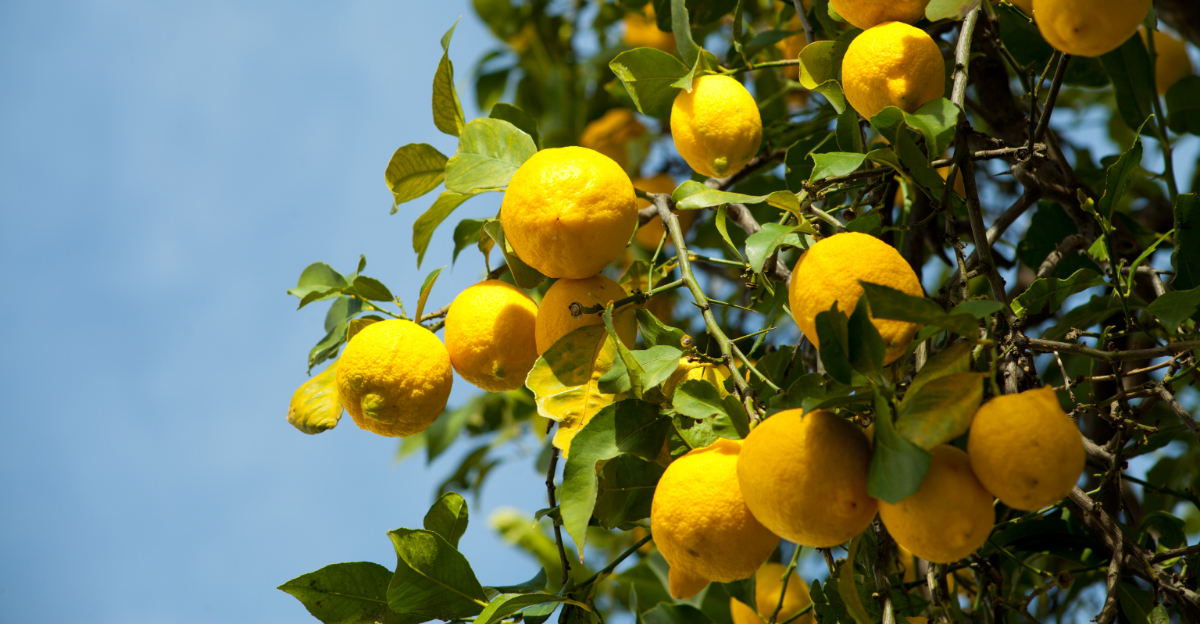
Arizona gardeners know that citrus trees are a jewel in the desert yard, with glossy leaves and bright, juicy fruit. Yet even seasoned gardeners make mistakes that quietly slow growth or reduce harvests.
Too much fertilizer, poor timing for pruning, watering at the wrong intervals – each small misstep can leave a tree looking healthy but underperforming.
From planting the wrong variety in the heat to missing early pest signs, citrus trees demand attention and timing, not just luck.
Understanding the pitfalls allows your oranges, lemons, and limes to flourish in Arizona’s challenging sun and soil conditions.
Read on to uncover the common missteps that trip up gardeners and see how small adjustments now can set your citrus trees up for a productive season full of flavor and color.
1. Planting Citrus At The Wrong Time
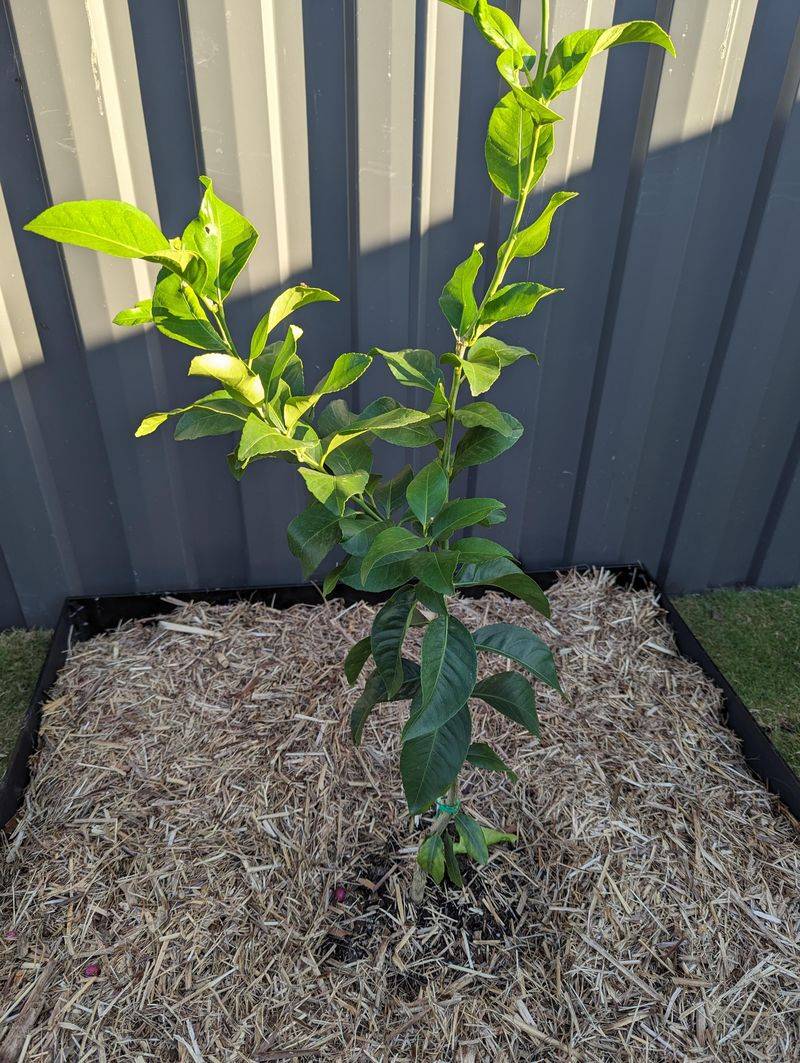
Timing is everything when it comes to planting citrus trees in Arizona. Many gardeners get excited and plant their trees in the middle of summer, thinking the warm weather will help them get a strong start.
Unfortunately, planting during the peak heat of an Arizona summer, especially between June and August, puts tremendous stress on a young tree before it even has a chance to settle in.
A common recommendation is to plant citrus in Arizona during cooler months, typically from March to April or October to November, depending on local temperatures and soil conditions. These windows give your tree cooler temperatures to establish its root system without fighting off intense desert heat at the same time.
A newly planted tree needs time to anchor itself in the soil, and extreme heat makes that much harder.
When you plant during milder weather, roots spread more naturally and the tree adjusts to its new environment with far less strain. Spring planting also lines up nicely with the growing season, giving your tree a full warm period to develop before winter arrives.
If you miss the spring window, fall is your next best bet in Arizona. Avoid planting during the hottest months, and your citrus tree will reward you with faster establishment and healthier growth from the very beginning.
2. Choosing A Tree That’s Too Large For The Space
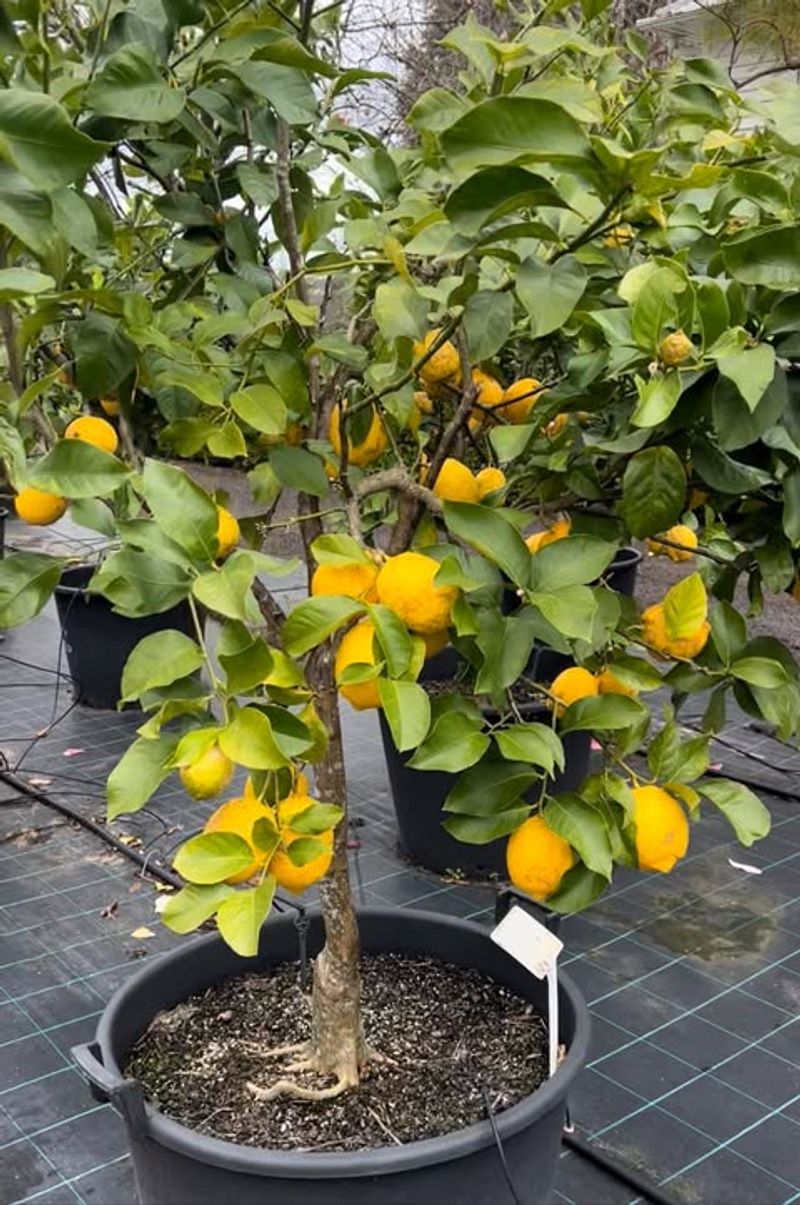
Walk into any Arizona nursery in the spring and it is easy to get swept away by the biggest, most impressive citrus tree on the lot. But picking a tree that is too large for your available space is one of the most common and frustrating mistakes Arizona homeowners make.
A citrus tree that outgrows its spot will crowd other plants, interfere with structures, and become difficult to maintain over time.
Before you buy, measure your planting area carefully. Standard citrus trees like full-sized navels or grapefruits can spread 20 to 25 feet wide at maturity.
If your yard cannot comfortably fit that spread, consider a semi-dwarf or dwarf variety instead. Dwarf trees still produce full-sized fruit, they just stay more manageable in smaller Arizona yards or even large containers on a patio.
Thinking ahead about mature size also helps with sunlight, airflow, and irrigation planning. Trees planted too close together compete for water and nutrients, which can weaken both plants over time.
Your Arizona Garden Changes Every Week. Your Plan Should Too.
Gardening in Arizona changes quickly throughout the season. Every Friday you’ll receive a simple weekly plan showing exactly what to plant, prune, fertilize, harvest, and protect so you never miss the right timing.
A little research before you purchase saves a lot of headaches later. Ask your local Arizona nursery staff about the mature spread of any variety you are considering.
Choosing the right-sized tree for your space from the start means less pruning stress and a much healthier, more productive citrus tree for years to come.
3. Planting The Citrus Tree Too Deeply
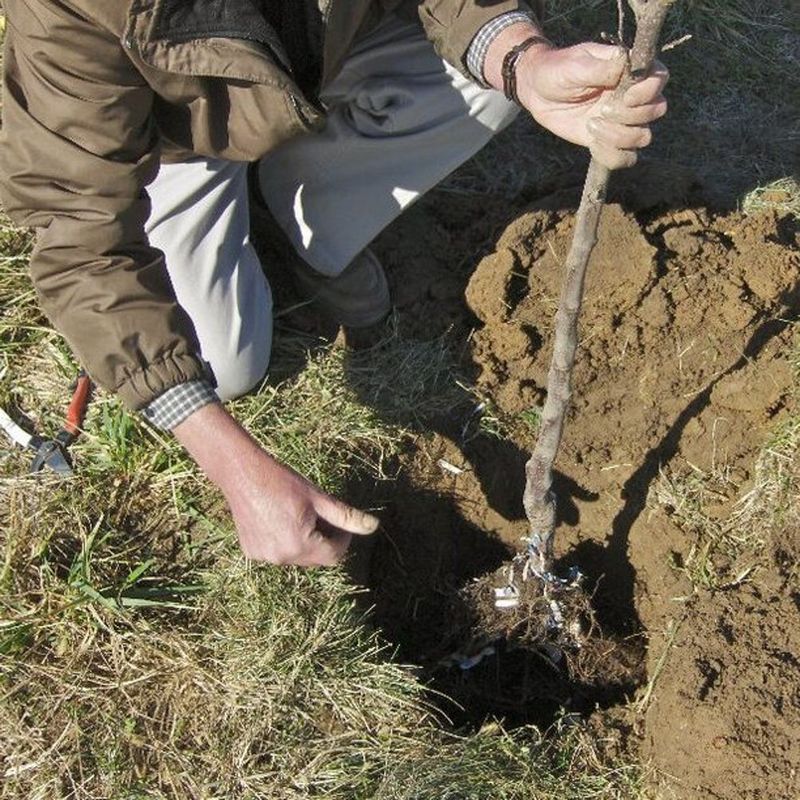
Here is a mistake that catches a surprising number of Arizona gardeners off guard: planting a citrus tree too deep in the ground. It seems like burying the roots deeply would give the tree more stability and moisture, but the opposite is actually true.
Planting too deep cuts off oxygen to the roots and creates the perfect conditions for fungal diseases and root rot to take hold.
When planting a citrus tree in Arizona, the graft union, which is the slightly swollen bump near the base of the trunk, should sit about two to four inches above the soil line. The root flare, where the trunk begins to widen near the base, should also be visible at or just above the ground.
If you bury these areas, the tree struggles to breathe and may develop bark problems that weaken it over time.
A good rule of thumb is to plant your citrus tree so that the top of the root ball is level with or slightly above the surrounding soil. In Arizona, where heavy clay soils or compacted caliche layers are common, this is especially important for drainage.
After planting, build a small watering basin around the tree to direct irrigation water toward the roots without letting it pool against the trunk. Getting the depth right from day one sets your tree up for long-term success.
4. Watering Incorrectly – Too Shallow Or Infrequently
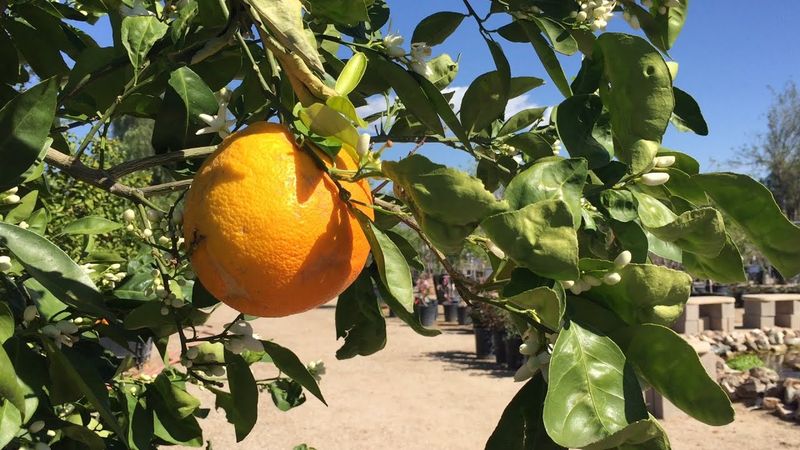
Water is the lifeblood of any plant, but in Arizona, getting your watering habits right is especially critical. One of the biggest watering mistakes citrus growers make is watering too shallowly.
A quick sprinkle on the surface might look like enough, but it only wets the top inch or two of soil, which encourages roots to stay shallow and weak rather than growing deep where moisture and stability live.
Citrus trees in Arizona generally benefit from deep watering that encourages roots to reach a healthy depth, which may vary depending on soil type, tree age, and weather conditions. For established trees, this typically means watering slowly and deeply every one to two weeks in summer, and every three to four weeks in cooler months.
Young trees need more frequent watering while their roots are still developing. Using a drip system or a slow-running hose inside a watering basin works much better than overhead sprinklers for getting water where it needs to go.
Underwatering is just as problematic as overwatering. Signs of thirsty citrus include wilting leaves, leaf drop, and small, dry fruit.
On the flip side, soggy soil from overwatering leads to root problems that are hard to reverse. In Arizona, checking the soil moisture a few inches down before watering is the simplest way to stay on track.
Consistent, deep watering builds strong roots and keeps your citrus productive through the intense desert heat.
5. Not Fertilizing Citrus Trees Properly
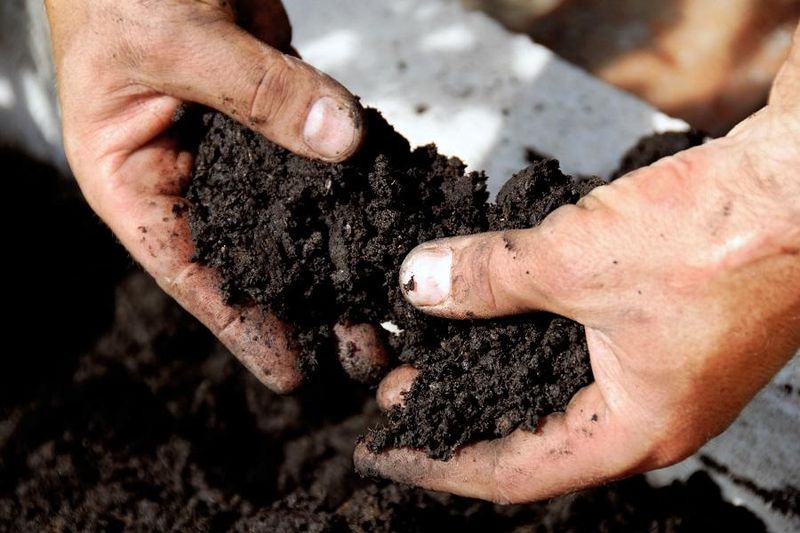
Citrus trees are nutrient-demanding, and in Arizona, where soils can be low in organic matter, following a proper fertilization schedule helps support healthy growth and fruiting… Skipping fertilizer or applying it at the wrong times is a mistake that shows up in pale yellow leaves, weak growth, and disappointing harvests.
Many gardeners simply forget that citrus needs regular feeding to stay productive.
In Arizona, citrus trees are commonly fertilized three to four times a year, often starting in late February or early March, then again in late spring and summer, adjusting timing based on tree age and growth. Using a fertilizer formulated specifically for citrus ensures your tree gets the right balance of nitrogen, phosphorus, potassium, and micronutrients like iron, zinc, and manganese.
Iron deficiency is especially common in Arizona because of the alkaline soil, and it shows up as yellowing leaves with green veins, a condition called chlorosis.
Always follow label directions and avoid over-fertilizing, which can cause excessive leafy growth at the expense of fruit. Spread granular fertilizer evenly under the canopy and water it in well after applying.
Avoid piling fertilizer directly against the trunk. Organic options like compost or slow-release citrus blends are great choices for Arizona gardeners who want steady, consistent feeding without the risk of burning roots.
With the right fertilizing schedule, your citrus tree will produce lush foliage and a generous fruit crop year after year.
6. Exposing Citrus Bark To Sunscald
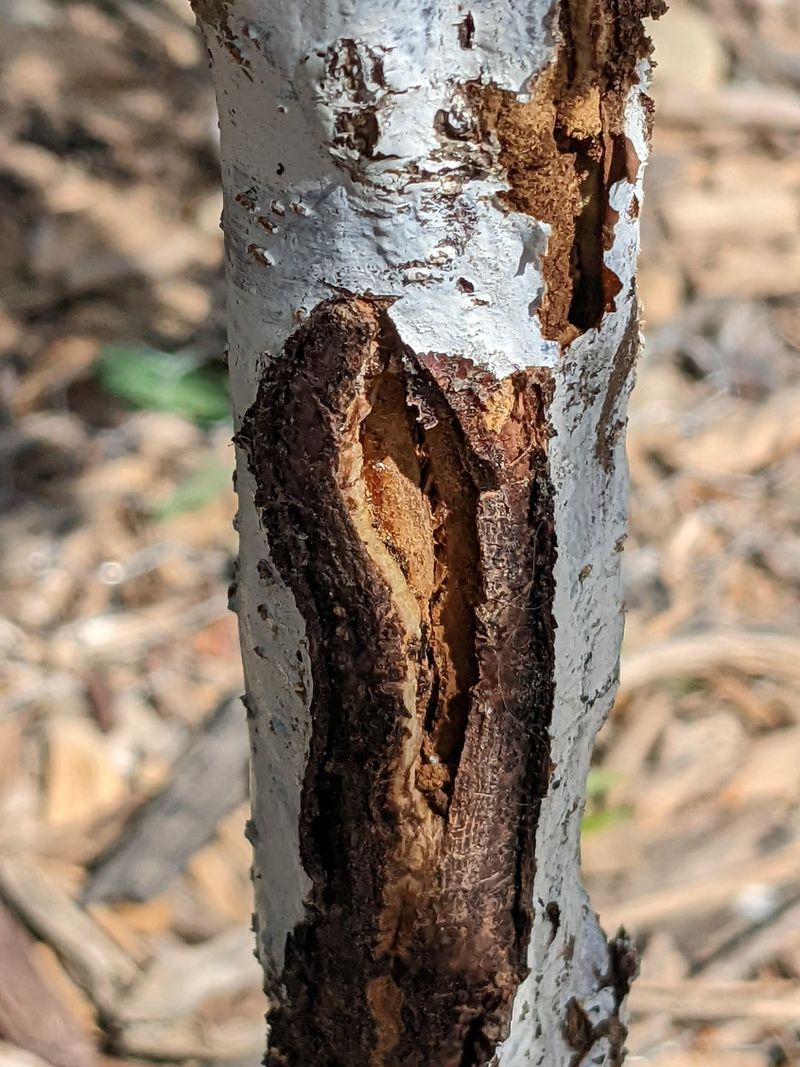
Most people know that Arizona summers bring brutal, relentless sun. What fewer people realize is that citrus tree trunks can actually get sunburned, and the damage can be serious.
Sunscald happens when intense direct sunlight heats up the bark on the south or west side of the trunk, causing it to crack, peel, and become vulnerable to insects and disease. Young trees and newly planted citrus are especially at risk.
Protecting your citrus bark from sunscald is simple and inexpensive. The most common method is painting the trunk with a diluted white interior latex paint, mixed at a ratio of about one part paint to one part water.
This reflects sunlight and keeps the bark temperature from spiking dangerously high during the peak Arizona heat. You can also wrap the trunk with tree-wrap tape or white paper tree guards for similar protection.
Once established, a full canopy of leaves provides some natural shading for the trunk, but young trees without much leaf coverage are the most vulnerable. Make trunk protection a priority in the first two to three years after planting.
Check the bark regularly for any signs of cracking or discoloration, and reapply paint or wrapping as needed. Preventing sunscald is much easier than trying to nurse a damaged trunk back to health in the middle of an Arizona summer.
A little prevention goes a long way toward keeping your citrus tree strong and structurally sound.
7. Failing To Manage Common Pests Like Citrus Leafminers Or Scale
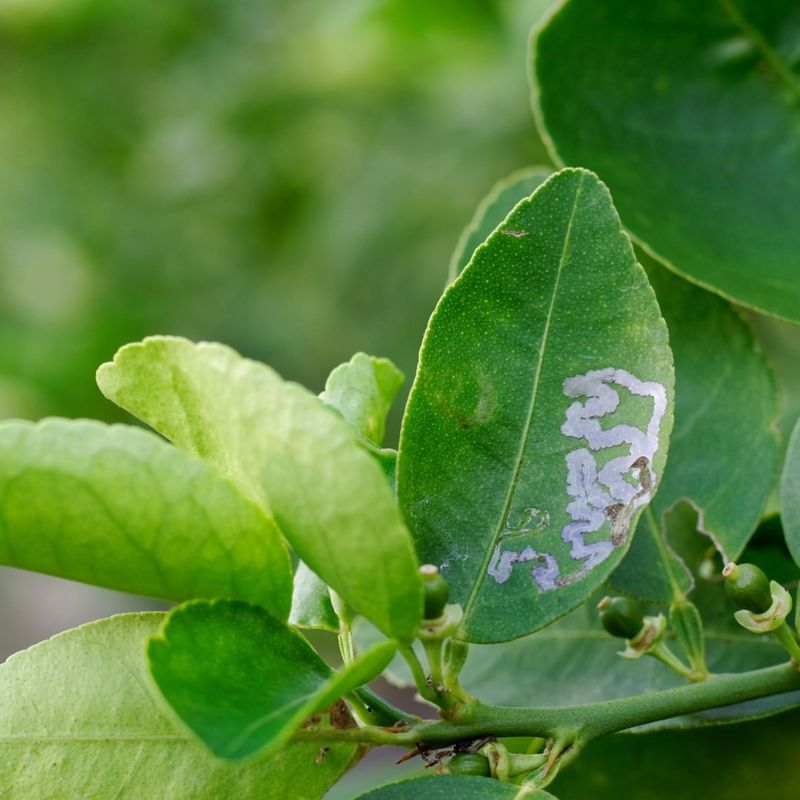
Arizona citrus trees face a lineup of persistent pests, and letting them go unchecked can seriously set back your tree’s health and fruit production. Two of the most common culprits are citrus leafminers and scale insects.
Citrus leafminers are tiny moths whose larvae tunnel through new leaves, leaving behind silvery squiggly trails and causing the leaves to curl and distort. Scale insects attach themselves to branches and leaves, sucking out sap and weakening the tree over time.
Staying on top of pest management starts with regular inspection. Walk around your citrus trees every week or two and flip over leaves to check for unusual activity.
Citrus leafminers are most active during periods of new growth, especially in spring and fall. Scale insects often look like small brown or white bumps stuck to the bark and stems.
If you catch an infestation early, treatment is much easier and more effective.
For citrus leafminers, targeted spinosad or horticultural oil applications to new growth can help reduce damage, but follow label directions and integrate with cultural practices to protect beneficial insects. Scale insects respond well to horticultural oil sprays, which smother them without harsh chemicals.
In Arizona, beneficial insects like parasitic wasps naturally help keep leafminer populations in check, so avoiding broad-spectrum pesticides whenever possible helps protect those helpful allies. Keeping your tree well-watered and fertilized also makes it more resilient against pest pressure.
Healthy trees in Arizona can tolerate a certain amount of pest activity without losing productivity, but consistent monitoring keeps problems from getting out of hand.
8. Not Monitoring For Citrus Greening Disease And Asian Citrus Psyllid
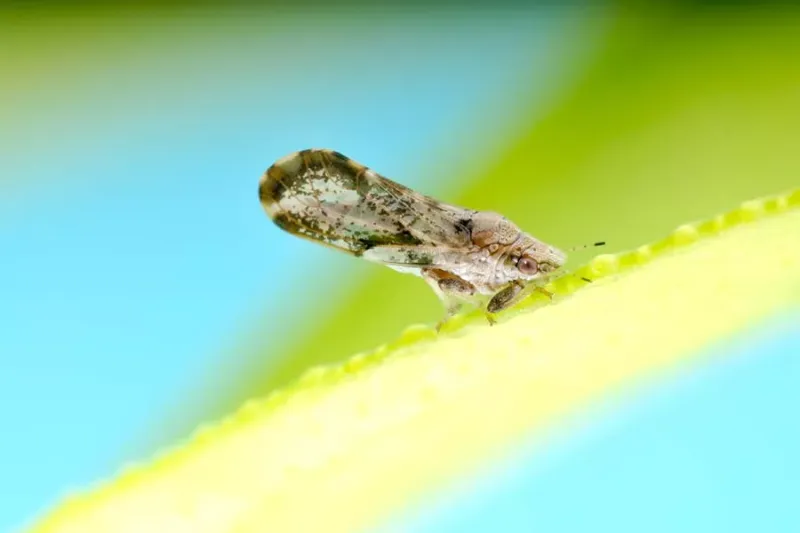
Citrus greening disease, also known as Huanglongbing or HLB, is one of the most serious threats facing citrus growers across the United States, and Arizona is not immune. The disease is spread by a tiny insect called the Asian citrus psyllid, which feeds on new growth and transmits the bacteria that causes greening.
Once a tree is infected with citrus greening disease (HLB), there is currently no cure, so early detection, reporting, and preventive measures are strongly recommended to help reduce the risk of spread in Arizona.
Asian citrus psyllids are small, brownish insects that hold their bodies at a distinctive 45-degree angle while feeding. They are most active during periods of new growth and tend to cluster on young, tender leaves and shoots.
Signs of citrus greening in a tree include yellowing leaves with an asymmetrical, blotchy pattern, small and misshapen fruit, and a bitter taste in the juice. If you notice these symptoms, contact your local Arizona Cooperative Extension office right away for guidance.
Prevention is your best tool against this devastating disease. Inspect your citrus trees regularly for psyllids, especially during spring and fall flushes of new growth.
Avoid moving citrus plants or budwood from areas where psyllids are known to be present. Report any suspected sightings of Asian citrus psyllids to Arizona agricultural authorities, as early reporting helps slow the spread.
Keeping your trees healthy through proper watering, fertilizing, and pest management also makes them better equipped to withstand pest pressure over time.