These 10 Fragrant Blooms Thrive In Oregon Spring Gardens
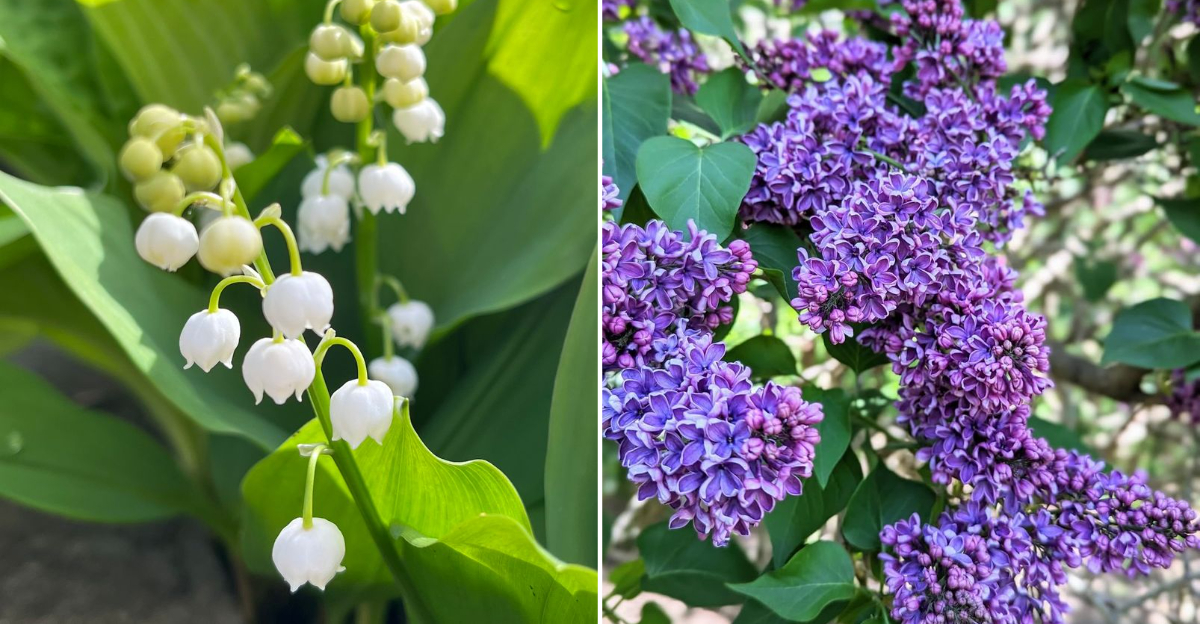
Spring in Oregon feels like nature hitting the refresh button. The rain softens the soil, the days stretch a little longer, and suddenly gardens start waking up everywhere.
Tiny buds appear, fresh green leaves pop out, and the air begins to smell amazing. Seriously, is there anything better than stepping outside and catching a sweet floral scent drifting through the yard?
Oregon’s mild spring weather is perfect for flowers that love cool temperatures and a bit of moisture. Some blooms show up early and fill the garden with fragrance before summer even thinks about arriving.
Others quietly take over flower beds and make the whole space smell like a natural perfume shop. The best part? Many of these fragrant flowers are surprisingly easy to grow.
Even beginner gardeners can enjoy a yard that smells incredible. Ready to find a few blooms that will make your Oregon spring garden smell absolutely wonderful?
1. Lilac
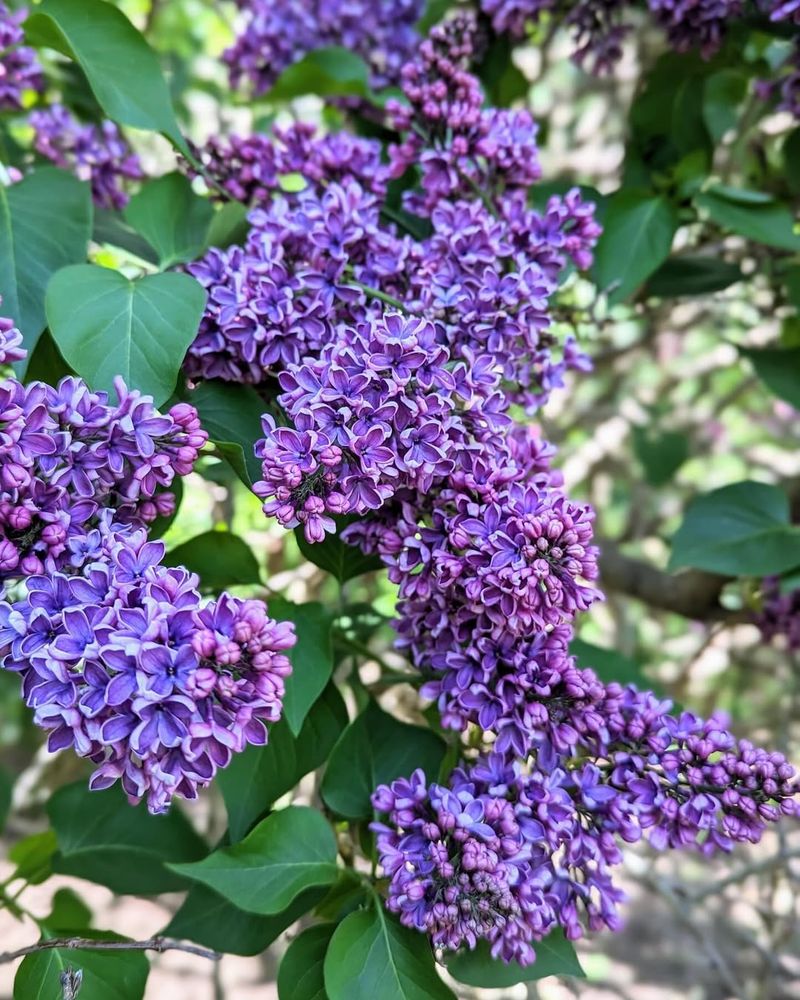
Few flowers trigger happy memories quite like the lilac. That rich, sweet scent floating through the air on a cool Oregon spring morning is something gardeners look forward to all year long.
Lilacs have been grown in American gardens for centuries, and it is easy to understand why they remain so popular.
In Oregon, lilacs thrive in full sun with well-drained soil. They are tough, low-maintenance shrubs that reward patient gardeners with stunning clusters of blooms every spring.
Varieties like Syringa vulgaris ‘Josee’ are especially great choices because they rebloom throughout the season, giving you more fragrance for longer.
Plant your lilac in a sunny spot with good air circulation to keep it healthy. Water it regularly during the first growing season to help the roots settle in.
Once established, lilacs are surprisingly drought-tolerant. Prune lightly right after blooming to keep the shape tidy and encourage next year’s flowers.
In Oregon’s Willamette Valley, lilacs can grow into large, impressive shrubs that become real showstoppers in the spring landscape. Neighbors will definitely notice the beautiful scent drifting over the fence.
2. Hyacinth
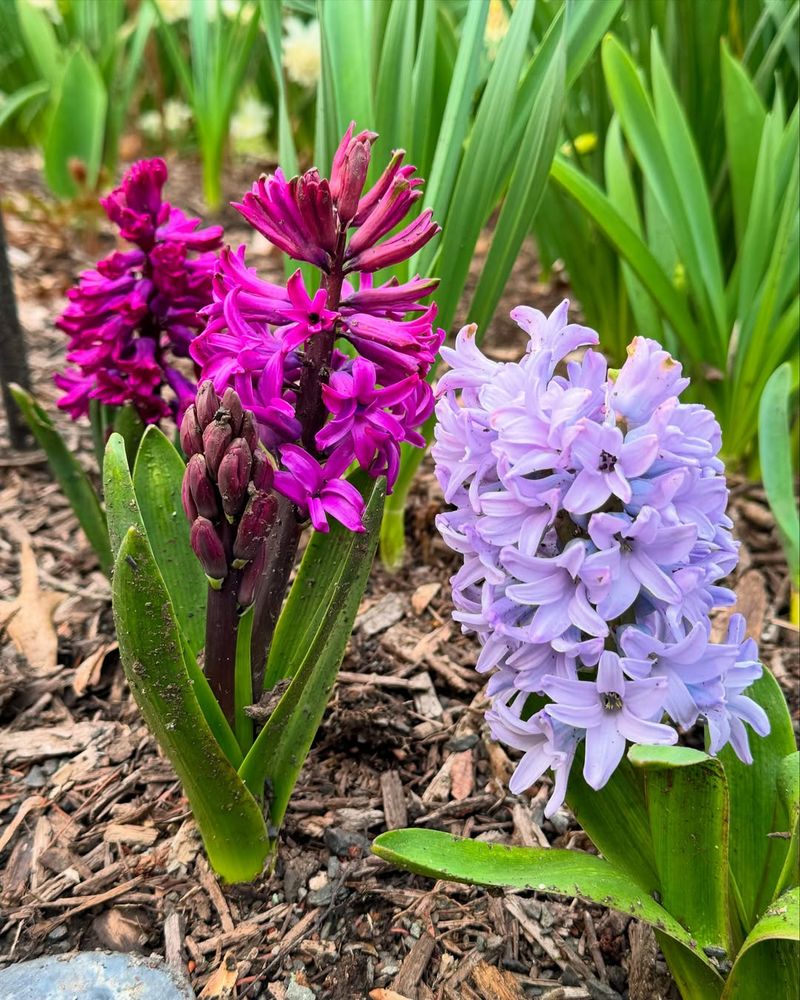
Walk past a hyacinth in bloom and you will stop in your tracks. The scent is bold, sweet, and almost impossible to ignore.
Hyacinths are bulb flowers that pop up in early spring, often before many other plants have even woken up from winter. They are one of Oregon’s most beloved seasonal showstoppers.
These compact beauties come in shades of purple, pink, white, blue, and red. Each thick flower spike is packed with tiny blossoms that release fragrance all day long.
In Oregon’s cool, wet spring climate, hyacinths feel right at home. They prefer well-drained soil and a sunny to partially shaded spot in the garden.
Plant hyacinth bulbs in the fall, about six inches deep, and let Oregon’s winter work its magic. By late February or March, bright green shoots will push through the soil, followed by those iconic fragrant spikes.
They look stunning when planted in groups along a garden border or in containers near a front door.
Your Oregon Garden Changes Every Week. Your Plan Should Too.
Gardening in Oregon changes quickly throughout the season. Every Friday you’ll receive a simple weekly plan showing exactly what to plant, prune, fertilize, harvest, and protect so you never miss the right timing.
After blooming, let the leaves fade naturally so the bulb can store energy for next year. With a little patience, hyacinths will return faithfully each Oregon spring season.
3. Daphne
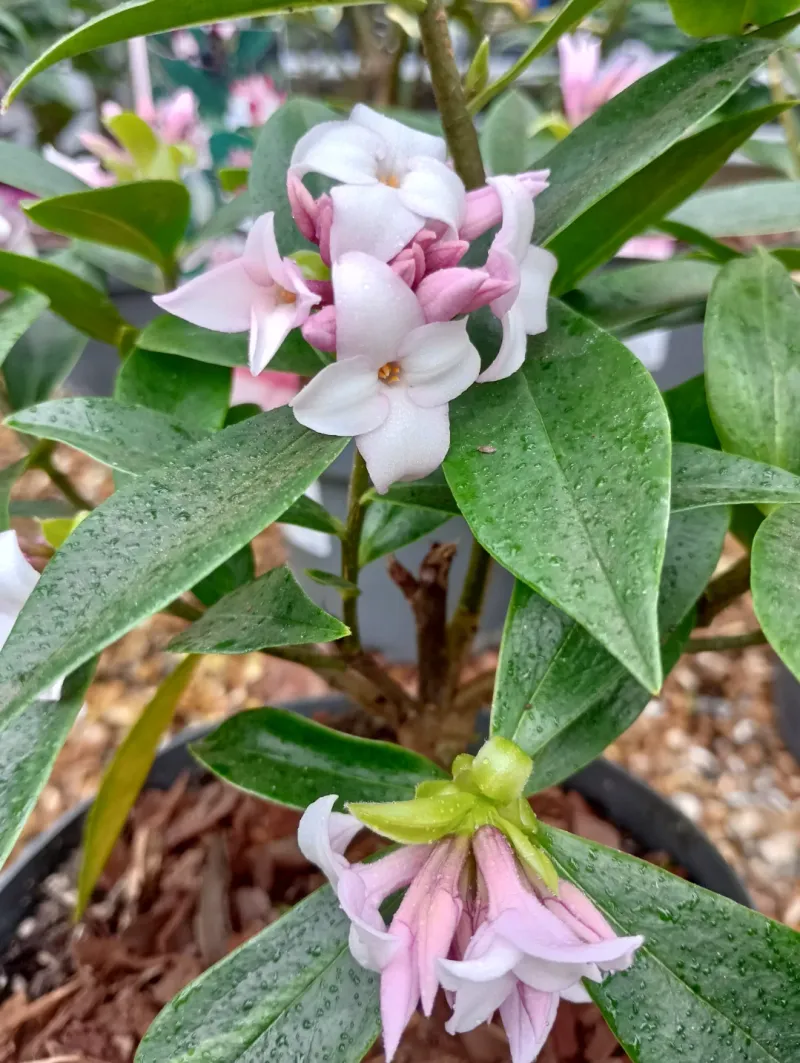
Daphne is one of those plants that surprises people. It looks modest from a distance, but walk closer and you will be hit with one of the most intense, sweet fragrances in the plant world.
In Oregon, Daphne odora blooms in late winter to early spring, often when the rest of the garden is still quiet and bare.
This evergreen shrub stays compact and tidy, making it a great choice for smaller Oregon gardens or even large containers on a patio. The clusters of pink and white flowers are delicate and beautiful, but the scent is anything but subtle.
Just one plant near a pathway or entryway can perfume a large area on a calm spring day.
Daphne prefers partial shade and well-drained soil. It does not like to sit in soggy ground, so make sure your planting spot drains well, which is important to keep in mind during Oregon’s rainy season.
Avoid moving it once established, since Daphne does not love being transplanted. Water consistently but do not overdo it.
With the right conditions, this shrub will reward you with years of spectacular early-season fragrance that makes every morning walk in the garden feel like a treat.
4. Sweet Pea
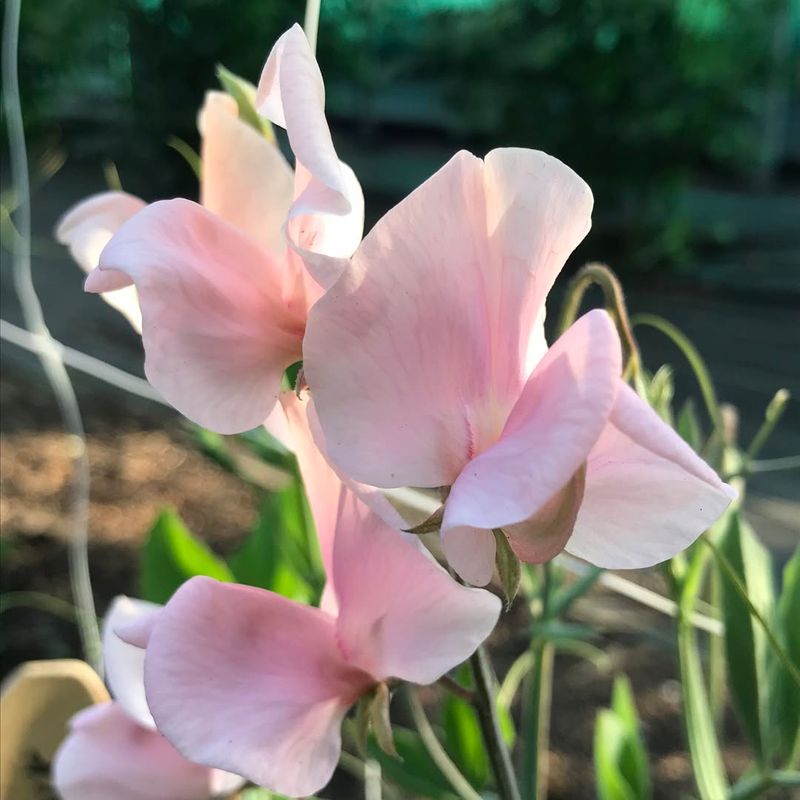
Sweet peas are cheerful, charming, and wonderfully fragrant. These climbing flowers have been garden favorites for hundreds of years, and their delicate, ruffled blooms in shades of pink, purple, coral, and white make them easy to love.
The fragrance is light and fresh, like a gentle floral breeze on a warm spring afternoon.
Oregon’s cool spring weather is actually perfect for sweet peas. They love mild temperatures and tend to struggle in intense summer heat, so getting them going early in the season gives them the best chance to shine.
Sow seeds directly in the garden in late winter or very early spring, as soon as the soil can be worked. They germinate quickly and grow fast when given something to climb.
Set up a trellis, fence, or garden netting and watch sweet peas scramble upward with their curling tendrils. Regular picking of spent blooms encourages more flowers to form, so keep a small vase handy because these make incredible cut flowers.
In Oregon, sweet peas can bloom for weeks on end if the weather stays cool. Plant them along a sunny fence or near a seating area where you can fully enjoy their sweet, nostalgic scent throughout the season.
5. Mock Orange
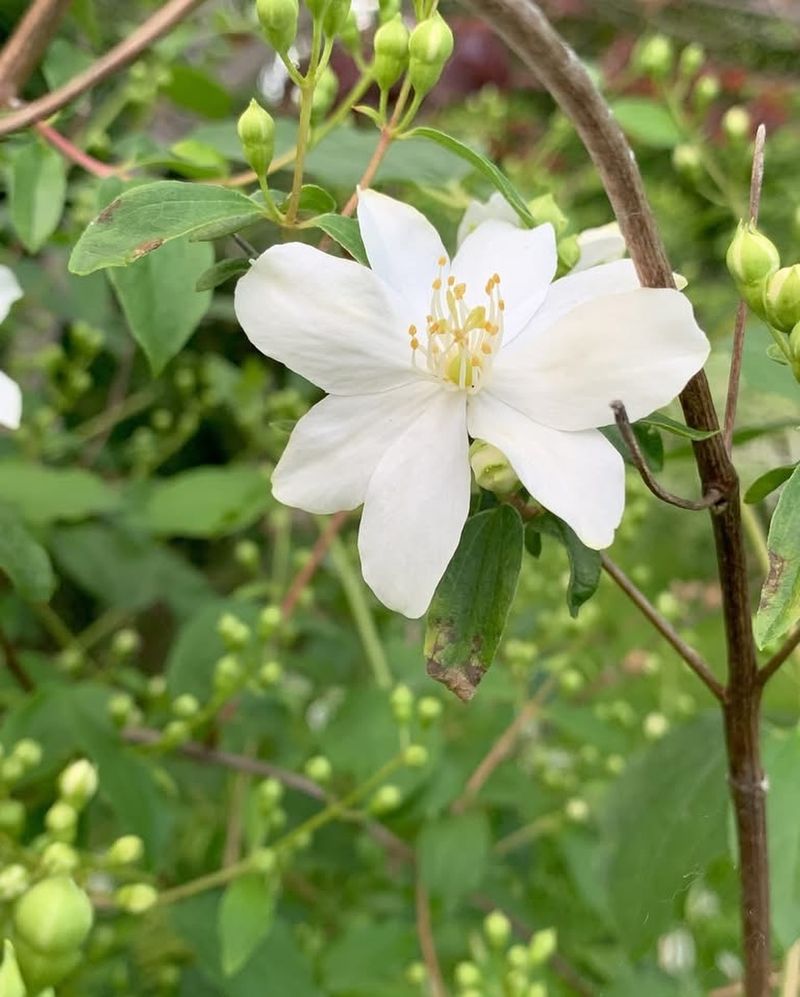
If you have ever smelled a mock orange in full bloom, you already know why gardeners are obsessed with it. The white flowers smell strikingly similar to real orange blossoms, which is exactly how this shrub earned its quirky name.
It is bold, sweet, and absolutely intoxicating on a warm spring day in Oregon.
Mock orange, known botanically as Philadelphus, is a tough and adaptable shrub. It handles Oregon’s varied conditions well and grows happily in full sun to partial shade.
The compact variety ‘Illuminati Tower’ is a popular choice for Oregon gardeners who want big fragrance without a massive plant taking over the yard.
This shrub blooms in late spring to early summer, producing masses of pure white four-petaled flowers that attract bees and butterflies. Plant it near a patio, deck, or open window so the fragrance drifts inside on warm evenings.
Mock orange is also quite low-maintenance once established. Prune it right after flowering to keep it shapely and healthy.
It grows well in most Oregon soils as long as drainage is decent. For a flowering shrub that delivers serious fragrance impact with minimal fuss, mock orange is truly hard to beat in any Oregon spring garden.
6. Lily Of The Valley
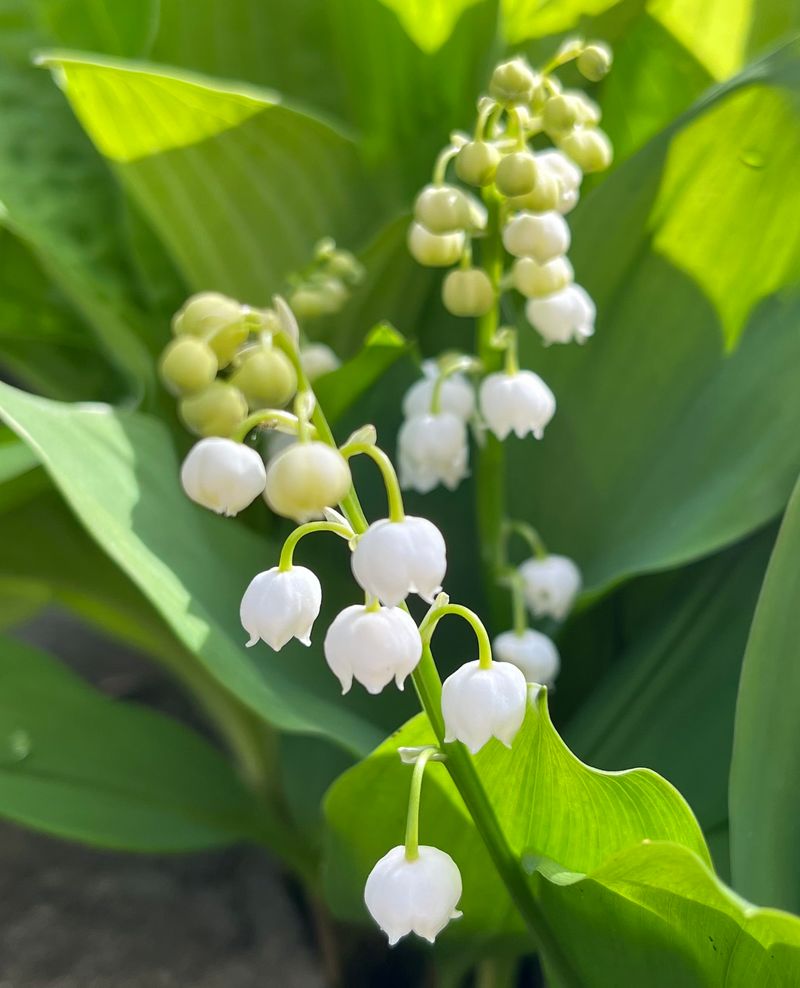
Tiny but mighty is the best way to describe lily of the valley. Those small, bell-shaped white flowers dangling from arching green stems pack a surprisingly powerful fragrance.
The scent is clean, sweet, and fresh, and it has been used in perfumes and wedding bouquets for generations. In Oregon, this woodland charmer thrives in shaded garden spots.
Lily of the valley is a perennial that spreads slowly over time, forming a lush ground cover under trees or along shaded borders. It loves the cool, moist conditions that Oregon naturally provides, especially in spring.
Plant the small rhizomes, called pips, in fall or early spring in a spot with partial to full shade and rich, well-drained soil.
Once established, lily of the valley is wonderfully low-maintenance. It comes back reliably every spring, spreading gently to fill in bare shaded areas where other plants might struggle.
The blooms appear in mid to late spring and last for a few weeks. Cut a small bunch and bring them indoors to fill a room with fragrance.
Oregon gardeners with mature trees or shaded north-facing garden beds will find this plant a perfect solution for adding beauty and scent to spots that other flowers simply refuse to grow in.
7. Stock
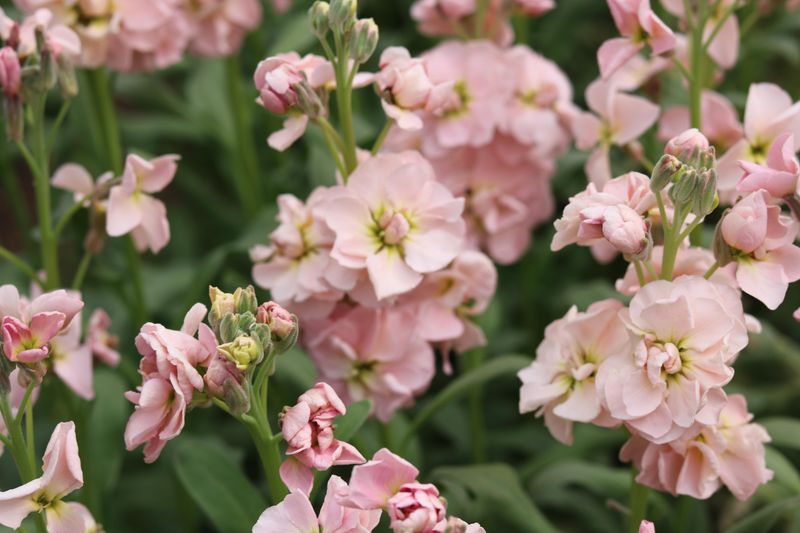
Also known as Matthiola incana, stock produces tall, upright spikes loaded with densely packed blooms in shades of purple, pink, red, white, and yellow. The fragrance is spicy, sweet, and rich, strongest in the evening when the air cools down.
Oregon’s mild spring climate suits stock perfectly. It prefers cool weather and will actually slow down or stop blooming once summer heat arrives.
Starting seeds indoors in late winter or planting nursery transplants early in spring gives stock the cool growing conditions it needs to put on a spectacular show before temperatures climb.
Plant stock in full sun with well-drained soil and give it regular water. It grows to about two feet tall and makes an excellent cut flower that holds its fragrance beautifully indoors.
Many Oregon gardeners plant stock in raised beds or along sunny borders where the evening breeze can carry that gorgeous spicy scent across the whole yard. Deadhead spent spikes to encourage fresh blooms.
If you love sitting outside on spring evenings, plant stock nearby and enjoy the rich floral perfume that fills the air as the sun goes down over the Oregon hills.
8. Viburnum
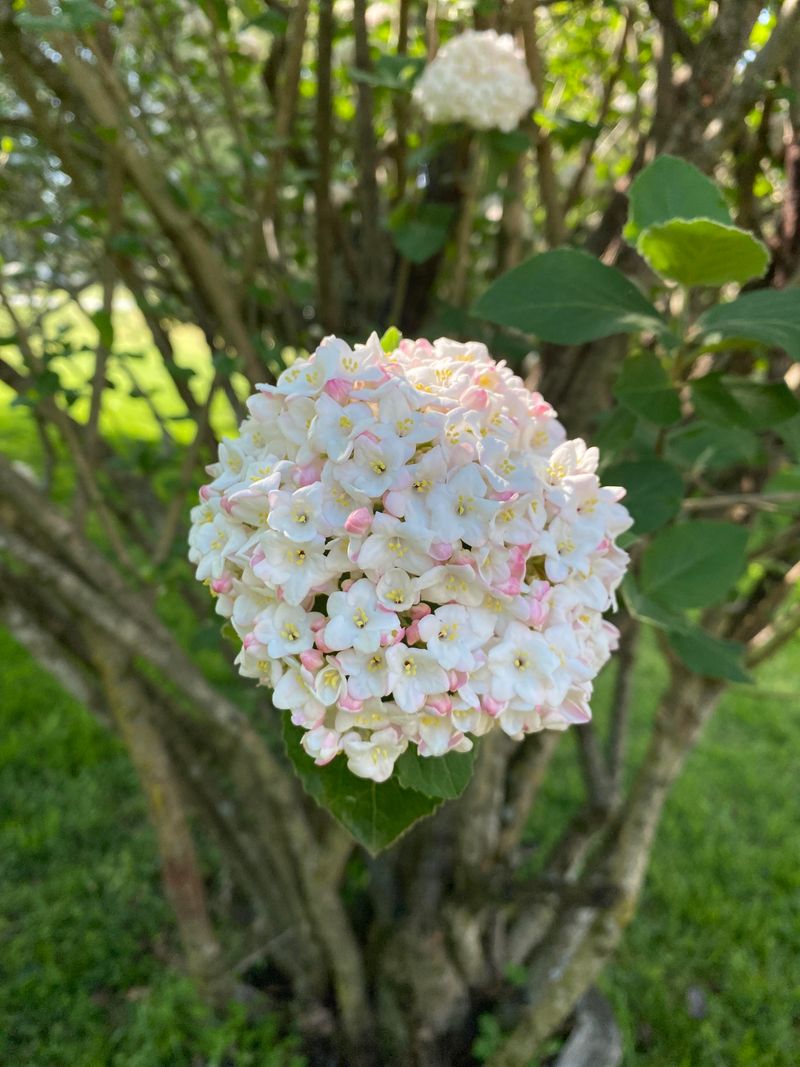
Viburnum is a garden powerhouse that does not always get the credit it deserves. Some species produce clusters of white flowers with a sweet, almost honeyed fragrance that can fill a large garden space.
Viburnum carlesii, also called Koreanspice viburnum, is one of the most fragrant shrubs you can grow in an Oregon spring garden.
These are sturdy, adaptable shrubs that handle Oregon’s wet winters and mild springs very well. They grow in full sun to partial shade and are not overly fussy about soil as long as drainage is reasonable.
The rounded flower clusters appear in mid to late spring and look stunning against the fresh green foliage.
Beyond the beautiful flowers, viburnum also offers multi-season interest. Many varieties develop colorful berries in summer and fall that attract birds, and some have brilliant fall foliage too.
Plant viburnum as a specimen shrub in a lawn, as part of a mixed border, or near a garden path where visitors can appreciate the fragrance up close. Once established in an Oregon garden, viburnum is quite drought-tolerant and requires minimal pruning.
It is the kind of reliable, rewarding shrub that earns its place in the garden year after year with very little effort on your part.
9. Gardenia
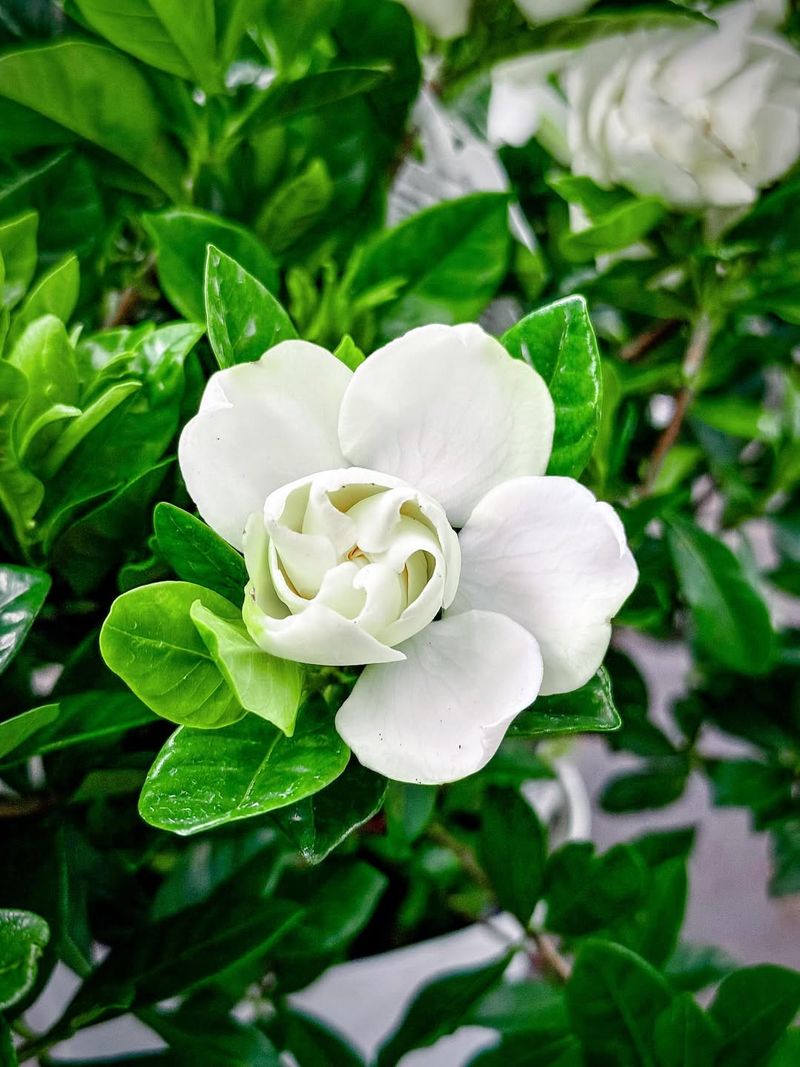
These stunning flowers are famous for their creamy white blooms and one of the most luxurious, heady fragrances in the flower world. They are typically associated with warmer climates, but Oregon gardeners can absolutely enjoy them with a little extra care.
Growing gardenia in a container is the smartest approach for most of the Pacific Northwest.
Keep your gardenia in a pot so you can move it indoors during cold snaps and bring it outside to enjoy on the patio during Oregon’s warmer spring and summer days. Gardenias love bright indirect light and high humidity.
Oregon’s naturally moist air is actually helpful, though they still prefer consistently warm temperatures to bloom well.
Use acidic, well-draining potting mix and fertilize regularly with a fertilizer made for acid-loving plants. Keep the soil evenly moist but never waterlogged.
Gardenias can be a little finicky, but the reward is absolutely worth the extra attention. When those waxy white blooms open up and release their rich, tropical fragrance, you will understand why people are so passionate about this plant.
Even one potted gardenia near a sunny Oregon patio door can transform your outdoor space into something that feels genuinely exotic and special every single spring.
10. Peony
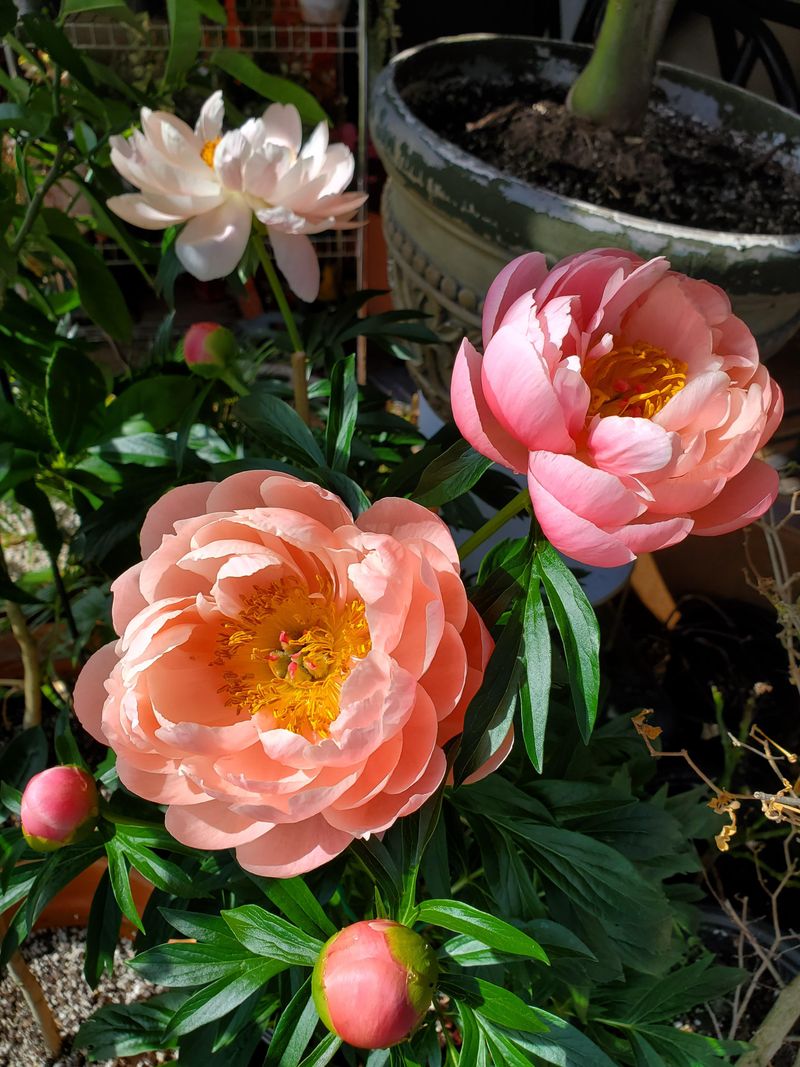
Peonies are the royalty of the spring garden. Those enormous, ruffled blooms in shades of pink, white, red, and coral are breathtaking on their own, but pair that beauty with a rich, rosy fragrance and you have one of the most beloved flowers in Oregon gardens.
Peonies bloom in late spring and early summer, right when the season is at its most glorious.
Oregon’s climate is genuinely excellent for peonies. They need a period of winter cold to set their flower buds, and Oregon delivers that reliably every year.
Plant peony roots in fall in a sunny spot with fertile, well-drained soil. Make sure the eyes, or buds, sit just one to two inches below the soil surface.
Planting too deep is the most common reason peonies refuse to bloom.
Once established, peonies are long-lived perennials that can thrive in the same spot for decades with minimal care. They need very little fertilizer and are quite resistant to pests.
Support the heavy blooms with wire cages or peony rings to keep the stems upright, especially after Oregon’s spring rains.
Cut a few blooms for a vase and the whole house will smell incredible. Peonies are truly a once-planted, forever-enjoyed treasure in any Oregon spring garden.