How Pennsylvanians Should Prune African Violets For Bushier Growth
African violets have a quiet charm that makes them favorites in many Pennsylvania homes. Their soft leaves and delicate blooms can brighten a windowsill, kitchen counter, or small plant shelf.
When they are healthy, these compact plants produce clusters of colorful flowers that seem to appear again and again throughout the year.
Still, many people notice their African violets becoming tall, uneven, or a little sparse over time. Instead of staying full and rounded, the plant may start stretching upward with fewer leaves and blooms.
This often happens when the plant needs a little guidance to encourage better growth. Pruning can make a surprising difference. With a few careful trims, African violets can shift their energy into producing more leaves and a fuller shape.
The process is simple once you understand how the plant grows. By learning the right way to prune, Pennsylvania plant lovers can enjoy healthier violets that look bushier and bloom more often.
Why Pruning African Violets Encourages Bushier Growth?
Imagine a plant that practically rewards you every time you give it a little trim. That is exactly what African violets do when you prune them the right way.
Pruning is one of the best things you can do to keep your plant looking full, round, and flower-packed all year long.
When a plant is not trimmed regularly, it puts energy into old, tired leaves instead of new growth. Old leaves take up space and use up nutrients that could go toward fresh blooms and healthy foliage.
By removing those older leaves, you are basically telling the plant to focus its energy where it counts most.
African violets are naturally compact plants, but they can become leggy over time, especially in Pennsylvania homes during winter when light levels drop.
Leggy means the stems get long and stretched out, and the plant loses its pretty rosette shape. Pruning helps fix that by encouraging the plant to grow outward and fill in more evenly.
Another reason pruning works so well is that it improves airflow around the leaves. Better airflow means less chance of fungal problems, which African violets can be prone to in humid conditions.
Pennsylvania summers can get pretty humid, so keeping your plant trimmed and tidy really helps.
Think of pruning as a reset button for your plant. A few snips here and there, done consistently, will keep your African violet looking its best.
Regular pruning truly is the secret to getting that gorgeous, bushy growth that makes these plants so popular in homes across Pennsylvania.
When To Prune African Violets In Pennsylvania Homes?
Timing really does matter when it comes to pruning African violets, and the good news is that Pennsylvania homeowners have a lot of flexibility. Since African violets are grown indoors, you can prune them at almost any time of year.
However, some seasons are better than others for getting the fastest and most noticeable results.
Spring and summer are the best times to prune your African violet. During these months, the plant is in its most active growing phase, which means it will bounce back quickly after a trim.
Your Pennsylvania Garden Changes Every Week. Your Plan Should Too.
Gardening in Pennsylvania changes quickly throughout the season. Every Friday you’ll receive a simple weekly plan showing exactly what to plant, prune, fertilize, harvest, and protect so you never miss the right timing.
New leaves and flower buds tend to appear faster when the plant is pruned during these warmer months. If you want to see big improvements quickly, aim to do your most thorough pruning in April or May.
Fall is still a decent time for light pruning. You can remove damaged leaves and spent flowers without any problem.
Just avoid doing any heavy trimming as winter approaches, because indoor conditions in Pennsylvania homes tend to get darker and drier during those months, and the plant grows more slowly.
Winter pruning should be kept minimal. African violets slow down a bit when there is less natural light available, which is common in Pennsylvania from November through February.
Heavy pruning during this time can stress the plant and slow its recovery. Stick to removing only obviously damaged or yellowing leaves during winter.
Year-round light maintenance, combined with more thorough pruning in spring, is the smartest approach for Pennsylvania gardeners who want their African violets to stay full and healthy through every season.
Removing Old Or Damaged Leaves
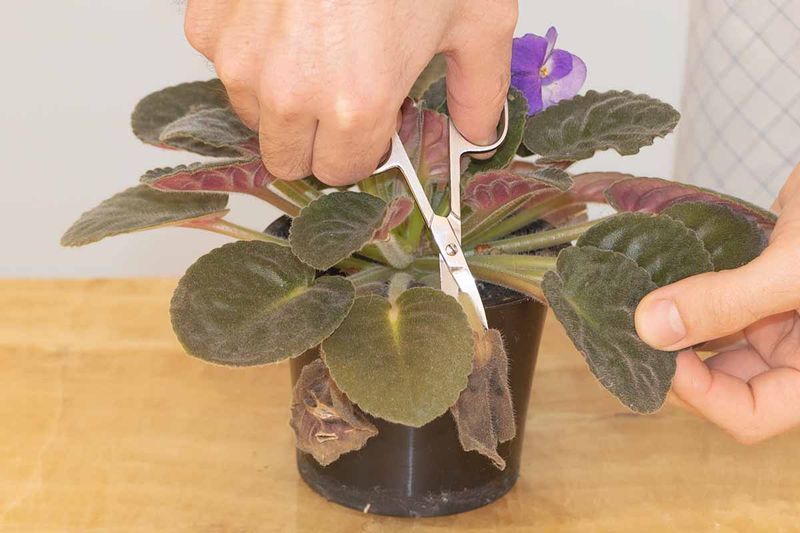
Every experienced African violet grower knows that the lower leaves are the first to go. Over time, the oldest leaves on the plant start to yellow, soften, or simply look worn out.
Removing these leaves is one of the most important steps in keeping your plant healthy and looking its best.
Yellowing leaves are not just an eyesore. They actually pull energy away from the rest of the plant.
When the plant is working to maintain old, fading leaves, it has less energy to put toward producing new growth and fresh blooms. Snipping them off frees up that energy immediately. It is a quick win for both you and your plant.
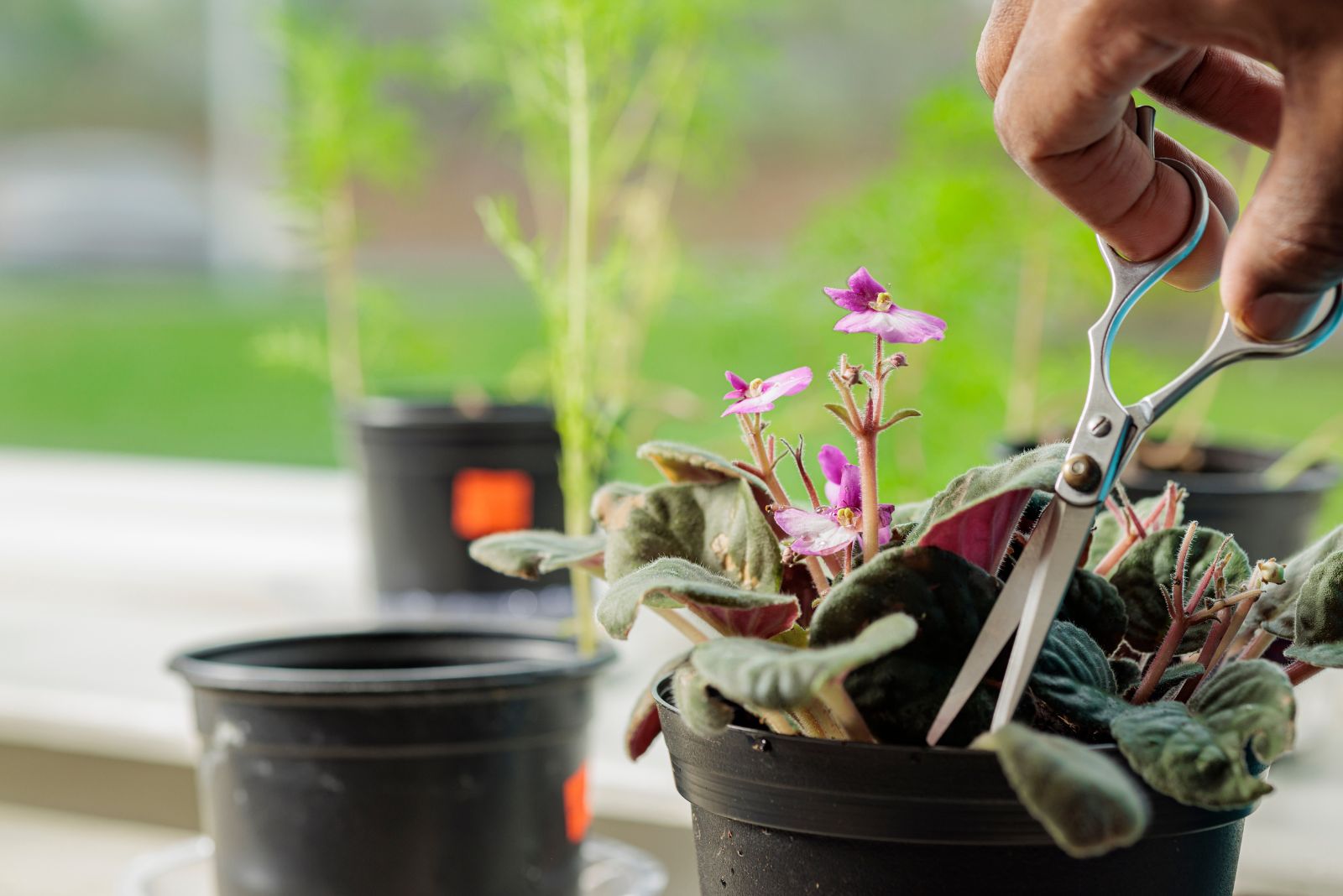
To remove a leaf properly, use a pair of clean, sharp scissors or small pruning shears. Always sterilize your tools before using them to avoid spreading any bacteria or fungi.
Make your cut as close to the base of the stem as possible, but be careful not to nick or damage the crown, which is the central growing point of the plant.
Damaged leaves should also come off right away. If a leaf has brown spots, soft patches, or looks chewed or torn, remove it without hesitation.
Damaged leaves can become entry points for disease, and Pennsylvania homes with higher humidity levels in summer can make fungal issues worse if damaged plant material is left in place.
After removing old or damaged leaves, your African violet will look noticeably cleaner and more attractive. More importantly, it will redirect its energy into producing the lush, bushy growth and vibrant blooms that make these plants so special in Pennsylvania households.
How To Trim For A Fuller, Bushier Plant?
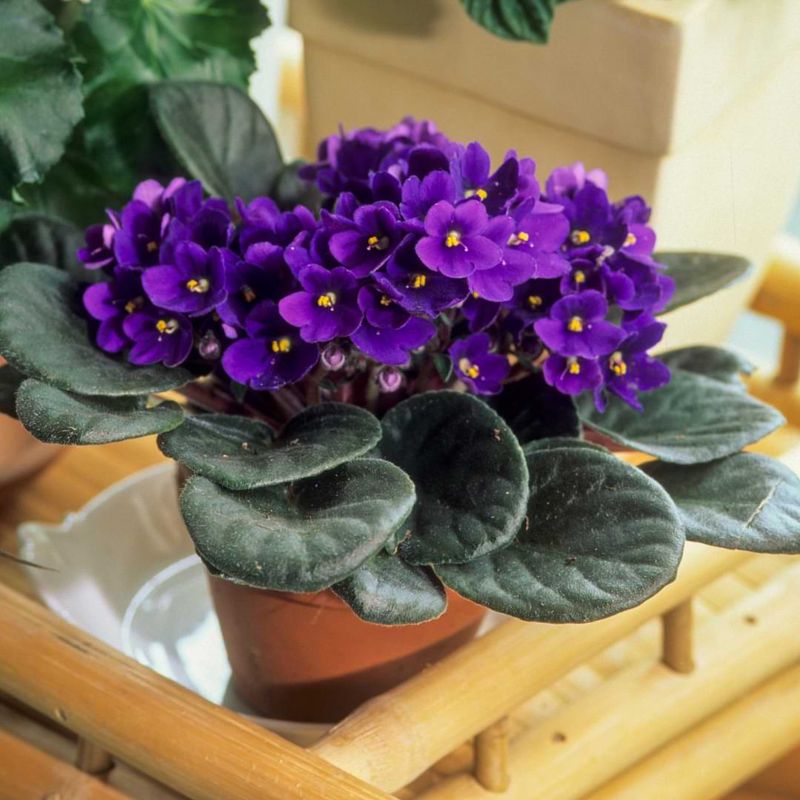
Getting a truly full and bushy African violet comes down to one key technique: managing the suckers. Suckers are small side shoots that sprout up around the base of the main plant.
They might look harmless, but they compete directly with the central crown for water, light, and nutrients.
Most experienced growers recommend keeping just one central crown on each African violet. A single crown means all of the plant’s energy goes into one strong, symmetrical rosette.
Plants with multiple crowns tend to look crowded and uneven, and they often produce fewer flowers. Removing suckers early, before they get too big, makes the job much easier and less stressful for the plant.
To remove a sucker, use a toothpick or a small, clean tool to gently pry it away from the base of the plant. If the sucker is tiny, you can often just pinch it off with your fingers.
Be gentle and work carefully so you do not disturb the roots or the main crown. Some growers in Pennsylvania actually save their suckers and propagate them into new plants, which is a fun bonus.
Shaping your plant is also part of trimming for bushier growth. Look at your African violet from above and notice if it looks lopsided or uneven.
Removing a few outer leaves on the fuller side can help balance the rosette and encourage more even growth across the whole plant.
With consistent sucker removal and thoughtful shaping, your African violet will grow into a beautifully balanced, bushy plant that fills out its pot and impresses everyone who sees it in your Pennsylvania home.
Cleaning Up Spent Flowers And Stems
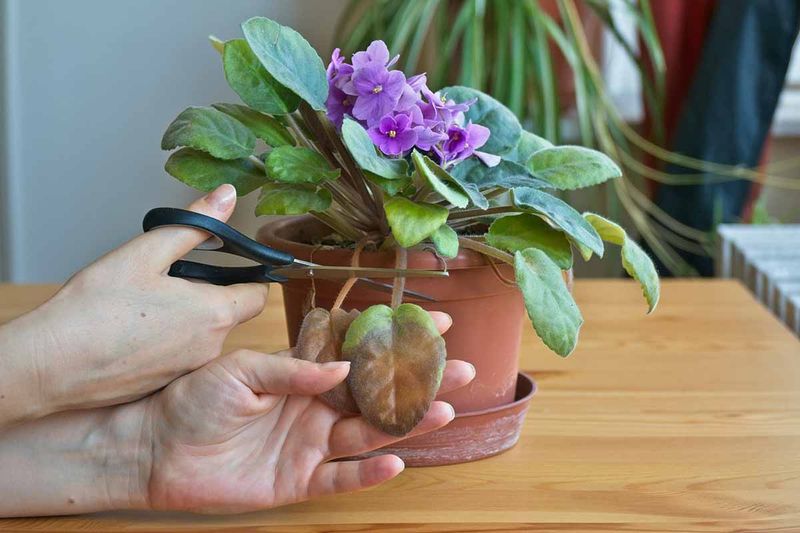
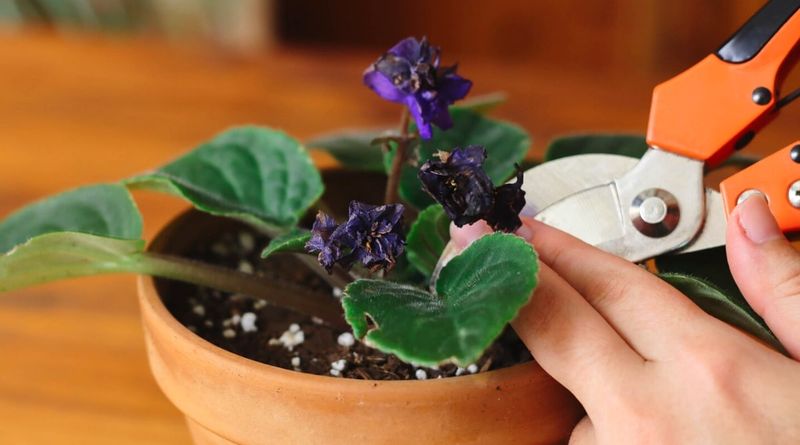
One of the easiest and most satisfying parts of African violet care is deadheading, which just means removing flowers that have faded and finished blooming. It sounds simple, and it really is. But the impact it has on your plant is surprisingly big.
When a flower fades, the plant starts putting energy into the old bloom instead of forming new ones. By snipping off spent flowers and their stalks, you redirect that energy toward producing a fresh round of buds.
African violets that are deadheaded regularly tend to bloom almost continuously, which is exactly what every plant lover in Pennsylvania wants to see on their windowsill.
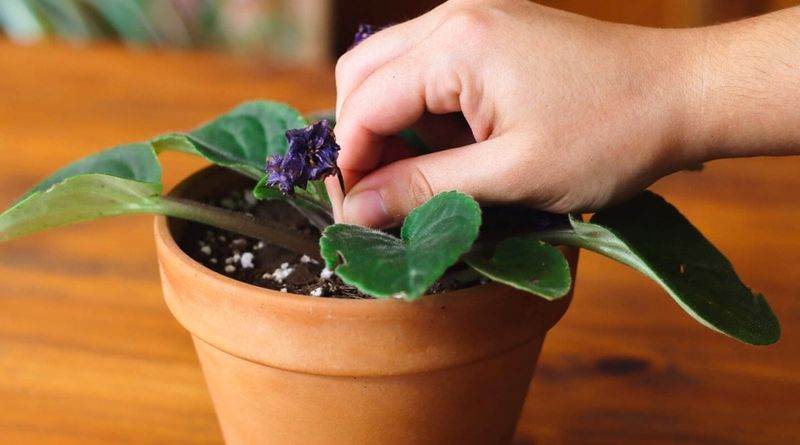
To remove a spent flower, trace the flower stalk all the way down to where it meets the main stem. Use clean scissors to cut it off as close to the base as possible.
Do not leave little stubs behind, because they can rot and create problems for the plant. A clean, close cut is always the best approach.
Flower stalks that are left on the plant can also become a hiding spot for tiny pests or a starting point for mold, especially during Pennsylvania’s more humid months.
Keeping the plant tidy by removing all spent blooms and their stems is a simple habit that pays off in a big way.
Make deadheading part of your weekly routine. Every time you water your African violet, take a quick look for any faded flowers or leftover stems and remove them right away.
This small habit, done consistently, will keep your plant blooming longer and looking fresher throughout the year in your Pennsylvania home.
Care Tips After Pruning
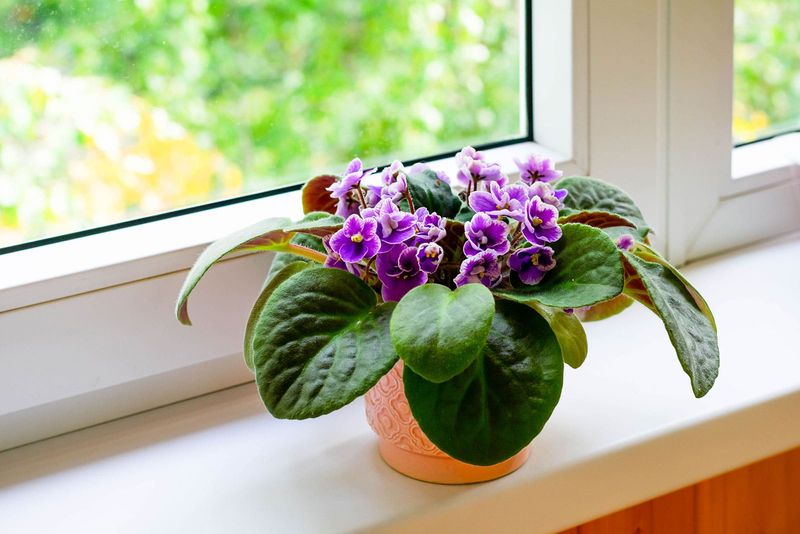
After a good pruning session, your African violet needs a little extra attention to help it recover and start growing strong again.
The steps you take right after pruning can make a real difference in how quickly and fully the plant bounces back. Luckily, post-pruning care is simple and does not take much time.
Light is the first thing to think about. African violets love bright, indirect light, and this is especially true after pruning.
Place your plant near a north or east-facing window in your Pennsylvania home where it gets plenty of light without being hit by harsh direct sun. If natural light is limited during fall or winter, a simple LED grow light positioned about 12 inches above the plant works wonderfully.
Watering after pruning should be done with care. African violets are sensitive to overwatering, and their fuzzy leaves should never get wet.
Water from the bottom by setting the pot in a shallow dish of water and letting the soil soak it up for about 20 to 30 minutes. Then remove the pot from the dish so roots do not sit in standing water.
Fertilizing lightly about a week after pruning gives the plant the nutrients it needs to push out new leaves and flower buds. Use a balanced liquid fertilizer made specifically for African violets, diluted to half strength.
Fertilizing too heavily right after pruning can stress the plant, so keep it light and consistent.
With proper light, careful watering, and gentle fertilizing, your African violet will recover quickly after pruning and reward you with lush, bushy growth and beautiful blooms all across your Pennsylvania home.