These 10 Overlooked Spring Bulbs Thrive In Oregon Gardens
Gardens have a funny way of surprising you in early spring. Just when everything still looks quiet, tiny shoots start poking through the soil like they have a secret schedule.
You blink once and suddenly new flowers are everywhere. Did they plan this overnight? Most gardeners immediately think of tulips and daffodils when planting spring bulbs. They always steal the spotlight, and honestly, they deserve some of the hype.
But they are not the only bulbs ready to shine once spring rolls around. Plenty of lesser-known bulbs thrive in cool, rainy conditions and quietly put on an amazing show. The best part?
Many of them are easy to grow and return year after year with very little effort. If your garden could use a few unexpected stars this season, these overlooked spring bulbs might become your new favorites.
1. Fritillaria
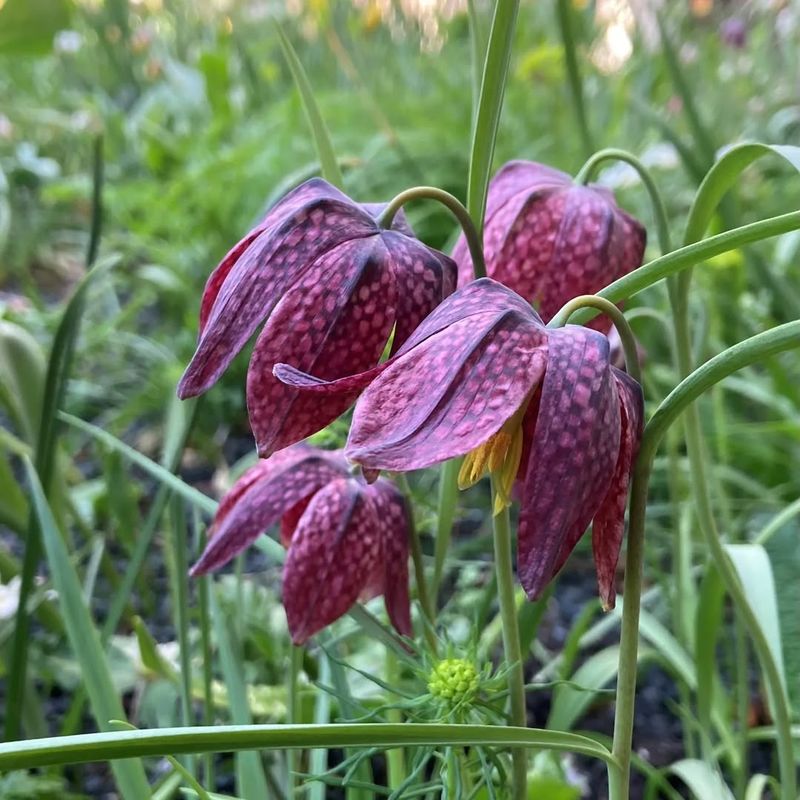
Not every spring bulb plays it safe, and Fritillaria is proof of that. With dramatic, bell-shaped flowers hanging from tall, elegant stems, this plant looks like something out of a storybook garden.
Oregon’s cool, moist springs suit it perfectly, giving it the chill it needs to put on a real show.
Fritillaria imperialis, also called the crown imperial, grows up to four feet tall and produces clusters of orange or yellow flowers near the top of the stem.
The smaller native checker lily, Fritillaria affinis, has purple blooms spotted with yellow and feels right at home in Oregon’s woodland gardens.
Both types prefer well-draining soil and a sunny to partly shaded spot.
One quirky fact: Fritillaria bulbs have a strong, musky smell that actually keeps deer and rodents away, making them a smart choice for Oregon gardens where wildlife visits are common.
Plant the bulbs in fall at a depth of about six inches, and give them room to breathe. Once established, they come back reliably each spring with very little fuss, rewarding patient gardeners with one of the most unique floral displays the season has to offer.
2. Camas
Long before Oregon’s gardens were planted by settlers, camas was already feeding and sustaining Indigenous communities across the Pacific Northwest.
The bulbs were a major food source for tribes throughout the region, making this plant a living piece of Oregon’s history. Today, it brings that same deep-rooted connection to any backyard garden.
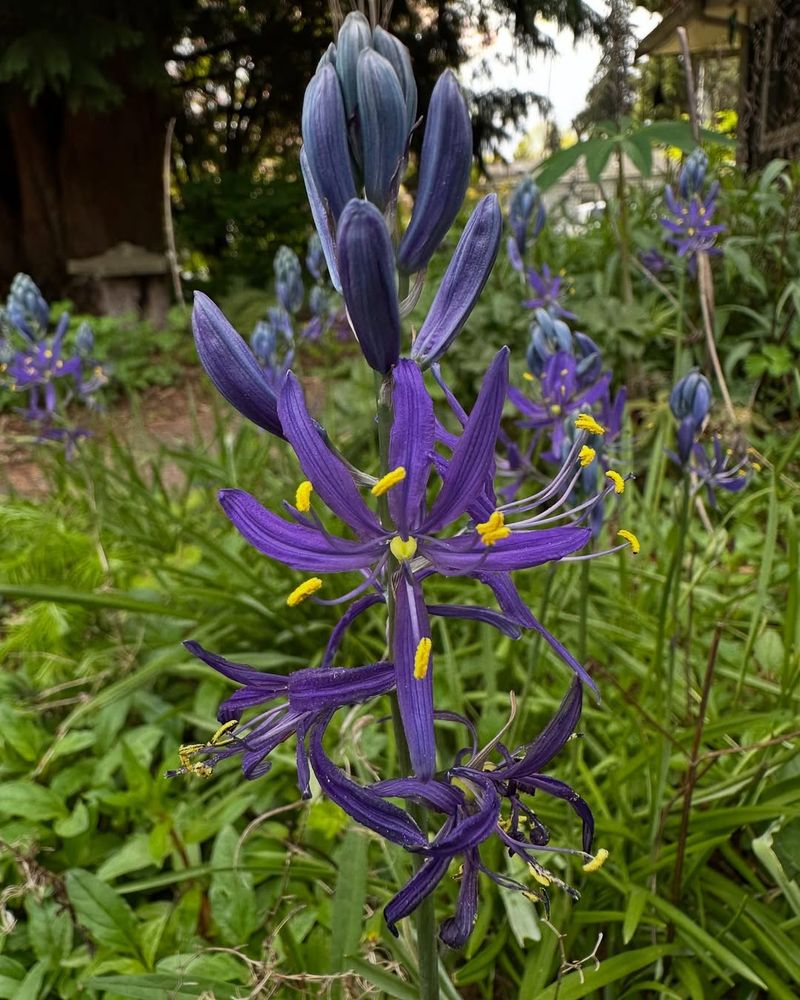
Camassia quamash produces stunning tall spikes covered in star-shaped blue or violet flowers in late spring. It thrives in full sun to light shade and actually loves the moist, heavy soils that give many gardeners trouble.
Low-lying spots that stay wet in winter are perfect for camas, making it one of the most practical choices for Oregon’s rainy climate.
Plant the bulbs in fall, about three to four inches deep, and space them six inches apart for a full, lush look. Camas naturalizes beautifully, spreading slowly over the years to form impressive drifts of color.
It pairs wonderfully with grasses and other native Oregon plants, creating a meadow-style garden that feels natural and effortless. Bees and butterflies absolutely love the blooms, so planting camas is also a fantastic way to support local pollinators all spring long.
Your Oregon Garden Changes Every Week. Your Plan Should Too.
Gardening in Oregon changes quickly throughout the season. Every Friday you’ll receive a simple weekly plan showing exactly what to plant, prune, fertilize, harvest, and protect so you never miss the right timing.
3. Glory Of The Snow
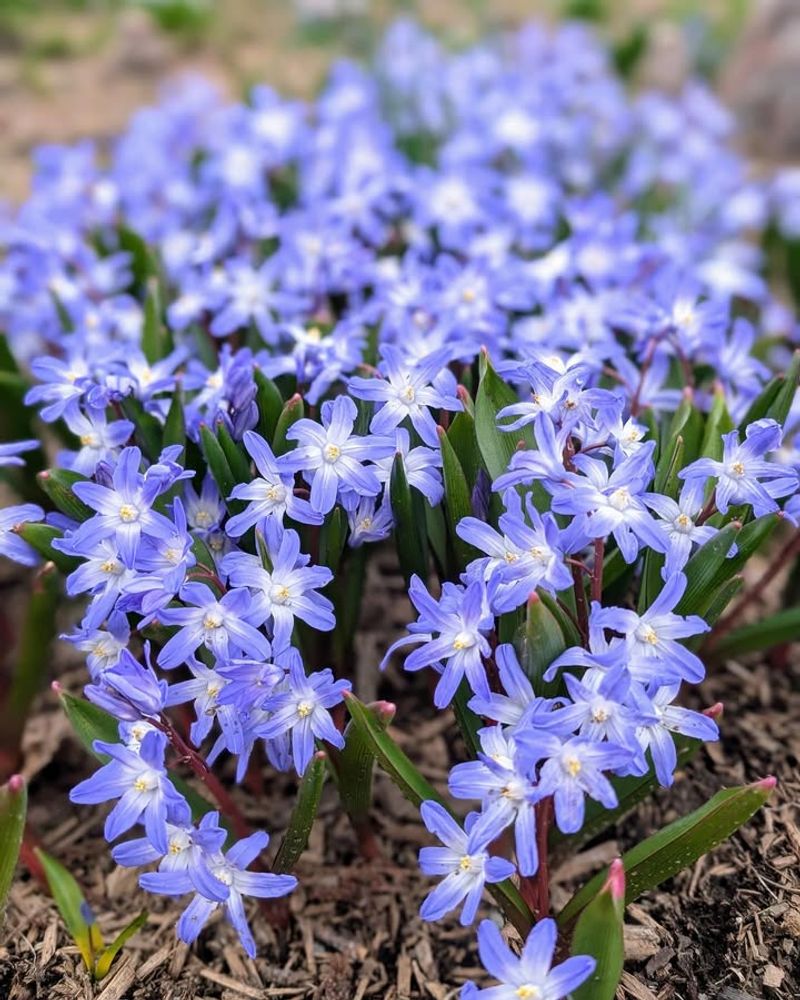
Imagine walking out to your Oregon garden in late February and finding a carpet of brilliant blue and white flowers already in bloom. That is exactly what Glory of the Snow delivers, and it does so almost effortlessly.
Named for its habit of blooming while snow is still on the ground in its native Turkey, this little bulb is tougher than it looks.
Chionodoxa, its botanical name, produces small but vivid star-shaped flowers in shades of blue, pink, and white. Each flower has a bright white center that makes it sparkle in early spring sunlight.
It grows only about four to six inches tall, making it ideal for planting under deciduous trees or along the front edges of garden beds in Oregon yards.
Plant the small bulbs about three inches deep in fall and scatter them freely for a naturalistic look. Glory of the Snow multiplies quickly on its own, returning each year in larger and more impressive clusters.
It pairs beautifully with snowdrops and early crocuses, extending your garden’s color season before most other plants even wake up.
In Oregon’s mild winters, this cheerful little bulb almost never skips a bloom, making it one of the most reliable spring performers around.
4. Squill
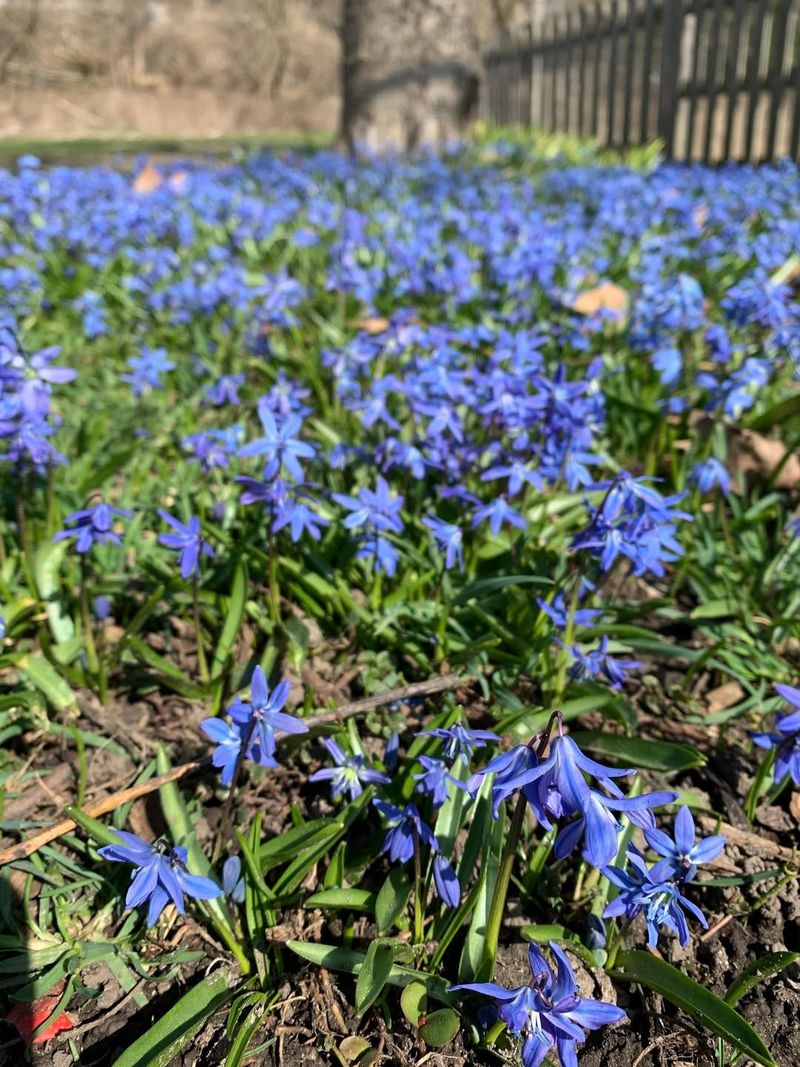
Few bulbs create the kind of jaw-dropping color impact that Siberian Squill pulls off every spring. When it blooms, it turns the ground into a sea of electric blue that stops people in their tracks.
In Oregon, where early spring can still feel grey and damp, this burst of color is an absolute mood-lifter.
Scilla siberica is one of the earliest bulbs to bloom, often showing up in late February or early March. Each bulb sends up several slender stems, each topped with a nodding cluster of bright blue bell-shaped flowers.
The vivid color is almost unmatched in the spring garden, and it spreads happily under trees and shrubs where grass struggles to grow.
Plant squill bulbs about three inches deep in fall, and do not worry too much about spacing since they naturalize freely and fill in gaps on their own over time. They prefer well-drained soil but adapt to many garden conditions found across Oregon.
Squill looks especially striking when planted in large groups, creating sweeping rivers of blue beneath bare-branched trees.
It also grows beautifully alongside snowdrops and early daffodils, giving Oregon gardeners a layered, long-lasting spring display that builds on itself year after year.
5. Spring Snowflake
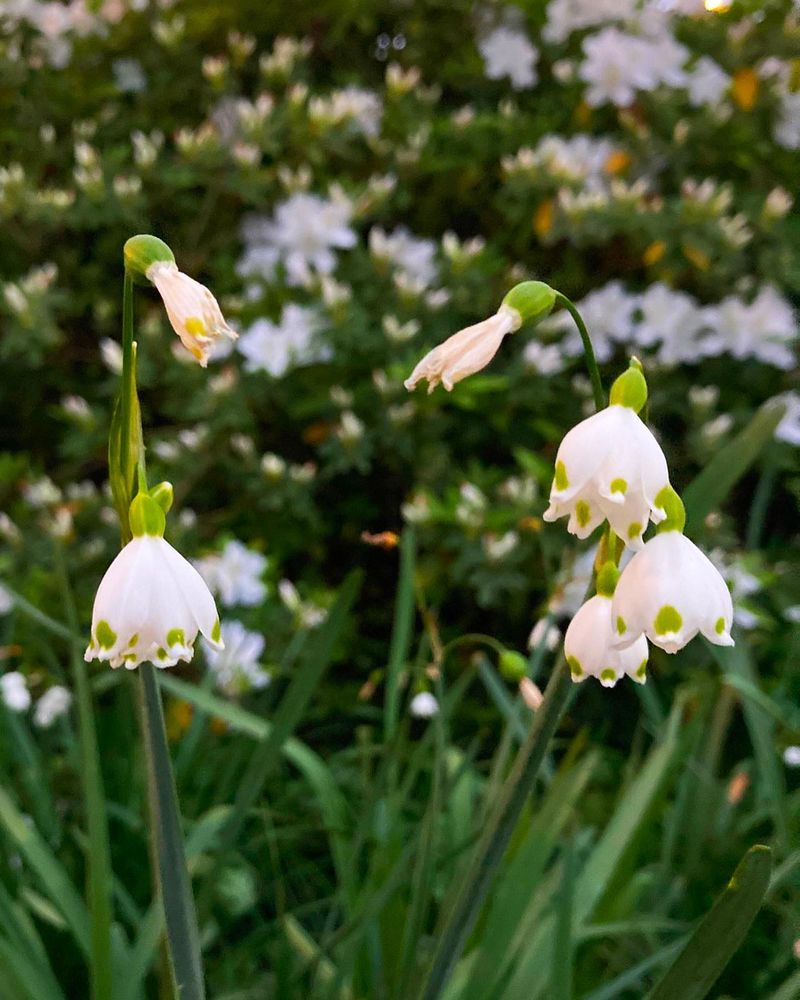
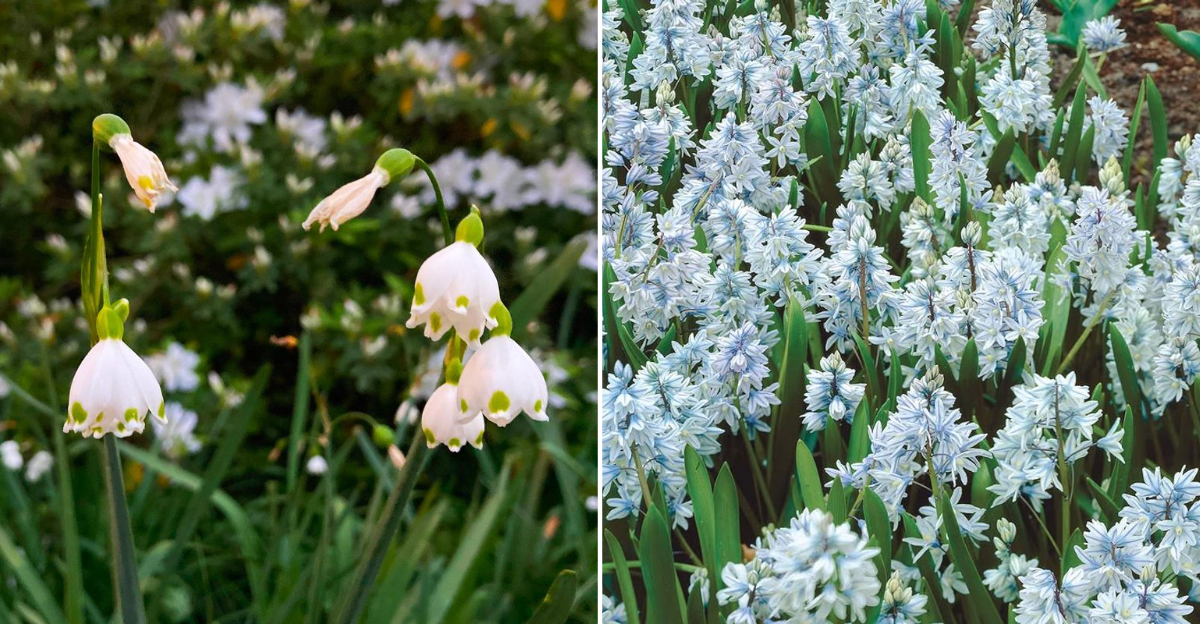
There is something quietly magical about Spring Snowflake. Its nodding, bell-shaped white flowers look almost like tiny lanterns hanging from slender green stems, each petal tipped with a delicate green dot.
It is the kind of plant that makes you slow down and look closely, and Oregon’s shaded garden spots are exactly where it feels most at home.
Leucojum vernum blooms in March and April, right when gardeners are starting to feel hopeful about the season ahead. It thrives in part shade and moist soil, conditions that Oregon gardens have in abundance.
Unlike its cousin the snowdrop, Spring Snowflake grows a bit taller and has a bolder, more noticeable presence in the garden bed.
Plant the bulbs about three inches deep in fall, choosing a spot that stays reasonably moist throughout the growing season. Spring Snowflake naturalizes well, slowly forming clumps that get more impressive each year without becoming invasive.
It looks lovely planted near ferns, hellebores, or hostas, all of which thrive in similar Oregon garden conditions. The flowers are also surprisingly long-lasting, holding up well even through cool spring rains.
For gardeners who want quiet elegance rather than loud color, this overlooked bulb is a truly rewarding choice worth adding to any Oregon landscape.
6. Grecian Windflower
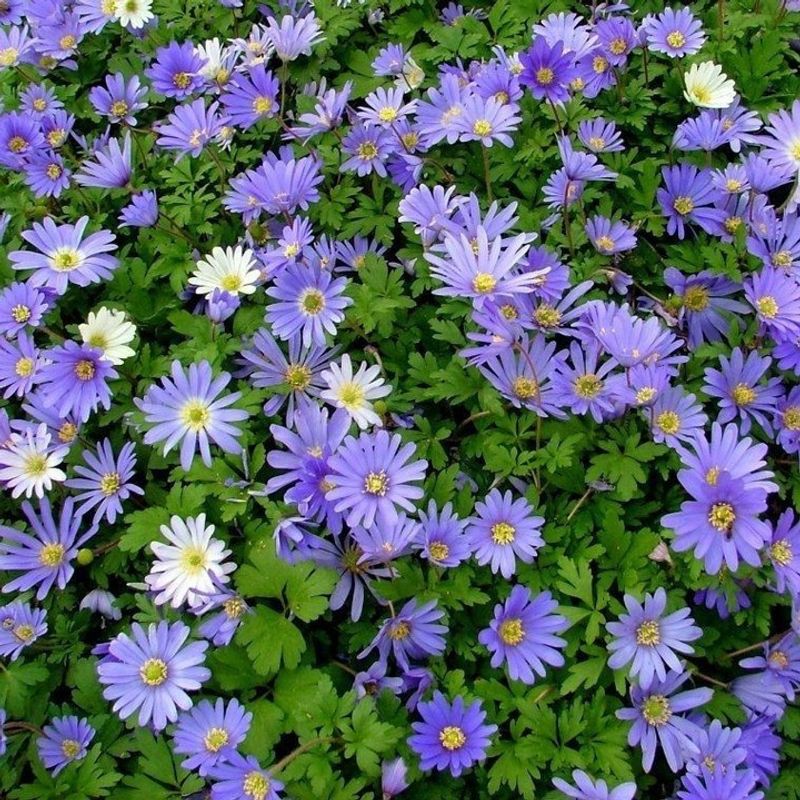
Sprinkle a handful of Grecian Windflower corms into your Oregon garden bed in fall, and by spring you will have a cheerful, daisy-like carpet of color spreading in every direction.
Anemone blanda is one of those plants that looks like it took a lot of effort but actually requires very little.
Its star-shaped flowers in blue, pink, and white open wide on sunny days and close up at night like tiny umbrellas folding shut.
This bulb thrives in mass plantings and works especially well when mixed with yellow daffodils, creating a contrast that feels bold and lively. In Oregon, it grows happily in sunny beds and at the edges of lightly shaded areas.
The low-growing plants reach only about four to six inches tall, making them perfect for filling in gaps between taller spring bloomers.
Soak the small, flat corms in water overnight before planting to help them get started faster. Plant them about two inches deep and two to three inches apart, and let them do their thing.
Grecian Windflower naturalizes readily, coming back each year and slowly spreading to cover more ground.
It is one of the friendliest, most low-maintenance bulbs an Oregon gardener can choose, and the reward it delivers each spring is well worth the small amount of effort it takes to get going.
7. Spring Starflower
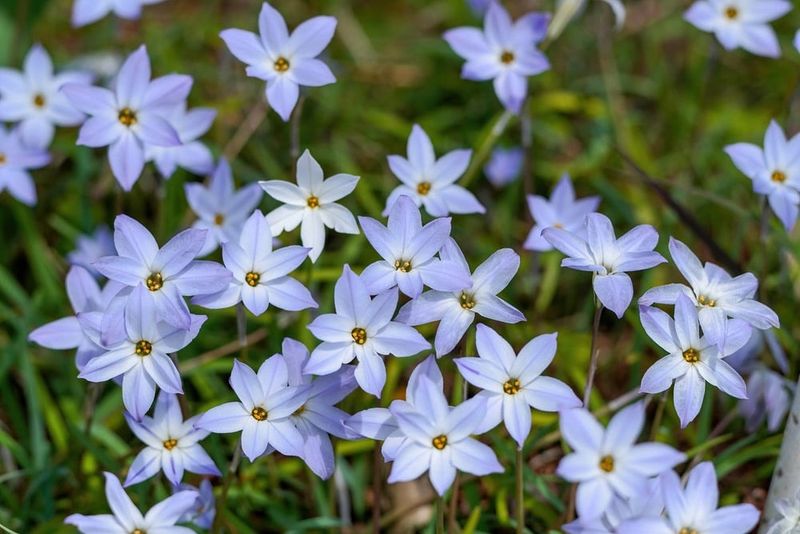
Sweet, simple, and surprisingly tough, Spring Starflower is one of those bulbs that earns its keep without demanding much attention. Ipheion uniflorum produces pale blue or white star-shaped flowers that have a faint, honey-like fragrance.
The blooms appear in early spring and last for several weeks, giving Oregon gardens a soft, romantic feel during those in-between weeks when winter is fading but summer has not yet arrived.
Each bulb produces grassy, strap-like leaves that smell faintly of onion when crushed, though the flowers themselves carry a much more pleasant scent. Spring Starflower grows only about six inches tall, making it a great front-of-border plant or ground cover option.
It thrives in full sun to partial shade and adapts well to Oregon’s varied garden soils.
Plant the small bulbs about three inches deep in fall, grouping them in clusters of at least a dozen for the most visual impact. Over time, they multiply into large, tidy colonies that require almost no maintenance.
Spring Starflower is also remarkably cold-hardy and handles Oregon’s occasional winter freezes without complaint. It pairs beautifully with early tulips and muscari, adding a delicate filler layer between bolder blooms.
Gardeners who discover this plant rarely leave it off their planting list again.
8. Striped Squill
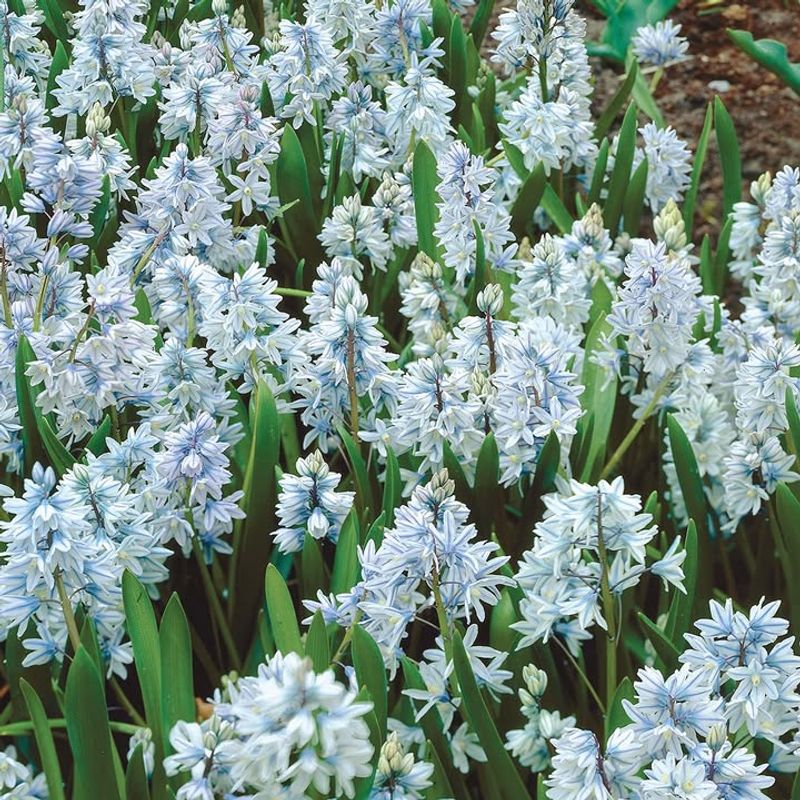
Striped Squill might just be the most underappreciated bulb in all of Oregon gardening, and that is a shame because it is genuinely lovely. Puschkinia scilloides produces clusters of pale blue-white flowers, each petal marked with a deeper blue stripe running down the center.
The effect is delicate and intricate, like something hand-painted by a very patient artist.
Blooming in early spring alongside squill and Glory of the Snow, Striped Squill fits naturally into a layered early-season planting scheme.
It grows only about four to six inches tall and spreads slowly over the years, forming tidy clumps that require zero maintenance once established.
Oregon’s cool, moist spring climate is ideal for this bulb, giving it the conditions it needs to bloom reliably year after year.
Plant the small bulbs about three inches deep in fall, choosing a spot with well-drained soil and at least partial sun. Striped Squill works beautifully as a ground cover under deciduous trees, where it gets winter sunlight and summer shade.
It also naturalizes in lawns without becoming a problem, adding color before the grass needs its first mow of the season. For Oregon gardeners who love subtle, refined beauty over loud showiness, Striped Squill is an absolute hidden treasure worth seeking out and planting.
9. Trout Lily
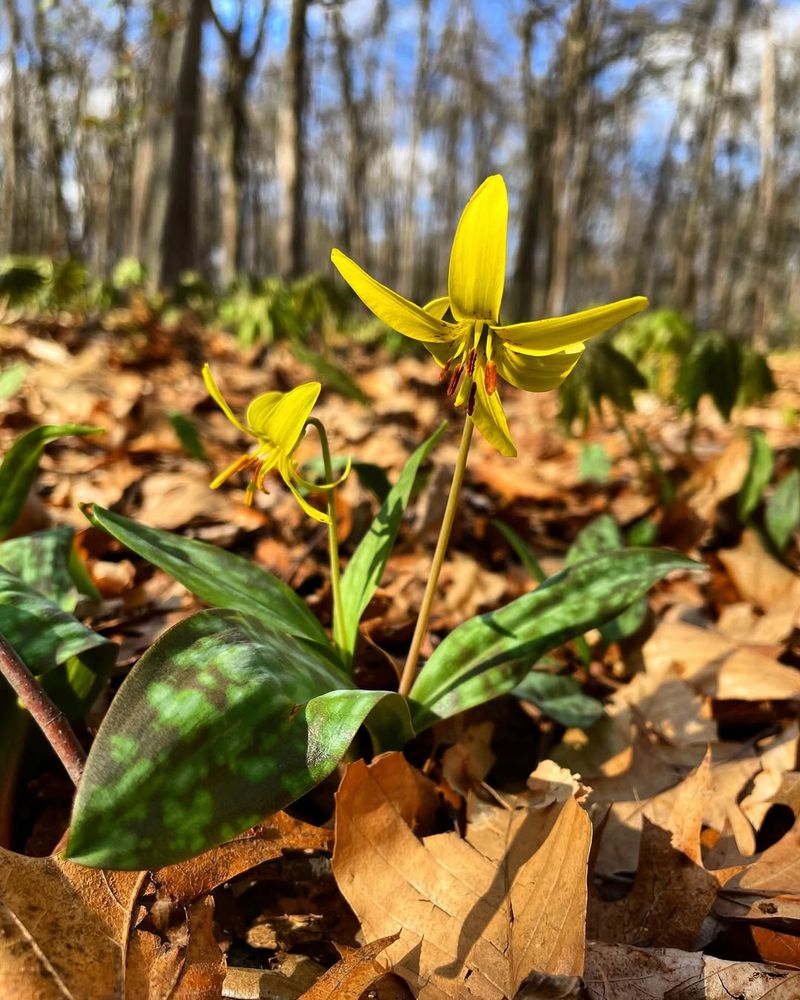
Oregon actually has its own native trout lily, and not enough local gardeners know about it. Erythronium oregonum, sometimes called the fawn lily, grows naturally in shaded woodland settings across the Pacific Northwest.
Its mottled leaves look like the speckled skin of a brook trout, which is exactly how it got its charming common name.
The nodding white or pale yellow flowers appear in early spring, bending gracefully downward from slender stems.
They have swept-back petals that give them an exotic, almost tropical look, even though this plant is perfectly suited to Oregon’s cool, damp climate.
Trout Lily thrives in dappled shade under trees and does best in rich, moist, well-drained woodland soil.
Planting Erythronium can require a little patience since the bulbs take a year or two to settle in before blooming confidently. However, once established, they reward that patience with years of reliable, gorgeous blooms each spring.
Plant the corms about four inches deep in fall, making sure they do not dry out before going in the ground.
Trout Lily looks stunning when planted alongside ferns, trilliums, and other native Oregon woodland plants, creating a naturalistic understory garden that feels like a walk through the forest right in your own backyard.
10. Grape Hyacinth
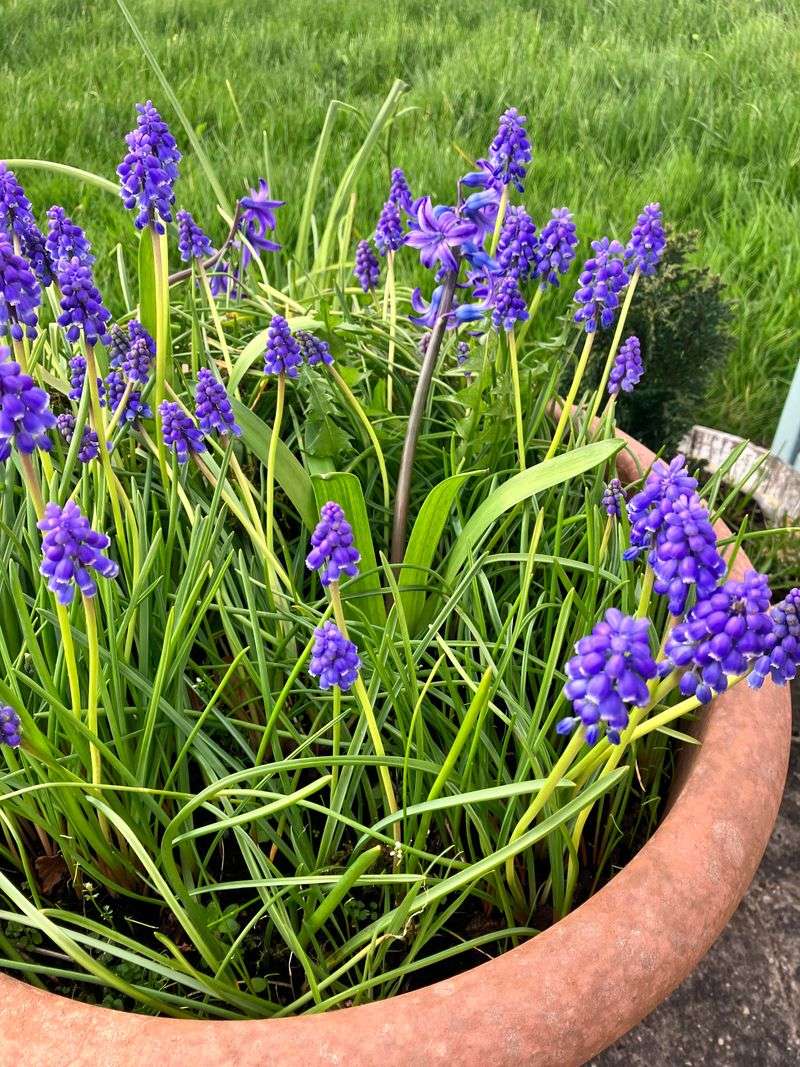
This adorable flower is one of those bulbs that looks incredibly fancy but is actually one of the easiest things you can grow in an Oregon garden.
Muscari produces dense, upright spikes of tiny, deep blue-purple flowers that are shaped like little urns and smell faintly sweet.
They bloom reliably every spring and seem to multiply without any help at all.
The rich, jewel-toned color of Grape Hyacinth makes it a standout companion for yellow daffodils and red tulips. That blue-and-yellow combination is a classic spring pairing that looks professionally designed but costs very little effort to achieve.
In Oregon, Muscari thrives in full sun to partial shade and adapts to a wide range of soil types, making it one of the most versatile spring bulbs available.
Plant the small bulbs about three inches deep in fall, grouping them in generous clusters for the boldest visual effect. They naturalize freely, spreading through offsets and self-seeding to fill in garden beds over time.
Grape Hyacinth also works well as a container plant, making it a great option for Oregon gardeners with limited outdoor space.
Pollinators love the flowers, and the blooms last for several weeks, giving you a long window of enjoyment before the plants quietly go dormant for summer.