These Pollinator Plants Thrive In Pennsylvania’s Wet Soil
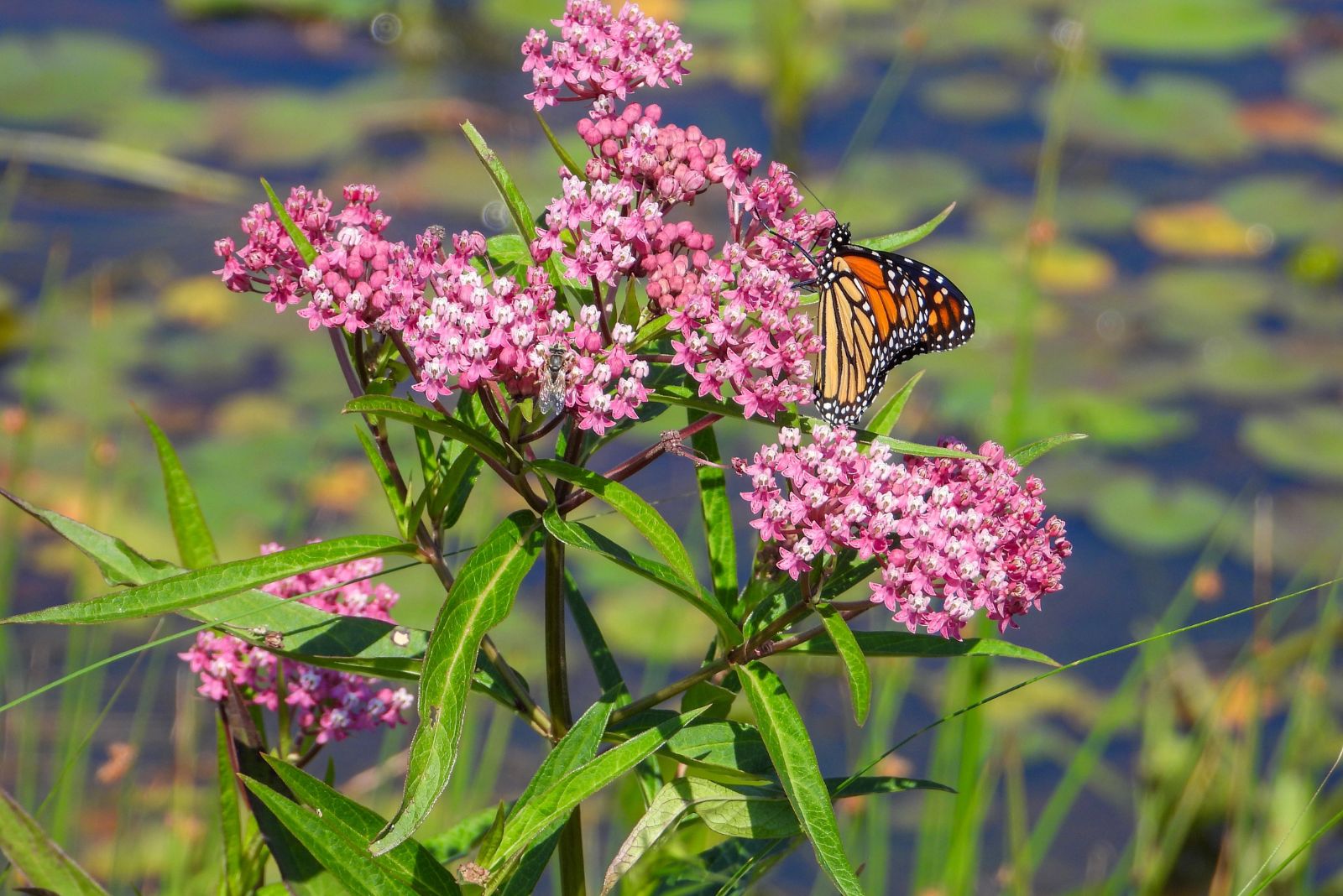
Some gardens seem to hold onto water longer than others, especially after heavy rain or during a damp spring. In many parts of Pennsylvania, certain spots in the yard stay moist for days, making it tricky to choose the right plants.
While some flowers struggle in soggy soil, others actually thrive in these conditions and turn wet areas into lively garden spaces.
Pollinator friendly plants that enjoy moist soil can be a wonderful solution. These varieties grow happily where the ground stays damp, and they often produce colorful blooms that attract bees, butterflies, and other helpful visitors.
Instead of seeing wet soil as a problem, gardeners can use it as an opportunity to grow plants that support local wildlife.
With the right choices, those low or damp spots in the yard can become vibrant pockets of life. Bright flowers, buzzing pollinators, and healthy greenery can turn a once challenging space into one of the most active parts of the garden.
1. Swamp Milkweed (Asclepias Incarnata)
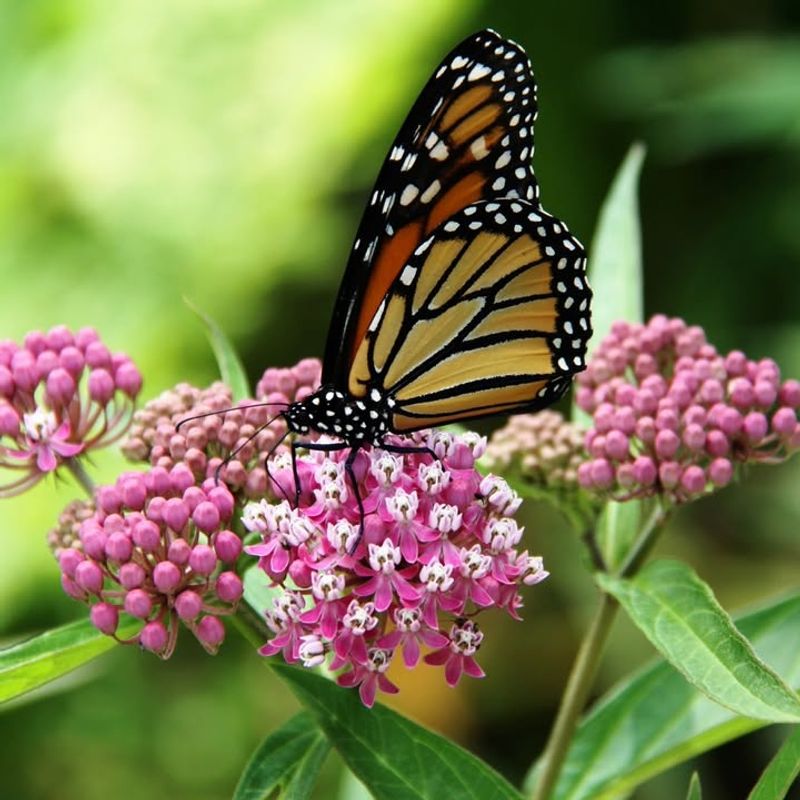
Monarch butterflies have a special connection with swamp milkweed, and once you plant it, you will see why.
This native perennial grows 3 to 5 feet tall and produces beautiful clusters of pink flowers from mid-summer all the way into fall. It is one of the best plants you can add to a wet Pennsylvania garden.
Unlike many milkweeds that prefer dry or sandy soil, swamp milkweed actually loves moisture. It thrives along stream banks, pond edges, and in low-lying garden beds where water tends to collect.
Pennsylvania’s humid summers and naturally wet lowland areas create ideal growing conditions for this plant.
Monarch butterflies use swamp milkweed as a host plant, meaning they lay their eggs on its leaves. The caterpillars then feed on the foliage as they grow.
Beyond monarchs, bees and other butterflies flock to the nectar-rich blooms all season long.
Planting swamp milkweed is easy. It grows best in full sun to partial shade and spreads slowly over time, filling in a wet area without becoming invasive.
You can start it from seed or buy transplants from a local Pennsylvania native plant nursery. Once established, it needs very little care and comes back stronger every year, making it a reliable, low-maintenance choice for any pollinator-friendly landscape.
2. Cardinal Flower (Lobelia Cardinalis)
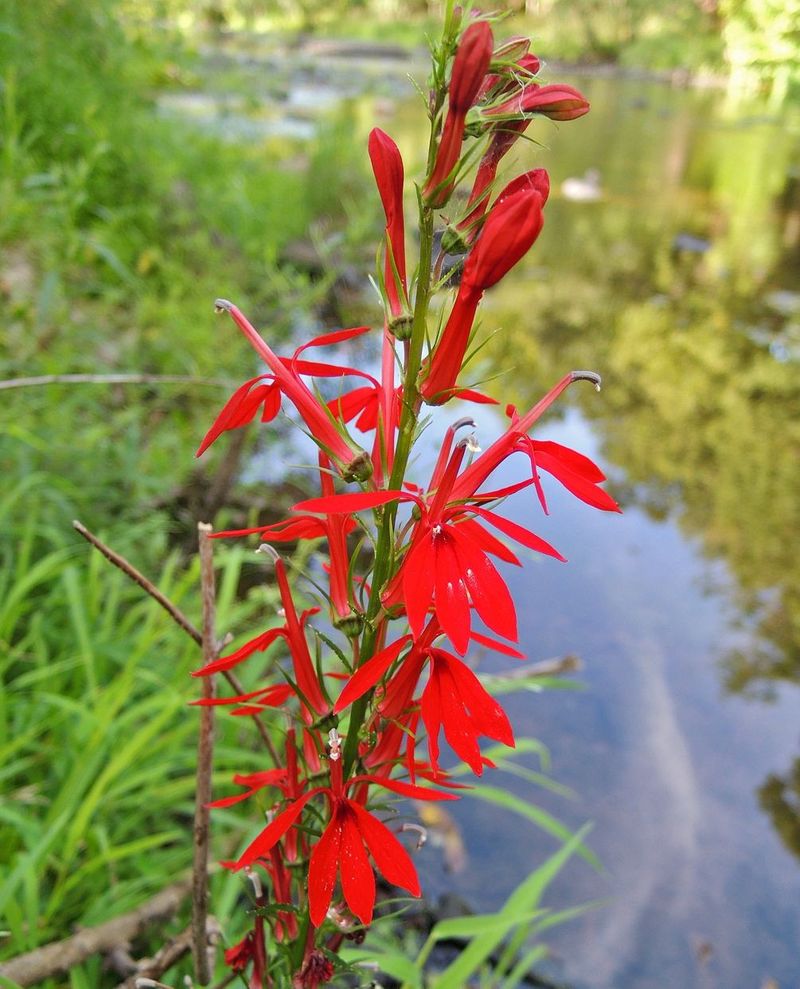
Few plants stop people in their tracks the way cardinal flower does. Its tall spikes of blazing red blooms are almost impossible to miss, and hummingbirds absolutely cannot resist them.
If you want to attract ruby-throated hummingbirds to your Pennsylvania yard, this is the plant to grow.
Cardinal flower is a native perennial that reaches about 3 to 4 feet in height. It blooms in late summer, usually from July through September, which is exactly when hummingbirds are fueling up before their long migration south.
The timing could not be more perfect for supporting these tiny, fast-moving birds. Growing cardinal flower in Pennsylvania is straightforward as long as you give it what it needs: consistently moist to wet soil and partial to full sun.
Your Pennsylvania Garden Changes Every Week. Your Plan Should Too.
Gardening in Pennsylvania changes quickly throughout the season. Every Friday you’ll receive a simple weekly plan showing exactly what to plant, prune, fertilize, harvest, and protect so you never miss the right timing.
It thrives along stream edges, in rain gardens, and in any low spot that stays reliably damp. Poor drainage is not a problem here; it is actually a benefit.
Butterflies and long-tongued bees also visit the flowers, adding even more wildlife activity to your garden. Cardinal flower tends to self-seed, so once you plant it, it will often spread on its own over the years.
Deadheading spent flowers can encourage new blooms, but leaving some seed heads helps the plant naturalize across your wet garden bed beautifully.
3. Joe-Pye Weed (Eutrochium Purpureum)
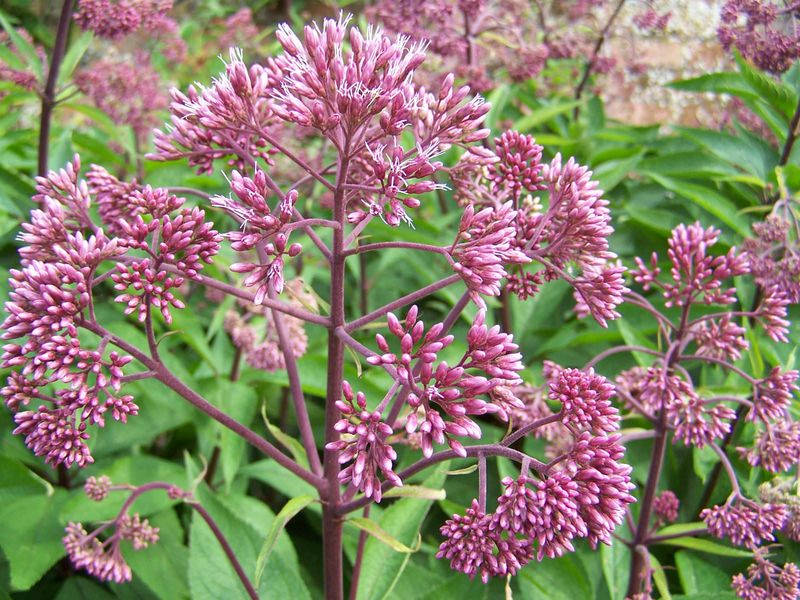
Standing up to 6 or 7 feet tall, Joe-Pye weed is the kind of plant that makes a bold statement in any garden.
Its large, dome-shaped clusters of dusty pink flowers appear from July through September, drawing in an impressive variety of butterflies and other pollinators. In Pennsylvania, it is a late-summer showstopper.
Named after a legendary herbalist from early American history, Joe-Pye weed has deep roots in the eastern United States.
It grows naturally in moist meadows, woodland edges, and along stream banks, which makes it a natural fit for Pennsylvania’s wetter landscapes. The plant prefers full sun to partial shade and moist, well-drained to consistently wet soil.
Swallowtail butterflies, fritillaries, and monarchs are among the many species you will spot nectaring on its blooms. Bumblebees and native bees are also frequent visitors.
Because it blooms late in the season, it provides a critical food source for pollinators preparing for fall.
Joe-Pye weed works beautifully as a background plant in large garden beds or along fence lines where its height becomes an advantage. It spreads gradually and forms attractive clumps over time.
Pair it with cardinal flower or swamp milkweed for a stunning, wildlife-rich Pennsylvania native garden that looks gorgeous from summer straight through early autumn.
4. Blue Flag Iris (Iris Versicolor)
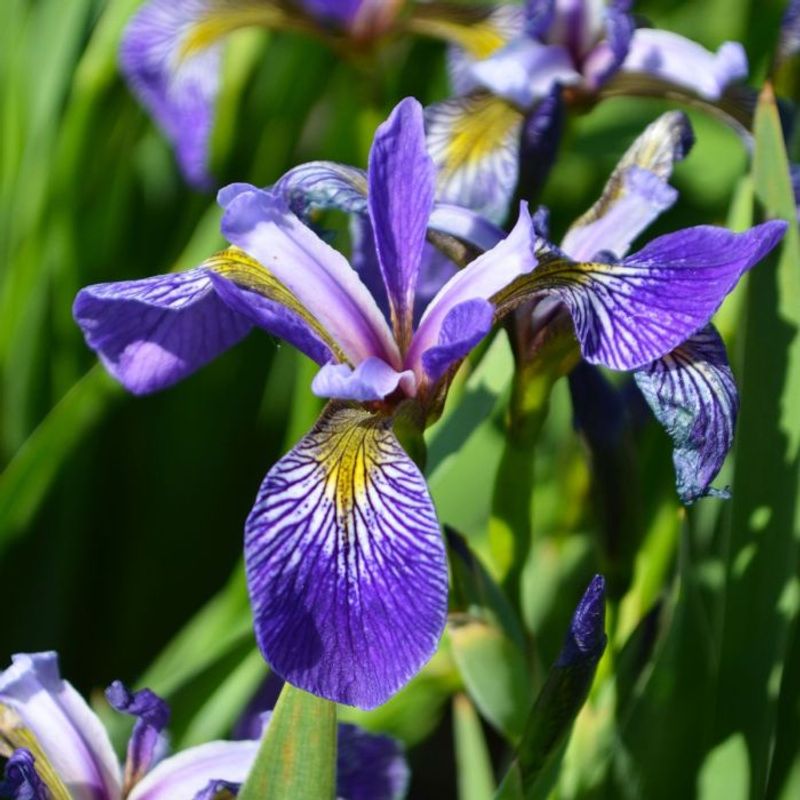
There is something almost magical about seeing blue flag iris in full bloom along the edge of a pond or stream. Its rich purple-blue flowers with intricate veining look like something out of a painting.
Lucky for Pennsylvania gardeners, this native iris is both beautiful and incredibly tough in wet conditions.
Blue flag iris grows about 2 to 3 feet tall and blooms in late spring to early summer, usually from May through June.
It thrives in full sun to partial shade and prefers consistently wet to saturated soil. Pond margins, rain gardens, and boggy low spots are ideal locations for this stunning plant.
Pollinators love blue flag iris. Bumblebees are especially attracted to the large, showy flowers and use them as an important early-season nectar source.
Some native bee species also use the flowers for pollen collection, making it a productive addition to any pollinator-focused Pennsylvania landscape.
Beyond its wildlife value, blue flag iris is a low-maintenance plant once established. It spreads slowly through rhizomes, gradually forming attractive clumps that get more impressive each year.
It is deer resistant, which is a real bonus in many parts of Pennsylvania where deer pressure can be a challenge. Plant it near the water’s edge and watch it transform a wet, overlooked corner of your yard into a stunning native showcase.
5. Turtlehead (Chelone Glabra)
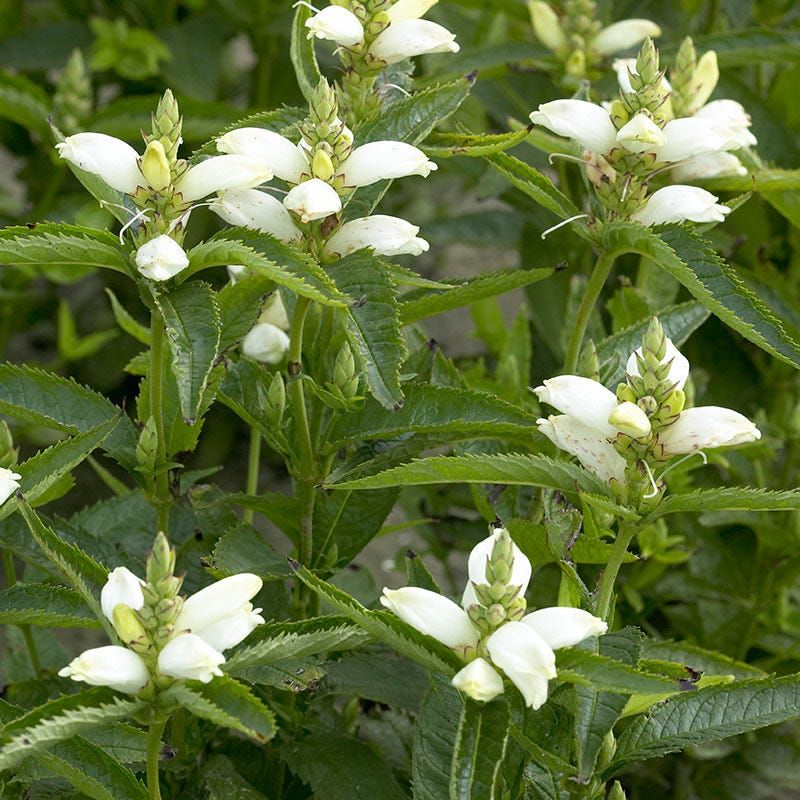
Ever seen a flower that looks like a tiny turtle poking its head out of a shell? That is exactly what turtlehead looks like, and that quirky appearance is just one reason to love it.
Chelone glabra is a native Pennsylvania perennial with white, tube-shaped flowers that bloom in late summer and early fall.
Turtlehead grows 2 to 3 feet tall and prefers shaded to partially sunny spots with consistently moist or wet soil.
It is one of the few native plants that actually thrives in shaded wet areas, making it invaluable for gardeners dealing with damp, tree-covered spots in Pennsylvania. Stream banks and woodland garden borders are perfect locations.
Bumblebees are the primary pollinators of turtlehead because they are strong enough to push open the tightly closed flower.
The plant is also the host plant for Baltimore checkerspot butterfly caterpillars, a beautiful and somewhat uncommon species in Pennsylvania. Planting turtlehead can genuinely help support this butterfly’s local population.
Turtlehead spreads slowly and forms tidy clumps that look great alongside ferns and other shade-loving natives. It is also resistant to most common garden pests, which makes it a reliable, easy-care option.
If you have a wet, shady patch in your Pennsylvania yard that feels like wasted space, turtlehead can turn it into a thriving habitat for pollinators and wildlife.
6. Golden Alexanders (Zizia Aurea)
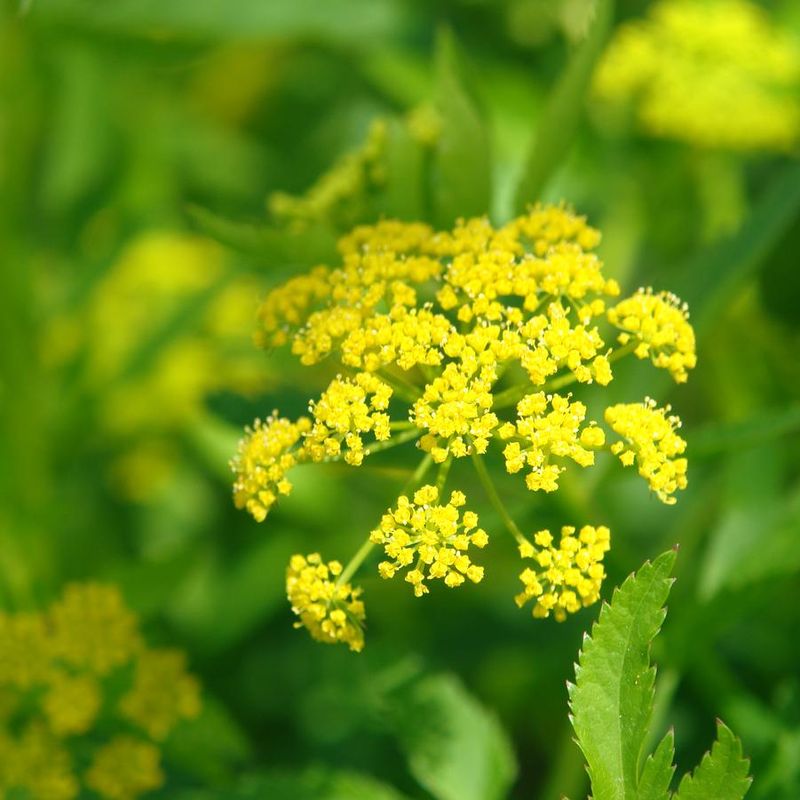
When most spring gardens are still waking up, golden Alexanders is already bursting with cheerful yellow blooms. This early-season native wildflower is a lifesaver for pollinators that emerge in spring and desperately need nectar sources.
In Pennsylvania, it is one of the first native plants to provide that essential early food supply.
Golden Alexanders grows about 1 to 3 feet tall and produces flat-topped clusters of bright yellow flowers from April through June. It tolerates a wide range of conditions but truly shines in moist to wet soil with full sun to partial shade.
Rain gardens, wet meadows, and streamside plantings in Pennsylvania are all excellent spots for this versatile wildflower.
Native bees, including mason bees and small sweat bees, are major fans of golden Alexanders. It is also an important host plant for the black swallowtail butterfly and the ozark swallowtail, whose caterpillars feed on its foliage.
Supporting both adult pollinators and butterfly larvae makes this plant exceptionally valuable in any native planting.
Golden Alexanders pairs beautifully with blue flag iris and swamp milkweed to create a layered, season-long display of color and wildlife activity. It self-seeds modestly, slowly spreading to fill in a garden bed over time.
For Pennsylvania gardeners looking to get a pollinator garden off to an early start each spring, golden Alexanders is an absolute must-have native plant.
7. New York Ironweed (Vernonia Noveboracensis)
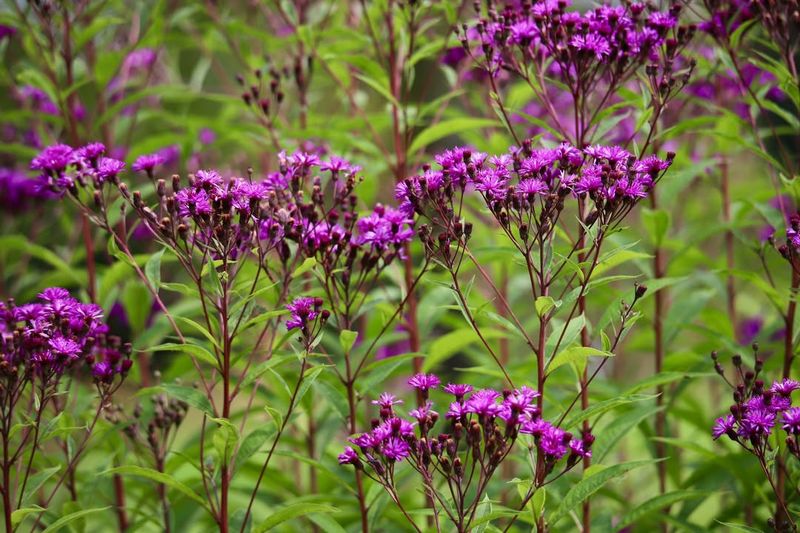
Bold, vivid, and absolutely irresistible to butterflies, New York ironweed earns its place in any Pennsylvania pollinator garden.
Its deep, electric purple flower clusters bloom in late summer, usually from August into September, right when many other plants are starting to fade. The timing makes it a critical late-season nectar source.
New York ironweed can grow quite tall, often reaching 4 to 7 feet in height. It thrives in full sun and prefers moist to wet soils, making it a natural fit for Pennsylvania’s low-lying fields, stream corridors, and wet garden beds.
The plant is native to the northeastern United States and feels completely at home in the Pennsylvania landscape.
Monarch butterflies, swallowtails, and fritillaries are among the many butterfly species that flock to ironweed’s blooms. Bumblebees and native bees are also frequent visitors.
Because it blooms so late in the season, it serves as one of the last major refueling stops for migrating monarchs heading south through Pennsylvania each fall.
New York ironweed can spread aggressively if left unchecked, so it works best in larger garden spaces or naturalized areas where spreading is welcome. Its strong stems rarely need staking, even in windy spots.
The deep purple flowers look stunning paired with the golden yellows of sneezeweed or the soft pinks of Joe-Pye weed in a late-summer Pennsylvania native garden display.
8. Great Blue Lobelia (Lobelia Siphilitica)
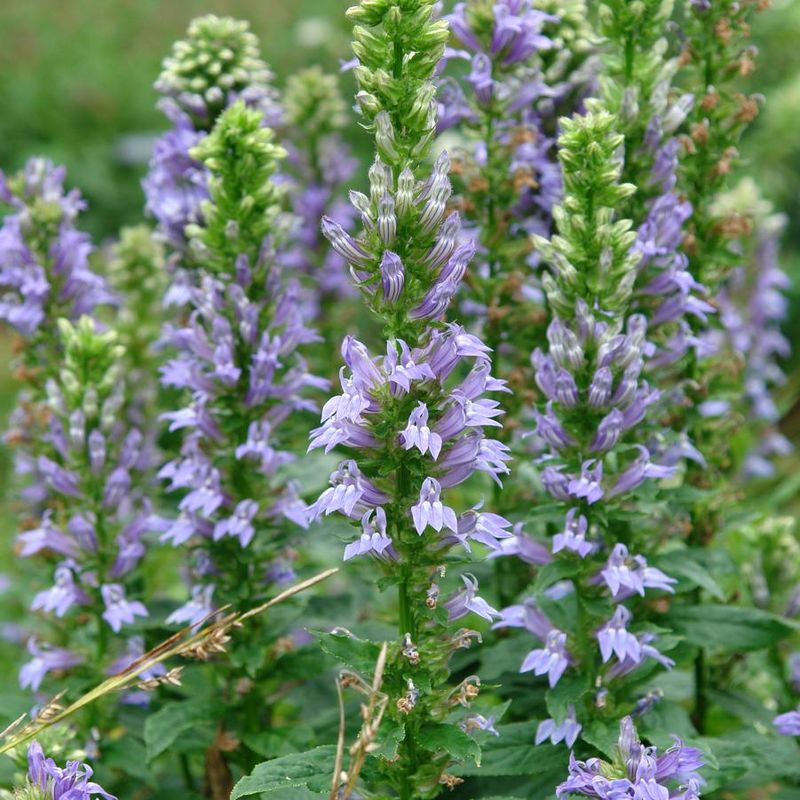
If you love the look of cardinal flower but want something in cool blue tones, great blue lobelia is your answer.
This native perennial produces tall spikes of striking blue and white flowers that bloom from late summer into fall. It is one of Pennsylvania’s most charming native wildflowers for wet garden spots.
Great blue lobelia grows about 2 to 4 feet tall and thrives in moist to wet soil with partial shade to full sun. It is commonly found growing naturally along stream banks, in wet meadows, and at pond edges throughout Pennsylvania.
Planting it in similar conditions in your yard almost guarantees success with very little effort.
Bumblebees are the main pollinators of great blue lobelia, though hummingbirds and some butterflies also visit the tubular flowers.
The plant blooms at the same time as cardinal flower, and the two look absolutely spectacular planted together, creating a vivid red and blue color combination that practically glows in the late-summer garden.
Great blue lobelia self-seeds freely, which means it will spread and naturalize in a moist garden bed over time. Some gardeners consider this a bonus because it fills in bare spots without any extra effort.
It also hybridizes naturally with cardinal flower where the two grow close together, sometimes producing plants with lovely purplish-pink blooms.
For Pennsylvania gardeners wanting an easy, reliable, and gorgeous native plant for wet areas, great blue lobelia truly delivers.