The Welcome Plant That Handles North Carolina Weather And Still Looks Great In Pots All Year

Some plants earn a permanent spot in North Carolina gardens, and rosemary is one of them. This fragrant herb instantly makes a porch, patio, or garden bed feel polished while quietly doing its job year after year.
Its deep green needles stay attractive through every season, and the fresh scent alone is enough to make gardeners reach for it again and again.
Across the Coastal Plain, Piedmont, and warmer parts of the Mountain region, rosemary has proven itself to be both useful and reliable.
It handles North Carolina’s changing weather better than many herbs and grows beautifully in containers where it can brighten a front porch or balcony.
The best part is how little effort it takes to enjoy it. With the right setup, rosemary can stay healthy, productive, and attractive for years. It is easy to see why so many North Carolina gardeners keep this classic herb close at hand.
1. Rosemary Thrives In North Carolina’s Mild Winters
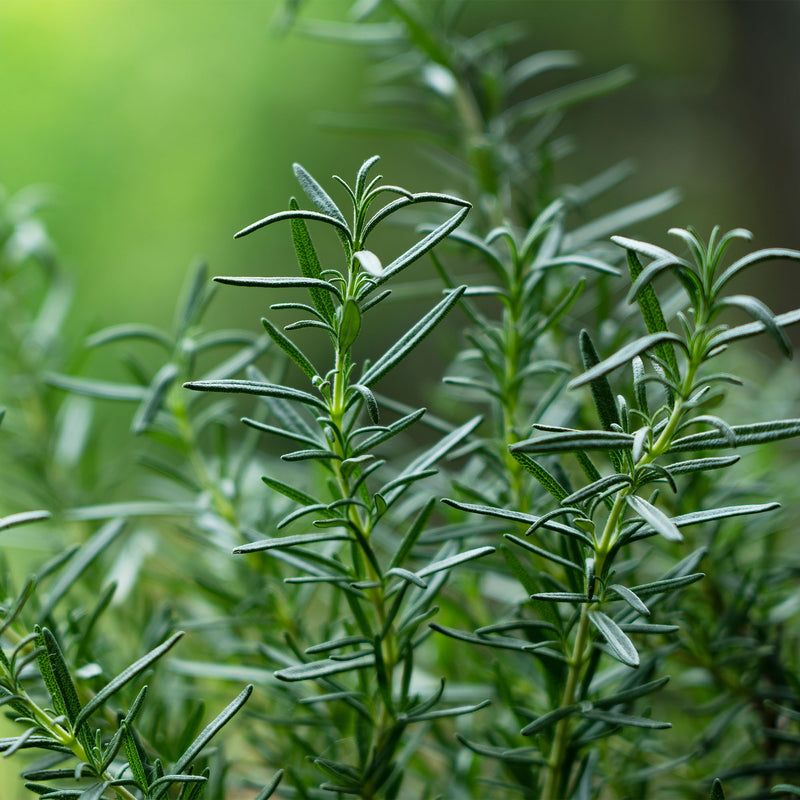
Not every herb can handle a Carolina winter and still come out looking fresh on the other side, but rosemary absolutely can.
Across much of North Carolina, especially in USDA Zones 7b and 8 along the Piedmont and coastal plain, rosemary grows outdoors year-round without much fuss.
The mild winters in these regions are almost perfectly suited for this tough Mediterranean herb.
Rosemary, now officially known as Salvia rosmarinus, originally comes from the dry hillsides along the Mediterranean Sea, where winters are cool but rarely brutal.
That background makes it a natural fit for the warmer parts of North Carolina, where freezes are short-lived and temperatures bounce back quickly.
Many gardeners in Raleigh, Charlotte, and Wilmington grow rosemary as a permanent outdoor shrub with very little winter care needed.
Up in the North Carolina mountains, though, the story changes a bit. Temperatures there can drop low enough to stress even a well-established rosemary plant.
During those rare hard freezes that occasionally hit even the Piedmont, a little extra protection goes a long way.
Wrapping plants loosely in frost cloth or moving pots to a sheltered spot near a wall can make a real difference.
With just a small amount of attention during the coldest nights, rosemary keeps on growing beautifully all the way through to spring.
2. Rosemary Stays Green And Gorgeous In Pots All Year
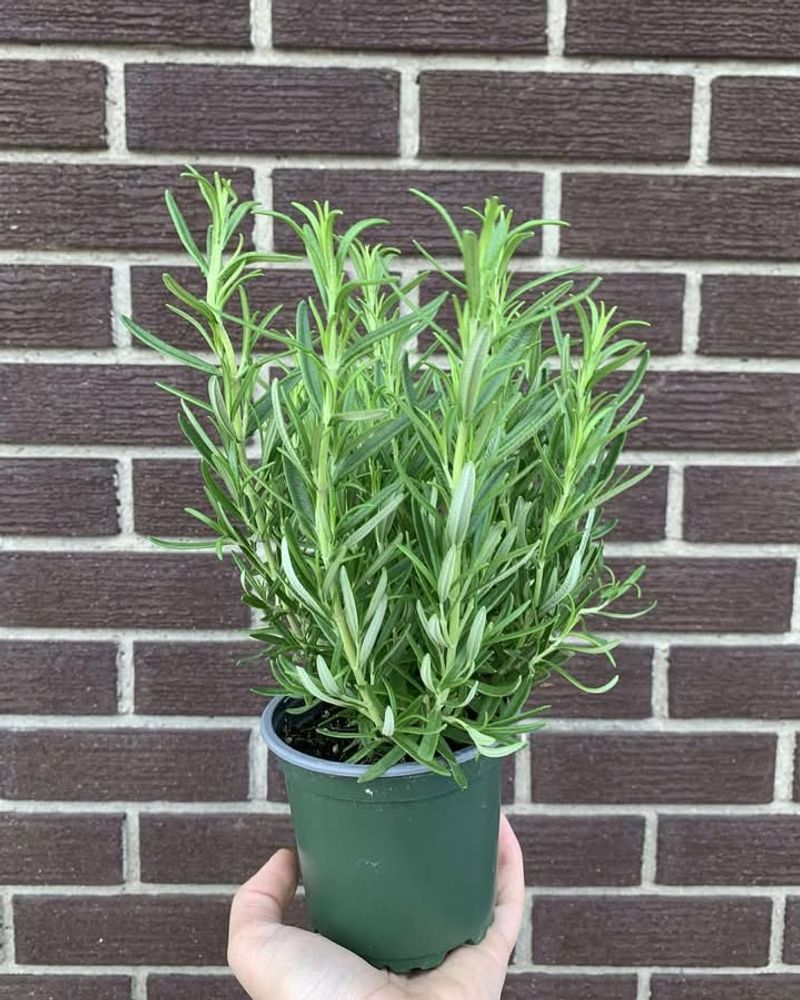
One of the biggest reasons rosemary has become such a popular container plant is simple: it never really goes bare.
As an evergreen shrub, rosemary holds onto its needle-like leaves through every season, which means your patio or front porch always has something attractive to look at.
That consistent green color adds structure and life to outdoor spaces even when other plants have gone dormant for winter.
In North Carolina, where winters can feel a little grey and dull between December and February, a potted rosemary by the front door is a cheerful reminder that not everything shuts down in the cold.
The plant naturally keeps a tidy, upright shape that looks intentional and polished without requiring constant trimming.
Your North Carolina Garden Changes Every Week. Your Plan Should Too.
Gardening in North Carolina changes quickly throughout the season. Every Friday you’ll receive a simple weekly plan showing exactly what to plant, prune, fertilize, harvest, and protect so you never miss the right timing.
Pair it with a nice terracotta pot and it instantly upgrades the look of any entryway or porch. Container growing also gives you total control over the plant’s environment.
You can adjust sunlight exposure, manage drainage more easily, and move the pot around to freshen up your outdoor decor.
Varieties like Tuscan Blue grow tall and dramatic, while trailing types like Prostratus spill over pot edges in a really elegant way.
Whether you want something bold and upright or soft and cascading, there is a rosemary variety that fits perfectly into your North Carolina container garden setup.
3. Early Spring Is The Perfect Time To Start New Plants
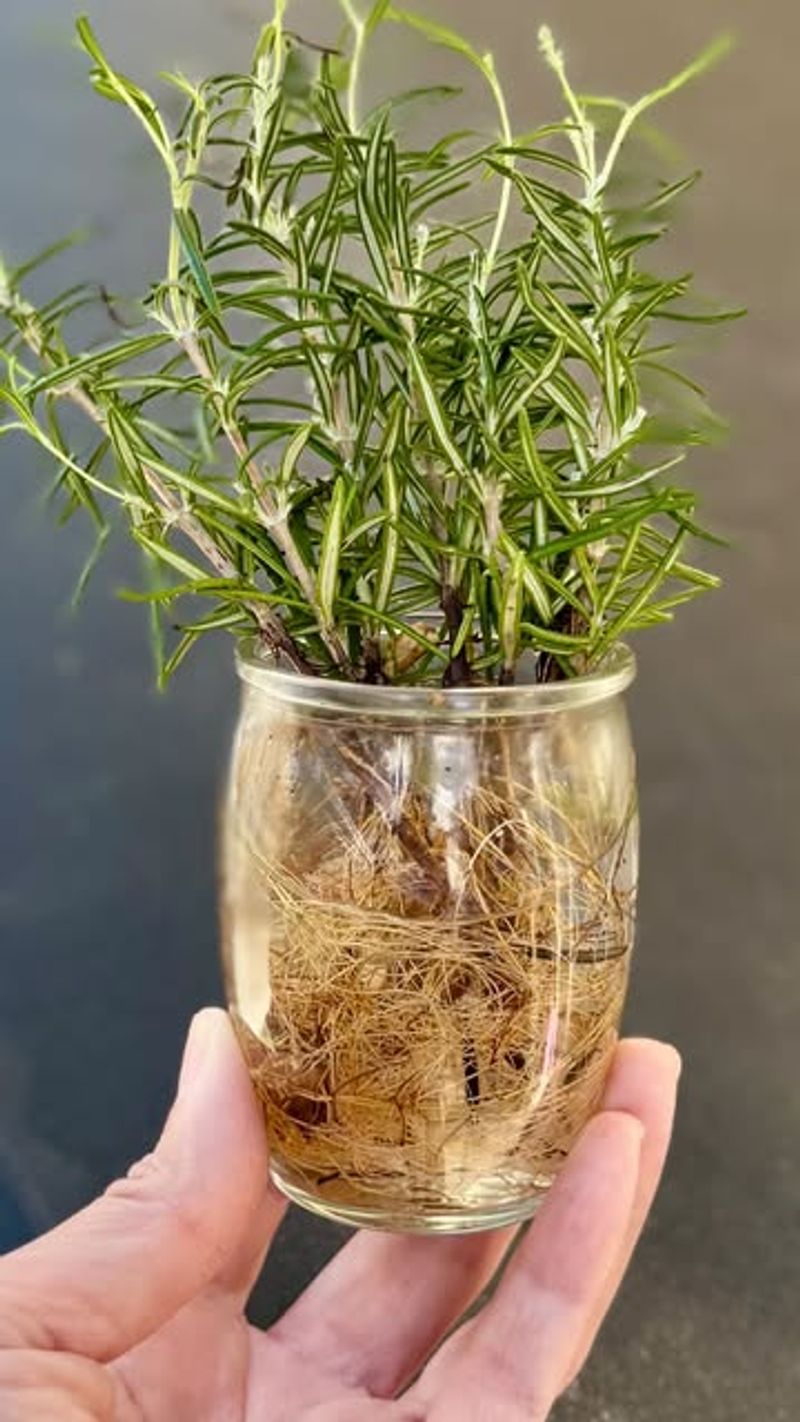
March is a magical month for gardeners in North Carolina. The worst of winter starts to ease up, temperatures climb back into comfortable territory, and the soil begins to wake up again.
That makes early spring one of the smartest times to get rosemary started, whether you are planting a brand-new container or moving a young plant from a nursery into its forever home.
Starting rosemary in spring gives the plant a full season to build strong roots before the next winter arrives.
Young plants that go into the ground or into pots in March have months of warm weather ahead of them to settle in and spread their roots wide.
That head start makes a huge difference when cooler temperatures eventually return to North Carolina in late fall.
When planting in containers, drainage is everything. Rosemary roots hate sitting in water, so choosing a pot with solid drainage holes is non-negotiable.
Fill it with a lightweight, well-draining potting mix, and consider adding a layer of gravel or coarse sand at the bottom to keep things moving freely.
Place your new plant somewhere it will catch plenty of morning sun, water it in gently, and then step back and let it do its thing.
Rosemary is remarkably easy once it gets settled, and spring-planted specimens tend to reward you with strong, healthy growth all the way through summer and beyond.
4. Well-Drained Soil Makes All The Difference
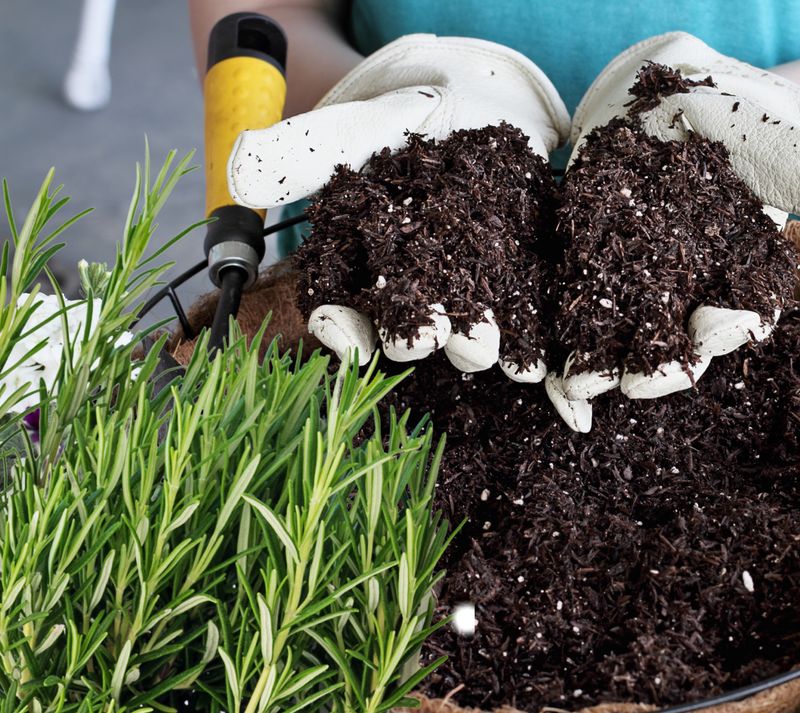
Soggy roots are rosemary’s biggest enemy, and understanding that one fact will save you a lot of frustration.
In its native Mediterranean habitat, rosemary grows on rocky, sun-baked hillsides where rainfall drains away almost instantly.
Recreating that kind of environment in a North Carolina garden means paying close attention to your soil setup before you ever put a plant in the ground.
North Carolina has a wide range of soil types, and heavy clay soils are common in many parts of the Piedmont.
Clay holds moisture for a long time, which is great for some plants but genuinely problematic for rosemary.
If you are planting in the ground, mix in generous amounts of coarse sand and compost to loosen the soil and improve drainage.
The goal is a mix that feels crumbly and light, not dense and sticky. Container growers have a bit of an advantage here because they can build the perfect soil mix from scratch.
A blend of standard potting mix combined with perlite or coarse sand works really well for rosemary in pots.
Avoid moisture-retaining mixes or anything marketed as holding water longer, since those formulas work against what rosemary needs.
Once you nail the drainage situation, rosemary becomes one of the most low-maintenance plants you can grow in North Carolina, asking for very little beyond sunlight and an occasional drink of water.
5. Full Sun Brings Out The Best In Rosemary
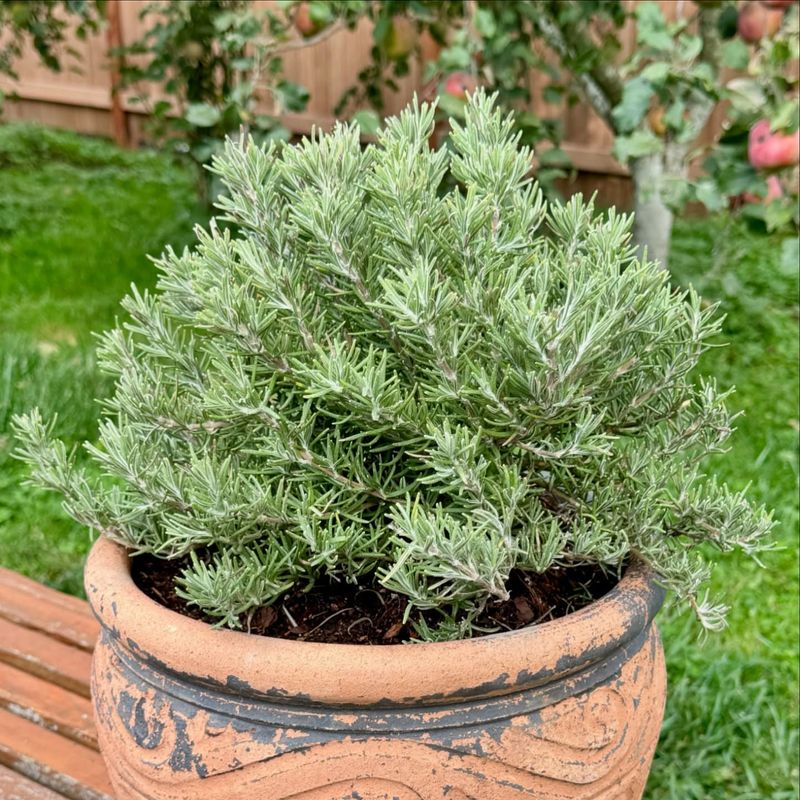
Rosemary is a sun worshipper through and through, and giving it the right amount of light is one of the easiest ways to set it up for success.
At least six to eight hours of direct sunlight each day is what this plant craves, and fortunately, many spots across North Carolina deliver exactly that during the growing season.
A south-facing porch, an open garden bed, or a sunny balcony all work beautifully. When rosemary gets plenty of sun, something interesting happens to its flavor and fragrance.
The essential oils that give rosemary its signature piney, slightly citrusy scent actually become more concentrated under strong light.
That means a sun-grown rosemary plant smells more intensely and tastes better in cooking than one that has been struggling in shade.
Full sun also keeps the plant compact and upright, giving it that tidy, architectural shape that looks so sharp in containers.
Low-light conditions cause rosemary to stretch out and become leggy, reaching toward any available sun it can find.
The stems get long and weak, the foliage thins out, and the plant loses that full, bushy appearance that makes it so attractive on patios and near entryways.
If you notice your North Carolina rosemary starting to look a little stretched and sparse, try moving the pot to a sunnier location.
A week or two of strong direct light often brings the plant back to its best-looking, most aromatic self without any other changes needed.
6. Fresh Rosemary From Your Porch To Your Plate
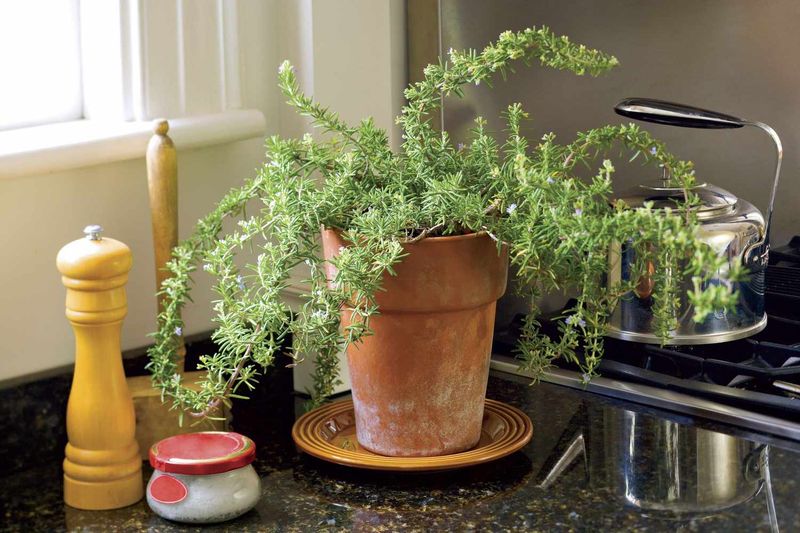
There is something genuinely satisfying about walking out to your porch, snipping a fresh sprig of rosemary, and tossing it straight into whatever you are cooking for dinner.
Rosemary is one of the most versatile herbs in the kitchen, and having a potted plant just outside your door in North Carolina means you always have fresh flavors on hand whenever you need them.
The needle-like leaves carry a bold, woodsy flavor that pairs beautifully with roasted chicken, lamb chops, crispy potatoes, and roasted vegetables of almost any kind.
Tuck a few sprigs under the skin of a whole chicken before roasting, or toss chopped leaves with olive oil and potatoes for a simple side dish that tastes like it came from a restaurant.
Fresh rosemary has a noticeably more vibrant flavor compared to the dried version you find in grocery store spice jars.
Container-grown rosemary in North Carolina can be harvested throughout the year, which is one of its most practical advantages.
Even in winter, when the plant is growing more slowly, you can still snip small amounts without causing any harm.
The key is to never take more than about one-third of the plant at a single harvest, which keeps it healthy and encourages new growth.
Harvest in the morning when the essential oils are at their peak concentration, and your meals will taste noticeably brighter and more flavorful every single time.
7. Blue Flowers Show Up Just When You Need Them Most

Right around the time North Carolina gardeners are getting a little tired of bare branches and brown lawns, rosemary does something quietly spectacular.
From late winter into spring, sometimes as early as February during mild years, small clusters of blue to pale purple flowers begin to appear along the stems.
It is one of the earliest blooms you will see in the garden, and it feels like a genuine celebration of the season turning.
The flowers are small but undeniably pretty, with a soft lavender-blue color that contrasts nicely against the deep green of the needle-like foliage.
On a terracotta pot near a front door or along a sunny garden path, a blooming rosemary plant looks polished and intentional without requiring any extra effort from you.
The blooms tend to last for several weeks, giving you a long window to enjoy the color. Different rosemary varieties produce slightly different flower shades. Some lean toward a deeper violet-blue, while others are nearly white with just a hint of blue.
Varieties like Tuscan Blue are known for especially vibrant blooms, making them a favorite among North Carolina gardeners who want maximum visual impact in the late winter garden.
The flowers are also edible, which means you can scatter a few on salads or use them as a garnish for a fun, unexpected touch that always impresses guests at the dinner table.
8. Bees And Pollinators Absolutely Love Rosemary

Before most flowers even think about opening up in North Carolina, rosemary is already putting out blooms and feeding the bees.
That early flowering window, sometimes starting in February or March during a mild year, makes rosemary one of the most valuable pollinator plants you can grow in a container or garden bed.
When food sources are scarce for bees emerging from their winter clusters, rosemary steps up in a big way.
Honeybees, native bumblebees, and various solitary bee species all visit rosemary flowers eagerly.
The nectar-rich blooms are easy for bees to access thanks to their open, tubular shape, and the flowers produce enough nectar to attract steady pollinator traffic on sunny late-winter days.
Watching bees work their way through a blooming rosemary plant on a warm February afternoon in North Carolina is one of those small but genuinely joyful garden moments.
Beyond bees, rosemary also attracts butterflies and certain beneficial insects that help keep garden pest populations in check naturally.
Placing a blooming rosemary pot near vegetable beds or other flowering plants creates a little pollinator hub that benefits the entire garden.
Some North Carolina gardeners specifically grow rosemary near fruit trees or berry bushes to encourage early pollinator activity right when those plants need it most.
It is a simple, beautiful strategy that costs almost nothing and gives back enormously throughout the growing season.
9. A Little Pruning Goes A Long Way
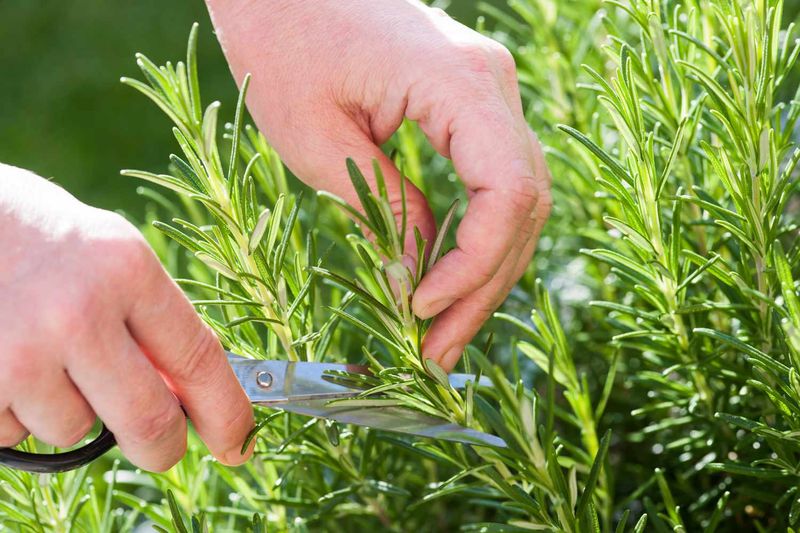
Rosemary is not a high-maintenance plant by any stretch, but giving it a light trim every now and then makes a noticeable difference in how it looks and how it grows.
Regular light pruning encourages the plant to branch out and fill in, creating that full, dense shape that looks so attractive in containers on patios and near front doors across North Carolina.
Without occasional trimming, rosemary can become woody and sparse over time.
The best time to prune rosemary in North Carolina is right after it finishes flowering in spring, though you can also do a light shaping during the summer growing season if the plant starts to look unruly.
Use clean, sharp scissors or small pruning shears to snip back the soft green tips of each stem, cutting just above a set of leaves.
Avoid cutting back into the thick, woody base of the plant, since those older stems do not regrow as reliably as the younger green growth. Think of pruning as a conversation with your plant.
A little trim here and there keeps things tidy and actually stimulates fresh, aromatic new growth that smells incredible and tastes even better in the kitchen.
For container plants sitting near an entryway or on a porch, a quick shaping every six to eight weeks during the growing season keeps them looking intentional and well cared for.
It takes about five minutes and the results last for weeks, making it one of the easiest garden tasks you will ever do.
10. Pots Give You Flexibility During Cold Snaps
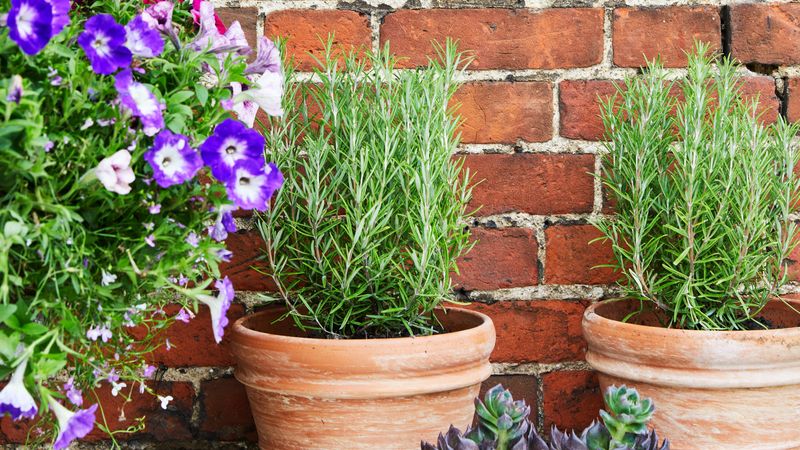
One of the smartest things about growing rosemary in containers is the flexibility it gives you when North Carolina’s weather decides to get unpredictable.
Even in zones where rosemary is technically hardy, a sudden hard freeze can stress a plant that is not well-established or is sitting in an exposed spot.
Having your rosemary in a pot means you can simply pick it up and move it somewhere safer when temperatures threaten to drop dangerously low.
A sheltered spot near a sunny south-facing wall is one of the best places to move a container rosemary during a cold snap.
Walls absorb heat during the day and release it slowly at night, creating a slightly warmer microclimate that can protect the plant from frost damage.
Covered porches, carports, and unheated garages with a window also work well for short-term cold protection without bringing the plant all the way indoors.
When moving rosemary inside during extreme cold, choose a cool, bright spot rather than a warm, dim corner.
Rosemary does not love the dry, heated air of most North Carolina homes in winter, and too much warmth combined with low light can cause problems.
A sunny garage, a cool sunroom, or even a bright mudroom works much better than a warm living room.
Once temperatures climb back above freezing, move the plant back outside so it can soak up sunlight and fresh air and get right back to looking its best.