7 Common Mistakes Michigan Gardeners Make With Hostas
Hostas are the unsung heroes of Michigan gardens, filling shady corners with bold, lush foliage and adding texture and color that few other perennials can match.
Yet even the most experienced gardeners sometimes struggle to get these shade-loving plants to thrive.
Michigan’s climate – with humid summers, cold snowy winters, and clay-heavy soils – can create challenges for hostas that seem perfectly suited to the environment.
A little misstep in site selection, watering, pest control, or seasonal care can leave hostas looking tattered or stunted rather than vibrant and lush.
By understanding the most common mistakes gardeners make with hostas, you can protect your plants, enhance your shade garden, and enjoy a fuller, healthier display year after year.
1. Planting Hostas In Too Much Sun
Michigan summers can be deceptively intense, and many gardeners underestimate just how much the afternoon sun will punish a hosta planted in the wrong spot.
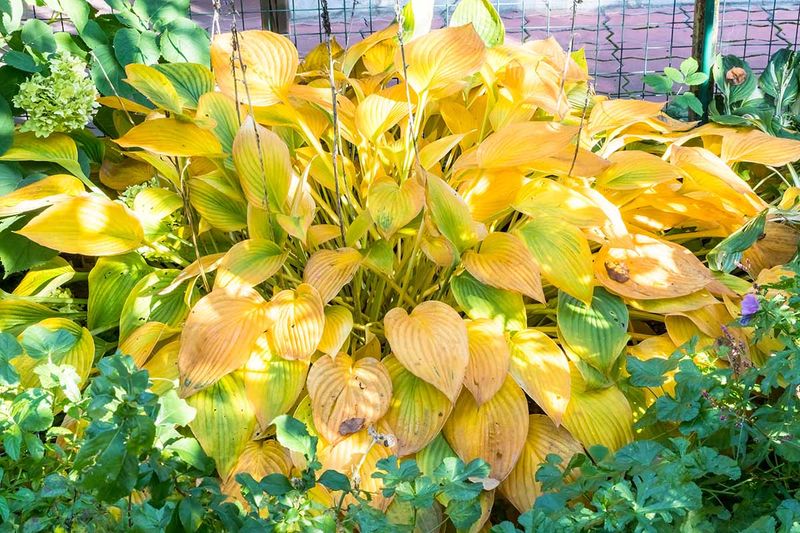
Hostas are shade-loving perennials by nature, and direct sunlight, especially from noon onward, can cause leaf scorch almost overnight.
Scorched leaves turn brown and papery at the tips and edges, ruining the plant’s appearance for the entire season.
Most hostas perform best with morning sun and afternoon shade, or in a spot that receives dappled light filtered through tree canopies. Blue-leaved varieties are especially sensitive to sun exposure, while some gold or yellow varieties can tolerate a bit more light.
Even so, no hosta truly thrives in full sun in Michigan’s climate, where summer afternoons can push temperatures well into the 80s and 90s.
Before planting, observe how sunlight moves across your garden throughout the day. A spot that looks shady in the morning may be flooded with harsh afternoon rays by 2 p.m.
If you have already planted a hosta in too much sun, consider transplanting it in early fall when temperatures cool.
Dig up the entire root ball carefully, replant it in a shadier location, water it deeply, and apply a 2-to-3-inch layer of mulch to help it settle in.
Choosing the right site before planting is the single most effective way to avoid sun-related hosta problems. A little planning up front saves a lot of frustration later in the growing season.
2. Overwatering Or Poor Drainage
Standing water and soggy soil are two things hostas absolutely cannot tolerate for long. Michigan’s clay-heavy soils, which are common across much of the Lower Peninsula, can hold moisture far longer than hostas prefer.
Gardeners often assume that because hostas love shade, they must love wet conditions too, but that assumption leads to root rot, crown rot, and eventually plant death.
Overwatering is just as damaging as poor drainage. When roots sit in waterlogged soil, they are deprived of oxygen and become vulnerable to fungal pathogens.
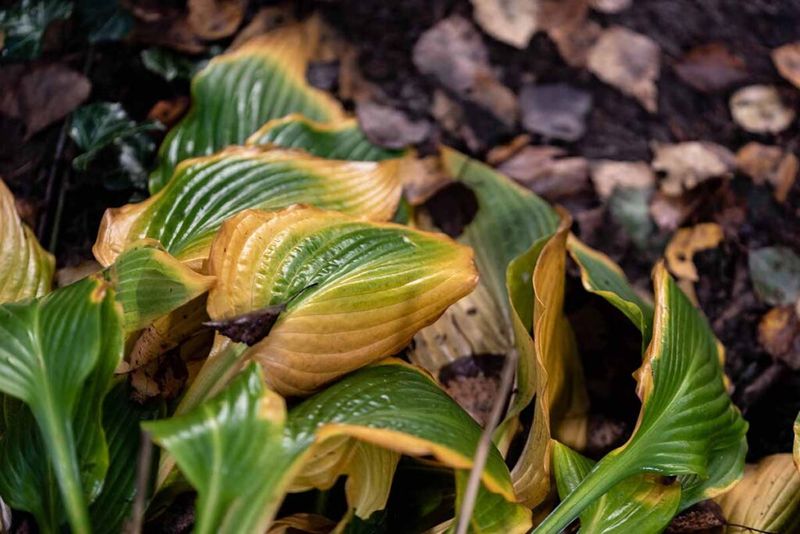
Signs of overwatering include yellowing leaves, a mushy crown at the soil surface, and a general look of wilting even when the soil is wet.
Interestingly, overwatered hostas often look similar to underwatered ones, which confuses many gardeners into adding even more water.
Your Michigan Garden Changes Every Week. Your Plan Should Too.
Gardening in Michigan changes quickly throughout the season. Every Friday you’ll receive a simple weekly plan showing exactly what to plant, prune, fertilize, harvest, and protect so you never miss the right timing.
The fix starts with understanding your soil. Work compost or aged organic matter into beds before planting to improve drainage and soil structure.
If your yard has a naturally low or poorly drained area, consider raised beds or mounded planting areas to keep roots above the water table.
For established hostas showing signs of rot, carefully dig up the plant, trim away any mushy or discolored roots with clean pruners, and replant in amended soil in a better-draining location.
Water deeply but infrequently, allowing the top inch of soil to dry out between waterings. A 2-to-3-inch layer of mulch helps regulate moisture without trapping excess water against the crown.
3. Ignoring Slug And Snail Damage
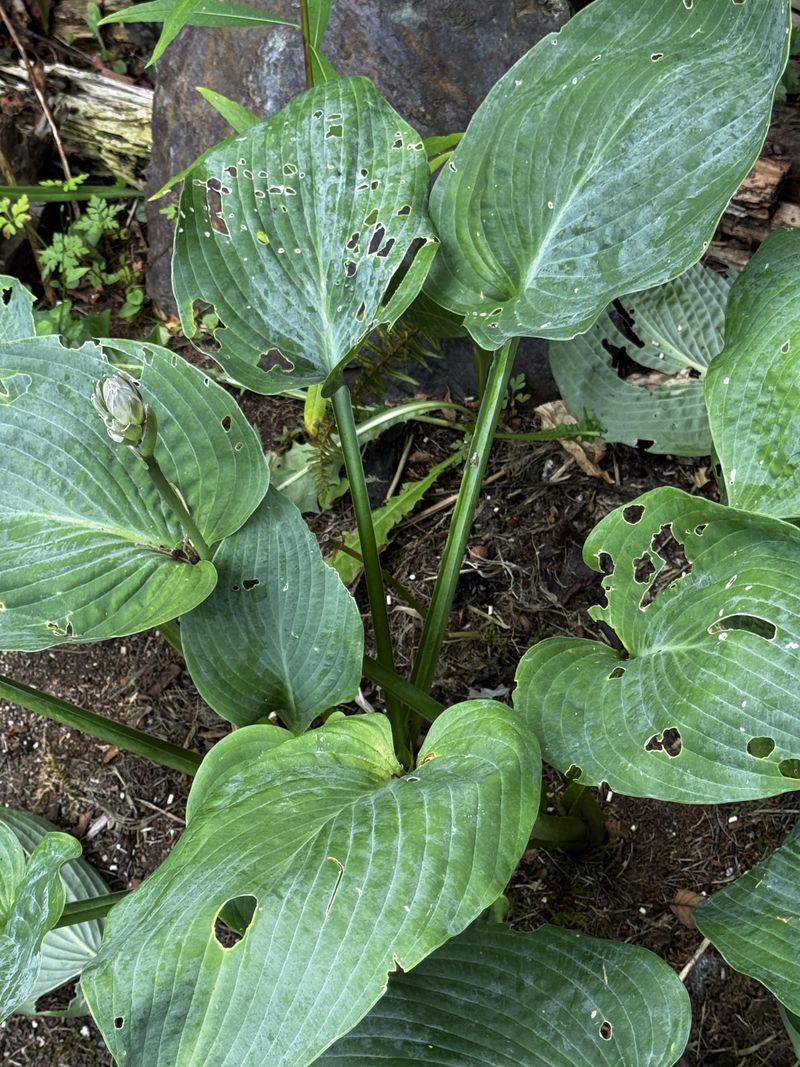
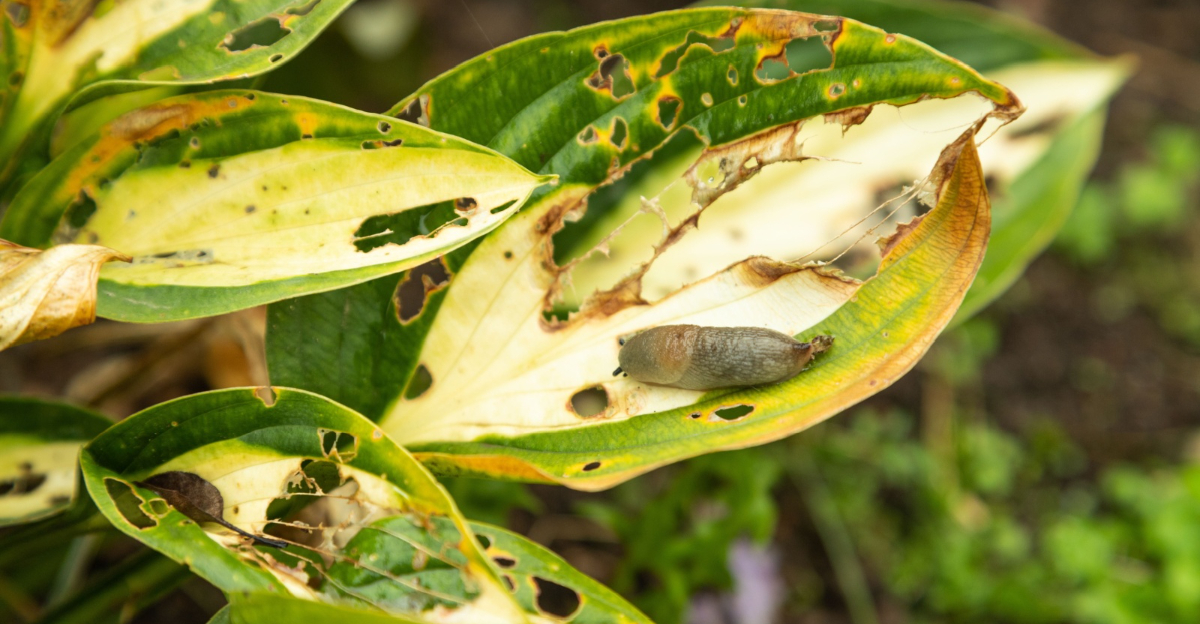
Walk out to a shaded Michigan garden bed after a rainy June night, and you might find your hostas riddled with ragged holes that seem to have appeared out of nowhere.
Slugs and snails are the most notorious hosta pests in Michigan, and they are remarkably good at hiding during the day.
They feed at night or during overcast, wet weather, chewing irregular holes in leaves and leaving behind a telltale silvery slime trail.
Michigan’s humid summers and frequent spring rains create near-perfect conditions for slug populations to explode.
Hostas with thinner, more textured leaves tend to suffer the most damage, though no variety is completely immune.
Left unchecked, a heavy slug infestation can reduce a beautiful hosta to a tattered mess within just a few weeks.
Fortunately, several practical control methods work well in home gardens. Reduce hiding spots by keeping mulch pulled back slightly from the crown of the plant and removing debris like boards or pots near hosta beds.
Hand-picking slugs at night with a flashlight is surprisingly effective for small infestations.
Iron phosphate-based slug baits, sold under brand names like Sluggo, are safe for use around pets, wildlife, and children, and they work well when applied according to label directions.
Diatomaceous earth sprinkled around plants can also deter slugs, though it needs reapplication after rain. Consistent monitoring throughout the growing season keeps populations manageable.
4. Not Dividing Crowded Clumps
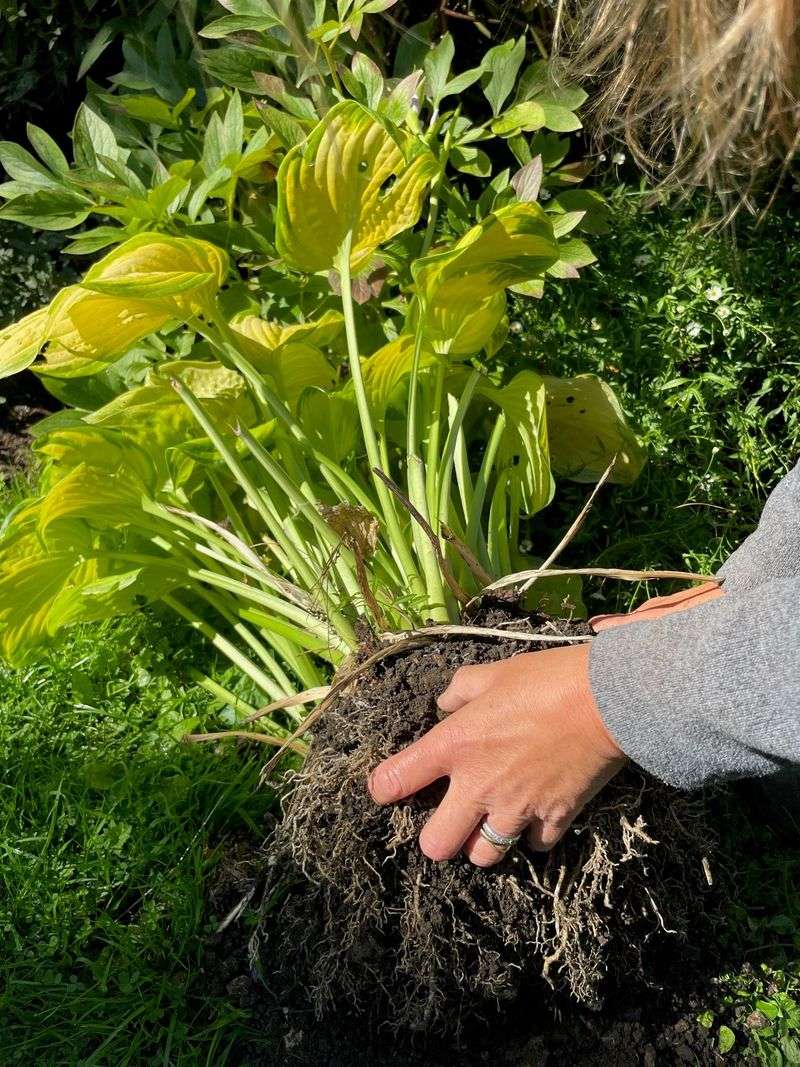
A hosta that has been growing in the same spot for seven or eight years without division starts sending out a quiet distress signal: the leaves get smaller, the center of the clump begins to die out, and the whole plant looks tired compared to its earlier, vigorous self.
Crowded clumps compete with themselves for water, nutrients, and light, and the result is a gradual decline that many Michigan gardeners mistake for a pest problem or disease.
Division is one of the best things you can do for an established hosta, and it also gives you free plants to spread around the garden or share with neighbors.
Most hostas benefit from division every three to five years, though some vigorous varieties may need it sooner.
Early spring, just as the pointed shoots are emerging from the soil, is the ideal time to divide in Michigan because the cooler temperatures and spring rains help transplants establish quickly before summer heat arrives.
Early fall, about six weeks before the first frost, is a good second option.
To divide a hosta, use a sharp spade or garden fork to dig up the entire clump, keeping as much of the root system intact as possible.
Set the clump on the ground and use a sharp knife or spade to cut it into sections, each with at least two or three healthy buds.
Replant divisions at the same depth they were growing before, water thoroughly, and mulch well. Divisions taken in spring will typically establish and look presentable by midsummer, rewarding your effort quickly.
5. Cutting Back Foliage Too Early
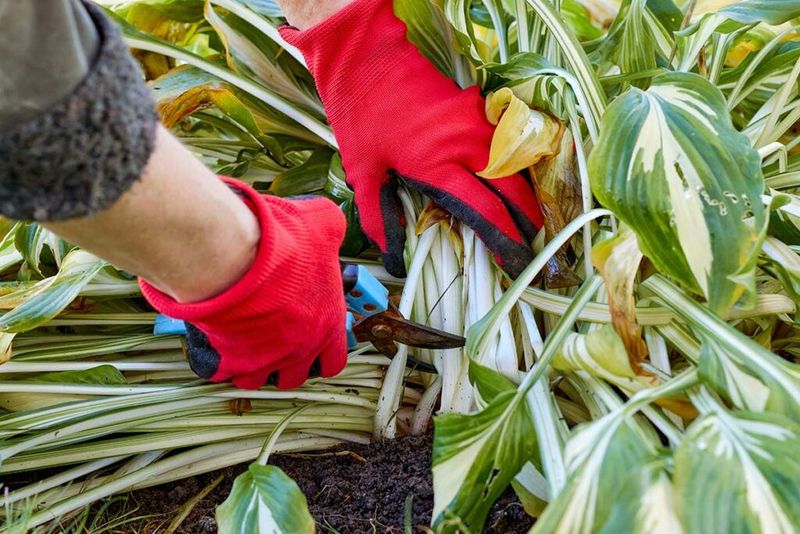
Tidiness is a virtue in many areas of life, but in the hosta garden, cutting back too soon can actually work against the plant.
Every fall, Michigan gardeners feel the urge to clean up their beds before winter sets in, and hostas are often the first target.
The problem is that hosta foliage, even as it yellows and browns, continues to send energy back down into the crown and roots as long as it remains attached to the plant.
Cutting foliage while it is still partially green interrupts that energy transfer, leaving the plant with slightly less stored energy to fuel next spring’s growth.
For most established hostas this is a minor setback, but for young plants or those recovering from stress, it can make a noticeable difference in how vigorously they emerge the following season.
Michigan’s first hard frosts typically arrive in October across much of the state, and the cold will naturally kill hosta foliage within a few days of freezing temperatures.
The best approach is patience. Wait until the foliage has fully yellowed and collapsed on its own, or until after the first hard frost has completely blackened the leaves.
At that point, cutting back to within an inch or two of the soil is easy, quick, and genuinely beneficial because it removes hiding spots for slugs and other overwintering pests.
Bag up or compost the removed foliage away from the bed to reduce disease carryover.
A clean bed in late fall sets hostas up for a healthier, more vigorous spring return.
6. Planting In Soil That Is Too Nutrient-Poor
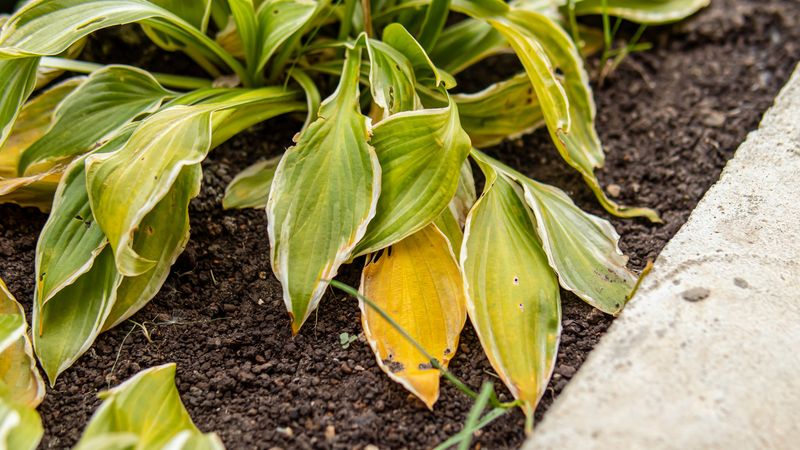
Sandy soils are common in parts of western and northern Michigan, and while they drain beautifully, they often lack the organic matter and nutrients that hostas need to produce their signature bold, lush foliage.
Gardeners who drop a hosta into unamended sandy or compacted soil and expect it to thrive are often disappointed by slow growth, pale leaves, and a plant that never quite reaches the size shown on the nursery tag.
Hostas are not heavy feeders compared to many garden plants, but they do respond noticeably to rich, well-amended soil. Organic matter is the key ingredient.
Compost, aged leaf mold, or well-rotted manure worked into the planting bed before installation improves moisture retention in sandy soils, loosens compaction in clay soils, and feeds beneficial soil microbes that make nutrients available to plant roots over time.
A soil test before amending removes the guesswork and provides a clear picture of exactly what your soil needs.
For hostas already growing in poor soil, a spring application of balanced slow-release granular fertilizer, such as a 10-10-10 formulation, can give plants a helpful boost.
Apply fertilizer in early spring as new growth emerges, and avoid fertilizing after midsummer, as late-season feeding can push tender new growth that gets damaged by Michigan’s early fall frosts.
Top-dressing beds with a half-inch layer of compost each spring is one of the simplest, most effective long-term strategies for improving soil quality and keeping hostas looking their best year after year.
7. Neglecting Winter Protection For Young Or Small Plants
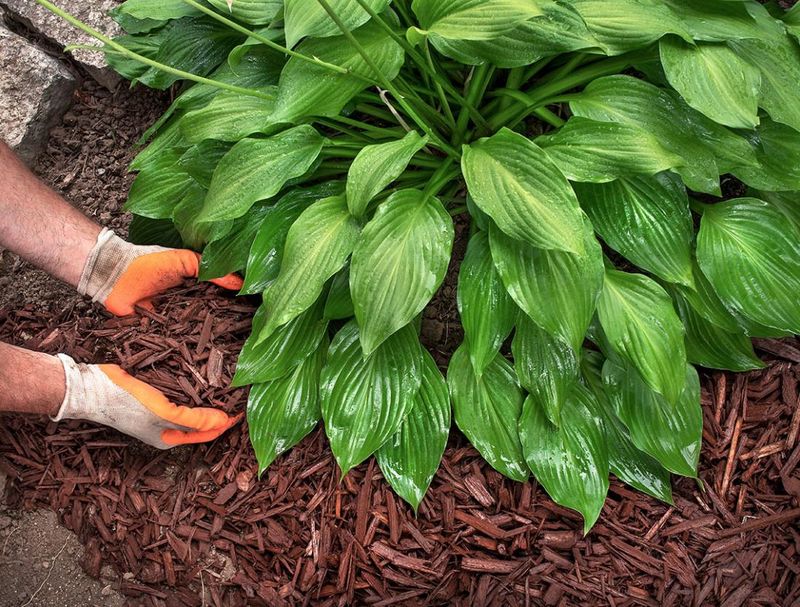
Michigan winters are not gentle, and while established hostas are remarkably cold-hardy across most of the state, young plants and small divisions face a real risk of frost heaving, crown damage, and desiccation during their first winter in the ground.
Frost heaving occurs when repeated freeze-thaw cycles push plant crowns partially out of the soil, exposing roots to drying winds and killing temperatures.
It is one of the leading causes of hosta loss among newly planted perennials in Michigan.
Gardeners who plant hostas in late summer or early fall, hoping to get them established before winter, sometimes skip the mulching step, assuming the plants are tough enough to fend for themselves.
For mature, well-rooted clumps that have been in the ground for several years, that assumption is usually fine.
For first-year plants, small divisions, or miniature varieties with shallow root systems, winter mulch is genuine insurance against loss.
After the ground freezes in late fall, apply a 3-to-4-inch layer of shredded leaves, straw, or wood chips over the crown and root zone of young or small hostas.
The goal is not to keep the ground warm, but to keep it consistently cold, preventing the freeze-thaw cycles that cause heaving.
Remove the mulch gradually in early spring as temperatures warm, pulling it back a bit at a time to avoid trapping moisture against the emerging crown.
Gardeners in Michigan’s colder northern zones and the Upper Peninsula should be especially attentive to this step, as temperatures there can drop far below what southern Michigan plants typically experience.