This Mistake Causes Gardenia Bud Drop In California
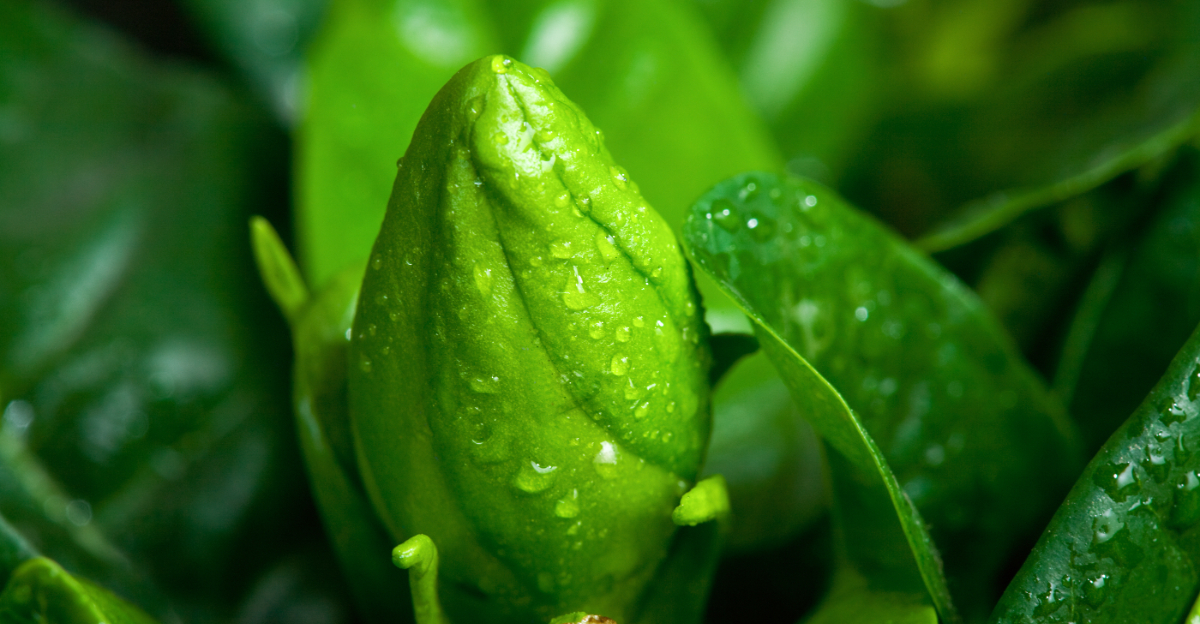
Gardenias are famous for their creamy white blooms and that incredible fragrance that can fill an entire yard. But many California gardeners know the frustration of watching those promising buds suddenly fall off before they ever open.
One day the plant is full of potential flowers, and the next… buds on the ground. So annoying, right?
It often leaves people wondering what went wrong. Too much sun? Not enough fertilizer? Did the plant just decide it was done trying?
In many cases, the real problem is much simpler and easier to overlook. Gardenias are surprisingly sensitive when it comes to watering.
When the soil swings between very dry and very wet, the plant reacts quickly, and bud drop is often the result.
Once you understand how inconsistent watering affects gardenias, it becomes much easier to keep those buds right where they belong.
1. Inconsistent Watering Stress
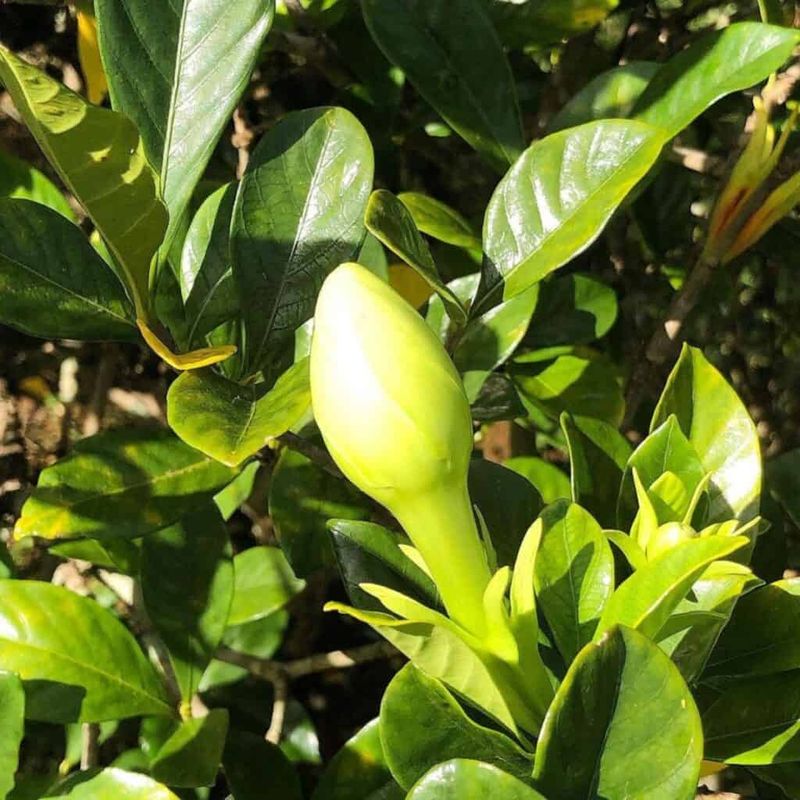
One of the sneakiest problems gardenia growers in California face is not a pest or a disease. It is simply watering the plant unevenly.
Gardenias are sensitive plants that rely on a steady supply of moisture to carry their buds all the way to full bloom.
When the soil swings between soaking wet and bone dry, the plant gets stressed out. That stress sends a signal to the plant that conditions are not safe for flowering.
So what does it do? It drops its buds to save energy.
This cycle of too much water followed by too little water is more common than most gardeners realize. You might water heavily one day, skip a few days, then water again.
That pattern feels normal, but to a gardenia, it feels like a rollercoaster.
California gardeners especially deal with this because the weather can shift quickly. A cool morning can be followed by a hot, dry afternoon that pulls moisture right out of the soil.
Without a consistent watering schedule, your gardenia never gets the steady rhythm it needs.
The fix starts with awareness. Pay attention to how often you are watering and try to keep a regular schedule.
Using a moisture meter is a smart and affordable way to take the guesswork out of watering. Once you stop the inconsistency, your gardenia has a much better chance of holding onto those precious buds.
2. Gardenias Need Even Moisture
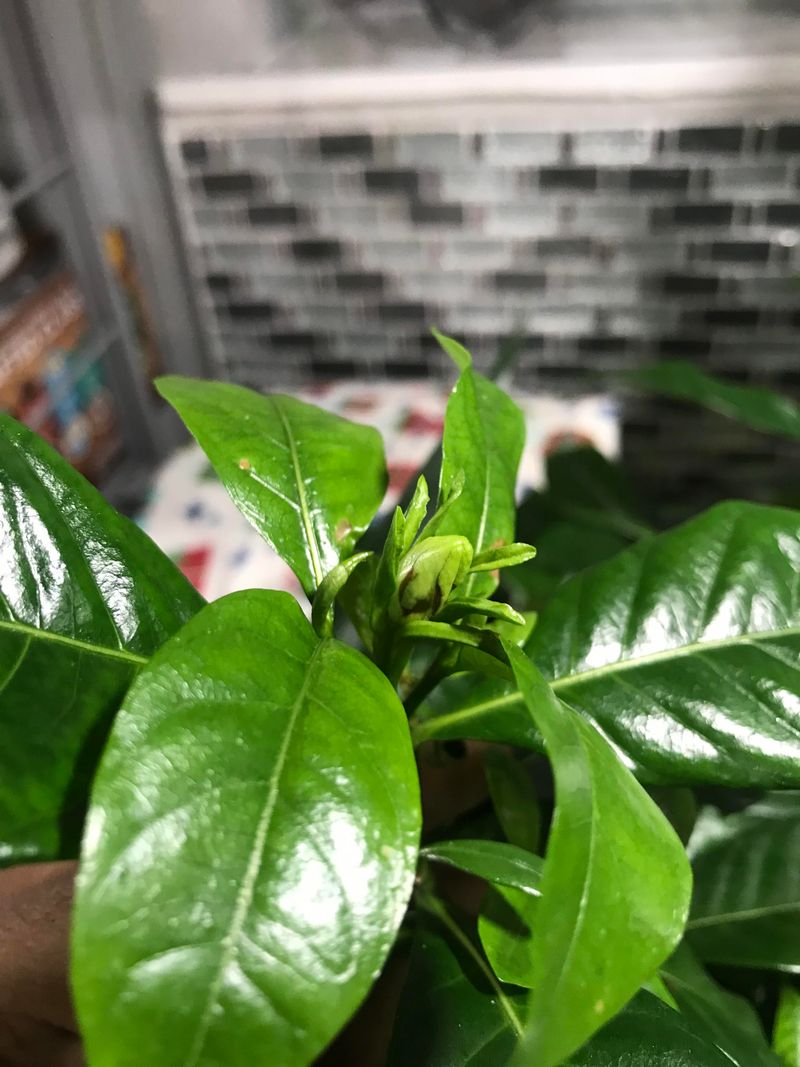
Gardenias are tropical plants at heart, and they were built for warm, humid environments where rainfall comes regularly and predictably. That background tells you a lot about what they need in your California garden.
Even moisture does not mean soggy soil. It means the soil stays consistently damp, kind of like a wrung-out sponge.
Not dripping wet, not powdery dry, just comfortably moist all the time.
When you get that balance right, gardenias reward you with lush green leaves and tight, healthy buds that actually open. The roots can absorb water and nutrients without any interruption.
That steady supply keeps the whole plant working smoothly.
A great way to help maintain even moisture is to add a layer of organic mulch around the base of the plant. Mulch slows down evaporation, especially during California’s warm and dry summer months.
Your California Garden Changes Every Week. Your Plan Should Too.
Gardening in California changes quickly throughout the season. Every Friday you’ll receive a simple weekly plan showing exactly what to plant, prune, fertilize, harvest, and protect so you never miss the right timing.
It also keeps the soil temperature more stable, which gardenias love.
Two to three inches of wood chips or shredded bark works really well. Just make sure the mulch does not sit right up against the stem, because that can cause rot.
Keep a small gap between the mulch and the base of the plant.
Watering deeply and less frequently is also better than light, shallow watering every day. Deep watering encourages roots to grow down into the soil, where moisture stays longer and temperatures stay cooler.
3. Dry Soil Triggers Bud Drop
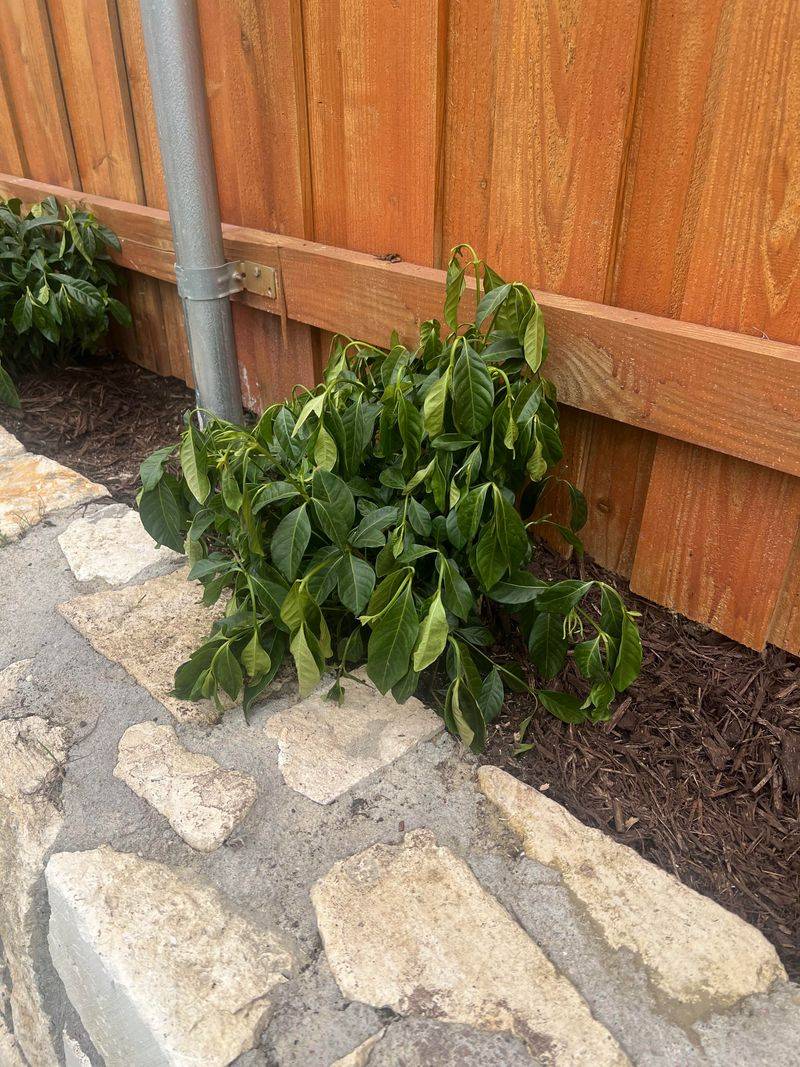
Dry soil is one of the fastest ways to lose gardenia buds. When the soil around your gardenia dries out completely, the plant goes into a kind of survival mode.
Growing and opening flowers takes a lot of energy and water, so the plant cuts its losses and drops the buds.
This happens a lot in California during summer, especially in inland areas like the Central Valley or the Inland Empire where temperatures can climb well above 90 degrees. The combination of heat and dry air pulls moisture out of the soil incredibly fast.
Even coastal gardeners in places like Los Angeles or San Diego are not immune. Dry Santa Ana winds can strip moisture from soil and leaves in just a few hours, leaving gardenias parched and stressed before you even notice.
Checking your soil regularly is the best habit you can build. Stick your finger about an inch into the soil near the plant.
If it feels dry at that depth, it is time to water. Do not wait until the leaves start to droop, because by then the buds may already be on their way down.
Watering in the early morning is ideal. It gives the plant a good drink before the heat of the day sets in.
It also allows any water on the leaves to dry before nightfall, which helps prevent fungal issues. Keeping the soil from drying out completely is one of the simplest ways to protect your buds.
4. Hot Weather Makes It Worse
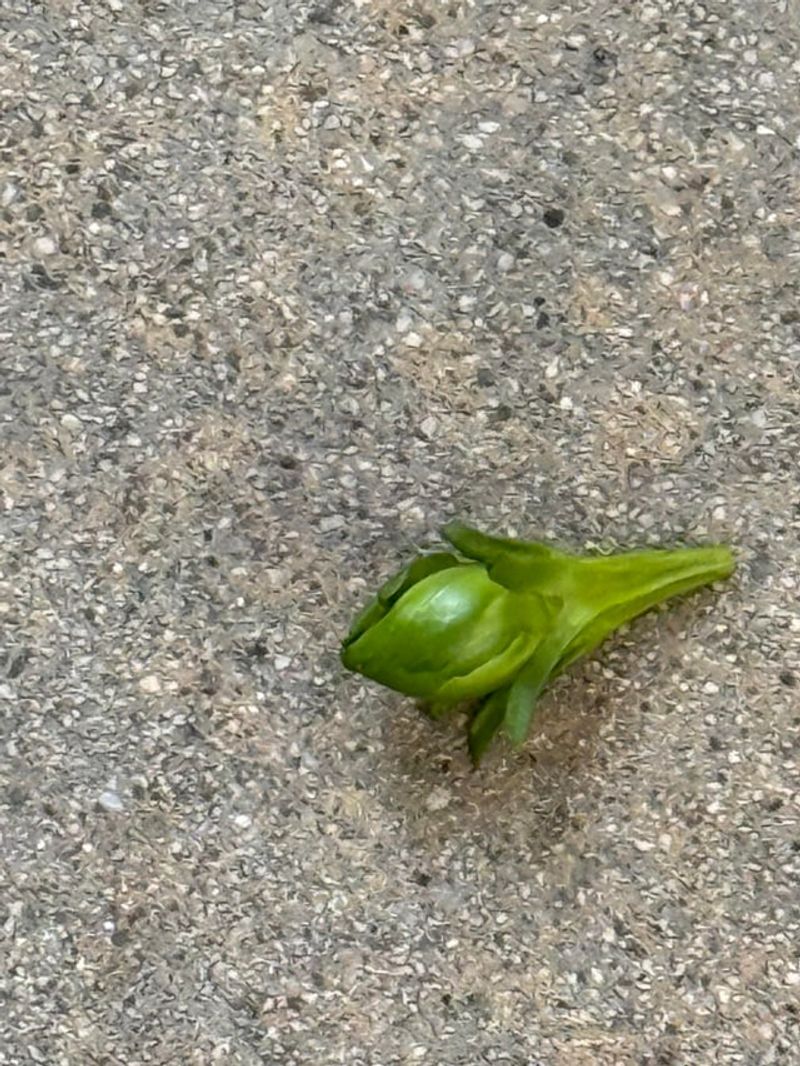
California summers are beautiful, but they can be brutal for gardenias. These plants do best when temperatures stay between 65 and 80 degrees Fahrenheit.
Once the mercury climbs above 85 degrees, gardenias start to struggle, and bud drop becomes much more likely.
Hot weather speeds up evaporation from both the soil and the plant itself. The roots cannot pull in water fast enough to replace what is being lost through the leaves.
That water deficit weakens the plant and makes holding onto buds nearly impossible.
Southern California gardeners in areas like Riverside, San Bernardino, and the San Fernando Valley know this struggle well. Temperatures regularly hit triple digits during summer heat waves, which is far outside the comfort zone for gardenias.
Afternoon shade can make a huge difference. If your gardenia is planted in a spot that gets blasted by the hot western sun from noon onward, consider adding a shade cloth or moving a potted plant to a shadier location.
Morning sun with afternoon shade is the sweet spot for California gardeners.
You can also mist the leaves lightly during the hottest part of the day to help cool the plant down and boost humidity around it. Just avoid misting in the evening since wet leaves at night can invite fungal problems.
Pairing smart watering with some afternoon shade protection gives your gardenia the best chance of surviving California’s intense summer heat without losing those beautiful buds.
5. Signs Of Watering Problems
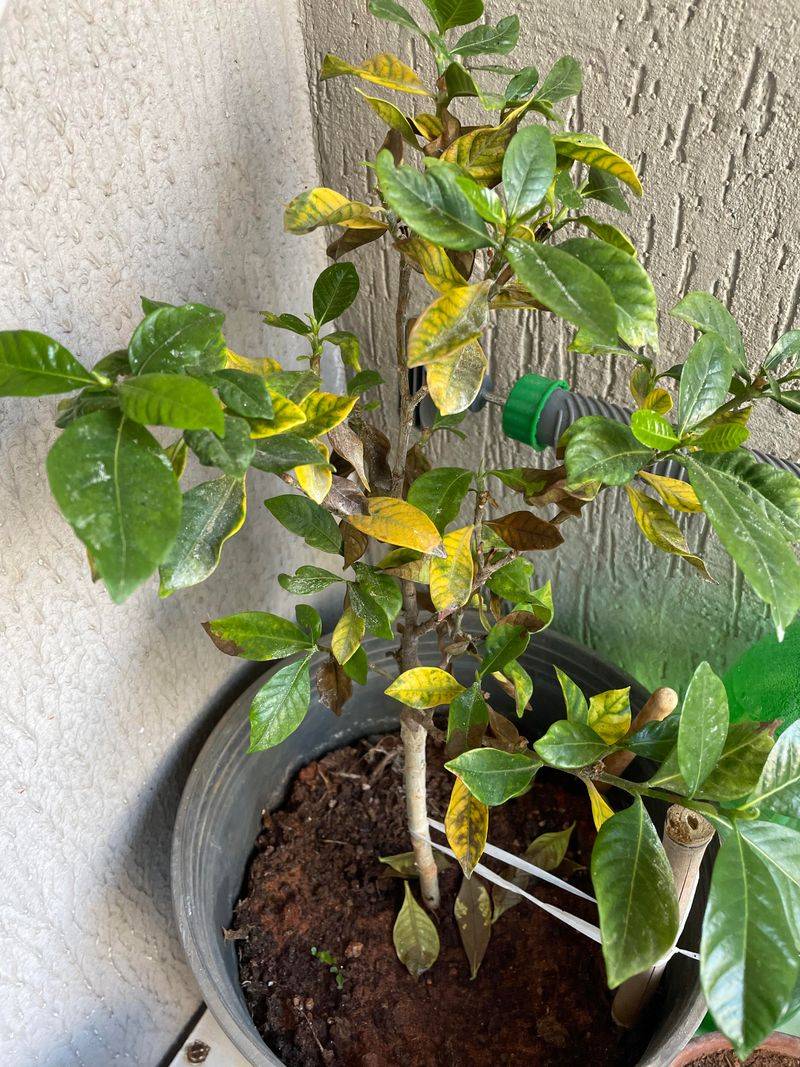
Your gardenia will tell you when something is wrong with its watering. You just need to know what to look for.
Catching these signs early can mean the difference between saving your buds and watching them all fall off.
One of the first things you might notice is yellowing leaves. When leaves turn yellow and feel a bit mushy or soft, that often points to overwatering and possibly root rot.
When leaves turn yellow and feel crispy or curl at the edges, that usually means the plant is too dry.
Bud drop itself is a major warning sign. If small, tight buds are falling off before they open, your watering routine is likely off.
Buds that turn brown and papery before dropping suggest the plant has been too dry. Buds that turn soft and dark before falling may indicate too much moisture.
Wilting is another clue, but it can be tricky. Both overwatered and underwatered gardenias can look wilted.
The soil check is your best tool here. Dig a finger into the soil to feel whether it is soggy or dry before deciding what to do next.
California gardeners should also watch for signs after heat waves or dry spells. A plant that looked healthy before a hot weekend might show stress signs by Monday.
Checking your gardenia two to three times a week during warm months helps you catch problems before they turn into bud drop disasters.
6. How To Fix Watering Habits
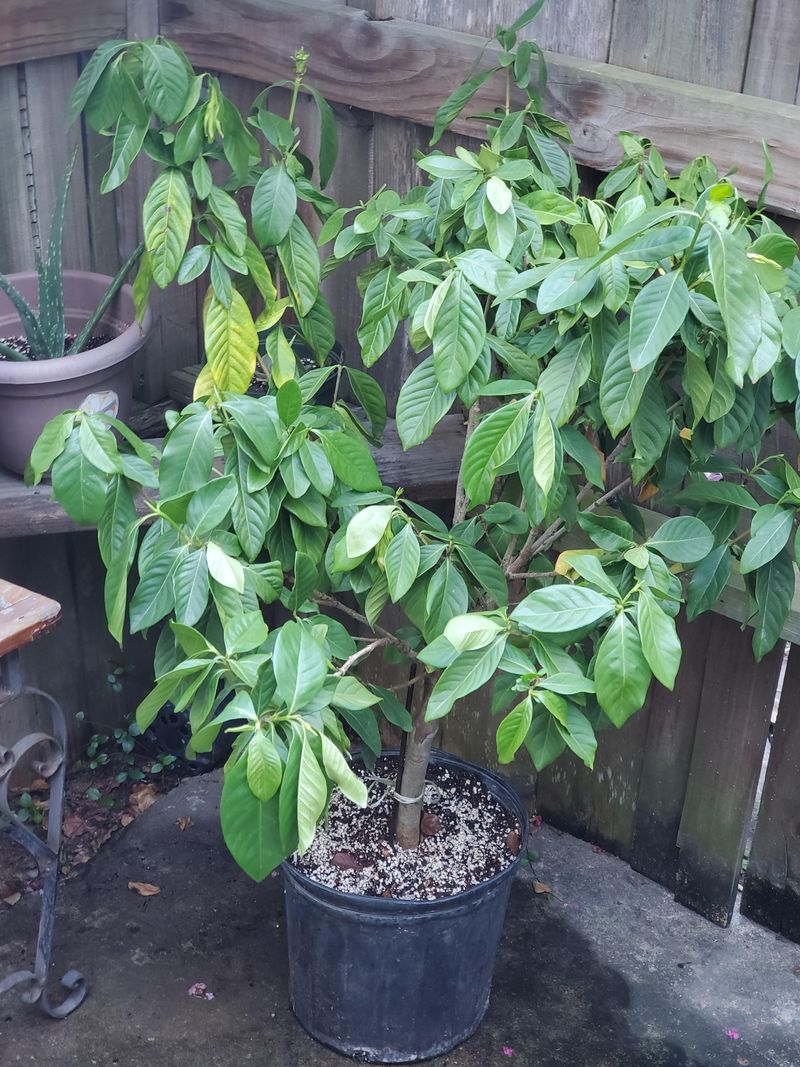
Fixing your watering habits does not require expensive equipment or a lot of extra time. Small, consistent changes make the biggest impact on keeping gardenia buds attached and healthy.
Start by watering deeply about two to three times per week during warm California weather. Water at the base of the plant, not on the leaves or flowers.
Let the water soak in slowly so the roots can absorb it fully rather than having it run off.
Drip irrigation is a game changer for gardenia growers in California. A drip system delivers water directly to the root zone at a slow, steady rate.
It keeps moisture levels consistent without overwatering, and it saves water at the same time, which is a big deal in drought-prone California.
If you prefer hand watering, try to do it at the same time each morning. Building a routine helps your gardenia settle into a rhythm.
The plant benefits from knowing that water is coming regularly, just like it would in a tropical environment.
Checking the soil before every watering session is a habit worth building. If the top inch of soil still feels moist, skip the watering that day.
If it feels dry, go ahead and water thoroughly. This simple check prevents both overwatering and underwatering.
Also, make sure your pots or garden beds have good drainage. Water that sits in the soil with nowhere to go will cause root problems fast.
Healthy drainage paired with consistent watering is the foundation of a thriving gardenia.
7. Helping Gardenias Hold Their Buds
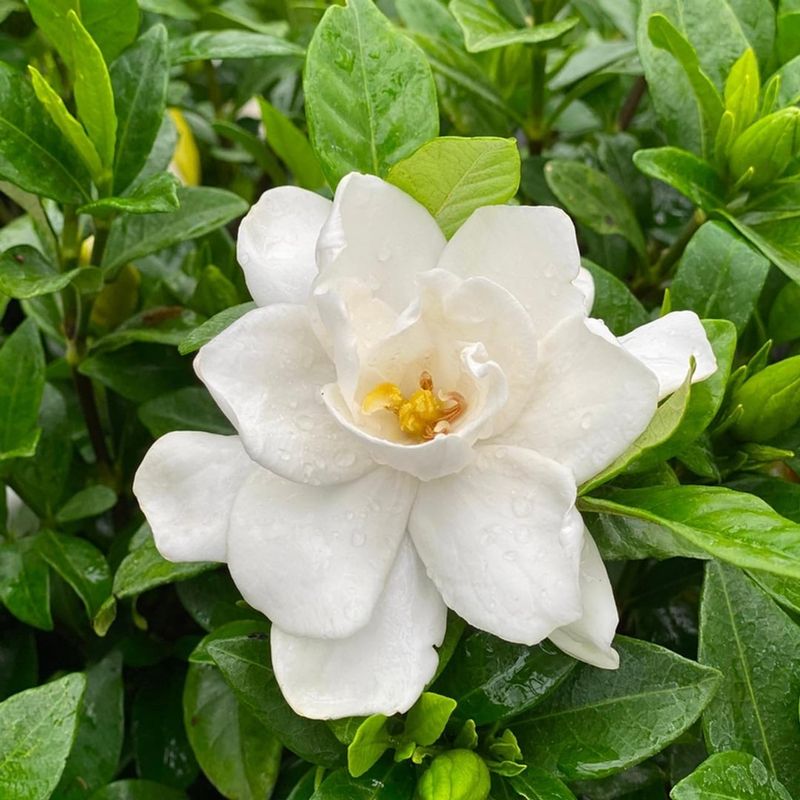
Getting gardenias to hold onto their buds through California’s challenging weather takes a little planning, but it is absolutely worth the effort.
Once you dial in the right conditions, these plants can produce stunning blooms that fill your garden with an incredible fragrance.
Beyond consistent watering, humidity plays a big role. Gardenias love moisture in the air, not just in the soil.
Grouping plants together, using a pebble tray with water beneath the pot, or setting up a small outdoor mister can all help raise humidity around your gardenia.
Soil health matters too. Gardenias prefer slightly acidic soil with a pH between 5.0 and 6.5.
If the pH is too high, the plant cannot absorb iron properly, which leads to yellowing and stress. You can test your soil with an inexpensive kit from any garden center in California and adjust with sulfur if needed.
Fertilizing during the growing season also supports bud development. Use an acidic fertilizer made for gardenias or camellias, and follow the label instructions.
Too much fertilizer can actually cause bud drop, so more is not always better.
Checking regularly for pests like aphids and thrips is also smart. These tiny bugs love to attack buds and new growth.
Catching them early with insecticidal soap keeps damage minimal.
With the right care routine in place, California gardeners can enjoy healthy, fragrant gardenias that hold their buds and bloom beautifully all season long.