Start These 9 Plants Before California’s Dry Season Begins
California’s dry season has a way of sneaking up on gardeners. One minute the soil feels nice and moist, plants look happy, and everything seems easy.
Then suddenly the sun cranks up the heat, the ground dries out fast, and your garden starts acting like it’s in survival mode. Sound familiar?
That’s why smart gardeners like to get a few plants settled in before the dry season really kicks in. Think of it like giving your plants a comfy head start.
They get time to stretch their roots, get cozy in the soil, and build a little strength while conditions are still friendly.
Wait until the hot, dry weather arrives and those same plants might struggle, asking for extra water and a lot more attention. Nobody wants a high-maintenance garden all summer, right?
Plant a few things early though, and you’ll have tougher, happier plants ready to handle California’s dry months like pros.
1. Lavender
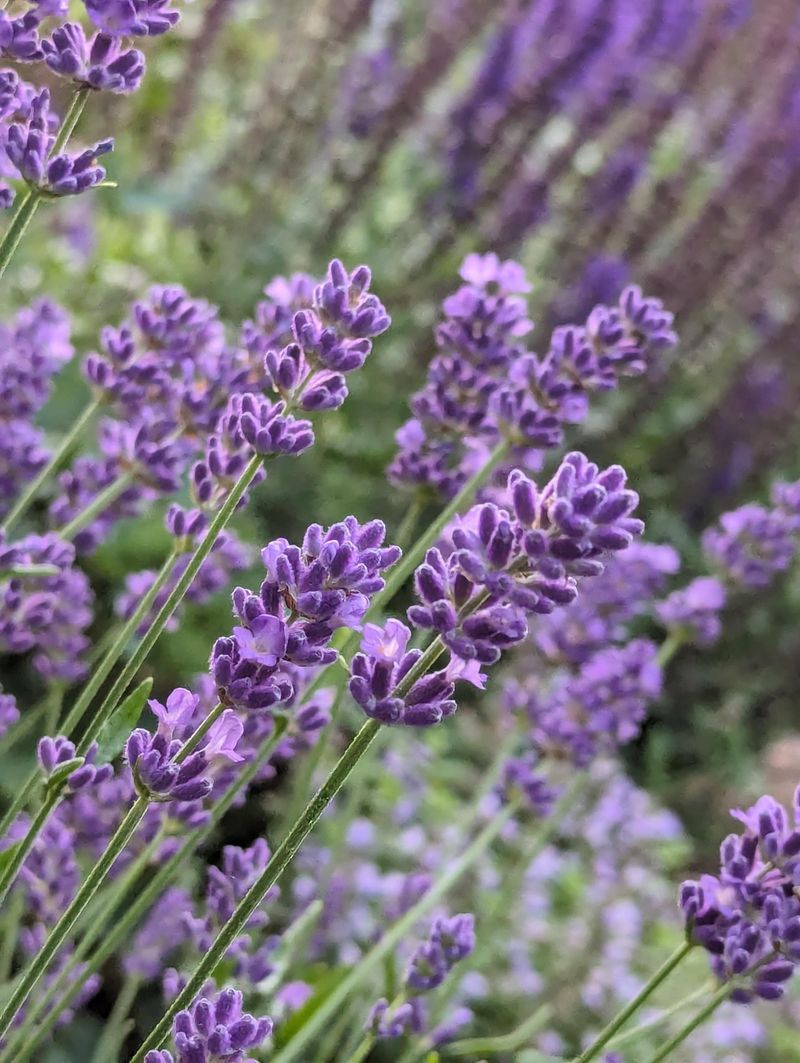
Few plants bring as much joy to a California garden as lavender. That sweet, calming scent alone is reason enough to grow it.
But beyond the smell, lavender is incredibly tough and built for warm, dry conditions like those found across much of California.
Plant it in a sunny spot with good drainage, and it will reward you with beautiful purple blooms from late spring into summer. It thrives in sandy or rocky soil, which makes it a great fit for California’s naturally lean ground.
Bees and butterflies absolutely love it, so you’ll be helping local pollinators too.
Getting lavender in the ground before the dry season kicks in gives the roots time to spread and anchor before the heat arrives. Water it regularly at first, then slowly back off as it settles in.
Once established, it needs very little water at all. Trim it lightly after blooming to keep it bushy and full.
Spanish and English varieties both do well in California’s climate. Either way, lavender is one of the most rewarding, low-fuss plants you can add to your garden this season.
2. Rosemary
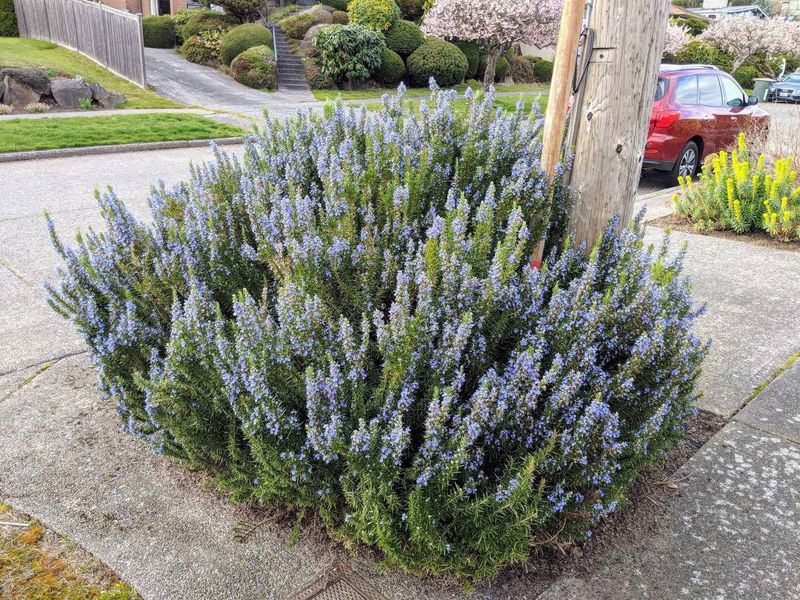
Rosemary is one of those plants that works overtime in your garden. It looks great, smells amazing, and you can even cook with it.
Native to the Mediterranean, it feels right at home in California’s warm, sunny climate.
Starting rosemary before the dry season gives it a chance to build a solid root system while the soil still holds some moisture. Once it’s established, it handles drought like a champ.
Full sun and well-drained soil are all it really asks for. It’s not picky about soil quality either, which makes it easy to grow in many parts of California.
Rosemary grows into a sturdy, woody shrub that can reach several feet tall. It makes a great natural border or hedge, and the small blue flowers attract bees throughout the season.
You can use the stems fresh or dried in the kitchen, adding flavor to roasted vegetables, bread, and meats. Prune it occasionally to keep the shape you want.
Your California Garden Changes Every Week. Your Plan Should Too.
Gardening in California changes quickly throughout the season. Every Friday you’ll receive a simple weekly plan showing exactly what to plant, prune, fertilize, harvest, and protect so you never miss the right timing.
Avoid heavy clay soil, and make sure water doesn’t sit around the base. With just a little care upfront, rosemary becomes a permanent, useful, and beautiful part of your California garden.
3. Salvia
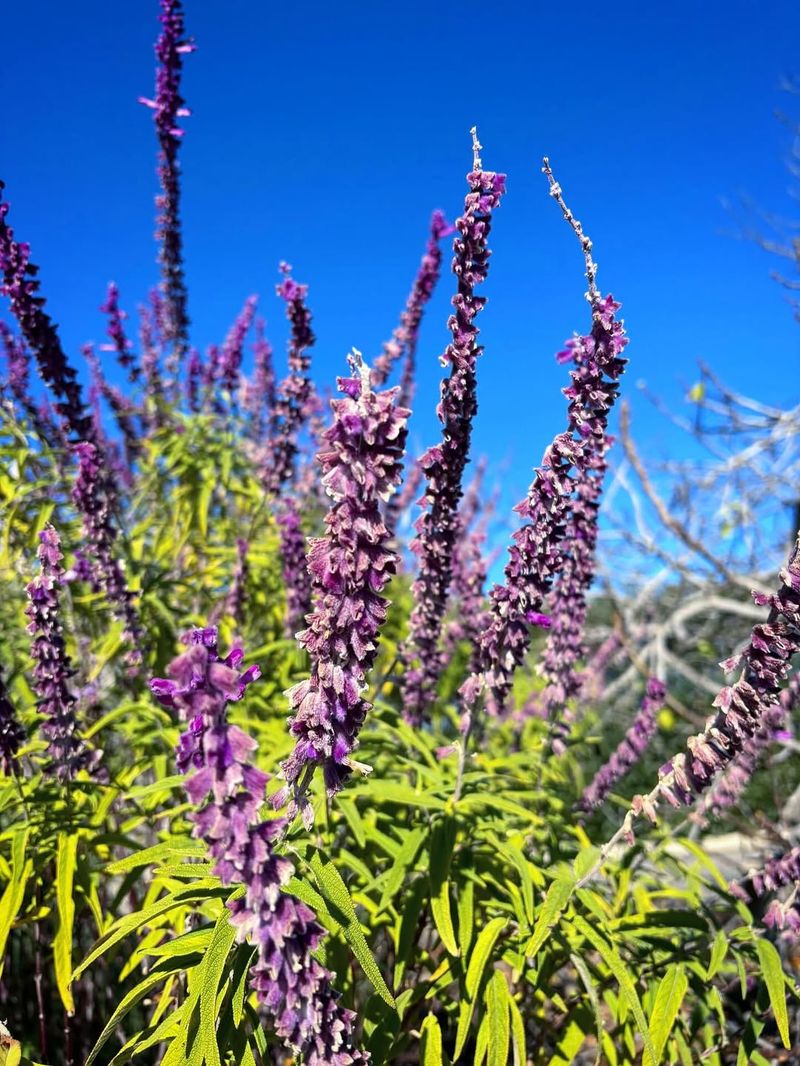
Walk past a patch of salvia on a warm California morning and you might just spot a hummingbird darting between the flower spikes. That’s one of the best things about this plant: it brings life and movement to your garden in a way few others can.
Salvia comes in a huge range of colors, from deep red and purple to soft pink and white. There are dozens of varieties suited to California’s dry conditions, including native species like Salvia clevelandii, which actually grows wild in Southern California.
Most prefer full sun and well-drained soil, and they ask for very little once they’re settled in.
Planting salvia before the dry season begins is a smart move. The cooler, moister weeks of early spring give the roots a chance to spread before summer heat sets in.
Water it consistently at first, then reduce watering as the plant matures. Salvia is also naturally resistant to many common pests, so you won’t need to fuss with sprays or treatments.
Cut back old stems after the blooming period ends to encourage fresh growth. For pollinators, color, and easy care, salvia is hard to beat in a California garden.
4. California Poppy
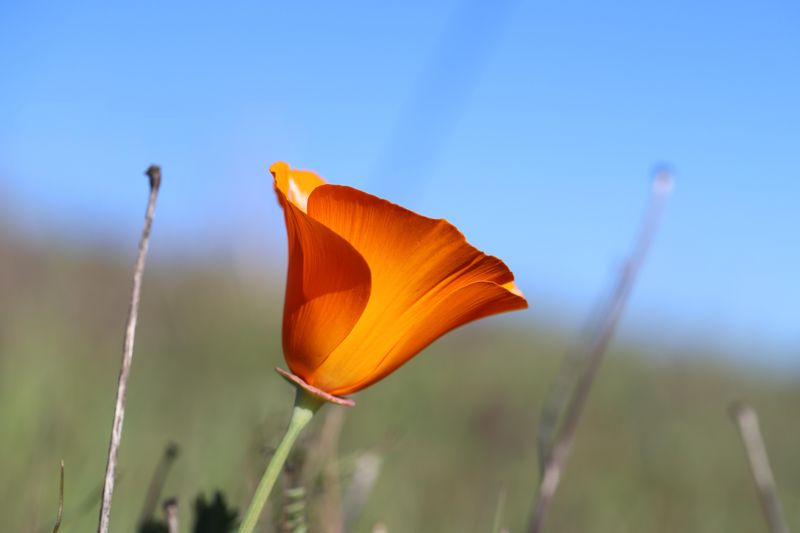
Bright, cheerful, and undeniably Californian, the California poppy is the state’s official flower for good reason. Fields of these vivid orange blooms light up hillsides across the state each spring, and they’re just as stunning in a home garden.
California poppies are incredibly easy to grow. Scatter seeds directly onto bare soil in a sunny spot and let nature do the work.
They actually prefer poor, dry soil, which means they’re perfectly matched to California’s natural landscape. Heavy, rich soil can actually work against them, so skip the fertilizer and let them grow on their own terms.
One of the coolest things about California poppies is how they self-seed. Once you plant them, they often come back year after year without any extra effort from you.
They bloom in spring and can continue into early summer before the dry season slows them down. Sow seeds in late winter or early spring for the best results.
They grow fast and start blooming within weeks. Even kids can grow them successfully, making them a great starter plant.
For a low-effort, high-impact burst of color, nothing beats the California poppy in a drought-friendly garden.
5. Yarrow
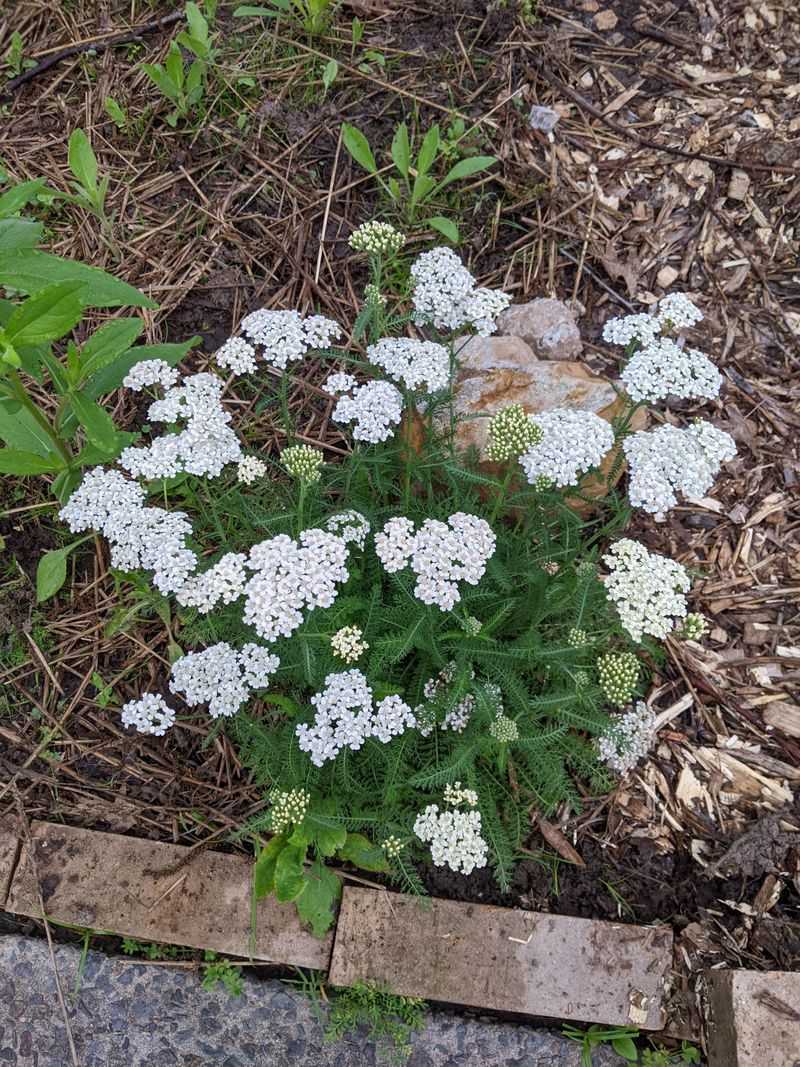
Yarrow has been around for thousands of years and it shows no signs of slowing down. Ancient cultures used it for medicinal purposes, and today gardeners across California rely on it for its tough, reliable nature and cheerful clusters of tiny flowers.
What makes yarrow so valuable in a California garden is its ability to handle heat, poor soil, and long dry spells without complaining. It spreads naturally over time, filling in gaps in garden beds and reducing the need for mulch or ground cover.
The flat-topped flower clusters come in white, yellow, pink, and red, giving you plenty of options to match your garden’s color scheme.
Get yarrow in the ground before the dry season begins so it can establish roots while conditions are still mild. It grows best in full sun with well-drained soil and doesn’t need much water once it’s settled.
Divide clumps every few years to keep the plant healthy and vigorous. Yarrow also attracts beneficial insects, including ladybugs and parasitic wasps, which help keep garden pests in check naturally.
It’s a hardworking, low-maintenance plant that earns its place in any California garden looking to stay beautiful through summer.
6. Penstemon
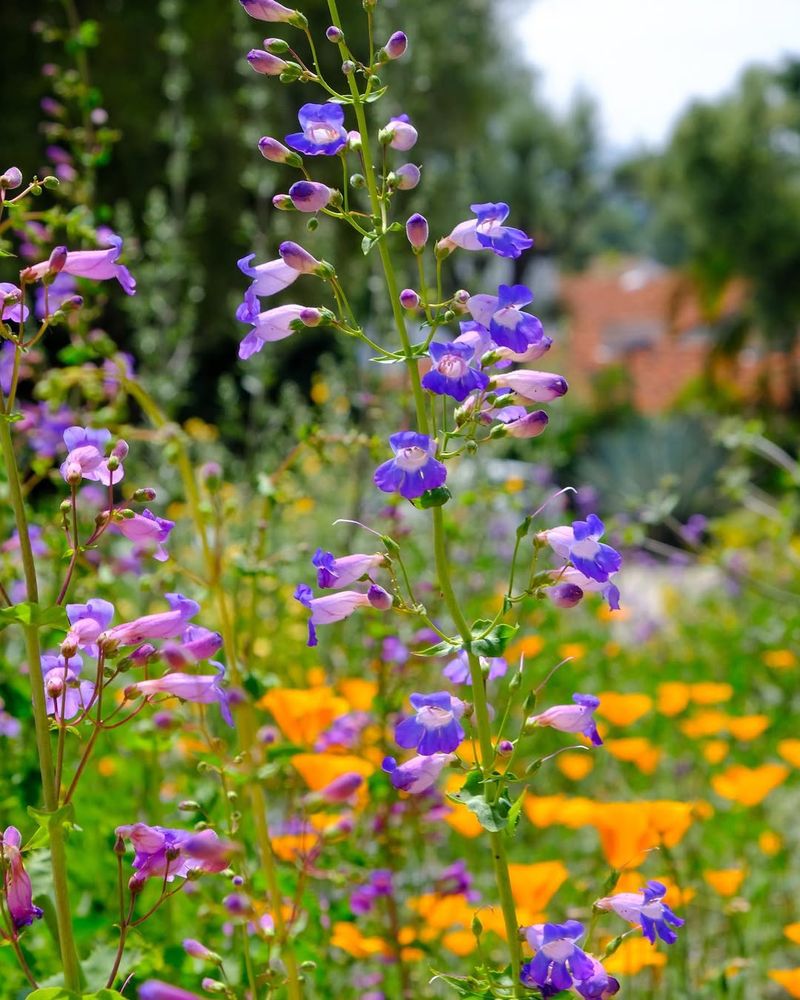
If your California garden needs a pop of color that also feeds the local wildlife, penstemon is the plant to reach for. Hummingbirds are especially drawn to its tall, tubular flowers, which bloom in shades of red, pink, purple, and white depending on the variety.
Penstemon is a native to many parts of California and the western United States, which means it’s naturally adapted to the region’s dry summers and mild winters. It thrives in rocky or sandy soil with excellent drainage.
Overly wet or clay-heavy soil can cause problems, so raised beds or slopes work especially well. Plant it before the dry season so it has time to settle before the heat intensifies.
One of the nicest things about penstemon is how little maintenance it needs once it’s established. Trim spent flower stalks to encourage more blooming throughout the season.
It tends to be short-lived as a perennial, but it reseeds itself readily, so you’ll likely see new plants popping up nearby each year. Pair it with yarrow or salvia for a wildlife-friendly, water-wise garden bed.
For California gardeners who want beauty without constant upkeep, penstemon is a genuinely rewarding choice worth planting every spring.
7. Ceanothus
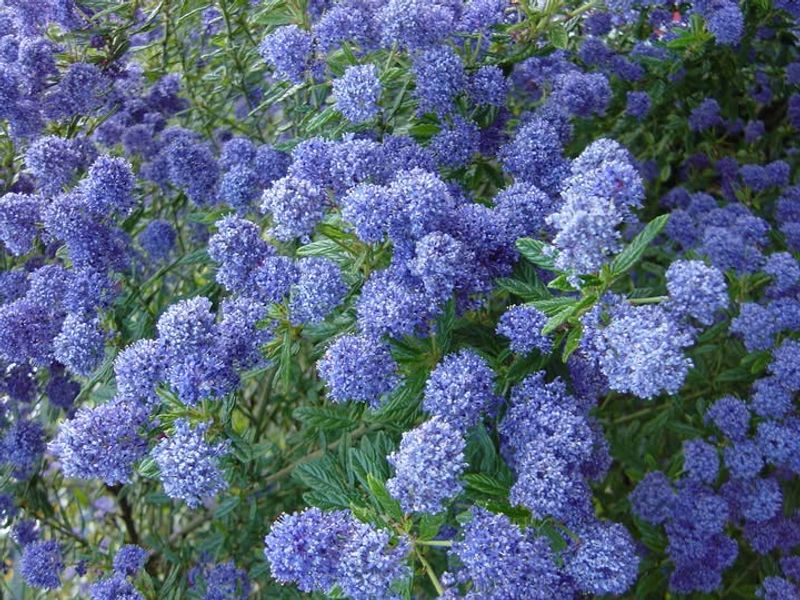
Sometimes called California lilac, ceanothus is one of the most spectacular flowering shrubs you can grow in the state. When it blooms in spring, it explodes in clouds of blue, purple, or white flowers that stop people in their tracks.
And the scent is something you won’t forget.
Native to California, ceanothus is perfectly suited to the state’s Mediterranean climate. It loves full sun, handles poor soil well, and once established, it’s one of the most drought-tolerant shrubs around.
Planting it before the dry season gives it the best chance to develop a strong root system before summer temperatures climb. Water it consistently during its first season, then gradually reduce watering as it matures.
Ceanothus comes in many sizes, from low-growing ground covers just a foot tall to large shrubs reaching ten feet or more. Choose a variety based on your available space and the look you want to achieve.
It works beautifully along slopes, where it also helps prevent erosion. Avoid heavy pruning, as it doesn’t always recover well from hard cuts.
Instead, lightly shape it after blooming. For California gardeners who want a native showstopper that practically takes care of itself through the dry season, ceanothus is an outstanding choice.
8. Manzanita
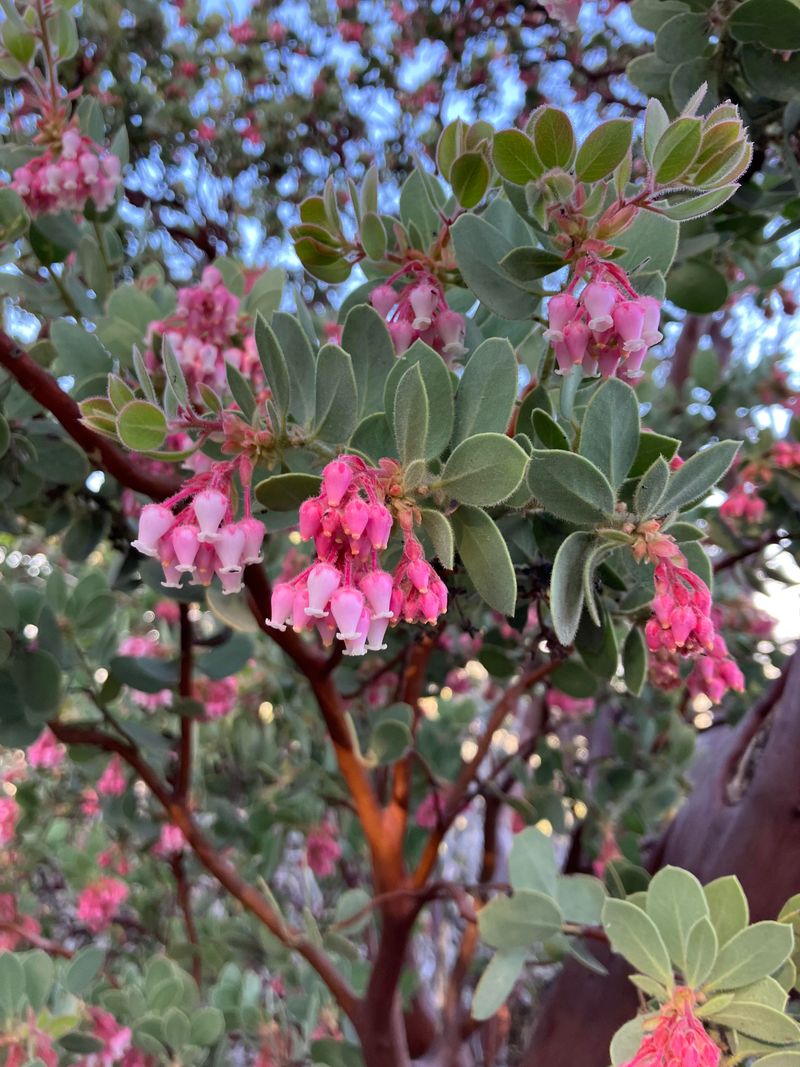
There’s something almost sculptural about a manzanita. Its smooth, reddish-brown bark twists and curves in ways that look like living art, even in winter when the flowers are gone.
It’s one of California’s most iconic native plants, and it’s built for the dry season like nothing else.
Manzanita thrives in well-drained, rocky soil and full sun, which describes a huge portion of California’s natural landscape. It’s extremely drought-tolerant once established and can live for decades with minimal care.
Getting it in the ground before the heat arrives is key. The cooler months of late winter and early spring are ideal for planting, giving roots time to anchor before summer.
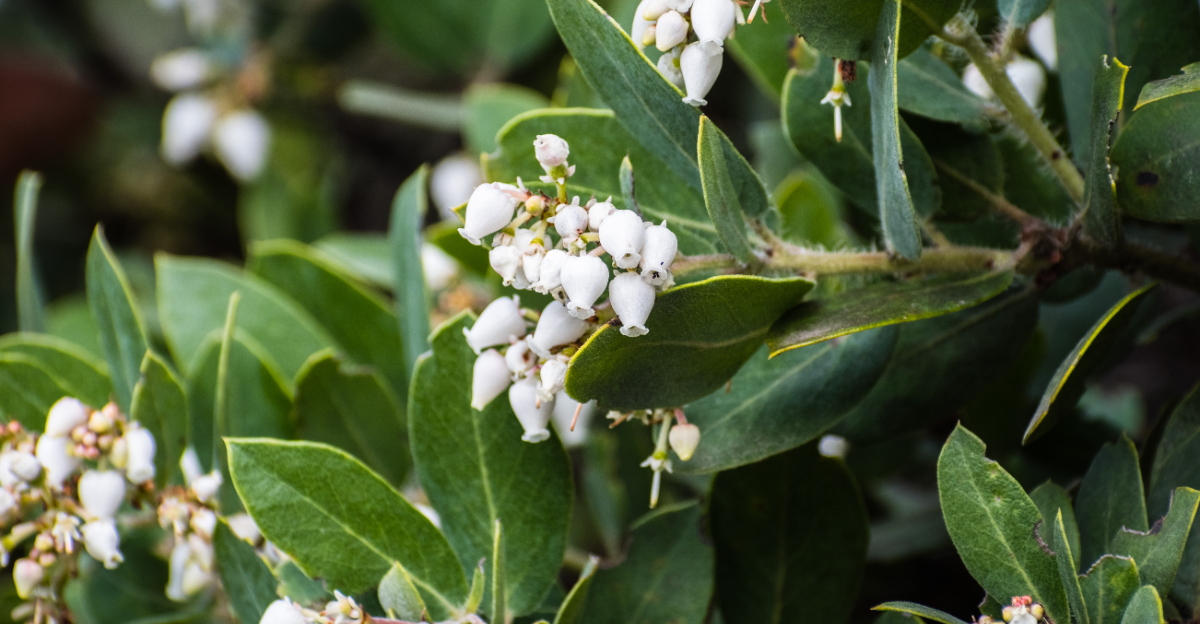
Small, bell-shaped flowers appear in late winter to early spring, attracting bees and hummingbirds before most other plants have even woken up. The berries that follow are eaten by birds and small mammals, making manzanita a genuine wildlife habitat plant.
Avoid overwatering, especially in summer, as too much moisture can cause root problems. Don’t amend the soil heavily either as it prefers lean conditions.
With the right spot and a little patience during establishment, manzanita becomes one of the most striking and enduring plants in any California garden.
9. Agave
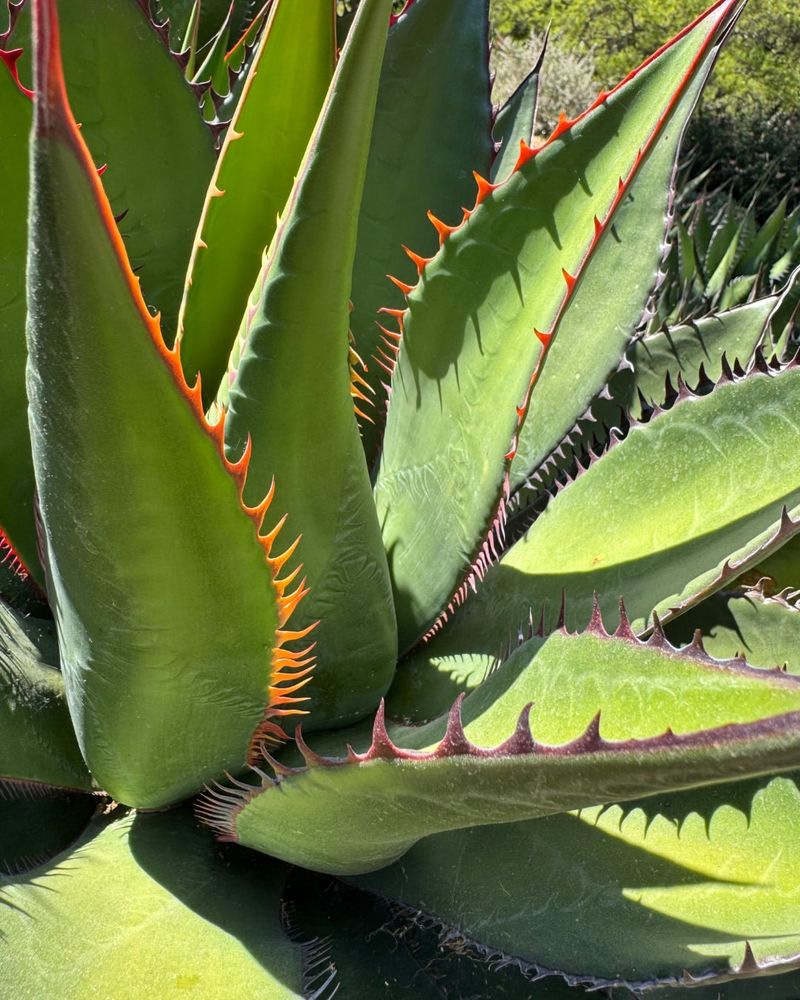
Bold, dramatic, and nearly indestructible, agave is the plant that laughs at California’s dry season. These striking succulents store water right inside their thick, fleshy leaves, which means they can go weeks or even months without rain and still look great.
Few plants make as strong a visual statement in a garden.
Agave thrives in full sun and fast-draining soil. Sandy or gravelly ground is ideal, and raised beds work well too.
Plant it before the dry season so it can use the last of the spring moisture to get its roots going. After that, it needs almost no supplemental watering at all.
In most parts of California, rainfall alone is enough to keep a mature agave healthy through the dry months.
There are many agave varieties to choose from, ranging from small tabletop sizes to giants that stretch six feet across. Most have sharp tips on their leaves, so plant them away from walkways and areas where kids or pets play.
Agave blooms only once in its lifetime, sending up a towering flower spike before the main plant fades. But smaller offsets, often called pups, grow around the base and keep the colony going.
For a nearly care-free, water-wise anchor plant in your California garden, agave is truly in a class of its own.