When To Cut Back Freeze-Damaged Plants In Ohio
A sudden cold snap can leave Ohio gardens looking rough almost overnight. Tender stems droop, leaves turn dark, and shrubs that looked healthy days earlier seem badly damaged.
The urge to grab pruners and clean everything up right away feels strong. Many gardeners do exactly that, only to regret it later.
Freeze damage does not always mean a plant is finished for the season. Many trees, shrubs, and perennials recover once warmer weather returns.
New buds often appear from hidden growth points near the base or along stems that still contain living tissue. Cutting too soon removes that chance.
Timing makes all the difference after a freeze in Ohio. Patience often saves plants that appear beyond repair at first glance.
A careful approach helps gardeners avoid removing healthy growth and gives plants the best chance to bounce back once spring temperatures stabilize.
1. Wait Until New Growth Reveals What Survived
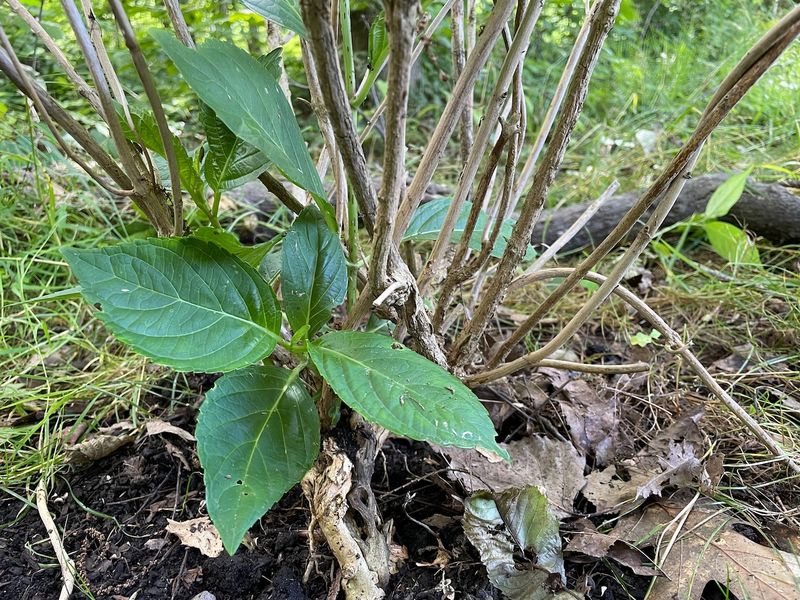
One of the most reliable signals in any Ohio garden is the moment fresh green buds begin to push through on branches that looked completely finished just weeks before. New growth does not lie.
When tiny shoots appear along a stem, that stem is alive, and cutting it prematurely would have been a serious mistake.
Patience is genuinely one of the most powerful tools a gardener can use after a late freeze. Ohio springs are notoriously deceptive, swinging between warm afternoons and cold snaps that can repeat several times before temperatures truly stabilize.
Waiting for visible signs of life lets the plant do the hard work of communicating what survived.
Not every branch will recover at the same rate. Some plants push out new growth from the base first, while others show life near the tips before anywhere else.
Watching these patterns closely helps Ohio gardeners make smarter pruning decisions instead of guessing. Mark questionable branches with a small piece of twine if needed, then revisit them weekly as spring progresses.
The emerging buds will tell you exactly where healthy tissue begins and where the real damage ends.
2. Let Plants Recover Before Reaching For The Pruners
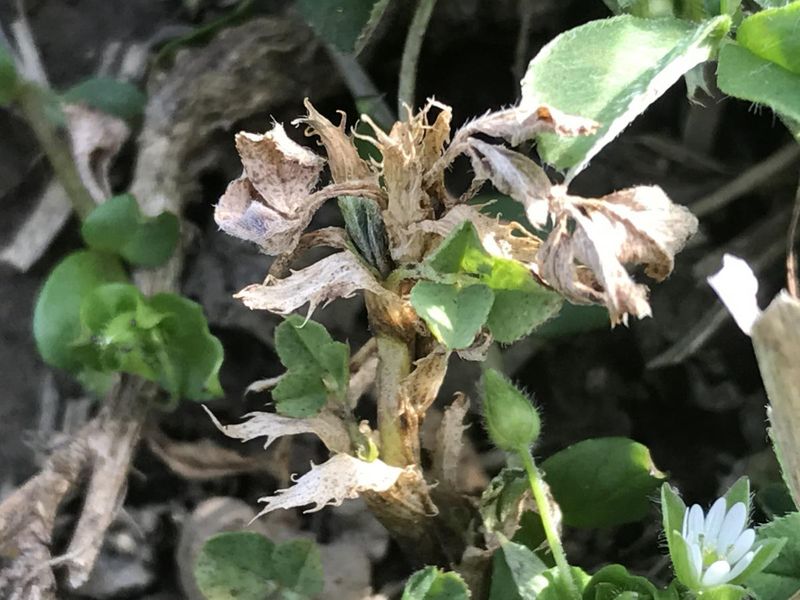
After a hard freeze hits Ohio gardens, the instinct to clean things up immediately is completely understandable. Brown leaves, limp stems, and drooping foliage look alarming, but appearances in early spring can be genuinely misleading.
What looks like total loss on the outside may be protecting living tissue underneath.
Many woody shrubs and perennials use their outer layer of browned stems almost like insulation. That layer of damaged material actually shields the crown and lower stems from additional temperature swings that are common throughout Ohio’s unpredictable March and April weather.
Removing it too soon strips away that natural protection before the plant has had a chance to stabilize.
A few extra weeks of waiting costs very little but can mean the difference between a plant that fully recovers and one that struggles all season. Ohio gardeners who resist the urge to prune immediately often find their plants rebound faster and more completely than expected.
Your Ohio Garden Changes Every Week. Your Plan Should Too.
Gardening in Ohio changes quickly throughout the season. Every Friday you’ll receive a simple weekly plan showing exactly what to plant, prune, fertilize, harvest, and protect so you never miss the right timing.
Let the plant lead the process. When growth begins pushing through on its own, that is the clearest possible invitation to step in with the pruners and start making thoughtful, informed cuts based on real evidence rather than early appearances.
3. Cut Back Only After The Risk Of More Freezes Passes
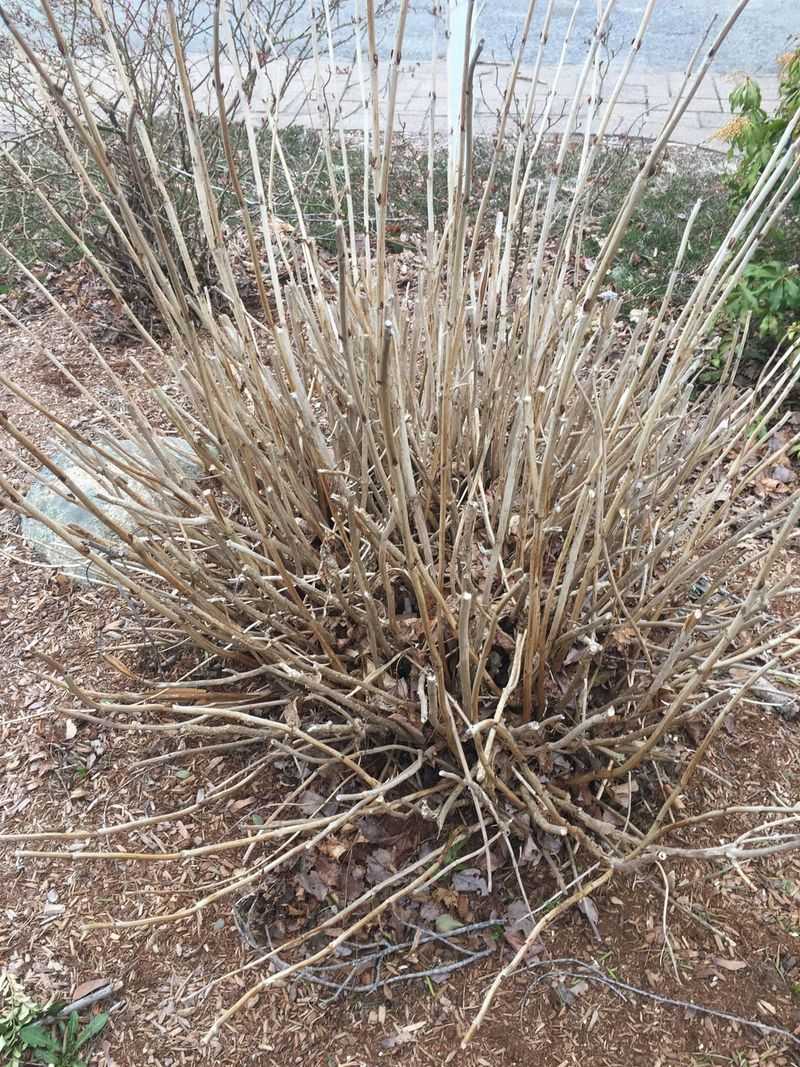
Ohio sits in a climate zone where late frosts can arrive well into April and occasionally even early May, especially in northern parts of the state. Gardeners who prune freeze-damaged plants in early March may find themselves dealing with another round of cold damage on freshly cut stems before the season has even found its footing.
Waiting until the realistic threat of additional frost has mostly passed is a simple strategy that pays off every time. Most of Ohio experiences its last average frost date somewhere between mid-April and early May depending on the region, with southern Ohio warming earlier and northern Ohio staying cooler longer.
Knowing your specific area helps you time pruning more confidently.
Fresh pruning cuts expose tender plant tissue that is highly vulnerable to cold. When a plant is already stressed from one freeze event, adding another round of cold exposure to newly cut stems can set recovery back significantly.
Holding off until the weather pattern has genuinely shifted toward stable spring temperatures protects both the plant and the effort you put into the garden. Checking a local Ohio weather forecast or the Old Farmer’s Almanac frost date map for your county is a quick and practical habit worth building.
4. Look For Green Growth Before Removing Withered Stems
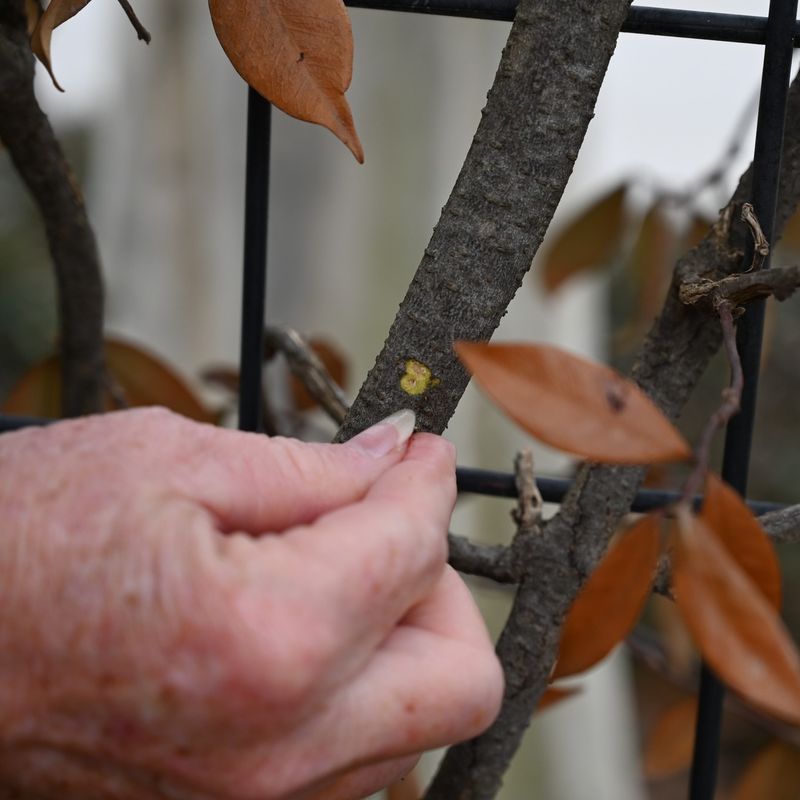
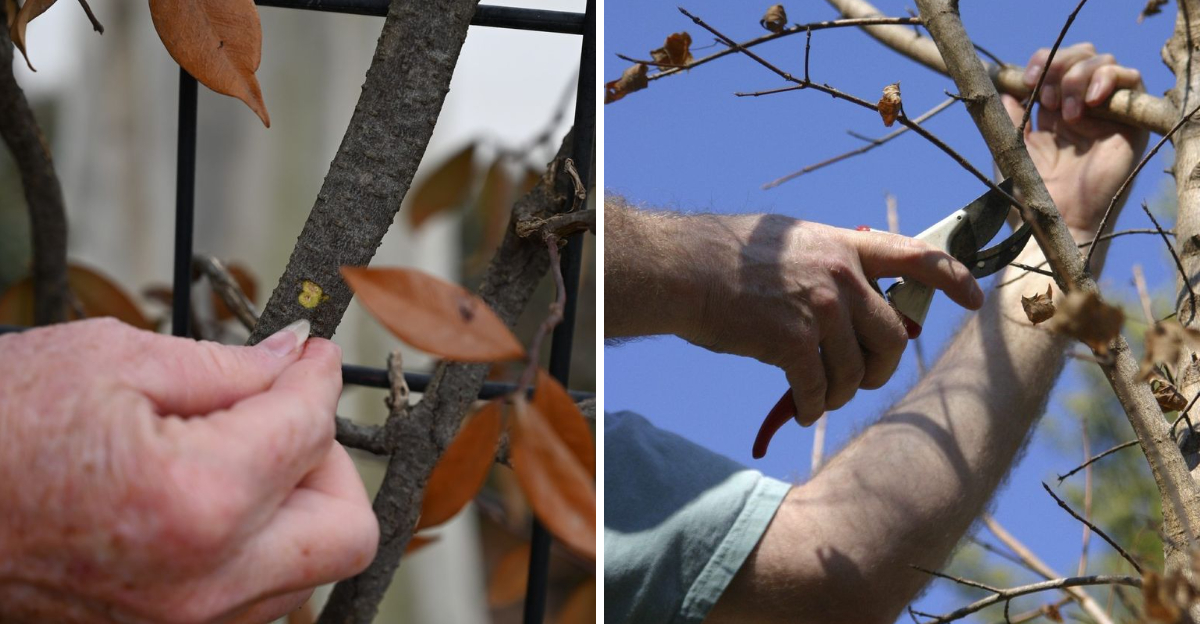
The scratch test is one of the most useful tricks any Ohio gardener can keep in their back pocket. Using a fingernail or the edge of a small knife, gently scratch away a thin strip of the outer bark on a stem that looks damaged.
The tissue directly under the bark tells the whole story almost instantly.
Bright green, slightly moist tissue beneath the bark means the stem is alive and actively holding on. Brown, dry, or crumbly tissue under the bark indicates that portion of the stem has been lost to the freeze and will not recover.
Working your way down the stem from tip to base helps you find exactly where living tissue begins, which is precisely where your pruning cut should be made.
Bud swelling is another easy visual clue. Buds that are plump, slightly glossy, or beginning to crack open are alive and preparing to grow.
Buds that are shriveled, dark, or papery have not survived. Ohio gardeners can use both the scratch test and bud observation together to get a clear picture before making a single cut.
These simple checks take only a few minutes but dramatically improve the accuracy of every pruning decision you make in the garden.
5. Give Freeze Damaged Plants Time To Show What Is Alive
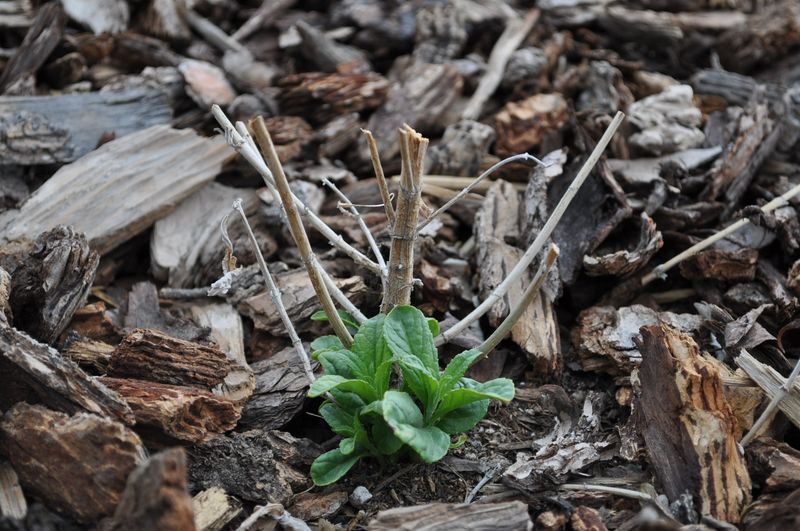
Some plants are remarkably good at playing possum after a hard freeze. Butterfly bushes, fig trees, and many ornamental grasses common in Ohio gardens often look completely finished in early spring, with every visible stem brown and brittle from top to bottom.
Then, seemingly out of nowhere, fresh green growth pushes up from the base several weeks later.
Woody perennials and shrubs sometimes hold their recovery deep in the crown or root zone, where soil temperature protects the plant long after above-ground stems have been damaged. Ohio gardeners who cut these plants all the way back in March often remove the very structure the plant was about to use to support new growth.
Waiting at least four to six weeks after the last freeze event gives even slow-recovering plants a fair chance to reveal themselves.
Hostas are another great example. Their leaves may emerge looking burned or collapsed after a late frost, but the crown sitting just below the soil surface is often completely unaffected and ready to push out a full flush of new foliage given just a little more time.
Trusting the process and resisting the urge to intervene too early is genuinely one of the most impactful habits an Ohio gardener can develop over time.
6. Prune Back To Healthy Tissue Once Growth Starts
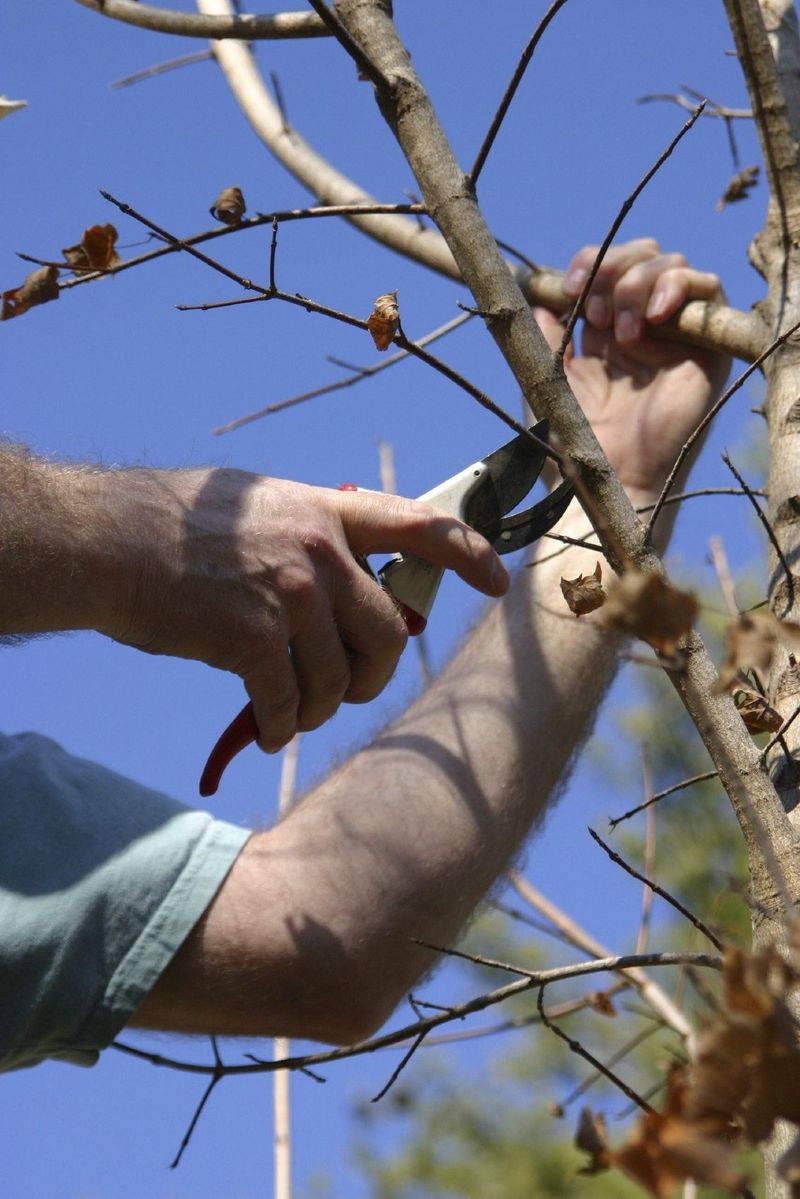
Once growth has clearly started and you have confirmed where living tissue begins, purposeful pruning can finally happen. The goal at this stage is clean, precise cuts made just above a healthy bud or lateral branch.
Cutting to a live node encourages the plant to direct its energy toward productive new growth rather than wasting resources trying to maintain a declined stub.
Sharp, clean pruning tools matter more than many gardeners realize. Dull blades tear plant tissue rather than cutting cleanly, which creates rough wounds that take longer to seal and can invite problems.
Wiping pruner blades with rubbing alcohol between plants is a smart practice, especially when working through multiple freeze-damaged shrubs in one session across an Ohio yard.
How far back you need to cut depends entirely on where healthy tissue is found. Some plants may only need a few inches trimmed from branch tips, while others may require cutting back to near ground level.
Neither outcome is a failure. Many Ohio shrubs and perennials that get cut back hard after freeze damage come back fuller and more vigorous than before because the pruning redirects the plant’s energy efficiently.
Follow the plant’s lead and cut only as far back as the damage genuinely requires.
7. Remove Withered Wood Only After Spring Growth Appears
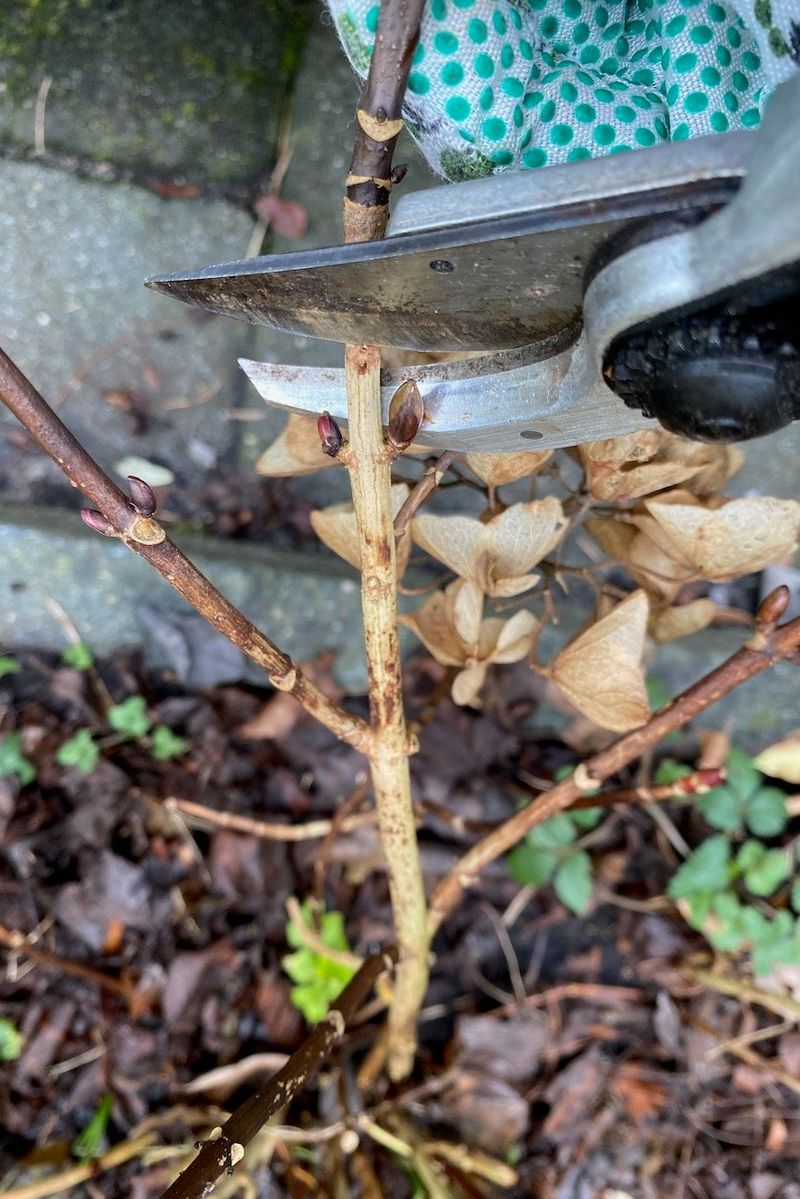
Spring growth appearing on a plant is like a green light from the garden itself. Once you can clearly see where the plant is pushing new life, identifying truly lifeless wood becomes straightforward.
Withered wood in this context is brittle, hollow-feeling, and completely unresponsive, with no buds swelling or green tissue visible anywhere along its length.
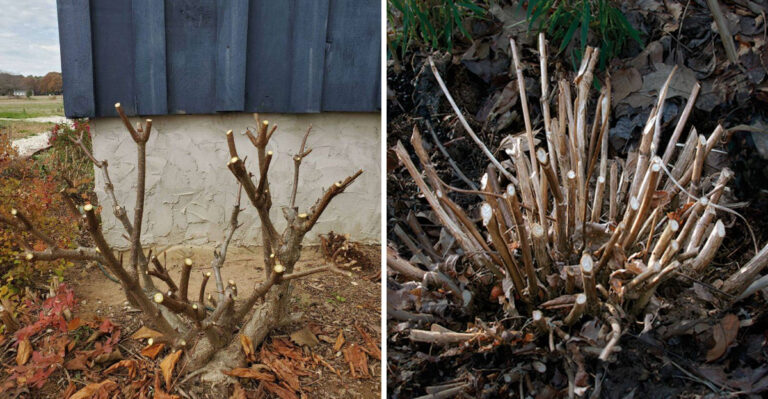
Hydrangeas are a perfect example of a plant that confuses Ohio gardeners every single spring. The old woody canes can look completely hopeless through March, but many hydrangea varieties reliably push fresh growth from the base or from lower portions of the stem once April warms up.
Removing those canes before growth appears means losing potential blooming wood that the plant was about to use.
Working through the garden methodically after spring growth is clearly underway makes every decision much easier and more confident. Start at the tips of each branch and work inward, removing only what is clearly no longer living.
Leave anything that still shows even a hint of life in place for at least another week or two before making a final call.
Ohio gardeners who adopt this patient, evidence-based approach tend to end the season with fuller, healthier plants than those who pruned based on appearance alone during the uncertain weeks of early spring.
8. Check Branches For Living Tissue Before Cutting
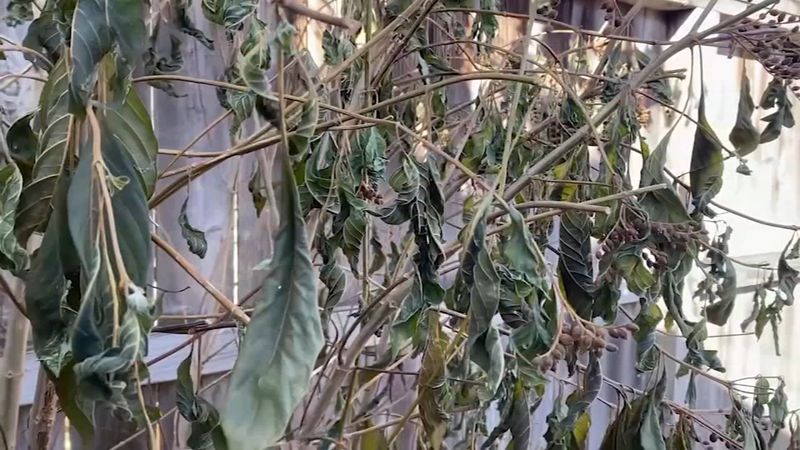
Before any branch comes off, a quick hands-on inspection can save you from a pruning decision you might regret. Start by gently bending the branch.
A living branch will flex slightly without snapping, while a truly damaged branch will feel stiff, crack easily, or crumble at the bend point. This simple flex test works well on smaller branches and young woody stems throughout Ohio gardens.
Following up with a fresh cut at the end of the branch reveals the interior tissue color. Green or cream-colored tissue inside the cut means the branch is still carrying moisture and nutrients.
Tan, brown, or gray tissue that looks dry confirms the branch has been lost. Moving that cut progressively back down toward the main stem or trunk helps you find the exact transition point where living tissue resumes.
Buds deserve a close look as well. Squeeze a suspicious bud gently between your fingers.
A living bud feels slightly firm and may have a trace of moisture when pressed. A bud that has been taken by the freeze will feel papery, hollow, or completely dry inside.
Using all three checks together, the flex test, the interior cut color, and the bud inspection, gives Ohio gardeners a thorough and reliable picture of exactly what to remove and what to leave in place.