8 Vegetables That Are Perfect For 5-Gallon Bucket Gardening In Georgia
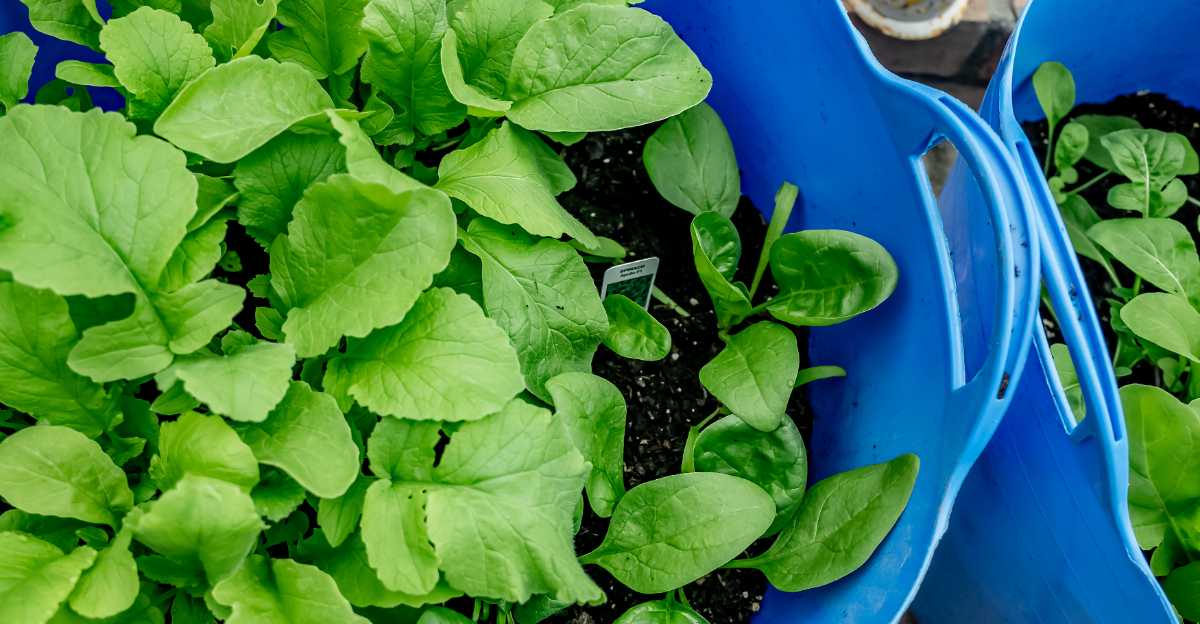
Not every Georgia garden has room for raised beds or long rows of vegetables, but that does not mean fresh harvests are out of reach. A simple 5 gallon bucket can grow far more than most people expect once the right vegetables go into it.
Many crops actually thrive in containers, especially when the soil warms up and spring planting begins across Georgia.
Bucket gardening has quietly become one of the easiest ways to grow food in small yards, on patios, or even along a sunny driveway.
With good soil, proper drainage, and consistent watering, certain vegetables produce surprisingly well in these compact spaces.
Some stay naturally compact, while others grow upward and make smart use of limited room.
The real advantage is flexibility. Buckets can be moved, adjusted for sunlight, and managed more easily than large garden beds.
With the right vegetable choices, a few buckets can quickly turn into a productive little Georgia garden.
1. Cherry Tomato Handles Bucket Gardening Surprisingly Well
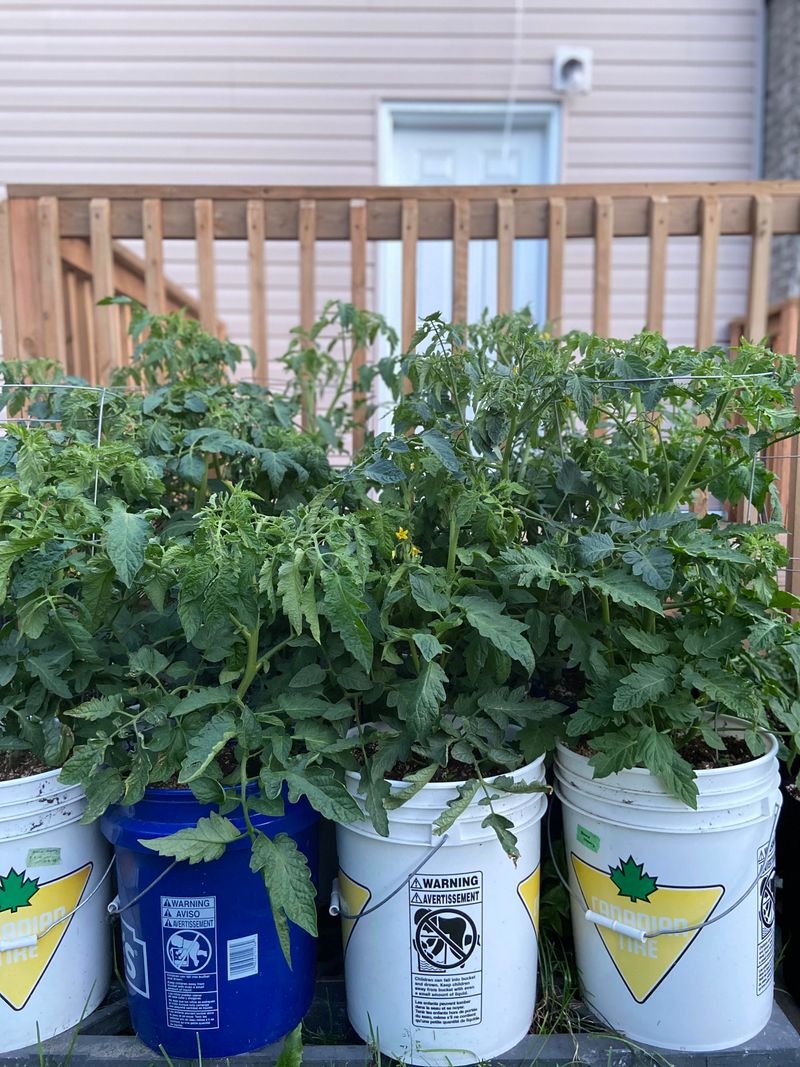
Few vegetables reward bucket gardeners in Georgia as quickly and consistently as cherry tomatoes. Compact varieties like Tumbling Tom or Sweet 100 fit perfectly in a 5-gallon container and start producing fruit faster than most full-sized tomato plants.
Drill several holes in the bottom of your bucket before planting. Drainage matters a lot in Georgia summers because heat builds up fast in containers, and soggy roots cause more problems than dry soil ever will.
A mix of potting soil and compost works well for filling the bucket.
Place your bucket where it gets at least six to eight hours of direct sun daily. South-facing spots on a porch or driveway are ideal across most of Georgia.
Water consistently, because container soil dries out much faster than ground soil, especially during July and August when temperatures regularly climb past 90 degrees.
Stick a small tomato cage into the bucket right after planting so you are not trying to wrestle one in later when the plant is full of fruit. Feed with a balanced liquid fertilizer every two weeks once flowers appear.
Harvest fruit regularly to keep the plant producing through the season rather than slowing down after the first flush of tomatoes.
Harvesting often also encourages the plant to keep setting new fruit instead of slowing down once the first clusters ripen.
2. Bush Cucumber Produces Plenty In A Single Container
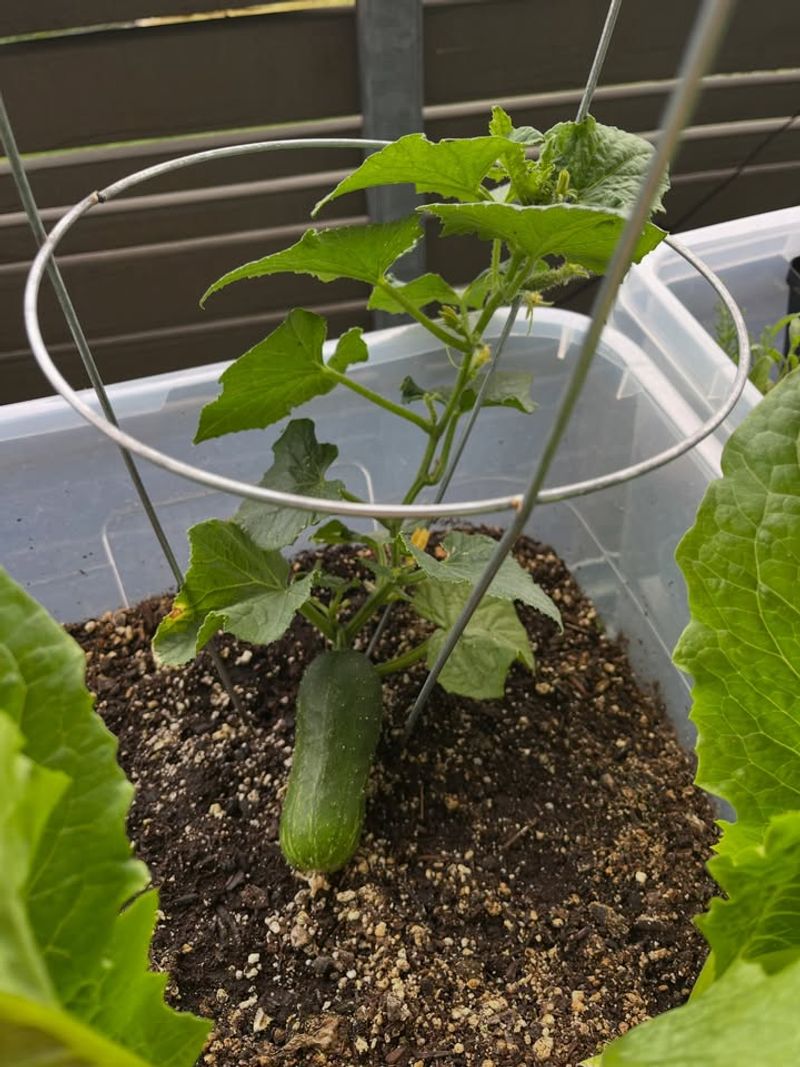
Cucumbers have a reputation for needing a lot of space, but bush varieties completely change that story. Varieties like Bush Pickle or Spacemaster stay compact enough to grow comfortably in a single 5-gallon bucket without sprawling all over your porch.
Plant one cucumber per bucket and add a small trellis or bamboo stakes to give the vines somewhere to climb. Even compact varieties want to reach upward a little, and training them vertically keeps the fruit clean and easier to spot at harvest time.
Georgia summers can be tough on cucumbers. Heat stress causes bitter fruit and slows production, so positioning your bucket somewhere it gets morning sun but a little afternoon shade during the hottest weeks of summer can help a lot.
Your Georgia Garden Changes Every Week. Your Plan Should Too.
Gardening in Georgia changes quickly throughout the season. Every Friday you’ll receive a simple weekly plan showing exactly what to plant, prune, fertilize, harvest, and protect so you never miss the right timing.
Moving containers is one of the real advantages of bucket gardening that in-ground growers simply do not have.
Water your cucumber bucket every day during peak summer heat in Georgia. Cucumbers are mostly water themselves, and inconsistent moisture leads to misshapen or bitter fruit.
Add a layer of mulch on top of the soil inside the bucket to slow evaporation between waterings. Start seeds directly in the bucket around late April or early May for the best results across most parts of Georgia.
Harvest cucumbers while they are still young and tender to keep the plant producing steadily through the season.
3. Sweet Pepper Stays Compact And Fruits Reliably
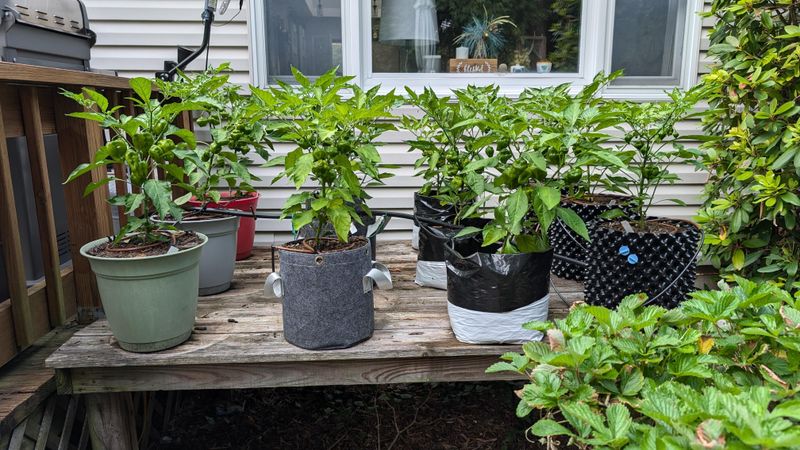
Sweet peppers are one of the most bucket-friendly vegetables you can grow in Georgia. A single plant fits neatly into a 5-gallon container and produces a steady supply of fruit from midsummer all the way into fall if you keep up with watering and feeding.
Varieties like California Wonder or Candy Cane do especially well in containers. Plant one pepper per bucket using a rich potting mix with added compost.
Peppers are heavy feeders, so mixing a slow-release fertilizer into the soil at planting time gives the plant a solid nutritional foundation before it starts setting fruit.
Georgia heat is actually a plus for pepper growing. Peppers love warm soil and long, sunny days, and most of the state delivers both from May through September.
Position your bucket in full sun and make sure it has strong drainage. Peppers sitting in waterlogged soil stop producing and the roots suffer quickly.
Stake your plants once they reach about 12 inches tall. Loaded branches can snap under the weight of multiple peppers, especially during afternoon storms common in Georgia summers.
Harvest peppers while they are still green if you want a bigger overall yield, or leave them to turn red, orange, or yellow for a sweeter flavor. Either way, regular picking keeps new fruit coming.
Consistent watering is key because peppers growing in buckets dry out much faster than those planted in garden beds.
4. Eggplant Adapts Well To Deep Container Soil
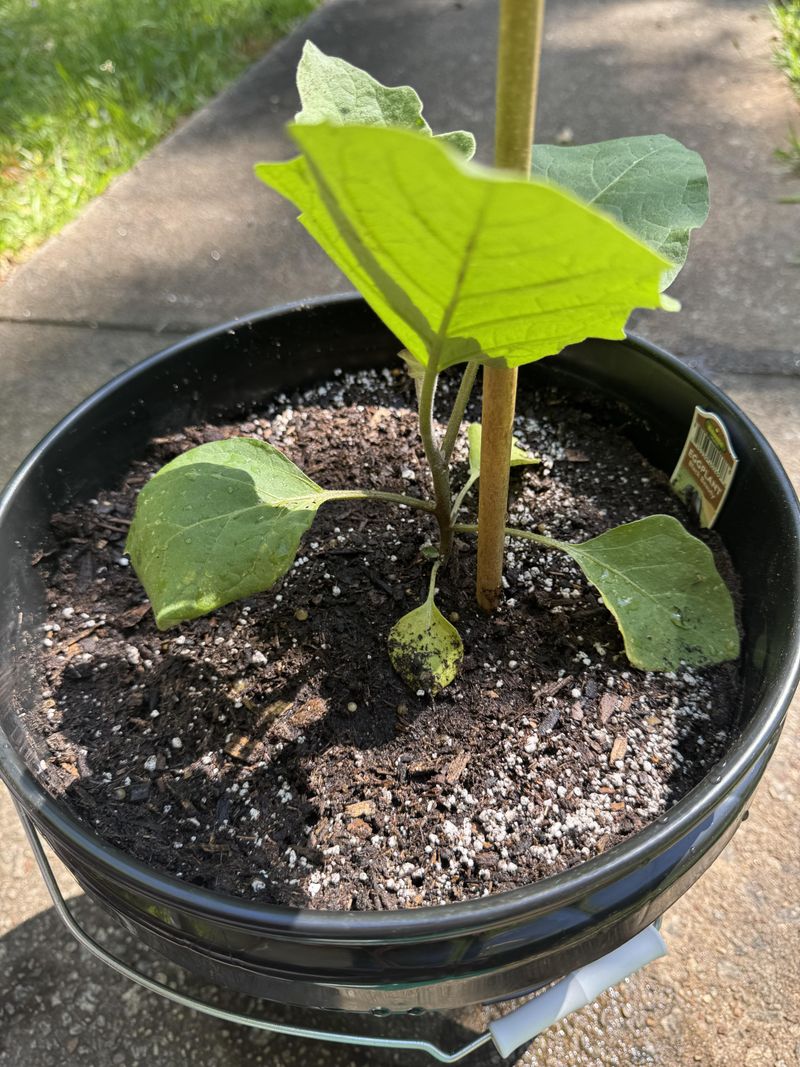
Eggplant actually thrives in containers when the conditions are right, and Georgia’s climate suits it perfectly. The state’s long, warm summers give eggplant exactly the heat it needs to push out consistent fruit from mid-July through early October.
Compact varieties like Fairy Tale or Hansel are excellent choices for 5-gallon buckets. Their smaller size means less root competition inside the container and faster fruiting compared to larger heirloom varieties.
Fill your bucket with a deep, nutrient-rich potting mix since eggplant roots like to go down rather than spread wide.
Full sun is non-negotiable. Six hours is the bare minimum, but eight or more hours produces the best results.
Buckets sitting on dark-colored pavement in Georgia can get extremely hot by afternoon, so check soil moisture every morning.
Eggplant roots are sensitive to extreme heat from the sides of the container, and a layer of light-colored mulch on top of the soil helps insulate the root zone.
Feed your eggplant every two weeks with a fertilizer that has a slightly higher phosphorus level once it begins flowering. Stake the main stem early because fruit gets heavy fast.
Harvest eggplant before the skin loses its shine. Dull skin means the fruit has passed peak flavor, and leaving overripe fruit on the plant slows down new growth considerably.
Pick fruits regularly once production begins to encourage the plant to keep setting new eggplants through the hottest part of the season.
5. Bush Bean Delivers Quick Harvests In Tight Spaces
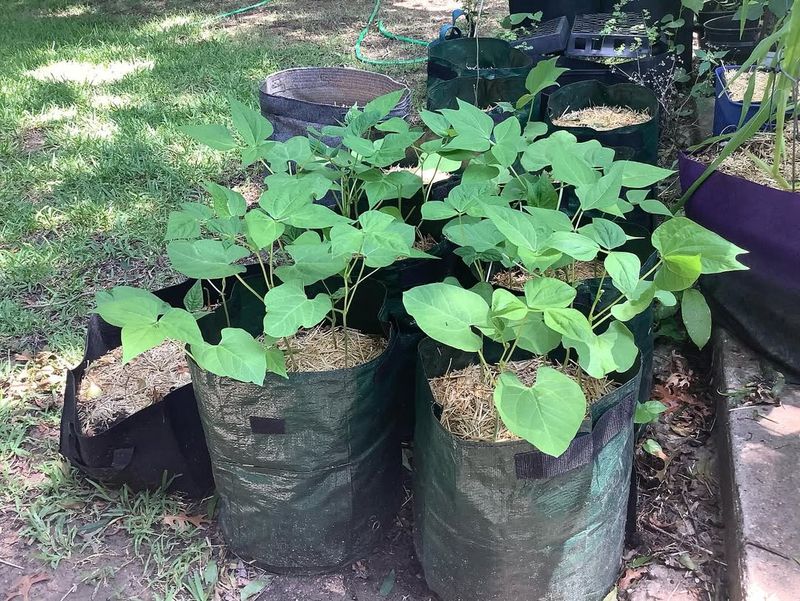
Speed is what makes bush beans a favorite for bucket gardeners across Georgia. From seed to harvest in about 50 days, bush beans are one of the fastest-producing vegetables you can grow in a container, and they do not need staking or trellising like pole beans.
Sow four to five seeds directly into your 5-gallon bucket rather than starting them indoors. Bush beans do not transplant well and prefer to grow right where they are planted.
Press seeds about an inch deep into moist potting mix and keep the bucket in a warm, sunny spot. Germination happens within a week during Georgia’s warm spring and summer temperatures.
Water regularly but avoid soaking the foliage. Wet leaves in Georgia’s humid air invite fungal problems that can spread quickly through a dense planting.
Water at the base of the plant and check soil moisture daily during hot stretches.
One of the best things about bush beans in containers is that you can succession plant. Sow one bucket every three weeks from late March through early August in most parts of Georgia to keep fresh beans coming all season long.
After the first harvest, pull the spent plants, refresh the potting mix with a bit of compost, and start again. Each planting cycle takes very little time and produces a satisfying yield for the effort involved.
6. Leaf Lettuce Handles Shallow Container Soil Easily
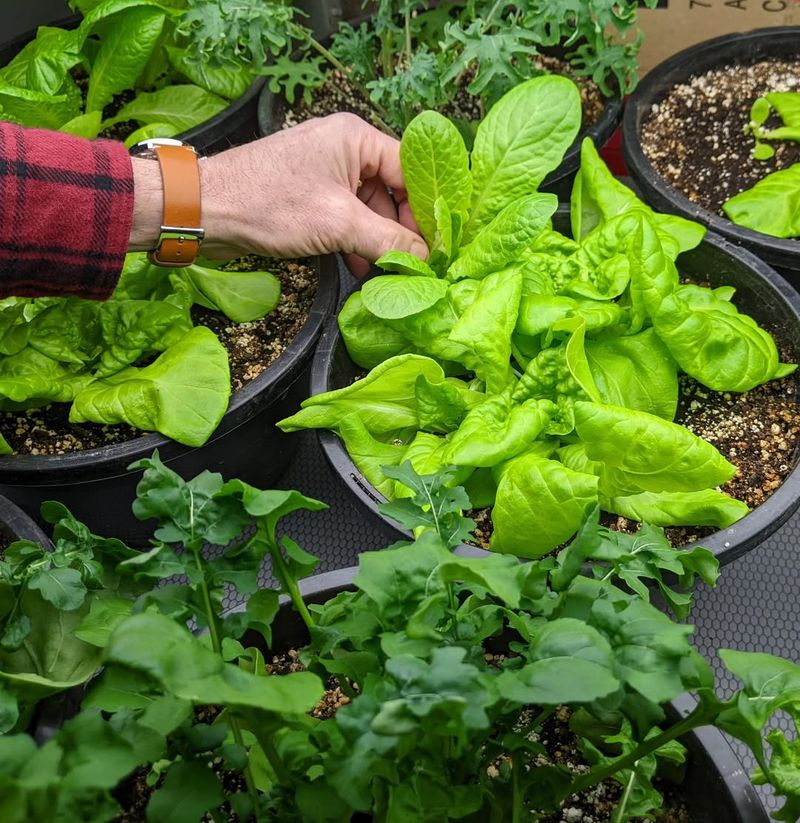
Leaf lettuce is one of those vegetables that almost seems designed for container growing. Shallow roots, fast growth, and a preference for cooler temperatures make it a natural fit for 5-gallon bucket gardening during Georgia’s spring and fall seasons.
Skip the full-sun spots for lettuce. In Georgia, even in March and April, afternoon sun can get intense enough to stress lettuce and trigger early bolting.
A spot with morning light and afternoon shade keeps leaves tender and production going longer into the season.
Scatter a pinch of seeds across the surface of moist potting mix and press them in lightly. Thin seedlings to about four inches apart once they reach a couple of inches tall.
Varieties like Black Seeded Simpson, Red Sails, or Buttercrunch all perform reliably in Georgia containers and offer a mix of textures and flavors.
Harvest outer leaves rather than pulling whole plants. Cutting from the outside lets the center keep growing and extends your harvest window by several weeks.
Lettuce bolts and turns bitter when daytime temperatures consistently reach the upper 70s, so plan your planting dates around Georgia’s last frost date in your specific area.
North Georgia gardeners have a longer spring window for lettuce than growers in the Atlanta metro or coastal areas further south.
7. Green Onion Regrows After Cutting Multiple Times
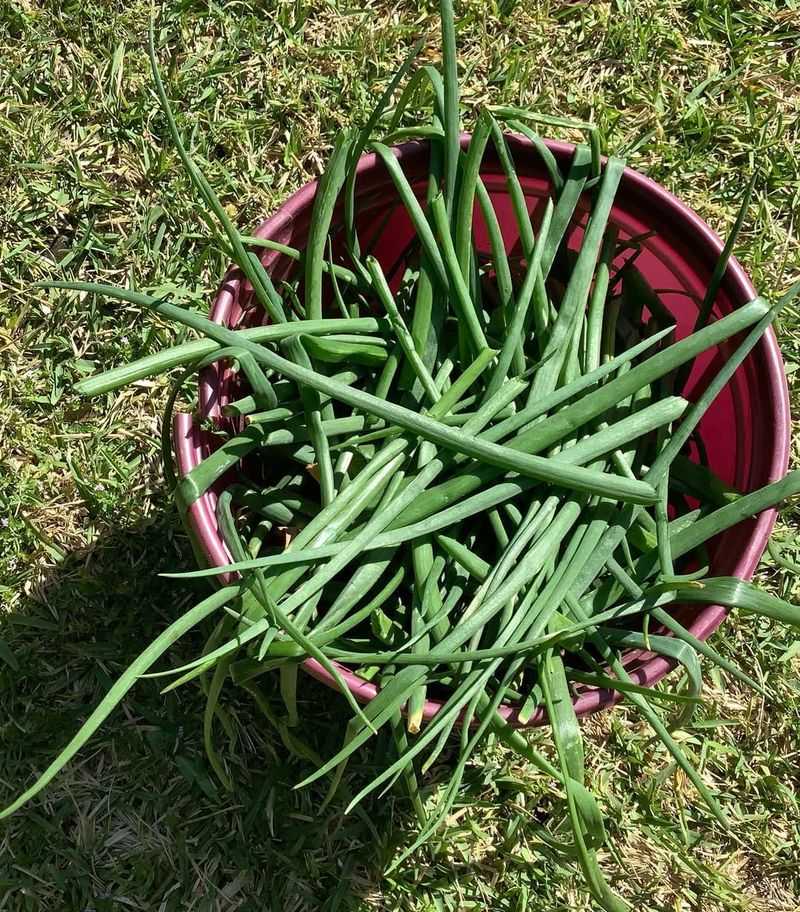
Green onions might be the most underrated vegetable for bucket gardening in Georgia. Plant them once and cut them multiple times throughout the season without ever replanting.
That kind of ongoing productivity from a single container is hard to beat.
Fill a 5-gallon bucket with potting mix and plant sets or seedlings about two inches apart. You can fit a surprisingly generous number of green onions in one bucket, which makes the harvest feel worthwhile every time you head outside with scissors.
They also grow quickly, reaching harvestable size in about three to four weeks from planting.
Cut the tops down to about an inch above the soil line and the plants regrow within days. Georgia’s warm temperatures from March through November keep regrowth moving fast.
Fertilize lightly with a nitrogen-focused liquid feed every few weeks to keep the tops growing vigorously after each cutting.
Green onions handle partial shade better than most vegetables, which makes them useful for filling spots on a porch or balcony that do not get full sun all day. Keep the soil consistently moist but not soaked.
Dry soil makes the tops tough and less flavorful. One bucket of green onions can supply a household with fresh cuttings for soups, salads, and stir-fries for months without much effort or expense at all.
8. Spinach Performs Best During Mild Spring Weather
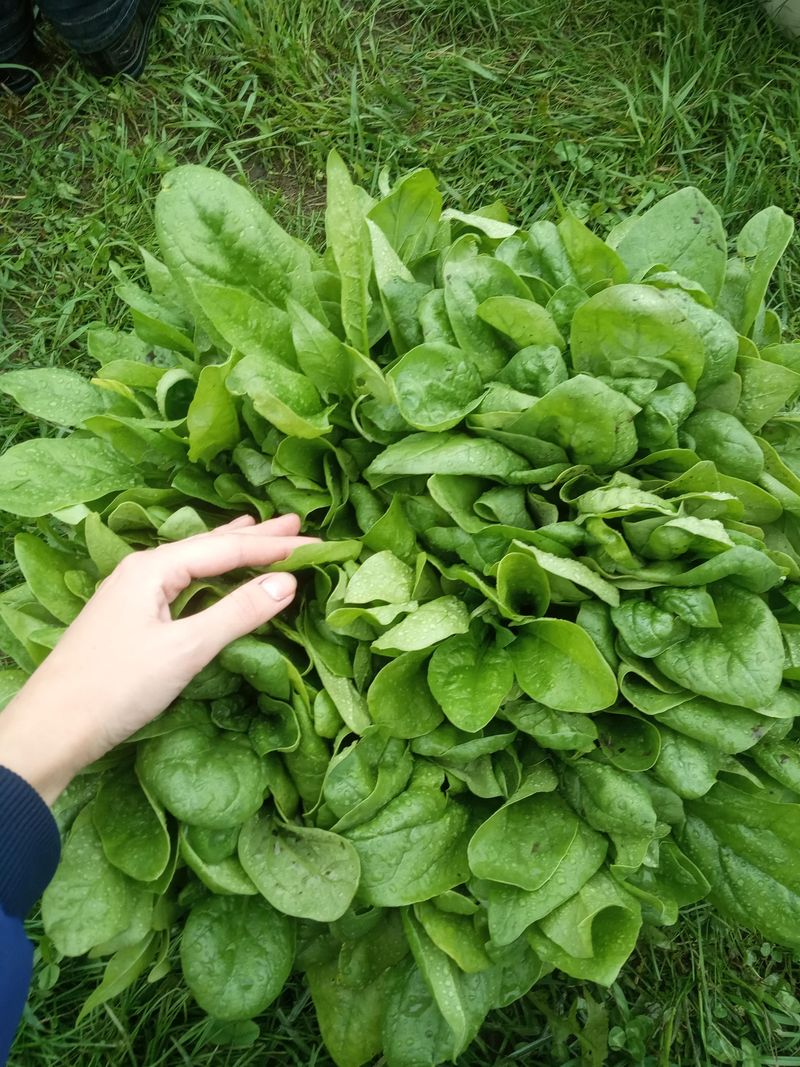
Spinach has a short but productive window in Georgia, and timing your planting correctly makes all the difference. Get it in the ground, or in a bucket, about six weeks before your last frost date and again in late summer for a fall harvest when temperatures cool back down.
A 5-gallon bucket gives spinach enough room to produce a solid harvest before the heat of Georgia’s summer pushes it to bolt.
Use a potting mix that drains well but holds some moisture, because spinach roots are not especially deep and the plant needs steady hydration to keep producing tender leaves.
Scatter seeds about two inches apart and thin plants once they reach a few inches tall. Crowded spinach bolts faster and produces smaller leaves.
Varieties like Bloomsdale Long Standing or Tyee hold up slightly better in warm conditions than other types, giving Georgia gardeners a bit more flexibility at the end of the spring season.
Harvest outer leaves regularly to encourage the center of each plant to keep pushing out new growth. Spinach grown in containers can be moved into shadier spots as temperatures climb, which is a real advantage over in-ground plantings.
A shaded bucket of spinach in Georgia can keep producing for two to three additional weeks compared to plants stuck in a fixed, sunny garden bed with no way to escape the afternoon heat.