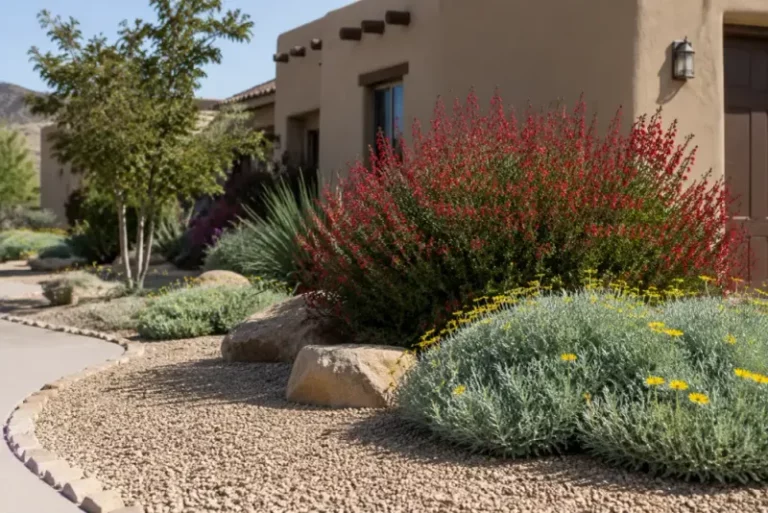
These Annual Flowers Bring Butterflies To Arizona Gardens In Summer
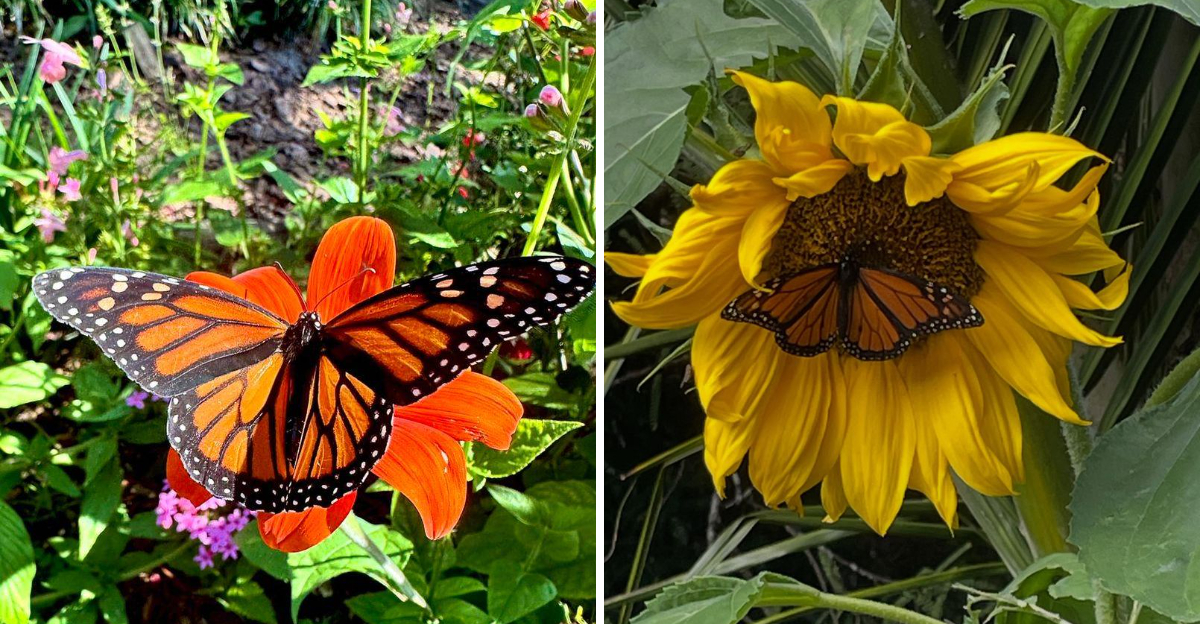
Butterflies always seem to know where the good flowers are, and in Arizona gardens, the right annuals can turn an ordinary yard into a constant swirl of color and movement by summer.
As the weather warms and planting season gets underway, choosing flowers that butterflies actually seek out makes a noticeable difference in how alive the garden feels.
Some blooms produce more nectar, others provide better landing spots, and a few simply thrive in Arizona’s heat while still drawing pollinators day after day.
Annual flowers are especially useful because they grow quickly and start blooming fast, which means butterflies do not have to wait long to find them.
Planting a few of the right varieties now can quietly set the stage for a much livelier garden once summer arrives. If butterflies are part of the picture you want this season, these annual flowers are a great place to start.
1. Zinnias Produce Nectar-Rich Blooms Butterflies Visit Often
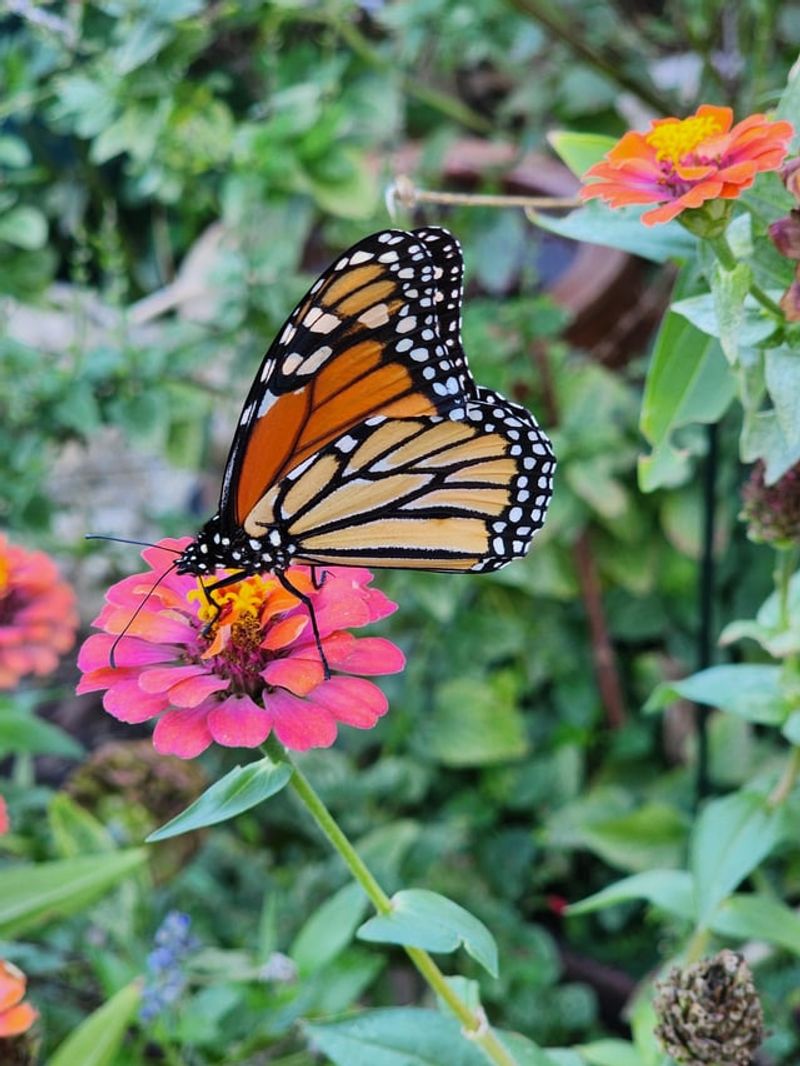
Few plants work harder in an Arizona summer garden than zinnias. From late spring straight through October, they pump out flat, wide blooms that butterflies use almost like a landing strip.
Painted ladies, monarchs, and sulphurs are especially fond of them.
Zinnias are direct-sow flowers, meaning you skip the transplanting hassle entirely. Scratch the soil, drop the seeds, cover lightly, and water.
In Arizona heat, germination happens fast, often within a week. Spacing them about a foot apart gives good airflow, which matters in humid monsoon conditions.
Deadheading spent blooms keeps new flowers coming. Snip just below the faded flower head and the plant redirects energy into fresh buds.
Without deadheading, production slows noticeably by midsummer.
Color variety is genuinely impressive with zinnias. Coral, scarlet, white, bi-color, and deep purple options all exist.
Butterflies do not seem picky about color, but research suggests they visit red and orange blooms slightly more often. Plant a mix and watch which ones get the most traffic in your specific yard.
Full sun and well-drained soil are the two non-negotiable requirements. Zinnias planted in partial shade stretch toward light and bloom poorly.
Sandy or amended desert soil both work fine as long as water does not pool around the roots after monsoon rains.
2. Cosmos Attract Butterflies With Open Daisy-Like Flowers
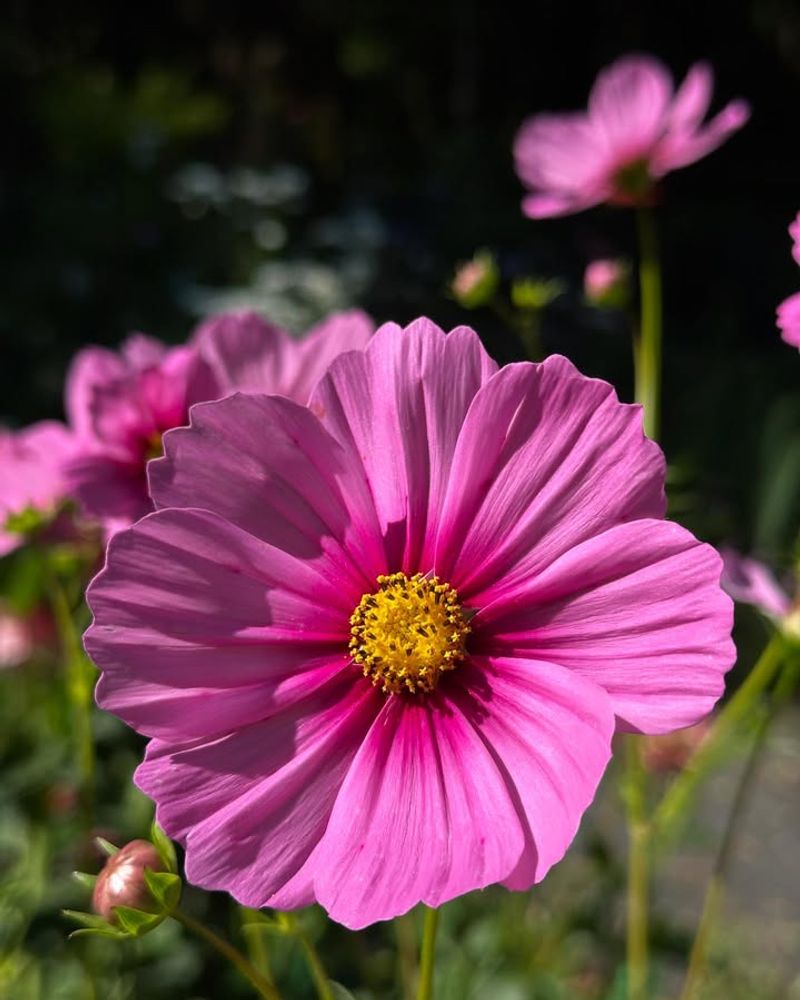
Cosmos plants look almost too delicate for Arizona, with their feathery foliage and papery blooms, yet they handle desert summers surprisingly well.
Plant them once and they may reseed themselves for years, popping up in unexpected corners of your garden each spring.
Sulphur butterflies are wild about cosmos. You will often spot several of them working the same cluster of blooms at once, which makes for great watching on a slow summer morning.
The open flower structure gives butterflies easy access to nectar without struggling through thick petals.
Cosmos bipinnatus is the most common species and tops out around four feet tall. Cosmos sulphureus stays shorter and produces orange and yellow blooms.
Both attract butterflies well, and both handle Tucson and Phoenix summers without much fuss as long as they get full sun.
Your Arizona Garden Changes Every Week. Your Plan Should Too.
Gardening in Arizona changes quickly throughout the season. Every Friday you’ll receive a simple weekly plan showing exactly what to plant, prune, fertilize, harvest, and protect so you never miss the right timing.
Water deeply but infrequently. Cosmos actually bloom better when they experience a little stress between waterings.
Overwatering leads to lush green growth with very few flowers, which defeats the purpose entirely.
Starting from seed is easy and inexpensive. Broadcast seeds directly into prepared beds after the last frost date.
Thin seedlings to about eighteen inches apart so each plant gets room to branch out. By midsummer, a well-spaced cosmos patch becomes a moving cloud of color and butterfly activity that is hard to beat anywhere in Arizona.
3. Tithonia Produces Bold Orange Flowers Butterflies Love
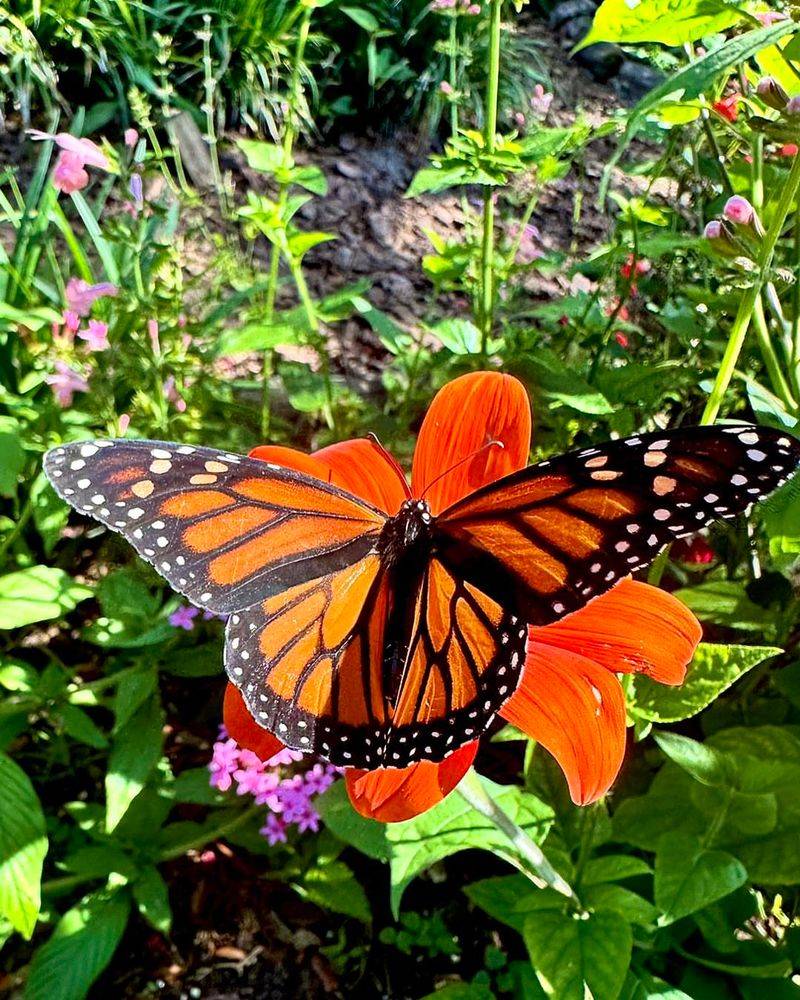
Tithonia, commonly called Mexican sunflower, grows like it belongs in Arizona because in a way it does. Native to Mexico and Central America, it is built for heat, drought, and relentless sun.
Plants can reach five or six feet tall by August, creating a wall of blazing orange that is visible from the street.
Monarch butterflies are particularly drawn to tithonia during their fall migration through Arizona.
Planting a few of these in late spring means they will be at peak bloom right when migrating monarchs are passing through, which is a genuinely exciting thing to witness in your own backyard.
Start seeds indoors about six weeks before your last frost date, or direct sow after soil warms up.
Tithonia dislikes having its roots disturbed, so if starting indoors, use biodegradable pots you can plant directly into the ground without disturbing the root system.
Fertilize lightly. Too much nitrogen pushes leafy growth at the expense of blooms.
A balanced slow-release fertilizer worked into the soil at planting time is usually enough to carry plants through the season.
Give tithonia room. Crowded plants do not branch well and produce fewer flowers.
Spacing plants three feet apart in full sun allows them to develop the wide, bushy shape that generates the most blooms. In Arizona, these plants are a reliable magnet for butterflies from July through first frost.
4. Gomphrena Brings Butterflies With Long-Lasting Globe Blooms
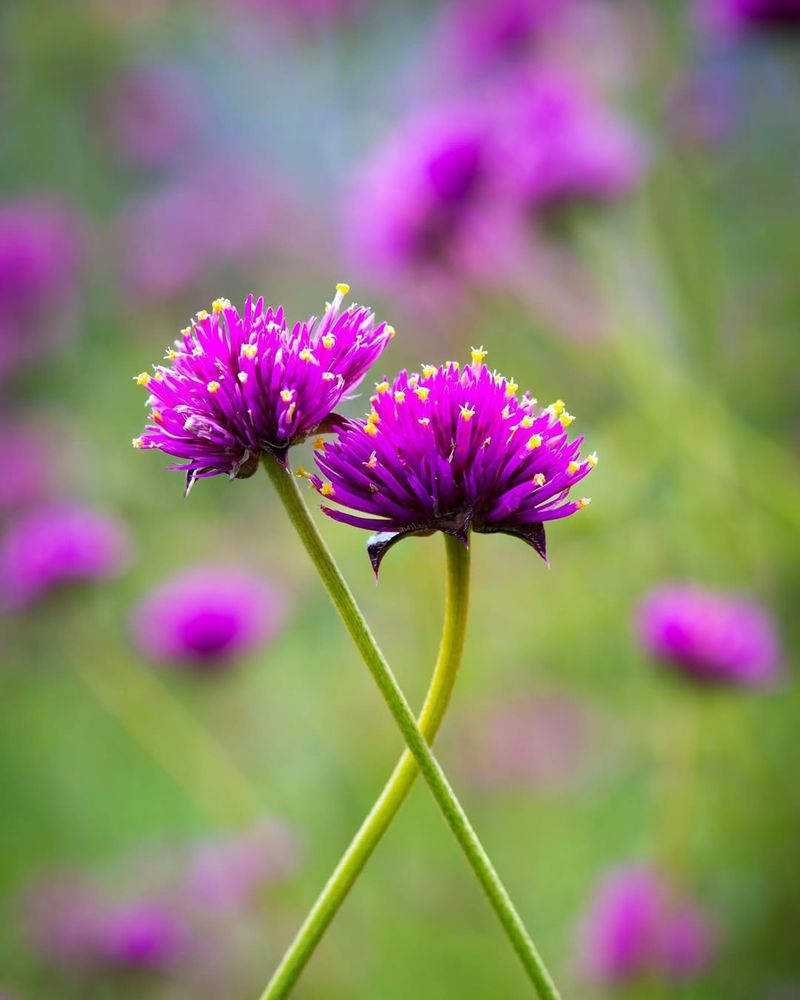
Gomphrena is the kind of flower that earns its spot in an Arizona garden by simply refusing to quit. While other annuals struggle through August heat, gomphrena keeps producing its rounded, clover-like blooms without missing a beat.
Butterflies key in on these blooms because the nectar stays accessible even as temperatures push past 105 degrees.
Skippers and small hairstreak butterflies are frequent visitors. You might not notice them at first glance since they are tiny, but look closely at any gomphrena patch in full bloom and you will almost always find something feeding there.
Purple and magenta are the most common colors, but white, orange, and pink varieties exist. Mixing colors gives your garden visual interest while also broadening the range of butterfly species attracted to the area.
Plant gomphrena in clusters rather than single plants for maximum visual impact and more consistent butterfly traffic.
Transplants from a nursery establish quickly in warm Arizona soil. Water regularly for the first two weeks, then back off.
Established plants handle dry stretches well, though consistent watering during the driest parts of summer keeps bloom production steady.
Gomphrena also makes an excellent cut flower if you want to bring some of that summer color indoors. Cutting blooms regularly actually encourages more flower production, so harvesting a few stems every week helps both your vase and your garden at the same time.
5. Annual Sunflowers Provide Nectar For Visiting Butterflies
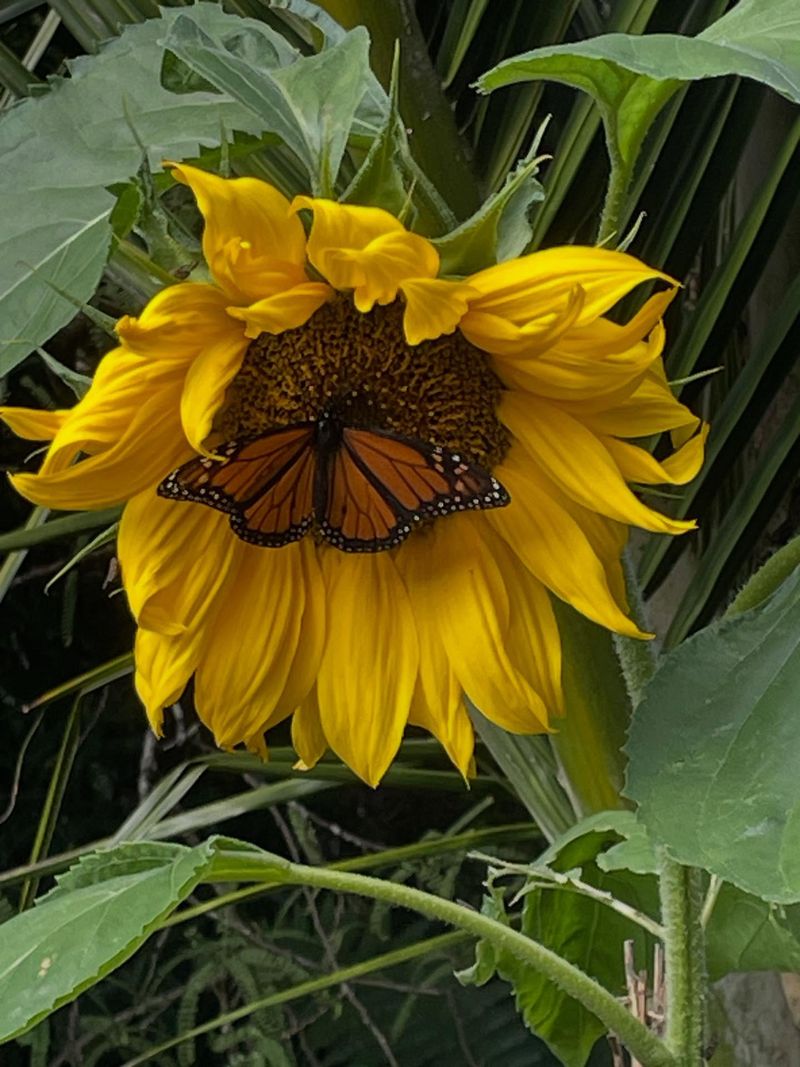
Sunflowers and Arizona summers were practically made for each other.
Full sun, hot temperatures, and dry air are exactly the conditions these plants thrive in, and they reward that environment with some of the biggest, most cheerful blooms in any summer garden.
Painted ladies and fritillaries are regulars on sunflower blooms. They feed on nectar from the ray flowers around the outer edge of the bloom head, and as the season progresses and seeds develop, goldfinches and other birds join the party too.
Planting sunflowers means creating a layered wildlife habitat, not just a butterfly stop.
Direct seeding is the best approach in Arizona. Push seeds about an inch deep after soil has warmed, water in well, and thin seedlings to the spacing recommended on the seed packet.
Branching varieties like Autumn Beauty or Italian White produce multiple bloom heads per plant, which means longer-lasting nectar availability compared to single-stem types.
Avoid planting sunflowers too close to vegetable beds. Their roots release compounds that can suppress growth in nearby plants, a trait called allelopathy.
Give them their own section of the garden or use them as a back border behind shorter annuals.
Water at the base rather than overhead. Wet foliage in intense Arizona sun can scorch leaves, and moisture on flower heads sometimes encourages mold during the monsoon season.
Deep, infrequent watering produces stronger root systems and sturdier stems that hold up in summer storms.
6. Coreopsis Annual Varieties Attract Butterflies With Bright Flowers
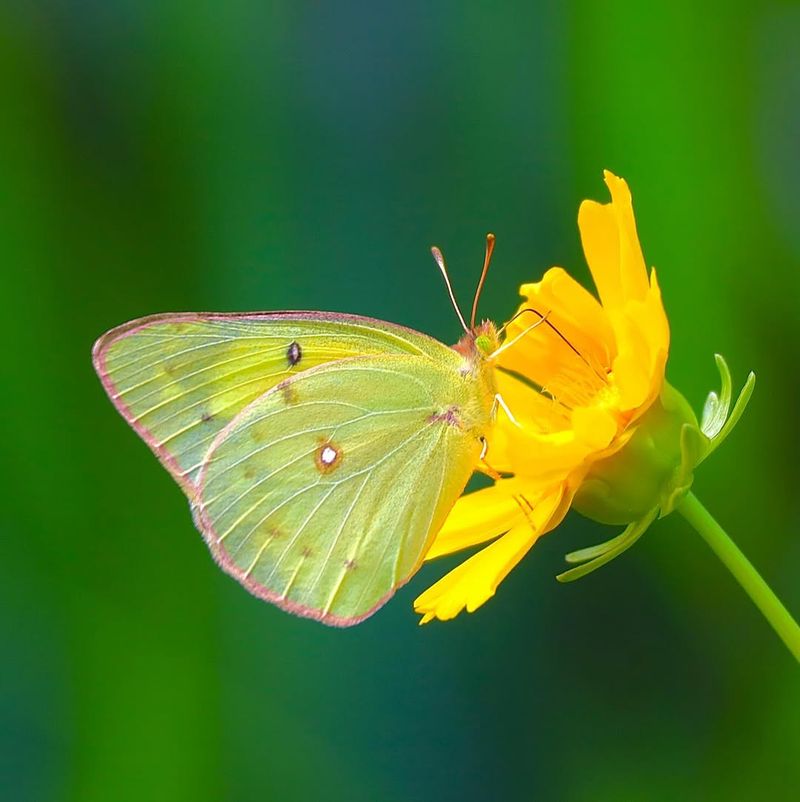
Annual coreopsis brings a cheerfulness to summer gardens that feels almost out of place in the Arizona heat, and yet there it is, blooming steadily when temperatures would sideline most other plants.
The bright yellow and gold flowers sit on long, slender stems that sway in the breeze, which seems to attract passing butterflies almost like a signal flag.
Coreopsis tinctoria is the annual species most commonly grown in Arizona. It self-seeds readily, so a patch started one year often comes back the next from seed dropped the previous season.
Over time, a coreopsis bed can become a permanent feature of your garden with very little effort on your part.
Sulphur butterflies and skippers visit frequently. The flat, open blooms make nectar easy to access, which is one reason generalist butterfly species gravitate toward coreopsis over more tubular flowers.
Plant it in drifts of a dozen or more plants to create enough visual mass to catch a butterfly’s attention from a distance.
Coreopsis handles poor soil better than most annuals. Amended soil is fine, but it is not required.
In fact, overly rich soil can produce floppy, weak-stemmed plants that flop over by midsummer. Lean soil with good drainage suits coreopsis well in most Arizona growing zones.
Pinch back leggy stems in early summer to encourage bushier growth and more blooms. A compact, well-branched coreopsis plant produces far more flowers than a tall, rangy one, and more flowers means more butterfly visits throughout the season.
7. Gaillardia Pulchella Draws Butterflies With Long Summer Blooms
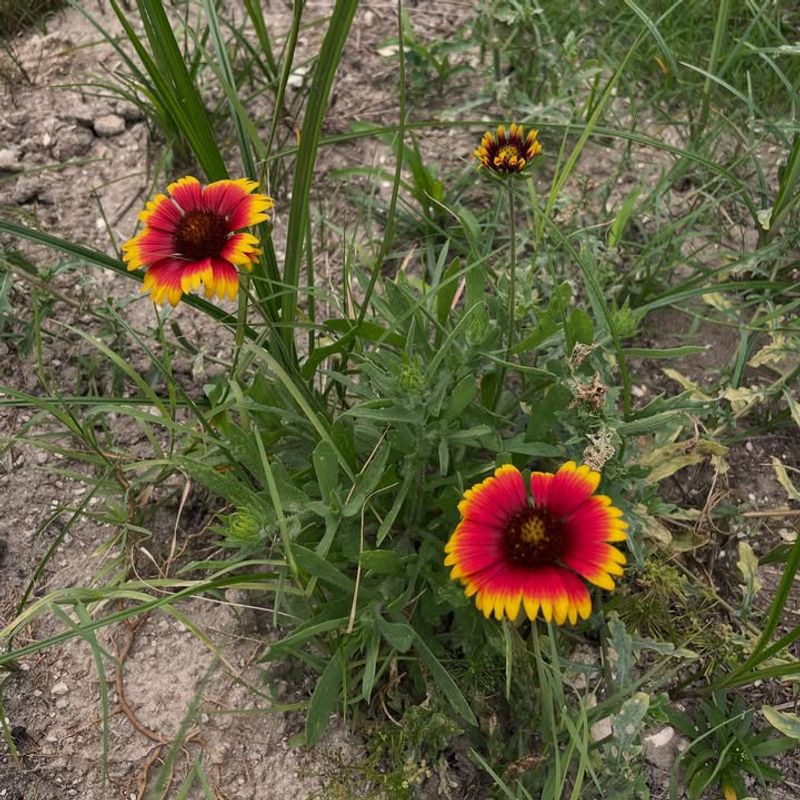
Gaillardia pulchella, known to most people as Indian blanket flower, looks like it was painted by someone who could not decide between red and yellow and settled on both. Those bold, two-toned blooms are hard to miss, and butterflies are not missing them either.
Arizona has a natural connection to this plant. Gaillardia pulchella grows wild across the Southwest, which means it is genuinely adapted to the region rather than just tolerating it.
That native toughness translates into reliable summer performance even during the most brutal stretches of Sonoran Desert heat.
Fritillaries and painted ladies are drawn to the wide, flat blooms. Because gaillardia flowers face upward and open fully, they function as efficient nectar stations that butterflies can access quickly and easily.
A healthy plant in full bloom can host multiple butterflies at once during peak activity hours in the morning.
Start from seed or transplant. Seeds direct-sown in spring germinate readily in warm Arizona soil, usually flowering within ten to twelve weeks.
Transplants from a local nursery give you a head start if you want blooms earlier in the season.
Deadhead consistently to extend the bloom period deep into fall. Gaillardia left to set seed will slow its flower production significantly.
Removing spent heads every week or two keeps the plant focused on producing new blooms and extends the window of butterfly activity in your garden well into September and October across Arizona.
8. Portulaca Produces Bright Flowers Butterflies Visit In Heat
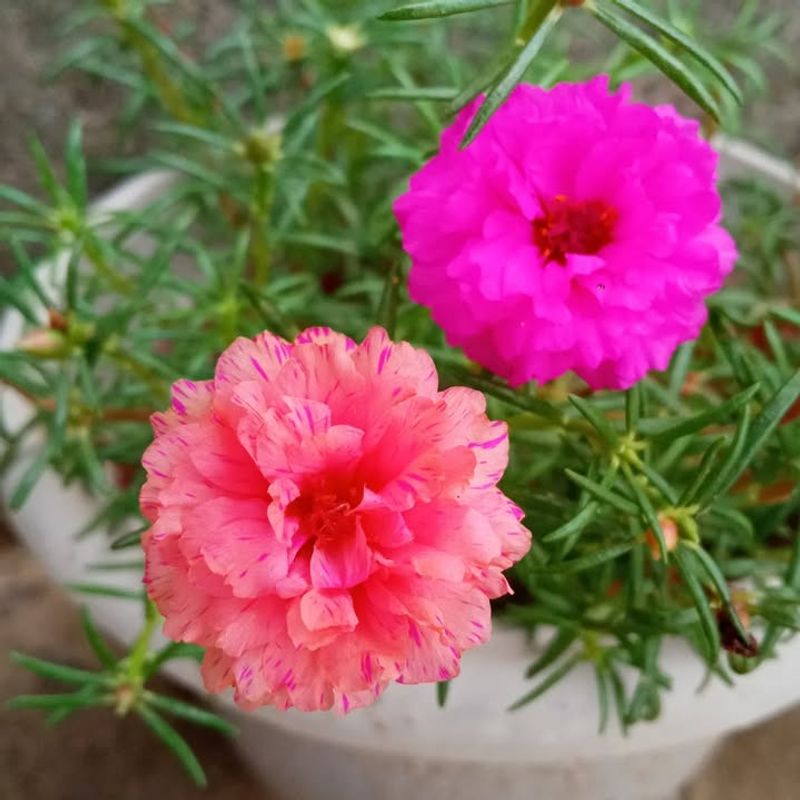
When the thermometer hits 110 and every other plant in the yard looks defeated, portulaca is still wide open and blooming.
That kind of heat tolerance is rare, and it makes portulaca one of the most practical butterfly plants you can grow anywhere in Arizona during peak summer months.
Portulaca grandiflora produces silky, cup-shaped flowers in pink, orange, yellow, magenta, and white. The blooms open fully in direct sunlight and close at night or on cloudy days, so a sunny spot is essential for maximum butterfly attraction.
Skippers and small native bees are especially active on portulaca during the hottest parts of the day.
Ground-level planting or container growing both work well. Portulaca trails naturally, which makes it useful along bed edges, in rock gardens, or spilling out of pots on a hot patio.
Its low profile means it fits into spots where taller plants would look out of place.
Water sparingly once plants are settled in. Portulaca stores moisture in its thick, succulent-like stems and leaves.
Overwatering is the most common mistake people make with this plant, and it leads to root problems faster than drought ever would in Arizona conditions.
Fertilizing is optional. Portulaca blooms well in poor, dry soil without any supplemental feeding.
If you do fertilize, use a low-nitrogen formula to avoid pushing leafy growth over flower production. Planted in the right spot, portulaca asks for almost nothing and delivers color and butterfly activity all summer long.