The Benefits Of Spring Pruning And Trimming In Arizona Gardens
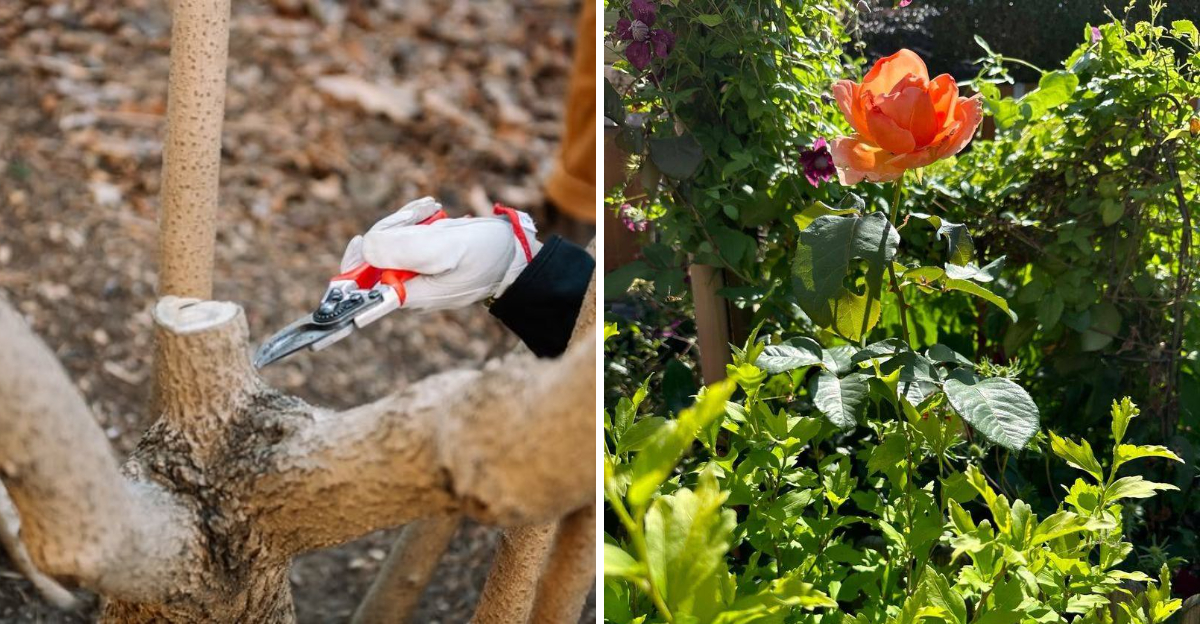
Arizona gardens can look calm right now, but plants are quietly shifting into a new stage of growth. This moment is when small pruning decisions start making a real difference.
Branches that grew wild last season, stems weakened by winter, and crowded growth can all slow plants down if they are left untouched.
A careful trim helps plants reset before the heat and fast spring growth arrive. Instead of wasting energy on damaged or tangled growth, plants can focus on producing stronger new shoots and healthier structure.
In a climate like Arizona’s, where heat quickly intensifies, giving plants that head start matters more than many gardeners realize.
Pruning is not about cutting for the sake of it. It is about guiding plants so they grow stronger, stay balanced, and handle the coming season with less stress.
When done at the right moment, a few thoughtful cuts can completely change how a garden performs in the months ahead.
1. Encourages Stronger And Healthier New Growth
Cutting back overgrown branches might feel counterintuitive, but plants actually respond with a burst of energy.
When you remove older, woody stems, the plant shifts its resources toward producing fresh, strong shoots instead of trying to maintain parts that are no longer thriving.
In Arizona, spring arrives fast and plants respond quickly to warming soil and longer days. If you prune right before that growth period kicks in, you are essentially giving each plant a head start.
Energy that would have gone toward maintaining old stems gets redirected into producing vigorous new branches and fuller foliage.
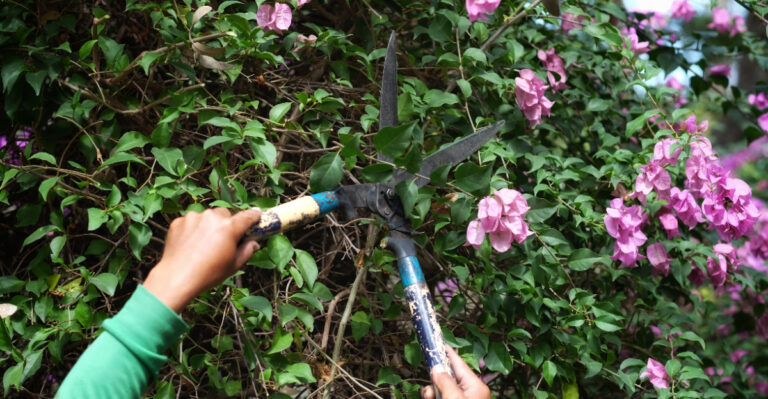
Shrubs like Texas sage and bougainvillea respond especially well to a hard spring trim. You will notice new growth appearing within weeks, and it tends to be denser and more compact than what was there before.
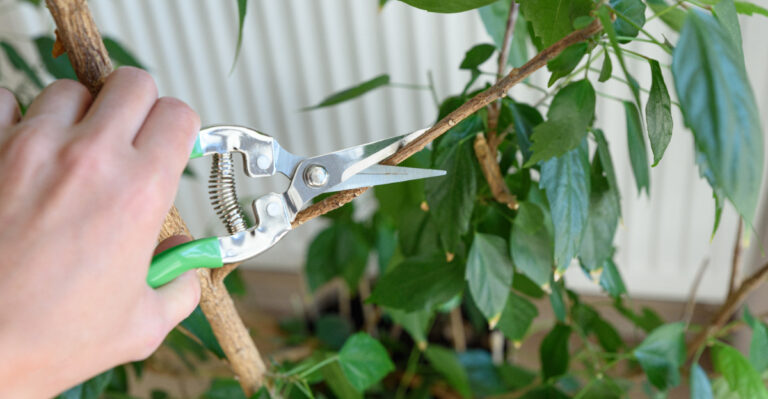
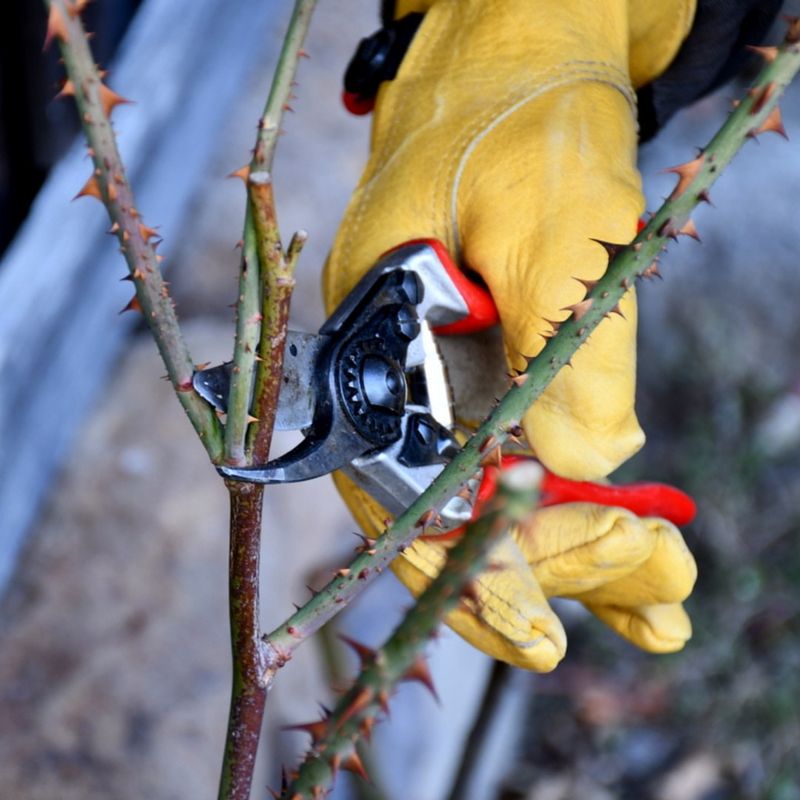
Sharp, clean cuts matter more than most people realize. Ragged cuts made with dull blades can slow the plant down and leave it vulnerable.
Investing in a decent pair of bypass pruners and keeping the blades clean makes a noticeable difference in how quickly plants bounce back.
Younger plants benefit just as much as established ones. Trimming back new growth on recently planted shrubs helps them develop a stronger root system and a better branching structure from the start.
Arizona gardeners who prune consistently tend to have plants that look noticeably fuller and more vigorous by midsummer than those left untouched through spring.
2. Removes Winter-Damaged Or Weakened Branches
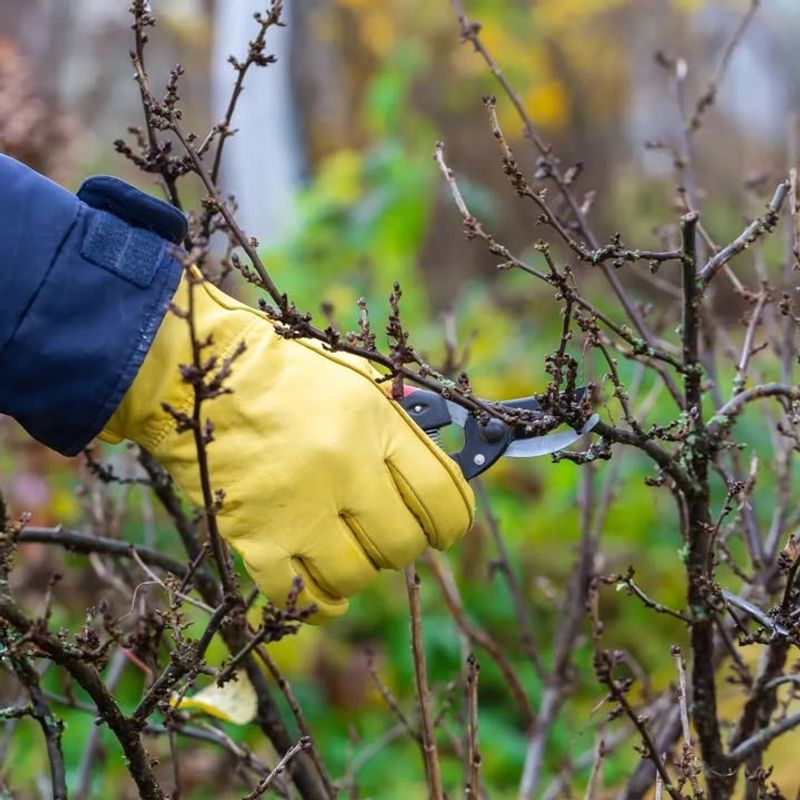
Arizona winters are mild compared to most states, but they still leave a mark on garden plants. Frost events, especially in higher elevations around Tucson and Flagstaff, can snap tender branches or turn green stems brown and brittle by February.
Leaving that damaged wood on the plant through spring is not a neutral decision. Frost-damaged branches can attract insects, trap moisture against healthy tissue, and create entry points for fungal infections.
Removing them early clears the way for healthier growth without that added stress.
Walk through your yard in late February or early March and take a close look at your plants. Scratch the surface of a branch with your thumbnail.
Your Arizona Garden Changes Every Week. Your Plan Should Too.
Gardening in Arizona changes quickly throughout the season. Every Friday you’ll receive a simple weekly plan showing exactly what to plant, prune, fertilize, harvest, and protect so you never miss the right timing.
If you see green underneath, it is still alive. If it is dry and tan all the way through, that section needs to come off.
Focus your cuts just above a healthy bud or lateral branch. Cutting too close or too far from the bud can slow the healing process.
Most desert-adapted plants in Arizona bounce back quickly once you trim them, especially if you do it before temperatures climb.
It is also worth inspecting the center of dense shrubs where airflow is limited. Interior branches sometimes suffer frost damage that is easy to miss from the outside.
Taking time to check the whole plant, not just the outer layer, ensures you catch everything that needs to go before the growing season picks up speed.
3. Improves Airflow Between Stems And Leaves

Packed-in branches might look full and impressive, but dense growth with no breathing room is a setup for problems. Stagnant air trapped inside a shrub creates the kind of damp, shaded environment where fungal spores thrive and pests like to hide.
Thinning out the interior of your plants each spring improves air movement dramatically. You do not need to strip them down, just remove crossing branches, weak interior stems, and any growth that is clearly competing for the same space.
A few targeted cuts can open things up significantly.
In Phoenix and the surrounding Valley, humidity spikes during monsoon season. Plants with tight, tangled growth going into summer tend to develop powdery mildew and other fungal issues once the rains arrive.
Opening up the canopy during spring pruning gives you a head start on preventing those problems before the wet season even begins.
Better airflow also means better light penetration. Sunlight reaching the interior of a plant encourages growth throughout the whole structure rather than just at the tips.
Plants trimmed for airflow tend to look fuller and more balanced than those left to grow without any guidance.
Roses, lantana, and citrus trees all benefit noticeably from this kind of thinning. Citrus in particular can develop thick interior canopies that block light from reaching the lower fruit.
A careful spring thinning keeps the tree productive and reduces the chance of disease settling into the shaded, airless zones deep inside the canopy.
4. Helps Plants Keep A Balanced And Manageable Shape
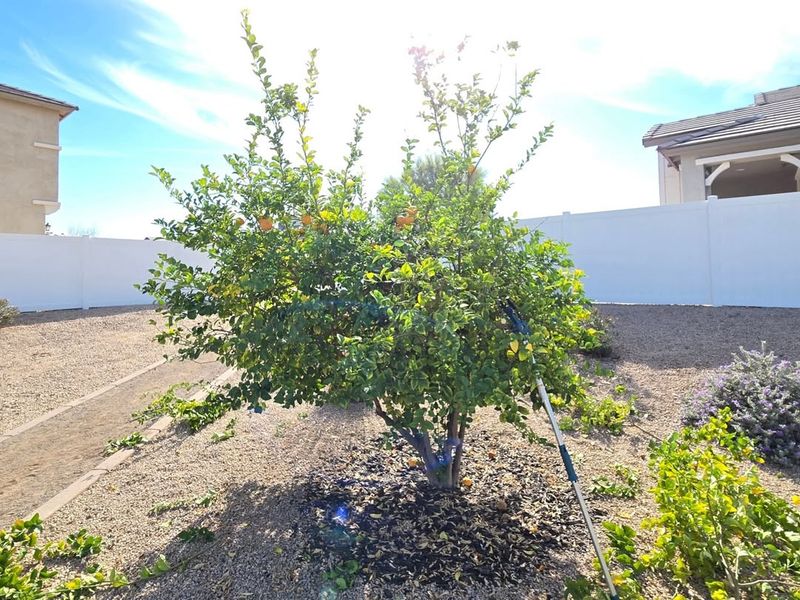
Plants in Arizona grow fast once spring temperatures arrive, and without regular trimming they can get out of hand quickly. A shrub that looked perfectly sized in March can be sprawling into the walkway or blocking a window by May if nothing is done about it.
Shaping plants in early spring, before new growth takes off, gives you far more control over the final result. You are working with less material, which makes it easier to see the natural form of the plant and guide it in the direction you want.
Trying to reshape an overgrown shrub in June is a much harder job.
Keeping plants at a manageable size also reduces maintenance pressure later in the year. A compact, well-shaped shrub requires less water to stay healthy because it has fewer leaves and branches competing for resources.
During Arizona summers when water bills climb, that efficiency matters.
Formal landscapes with trimmed hedges and shaped ornamentals benefit the most from consistent spring shaping. But even informal, naturalistic yards look better when plants are not crowding each other or growing into awkward lopsided forms.
A little guidance in spring keeps the whole yard looking intentional rather than overgrown.
Pay attention to the base of each plant too. Removing low-growing suckers and water sprouts that shoot up from the roots keeps the plant focused on its main structure.
Those fast-growing offshoots pull energy away from the upper canopy and often produce weak, floppy growth that does not contribute anything useful to the overall shape.
5. Reduces The Risk Of Pests And Plant Diseases
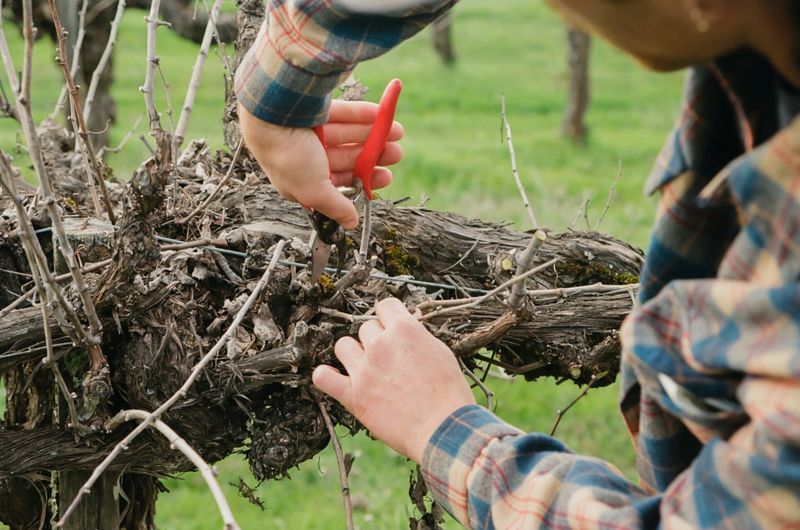
Overgrown plants are basically a welcome mat for pests. Thick, tangled growth gives aphids, scale insects, and spider mites plenty of dark, sheltered spots to breed without much interference.
Pruning strips away those hiding places before pest populations have a chance to build up.
Spring is when many insects become active again in Arizona. Getting ahead of them with a good trim means fewer problems to deal with as temperatures rise.
Removing dense interior growth exposes the plant to more light and air, which most common garden pests actively avoid.
Fungal diseases follow a similar pattern. Spores need moisture and limited airflow to take hold.
A well-trimmed plant dries out faster after irrigation or rain, which cuts down on the conditions that allow fungal infections to spread. Powdery mildew and leaf spot are both significantly less common on plants that get regular spring pruning.
Diseased branches should always come off as soon as you spot them. Leaving infected wood on the plant gives the problem more time to spread into healthy tissue.
After cutting diseased sections, wipe your pruner blades with rubbing alcohol before moving to the next plant so you are not unintentionally transferring anything.
In the Tucson and Phoenix areas, whiteflies and thrips can become serious problems on flowering plants by early summer.
Trimming back dense growth in spring, combined with keeping the area under your plants free of fallen leaves and debris, goes a long way toward keeping those pest populations at a manageable level throughout the season.
6. Directs Energy Toward New Flowers And Foliage
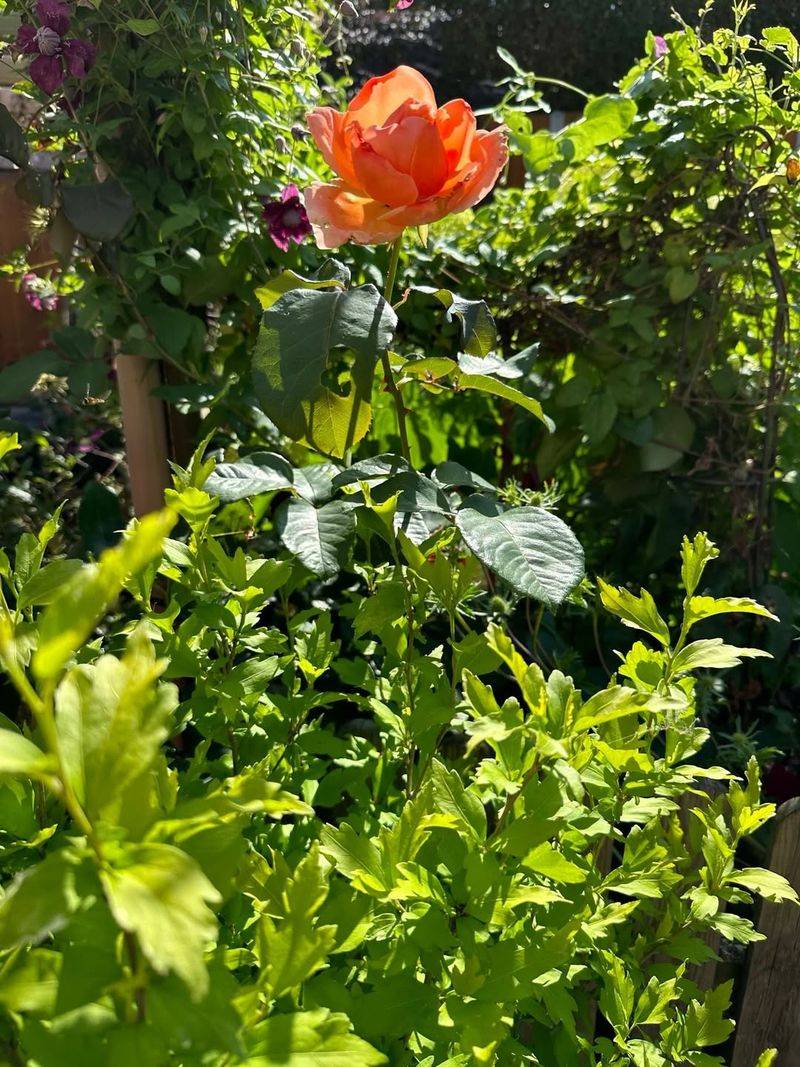
Every plant has a limited amount of energy to work with. When that energy gets spread across dozens of old, unproductive branches, there is simply less of it available for producing the blooms and fresh foliage most gardeners actually want to see.
Pruning redirects that energy with surprising efficiency. Cut away the old wood and the plant responds by pushing harder into new growth.
Flowering shrubs like salvia, desert willow, and yellow bells produce noticeably more blooms after a good spring trim compared to plants left to grow unchecked year after year.
Timing matters here. For plants that flower on new wood, meaning the current season’s growth, spring pruning is exactly right.
You are clearing out the old material just as the plant is gearing up to produce its best new growth of the year. The result is usually a fuller, more colorful display by late spring and early summer.
Foliage quality improves too. Leaves on freshly pruned plants tend to be larger and a deeper green than those on overgrown, crowded plants.
When each branch gets adequate light and the root system is not stretched thin trying to maintain excess wood, the plant simply looks better all around.
For fruit trees and citrus, which are common throughout Arizona yards, directing energy through pruning also improves fruit size and quality. Fewer but more productive branches consistently outperform crowded, unpruned trees when it comes to yield.
A targeted spring trim pays off visibly by the time harvest season rolls around in fall.
7. Prepares Plants For Rapid Spring Growth
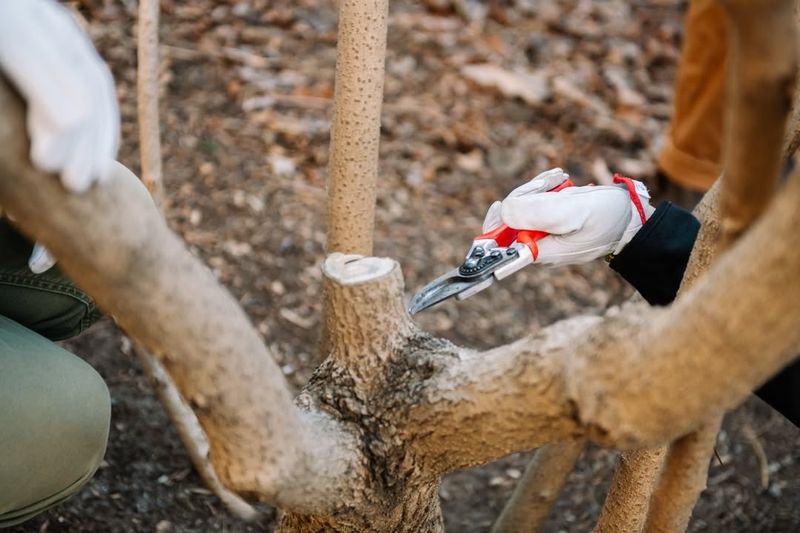
Spring in Arizona does not ease in slowly. Temperatures jump fast, and plants that are ready to grow take full advantage of every warm week before the intense summer heat arrives.
Pruning in late February or early March puts your plants in the best possible position to make the most of that window.
Once they are removed, the plant can channel everything it has into producing new roots, stems, and leaves at the fastest pace possible during those ideal spring weeks.
Arizona gardeners who skip spring pruning often find their plants looking ragged and behind by April, while well-pruned neighbors are already showing full, healthy canopies.
That early investment of an hour or two in the garden pays dividends for the entire growing season.
Root development also benefits from pruning. Reducing the amount of above-ground growth the plant needs to support allows the root system to expand more freely.
Stronger roots mean better access to water and nutrients, which becomes critical once summer temperatures push past 100 degrees across much of Arizona.
Getting your pruning done before temperatures climb also protects fresh cuts from excessive heat stress. New wounds heal faster in mild spring conditions than they do during the scorching summer months.
Finishing your trimming by mid-April in the Phoenix area, or by early May at higher elevations, gives every cut the best chance to seal cleanly before the hardest part of the year begins.