7 Oleander Care Mistakes Arizona Gardeners Should Watch For
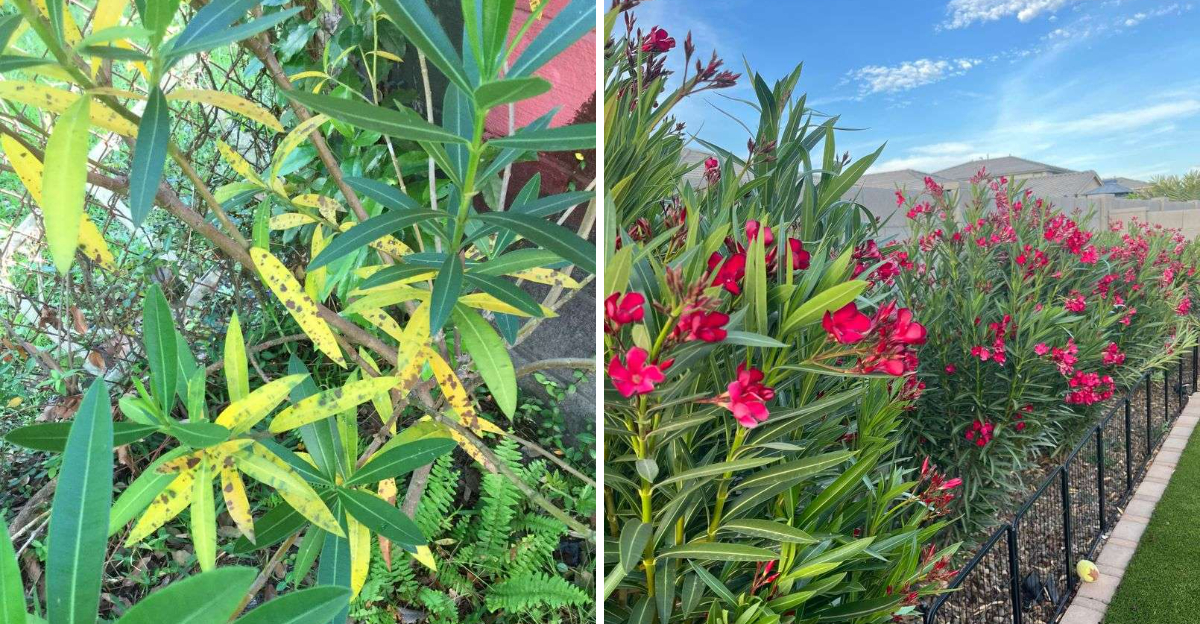
Oleanders are everywhere in Arizona, lining streets, filling yards, and standing up to heat that would overwhelm many other plants. Because they seem so tough, it is easy to assume they can handle anything without much attention.
That assumption is where problems usually begin.
Even though oleanders tolerate harsh sun, dry air, and poor soil better than most shrubs, a few common care mistakes can slowly weaken them.
Growth becomes uneven, flowering slows down, and plants that once looked full and healthy start losing their shape.
Many Arizona gardeners do not realize these issues often come from small habits that seem harmless at first. Over time, those habits can affect how well oleanders grow and how long they stay healthy in the landscape.
The good news is that most of these problems are easy to prevent once you recognize them. A few simple adjustments can make a big difference in how oleanders grow, bloom, and handle Arizona’s demanding conditions.
1. Overwatering Causes Root Problems And Weak Growth
Soggy roots are one of the fastest ways to weaken an oleander in Arizona.
It sounds counterintuitive in a desert climate, but overwatering is actually a very common problem here, especially for gardeners who apply the same watering schedule to every plant in the yard.
Oleanders are built for dry conditions. Their root systems are designed to seek out moisture deep in the soil, not sit in water.
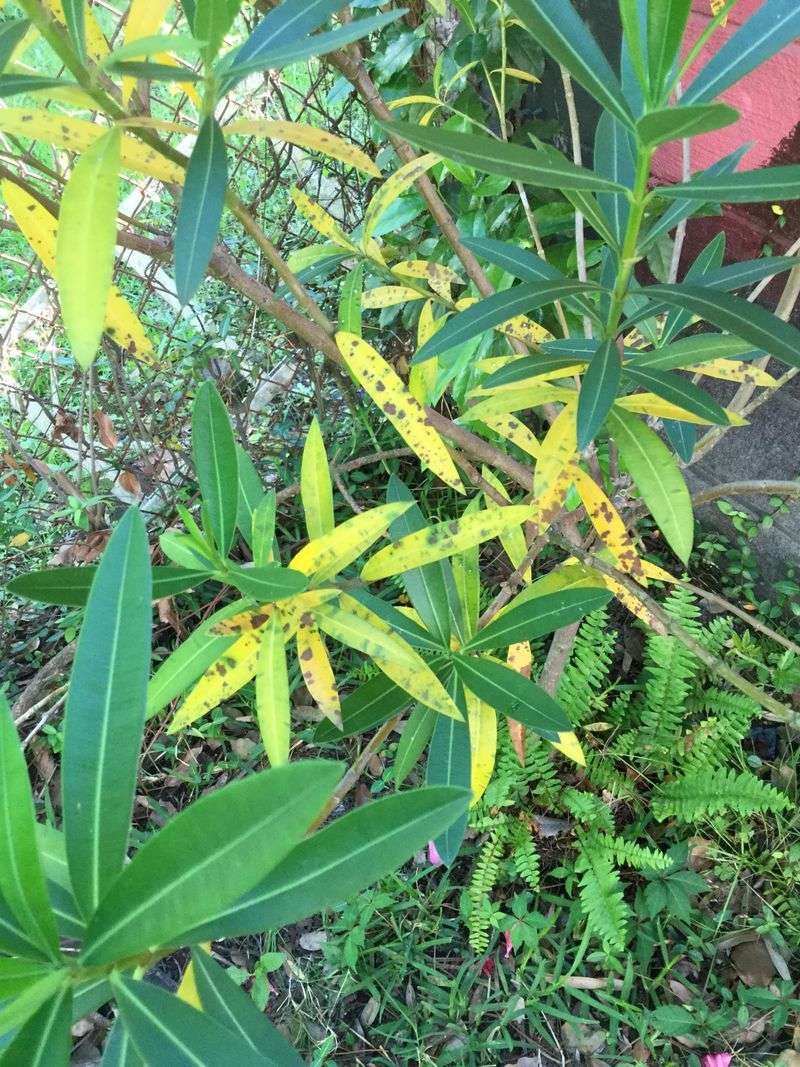
When the soil stays wet for too long, roots start to suffocate. You may notice leaves turning yellow or dropping early, and new growth may look limp or pale instead of vibrant and upright.
A good rule of thumb in Arizona is to water deeply but infrequently. Let the top four inches of soil dry out completely before watering again.
During the hottest months, that might mean watering once a week. In cooler seasons, you can stretch it to every two or three weeks without a problem.
Drip irrigation is popular in the Phoenix and Tucson areas, and it works well for oleanders as long as the emitters are not running too often. Check your timer settings a couple of times a year and adjust based on rainfall and temperature changes.
If you have had a rainy stretch, skip a watering cycle entirely.
Weak, floppy growth is a sign the plant is getting too much water, not too little. Cutting back on irrigation often leads to noticeably stronger stems and better blooms within just a few weeks.
2. Planting In Poorly Drained Soil Leads To Stress
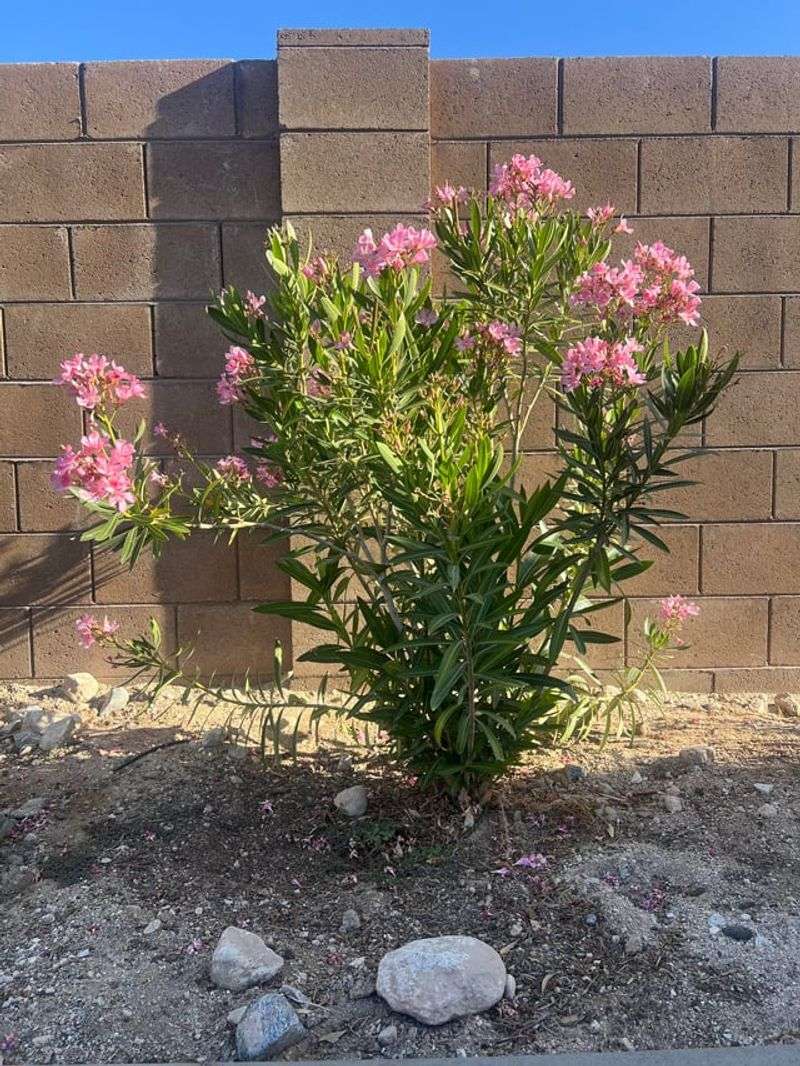
Not all Arizona soil is created equal. Depending on where you live in the state, you might be dealing with heavy clay, caliche layers, or compacted desert soil that holds water longer than you would expect.
Planting oleanders in spots like that creates ongoing stress for the shrub, no matter how well you manage your watering schedule.
Caliche is a hardened calcium carbonate layer found in many Arizona yards. It acts almost like a concrete barrier underground, blocking drainage and trapping moisture around roots.
Your Arizona Garden Changes Every Week. Your Plan Should Too.
Gardening in Arizona changes quickly throughout the season. Every Friday you’ll receive a simple weekly plan showing exactly what to plant, prune, fertilize, harvest, and protect so you never miss the right timing.
If water pools in a spot after rain or irrigation, that is a red flag that drainage is poor and oleanders will struggle there.
Before planting, test your drainage by digging a hole about twelve inches deep and filling it with water. If it does not drain within an hour or two, you need to amend the soil or choose a different spot.
Mixing in coarse sand and organic compost can help break up heavy soil and improve drainage significantly.
Raised beds or berms are another practical option for Arizona gardeners dealing with drainage issues. Planting oleanders on a slight mound keeps roots elevated above any water that collects at ground level.
It is a simple fix that works well in neighborhoods where the soil is especially dense or compacted.
Good drainage from the start prevents a long list of problems down the road. Roots that stay healthy support stronger top growth, more consistent flowering, and a shrub that holds up better through Arizona summers.
3. Pruning At The Wrong Time Reduces Flowering
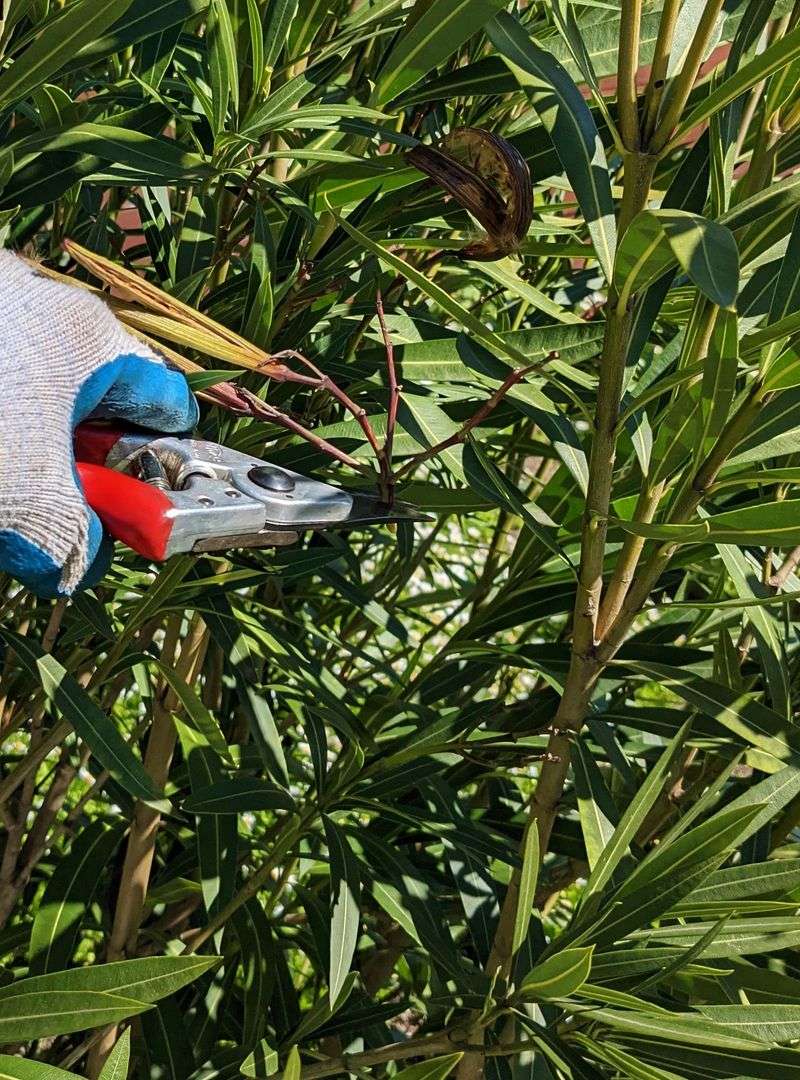
Grab the pruning shears at the wrong time of year and you could end up cutting off most of the blooms before they ever open.
Oleanders set their flower buds on new growth, so timing your pruning correctly is one of the most important things you can do for a showy display each season.
Late winter to early spring is the sweet spot for pruning oleanders in Arizona. That window, roughly February through early March, gives the plant a chance to push out fresh growth that will carry flowers later in spring and summer.
Pruning in fall or mid-summer often removes developing buds and leaves you with a lot of green but very little color.
Heavy pruning during active blooming is especially damaging. Some gardeners make a quick cut to tidy up a hedge without realizing they are pulling off clusters of flower buds in the process.
If your oleander is already blooming, hold off and wait until the flowering slows before making any significant cuts.
Another detail worth knowing is that you should never remove more than one-third of the plant in a single session. Taking off too much at once stresses the shrub and slows recovery.
If you need to do a major reshape, spread the work out over two growing seasons instead of doing it all at once.
Sharp, clean tools matter too. Dull blades crush stems rather than cutting them cleanly, which creates entry points for disease.
Wipe down your shears with rubbing alcohol between cuts, especially if you are working on multiple plants in your Arizona yard.
4. Ignoring Aphids And Scale Allows Pests To Spread
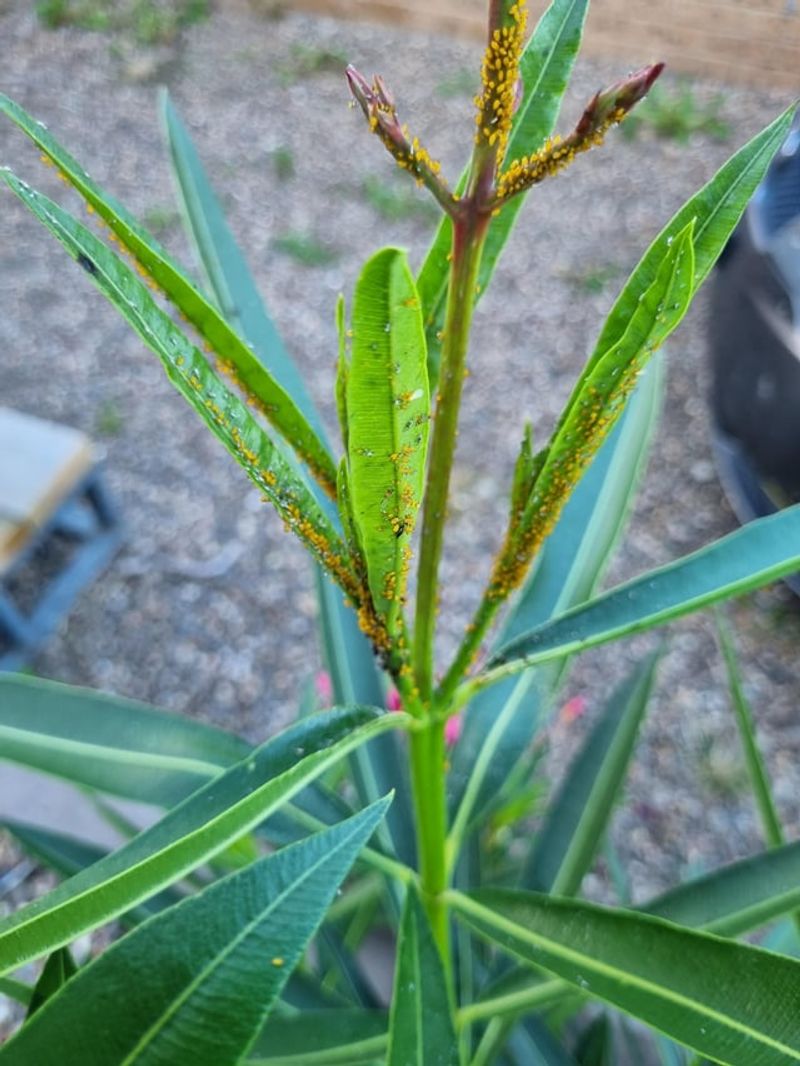
A small cluster of aphids on an oleander stem might not look like a big deal at first glance. But left unchecked in Arizona’s warm climate, those insects multiply fast and can spread to surrounding plants in a matter of weeks.
Catching pest problems early is far easier than dealing with a full-blown infestation later.
Aphids are tiny, soft-bodied insects that cluster on new growth and undersides of leaves. They suck sap from the plant, which causes leaves to curl, yellow, or look distorted.
Scale insects are harder to spot because they look like small brown bumps attached to stems. Both pests weaken oleanders over time by draining the plant’s energy.
A strong blast from a garden hose knocks aphids off stems and works surprisingly well as a first response. For heavier infestations, insecticidal soap or neem oil applied in the early morning or evening helps avoid burning foliage in the Arizona heat.
Repeat applications are usually needed every seven to ten days until the problem clears up.
Ants are often a clue that aphids are present. Ants feed on the sticky honeydew aphids produce and will actually protect the aphids from natural predators to keep that food source going.
If you notice a lot of ant activity on your oleander, look closely at the stems and new growth for signs of pest activity.
Checking your plants every couple of weeks during the growing season takes only a few minutes and can prevent a frustrating situation from developing across your entire Arizona garden.
5. Crowded Planting Reduces Airflow Around Shrubs
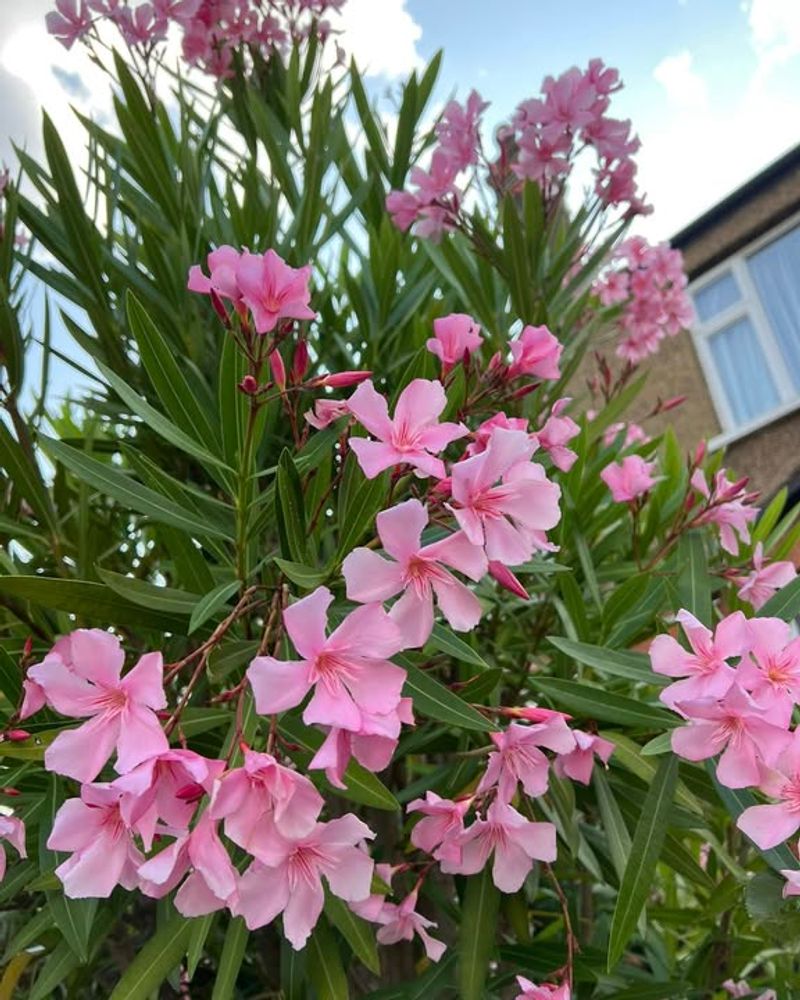
Spacing matters a lot more than people give it credit for. Oleanders planted too close together create a dense wall of foliage that traps humidity, blocks airflow, and sets up the perfect environment for fungal problems.
In Arizona, where the monsoon season brings bursts of moisture and heat, that combination can cause real trouble.
Oleanders can grow anywhere from six to twelve feet wide depending on the variety.
Planting them just a foot or two apart might look intentional when the shrubs are young, but within a couple of growing seasons you end up with a tangled mass of branches that is difficult to manage and hard to prune effectively.
Powdery mildew and leaf spot are two fungal issues that show up more often in crowded plantings. Spores spread easily from one plant to the next when branches are touching or overlapping.
Good airflow between shrubs keeps foliage drier and reduces the chance that those problems take hold in the first place.
When planning a hedge or screen planting in your Arizona yard, check the mature size of the specific oleander variety you are using and space accordingly. Standard varieties generally do well with six to eight feet between plants.
Dwarf varieties can be placed a bit closer, but still need room to breathe.
If you have existing oleanders that are already crowded, gradual thinning over a couple of seasons can open up the canopy without shocking the plants.
6. Too Much Fertilizer Causes Excess Leaf Growth
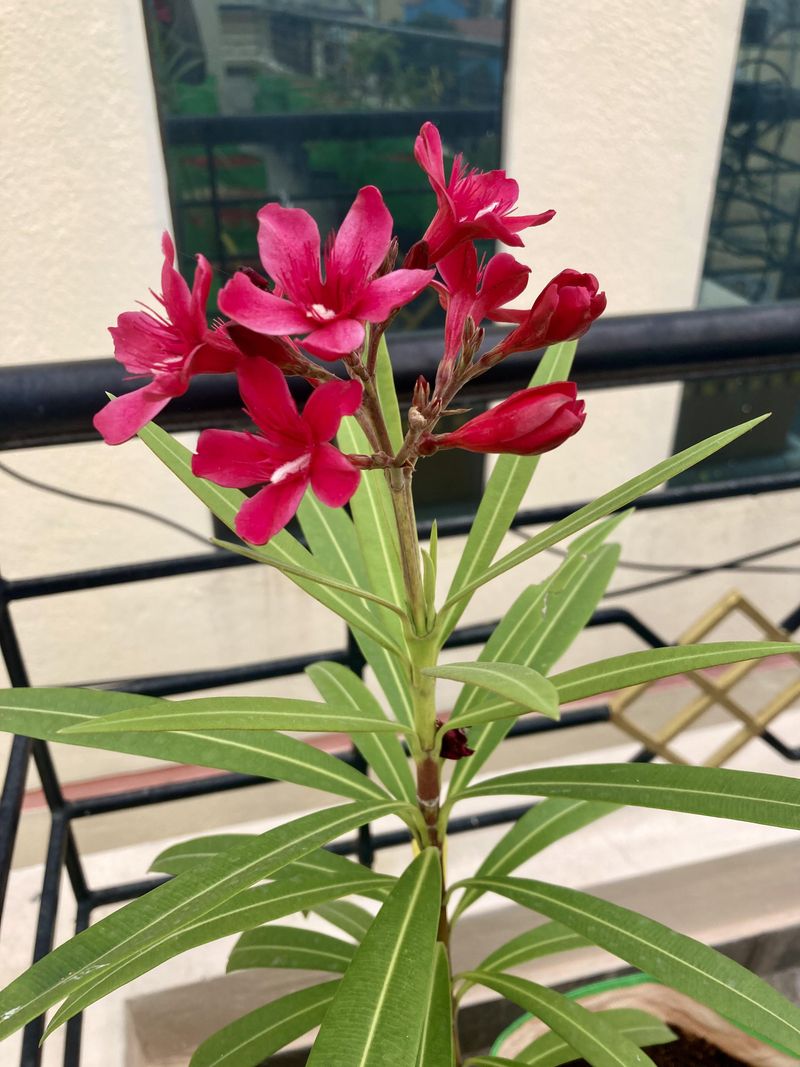
More fertilizer does not mean more flowers. It is one of the most common misconceptions in gardening, and oleanders in Arizona are a perfect example of why.
Push too much nitrogen into the soil and the plant responds by pumping out leaves instead of blooms, leaving you with a big green shrub that barely flowers all season.
Oleanders are not heavy feeders. In Arizona’s desert soils, a single application of a balanced slow-release fertilizer in early spring is usually all they need for the entire growing season.
Applying fertilizer multiple times throughout the year, especially products high in nitrogen, throws the plant’s energy into vegetative growth rather than flowering.
Watch for signs of over-fertilization, which include unusually dark green leaves, lots of soft new growth that looks floppy, and a noticeable drop in flower production.
If your oleander is putting out plenty of leaves but very few blooms, skip fertilizing entirely for the rest of the season and reassess in the following spring.
Compost worked into the soil around the base of the plant is a gentler alternative that improves soil structure without flooding roots with concentrated nutrients.
It releases slowly and supports overall plant health without triggering the kind of excessive growth that heavy synthetic fertilizers can cause.
Arizona gardeners living in areas with naturally nutrient-rich soil may not need to fertilize oleanders at all. A simple soil test every few years can tell you exactly what your soil lacks so you are not adding nutrients the plant already has plenty of.
7. Planting In Heavy Shade Reduces Bloom Production
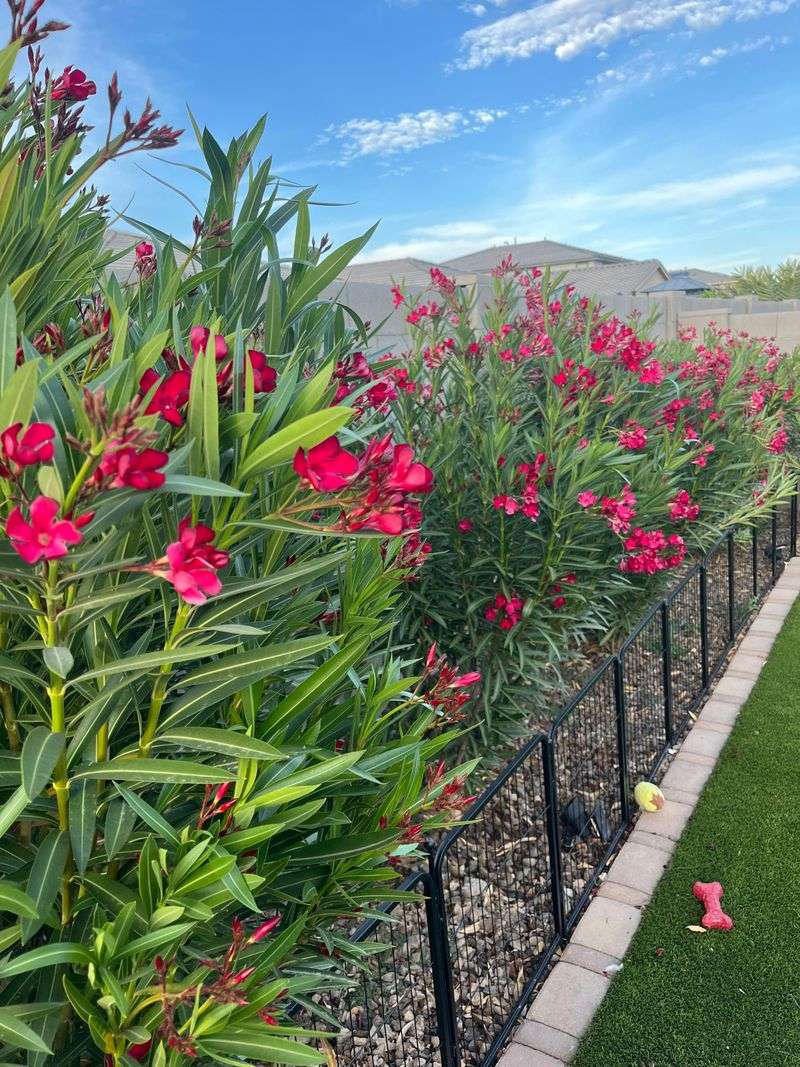
Sunlight is non-negotiable for oleanders. Put one in a shady corner of your Arizona yard and you will get a scraggly, stretched-out shrub with thin stems and barely any flowers.
Oleanders evolved in sun-drenched environments and genuinely need full sun to perform the way most gardeners expect them to.
Full sun means at least six to eight hours of direct sunlight per day. South and west-facing exposures in Arizona work especially well and align perfectly with how oleanders naturally grow.
Spots that get blocked by walls, large trees, or structures for most of the day are not suitable, even if they receive a couple of hours of morning light.
Shade-grown oleanders tend to stretch toward whatever light is available, which results in long, leggy branches that flop over and look unkempt. Bloom production drops significantly because flowers are triggered in part by light exposure.
Less sun equals fewer buds, and the ones that do form may not open fully.
If you have an existing oleander that is being shaded out by a tree that has grown larger over the years, it is worth considering whether to remove some of the competing canopy or transplant the oleander to a sunnier spot.
Transplanting is easiest in fall when temperatures in Arizona cool down enough to reduce stress on the plant.
Choosing the right location before planting saves a lot of frustration. Walk your yard at different times of day to track where full sun hits consistently, and plant oleanders in those spots for the best results season after season.