When To Cut Back Ornamental Grasses In Ohio (And How Short To Go)
By late winter, ornamental grasses across Ohio start to look rough. Tall plumes fade, stems lean in every direction, and clumps that looked beautiful in December suddenly feel messy and tired.
Many gardeners reach for the pruners right away. That quick cleanup can cause problems.
Cut ornamental grasses too early and the crown loses protection during late cold snaps. Wait too long and fresh green shoots push up through the old stems, which makes trimming difficult and can damage new growth.
The timing window in Ohio is actually simple once you know what to look for. A well-timed cutback helps grasses rebound fast and send up strong new growth as spring warms the landscape.
1. March Is The Perfect Time To Cut Back Ornamental Grasses In Ohio
Something about a mild March afternoon just makes Ohio gardeners want to get outside and tackle garden cleanup. After months of cold, grey weather, the urge to grab a pair of shears and freshen up the landscape is completely understandable.
For ornamental grasses, that instinct is right on schedule.
March is widely considered the sweet spot for cutting back ornamental grasses across most of Ohio. Horticulture guidance from Ohio State University Extension points to late February through mid-March as the ideal window, depending on where in the state you garden.
Northern Ohio gardeners may push closer to late March, while those in southern Ohio often start earlier in the month.
The reason March works so well comes down to timing. Winter has done its job protecting the plant crown, and warmer days are starting to signal that new growth is not far off.
Cutting grasses now means you get ahead of those fresh spring shoots without leaving plants exposed to harsh cold for too long.
Waiting until April can sometimes mean new green growth is already several inches tall, making it harder to cut cleanly without nicking tender shoots. Getting outside in March gives Ohio gardeners a clean slate heading into the growing season.
2. Leave Ornamental Grasses Standing Until Late Winter
All winter long, those tall clumps of ornamental grass serve a purpose that goes way beyond just looking pretty. Leaving grasses standing through fall and winter is actually a smart and intentional gardening choice that most experienced Ohio gardeners swear by.
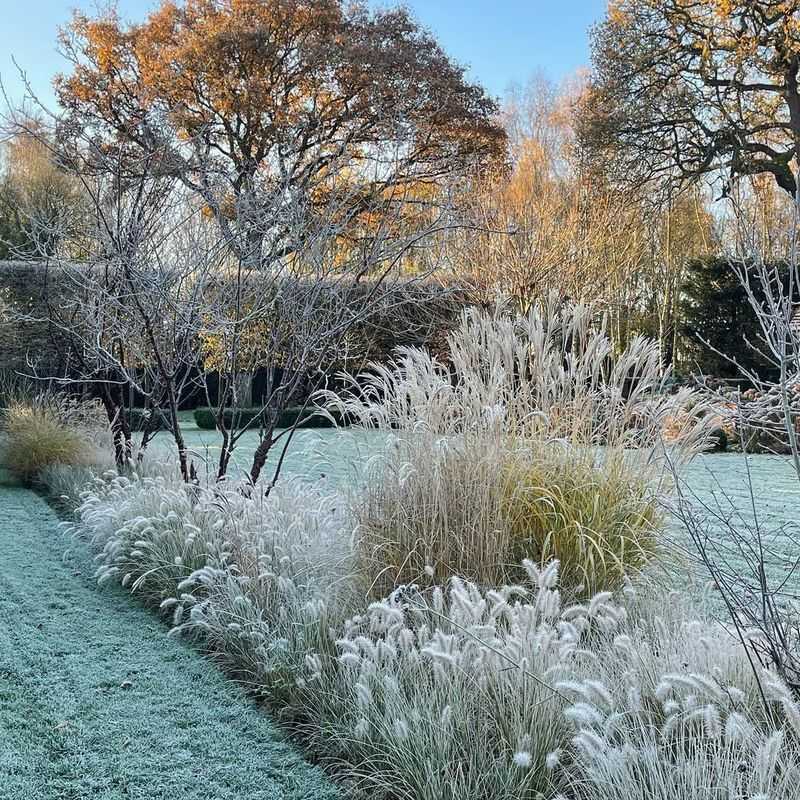
First, the dried stalks and seed heads provide genuine winter interest in the landscape. When everything else has faded or been cut down, ornamental grasses catch morning frost, sway gently in winter wind, and attract birds searching for seeds during cold months.
Many Ohio homeowners specifically choose grasses for that reason.
Beyond beauty, standing grasses offer real protection to the plant itself. The dried foliage acts as natural insulation around the crown of the plant, which is the critical growing point just at or below soil level.
Ohio winters can swing wildly between mild stretches and sudden hard freezes, and that layer of old growth helps buffer the crown from the worst of it.
Cutting grasses in fall removes that protective layer too early and leaves the crown more exposed during cold snaps. Waiting until late winter means the plant gets full winter protection before cleanup begins.
Your Ohio Garden Changes Every Week. Your Plan Should Too.
Gardening in Ohio changes quickly throughout the season. Every Friday you’ll receive a simple weekly plan showing exactly what to plant, prune, fertilize, harvest, and protect so you never miss the right timing.
Patience through the cold months pays off with stronger, healthier growth when spring finally arrives in Ohio.
3. Cut Back Grasses Before New Spring Growth Starts
Timing the cut right is one of the most important parts of ornamental grass care in Ohio. The goal is simple: trim the old growth before the new shoots get tall enough to be in the way.
Once fresh spring growth starts pushing up several inches, cutting becomes a much trickier job.
New ornamental grass shoots are tender and easy to damage. If you wait too long and the green growth is already several inches tall, running shears or loppers through the clump risks slicing right through those fresh new blades.
Damaged new growth can slow the plant down as it works to recover, rather than putting energy into filling out for the season.
Early cutting, before significant new growth appears, allows the plant to put all of its spring energy into producing fresh, healthy blades from a clean base. Ohio State University Extension gardening guidance consistently recommends completing ornamental grass trimming before new growth becomes substantial.
Most years in Ohio, that window falls between late February and early April, depending on the season and your location in the state. A late winter warm spell might push things earlier, while a cold, slow spring could give you a bit more time.
Watching the plant closely is always the best guide for Ohio gardeners.
4. Look For Fresh Green Shoots Before Trimming
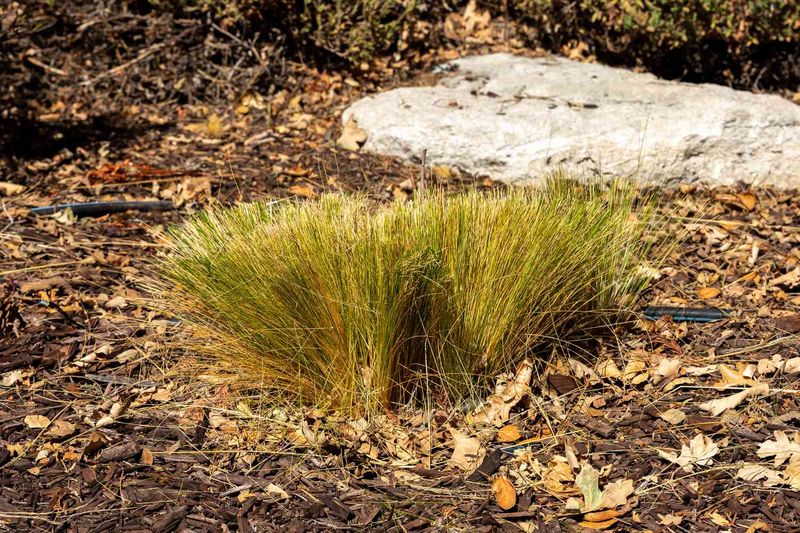
Before reaching for the shears, spend a minute checking the base of each grass clump. This quick inspection tells you exactly where things stand and helps you avoid trimming at the wrong time or, worse, nicking new growth that has already started pushing up.
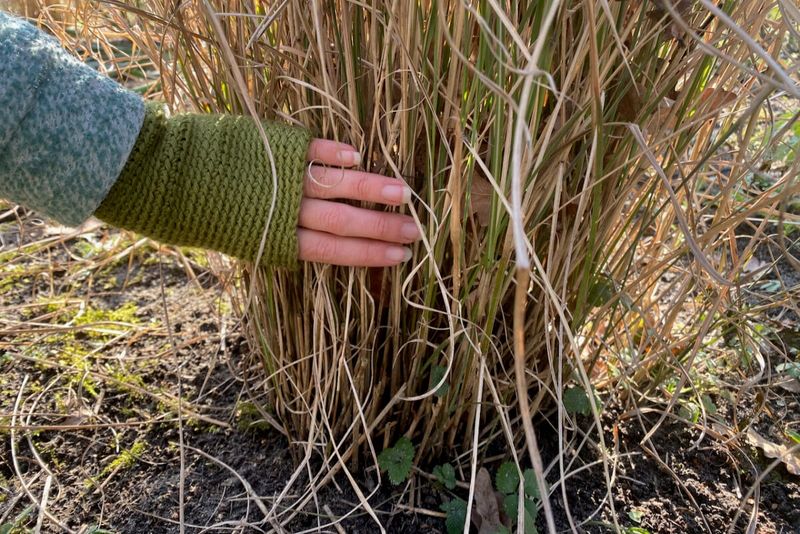
Gently part the dried outer stalks and look down toward the soil line. In late winter and early spring, tiny green shoots often start appearing at the very base of the clump before they are visible from a standing position.
Those small green tips are your signal that the plant is waking up and that trimming should happen soon if it has not already.
If you check and find no green growth at all, the plant is still fully dormant and you have a bit more time. But do not wait too long after spotting those first green tips.
In Ohio, spring can shift quickly from cold and slow to warm and fast, and grasses can put on several inches of new growth in just a week or two once temperatures climb.
Making this quick check across all your grass plantings is a habit worth building into your late-winter garden routine. Ohio gardeners who do this consistently find it much easier to time their cuts well and avoid accidentally setting their plants back for the season ahead.
5. Trim Most Ornamental Grasses Down To Six To Twelve Inches
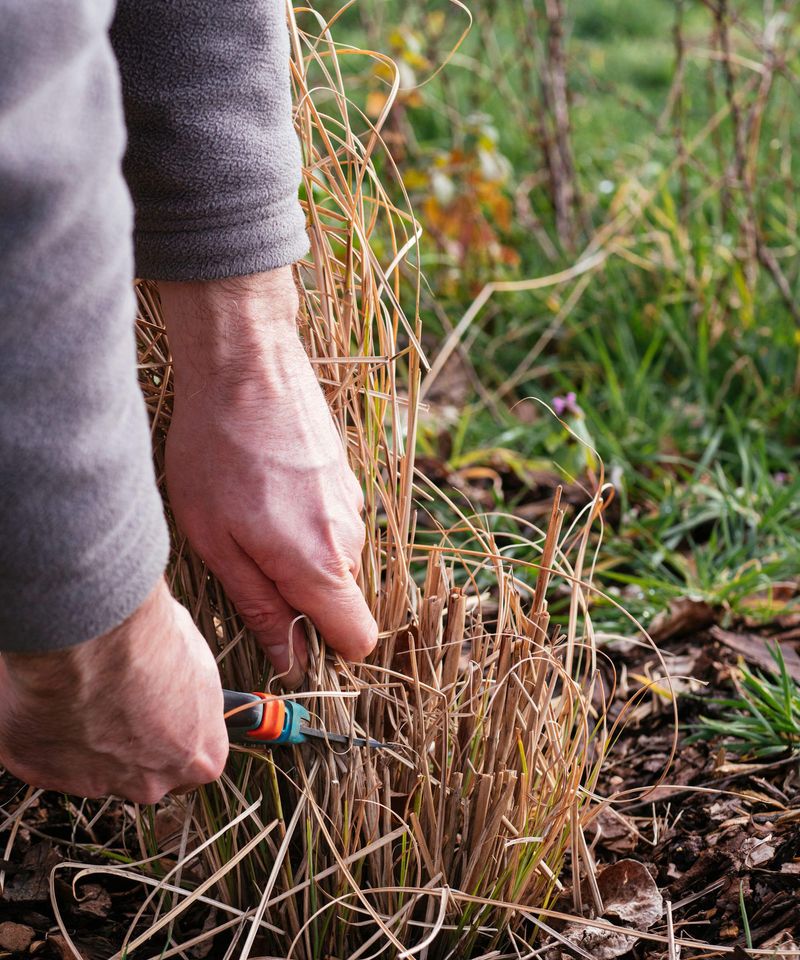
One of the most common questions Ohio gardeners ask every spring is how short to actually cut their ornamental grasses. The answer depends slightly on the type of grass, but a reliable general guideline is to trim most ornamental grasses down to between six and twelve inches above the ground.
Leaving that short section of old growth above the soil serves an important purpose. It protects the crown of the plant, which is the central growing point, from late cold snaps that can still hit Ohio well into March and sometimes April.
Cutting all the way to the ground removes that buffer entirely and can stress the plant during an unexpected freeze.
For tall warm-season grasses like miscanthus, which can reach six feet or more, cutting back to about six to eight inches is typical. Shorter varieties and cool-season grasses like feather reed grass can often be trimmed back by about two-thirds of their overall height, leaving the lower third intact.
Sharp cuts at a consistent height across the whole clump give the plant a tidy, uniform look as it grows back in. Ohio gardeners who follow this height guideline consistently report strong, full regrowth by early summer, with healthy clumps that look great all season long without any extra fuss.
6. Bundle Tall Grasses First To Make Cutting Easier
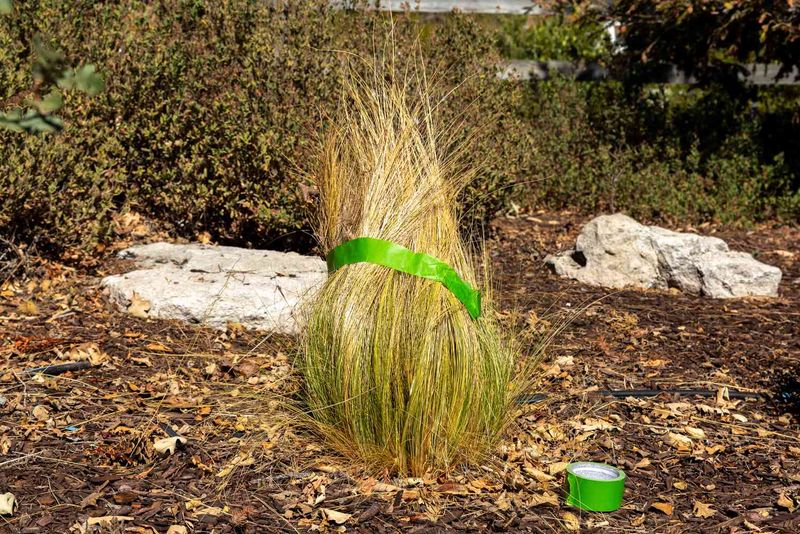
Anyone who has tried to cut back a large clump of ornamental grass without any preparation knows exactly how chaotic it can get. Stalks fall in every direction, loose material scatters across the lawn and beds, and the whole job takes twice as long as it should.
There is a simple trick that changes everything.
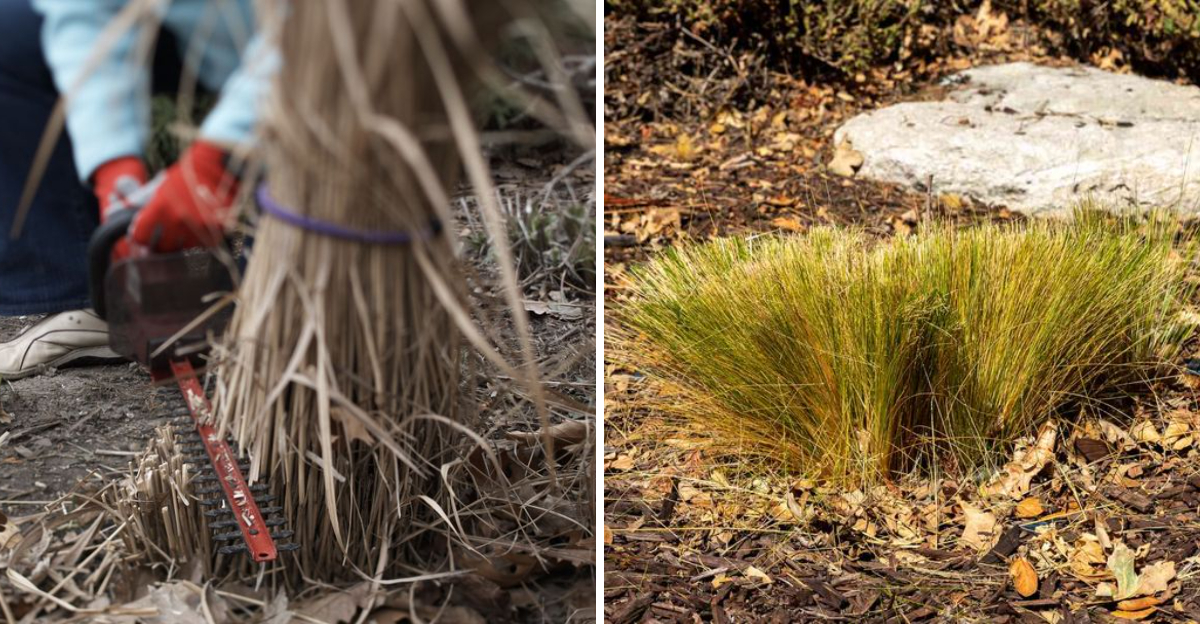
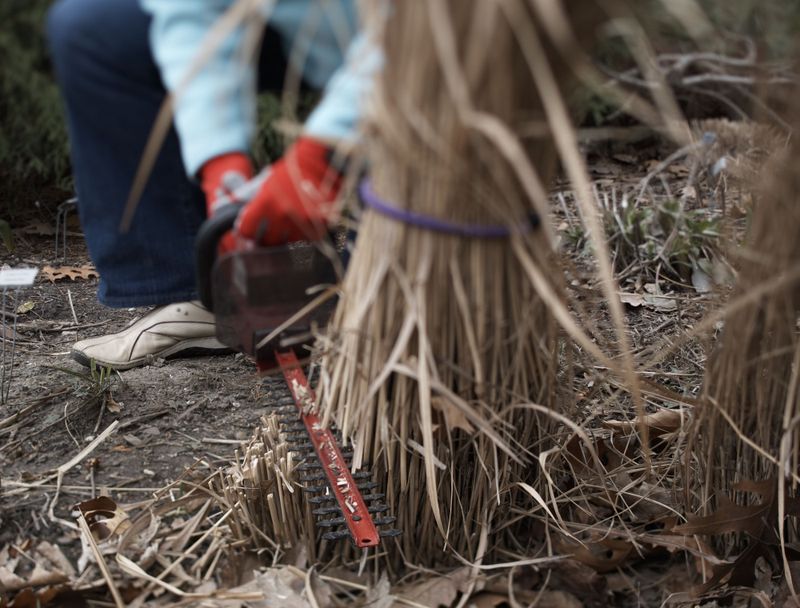
Before making a single cut, use bungee cords, twine, or a bungee strap to bundle the grass clump together into a single upright column. Wrap the bundle snugly about two-thirds of the way up the clump, pulling all those loose stalks together into one manageable bundle.
This approach is especially helpful with large ornamental grasses like miscanthus or pampas grass, which can have clumps several feet wide.
Once the grass is bundled, cutting becomes much faster and cleaner. You can work your shears or saw around the base of the bundle at your target height without stalks flopping everywhere.
When the cut is done, the entire bundle lifts away as one piece, making cleanup dramatically easier.
Ohio gardeners with large grass plantings or multiple clumps to trim find this method saves real time and effort. Tossing the bundled clippings directly into a garden cart or yard waste bag keeps the work area tidy and speeds up the whole spring cleanup process considerably.
7. Use Sharp Shears For Faster And Cleaner Cuts
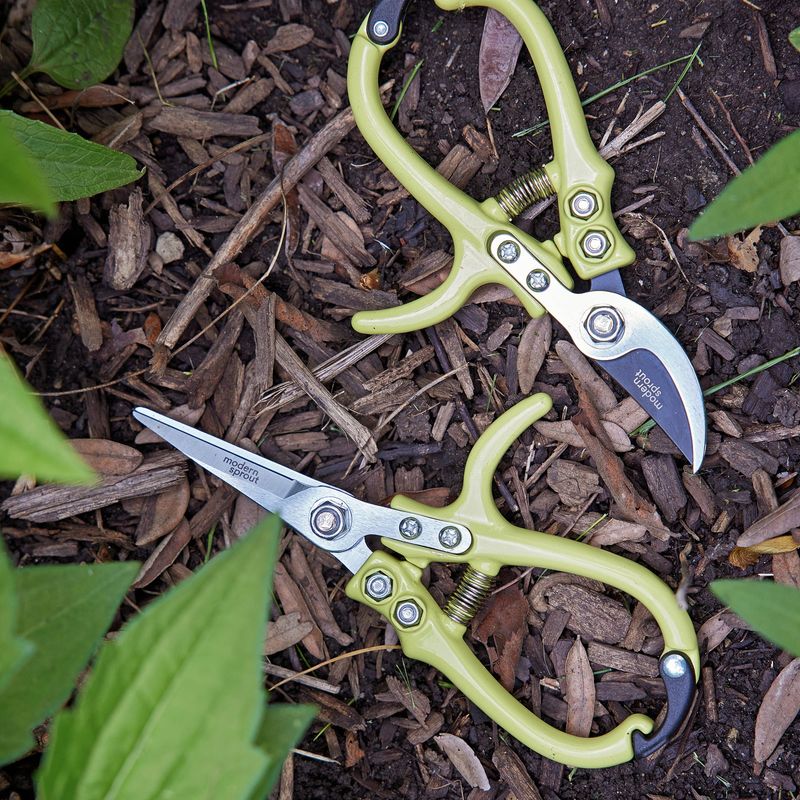
Dull tools make ornamental grass trimming one of the most frustrating jobs in the spring garden. Blunt shears crush and tear through tough grass stalks rather than slicing cleanly, which slows you down and leaves ragged cuts that can invite problems for the plant as it recovers and pushes out new growth.
Sharp hedge shears are the go-to tool for most Ohio gardeners trimming small to medium ornamental grass clumps. For larger, thicker clumps of big grasses like miscanthus, a pruning saw, reciprocating saw, or even a chainsaw works much more efficiently.
Electric or battery-powered hedge trimmers are another popular option that speeds up the job considerably on larger plantings.
Whatever tool you choose, sharpness matters. A sharp blade slices through grass cleanly and quickly, reducing the effort needed and leaving a neater cut surface.
Clean cuts heal faster and allow the plant to redirect energy into producing new growth rather than repairing torn tissue.
Always wear thick gloves and long sleeves when trimming ornamental grasses. Grass blades have fine serrated edges that can cause surprisingly sharp cuts on bare skin.
Ohio gardeners who gear up properly before starting find the job goes smoothly from start to finish, with no unexpected scratches slowing things down mid-task.
8. Divide Overgrown Ornamental Grasses After Cutting Them Back
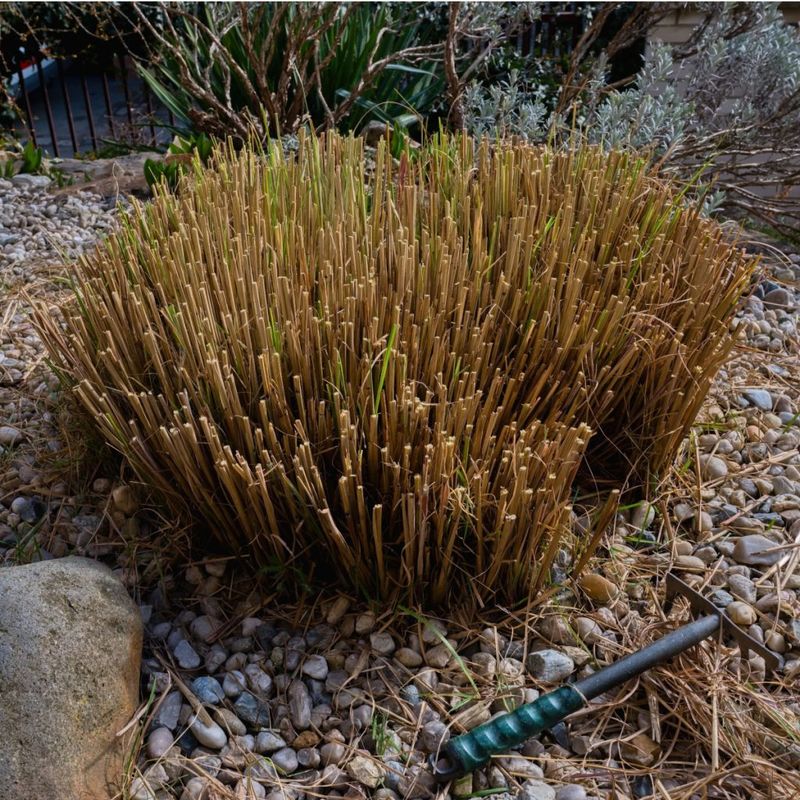
Early spring is not just the right time to trim ornamental grasses. For clumps that have grown large, congested, or started looking hollow in the center, it is also the perfect moment to divide them and breathe new life into the planting.
Many ornamental grasses develop a withered or thinning center over several years as the clump expands outward. Dividing the plant refreshes it completely, producing smaller, vigorous sections that fill back in strongly during the growing season.
Ohio gardeners often use divisions to expand their plantings into new garden areas without spending money on additional plants.
To divide an ornamental grass, start by cutting it back to your target height first. Then use a sharp spade, garden fork, or even a pruning saw to slice through the root mass and separate it into sections.
Each division should have healthy roots and several growing points. Replant divisions promptly, water them in well, and keep them consistently moist until they establish.
Large ornamental grasses like miscanthus can develop very dense, woody root masses that require serious effort to divide. Some Ohio gardeners use two garden forks placed back to back to pry the clump apart.
Tackling this job in early spring, while temperatures are still cool and the plant is just waking up, gives each division the best possible chance to settle in and thrive through the season.