9 Perennials Oregon Gardeners Should Cut Back In March
If you’ve gardened in Oregon, you know March can feel like a mix of winter and spring. Days get longer, the soil slowly warms, and your perennials start waking up.
Some plants need careful pruning to encourage strong growth, while others do better left alone a little longer.
Cutting back perennials at the right time sets them up for healthy stems, more blooms, and a cleaner garden bed. Mistiming this step can reduce flowering or damage new growth.
There’s a simple, reliable approach to handling your Oregon perennials this month, separating the ones that need trimming from those that can wait.
Following it keeps your garden tidy and gives your plants a strong start into spring.
1. Ornamental Grasses With Their Swaying Summer Drama
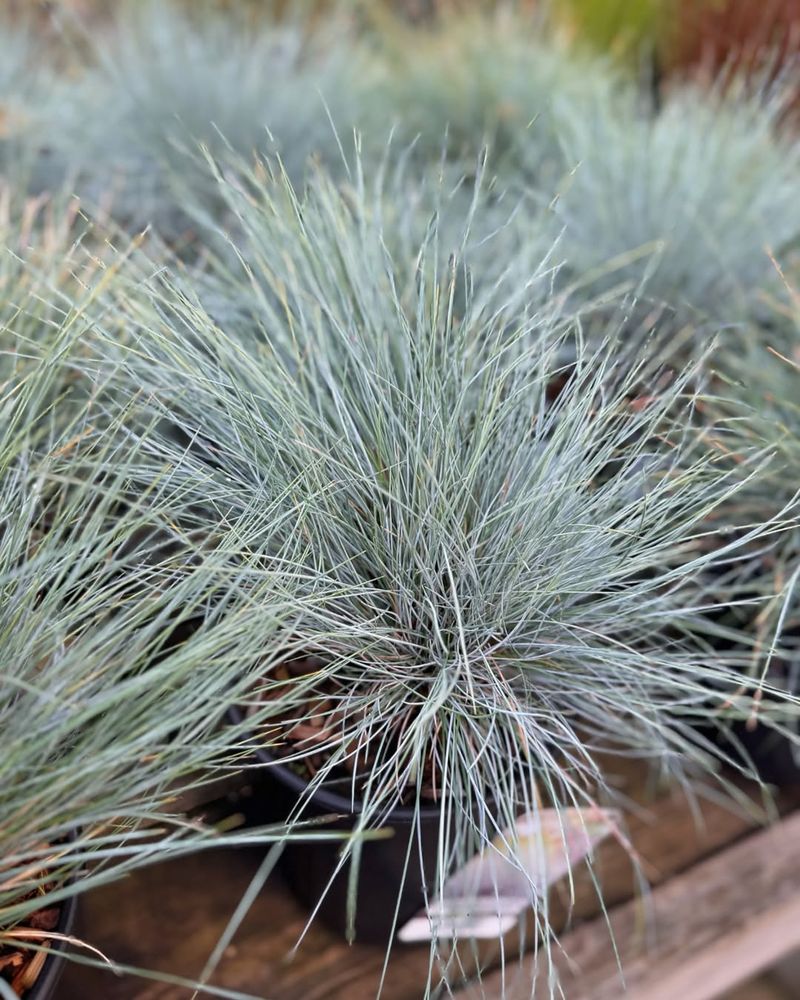
Few plants make as bold a statement in an Oregon garden as ornamental grasses. Their tall, feathery plumes add movement and texture through fall and winter, but by the time March rolls around, those same beautiful blades have turned brown, brittle, and messy.
That is your signal to grab your pruning shears.
For deciduous ornamental grasses, cut the entire clump back to about four to six inches above the ground. This might feel dramatic, but do not worry.
The plant is not harmed at all. In fact, cutting back old growth allows sunlight and air to reach the base, which is exactly what the plant needs to push out fresh, green new blades.
Oregon gardeners should be careful not to cut back evergreen grass varieties the same way, since those types only need a light trim to remove dead tips. If you are unsure which type you have, check with your local Oregon State University Extension office for guidance specific to your region.
Use a strong pair of hedge shears or even a reciprocating saw for very large clumps. Tie the grass into a bundle before cutting to make cleanup easier.
Dispose of the cut material in your compost or yard waste bin. Within just a few weeks, you will see bright new growth shooting up from the base, and your ornamental grasses will look better than ever.
2. Black‑Eyed Susan Showing Off Its Sunny Personality
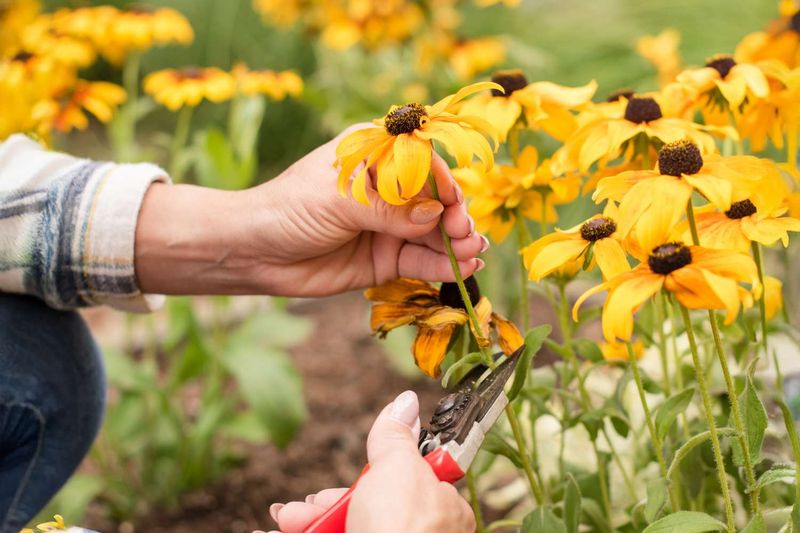
One of those cheerful, golden-yellow wildflowers that seems to bloom without much fuss is Black‑Eyed Susan, which is exactly why Oregon gardeners love it so much. By March, though, the stems from last season are dried out, hollow, and standing like little brown sticks in the garden bed.
A good cutback now can help the plant focus energy on producing healthy new stems and flowers during summer.
Trim old stems down to about two to three inches above the soil line. This height is important because it protects the crown of the plant while still allowing air to circulate freely around the base.
Better airflow means less chance of fungal disease, which can be a real problem in Oregon’s wet spring climate.
Black-Eyed Susan, known botanically as Rudbeckia fulgida, is a tough and reliable perennial that comes back year after year with very little encouragement. Cutting it back in March simply helps it focus its energy on producing strong new stems and an even better flower display.
Your Oregon Garden Changes Every Week. Your Plan Should Too.
Gardening in Oregon changes quickly throughout the season. Every Friday you’ll receive a simple weekly plan showing exactly what to plant, prune, fertilize, harvest, and protect so you never miss the right timing.
You might also notice small rosettes of fresh green leaves already forming at the base, which is a great sign that the plant is ready to grow.
After cutting, clear away any debris from around the plant. Old leaves and stems can harbor pests and disease spores over winter.
A light layer of compost around the base after pruning gives Black-Eyed Susan an extra nutritional boost heading into the growing season.
3. Shasta Daisy With Its Crisp, Cheerful Blooms
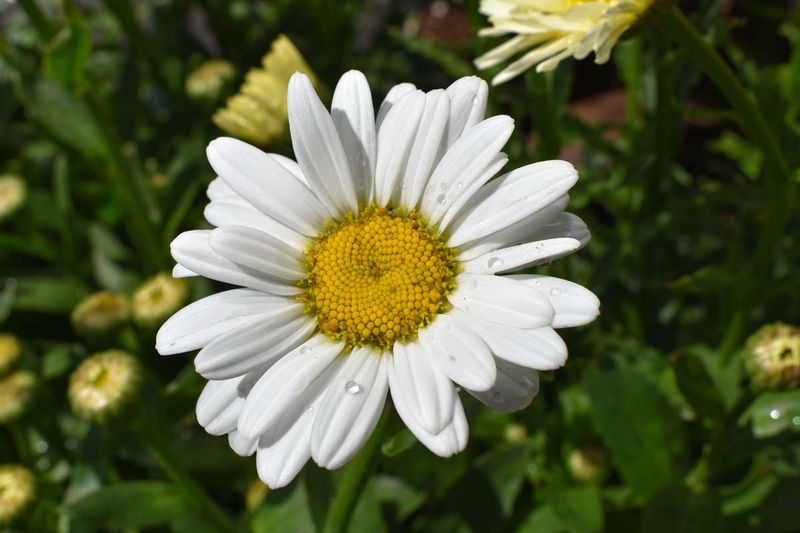
A staple in Oregon gardens, loved for their bright white petals and cheerful yellow centers, is the Shasta Daisy. After a long, rainy winter, though, the foliage can look pretty rough.
Soggy, matted leaves clinging to the crown of the plant are not just unsightly. They can actually cause crown rot if left in place too long.
In March, trim dead and damaged foliage back to just above the crown, which is the point where the stems meet the soil. Be careful not to cut into the crown itself, since that is where all the new growth originates.
The goal is to tidy up the plant and let fresh air and light reach the center.
Shasta Daisy, or Leucanthemum superbum, tends to form tight clumps over time. If your plant has been in the ground for three or four years, March is also a great time to divide it.
Dig up the clump, split it into smaller sections, and replant them with a bit of space between each one. This keeps the plant vigorous and prevents the center from becoming woody and unproductive.
Oregon’s mild early spring temperatures make March an ideal window for this kind of work. After pruning, add a thin layer of compost around the base to give the plant a nutritional head start.
You will be rewarded with strong, upright stems and loads of beautiful white blooms from early summer onward.
4. Hybrid Tea Roses Commanding Classic Garden Elegance
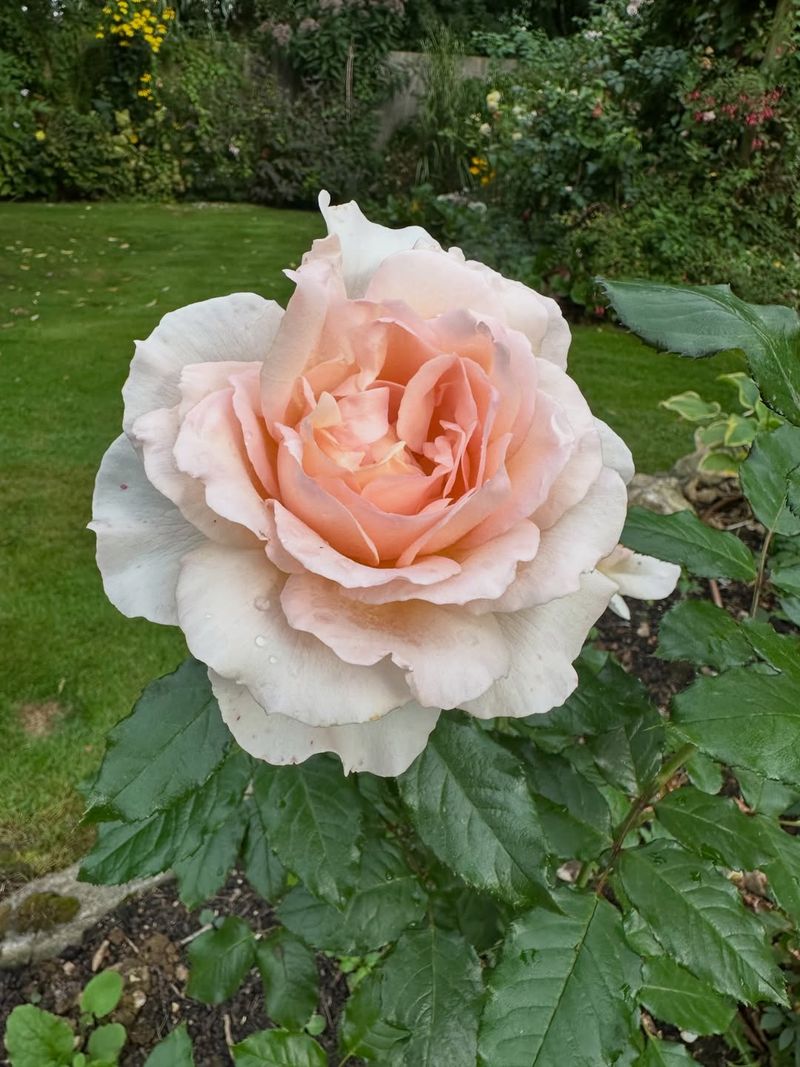
The elegant roses you see at flower shops, with their long stems and perfectly formed blooms, are Hybrid Tea Roses, the classic favorites of gardeners everywhere. Growing them successfully in Oregon requires a bit of attention in March, and that means a proper pruning session before new growth gets too far along.
Start by removing any canes that are clearly damaged, discolored, or crossing through the center of the plant. The goal is to create an open, vase-like shape that allows air to flow freely through the bush.
Good airflow is especially important in Oregon, where damp spring weather can encourage fungal diseases like black spot and powdery mildew.
Cut each remaining cane at a 45-degree angle, about a quarter inch above an outward-facing bud. This angle helps water run off the cut rather than pooling on top, which reduces the risk of rot.
Aim to leave three to five strong, healthy canes on each plant after pruning is complete.
Did you know that Hybrid Tea Roses were first developed in the 1860s by crossing Hybrid Perpetual roses with Tea roses? They have been a garden favorite ever since, and Oregon’s mild, moist climate actually suits them quite well.
After pruning, clean up all fallen leaves and debris from around the base of the plant. Finish with a generous application of rose-specific fertilizer to kick off the growing season on a strong note.
5. Shrub Roses And Their Overflowing Charm
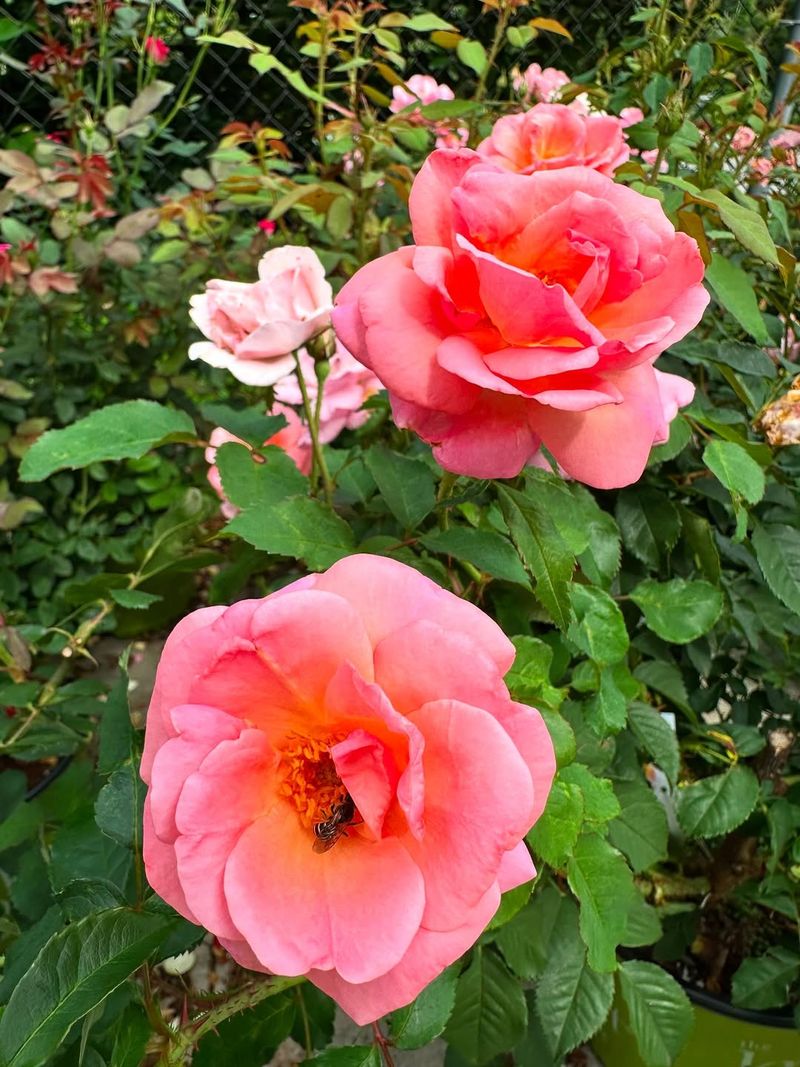
Known for being easier to grow, shrub roses are the relaxed cousins of the more finicky Hybrid Tea. They are tough, disease-resistant, and tend to bloom abundantly with minimal fuss.
Still, giving them a solid pruning in March helps keep them looking their best and encourages a fresh flush of growth heading into spring.
Unlike Hybrid Teas, shrub roses do not need to be cut back as severely. A general rule of thumb is to remove about one-third of the overall height and spread of the plant.
Focus on clearing out dead, damaged, or very old canes first, since those woody stems no longer produce quality blooms. Removing them directs the plant’s energy toward younger, more productive growth.
Oregon gardeners who grow landscape or ground-cover shrub roses should also look for any canes that are rubbing against each other. Constant friction creates wounds that invite disease, so removing crossing canes is always a smart move.
Shape the plant lightly after thinning to create a balanced, rounded form.
One fun fact about shrub roses is that many modern varieties were bred specifically to handle wet climates, making them an especially smart choice for Oregon’s rainy regions. After pruning, wipe your shears with a cloth dampened with rubbing alcohol to prevent spreading any disease between plants.
A layer of mulch around the base after pruning helps retain moisture and keeps weeds from taking hold as the season picks up.
6. Dianthus With Their Sweet Fragrant Appeal
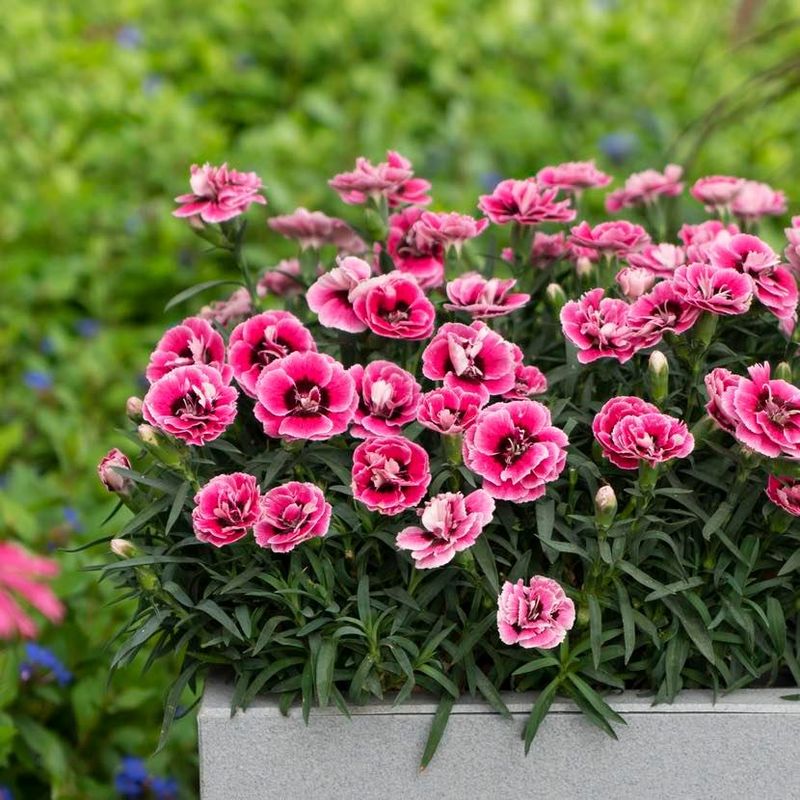
Sometimes called pinks or carnations, dianthus brings a spicy, clove-like fragrance and vivid color to Oregon gardens. These compact little perennials form low mats of blue-green foliage, and they can look a bit shaggy by the end of winter.
A light trim in March goes a long way toward keeping them tidy and productive.
Cut back any old flower stems that were left from last season, and trim the foliage mat back by about one-third. Avoid cutting into the woody base of the plant, since Dianthus does not regenerate well from old wood.
Focus instead on the softer, newer growth, shaping the plant into a neat mound that allows light to reach all parts of the foliage.
Good drainage is very important for Dianthus, especially in western Oregon where winter rainfall can be heavy. If your plants are sitting in soggy soil, consider adding some coarse grit or compost around the base to improve drainage and aeration.
Raised beds or rock gardens are often the best spots for Dianthus in wetter parts of the state.
Dianthus has been cultivated in gardens for more than 2,000 years, and it was a favorite of ancient Greek botanists who named it after the gods. With that kind of history, it deserves a little extra care each spring.
After trimming, give your plants a light feeding with a balanced fertilizer to encourage a full, fragrant bloom display from late spring through early summer.
7. Butterfly Weed Dominating Pollinator Pathways
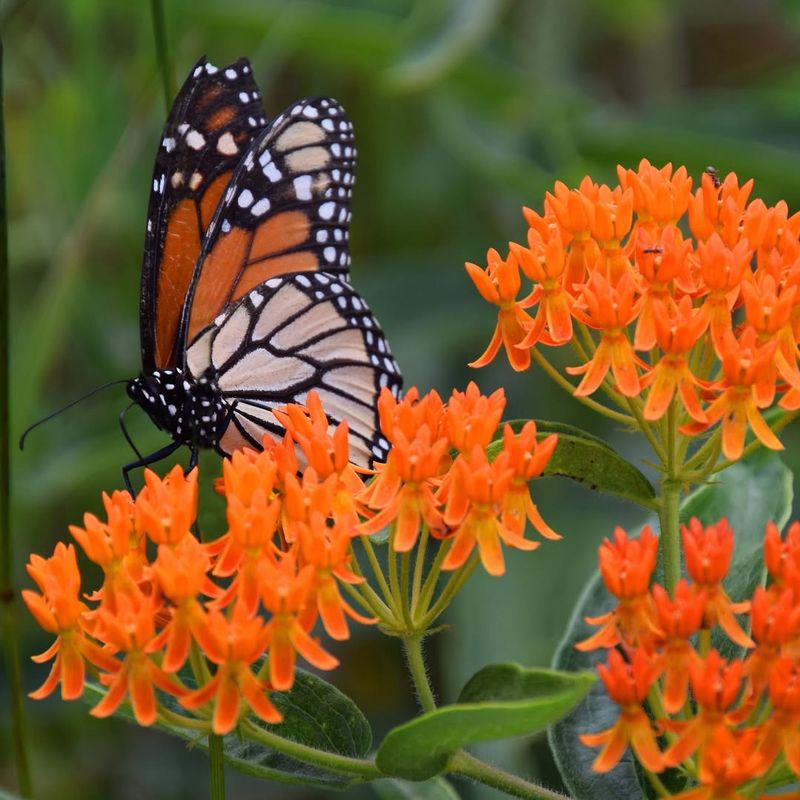
These bright orange flowers are irresistible to monarch butterflies, native bees, and dozens of other beneficial insects. But here is something that surprises many gardeners: Butterfly Weed is one of the last perennials to show new growth in spring, so patience is key.
In March, carefully remove some of last year’s dried stems, leaving enough to avoid damaging emerging growth. Because the plant is so slow to re-emerge, it is easy to accidentally damage the new growth if you are not paying attention.
Mark the location of your Butterfly Weed with a small stake or garden label so you know exactly where it is before you start digging or planting nearby.
Oregon gardeners in drier eastern parts of the state will find Butterfly Weed especially well-suited to their conditions, since it thrives in well-drained, even sandy soils. In wetter western Oregon, make sure it is planted in a spot that does not stay waterlogged through the rainy season.
Root rot is the main challenge for this plant in the Pacific Northwest.
After cutting back the old stems, resist the urge to add heavy mulch over the crown. Butterfly Weed prefers a bit of open soil around its base.
Once those first signs of new growth appear, usually a small cluster of bright green leaves, you will know your plant has made it through another Oregon winter just fine.
8. Sedum With Its Bold, Drought‑Defying Beauty
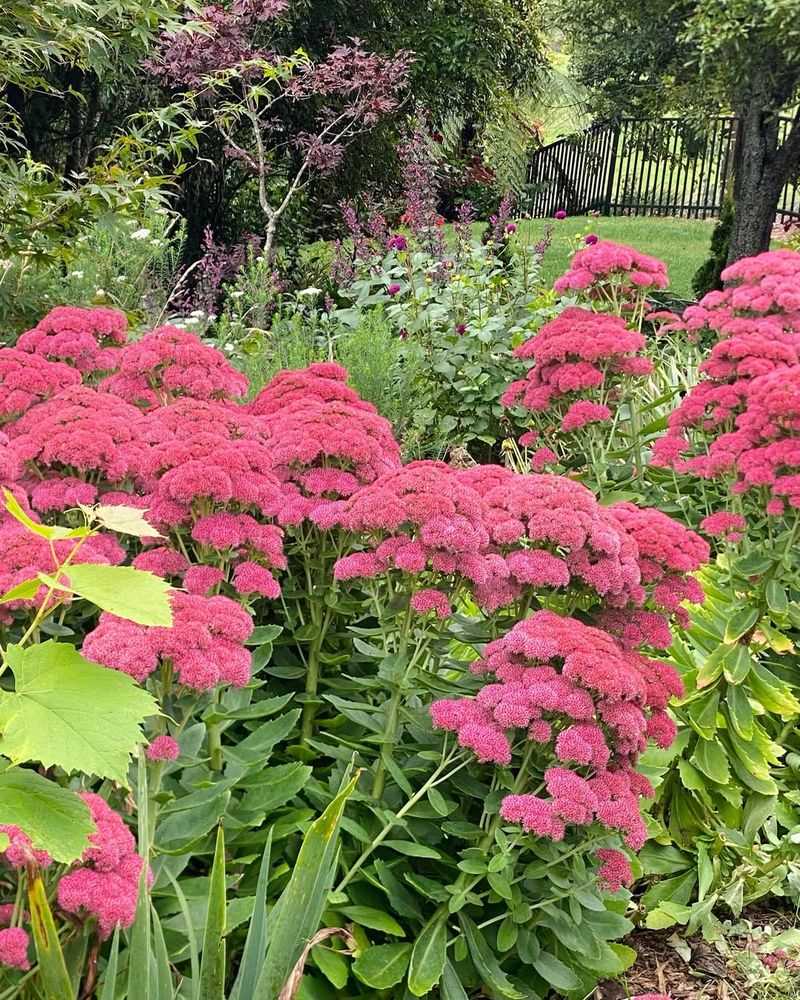
Among the easiest perennials to grow in Oregon with minimal care is sedum. Its thick, succulent-like stems and late-season blooms make it a standout in any garden bed, and the dried flower heads actually look beautiful through fall and into winter.
By March, though, it is time to clean things up.
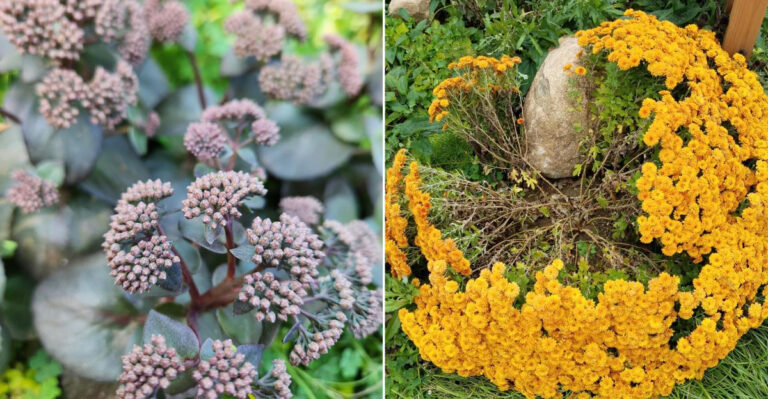
Cut back the old woody stems from last year to just above where you can see new growth beginning at the base. If you look closely, you will likely spot tiny, tightly packed rosettes of fresh green leaves already forming.
Those are your cue that the plant is ready to take off. Remove the old stems cleanly without disturbing those new rosettes.
Taller Sedum varieties, sometimes called Hylotelephium in more recent botanical classifications, can get floppy in the middle of summer if they are not divided regularly. March is actually a great time to divide overcrowded clumps.
Dig up the whole plant, split it into sections with a sharp spade, and replant each division with a bit of space around it. This keeps the plant upright and full rather than sprawling and sparse.
Oregon’s variable spring weather is generally kind to Sedum, since it tolerates both wet and dry conditions reasonably well. After pruning, add a light top-dressing of compost to give the plant a nutritional boost.
You will be rewarded with bold, rosy flower clusters from late summer all the way through the first frosts of autumn.
9. Coneflower Bringing Color And Wildlife Buzz
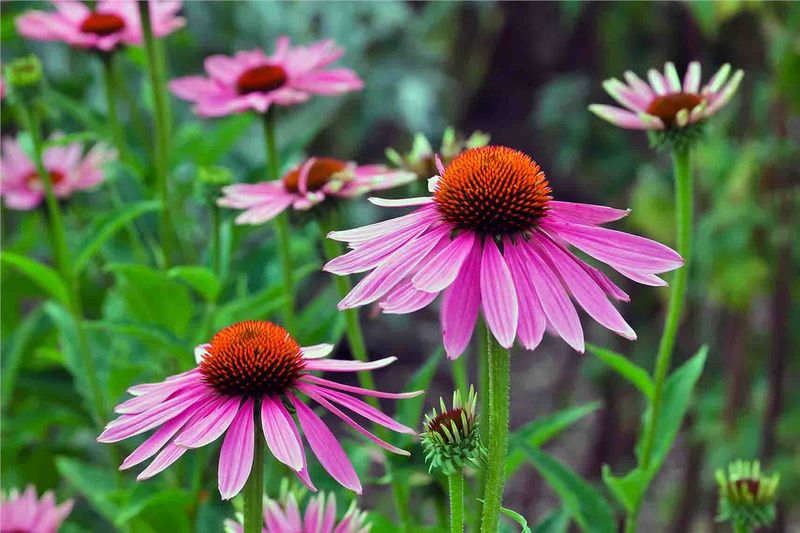
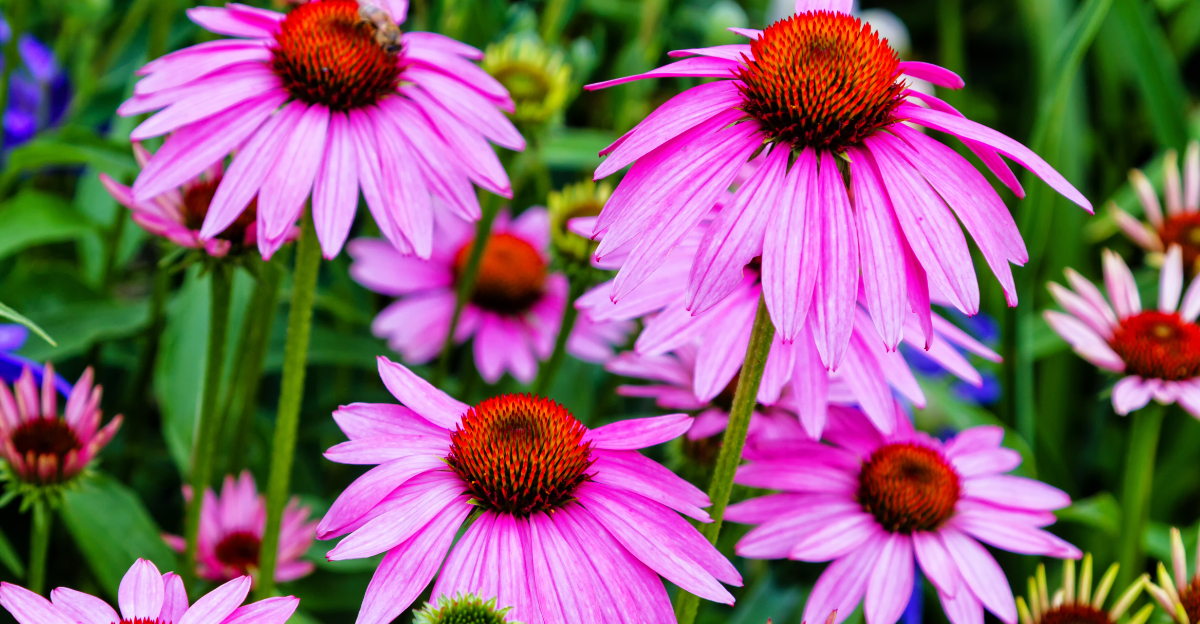
One of the most beloved perennials in Oregon gardens is the coneflower, or Echinacea purpurea. Its bold purple-pink petals and spiky orange-brown centers are practically a summer garden symbol, and the seed heads that remain after flowering are a favorite food source for goldfinches and other birds through fall and winter.
But once March arrives, those same seed heads have been picked clean, and it is time to cut back the old growth.
Remove last year’s stems all the way down to the base of the plant, cutting as close to the ground as possible without disturbing any new rosettes forming at the crown. Clearing away old plant material reduces the risk of fungal disease and also prevents excessive self-seeding, which can lead to crowded, weaker plants over time.
Coneflower spreads gradually through both seeds and root division, so if your clump has been growing in the same spot for four or five years, consider dividing it in March while the plant is still dormant. Dig up the clump, separate the individual crowns, and replant them with about eighteen inches of space between each one.
This simple step can help improve bloom quality by reducing crowding and supporting healthy growth.
Across Oregon, from the Willamette Valley to the southern coast, Coneflower performs reliably in a wide range of conditions. It tolerates drought once established and handles Oregon’s wet springs without complaint.
After cutting back, a modest application of balanced fertilizer and a fresh layer of mulch will send your Coneflowers into the new season ready to put on a spectacular show.