Michigan Gardens Will Love This Flower That Attracts Bees, Hummingbirds, And Butterflies
There’s a certain thrill in spotting the first hummingbird of spring hovering near your garden, or noticing bees busily working the blooms.
If you garden in Michigan, you know how exciting it is to see pollinators flock to your yard. One flower, in particular, has been quietly stealing the spotlight.
Its height and vibrant blooms are irresistible to hummingbirds, bees, and butterflies alike, and it seems to thrive even in unpredictable Michigan weather.
This isn’t just another ornamental choice – it’s a plant that transforms a garden into a lively, buzzing space. Soon, you’ll want to know exactly which flower is turning heads and filling skies with wings.
1. Bluestars: The Tall Flower Bringing Pollinators To Michigan Gardens
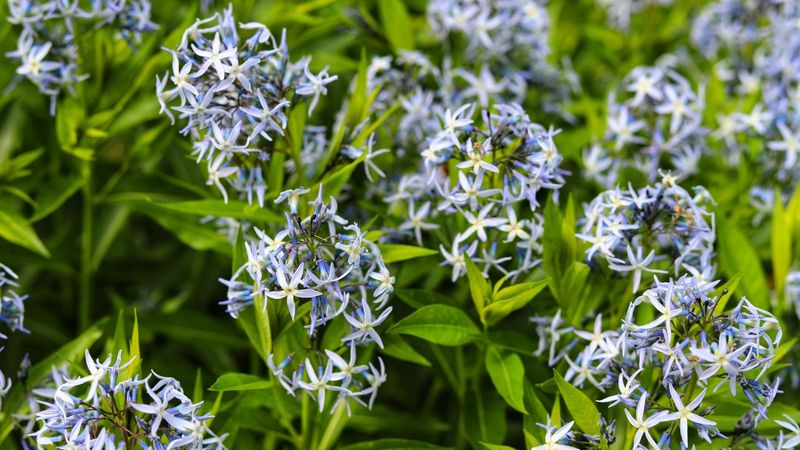
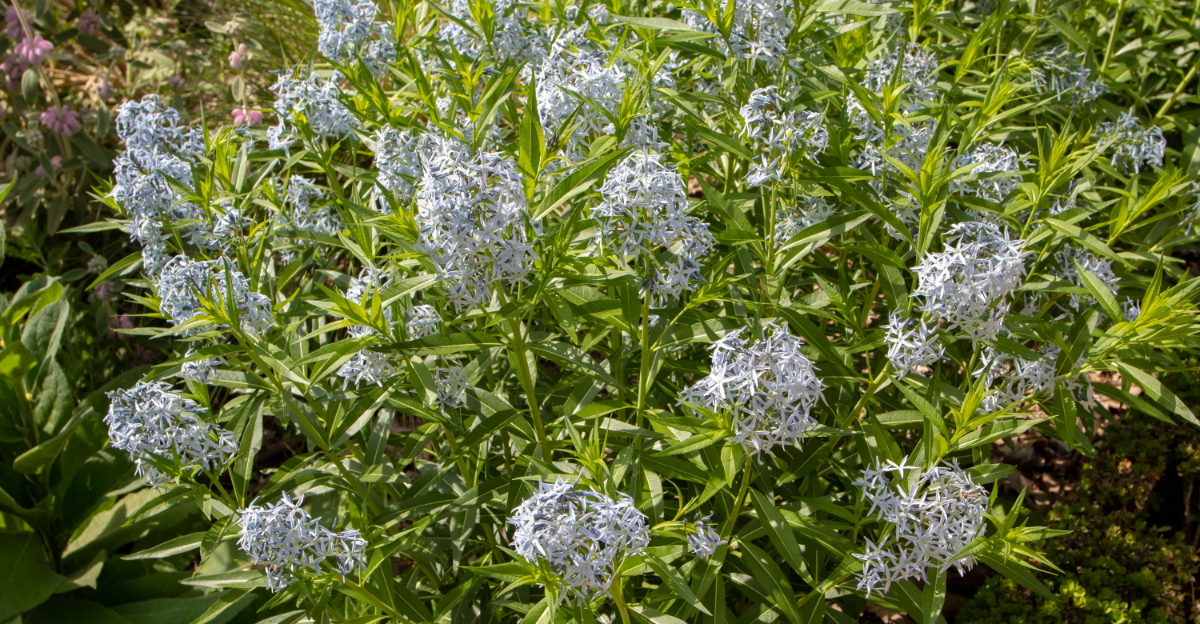
Few plants stop people in their tracks quite like Bluestars do when they are in full bloom. Known scientifically as Amsonia, Bluestars are tall, elegant perennials that produce clusters of small, star-shaped blue flowers in late spring and early summer.
For Michigan gardeners, they are a dream come true because they thrive in the state’s climate without needing a lot of extra care.
What makes Bluestars especially exciting is how much pollinators love them. Bees flock to the blooms for nectar, hummingbirds zoom past on their feeding routes, and butterflies linger on the flower clusters for long stretches.
Having a plant that serves so many different visitors at once makes the garden feel incredibly alive and active.
Beyond the flowers, Bluestars also offer fantastic fall color. The foliage turns a warm, golden yellow as the season changes, giving Michigan yards a second season of beauty long after the blooms have faded.
They grow anywhere from two to four feet tall, making them a great mid-border plant that adds height without overwhelming smaller neighbors.
Native plant enthusiasts in Michigan have been championing Bluestars for years, and it is easy to see why. They support local ecosystems, reduce the need for chemical fertilizers, and require very little watering once established.
Planting Bluestars can be a great choice for Michigan gardeners seeking both visual interest and pollinator support.
2. When Bluestars Bloom And How They Grow In Michigan Yards
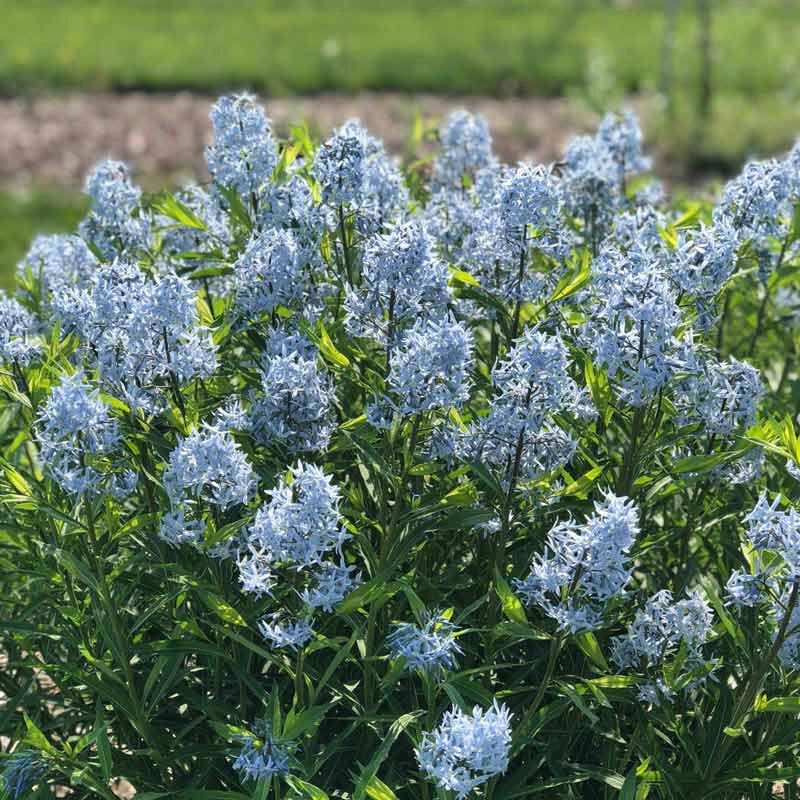
Timing is everything when it comes to enjoying Bluestars in a Michigan yard. These perennials typically begin blooming in late April through June, right when pollinators are waking up and searching for their first big food sources of the year.
That early bloom time makes Bluestars especially valuable because they bridge the gap before summer flowers take over.
Growth-wise, Bluestars are remarkably steady and reliable. They start as small clumps that slowly expand each year, eventually forming full, bushy mounds of slender green leaves topped with those signature blue flower clusters.
In Michigan, the plants tend to reach between two and four feet tall depending on the variety and soil conditions, fitting naturally into mixed borders and cottage-style garden designs.
One thing Michigan gardeners quickly notice is that Bluestars do not need staking or extra support to stay upright. Their stems are naturally strong and hold their shape well even during windy Michigan spring days.
Your Michigan Garden Changes Every Week. Your Plan Should Too.
Gardening in Michigan changes quickly throughout the season. Every Friday you’ll receive a simple weekly plan showing exactly what to plant, prune, fertilize, harvest, and protect so you never miss the right timing.
That self-sufficient quality makes them incredibly easy to manage from season to season.
After the blooms fade, the foliage stays attractive all the way through summer and into fall. The leaves are fine-textured and feathery, giving the plant an airy, graceful look even when it is not in flower.
Come autumn, that foliage shifts to brilliant shades of yellow and gold, making Bluestars a four-season performer that earns its place in any Michigan garden bed year after year.
3. Different Bluestar Varieties To Try For Your Garden
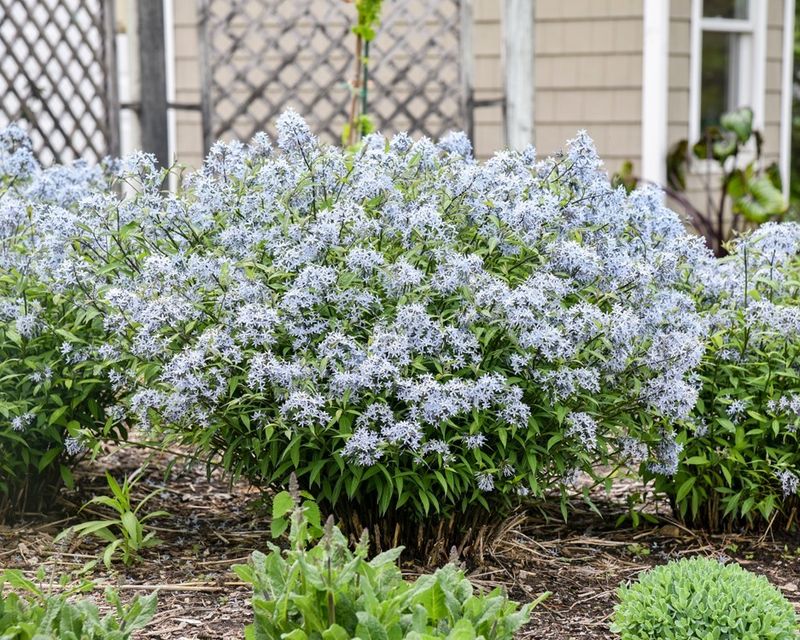
Not all Bluestars are exactly alike, and that variety is actually great news for Michigan gardeners who want options. Several species and cultivars exist, each bringing a slightly different look and feel to the garden while still offering the same pollinator-friendly benefits that make Bluestars so popular.
Amsonia tabernaemontana, also called Eastern Bluestar, is probably the most commonly grown variety in Michigan. It produces pale blue flowers and has broad, lance-shaped leaves that turn a gorgeous buttery yellow in fall.
This variety handles Michigan’s heavy clay soils better than many other perennials, making it a practical choice for yards where drainage is not always ideal.
Amsonia hubrichtii, known as Arkansas Bluestar or Hubricht’s Bluestar, is prized for its incredibly fine, thread-like foliage that looks almost like a soft cloud of green through the summer months. In fall, it turns one of the most vivid shades of golden yellow you will find in any garden plant.
It is a showstopper from spring through late October in Michigan landscapes.
For gardeners who want something a little more compact, Amsonia ciliata, or Fringed Bluestar, is worth considering. It stays slightly shorter and has narrower leaves, fitting well into smaller garden spaces.
All three varieties attract bees, butterflies, and hummingbirds reliably, so choosing between them really comes down to the look and scale you want to achieve in your specific Michigan garden space.
4. The Best Time To Plant Bluestars In Michigan
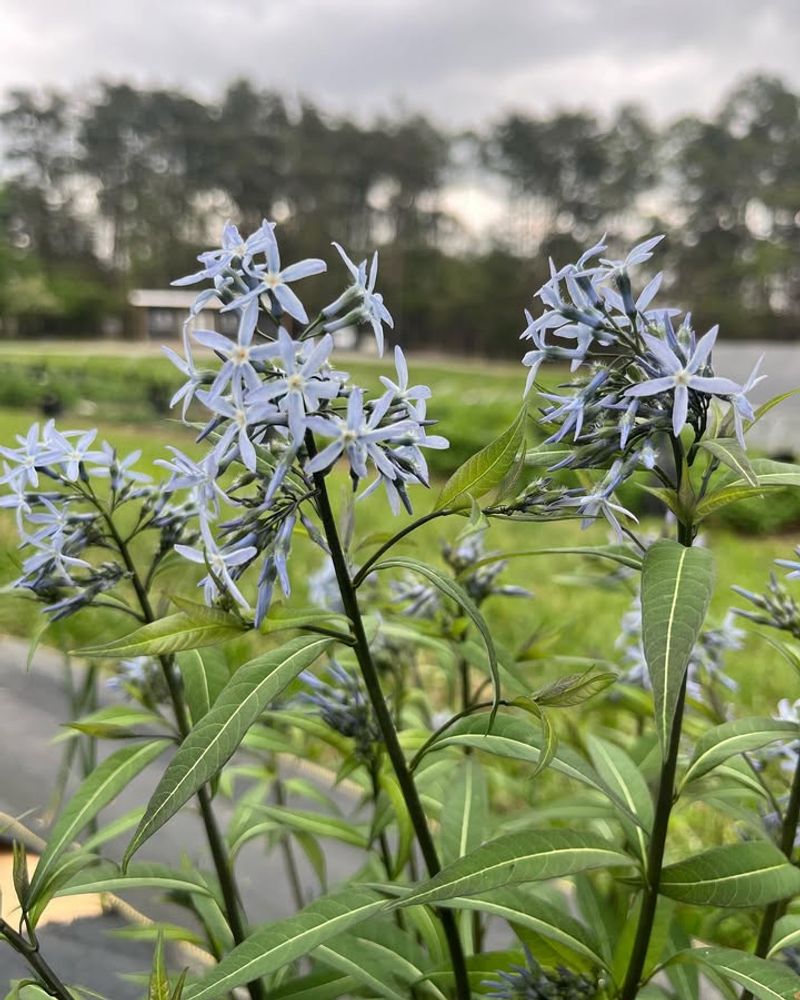
Getting the timing right when planting Bluestars in Michigan can make a big difference in how well they settle in and thrive. Early spring is generally considered the best window for planting, ideally once the last frost has passed and the soil has warmed up enough to work comfortably.
In most parts of Michigan, that means sometime between late April and mid-May depending on your location in the state.
Fall planting is also a solid option for Michigan gardeners who miss the spring window. Planting in September gives Bluestars enough time to establish their root systems before the ground freezes.
A well-rooted Bluestar planted in fall will come back strong the following spring, often blooming right on schedule with minimal fuss from the gardener.
When choosing a planting spot, full sun to light shade works best for Bluestars in Michigan yards. They are adaptable, but they tend to produce the most flowers and the best fall color when they receive at least six hours of direct sunlight daily.
Soil does not need to be especially rich, which is actually a plus for Michigan gardeners dealing with sandy or average-quality garden soil.
Spacing matters too. Giving each plant about two to three feet of room allows it to spread naturally without crowding its neighbors.
Bluestars planted with proper spacing fill in beautifully over two to three seasons, eventually creating lush, full clumps that look like they have always belonged in your Michigan garden.
5. Caring For Bluestars To Encourage Healthy Growth
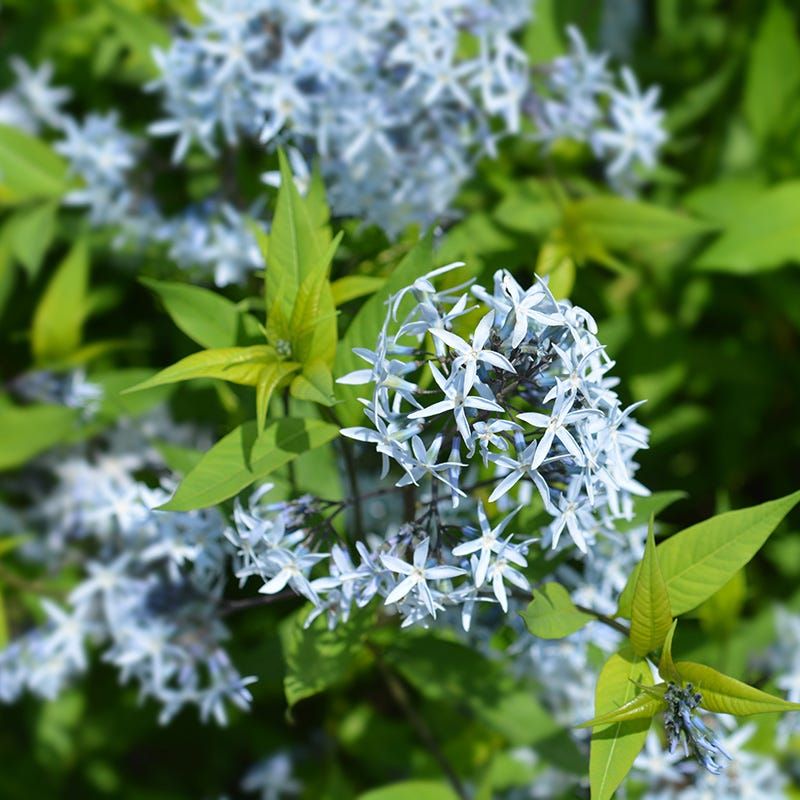
Once Bluestars are in the ground, caring for them is honestly one of the easier gardening jobs you will have all season. These plants are naturally tough and well-suited to Michigan’s climate, meaning they do not need constant attention to look their best.
A little smart maintenance goes a long way toward keeping them healthy and full of blooms year after year.
Watering is most important during the first growing season while the roots are getting established. After that, Bluestars are quite drought-tolerant and rarely need supplemental watering unless Michigan is going through an unusually dry summer stretch.
Overwatering can be more of a concern than underwatering, so it is generally best to avoid saturating the soil once the plant is established.
Cutting back the stems in early spring before new growth emerges keeps the plant looking tidy and encourages fresh, vigorous growth each season. Some Michigan gardeners also cut the plant back by about one-third right after it finishes blooming in early summer, which helps keep the mound compact and prevents any flopping later in the season.
Fertilizing Bluestars is usually unnecessary, and excessive fertilizer may encourage taller stems that are less sturdy and less upright. A layer of compost or mulch around the base each spring is usually all the nutrition these plants need to thrive happily in a Michigan garden for many years.
6. How Bluestars Attract Bees, Hummingbirds, And Other Pollinators
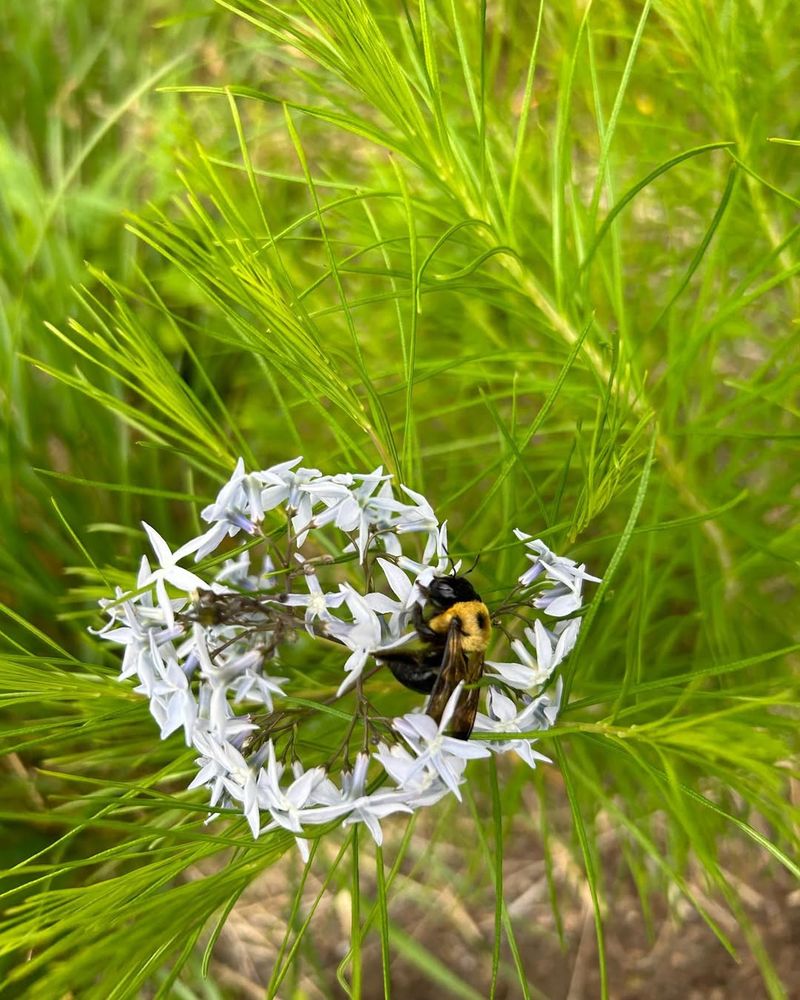
There is something almost magical about watching a garden full of Bluestars come alive with pollinators on a warm Michigan morning. The small, star-shaped flowers may look delicate, but they pack a serious punch when it comes to attracting wildlife.
Bees are among the first visitors to show up, drawn in by the nectar-rich blooms that open just as the spring pollinator season gets going.
Hummingbirds are another exciting regular around Bluestars in Michigan yards. Ruby-throated hummingbirds, which are the most common species passing through Michigan during migration and nesting season, are particularly fond of tubular and cluster-style flowers.
Bluestars fit that profile perfectly, and planting a good-sized clump near a window or patio gives Michigan gardeners a front-row seat to some truly spectacular aerial acrobatics.
Butterflies round out the pollinator parade in style. Species like the Eastern tiger swallowtail, painted lady, and various skipper butterflies visit Bluestars regularly throughout the blooming period.
Pairing Bluestars with other Michigan-friendly natives like Purple Coneflower, Wild Bergamot, and Black-Eyed Susan creates a pollinator corridor that supports the local ecosystem all season long.
Beyond individual enjoyment, attracting pollinators to a Michigan garden has real environmental benefits. Bees and butterflies help pollinate vegetable gardens, fruit trees, and wild plants across the region.
By planting Bluestars, Michigan gardeners are doing their small but meaningful part to support a healthier, more balanced local ecosystem that benefits everyone in the community.