2026’s Best New Fruits And Vegetables For California Gardens
Get ready to shake up your California garden with some of 2026’s most exciting fruits and veggies!
Picture crisp, juicy tomatoes that actually taste like tomatoes should, or berries so flavorful you’ll wonder why you didn’t plant them sooner.
Want a little garden adventure? Try vegetables that add color, crunch, and personality to your plate without any drama.
This is the year to mix things up, swap the same-old lettuce routine for something new, and maybe discover a personal favorite along the way.
Your backyard is about to turn into a flavor playground, and yes, your taste buds will thank you. Who knew planting a few seeds could be this rewarding?
1. Squash, Winter Butter Lamp F1
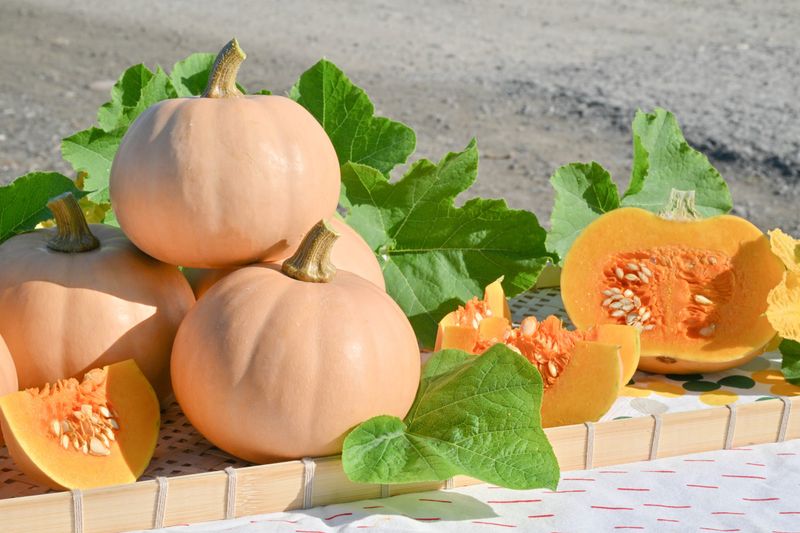
Imagine slicing open a squash that looks like a glowing lamp and smells like buttery sunshine.
Winter Butter Lamp F1 is one of the most talked-about new vegetables heading into the 2026 California gardening season, and it is easy to see why growers are so excited about it.
This squash produces elongated, pale yellow fruits with a smooth skin and incredibly rich, sweet flesh inside. The flavor is buttery and nutty, making it a fantastic choice for roasting, soups, and even stuffed squash dishes.
California cooks will love how versatile it is in the kitchen.
Growing this variety is pretty straightforward, even for beginners. It thrives in full sun and warm soil, which makes it a natural fit for California’s long, hot summers.
Plant it in late spring after the last cool nights have passed, and give the vines plenty of room to spread out.
Watering consistently is key. Squash plants love moisture but do not like sitting in soggy soil.
Using a drip irrigation system, which is popular among California gardeners, works wonderfully for keeping the roots happy without overwatering.
One great thing about Butter Lamp F1 is that it stores well after harvest. You can keep the fruits in a cool, dry spot for several months, meaning you can enjoy the taste of your summer garden well into the fall and winter.
That kind of long shelf life is a huge bonus for families who love to cook with fresh, homegrown produce.
If you are looking for a show-stopping squash that performs beautifully in California gardens and delivers serious flavor at the dinner table, Winter Butter Lamp F1 deserves a prime spot in your planting plan this year.
2. Kale Rubybor F1
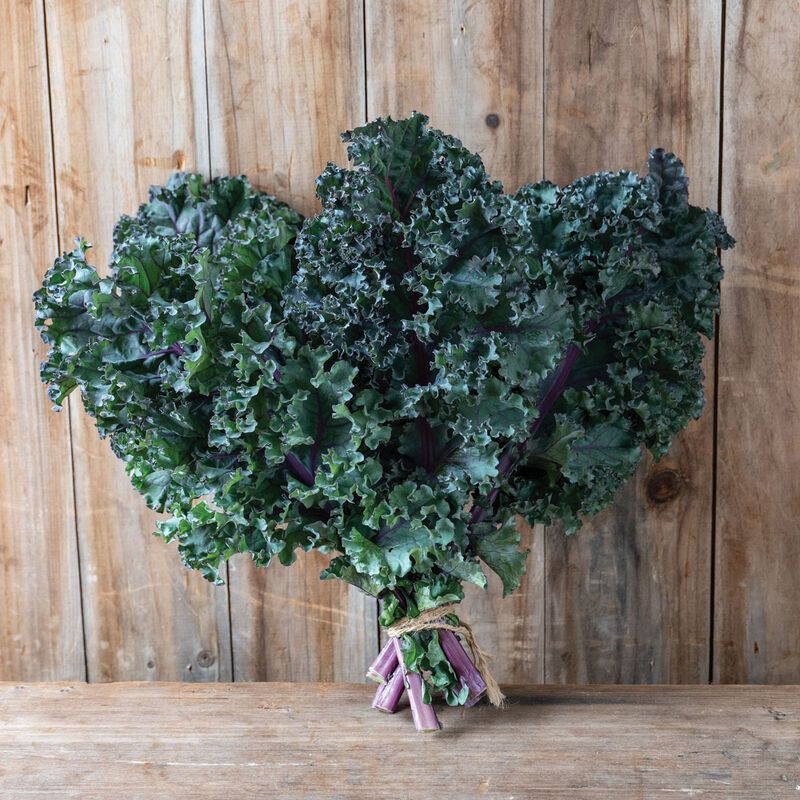
Not all kale is created equal, and Rubybor F1 proves that in the most colorful way possible. With its striking red-purple, deeply curled leaves, this variety is just as beautiful as it is nutritious.
California gardeners who want a plant that looks great and tastes even better will find a lot to love here.
Rubybor F1 is a hybrid kale known for its intense color and sturdy texture. The leaves hold up well in salads, stir-fries, and even crispy kale chips.
The flavor is slightly sweet with that classic earthy kale bite, and the red color actually deepens after a light frost, making it a fantastic cool-season crop for California’s mild winters.
Your California Garden Changes Every Week. Your Plan Should Too.
Gardening in California changes quickly throughout the season. Every Friday you’ll receive a simple weekly plan showing exactly what to plant, prune, fertilize, harvest, and protect so you never miss the right timing.
In California, you can grow Rubybor F1 in both the fall and spring seasons. Coastal areas like San Francisco and Santa Barbara are especially well-suited for this variety since the cooler temperatures bring out the best color and flavor.
Inland growers can plant it in late summer for a gorgeous fall harvest.
This kale grows to about 24 to 36 inches tall and does well in both raised beds and large containers. It needs full sun but can handle a bit of afternoon shade in hotter California regions.
Regular watering and good-quality compost will keep the plants growing strong and producing leaves all season long.
Harvesting is simple. Just snap off the outer leaves as needed and let the center of the plant keep growing.
One plant can keep producing for months, which makes Rubybor F1 an excellent value for home gardeners.
Beyond the garden, the deep ruby color makes it a stunning addition to any plate. It is the kind of vegetable that makes people stop and ask, what is that beautiful plant?
3. Unity Beefsteak Tomato
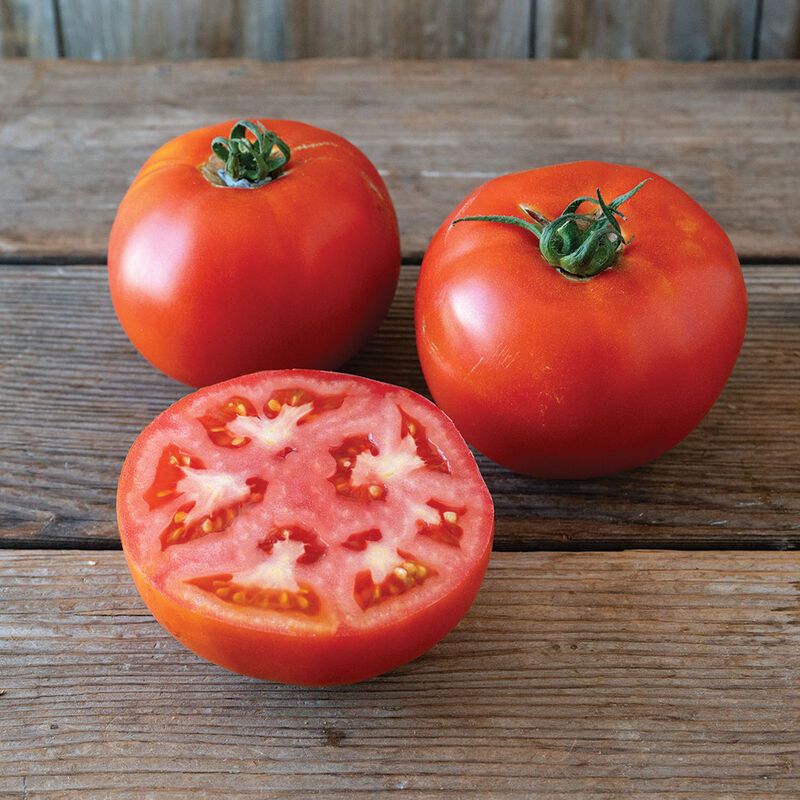
Big, juicy tomatoes are the crown jewel of any California vegetable garden, and the Unity Beefsteak Tomato is ready to take that crown in 2026.
Bred for home gardeners who want classic beefsteak flavor without the sprawling jungle that usually comes with it, Unity is a smarter, more manageable take on a beloved favorite.
Unity is an indeterminate variety, meaning it keeps producing fruit throughout the season rather than all at once. Each tomato weighs in at an impressive 8 to 12 ounces and has a mild, sweet flavor that works perfectly for sandwiches, caprese salads, and fresh salsas.
California-grown tomatoes already have a reputation for outstanding taste, and Unity lives up to that standard easily.
What makes Unity stand out from other beefsteak types is its compact size. Most beefsteak plants can grow 8 feet tall or more, but Unity tops out at around 5 to 6 feet.
That makes it much easier to manage in backyard gardens across California, especially in areas like the San Fernando Valley or Sacramento where space can be limited.
Expect your first ripe tomatoes about 70 days after transplanting, which is considered early for a beefsteak variety. Plant in a spot that gets at least 6 to 8 hours of direct sun daily.
Use a sturdy cage or stake to support the plant as it grows and begins producing heavy fruits.
Feed your Unity plants with a balanced tomato fertilizer every two to three weeks during the growing season. Consistent watering is important too, since uneven moisture can lead to blossom end rot or cracking in the fruit.
For California gardeners who have always wanted a big, beautiful beefsteak tomato without the headache of managing a massive plant, Unity is the answer you have been waiting for.
4. Easy As Pie® Bush Cherry (Prunus X)
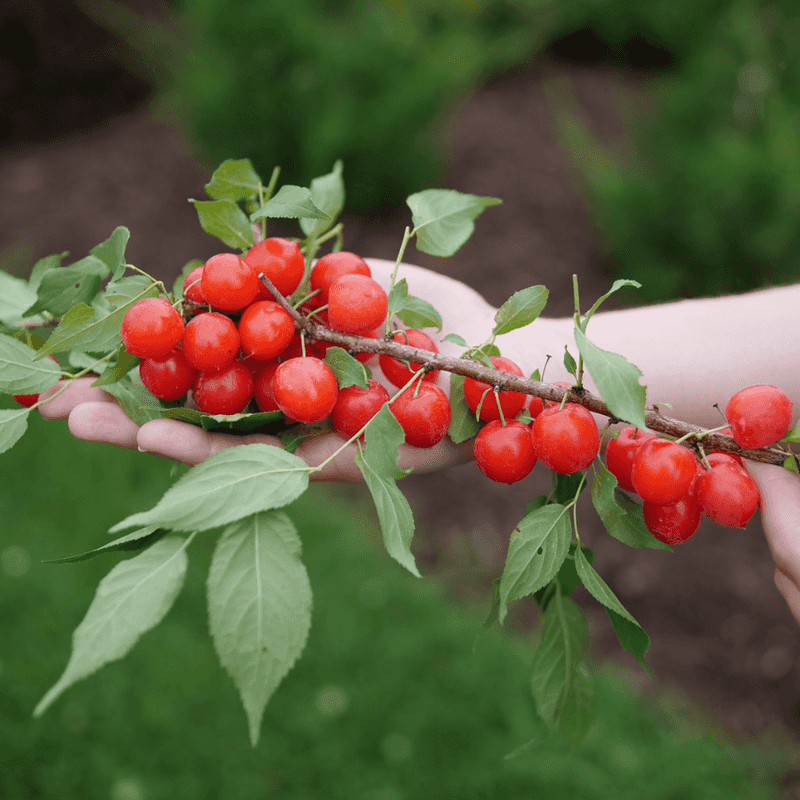
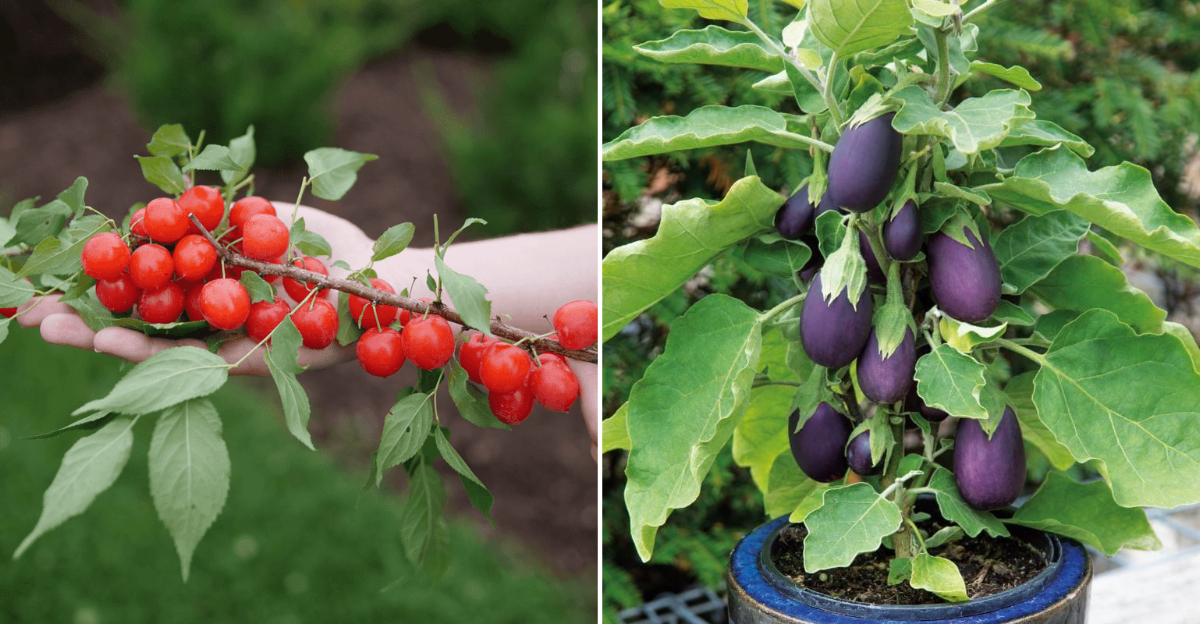
There is something almost magical about a fruit-producing shrub that looks gorgeous in every season. Easy as Pie Bush Cherry brings creamy spring blooms, lush summer foliage, bright red fall berries, and colorful autumn leaves all rolled into one tidy, compact plant.
For California gardeners who want beauty and bounty, this one checks every box.
Easy as Pie is a Prunus hybrid that grows into a rounded shrub, making it a great choice for small yards, garden borders, and even large containers on patios. It produces tart red cherries that are absolutely perfect for pies, jams, and preserves.
If you have ever wanted to make a homemade cherry pie using fruit straight from your own backyard in California, this shrub makes that dream very achievable.
The plant is naturally compact, which means you will not need to do heavy pruning to keep it in shape. It grows to a manageable size that fits comfortably in most California landscapes without taking over.
Full sun is ideal, though it can tolerate light afternoon shade in hotter inland areas like the Inland Empire or Central Valley.
One of the coolest things about Easy as Pie is how it earns its name. It is genuinely low-maintenance compared to standard cherry trees, which often require specific chill hours and lots of space.
This hybrid is more forgiving and adaptable, making it a great option for newer gardeners who want to try growing their own fruit for the first time.
Harvest the cherries in mid-summer when they turn deep red and taste slightly tart. They are loaded with antioxidants and flavor.
Fresh off the shrub, they have a bright, punchy taste that store-bought cherries rarely match.
Plant one in your California garden and enjoy the rewards for many seasons to come.
5. Sugar Basket Orange Cherry Tomato
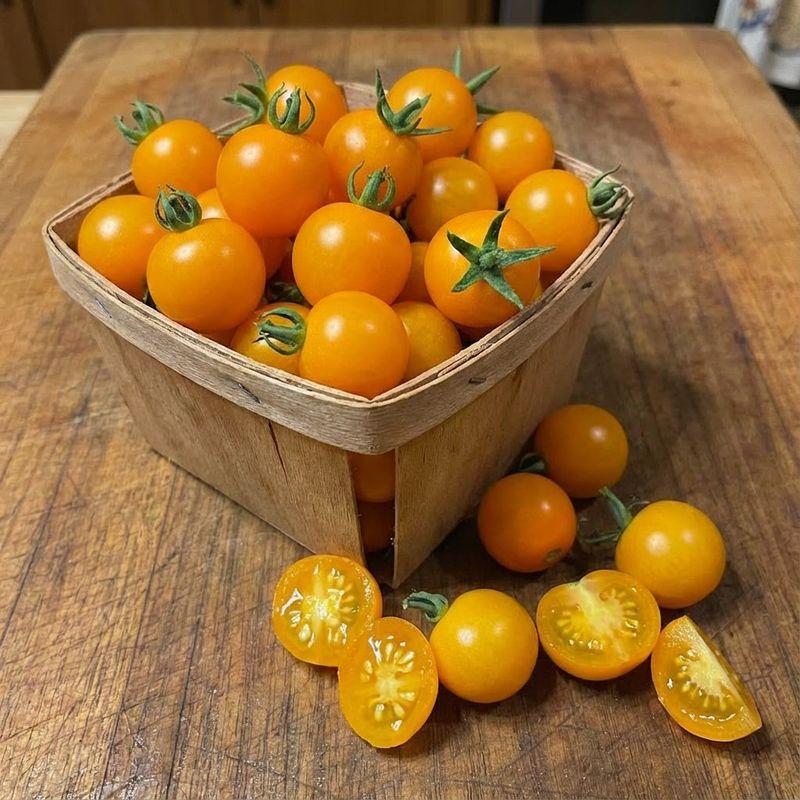
Hanging baskets full of bright orange cherry tomatoes might just be the most cheerful sight a California gardener can have on their patio this summer.
Sugar Basket Orange Cherry Tomato was designed with small spaces in mind, and it delivers a stunning visual display along with incredibly sweet, bite-sized fruits that are hard to stop snacking on.
What makes this variety truly unique is its trailing growth habit. Most tomato plants grow upward and need tall cages or stakes, but Sugar Basket Orange grows outward and downward, making it a natural fit for hanging baskets and window boxes.
The long, cascading stems covered in bright orange tomatoes look almost like a living piece of garden art.
As a determinate variety, Sugar Basket Orange sets all of its fruit within a concentrated window, which means you will get a big, satisfying harvest all at once. The tomatoes are sweet, juicy, and have that classic cherry tomato pop when you bite into them.
They work great in salads, as snacks, or roasted on a sheet pan with a drizzle of olive oil.
California gardeners with balconies, small patios, or limited garden space will love how easy this variety is to grow. Fill a large hanging basket with quality potting mix, plant one transplant per basket, and hang it in a spot that gets plenty of direct sun each day.
Water consistently since container plants tend to dry out faster than in-ground ones.
Fertilize every week or two with a liquid tomato fertilizer to keep the plant energized and producing fruit throughout the season. In warmer California climates, you may even get two productive flushes of fruit if you care for the plant well after the first harvest.
Few plants deliver as much color, flavor, and joy per square foot as this little orange gem.
6. ‘Baby Jack’ Eggplant
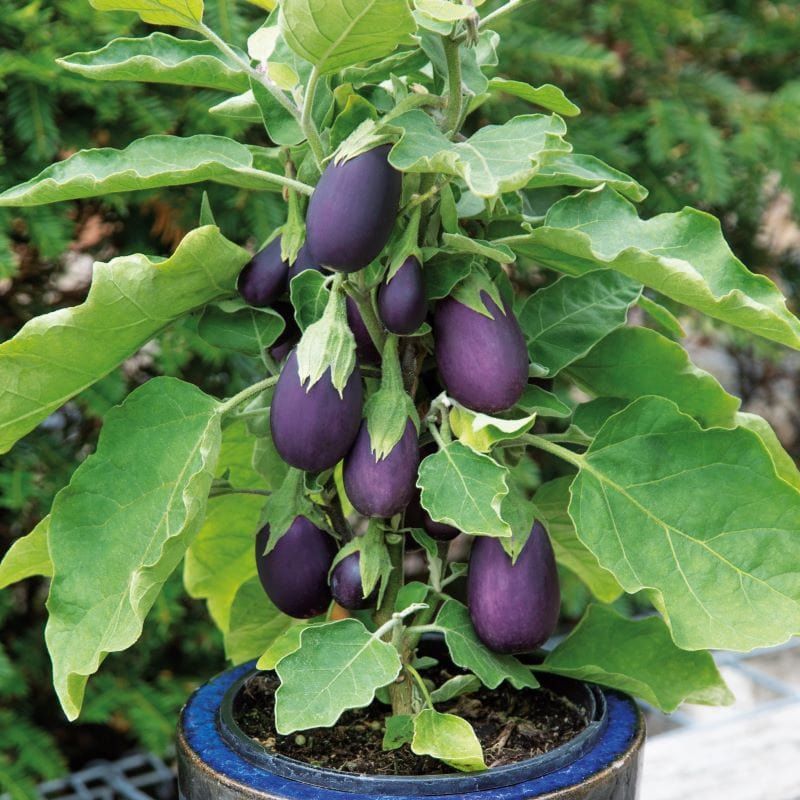
Good things really do come in small packages, and Baby Jack Eggplant is proof of that. This compact little powerhouse produces deep purple, glossy fruits that weigh just 2 to 3 ounces each, making them perfectly sized for grilling, roasting, or tossing into a quick stir-fry.
California home cooks are going to absolutely love this one. Baby Jack reaches harvest in just 58 to 62 days from transplanting, which is impressively fast for an eggplant.
That quick turnaround means California gardeners in warmer regions like the San Diego area or the Central Valley can potentially get two rounds of fruit in a single growing season.
More eggplant in less time is always a win. One of the biggest advantages of Baby Jack is its compact size. The plant stays small enough to thrive in containers, raised beds, or even a sunny corner of a small yard.
For urban gardeners in cities like Los Angeles or San Jose who are working with limited space, this variety is a genuine game changer.
Eggplants love heat, and California summers provide exactly what this plant craves. Plant in a spot with full sun and warm, well-draining soil.
Water deeply but allow the top inch of soil to dry out slightly between waterings to avoid root issues.
The fruits have a tender skin and creamy flesh that soaks up flavors beautifully when cooked. Slice them in half, brush with olive oil, and grill for a few minutes on each side for a simple, delicious side dish.
They also work wonderfully in Mediterranean-style dishes like ratatouille or baba ganoush.
Baby Jack may be small in size, but it brings big flavor and serious productivity to California gardens, making it one of the most exciting new introductions of 2026.
7. BadaBing Cherry Tomato
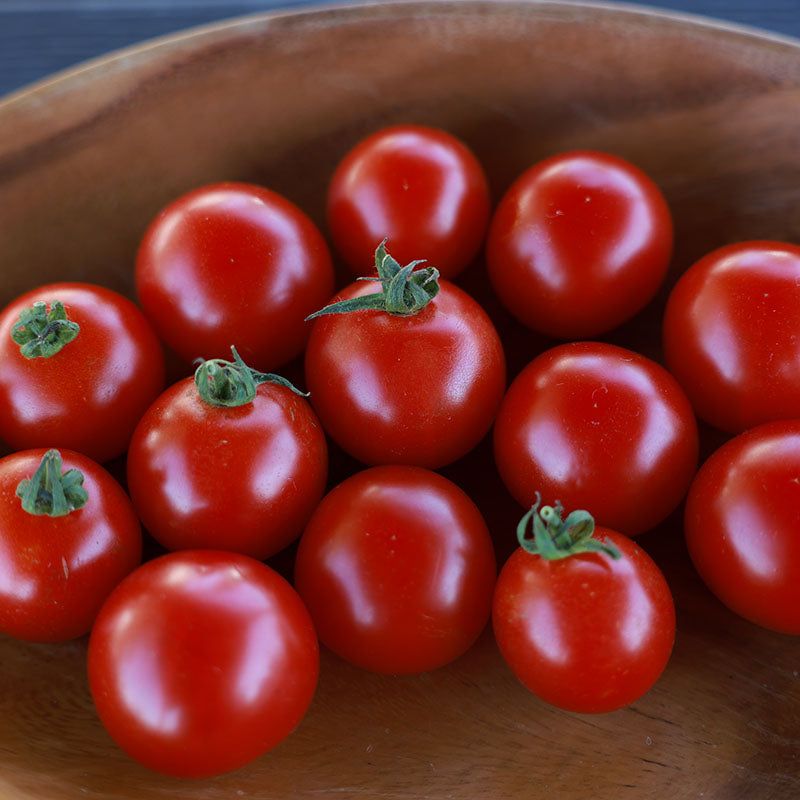
When a tomato wins a 2026 All-America Selections Award, you know it is worth paying attention to.
BadaBing Cherry Tomato earned that honor for very good reasons, and California gardeners who grow it this season are in for a seriously rewarding experience from first harvest to last.
Standing just about 40 inches tall, BadaBing is compact enough to thrive in a large container or a small raised bed.
That makes it a smart choice for California gardeners who are working with tight spaces, whether that is a condo balcony in San Diego or a narrow side yard in the Bay Area. Small footprint, big results.
The fruits themselves are the real showstopper. BadaBing produces meaty, flavorful cherry tomatoes that have more substance and chew than typical cherry tomato varieties.
They are juicy but not watery, sweet but with just enough acidity to keep things interesting. Roast them, toss them in pasta, or eat them straight off the vine on a warm California afternoon.
Because it is a compact determinate variety, BadaBing does not require a tall cage or complicated staking system. A simple tomato cage or a short stake is more than enough to keep the plant upright as it fills in with fruit.
That ease of care makes it a fantastic pick for first-time gardeners who want a reliable, low-fuss tomato.
Plant BadaBing in full sun after your last cool nights have passed, typically from mid-spring onward across most of California. Keep the soil consistently moist and feed with a balanced fertilizer every couple of weeks.
You will start seeing ripe tomatoes faster than you might expect.
With its award-winning credentials and container-friendly size, BadaBing is one of the smartest additions any California gardener can make to their 2026 growing season lineup.