Top 7 Year-Round Flowers And Perennial Plants For Pennsylvania Yards
Between chilly winters, unpredictable springs, and hot summers, keeping plants thriving year-round can feel like a challenge.
Choosing the right flowers and perennials makes all the difference, turning a yard that struggles with seasonal changes into one that blooms and grows through every month.
Year-round plants do more than provide consistent beauty. They add structure, attract pollinators, and keep your outdoor space feeling full and inviting, even when other plants are dormant.
Some bloom in early spring, others bring color through summer, and a few even shine in fall or hold their foliage in winter.
By picking hardy, adaptable varieties suited to Pennsylvania’s climate, you can create a garden that looks vibrant throughout the year. With the right mix, your yard will stay lively, visually appealing, and welcoming for both people and wildlife across all seasons.
1. Hellebores
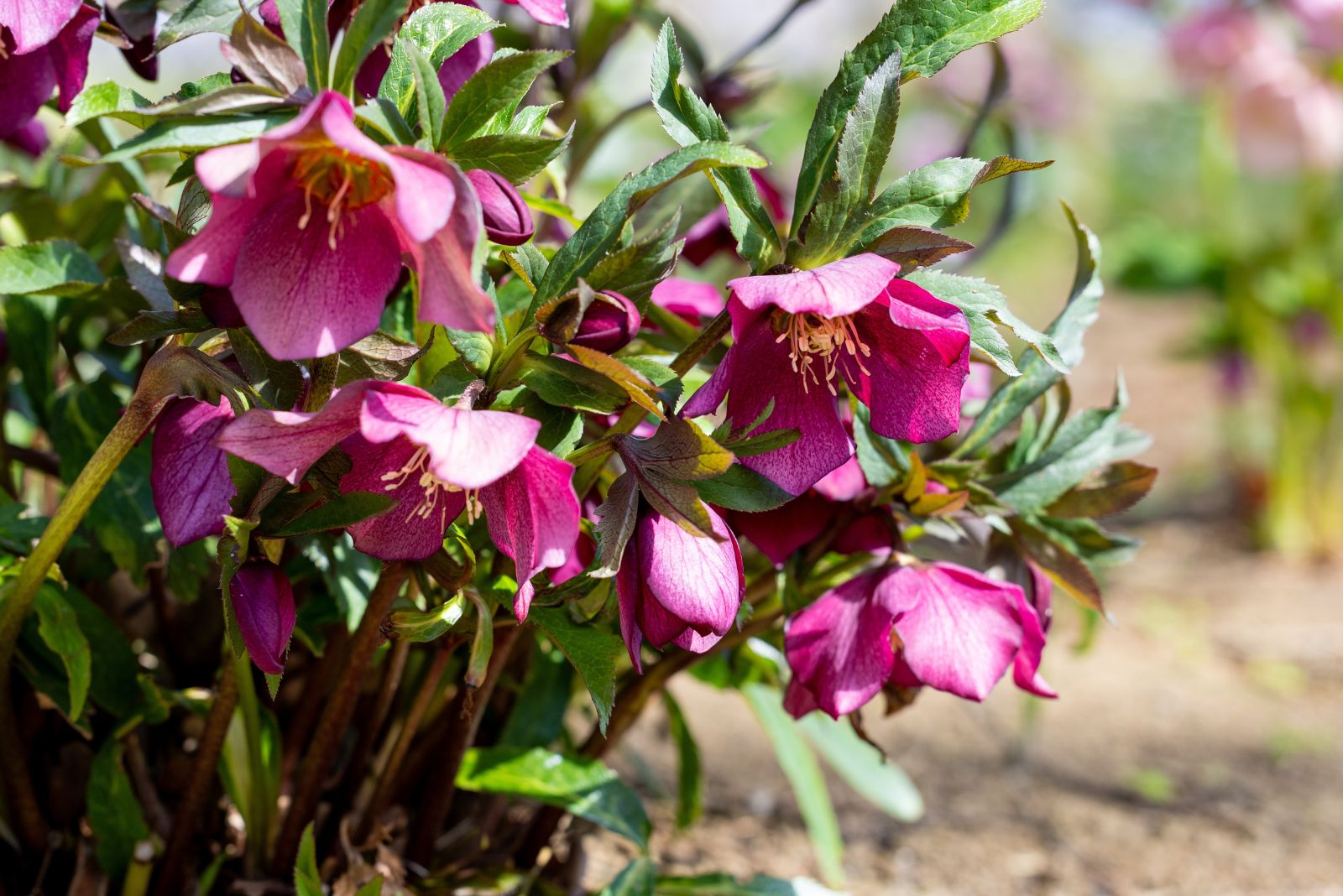
While most of Pennsylvania is still locked in winter’s grip, hellebores are already putting on a show. These tough perennials bloom in late winter or very early spring, sometimes pushing through the snow to show off their nodding, cup-shaped flowers.
That alone makes them one of the most exciting plants you can grow in a Pennsylvania yard.
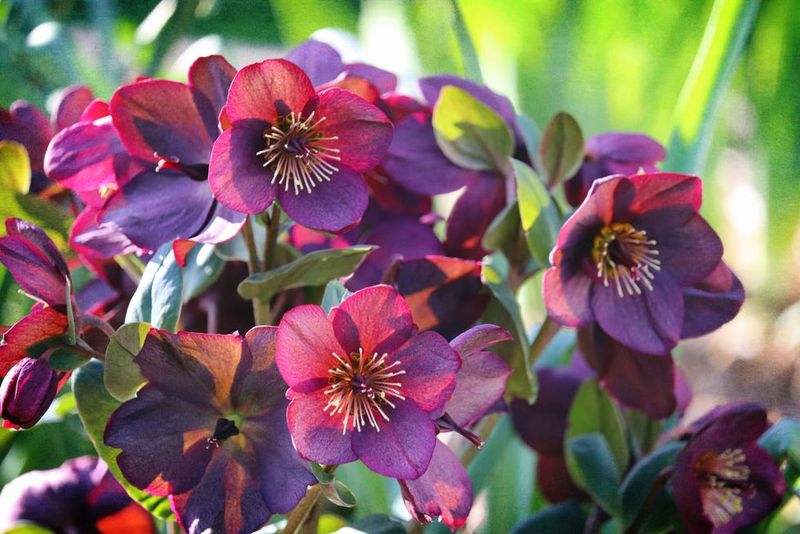
Hellebores come in a wide range of colors, from creamy white and soft pink to deep burgundy and almost black-purple. The blooms last for weeks, giving your garden color at a time when nothing else is flowering.
Gardeners in Pennsylvania love them because they handle cold temperatures without a fuss.
Planting hellebores is straightforward. They prefer a shady or partially shaded spot with moist, well-drained soil.
Under a tree or along a north-facing fence works great. Once established, they are surprisingly low-maintenance and do not need much watering or fertilizing.
One fun fact about hellebores is that the flowers actually face downward, almost like they are being shy.
To really enjoy the blooms, you might need to gently tilt the flower upward for a good look. Some gardeners even cut a few stems to bring indoors for a simple, elegant arrangement.
Over time, hellebores spread slowly and form nice clumps. They also self-seed, meaning new plants pop up nearby each year.
For Pennsylvania gardeners who want early color with very little effort, hellebores are a wonderful and reliable choice.
2. Black-Eyed Susan
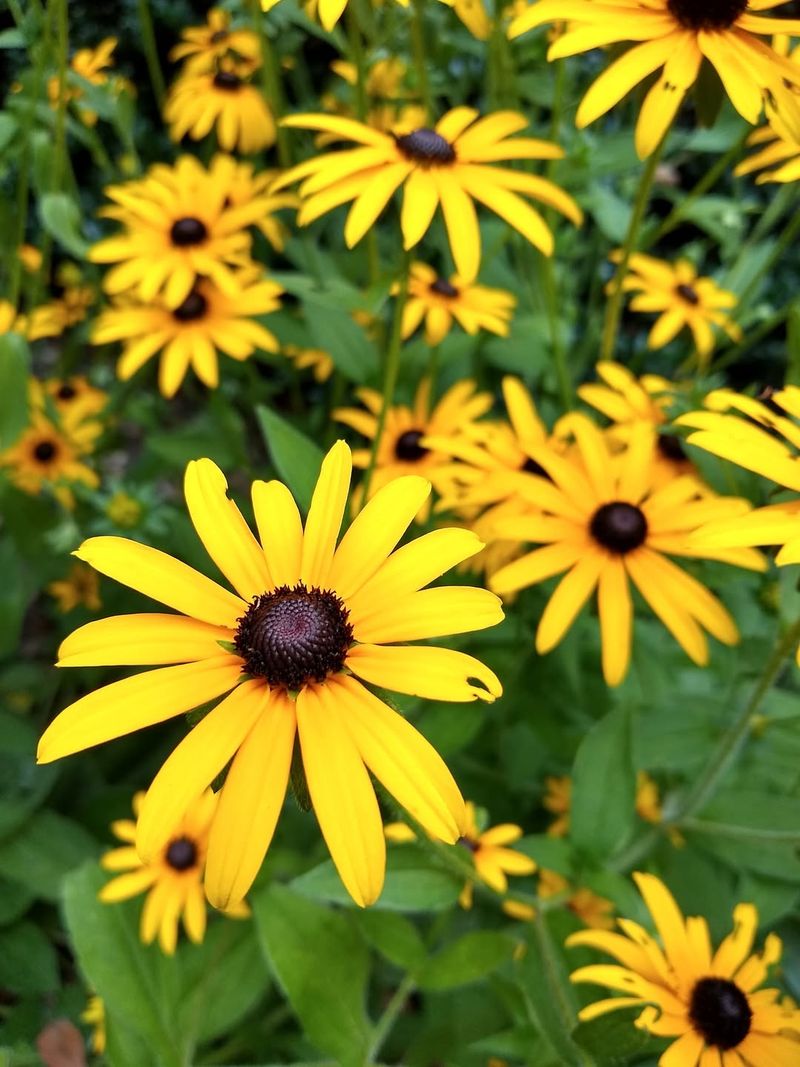
Few flowers say “summer in Pennsylvania” quite like the Black-Eyed Susan. Those cheerful bright yellow petals surrounding a dark brown center are hard to miss, and they bloom reliably from mid-summer all the way into fall.
If you want a plant that practically takes care of itself, this is a top pick. Black-Eyed Susans are native to North America, which means they are perfectly adapted to Pennsylvania’s climate.
They handle heat, humidity, and even short dry spells without much trouble. Whether your yard gets full sun or just a few hours of afternoon light, this plant finds a way to thrive.
Pollinators absolutely love Black-Eyed Susans. Bees, butterflies, and even goldfinches visit regularly, making your yard feel alive and buzzing all season long.
Your Pennsylvania Garden Changes Every Week. Your Plan Should Too.
Gardening in Pennsylvania changes quickly throughout the season. Every Friday you’ll receive a simple weekly plan showing exactly what to plant, prune, fertilize, harvest, and protect so you never miss the right timing.
Planting a patch of them near a vegetable garden can also help with pollination of your crops.
For best results, plant Black-Eyed Susans in well-drained soil and give them plenty of sunlight. They do not need much fertilizer, and overwatering can actually cause more problems than underwatering.
Deadheading spent blooms encourages more flowers, but leaving some seed heads in place at the end of the season feeds birds through the colder months.
Did you know Black-Eyed Susan is actually the state flower of Maryland? It grows just as happily across the border in Pennsylvania, though.
Gardeners across the state rely on this hardy, golden-colored perennial to keep beds looking vibrant from July through October.
3. Daylilies
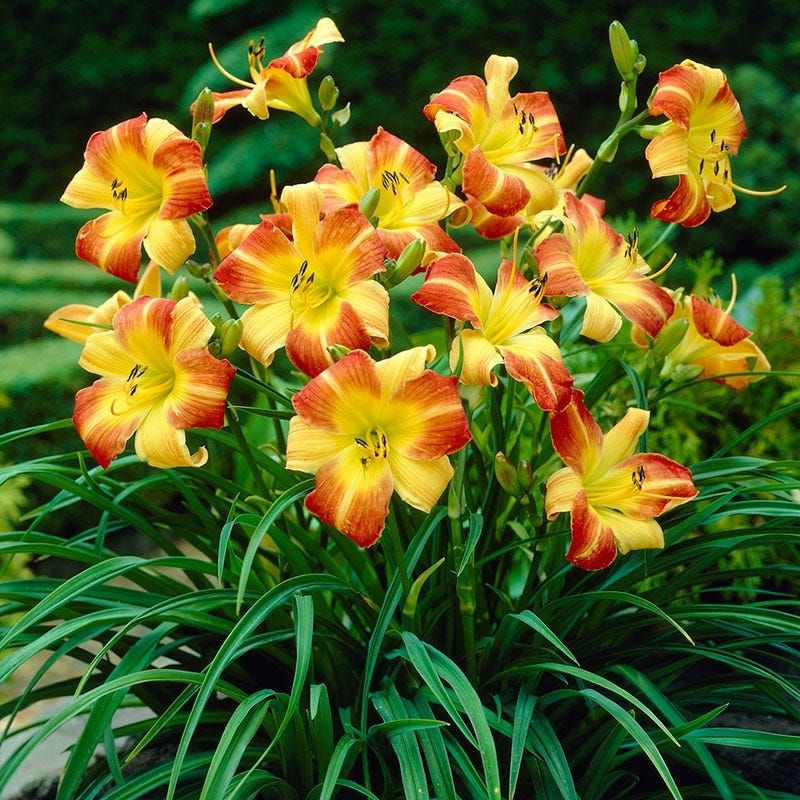
Ask any experienced Pennsylvania gardener about a reliable summer bloomer, and daylilies will almost always come up. These tough, cheerful perennials produce trumpet-shaped flowers in shades of orange, yellow, red, pink, and even purple.
Each individual flower lasts just one day, but the plant sends up new blooms continuously for weeks, keeping the show going all summer long.
One of the best things about daylilies is how adaptable they are. They grow well in full sun or partial shade, and they are not picky about soil type.
Heavy clay soils common in parts of Pennsylvania? No problem. Sandy or loamy ground? They handle that too. Once established, they spread to form thick, weed-suppressing clumps.
Daylilies are also incredibly drought-tolerant after their first year. During hot Pennsylvania summers, they keep blooming even when rainfall is sparse.
A good deep watering once a week during dry spells is usually all they need to stay happy.
Dividing daylilies every three to four years keeps them blooming vigorously. When a clump gets too big, simply dig it up in early spring or fall, separate it into smaller sections, and replant.
You will end up with more plants to fill other spots in your yard or share with neighbors.
With thousands of cultivars available, you can find a daylily for almost any garden style. From bold, tropical-looking varieties to soft, cottage-garden types, Pennsylvania yards of all sizes and styles can benefit from adding these reliable, sun-loving perennials to the mix.
4. Coneflowers
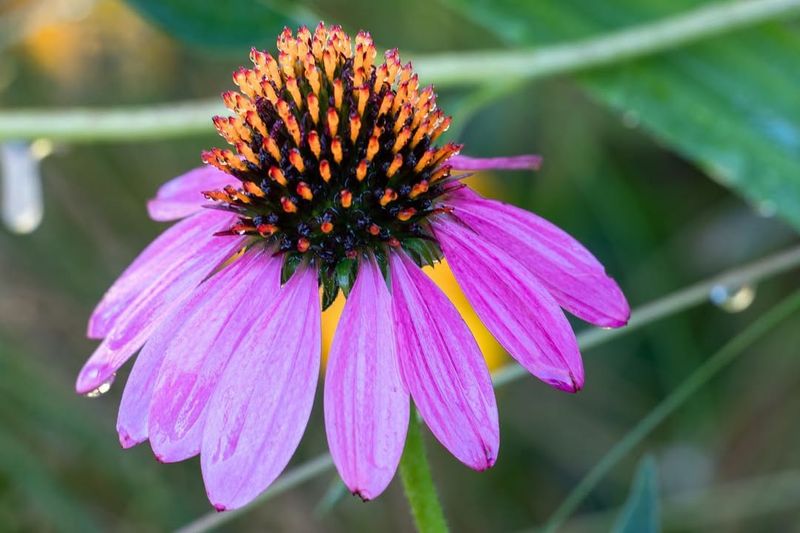
Bold, beautiful, and built to last, coneflowers are one of the hardest-working perennials you can grow in Pennsylvania. Their daisy-like blooms feature drooping petals in shades of pink, purple, white, orange, and red, all surrounding a spiky, cone-shaped center.
They bloom from early summer well into fall, giving you months of color without much effort.
Purple coneflower, or Echinacea purpurea, is native to much of eastern North America, including Pennsylvania. That native status means it is perfectly suited to local soils and weather patterns.
It handles heat, humidity, and dry stretches with ease, making it a smart, low-effort addition to any yard in the state.
Pollinators go wild for coneflowers. Bumblebees, honeybees, butterflies, and monarch butterflies in particular are drawn to the blooms.
In late fall, goldfinches and other seed-eating birds flock to the dried seed heads, so resist the urge to cut them back too early and let nature take its course.
Growing coneflowers is simple. Plant them in full sun with well-drained soil, and they will reward you year after year.
They do spread slowly by self-seeding, so over time a small planting can grow into a lovely, naturalistic patch. Dividing clumps every few years keeps them healthy and blooming at their best.
Fun fact: Echinacea has been used in herbal medicine for centuries, traditionally by Native American communities.
Today, gardeners in Pennsylvania grow it mostly for its garden value, but that long history of use makes it an especially interesting plant to have in your yard.
5. Coral Bells
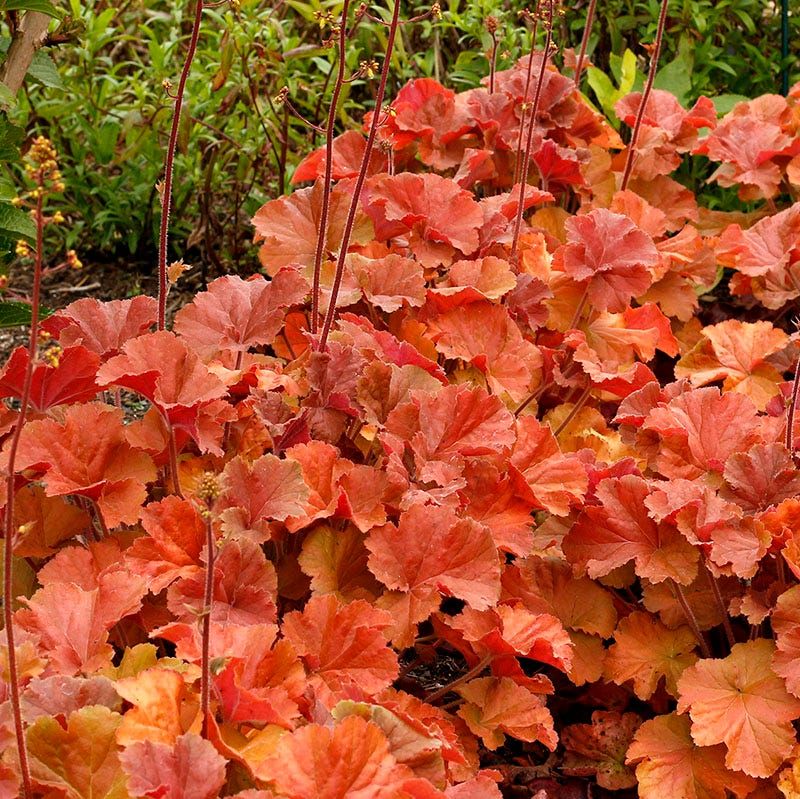
Not every great garden plant is about the flowers. Coral bells, also known as Heuchera, are grown mainly for their stunning foliage, and the range of leaf colors is almost unbelievable.
From deep burgundy and chocolate brown to bright lime green and peachy caramel, these plants add color and texture to Pennsylvania yards even when nothing else is blooming.
Coral bells work beautifully in shaded or partially shaded spots where many flowering plants struggle. Under trees, along north-facing fences, or in dappled light beneath a pergola, Heuchera thrives where other plants might look sad and stretched out.
That shade tolerance makes them especially valuable in Pennsylvania gardens with lots of tree cover.
In late spring and early summer, slender stems rise above the foliage and carry tiny bell-shaped flowers, usually in pink, red, or white. Hummingbirds and bees find these blooms irresistible.
Even after the flowers fade, the colorful leaves continue providing visual interest through the rest of the growing season.
Heuchera is also a great choice for containers and window boxes. Mixing different foliage colors in a single pot creates a striking display that looks good from spring through fall.
In Pennsylvania, many varieties hold their leaves well into winter, offering some color even during the colder months.
One tip for growing healthy coral bells: avoid planting them too deep. The crown of the plant should sit right at or just above the soil surface.
Good drainage is also key, since sitting in wet soil over winter can cause the roots to rot. With proper care, these plants bring years of reliable beauty.
6. Astilbe
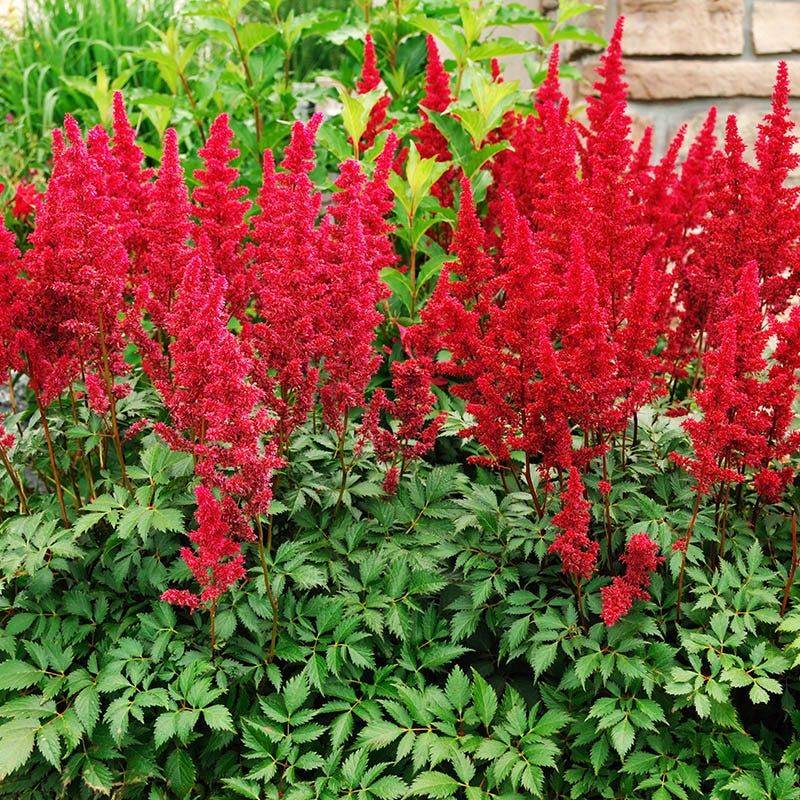
If your Pennsylvania yard has a shady, moist corner that feels hard to plant, astilbe might just be the answer you have been looking for. These graceful perennials produce tall, feathery plumes of flowers in shades of pink, red, white, and lavender.
They bloom from late spring into summer, bringing soft, romantic color to spots where most sun-loving plants would struggle.
Astilbe loves partial shade and consistently moist soil. Near a pond, along a stream bank, or under the canopy of large trees are all ideal spots.
In Pennsylvania, where spring rains keep the ground moist, astilbe often thrives with very little extra watering during the cooler months.
The foliage is also worth mentioning. Even when astilbe is not in bloom, its dark green, fern-like leaves look attractive and full.
After the flowers fade, the dried plumes turn a warm reddish-brown and hold their shape through fall, adding a different kind of texture to the garden. Many gardeners leave them standing through winter for visual interest.
Planting astilbe is easy. Space plants about 18 to 24 inches apart, and mulch the soil around them to retain moisture during dry summer stretches.
Dividing clumps every three years or so keeps them blooming vigorously. Without division, older plants can become crowded and produce fewer flowers.
With so many varieties available, ranging from dwarf types just 10 inches tall to bold specimens reaching four feet, there is an astilbe for every garden size. Pennsylvania gardeners with shady spots should absolutely give this elegant, low-fuss perennial a try.
7. Bleeding Heart
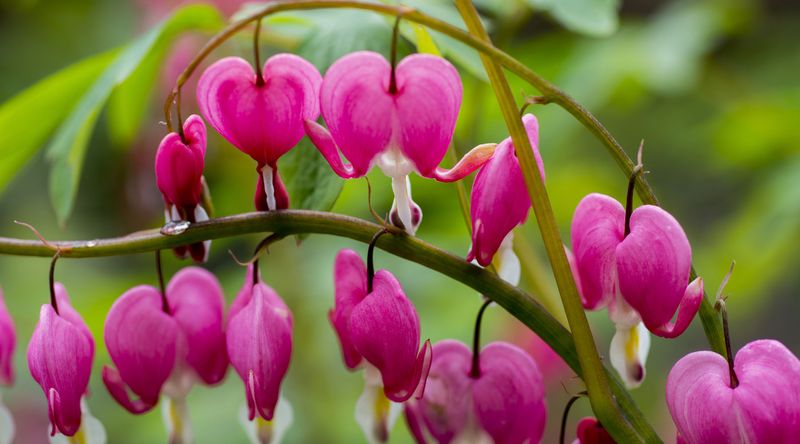
There is something almost magical about bleeding heart. The arching stems loaded with dangling, perfectly heart-shaped flowers look like something from a fairy tale, and every spring they show up reliably to add a touch of drama to shaded Pennsylvania gardens.
Few plants have such an instantly recognizable and charming appearance. Bleeding heart blooms in mid to late spring, usually from April into May depending on the year and location in Pennsylvania.
The flowers are typically a rosy pink with a small white teardrop hanging at the bottom of each heart, though white-flowered varieties are also available. The display lasts for several weeks before the plant begins to go dormant in summer heat.
That summer dormancy is something to plan around. As temperatures rise, the foliage yellows and fades away, leaving a gap in the garden.
The smart solution is to pair bleeding heart with ferns, hostas, or astilbe. These companions fill in the empty space nicely as the season progresses, keeping the bed looking full and attractive.
Bleeding heart grows best in partial to full shade with moist, humus-rich soil. It does not like hot, dry conditions, so a spot with morning sun and afternoon shade suits it well. Mulching around the base helps keep the roots cool and moist during warmer months.
Pennsylvania gardeners who plant bleeding heart often find it becomes one of their most-talked-about spring plants. Visitors always stop to look at those perfectly shaped little hearts.
It is a plant with real personality, and once you grow it, it is hard to imagine a spring garden without it.