Why Raccoons And Opossums Visit Michigan Gardens On Early Spring Nights
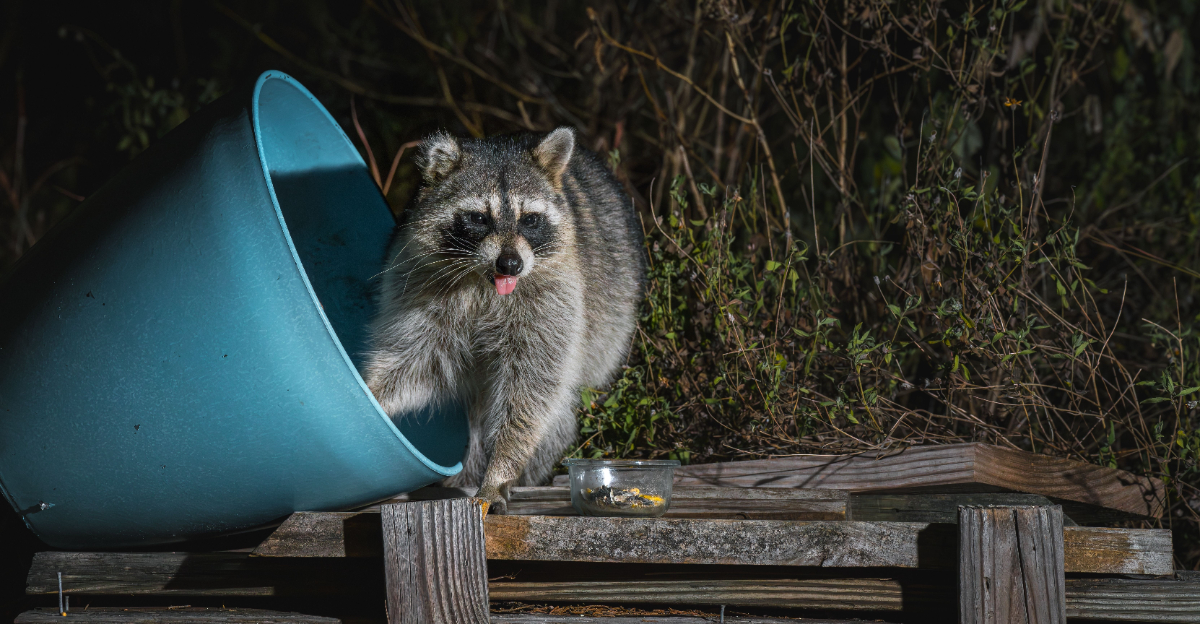
Just when Michigan gardens begin to come alive in spring, a different kind of activity starts after dark. Many homeowners wake up to find disturbed soil, scattered mulch, or small muddy footprints on patios and porches.
The quiet visitors responsible are often raccoons and opossums, two curious nighttime animals that quickly notice when a yard offers food or shelter.
Across the Upper and Lower Peninsulas, these animals become more active as temperatures warm and natural food sources begin to appear.
Garden beds, compost piles, and even pet food left outside can attract their attention. A single night of exploring can leave behind signs that surprise many Michigan gardeners the next morning.
Understanding why raccoons and opossums are drawn to certain yards can make a big difference. With a few simple adjustments, homeowners can protect their gardens while learning a bit more about the wildlife that shares their neighborhood.
1. They Search For Easy Food After Winter
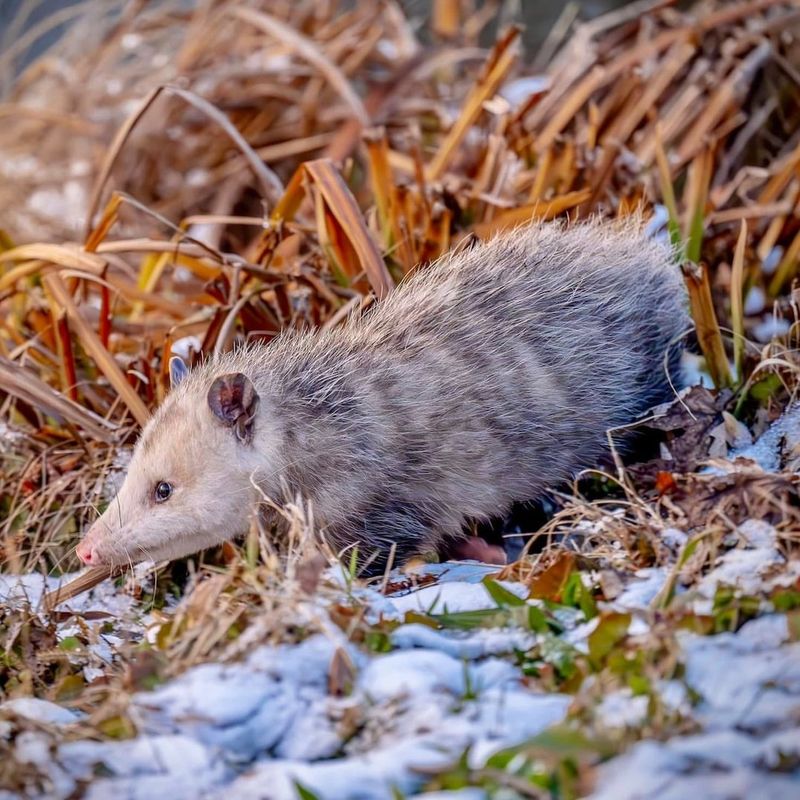
Winter in Michigan is tough on wildlife, and by the time March rolls around, raccoons and opossums are seriously hungry.
Natural food sources like berries, nuts, and insects are still very limited during early spring, so these animals start looking anywhere they can find a quick meal. Gardens happen to be one of the most convenient spots they can find.
Raccoons are smart and adaptable, which means they quickly learn which yards have easy pickings. They may sniff out leftover fruit that fell from trees last fall, dig through compost scraps, or raid a bird feeder sitting on a back porch.
Opossums are just as resourceful, eating almost anything they come across, from earthworms to rotting vegetables.
Birdseed scattered on the ground is a surprisingly big draw for both species during these hungry early weeks. If you have a feeder in your Michigan yard, try switching to a tray-style feeder that catches spillage.
Keeping your outdoor space tidy by storing fallen fruit, securing trash lids, and covering compost bins tightly can seriously reduce nighttime visits.
Both animals are just trying to survive the lean season, and your garden looks like a buffet to them every single night in early spring.
2. Melting Snow Reveals Insects And Grubs
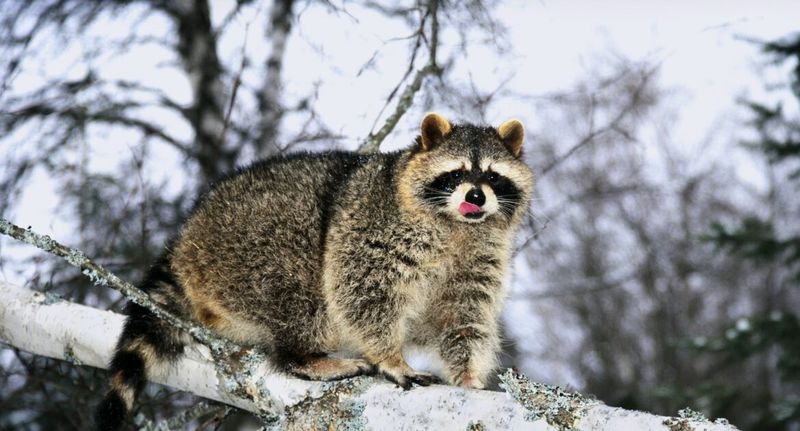
Something fascinating happens beneath Michigan soil every spring. As temperatures climb above freezing and snow begins melting in March and April, the ground slowly thaws and wakes up.
Earthworms start moving toward the surface, beetle larvae begin stirring, and grubs that spent winter deep underground suddenly become reachable again.
Raccoons have incredibly sensitive front paws that can feel movement in loose soil, making them expert grub hunters. They will lightly dig through garden beds, lawns, and raised planting areas searching for these protein-packed snacks.
Opossums do the same, using their pointed snouts to root through damp soil near mulched beds and garden borders.
If you notice small patches of disturbed dirt or flipped-over sections of lawn in your Michigan yard, nighttime wildlife is almost certainly the reason.
These patches are usually shallow and scattered, which is a telltale sign of grub hunting rather than deeper digging by larger animals.
Your Michigan Garden Changes Every Week. Your Plan Should Too.
Gardening in Michigan changes quickly throughout the season. Every Friday you’ll receive a simple weekly plan showing exactly what to plant, prune, fertilize, harvest, and protect so you never miss the right timing.
One helpful trick is to apply beneficial nematodes to your soil in spring, which naturally reduces grub populations and makes your garden less attractive to foraging wildlife.
Keeping garden beds covered with mesh or row covers during the early weeks of spring can also protect freshly turned soil from curious nighttime visitors looking for an easy protein meal.
3. Bird Feeders Attract Nocturnal Visitors

Bird feeders are one of the top reasons raccoons and opossums show up in Michigan gardens after dark. Most bird activity happens during the day, but by evening, seeds have already spilled onto the ground below the feeder.
That scattered seed becomes a free late-night snack for any opportunistic animal passing through the neighborhood.
Sunflower seeds, cracked corn, and suet are especially attractive to raccoons. These animals have an excellent sense of smell and can detect food from surprisingly long distances.
Once a raccoon or opossum finds a reliable food source in your yard, they will return night after night until that source disappears. It becomes a habit very quickly for them.
The good news is that a few simple changes can make a big difference. Try bringing your bird feeder inside at night or switching to a feeder with a built-in tray that catches falling seed before it hits the ground.
Cleaning up spilled seed every evening before sunset removes the overnight temptation entirely. You can also try placing feeders on tall poles with baffles, which are cone-shaped guards that block climbing animals.
Michigan gardeners who take these small steps often notice a sharp drop in nighttime wildlife visits within just a week or two of making the switch.
4. Compost Piles Provide Food And Warmth
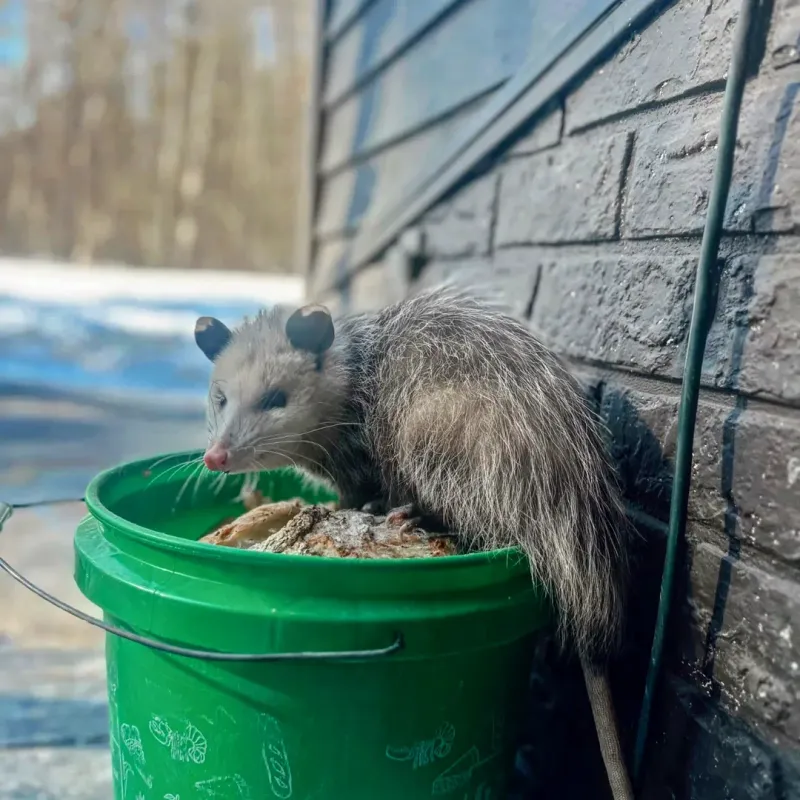
Compost piles are basically an all-you-can-eat invitation for raccoons and opossums in Michigan. Vegetable peels, fruit scraps, eggshells, bread crusts, and other kitchen waste all carry strong smells that travel far on cool spring nights.
Both raccoons and opossums have sharp noses that lead them straight to an unprotected compost pile without much effort at all. What makes compost even more appealing in early spring is the warmth it generates.
Organic material breaking down inside a compost pile actually produces heat, and on chilly Michigan nights in March, that warmth is genuinely attractive to animals looking for a cozy spot to rest near a food source.
Opossums in particular are drawn to warm, sheltered spaces after spending a cold winter trying to stay comfortable.
Switching to a fully enclosed compost bin with a locking lid is one of the most effective solutions available to Michigan gardeners. Tumbler-style compost bins are especially good because they sit off the ground and are nearly impossible for wildlife to access.
Avoid adding meat, dairy, or cooked food to your compost, as these items produce the strongest odors.
Sprinkling a little lime or covering fresh scraps with dry leaves each time you add material can also reduce the smell. Small changes like these make your compost far less tempting on spring nights.
5. Water Sources Become Valuable In Early Spring
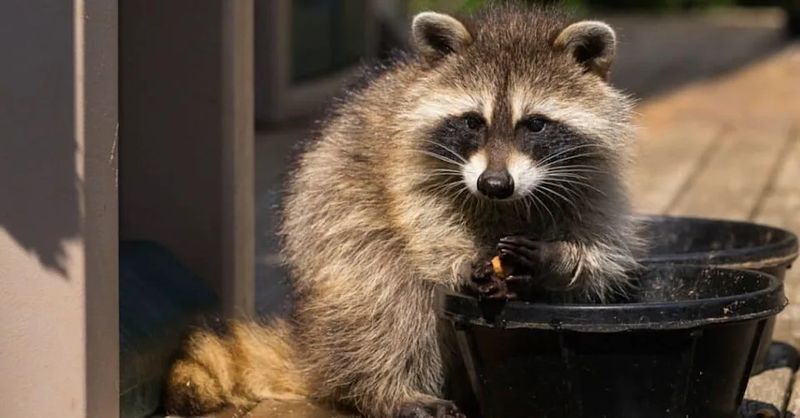
Water might not be the first thing that comes to mind when you think about wildlife visits, but it plays a huge role in attracting raccoons and opossums to Michigan gardens during early spring.
Even though snow is melting across the state in March and April, clean and reliable water sources are not always easy for animals to find. Standing puddles freeze overnight, and natural streams can still be partially iced over.
Raccoons have a well-known habit of washing their food before eating it, and they prefer to do this in shallow, still water.
A birdbath, decorative garden pond, or even a pet water bowl left outside overnight can become a regular stop on a raccoon’s nightly route through your neighborhood.
Opossums also visit water sources regularly, especially after foraging through dry garden debris.
If you want to reduce wildlife visits to your Michigan yard, consider bringing pet water bowls inside before dark each evening. Covering birdbaths with a simple mesh screen overnight also helps.
On the other hand, if you enjoy watching local wildlife, placing a shallow dish of water away from your garden beds can redirect animals to a less sensitive area of your yard.
Knowing that water draws these animals in gives you real control over where they spend their time on spring nights.
6. Gardens Provide Shelter And Safe Cover
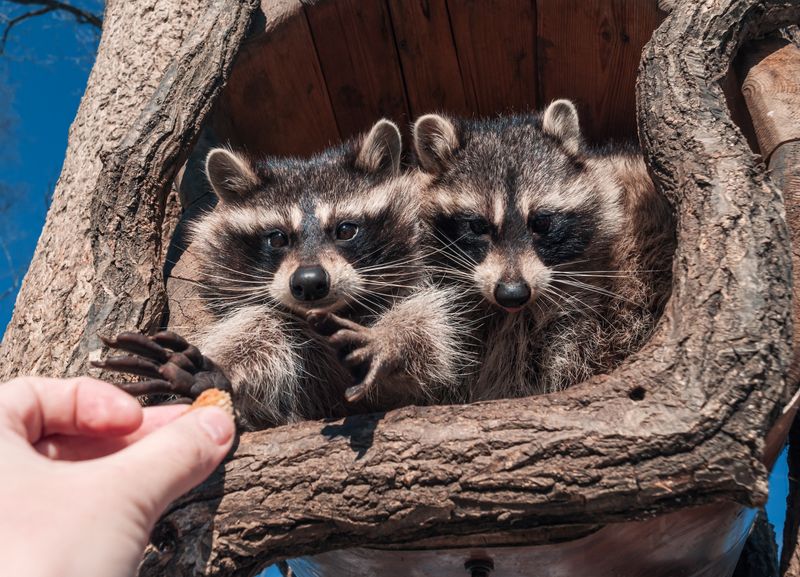
Not every nighttime garden visit is about food. Sometimes raccoons and opossums come to Michigan yards simply because the garden offers a safe and comfortable place to rest.
Dense shrubs, stacked woodpiles, brush piles, and the space beneath garden sheds or decks all create the kind of dark, sheltered hiding spots these animals love.
Opossums especially appreciate low-growing cover because they are not strong climbers compared to raccoons.
A thick row of ornamental grasses, a pile of branches left near the fence, or even a stack of old flower pots can become a temporary home for an opossum moving through your neighborhood on a cold spring night.
Raccoons tend to prefer elevated spots but will use ground-level cover when needed. Michigan gardeners who want to reduce shelter opportunities can take a few practical steps.
Seal off the space beneath decks and sheds with hardware cloth or lattice panels to block entry points.
Keep woodpiles stacked neatly and away from vegetable beds. Trim back overgrown shrubs that touch the ground and clear out brush piles that have been sitting since fall.
Removing these hiding spots does not harm the animals at all but simply encourages them to find shelter elsewhere. Your garden becomes less of a destination and more of a passthrough for wildlife looking for a cozy spot.
7. Early Plantings Can Attract Curious Wildlife
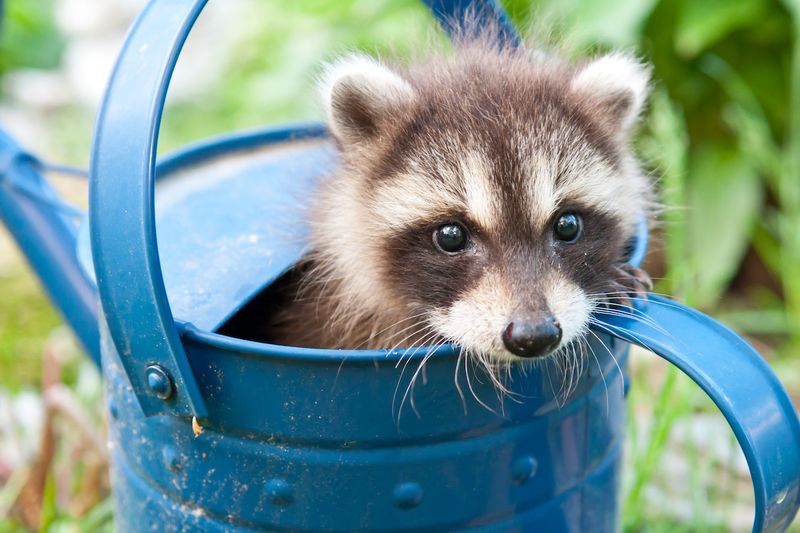
Fresh soil is basically a flashing neon sign for raccoons and opossums in Michigan gardens. The moment you turn over garden beds and plant early spring vegetables or bulbs, the smell of disturbed earth travels quickly through the night air.
Animals associate that scent with exposed insects and grubs just beneath the surface, and they will investigate almost every time.
Newly planted garlic, onion sets, pea seeds, and early lettuce transplants can all get dug up during a single nightly visit. Raccoons in particular are strong diggers and can uproot a freshly planted row in just a few minutes.
Opossums tend to do lighter digging but can still disturb seedlings while searching around plant roots for insects hiding in the loose soil.
Protecting early plantings does not have to be complicated or expensive. A simple layer of chicken wire laid flat over a newly seeded bed works surprisingly well as a deterrent.
Temporary garden netting stretched over raised beds can also stop animals from accessing soil without blocking sunlight or rain. Some Michigan gardeners use row covers made from lightweight fabric, which protect plants from both wildlife and late frost at the same time.
Installing a small temporary fence around your most vulnerable beds during those first few weeks of spring planting can save a lot of frustration and protect the hard work you put into your garden.
8. Breeding Season Increases Nighttime Activity
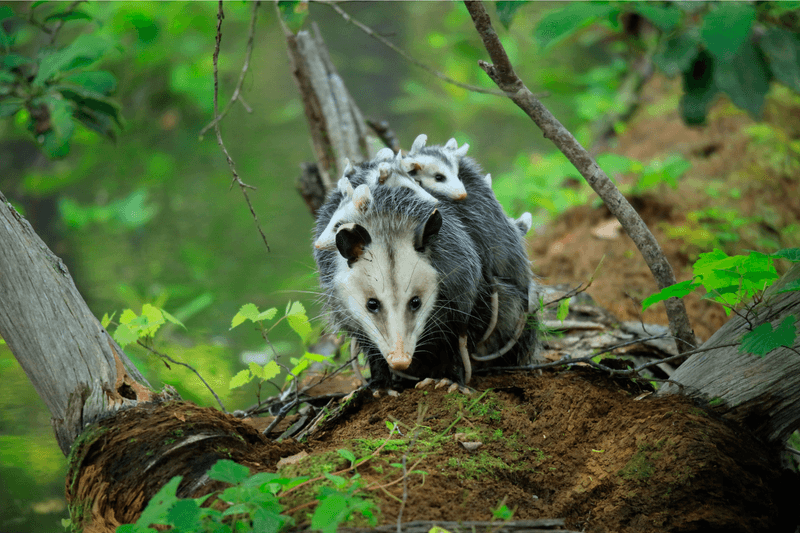
Early spring is one of the busiest times of year for raccoons and opossums across Michigan, and breeding season is a big reason why.
Raccoons typically breed between January and March, which means males are actively traveling larger territories at night searching for mates.
This increased movement brings them through neighborhoods and gardens they might not visit during other times of the year.
Virginia opossums can begin breeding as early as late winter, with females sometimes carrying young by February or March.
A mother opossum with a growing litter needs significantly more food than usual, which pushes her to forage more aggressively and visit more yards each night.
You may notice more frequent visits or see signs of multiple animals in your Michigan garden during these weeks.
Reducing attractants around your garden during this active period is the smartest approach. Secure all garbage cans with bungee cords or locking lids, bring in pet food bowls before sunset, and check your compost bin latch every evening.
Motion-activated lights or sprinkler systems can also discourage animals from lingering in garden areas after dark. These devices startle animals without causing any harm and are very effective at breaking habitual nighttime visits.
Being consistent with these habits throughout late winter and early spring makes a real difference in keeping your Michigan garden peaceful and undisturbed all season long.