The Ultimate Guide To What Michigan Gardeners Should Plant In March
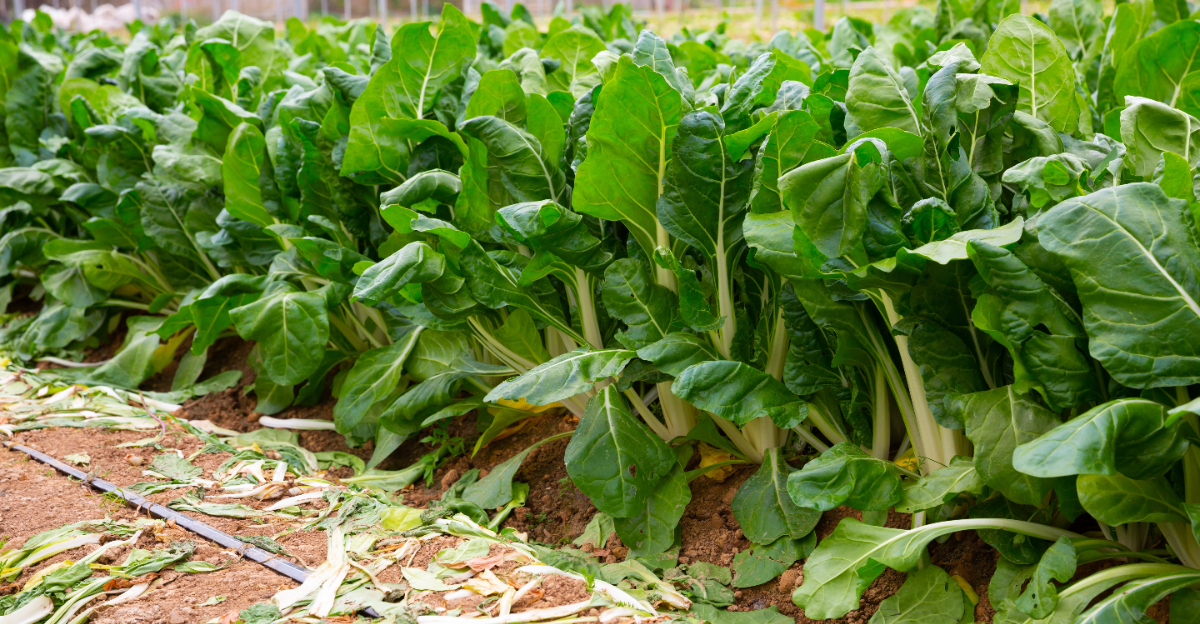
March in Michigan can still feel like the tail end of winter, but something important is already happening in the garden. Beneath the cool soil, the growing season is quietly beginning.
While many gardeners wait for warmer days, cool season vegetables are perfectly suited for these early spring conditions. Across the Upper and Lower Peninsulas, these hardy crops can handle crisp air and light frost without much trouble.
In fact, planting them early often leads to stronger plants and better harvests before the heat of summer arrives. Gardeners who take advantage of this early window often enjoy fresh vegetables weeks before others even start planting.
The key is knowing which crops thrive in Michigan’s early spring weather. Once the right seeds go into the ground, your garden can get a strong start and stay productive from the first days of spring through the rest of the growing season.
1. Peas
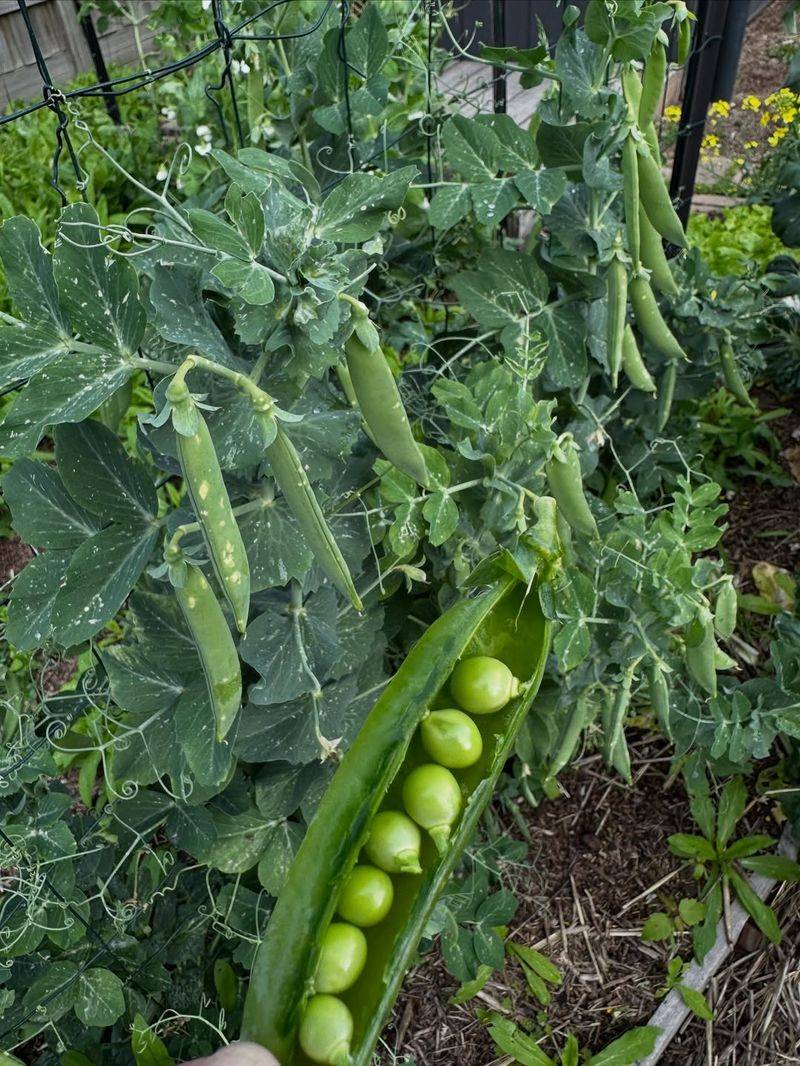
Few vegetables reward patience quite like peas do. Garden peas, known scientifically as Pisum sativum, are one of the best crops Michigan gardeners can plant in March, and the cool spring weather is exactly what they need to thrive.
Pea seeds actually germinate in soil temperatures as low as 40 degrees Fahrenheit, which makes them a perfect match for Michigan’s early spring conditions.
Plant your pea seeds about 1 to 1.5 inches deep and space them roughly 2 inches apart in a sunny garden bed. If you choose a climbing variety, set up a trellis before planting so the vines have something to grab onto right away.
Climbing peas can reach 4 to 6 feet tall, and a sturdy support system keeps them organized and productive throughout the growing season.
One of the biggest advantages of planting peas early in Michigan is that they mature well before the intense summer heat rolls in. Peas slow down and stop producing once temperatures consistently climb above 80 degrees Fahrenheit.
Getting seeds in the ground in March gives your plants the full cool-weather window they need to produce an impressive harvest.
Light frost will not hurt established pea plants, so do not let a chilly March morning hold you back from planting. Michigan gardeners who start early always enjoy the most rewarding pea season.
2. Spinach
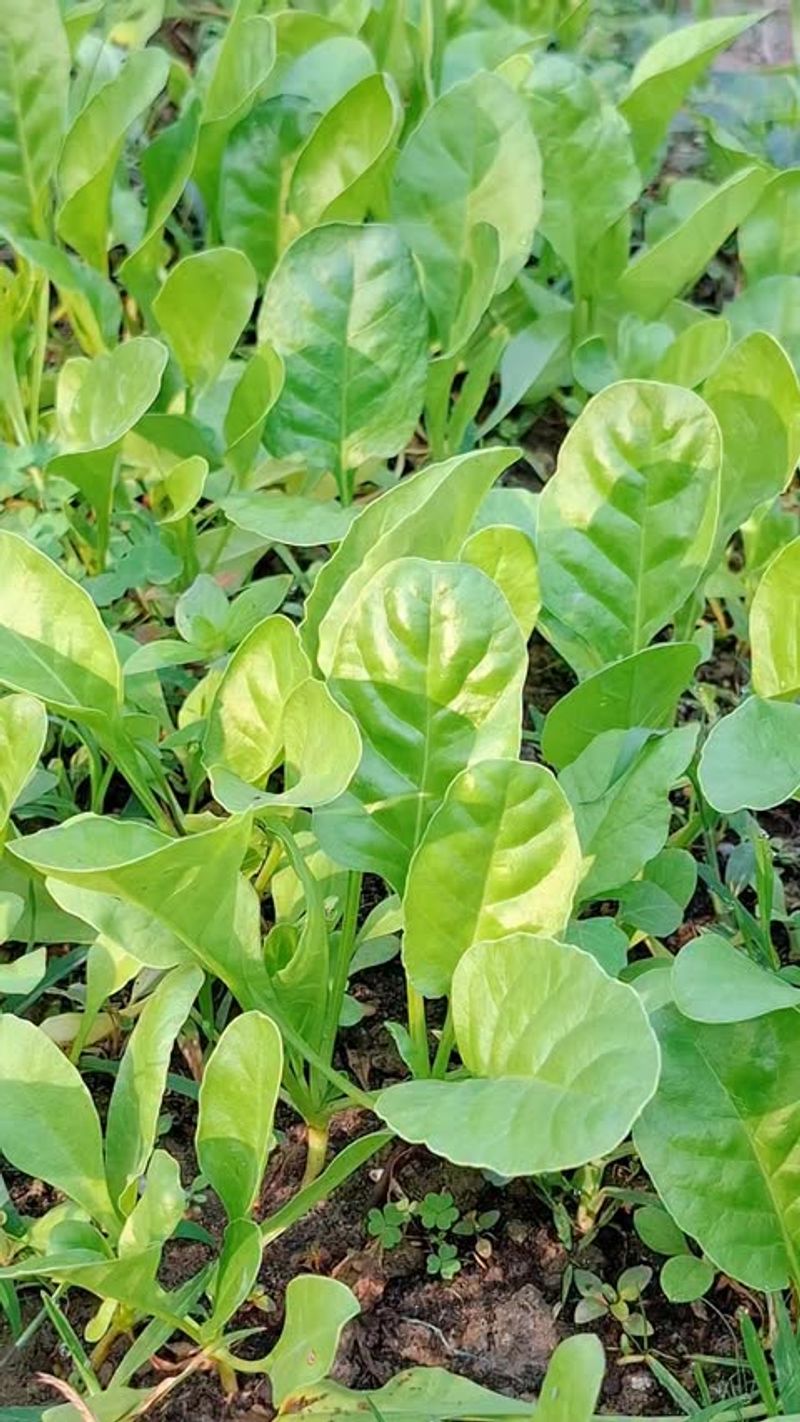
Spinach is one of those vegetables that actually gets sweeter after a light frost touches its leaves.
Spinacia oleracea, or common garden spinach, is a cool-season superstar that Michigan gardeners can sow directly into garden beds in March as soon as the soil becomes workable.
Cold weather does not slow spinach down; it actually encourages compact, flavorful leaf growth.
Sow spinach seeds about half an inch deep and space them roughly 2 inches apart in well-prepared soil. Once seedlings emerge and grow a few inches tall, thin them out so plants have room to breathe and develop properly.
Good airflow between plants reduces the risk of fungal issues and helps each plant put energy into producing bigger, more tender leaves for your kitchen.
Spinach grows quickly in Michigan’s cool spring temperatures, and you can start harvesting outer leaves in as little as 4 to 6 weeks after planting. Picking leaves regularly encourages the plant to keep producing new growth, which extends your harvest window significantly.
Your Michigan Garden Changes Every Week. Your Plan Should Too.
Gardening in Michigan changes quickly throughout the season. Every Friday you’ll receive a simple weekly plan showing exactly what to plant, prune, fertilize, harvest, and protect so you never miss the right timing.
Because spinach struggles once summer heat arrives, getting seeds in the ground during March gives you the longest possible cool-weather growing period. Many Michigan gardeners plant a second round in late summer for a fall harvest too.
Fresh homegrown spinach tastes far better than anything from a grocery store shelf, and March is your golden opportunity to grow it.
3. Radishes
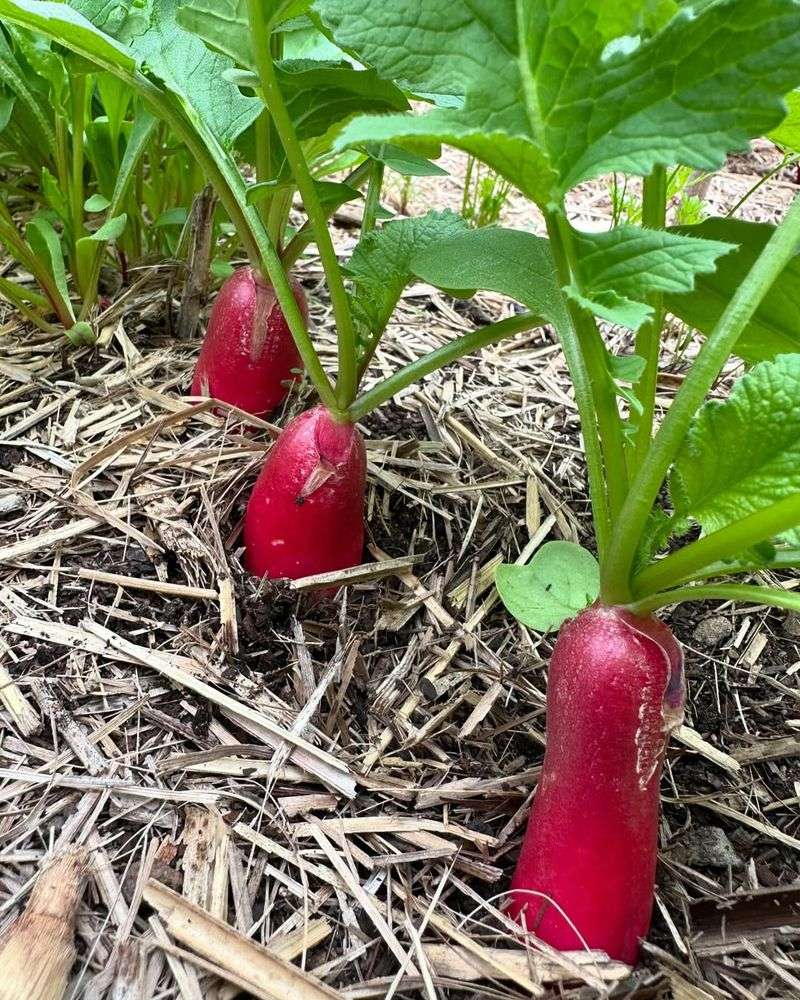
Want a vegetable that goes from seed to harvest in less than a month? Radishes are your answer.
Raphanus sativus is one of the fastest-growing crops available to Michigan gardeners, and March is the perfect time to get them started. Radish seeds germinate quickly in cool soil and thrive in the same chilly conditions that define Michigan’s early spring weeks.
Plant radish seeds about half an inch deep and space them roughly 1 inch apart in loose, well-drained soil. As the seedlings grow and roots begin to develop, thin them out to give each plant enough room to form a full, round root.
Overcrowded radishes tend to produce small, misshapen roots that are less satisfying to harvest and eat.
Most radish varieties are ready to pull from the ground in just 3 to 4 weeks after planting, making them one of the most rewarding quick crops in any Michigan garden.
They add a satisfying crunch to salads, sandwiches, and snack plates, and growing your own means you get them at peak freshness.
Radishes also work great as row markers for slower-germinating crops like carrots. You harvest the radishes before the carrots need the space, so nothing goes to waste.
For Michigan gardeners looking for fast, easy, and fun results in March, radishes are the ultimate confidence booster for the new growing season.
4. Lettuce
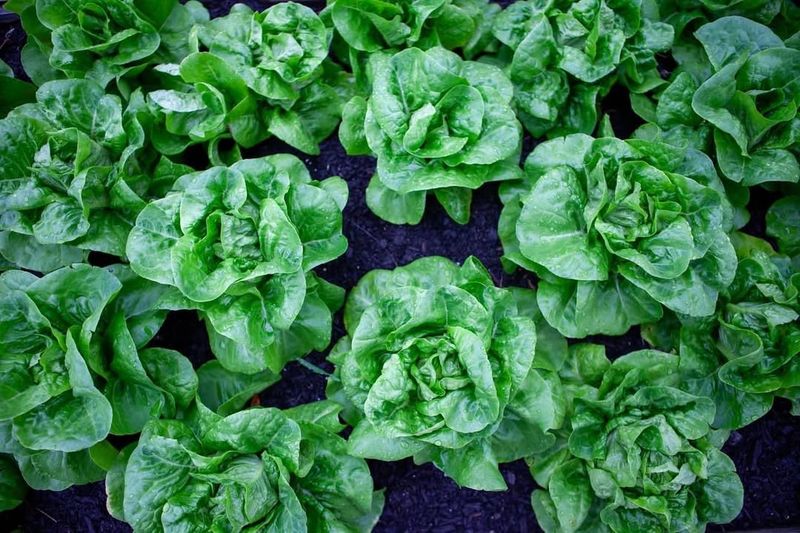
Crispy, fresh lettuce straight from your own Michigan garden is one of spring’s greatest pleasures. Lactuca sativa grows beautifully in the cool temperatures that March brings, and it is one of the easiest vegetables to start directly from seed.
Lettuce actually prefers cool weather and will produce the most tender, flavorful leaves when daytime temperatures stay between 45 and 65 degrees Fahrenheit.
Sow lettuce seeds about a quarter inch deep in rows or scatter them lightly across raised beds for a more relaxed, natural look. You do not need to be too precise with spacing at first.
Once seedlings emerge, thin them out to give each plant room to develop into a full head or a bushy leaf cluster, depending on the variety you chose.
One smart trick many Michigan gardeners use is successive planting, which means sowing a new round of lettuce seeds every two weeks throughout spring.
This approach keeps fresh lettuce coming to your table continuously rather than having one giant harvest all at once.
Loose-leaf varieties tend to be the easiest for beginners because you can harvest outer leaves while the plant keeps growing from the center. Butterhead and romaine types take a bit longer but reward you with full, beautiful heads.
Since lettuce struggles in summer heat, March planting in Michigan gives you the ideal cool-weather window to enjoy this crisp, refreshing green at its absolute best.
5. Kale
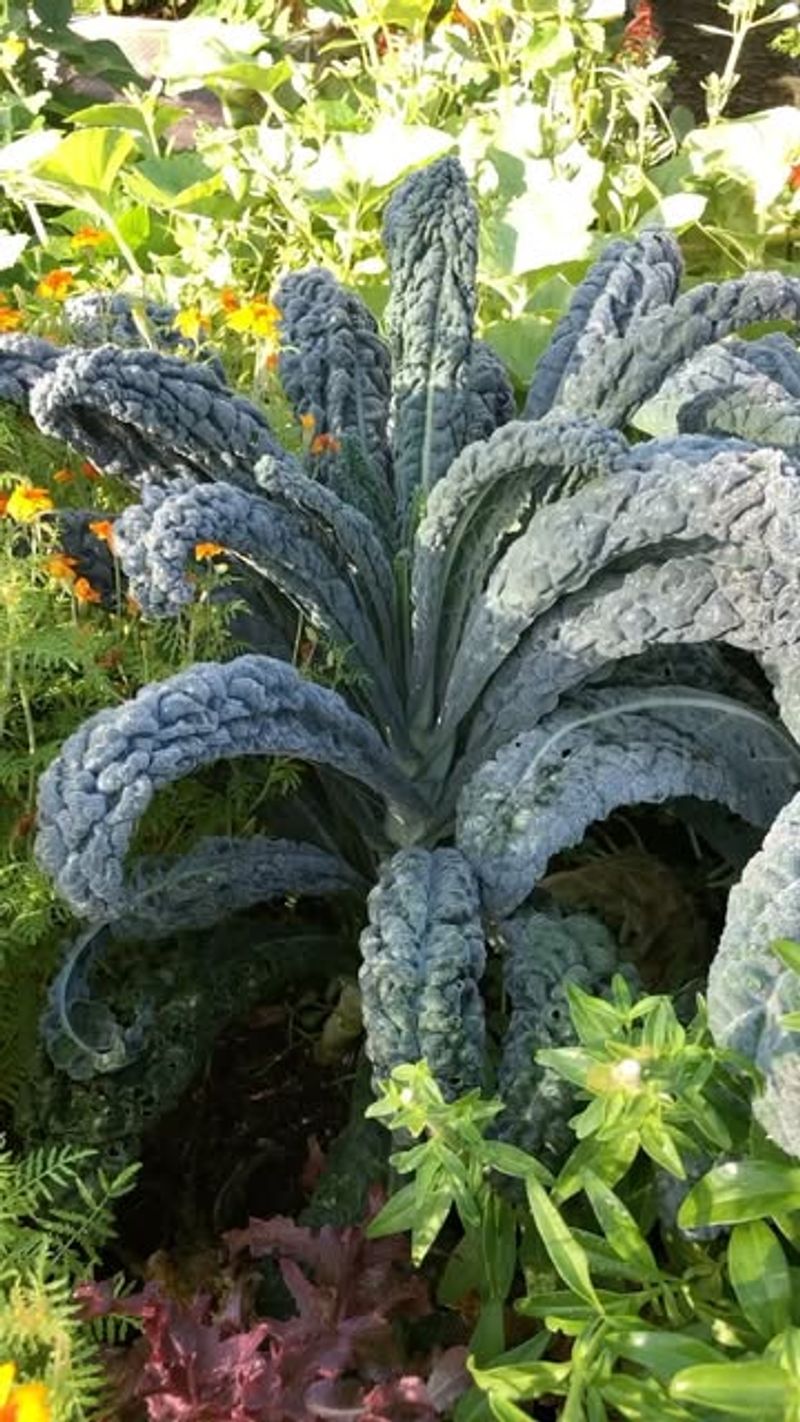
Kale is tough. Seriously tough. Brassica oleracea var. sabellica can handle frost, light snow, and the kind of unpredictable Michigan March weather that would stress out most other vegetables.
That cold hardiness is exactly why kale belongs at the top of every Michigan gardener’s early spring planting list.
Rather than struggling in cool conditions, kale actually becomes more flavorful after exposure to frost.
Plant kale seeds about half an inch deep and space your plants roughly 12 inches apart to give each one room to spread out into a full, leafy plant. Kale can grow quite large over the season, so generous spacing now pays off with bigger, healthier plants later.
Choose from classic curly kale, the flatter Lacinato variety, or colorful ornamental types that look stunning in Michigan garden beds.
Starting kale in March means your plants will be well established by the time the main growing season kicks into full gear. You can begin harvesting outer leaves once plants reach about 8 to 10 inches tall, and the plant will continue producing fresh leaves for months.
Kale is packed with vitamins and minerals, making it one of the most nutritious vegetables you can grow in your Michigan garden.
From smoothies to soups to crispy oven-roasted chips, homegrown kale is endlessly useful in the kitchen. March is your best opportunity to get this powerhouse crop off to a strong start.
6. Carrots
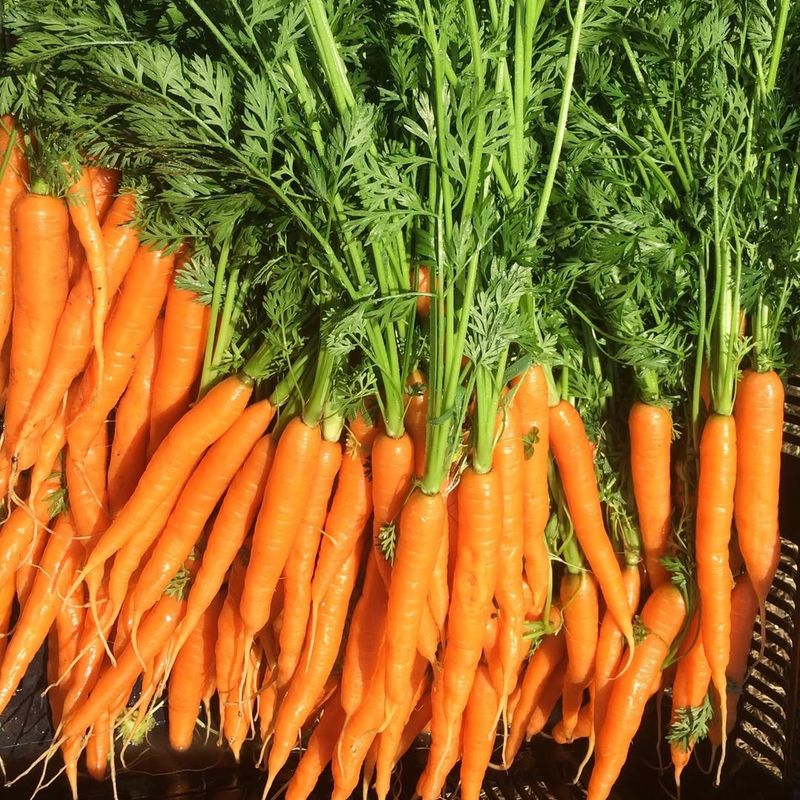
Carrots take a little patience, but the reward is absolutely worth it. Daucus carota subsp. sativus can be planted in Michigan gardens during March as soon as the soil becomes loose and workable.
Carrot seeds are tiny and germinate slowly in cool soil, sometimes taking up to two weeks to sprout, so do not panic if you do not see anything happening right away.
Sow carrot seeds about a quarter inch deep in loose, well-prepared soil that has been cleared of rocks and large clumps. Compacted or rocky soil causes carrots to fork and grow in odd shapes rather than forming straight, smooth roots.
Keep the soil surface consistently moist during the germination period because carrot seeds need steady moisture to sprout successfully.
Once seedlings emerge, thin them to about 2 to 3 inches apart so each carrot has enough room to develop a full, thick root underground.
Skipping the thinning step is one of the most common mistakes Michigan gardeners make with carrots, and it results in small, crowded roots that are less satisfying to harvest.
Carrots planted in March in Michigan will be ready to pull from the ground by late spring or early summer, depending on the variety. Shorter varieties like Chantenay or Nantes types work especially well in heavier Michigan soils.
Homegrown carrots have a sweetness and crunch that store-bought versions simply cannot match.
7. Beets
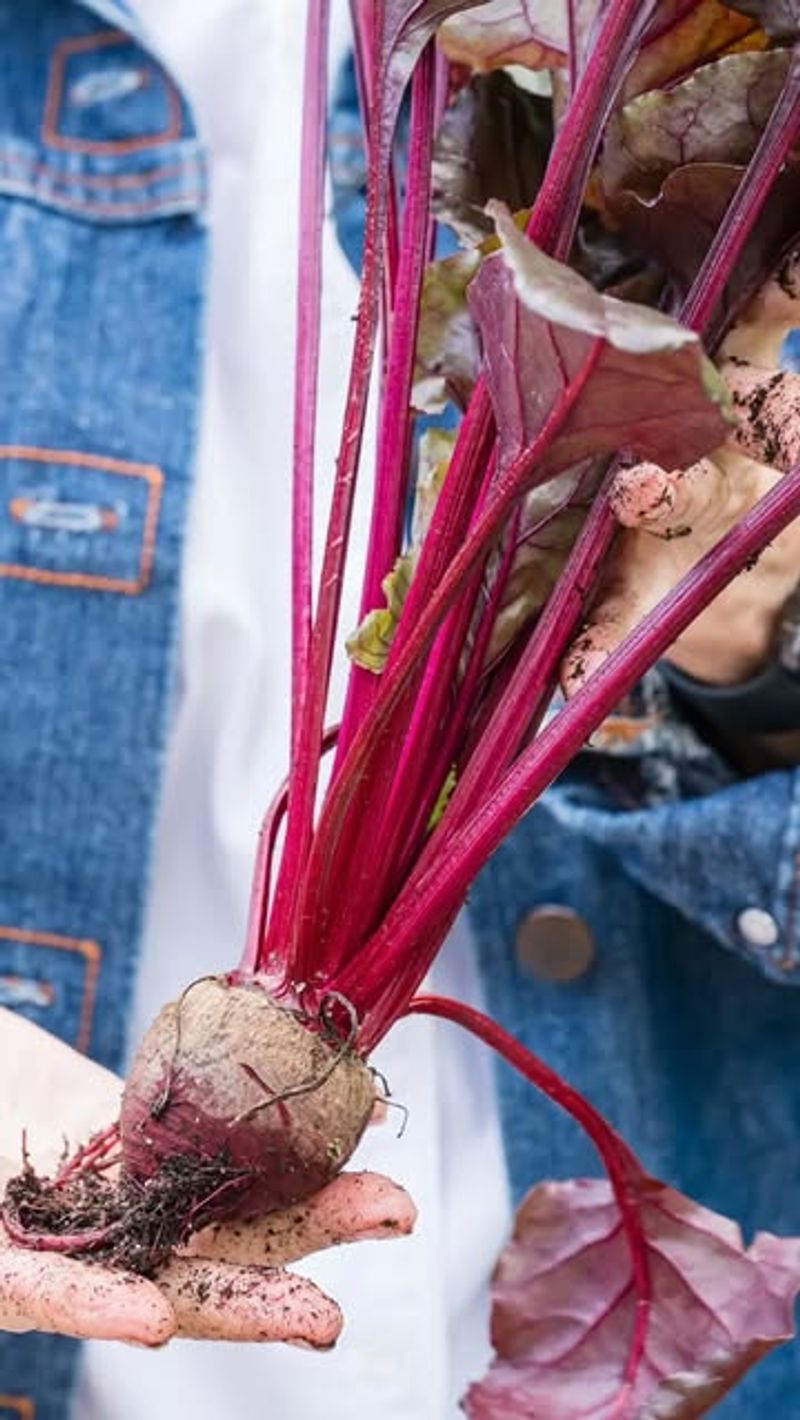
Beets are one of those vegetables that surprise first-time growers with how easy and rewarding they are.
Beta vulgaris is a versatile cool-season crop that thrives in Michigan’s early spring conditions, with seeds germinating in soil temperatures as low as 45 degrees Fahrenheit.
That makes March a genuinely ideal time to get beets started in your Michigan garden bed.
Plant beet seeds about half an inch deep and space them roughly 2 inches apart in rows. One thing to keep in mind is that what looks like a single beet seed is actually a cluster of several seeds wrapped together in a natural coating.
Because of this, multiple seedlings will often sprout from one planting spot, and you will need to thin them out to about 3 to 4 inches apart once they reach a couple of inches tall.
Thinning beets properly is the key to growing full, round roots rather than a tangle of small, crowded ones. The thinned seedlings are completely edible and taste great in salads, so nothing goes to waste.
Beets offer a double harvest since you can eat both the roots and the leafy greens on top. Roasted beets, pickled beets, and beet salads are all incredibly satisfying dishes made even better when the beets come straight from your own Michigan garden.
Starting them in March gives your crop the cool weather it needs to develop rich color, sweet flavor, and impressive size by harvest time.
8. Swiss Chard
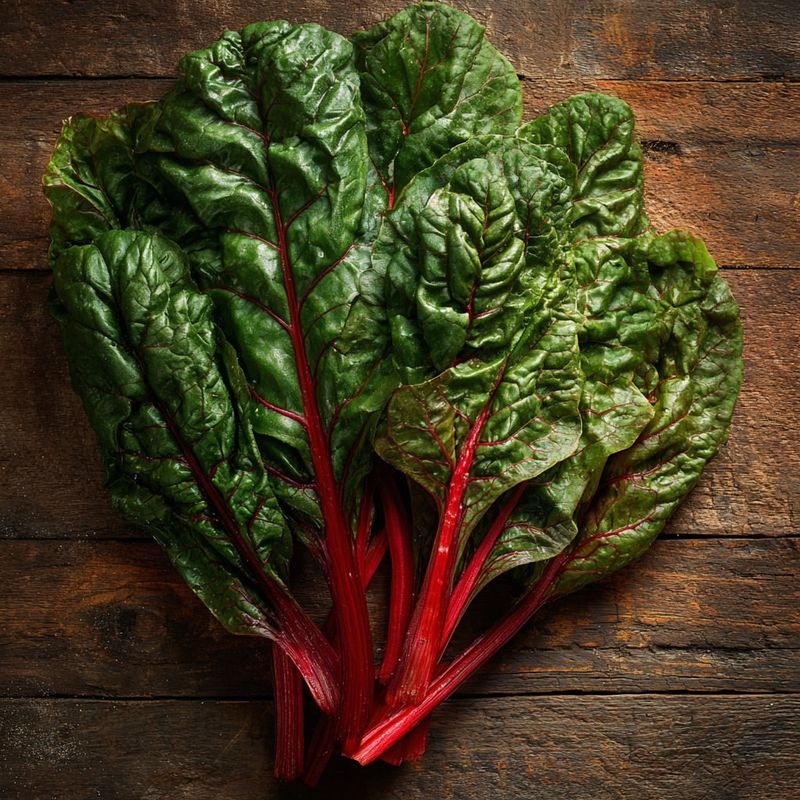
Swiss chard might just be the most visually stunning vegetable you can grow in a Michigan garden. Beta vulgaris subsp. vulgaris produces brilliantly colored stems in shades of red, orange, yellow, and white, making it as beautiful as it is useful.
Unlike many other cool-season greens, Swiss chard keeps producing leaves for months on end, giving you one of the longest harvests of any vegetable you plant in March.
Sow Swiss chard seeds about half an inch deep and plan to space your plants roughly 6 inches apart once they are thinned. Like beets, Swiss chard seeds are actually seed clusters, so expect multiple seedlings to emerge from each planting spot.
Thinning them early gives each plant the space it needs to grow large, healthy leaves with those eye-catching colorful stems.
Swiss chard handles Michigan’s cool spring temperatures well and also tolerates some summer heat better than spinach or lettuce, which makes it an exceptionally productive choice for gardeners who want greens throughout a long growing season.
Harvest outer leaves regularly to encourage the plant to keep pushing out fresh new growth from the center.
The leaves are delicious sauteed with garlic, added to pasta dishes, or used fresh in hearty salads. Starting Swiss chard in March in Michigan means you will be harvesting vibrant, nutritious greens from spring all the way through the first cool nights of autumn.
It is genuinely one of the best investments a Michigan gardener can make.
9. Arugula
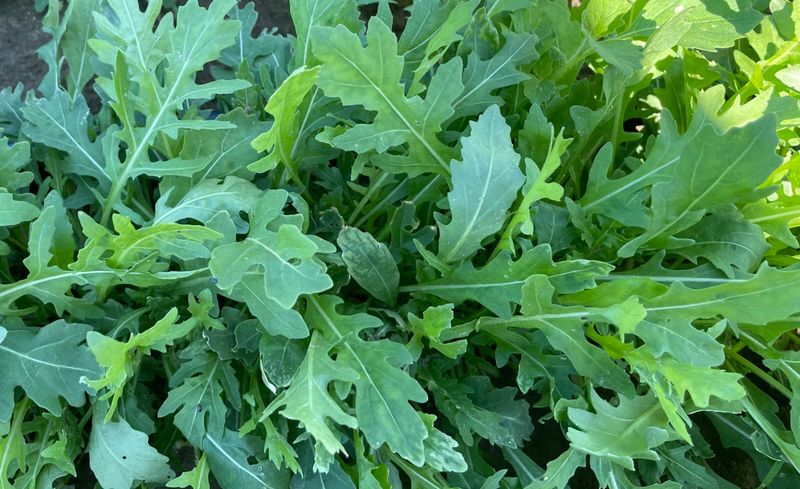
Arugula has a bold, peppery flavor that makes even a simple salad feel special.
Eruca vesicaria is one of the fastest and easiest greens Michigan gardeners can plant in March, and it absolutely loves the cool, crisp spring temperatures that define the early growing season.
Seeds germinate quickly in cool soil, sometimes within just a few days, making arugula one of the most satisfying early spring crops to watch grow.
Sow arugula seeds about a quarter inch deep across prepared garden beds or in rows, then thin seedlings to about 4 to 6 inches apart once they emerge. You do not need a lot of space to grow a generous amount of arugula.
Even a small raised bed or container can produce enough leaves for regular salads throughout the cool spring weeks in Michigan.
The trick to keeping arugula productive and flavorful is harvesting young leaves frequently. Picking outer leaves regularly encourages the plant to produce fresh new growth from the center, extending your harvest window significantly.
Once arugula bolts and sends up a flower stalk in warmer weather, the leaves become more intensely bitter, so stay on top of harvesting while temperatures stay cool.
Arugula pairs beautifully with roasted vegetables, shaved parmesan, and simple vinaigrette dressings.
Planting it in March in Michigan gives you weeks of fresh, zesty greens right from your own backyard. It is quick, easy, and genuinely delicious.