6 California Plants You Can Safely Prune This March And 4 To Leave Alone
March is one of the best times to get outside and tend to your California garden. The weather is warming up, new growth is just around the corner, and your plants are ready to respond to a good trim.
But here is the thing: not every plant wants to be pruned right now. Some plants will reward you with bigger blooms and healthier growth if you cut them back this month, while others will lose their flowers entirely if you touch them too soon.
A few careful snips in the right spots can make a big difference, and learning which plants need extra time can save you some frustration.
With just a bit of guidance, you can feel confident tending your garden this month without the worry for your future blooms!
1. Roses
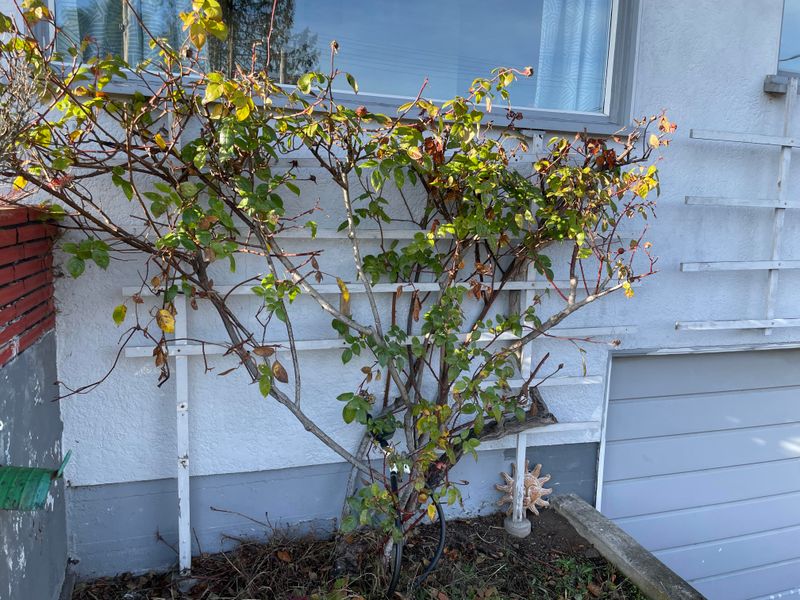
Few plants reward a good March pruning quite like roses. In California, early spring is the sweet spot for cutting back hybrid tea, floribunda, and repeat-flowering climbing roses.
The mild winters here mean roses often hold onto old, woody canes longer than needed, and a clean trim now sets them up for a full, beautiful season ahead.
Start by removing any canes that look dead, crossed, or weak. Make your cuts at a 45-degree angle, just above an outward-facing bud.
This encourages new growth to spread outward rather than crowd the center of the plant, which improves airflow and reduces the chance of disease.
Aim to leave about three to five strong canes on each plant. Cut the remaining canes down to about 18 to 24 inches, depending on the variety.
After pruning, clean up any fallen leaves from the base of the plant. Old leaves can harbor fungal spores that spread quickly in California’s coastal humidity.
Finish up by feeding your roses with a balanced fertilizer to give them a strong start. You will likely see new red growth within a week or two, which is a great sign that your roses are ready to thrive.
2. Crepe Myrtle
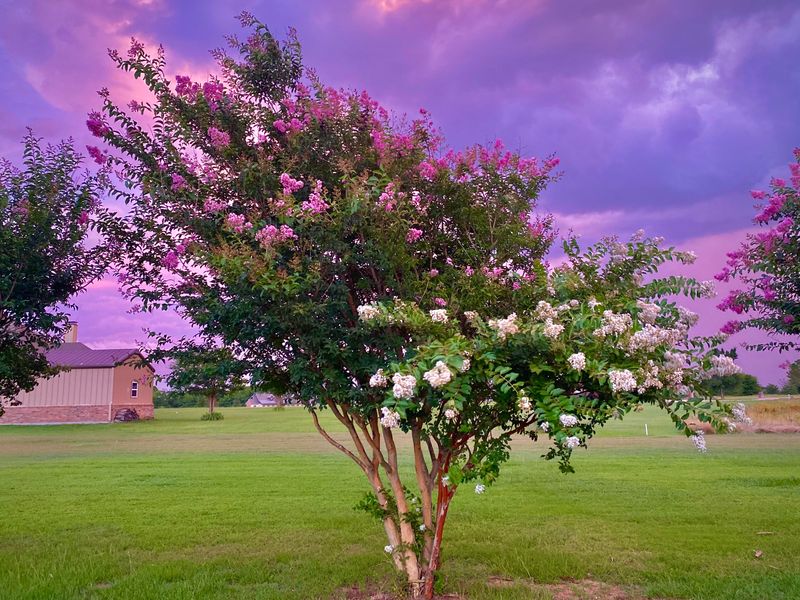
Crepe myrtles are a staple across California neighborhoods, and March is exactly the right time to give them some attention. These trees bloom on new wood, which means pruning now encourages strong new branches that will be loaded with colorful summer flowers.
Skipping this step often results in a messy, overcrowded canopy with fewer blooms.
One thing to watch out for is a practice called “crepe murder,” where people cut the tops of the tree down to ugly stubs. Please avoid doing this.
Instead, focus on removing weak, crossing, or inward-growing branches. Thin out the crown so light and air can move through freely.
Remove any suckers growing from the base of the tree, as these pull energy away from the main trunk. If your crepe myrtle is on the smaller side, you can also shorten side branches by about one-third to keep a tidy shape.
California gardeners in warmer inland areas may notice their trees are already showing tiny leaf buds by early March, which is your cue to get pruning right away. With the right cut, crepe myrtles can put on a stunning show from late spring all the way through summer.
Your California Garden Changes Every Week. Your Plan Should Too.
Gardening in California changes quickly throughout the season. Every Friday you’ll receive a simple weekly plan showing exactly what to plant, prune, fertilize, harvest, and protect so you never miss the right timing.
3. Butterfly Bush
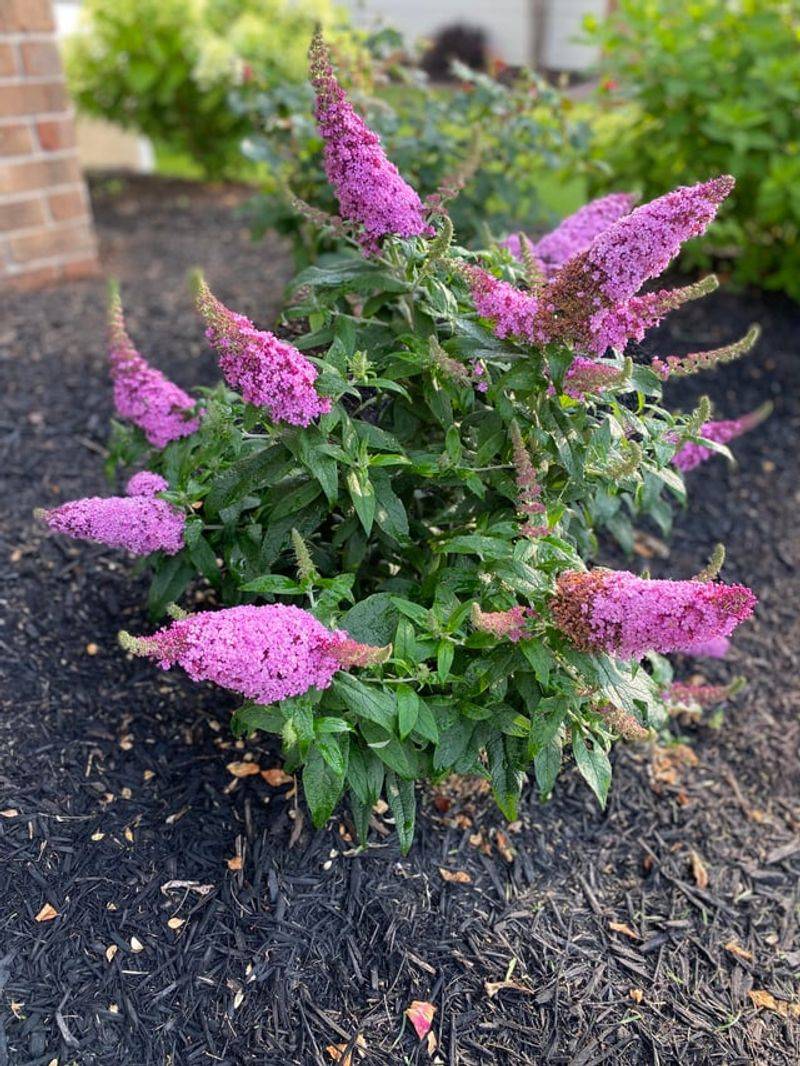
Butterfly bush is one of those plants that actually gets better the harder you prune it. March is the perfect time to cut it back in California, just before the growing season kicks into full gear.
Left unpruned, butterfly bush can become a tall, leggy shrub with small flower clusters at the very tips of long, bare branches.
Cut the entire plant back to about 12 inches from the ground. Yes, it will look dramatic at first, but do not worry.
This plant bounces back fast, especially in California’s warm spring climate. Within a few weeks, you will see fresh green shoots pushing up from the base, and by summer, the plant will be full and covered in long, fragrant flower spikes that attract butterflies and hummingbirds.
Butterfly bush is considered invasive in some states, but in California, it is widely grown in home gardens. If you want to be extra responsible, deadhead the spent flowers throughout the season so seeds do not spread beyond your yard.
Pruning in March also gives you a chance to assess the plant’s overall health, remove any old woody stems that are no longer productive, and shape the base so the new growth comes in evenly and strong.
4. Abelia
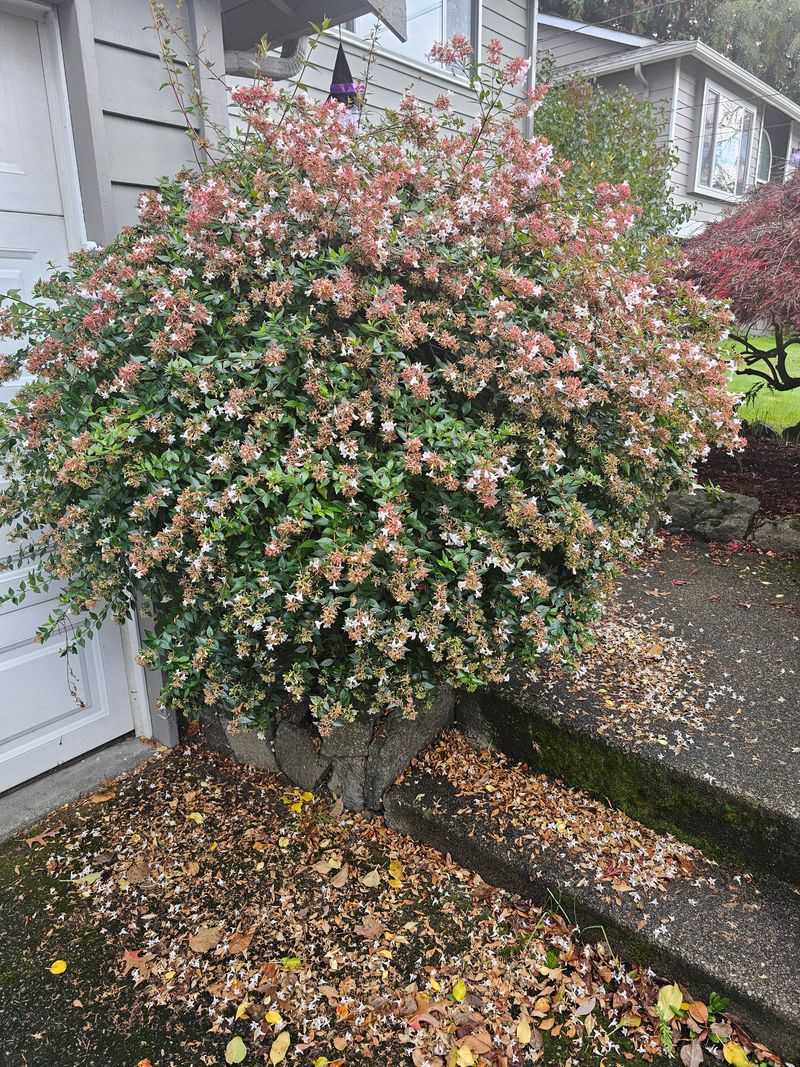
Abelia is a tough, low-maintenance shrub that earns its place in California gardens with graceful arching branches and delicate tubular flowers. March is a smart time to prune it, right before the flush of new spring growth begins.
A light trim now keeps the plant looking tidy and encourages a fresh round of blooming stems.
You do not need to go heavy-handed with abelia. Start by cutting out the oldest, thickest canes at the base.
These older stems produce fewer flowers, so removing them makes room for vigorous new growth. Then lightly shape the outside of the shrub to control its size and encourage a more compact form.
Abelia tolerates pruning very well, so if your plant has gotten overgrown over the years, March is also a good time for a harder renovation cut. You can cut the whole shrub back by about one-third without causing any long-term harm.
California gardeners often use abelia as a hedge or foundation planting, and regular March pruning keeps it looking polished all season. After pruning, give it a light feeding with a slow-release fertilizer to support the new growth that is about to come.
The results will be worth it come late spring and summer.
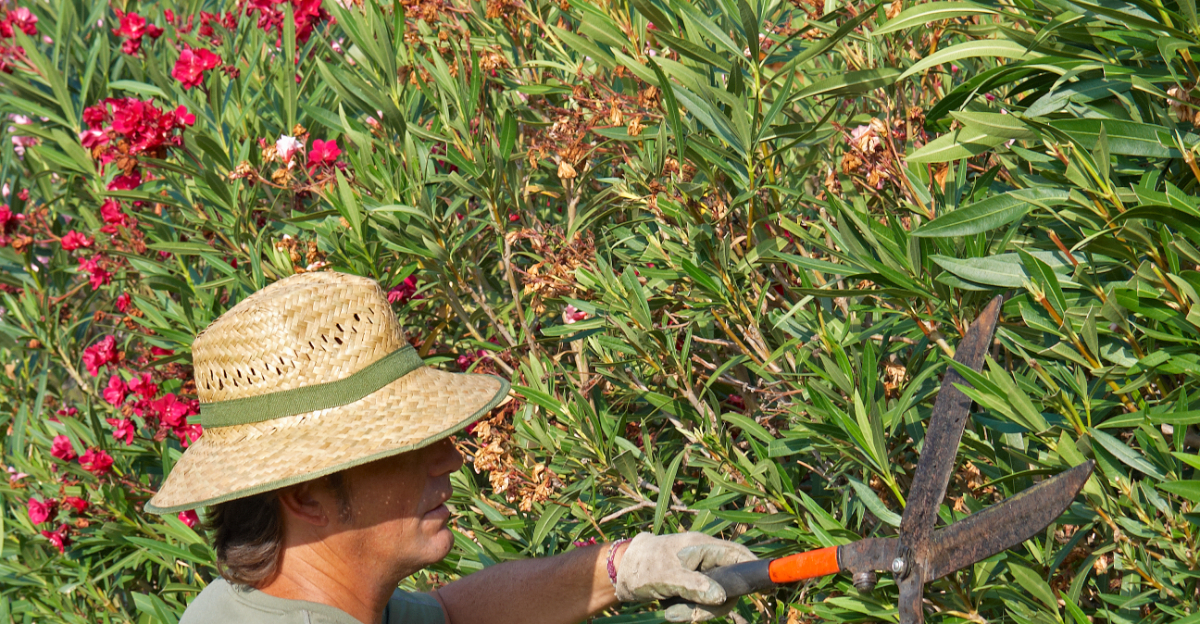
5. Oleander
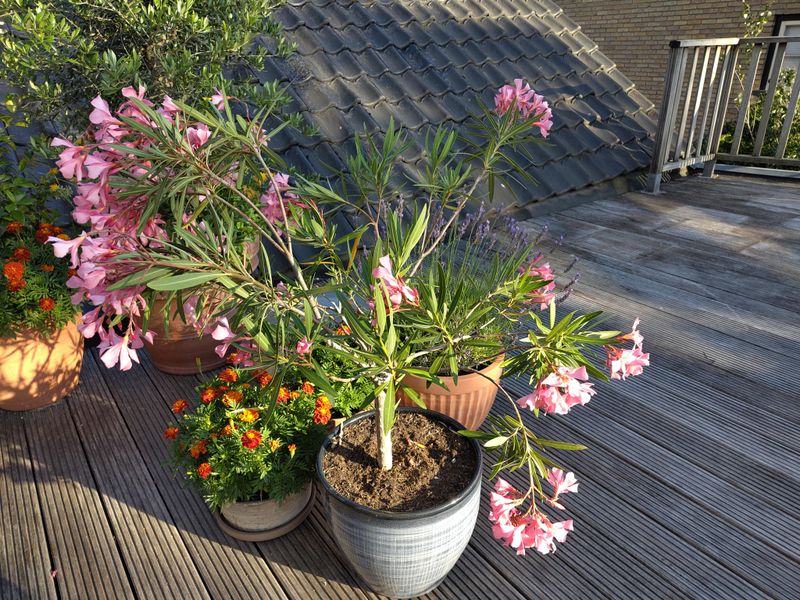
Oleander is practically made for California. It loves the heat, handles drought like a champ, and blooms in shades of pink, white, red, and yellow.
March is an ideal time to prune it before the hot growing season begins, helping the plant stay shapely and encouraging a strong flush of summer flowers.
Always wear gloves when working with oleander. Every part of the plant contains compounds that can irritate skin, so protecting your hands is a must.
Use sharp loppers or hand pruners to remove any dead, crossing, or overly long branches. You can cut back the plant by up to one-third of its total size without stressing it.
If your oleander has gotten very large and woody over the years, a harder renovation prune in March can work wonders. Cut the oldest canes down close to the base to encourage fresh new growth from the bottom up.
California homeowners often use oleander as a privacy screen or noise barrier along fences, so keeping it at a manageable height with annual pruning makes practical sense. After pruning, dispose of the clippings carefully and wash your hands and tools thoroughly.
With a little attention now, your oleander will reward you with months of colorful blooms.
6. Russian Sage
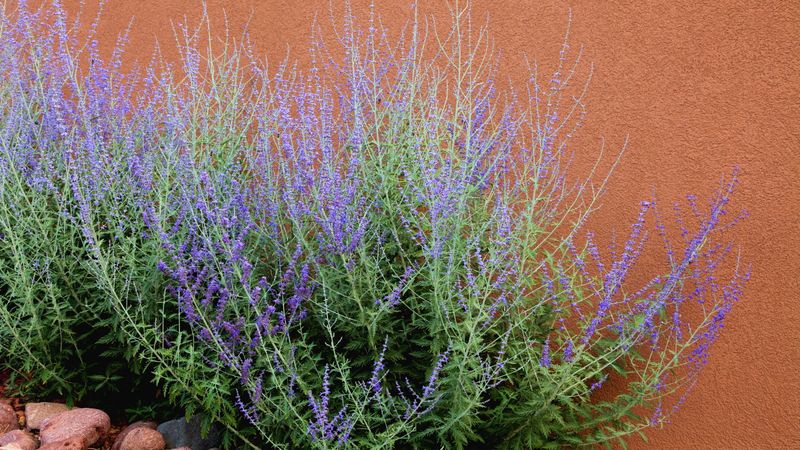
There is something almost magical about Russian sage in full bloom, with its tall silvery stems and clouds of tiny purple-blue flowers swaying in a warm California breeze. But to get that spectacular display every summer, you need to cut it back hard in March.
This plant blooms on new wood, so last year’s growth needs to go.
Cut Russian sage back to about six to eight inches from the ground. The stems are woody and may feel tough to cut, but a sharp pair of pruning shears will handle the job.
Do not be tempted to leave more stem than needed, as cutting low encourages the strongest, most floriferous new growth.
Russian sage is drought-tolerant once established, which makes it a popular choice across California’s drier inland regions and coastal gardens alike. After your March pruning, you can add a light layer of compost around the base to feed the soil as the plant wakes up.
Avoid overwatering during this period, as Russian sage prefers leaner conditions. By late spring, you will start to see silvery new shoots pushing up from the base, and by midsummer, the plant will be a stunning focal point in your California garden, drawing bees and butterflies in abundance.
7. Lilac
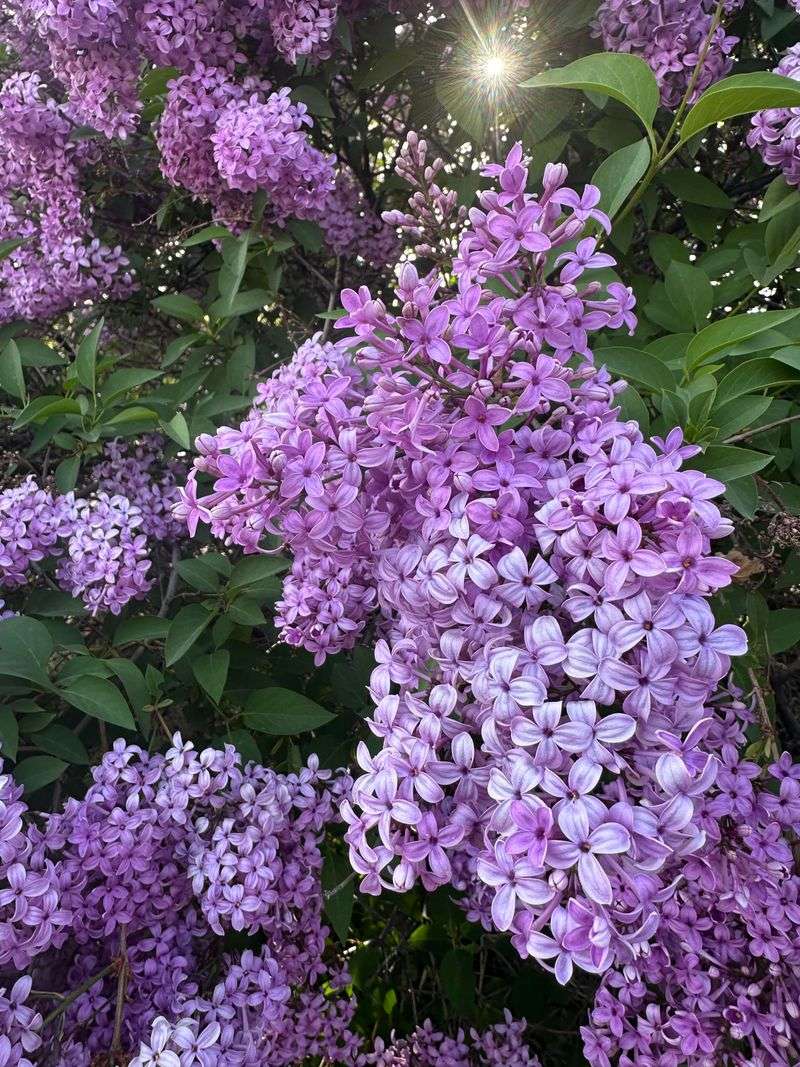
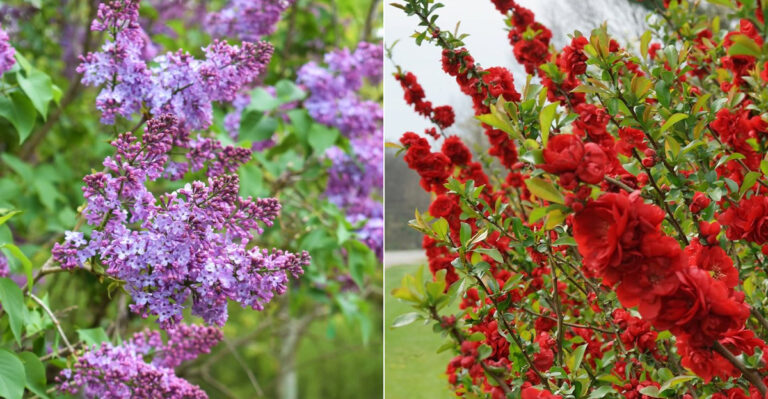
Lilacs have a devoted fan base, and for good reason. Their fragrant purple, white, or pink flower clusters are one of spring’s most beloved sights.
But here is the important part: do not prune your lilac in March. Lilacs bloom on old wood, meaning the flower buds you are hoping to enjoy this spring were set on last year’s branches during the fall.
If you cut a lilac back in early March, you are essentially removing the very buds that would have opened into those gorgeous blooms. The result is a healthy-looking shrub with absolutely no flowers.
That is a frustrating outcome that is completely avoidable with the right timing.
The best time to prune lilacs in California is right after they finish flowering, usually in late spring or early summer. At that point, you can remove spent flower heads, trim back any overly long branches, and thin out older canes to encourage fresh growth for next year.
Lilacs can be slow to establish in warmer parts of California because they need a certain number of cold hours to bloom well. If yours is already blooming, protect those buds by keeping your shears away until the flowers have fully faded.
Patience now means a fragrant reward every spring.
8. Azalea
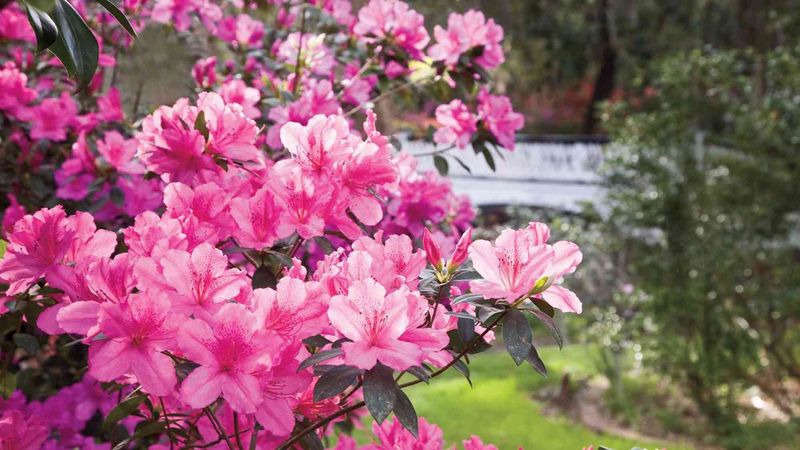
Walk through almost any California neighborhood in spring and you will likely spot azaleas putting on a show. These shrubs are famous for their bold, showy flowers that come in shades of pink, red, white, and coral.
What many gardeners do not realize is that azaleas set their flower buds on old wood during the previous growing season.
Pruning in March means cutting off the buds that are just about to open. You will end up with a neatly shaped shrub and almost no flowers, which defeats the whole purpose.
Hold off on pruning until the blooms have finished, typically sometime in late spring depending on your location in California.
Once flowering is done, you have a short window, usually four to six weeks, to prune before the plant starts setting next year’s buds. Keep your cuts light and focused on shaping rather than heavy reduction.
Azaleas do not need aggressive pruning to stay healthy. They respond best to gentle, thoughtful trimming.
In shadier California gardens, azaleas often thrive under the canopy of larger trees, where they get filtered light and consistent moisture. Give them that environment, leave them alone in March, and they will reward you with a spectacular bloom season year after year.
9. Camellia
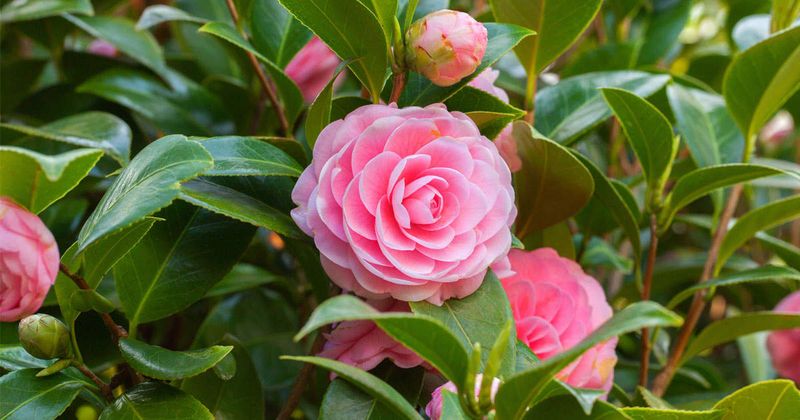
They are definitely one of California’s most elegant flowering shrubs, blooming in late fall and winter when most other plants are resting. Because of this unique bloom time, March can be a tricky month for camellia care.
Many varieties are either finishing their bloom cycle or still holding their last flowers as March begins.
The safest approach is to wait until all the flowers have fully dropped before picking up your pruning shears. Pruning too early can cut off flowers that are still opening, which is a shame given how beautiful camellia blooms are.
Once flowering is completely finished, a light trim to shape the shrub and remove any crossing branches is all that is typically needed.
Camellias generally do not require heavy pruning. They are naturally tidy growers that maintain a nice form on their own.
If yours has gotten too large for its space, you can do a more significant reduction right after blooming ends, but always avoid cutting into old, thick wood unless absolutely necessary. California gardeners in coastal areas often grow camellias in partial shade, which suits them perfectly.
After pruning, top dress the soil with an acidic mulch like pine bark to keep the roots cool and happy. A little care goes a long way with these stunning shrubs.
10. Hydrangea
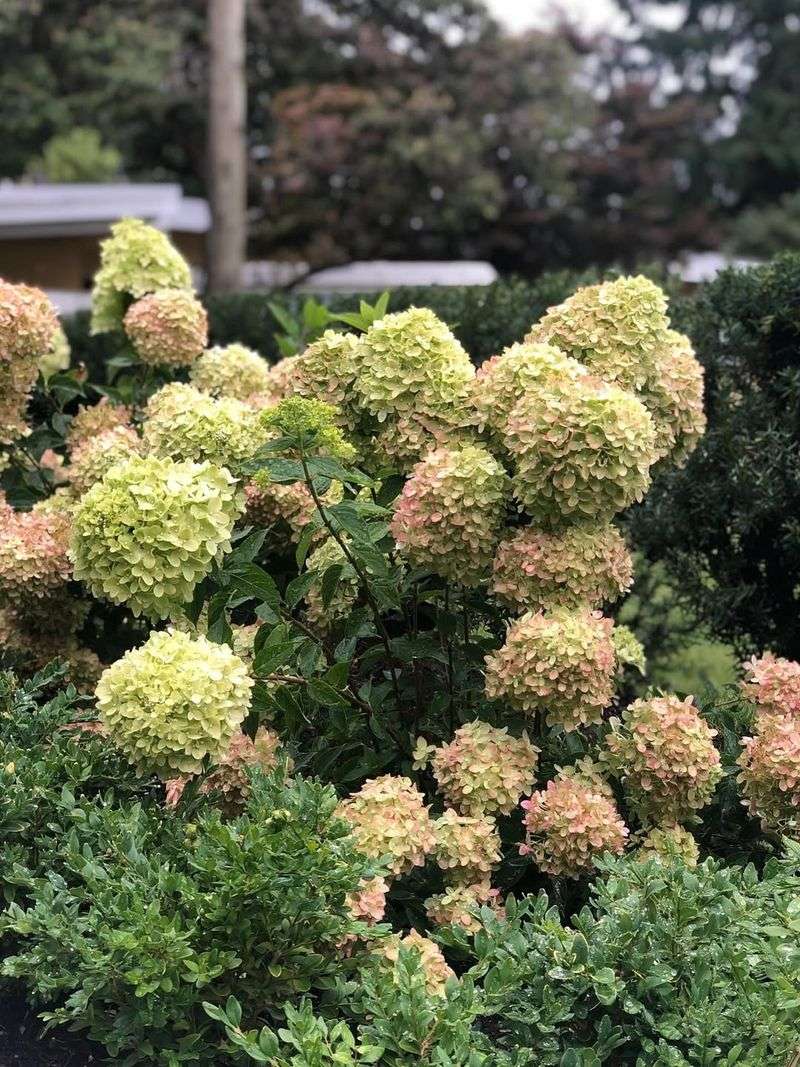
These shrubs are beloved in California gardens for their big, showy flower heads that come in blue, pink, white, and purple. But they are also one of the most commonly over-pruned shrubs, and March is when the damage most often happens.
Whether to prune a hydrangea in March depends entirely on the variety you are growing.
Bigleaf hydrangeas and oakleaf hydrangeas both bloom on old wood, which means their flower buds are already sitting on last year’s stems right now. Cutting those stems in March removes the buds and results in a summer with little to no flowers.
For these varieties, wait until after they bloom to do any significant pruning.
Smooth hydrangeas and panicle hydrangeas are different. They bloom on new wood and can be pruned in late winter or early spring without losing flowers.
If you are not sure which type you have, the safest rule of thumb is to wait. Observe the plant through spring and summer, note when and how it blooms, and prune accordingly afterward.
California gardeners in coastal areas often grow bigleaf hydrangeas, which thrive in the mild, moist climate. Protect those old canes through March, and you will be rewarded with gorgeous blooms when summer finally arrives.