7 Ohio Plants You Should Not Prune In March
You might think March is the perfect time to start pruning your garden. You grab your shears, ready to tidy up… and then you notice your favorite plant has lost its buds or growth is slower than usual.
It’s frustrating, right? Ohio gardens can be tricky this time of year. Some trees and shrubs are quietly getting ready for spring, and one wrong cut can set them back for months.
There are some plants you should leave alone this month. Let them grow at their own pace, and when spring fully arrives, they’ll reward you with vibrant flowers, lush leaves, and strong growth.
Stepping back now is so much easier than fixing a mistake later. Trust yourself, your patience will pay off, and your garden will thank you with a season full of life, color, and blooms.
1. Bigleaf And Oakleaf Hydrangeas Need Their Buds
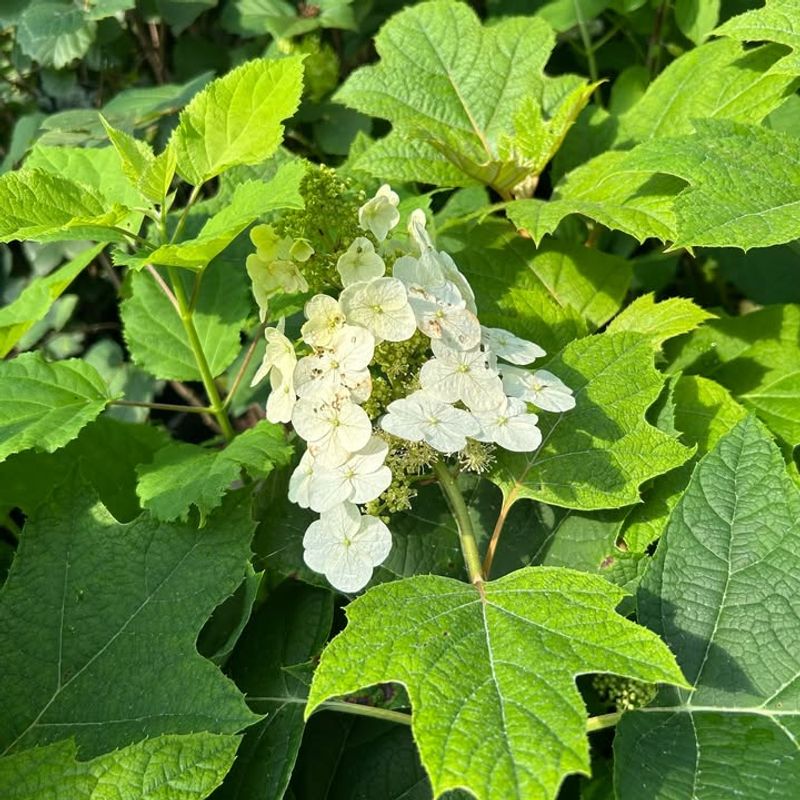
Few garden disappointments sting quite like waiting all year for your hydrangeas to bloom, only to find bare stems where the flowers should be. Bigleaf hydrangeas (Hydrangea macrophylla) and oakleaf hydrangeas (Hydrangea quercifolia) are two of the most popular flowering shrubs in Ohio yards, and both share one critical trait: they bloom on old wood.
That means the flower buds for this coming season were formed on last year’s stems, and they are sitting right there on those branches right now.
When you prune in March, you are cutting off the very buds that would have become your flowers. Even if the stems look withered or scraggly after a harsh Ohio winter, most of them still carry live buds close to the base.
The safe move is to scratch a stem lightly with your fingernail. If you see green underneath, that stem is alive and worth keeping.
If you must tidy things up, only remove stems that are clearly dry and hollow all the way through. Wait until after the plant finishes blooming in late summer or early fall before doing any real shaping.
Ohio gardeners who follow this timing are rewarded with full, lush flower heads season after season.
2. Rhododendrons And Azaleas Bloom Best With Late Spring Trimming

Walk through almost any Ohio neighborhood in May and you will likely spot rhododendrons and azaleas putting on a spectacular show of color. That show depends entirely on what you did, or more importantly did not do, earlier in the season.
Both of these plants set their flower buds on the previous year’s growth during late summer and fall, which means those buds are already formed and waiting when March rolls around.
Pruning in March removes exactly those buds, leaving you with healthy-looking green shrubs that produce zero blooms for the entire season. Ohio’s climate adds another layer of concern, since late winter temperatures can swing unpredictably, and freshly pruned stems are more vulnerable to cold snaps that arrive after an early warm spell.
The right time to prune rhododendrons and azaleas in Ohio is within about three weeks after they finish flowering, typically in late May or early June. At that point, you can shape the plant, remove crossing branches, and cut back any overly long stems without sacrificing next year’s buds.
Your Ohio Garden Changes Every Week. Your Plan Should Too.
Gardening in Ohio changes quickly throughout the season. Every Friday you’ll receive a simple weekly plan showing exactly what to plant, prune, fertilize, harvest, and protect so you never miss the right timing.
Deadheading spent blooms right after flowering also encourages stronger growth. A little patience in March pays off with vibrant, full blooms that make your Ohio garden the envy of the street.
3. Weigela Benefits From Trimming Only After It Flowers
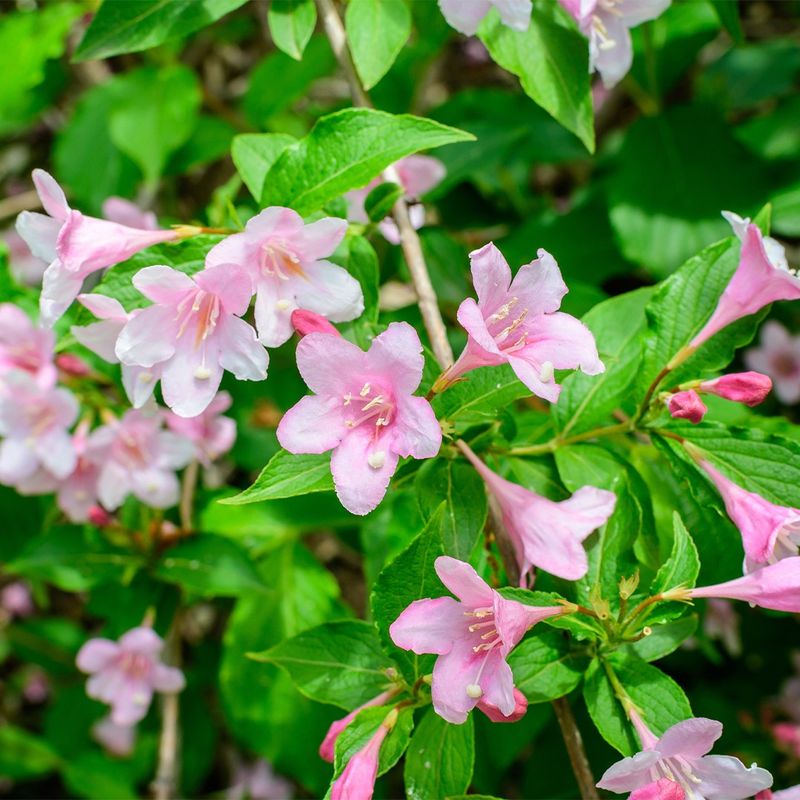
Weigela is one of those old-fashioned shrubs that earns its place in Ohio gardens every single spring with a spectacular flush of tubular pink, red, or white flowers. Hummingbirds love it, pollinators flock to it, and neighbors stop to admire it.
But all of that beauty depends on one simple rule: do not prune it in March.
Like many spring-flowering shrubs, weigela blooms on old wood. The branches that grew last season are holding the buds that will open into flowers this May and June.
Cutting those branches back in early spring means cutting away the flower buds before they ever get a chance to open. You might end up with a neatly shaped shrub that does absolutely nothing interesting all season.
Ohio gardeners should wait until weigela finishes its main bloom cycle before reaching for the pruners. Right after flowering, usually in late May or early June, is the ideal window.
At that stage, you can trim back up to one-third of the oldest stems to encourage new growth, which will carry next year’s flowers. Avoid cutting into thick, very old wood unless you are doing a full rejuvenation.
Light shaping after bloom keeps weigela looking tidy without sacrificing a single flower in your Ohio yard.
4. Pieris Japonica Sets Flowers Before Spring Growth Starts
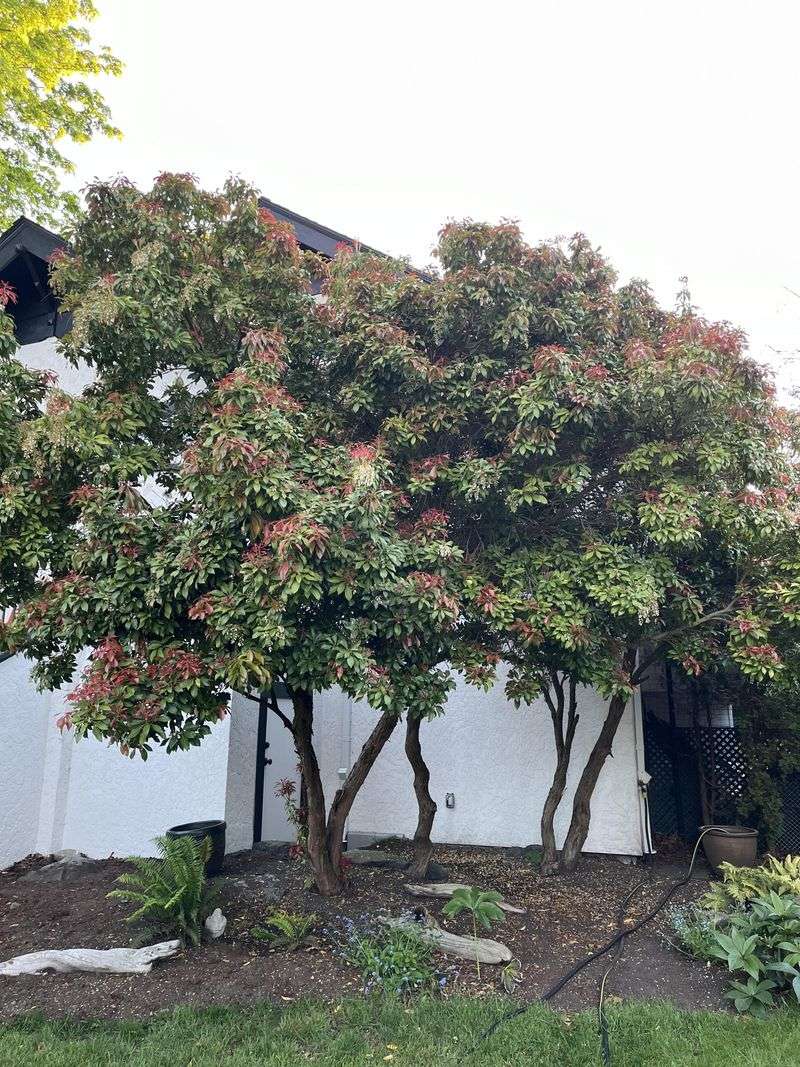
Pieris japonica, often called andromeda or lily-of-the-valley shrub, is a real gem in Ohio gardens. Its drooping clusters of tiny white or pink bell-shaped flowers appear very early in the season, often before most other shrubs have even woken up.
What many Ohio gardeners do not realize is that those flower clusters start developing in the fall and are fully formed by the time winter arrives.
By March, the flower buds on pieris japonica are already swelling and getting ready to open. Pruning at this point does not just remove a few buds; it can strip away the entire flowering display for the year.
The plant invests a lot of energy into those bud clusters, and losing them to an early haircut is a real setback.
In Ohio, pieris japonica typically blooms between March and May depending on the weather and the specific variety. The best time to prune is immediately after flowering ends.
At that point, you can remove spent flower clusters and lightly shape the plant without touching any newly developing buds. Pieris also benefits from a thin layer of mulch around the base to retain moisture during Ohio’s unpredictable spring weather.
A little restraint in March keeps this elegant evergreen performing beautifully year after year.
5. Peonies Need Time Before You Touch Them
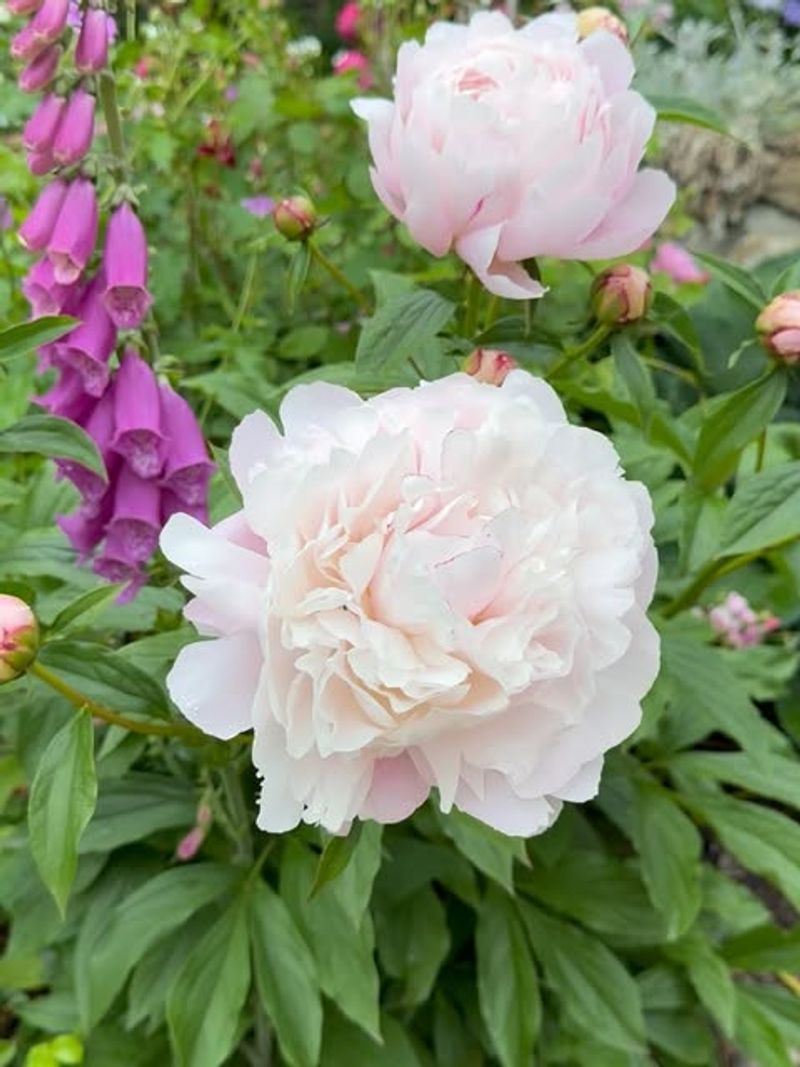
There is something almost magical about watching peony shoots push up through cold Ohio soil in early spring. Those bright red or pink nubs emerge earlier than most people expect, often poking through the ground while March temperatures are still unpredictable.
This early emergence is exactly why March is the wrong time to be doing anything aggressive around your peonies.
New peony shoots are tender and easy to snap off accidentally while you are cleaning up nearby beds. Cutting or damaging those emerging shoots sets the plant back significantly, since each shoot represents one potential bloom stem for the season.
Peonies in Ohio already work hard to recover from cold winters, and losing early growth makes that recovery even slower.
If you absolutely need to tidy the area, carefully remove only the dried brown stems left over from last fall, cutting them down close to the soil line. Do this gently and only if those old stems were not already removed in autumn.
Avoid digging or cultivating deeply around the crown of the plant. Peonies thrive when their crowns stay close to the soil surface, and disturbing the area around them in March can cause more harm than good.
Patience is the best tool you can use on peonies in early spring across Ohio.
6. Russian Sage Shows New Growth Later In Spring
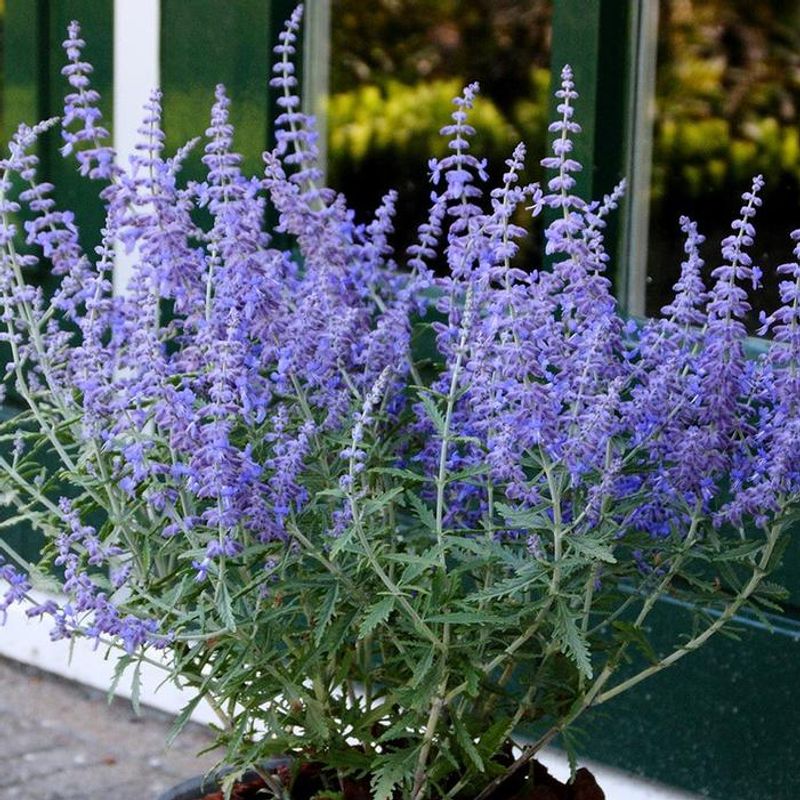
Russian sage looks completely different in March than it does in July. By late winter, its stems are silvery-gray, stiff, and often look completely lifeless.
That appearance fools a lot of Ohio gardeners into cutting the whole plant back to the ground way too early, before the new growth has had a real chance to emerge.
Here is the thing about Russian sage: it wakes up slowly. New growth does not appear at the tips of the stems first.
Instead, tiny green leaves begin to bud out low on the woody stems, sometimes very close to the base. If you cut everything down before you see that growth, you risk removing the very sections of stem where new shoots are developing.
Ohio’s late winter and early spring temperatures also mean that those low-growing new shoots need the old stems above them for some protection against cold snaps.
The right approach in Ohio is to wait until you clearly see green growth emerging on the stems, usually in April or even early May. Once you can identify where the new growth is starting, cut just above those green nodes.
This keeps the plant tidy while protecting the emerging shoots. Russian sage is wonderfully tough once established, but it does need that early-season patience to perform at its best in Ohio gardens.
7. Heuchera Uses Old Leaves To Shield New Shoots
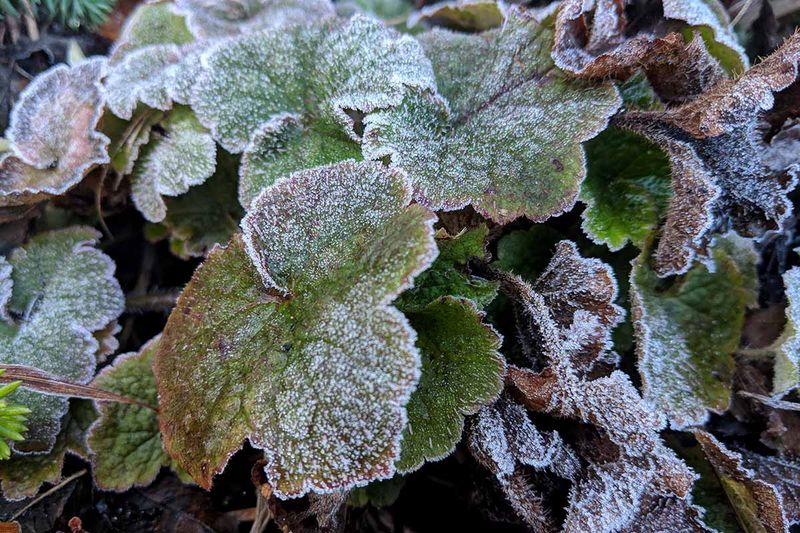
Heuchera, commonly known as coral bells, is a staple in Ohio shade gardens for its colorful foliage and easy-care personality. In early spring, the plant can look a little rough around the edges, with older leaves that are tattered, faded, or even slightly frost-burned.
It is tempting to clean everything up and give the plant a fresh start, but doing so in March can actually hurt it.
Those older, weathered leaves are doing an important job. They act as a natural insulating layer around the crown of the plant, protecting the tiny new shoots that are just beginning to form underneath.
Ohio is famous for unpredictable weather in March and April, with warm stretches followed by hard freezes. Removing the old foliage too early exposes the vulnerable new growth to exactly those kinds of temperature swings.
Wait until mid to late April in most parts of Ohio before removing old heuchera leaves. By then, the new growth will be well established and strong enough to handle cooler temperatures on its own.
When you do clean up, simply pull away the old leaves by hand or use scissors to trim them close to the crown. Avoid digging around the base, since heuchera crowns tend to lift out of the soil over winter and need gentle handling in spring.