How To Revive Winter-Damaged Azaleas In Oregon Before Spring Blooms
Winter can be tough on azaleas, especially in Oregon, where cold snaps and wet weather can leave leaves browned and branches looking tired. Have you noticed your azaleas looking a little worse for wear as spring approaches?
The good news is that a few thoughtful steps can help them bounce back before their blooms arrive.
With some gentle care, trimming, and attention to soil and watering, these plants can regain strength and put on a beautiful show.
It’s rewarding to see green leaves returning and buds swelling after a harsh winter, and even small efforts now can make a big difference for your spring garden.
Watching azaleas recover can feel surprisingly satisfying, and knowing how to help them heal sets the stage for a healthier, brighter season of color and life.
1. Remove Winter-Damaged Branches
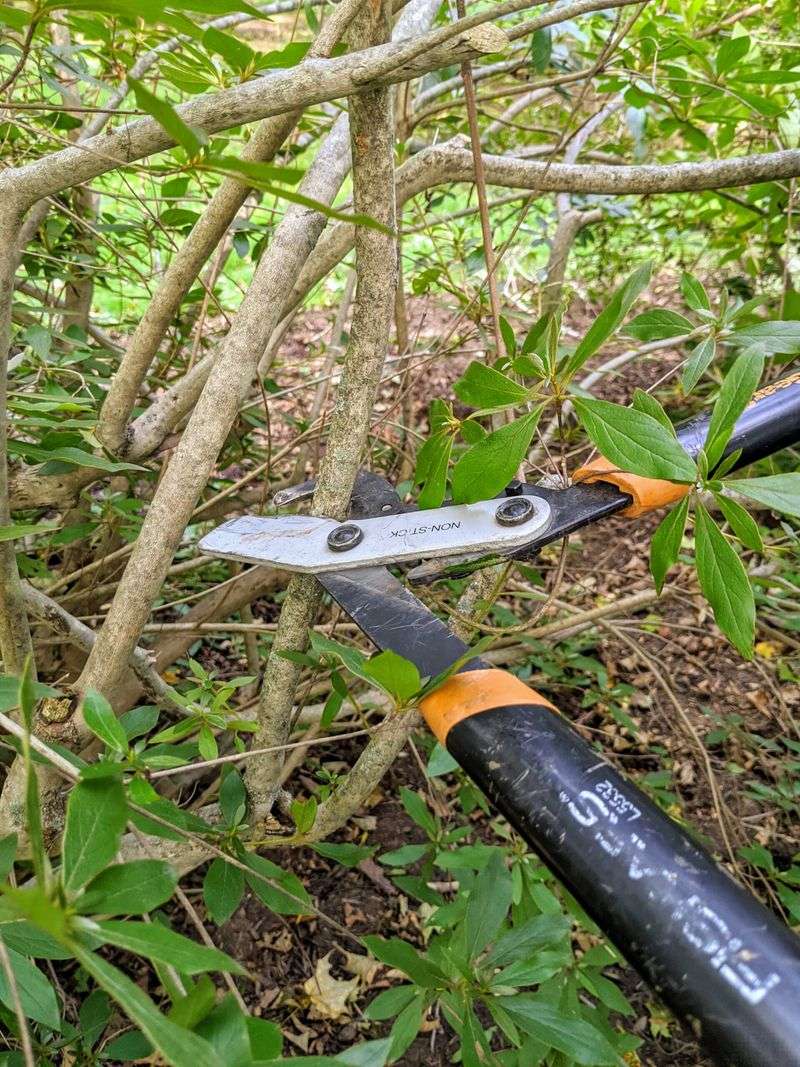
After a cold Oregon winter, your azalea might look like it has seen better days. Brown, brittle branches are a clear sign that the plant took a hit from the freezing temperatures.
The first thing you want to do is walk around each plant and take a good look at the overall condition.
Start by gently bending a branch. If it snaps easily and looks dry inside, it is damaged.
If it bends without breaking and shows green inside, it is still healthy. This simple scratch test saves you from removing branches that still have life in them.
Do not rush to remove everything at once. Give the plant a couple of weeks in late winter to show you what is still alive.
Oregon weather can surprise you with a warm spell in late February, which can trigger new bud activity even on branches that looked hopeless. Once you are confident a branch is gone, use clean pruning shears and cut close to the healthy wood.
Removing damaged growth early clears the way for new energy to flow into the parts of the plant that are ready to thrive this spring.
2. Prune Damaged Or Broken Growth
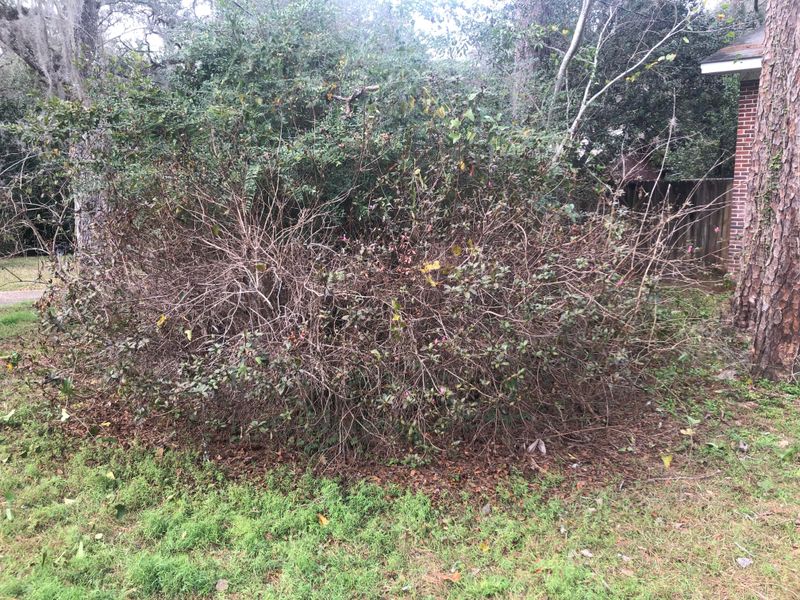
Pruning might feel a little scary at first, but it is one of the best things you can do for a struggling azalea. When branches are broken, bent, or clearly not going to recover, cutting them back gives the rest of the plant a real chance to shine.
Think of it like clearing clutter so the good stuff has room to grow.
Always use sharp, clean pruning shears. Dull blades can crush stems instead of cutting them cleanly, which slows down healing and can invite disease.
Wipe your blades with rubbing alcohol between plants to avoid spreading any problems from one shrub to another. Oregon gardeners know that wet winters can encourage fungal issues, so keeping your tools clean matters more here than in drier climates.
Cut just above a healthy bud or a side branch that is pointing outward. This encourages the plant to grow in a natural, open shape that allows good airflow.
Avoid cutting too deep into old wood unless absolutely necessary, since azaleas do not always regrow well from thick, old stems. Light, thoughtful pruning done at the right time in late winter or early spring sets your plant up for a strong and colorful bloom season ahead.
Your Oregon Garden Changes Every Week. Your Plan Should Too.
Gardening in Oregon changes quickly throughout the season. Every Friday you’ll receive a simple weekly plan showing exactly what to plant, prune, fertilize, harvest, and protect so you never miss the right timing.
3. Check Soil Moisture Levels
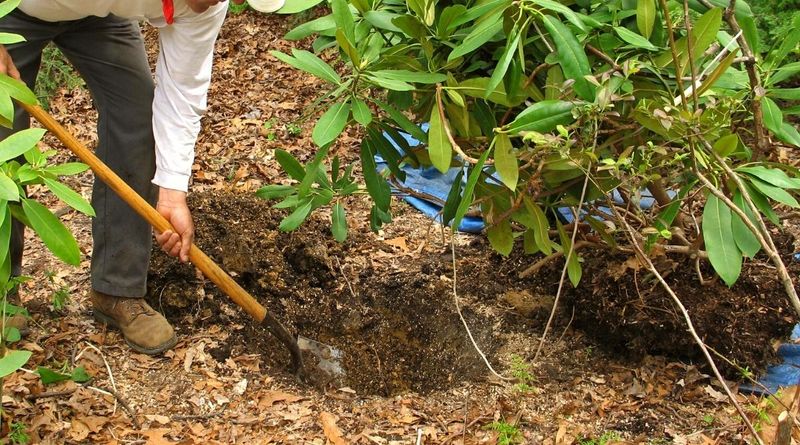
Oregon gets a lot of rain, and that can actually cause problems for azaleas if the soil stays too wet for too long. Waterlogged roots struggle to absorb oxygen, which weakens the plant over time.
Before spring arrives, check whether your soil feels soggy or just nicely moist.
Push your finger about two inches into the soil near the base of the plant. If it feels wet and heavy like mud, your azalea may be sitting in too much water.
If it feels damp and crumbly, that is the sweet spot. Dry and hard soil is also a problem, especially if you had a dry stretch during the winter months.
Azaleas prefer consistently moist but well-drained soil. If your Oregon garden tends to hold water, you may need to improve drainage before things get worse heading into spring.
Avoid watering overhead, since wet leaves can lead to fungal spots. Water at the base of the plant instead, giving it a deep, slow drink rather than a quick sprinkle.
Consistent moisture during the recovery period helps roots stay strong and supports the energy the plant needs to push out new leaves and blooms as temperatures rise.
4. Add Fresh Mulch Around Plants
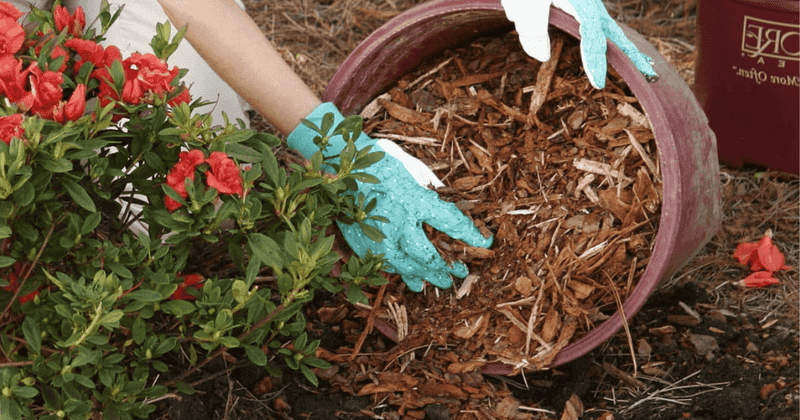
Mulch is one of the most underrated tools in a gardener’s toolkit. A fresh layer around your azaleas in early spring does several important things at once.
It keeps moisture in the soil, regulates root temperature, and slowly breaks down to feed the plant with organic nutrients over time.
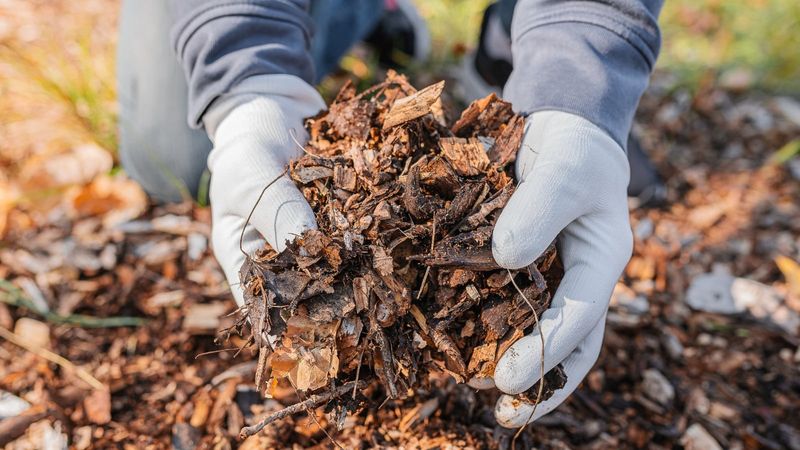
For azaleas in Oregon, pine bark, wood chips, or pine needles work especially well. These materials are slightly acidic, which matches the soil conditions azaleas love.
Spread a two to three inch layer around the base of the plant, but keep it a few inches away from the main stem. Piling mulch directly against the stem can trap moisture and cause rot.
Fresh mulch also acts as a buffer against late frosts, which are not unusual in Oregon even in March and April. It insulates the shallow roots that sit close to the surface, protecting them from sudden temperature drops overnight.
If you have not mulched in a year or two, now is the perfect time to refresh the layer. Pull away any old mulch that has become compacted or shows signs of mold, then lay down a clean, fresh batch.
Your azaleas will thank you with stronger roots and more vibrant blooms come spring.
5. Feed With Acid-Loving Fertilizer
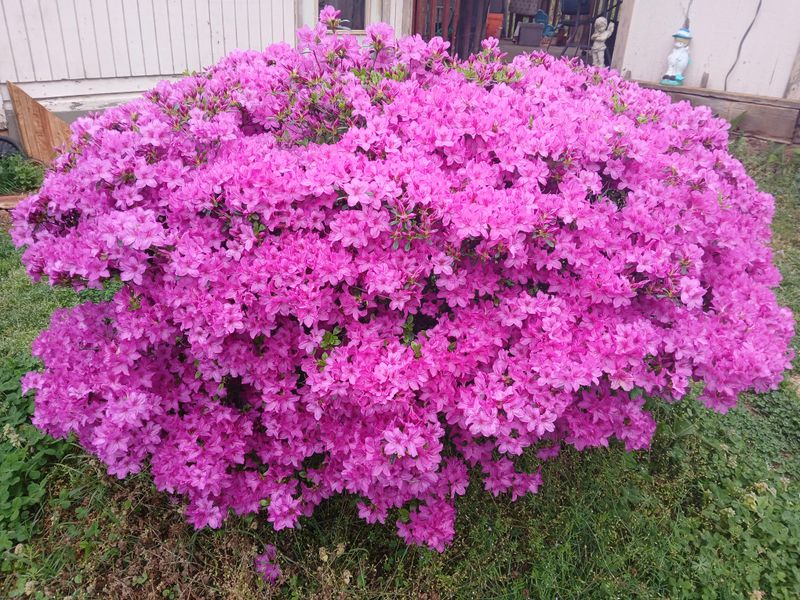
Azaleas are picky about their soil chemistry. They thrive in acidic conditions, usually between a pH of 4.5 and 6.0.
After a rough Oregon winter, the soil may need a little boost to help your plant recover and build up energy for blooming. That is where the right fertilizer comes in.
Look for fertilizers labeled for acid-loving plants or specifically for azaleas and rhododendrons. These products contain the right balance of nutrients, including iron and sulfur, that help maintain soil acidity while feeding the plant.
Apply in late winter or early spring, just as new growth begins to appear. Avoid fertilizing too late in the season, since feeding after midsummer can push tender new growth that will not have time to harden off before cold weather returns.
Follow the instructions on the package carefully. More fertilizer does not mean faster recovery.
Over-feeding can actually stress a plant that is already working hard to bounce back. Scatter the granules evenly around the drip line of the plant, which is roughly where the outer branches end, and water it in well.
Oregon rain often does this job for you naturally. With the right nutrients in place, your azalea will have everything it needs to push out fresh, healthy growth and a full flush of spring color.
6. Protect From Late Frost
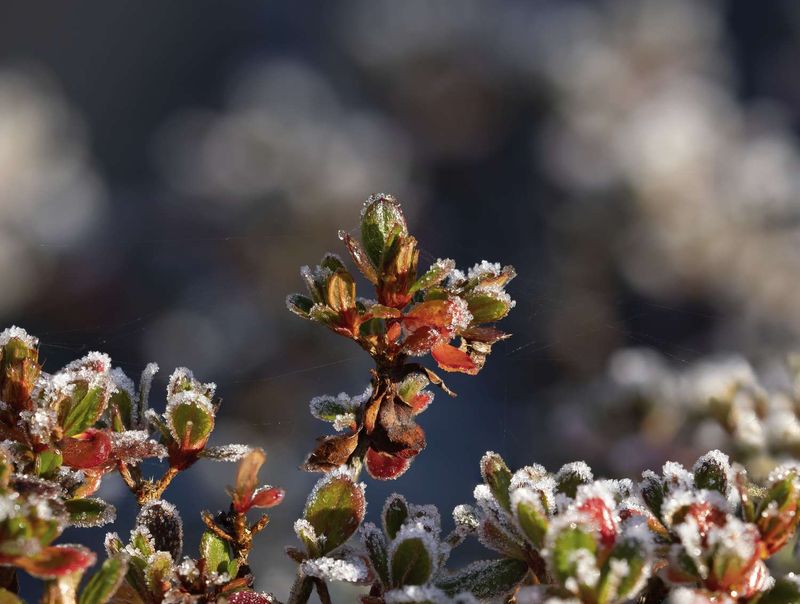
Just when you think winter is finally over in Oregon, a late frost can sneak up and catch your plants off guard. Azaleas are especially vulnerable once they start pushing out new buds and tender leaves in early spring.
A single hard frost at the wrong moment can wipe out an entire season of blooms before they ever open.
Keep an eye on the weather forecast from February through April. Oregon weather can be unpredictable, and temperatures can drop below freezing overnight even after several warm days.
When frost is expected, cover your azaleas with a lightweight frost cloth or even an old bedsheet. Avoid using plastic, since it does not breathe and can cause more harm than good if temperatures swing back up quickly.
Remove the covering in the morning once temperatures rise above freezing. Leaving it on too long can trap heat and humidity, which creates conditions that fungi love.
If your azalea is in a pot, move it to a sheltered spot like a covered porch or garage on especially cold nights. For in-ground plants in exposed Oregon garden spots, consider placing them near a wall or fence that radiates a little warmth.
Small steps like these can make a big difference in how well your plant comes through the final stretch of winter.
7. Improve Soil Drainage
Standing water around the roots of an azalea is a serious problem. Oregon’s rainy season can leave garden beds soaked for weeks at a time, and azaleas sitting in poorly draining soil will struggle to recover after winter damage.
Roots need both water and oxygen to function, and soggy soil cuts off that oxygen supply.
Start by observing your garden after a heavy rain. If water pools around your azalea for more than a day, drainage needs attention.
One of the easiest fixes is to work organic compost into the top layer of soil. Compost loosens dense clay soil, which is common in many parts of Oregon, and helps water move through more freely.
For more serious drainage issues, you might consider raising the planting area slightly or creating a simple French drain nearby to redirect water away from the root zone. Adding perlite or coarse sand to the planting hole also helps when putting in new azaleas or transplanting ones that are struggling.
Healthy drainage means roots stay moist without drowning, which is exactly the balance azaleas need to recover and grow. Getting this right before spring arrives gives your plant a much stronger foundation and sets the stage for healthy new growth throughout the blooming season ahead.
8. Encourage New Spring Growth
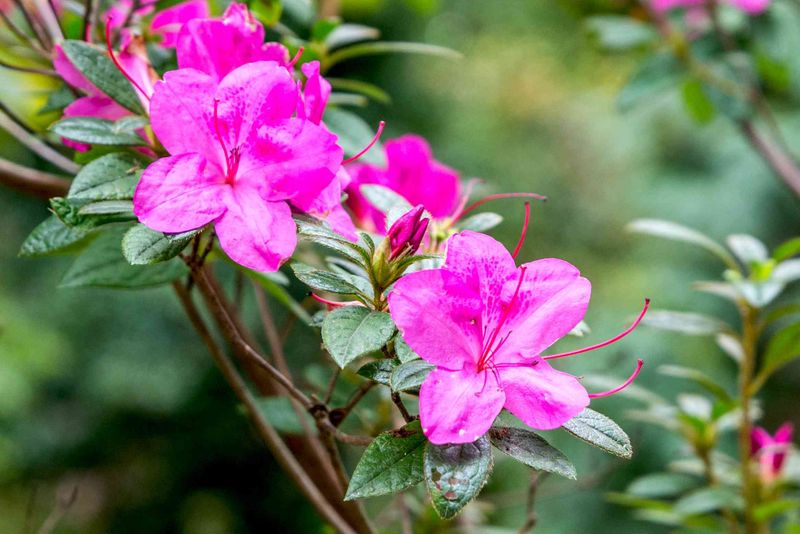
Once you have done the hard work of pruning, mulching, fertilizing, and protecting your azalea, the most exciting part begins: watching it wake up. New growth is a sign that your plant made it through the Oregon winter and is ready to put on a show.
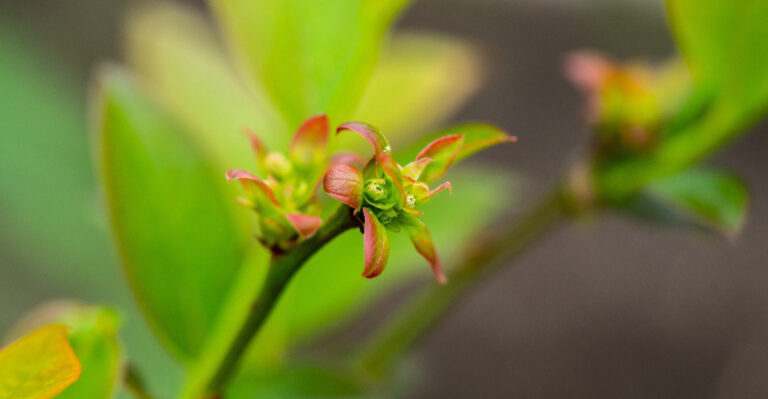
Those tiny green buds pushing through the tips of branches are genuinely something to celebrate.
To keep that momentum going, make sure the plant gets consistent care during the early weeks of spring. Water regularly if rain slows down, and keep the mulch layer fresh to hold in moisture.
Avoid heavy pruning once buds have formed, since cutting at this stage can remove the blooms you have been waiting all season to see.
Give the plant some space and sunlight. Azaleas do well in partial shade, but they need a few hours of morning sun to fuel their growth.
If nearby trees or shrubs have grown and are now blocking light, consider doing a little trimming to open things up. Watch for any new signs of pest activity or leaf discoloration, and address them quickly before they spread.
With consistent attention and a little patience, your azalea can go from a winter-weary shrub to a vibrant, full-blooming centerpiece in your Oregon garden this spring.