How To Fertilize Hydrangeas In Oregon For Summer-Long Color
Picture your backyard packed with clouds of pink, blue, and purple blooms that just keep going all summer long. That is the magic of a well-fed hydrangea!
Oregon’s vibrant climate sets the stage, but even the happiest shrubs need a little extra nutrition to reach superstar status.
Fertilizing is like treating your plants to a five-star meal, filling them with the vitamins and minerals they need to grow bigger, brighter, and bolder.
Timing, type, and technique make all the difference between ordinary flowers and garden showstoppers.
Forget weak blooms that fade too soon and watch your hydrangeas explode with color week after week, soaking up every sunny moment.
With the right care, your garden will transform into a festival of petals, drawing compliments and making your backyard the go-to spot for summer admiration.
1. Why Hydrangeas Need Feeding
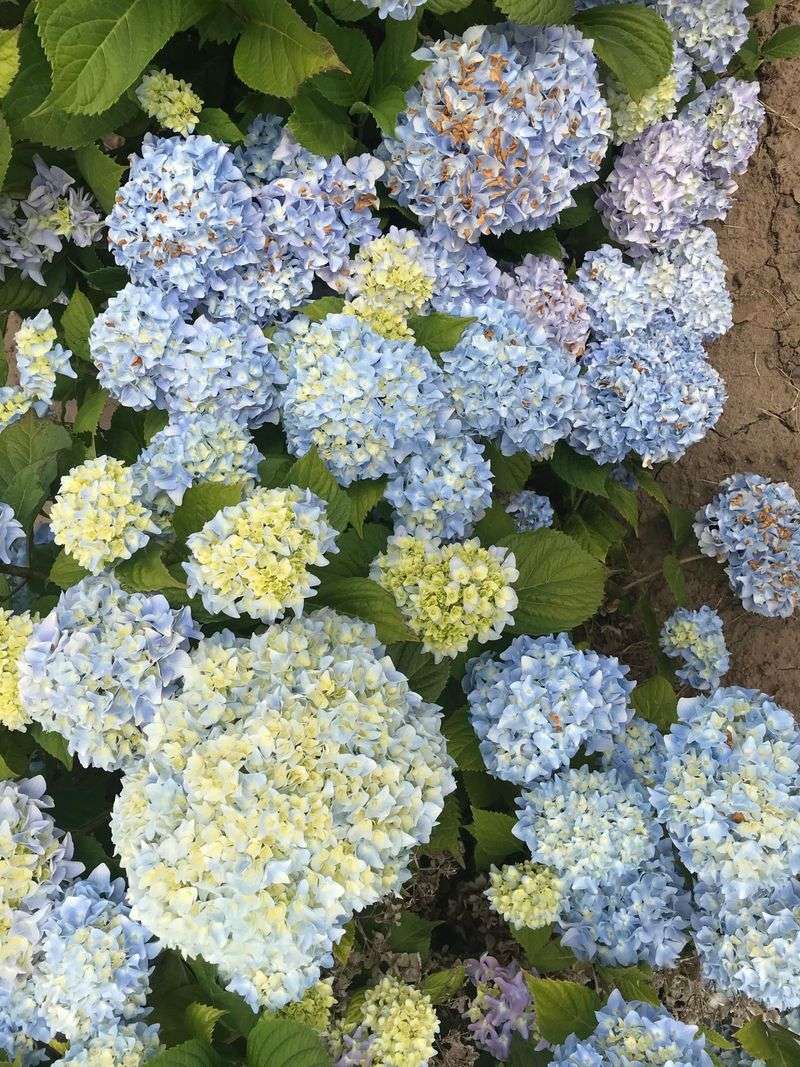
Healthy soil is the foundation of every great garden, but even the best Oregon soil can run low on nutrients over time. Hydrangeas are big, leafy shrubs that produce large flower clusters.
That kind of growth takes a lot of energy, and that energy comes from nutrients in the soil.
When nutrients run low, you will start to notice it. Leaves may turn pale yellow or light green instead of staying deep, rich green.
Flowers may be smaller than usual or fewer in number. The plant just looks tired and lacks the lush, full appearance you want.
Fertilizer gives hydrangeas the boost they need to grow strong stems, healthy leaves, and plenty of blooms. The three main nutrients plants need are nitrogen, phosphorus, and potassium.
Nitrogen supports leafy, green growth. Phosphorus helps roots and flowers develop.
Potassium keeps the whole plant strong and healthy.
Oregon gardens can also have soil that gets washed out by heavy rain, especially in the western part of the state. Rainfall leaches nutrients out of the soil faster than you might expect.
Regular feeding helps replace what gets washed away and keeps your hydrangeas performing their best all summer long.
2. Best Time To Fertilize
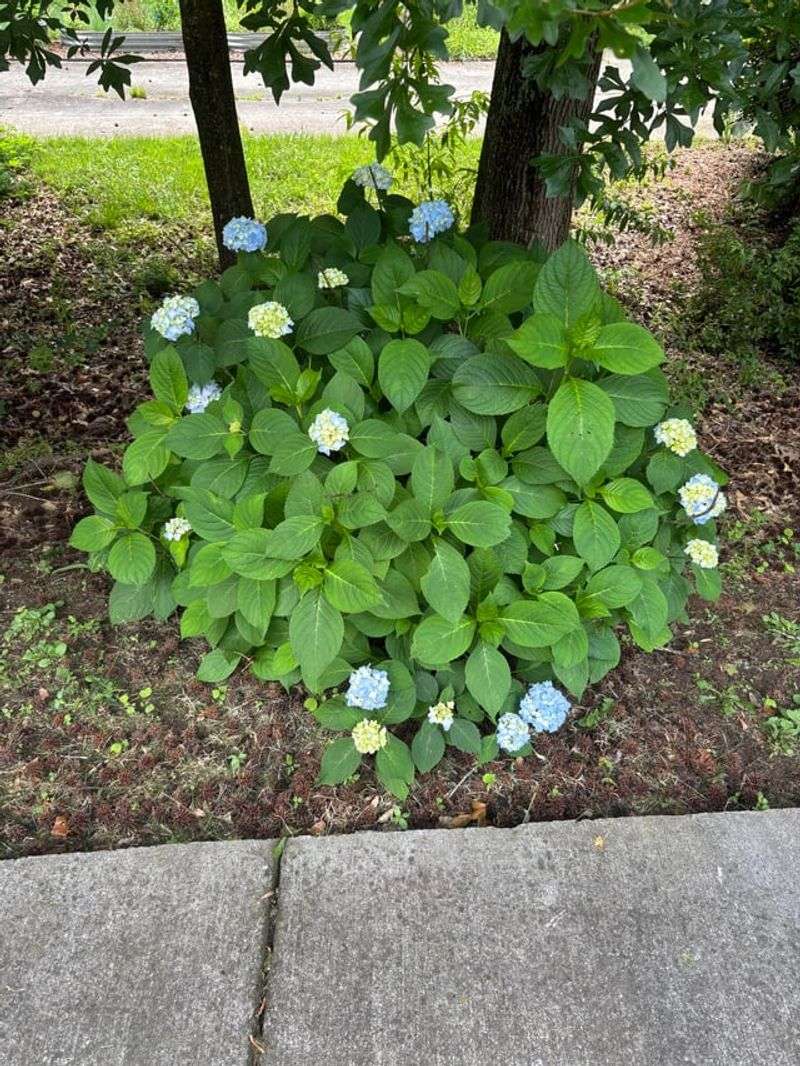
Timing your fertilizer applications correctly is just as important as choosing the right product. Feed too early and the nutrients may wash away before the plant can use them.
Feed too late and you could push tender new growth that gets damaged by Oregon’s early fall chill.
The best time to start fertilizing hydrangeas in Oregon is early spring, right when you see new buds and leaves beginning to emerge. This is usually around March or April in the Willamette Valley and coastal areas.
That first feeding gives the plant a strong start for the growing season ahead.
A second feeding in late spring or early summer, around May or June, helps support the heavy bloom cycle. Many Oregon gardeners find that two feedings per season are enough for slow-release fertilizers.
If you use a liquid fertilizer, you may feed more often, about once a month through July.
Stop fertilizing by late July or early August. Feeding after that point encourages soft new growth that will not have time to harden off before cooler temperatures arrive in Oregon’s fall.
Your Oregon Garden Changes Every Week. Your Plan Should Too.
Gardening in Oregon changes quickly throughout the season. Every Friday you’ll receive a simple weekly plan showing exactly what to plant, prune, fertilize, harvest, and protect so you never miss the right timing.
Keeping to this schedule helps your hydrangeas stay healthy and bloom beautifully right through the end of summer.
3. Choosing The Right Fertilizer
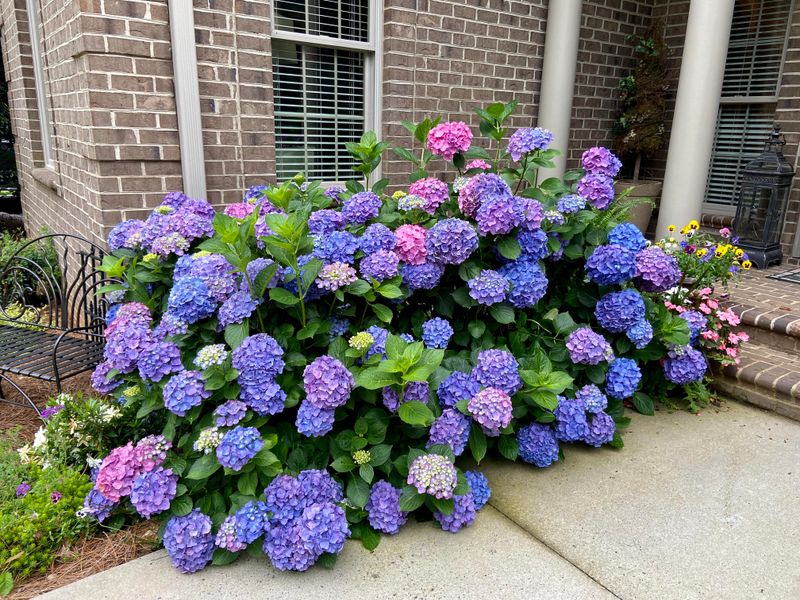
Walk into any Oregon garden center and you will find an entire aisle of fertilizers. The options can feel overwhelming, but picking the right one for hydrangeas does not have to be complicated.
A balanced, slow-release granular fertilizer works great for most gardeners.
Look for a fertilizer with equal or near-equal numbers on the label, like 10-10-10 or 12-4-8. These numbers represent the percentage of nitrogen, phosphorus, and potassium in the mix.
A balanced formula gives your hydrangeas all three key nutrients they need without overdoing any one of them.
Slow-release fertilizers are especially popular with Oregon gardeners because they feed the plant gradually over several weeks or months. You apply them once or twice a season and let them do the work.
This reduces the risk of burning roots and keeps nutrient levels steady in the soil.
Organic options like fish emulsion or composted manure are also excellent choices. Oregon has a strong culture of organic gardening, and these natural fertilizers improve soil structure over time while feeding your plants.
Whatever product you choose, always read the label carefully and follow the directions for flowering shrubs to get the best results.
4. How Much Fertilizer To Use
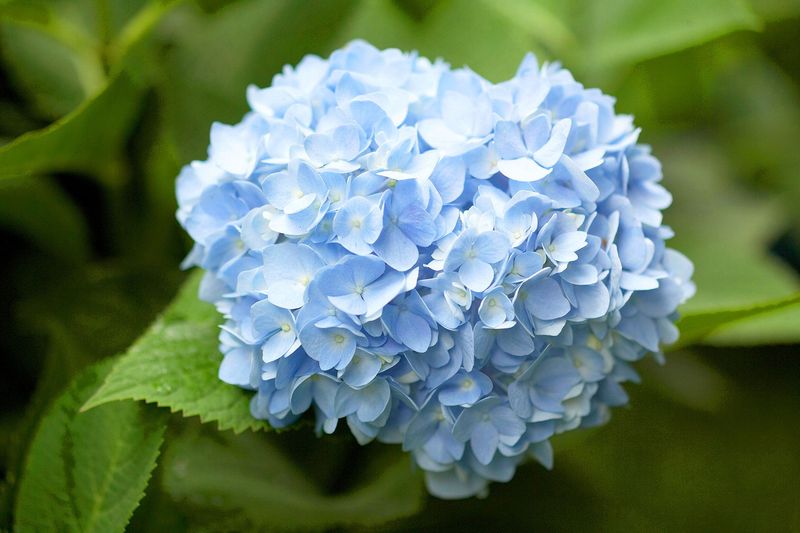
More fertilizer does not always mean more flowers. In fact, using too much can actually work against you.
Getting the amount right is one of the most important steps in keeping your hydrangeas healthy and blooming all season.
For most granular, slow-release fertilizers, the standard rate is about one tablespoon per square foot of soil around the plant. For a medium-sized hydrangea shrub, that usually means roughly a quarter to a half cup of fertilizer spread evenly around the base.
Always check the product label since different brands have different concentration levels.
Younger plants and recently transplanted shrubs need less fertilizer than established ones. A young hydrangea planted in Oregon soil just needs a light feeding in its first year.
Too much fertilizer on a new plant can stress the roots before they have had a chance to settle in.
Established hydrangeas that have been growing in your Oregon garden for several years can handle a slightly more generous feeding. Even so, resist the urge to pile on extra product hoping for bigger blooms.
Stick to the recommended rate, apply it evenly, and trust the process. Consistent, measured feeding season after season leads to the best long-term results for your garden.
5. How To Apply It Correctly
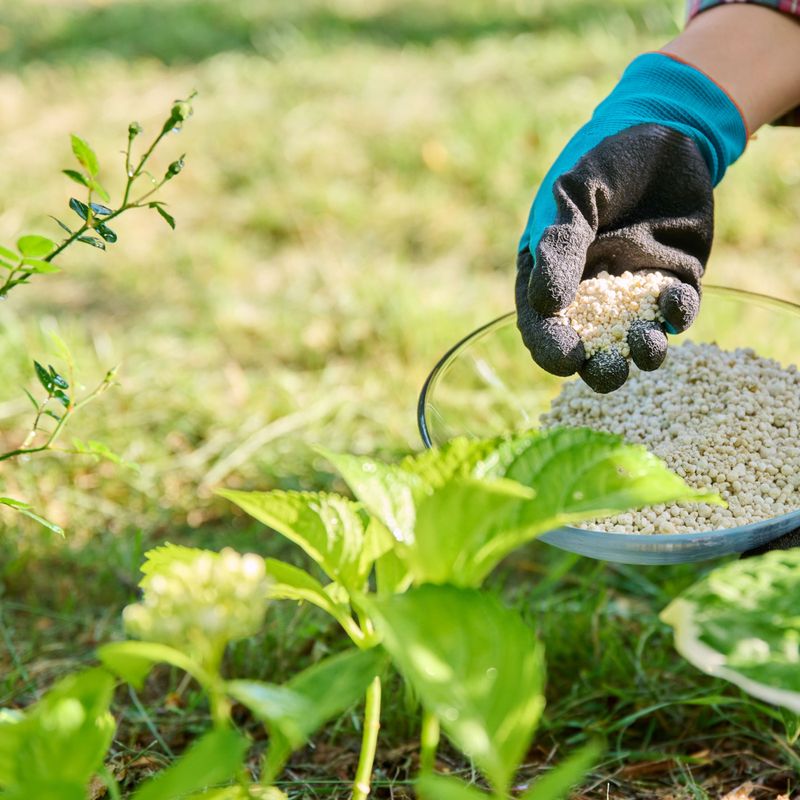
Even the best fertilizer will not do much good if it is not applied the right way. Proper application protects your plants and makes sure the nutrients actually reach the roots where they are needed most.
Start by watering your hydrangeas thoroughly the day before you plan to fertilize. Moist soil helps the fertilizer dissolve and move into the root zone more easily.
It also protects the roots from any potential irritation that can happen when fertilizer contacts dry soil directly.
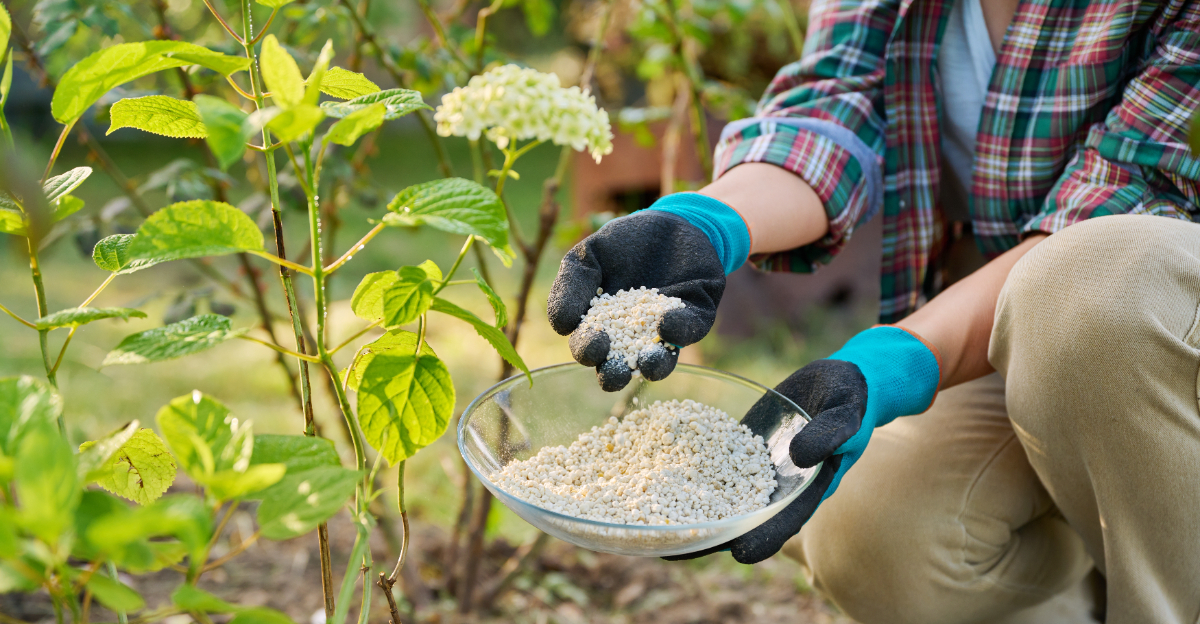
Sprinkle granular fertilizer evenly around the base of the plant, starting a few inches away from the main stem and working outward to the drip line. The drip line is the outer edge of the plant where water drips off the leaves.
This is where the feeder roots are most active and where nutrients are best absorbed.
Never pile fertilizer directly against the stems or crown of the plant. Direct contact can cause burns and damage the tissue.
After spreading the granules, gently scratch them into the top inch of soil with a hand rake or cultivator. Then water the area well so the nutrients begin moving down toward the roots.
Oregon gardeners who follow these steps consistently tend to see the best bloom production throughout the summer season.
6. Avoiding Overfertilizing
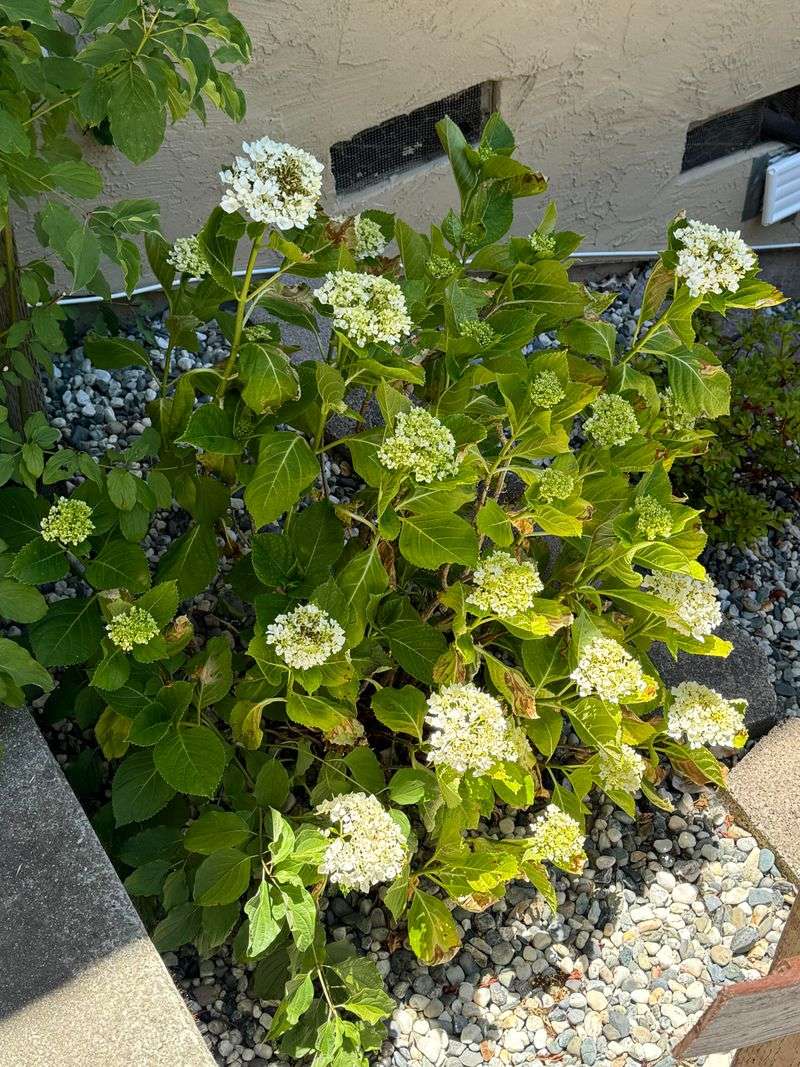
One of the most common mistakes Oregon gardeners make with hydrangeas is giving them too much fertilizer. It seems logical that more food would mean more flowers, but that is not how it works with these plants.
Too much nitrogen, in particular, pushes the plant to grow lots of lush, dark green leaves while producing very few flowers. You end up with a big, leafy shrub that looks healthy but disappoints you all summer with almost no blooms.
That is the opposite of what you are going for when you want summer-long color in your Oregon yard.
Signs of overfertilization include leaf tips that turn brown and crispy, leaves that curl or look scorched, and a plant that grows fast but does not flower well. If you notice these signs, stop fertilizing immediately and flush the soil around the plant with plenty of water to help dilute the excess nutrients.
Sticking to a simple schedule of one or two feedings per season with a balanced fertilizer is the safest approach. Resist the temptation to add extra doses even if you feel like the plant needs a boost.
Patience and consistency will reward you with more blooms than any heavy-handed fertilizing routine ever could in Oregon’s garden beds.
7. Watering After Feeding
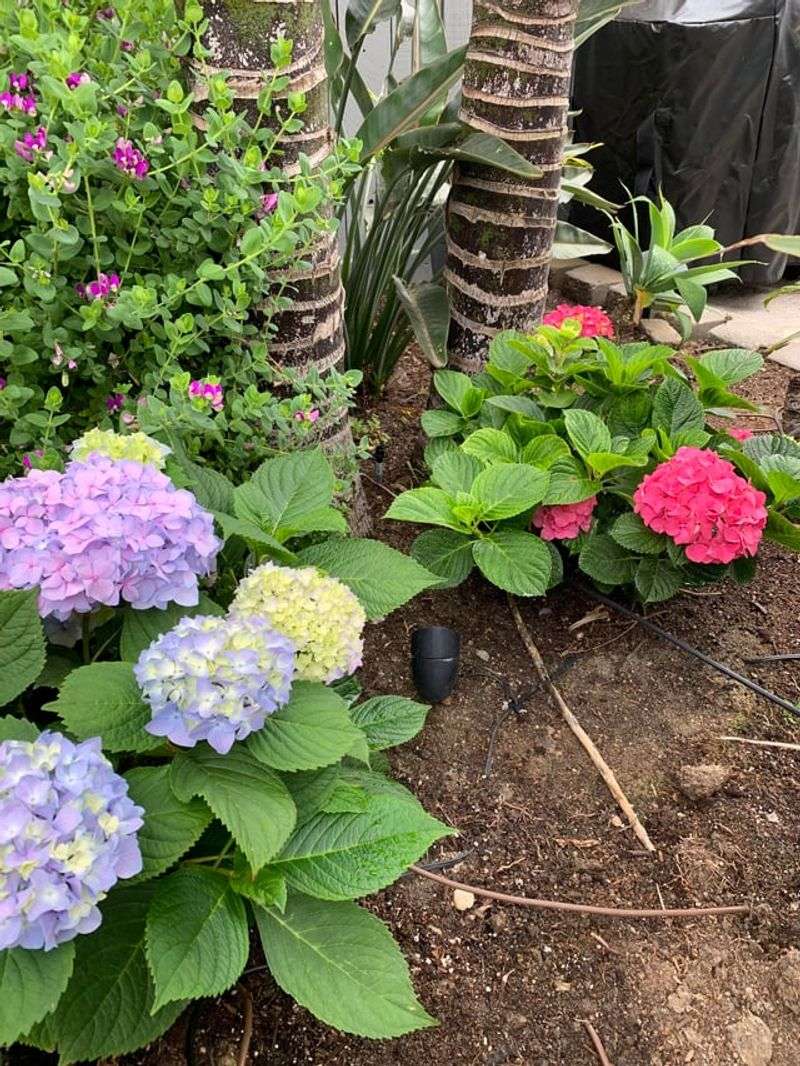
Watering right after you fertilize is not just a good idea, it is a necessary step. Without water, granular fertilizers just sit on top of the soil and cannot do their job.
Water activates the nutrients and carries them down through the soil to the root zone.
After applying fertilizer to your hydrangeas, give the area a deep, thorough watering. You want the water to soak down at least six to eight inches into the soil.
A slow, steady soak is better than a quick sprinkle. Use a garden hose on a low setting or a soaker hose for best results.
Oregon summers can be surprisingly dry, especially east of the Cascades and during July and August in the Willamette Valley. During these drier stretches, hydrangeas may need watering two or three times per week.
Keeping the soil consistently moist helps the plant absorb the fertilizer you applied and keeps blooms looking fresh.
Mulching around the base of your hydrangeas after watering is a smart move. A two to three inch layer of bark chips or compost helps hold moisture in the soil between waterings.
This is especially helpful during Oregon’s warm summer days when evaporation can dry out the top layer of soil quickly and stress your plants.
8. Keeping Blooms Going All Summer

Fertilizing is a big part of keeping your hydrangeas blooming, but it works best when paired with a few other simple habits. Together, these steps can keep your Oregon garden looking colorful from early summer all the way through September.
Deadheading, or removing spent flower heads, encourages the plant to put energy into producing new blooms rather than making seeds. Snap off faded flowers just below the bloom cluster as soon as they start to look brown or papery.
It only takes a few minutes and makes a noticeable difference in how long the blooming season lasts.
Keep an eye on soil pH if you are growing blue-flowering varieties like Endless Summer. Oregon soil tends to be slightly acidic, which naturally encourages blue blooms.
Adding a small amount of aluminum sulfate in spring can deepen the blue color. For pink blooms, a little garden lime raises the pH in the right direction.
Shade during the hottest part of the afternoon also helps flowers last longer. Oregon summers can get hot, and hydrangea blooms fade faster in intense sun.
Planting near a fence or taller shrub that provides afternoon shade gives your hydrangeas relief on hot days. Combine consistent watering, smart fertilizing, and deadheading for the most colorful, long-lasting display your Oregon garden has ever seen.