Can Dry Beans Be Planted In Oregon This Spring?
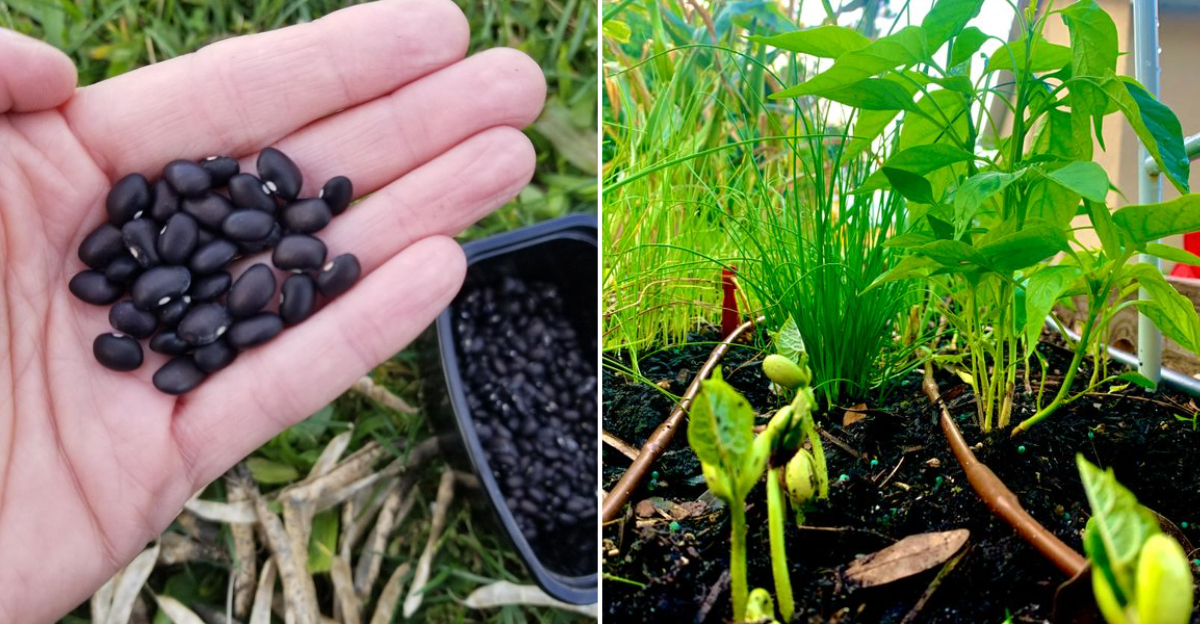
Spring brings new energy to Oregon gardens. Garden beds wake up, soil warms, and gardeners start reaching for seed packets.
Dry beans often catch attention because they are easy to grow, packed with nutrition, and perfect for long-term storage in the kitchen.
A handful of beans can turn into a full harvest with the right timing and a sunny patch of soil.
Oregon’s spring weather plays a big role in that success, so a little planning can help gardeners plant at the right moment and enjoy a strong, satisfying crop later in the season.
1. Yes, But Wait For Warm Soil
Patience is one of the most powerful tools a gardener has, especially when it comes to planting dry beans in Oregon. You can absolutely grow dry beans this spring, but rushing to plant too early can lead to seeds sitting in cold, wet ground without sprouting.
Dry beans need soil that is consistently warm before they will germinate properly. In western Oregon, including cities like Portland, Salem, and Eugene, that usually means waiting until late May or early June.
Southern Oregon regions like Medford tend to warm up a bit earlier, so mid-May planting can work well there.
Eastern Oregon areas like Bend have cooler springs and shorter growing seasons. Gardeners in those areas should aim for mid to late June before putting seeds in the ground.
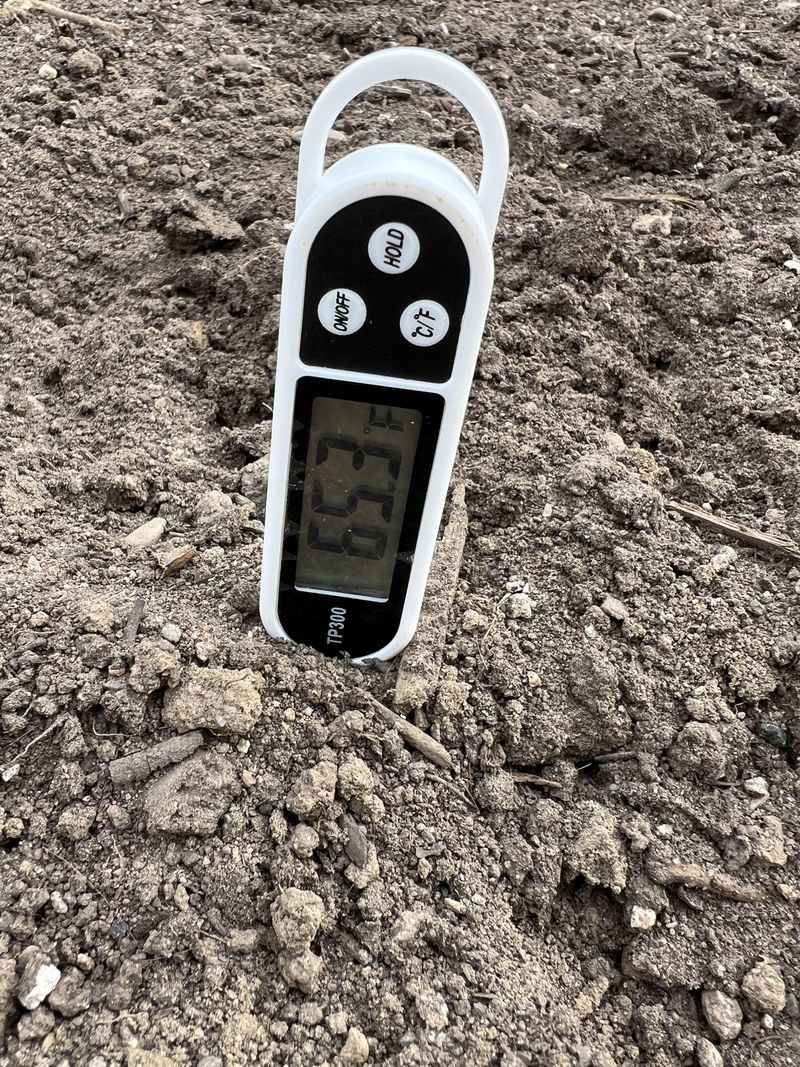
The key number to remember is 60 degrees Fahrenheit. That is the minimum soil temperature dry beans need to sprout reliably.
A simple soil thermometer costs just a few dollars and takes all the guesswork out of planting day. Push it about two inches into the ground and check the reading in the morning when soil is at its coolest.
If the temperature is above 60 degrees for several days in a row, your soil is ready. Waiting for the right conditions gives your beans the best possible start in Oregon’s variable spring weather.
2. Why Cold Soil Stops Germination
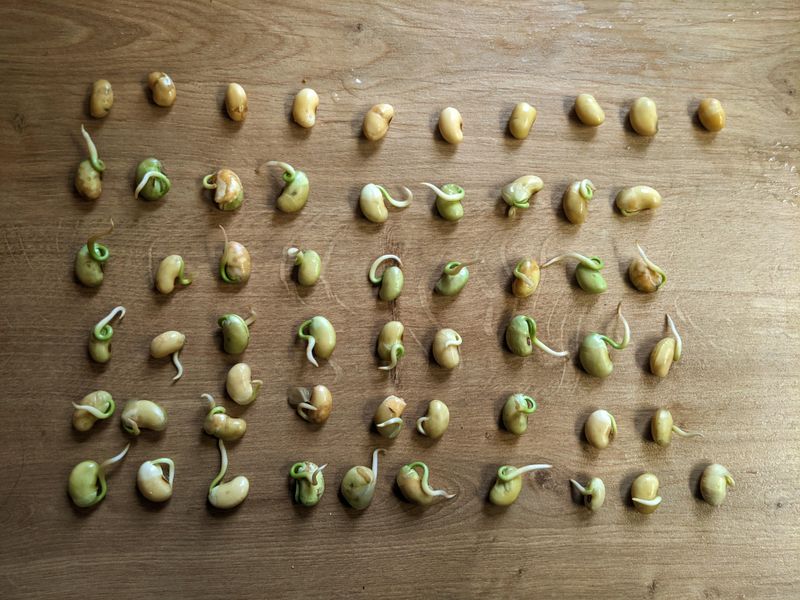
Here is something many first-time gardeners do not realize: bean seeds do not just sit and wait when soil is too cold. Cold, soggy soil causes seeds to absorb water without being able to begin growing, which leads to rotting instead of sprouting.
That is a frustrating loss of time and money.
Dry beans are warm-season crops that evolved in warmer climates. Their biology is designed to respond to heat as a signal that growing conditions are right.
When soil temperatures drop below 60 degrees Fahrenheit, the chemical processes inside the seed that trigger germination simply slow down or stop completely.
Oregon springs can be unpredictable. Even after a warm week, a cold rain can drop soil temperatures quickly, especially in western Oregon where spring rains are common.
That back-and-forth weather is tough on bean seeds planted too early in the season.
Fungal problems also thrive in cold, wet soil. Seeds sitting in those conditions for too long become vulnerable to soil-borne fungi that can prevent sprouting entirely.
Waiting for genuinely warm soil is not just about germination speed. It is about giving your seeds the protective conditions they need to succeed.
Your Oregon Garden Changes Every Week. Your Plan Should Too.
Gardening in Oregon changes quickly throughout the season. Every Friday you’ll receive a simple weekly plan showing exactly what to plant, prune, fertilize, harvest, and protect so you never miss the right timing.
In Oregon, a little extra patience in spring almost always pays off with stronger seedlings, faster growth, and a more productive harvest when fall finally arrives.
3. The Right Time To Plant Beans
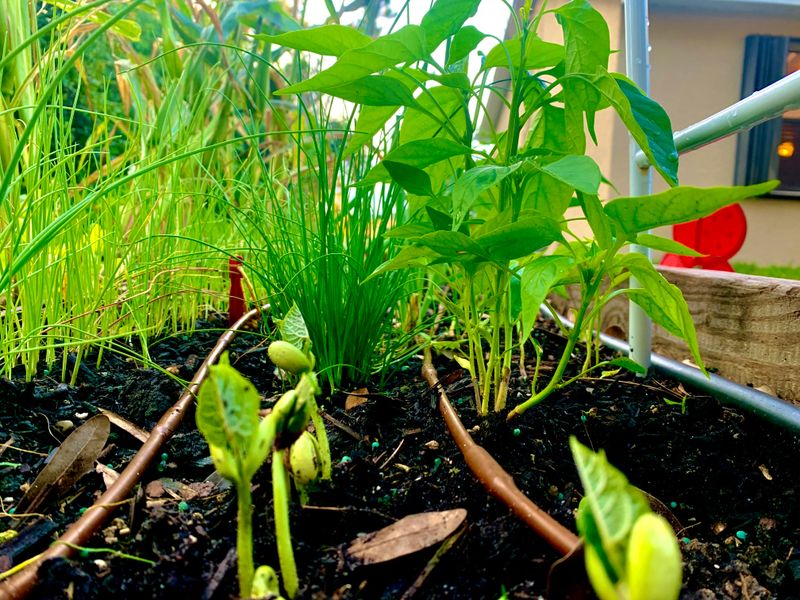
Timing your planting correctly is one of the most important decisions you will make as a dry bean grower in Oregon. Get it right, and your plants will grow fast and strong.
Plant too early, and cold soil slows everything down.
Western Oregon gardeners in the Portland, Salem, and Eugene areas should target late May to early June as their planting window. The Willamette Valley warms gradually, and by late May, most years bring reliable soil warmth.
Southern Oregon, including the Medford area, often sees warmer spring conditions and can support planting as early as mid-May.
Eastern Oregon is a different story. Bend and surrounding high desert areas can stay cool well into spring, and late frosts are possible.
Mid-June to late June is the safer planting range for those regions. Choosing bean varieties with shorter days-to-maturity is especially smart for eastern Oregon gardeners who need to finish harvesting before fall rains arrive.
A good rule of thumb across all of Oregon is to plant after your last frost date has passed and soil has been warm for at least a week. The Old Farmer’s Almanac and Oregon State University Extension both offer frost date tools specific to Oregon zip codes.
Using those resources makes it easy to plan your planting schedule with confidence, no matter which part of the state you call home.
4. Best Bean Varieties For Oregon
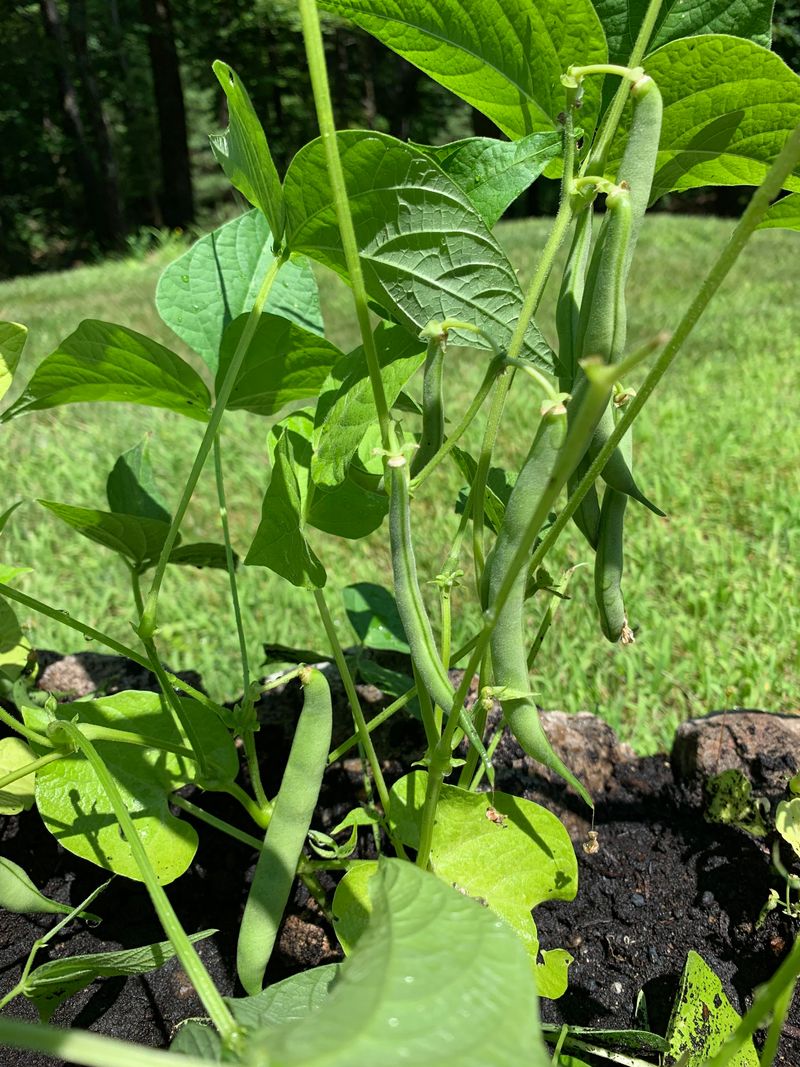
Picking the right bean variety for Oregon is just as important as picking the right planting date. Not all dry beans are created equal, and some are much better suited to Oregon’s cooler, shorter growing seasons than others.
Bush bean varieties are often the top choice for Oregon gardeners because they mature faster than pole beans. Varieties like Black Turtle, Pinto, and Jacob’s Cattle are popular in the Pacific Northwest because they can be ready to harvest in 85 to 100 days.
That shorter window is a big advantage when fall rains start rolling in.
Seed Ambassadors, an Oregon-based seed company, recommends looking for varieties specifically selected for cool and wet climates.
They have tested many bean types in Pacific Northwest conditions and know which ones perform best when spring weather stays unpredictable.
For eastern Oregon gardeners dealing with shorter summers, ultra-short-season varieties that mature in 75 to 85 days are worth seeking out.
Some gardeners in Bend and surrounding areas also use low tunnels or row covers early in the season to extend their growing window by a few precious weeks.
When shopping for seeds, look at the seed packet for the days-to-maturity number. Lower numbers mean faster harvests.
Choosing a variety matched to your region in Oregon means you are setting yourself up for success right from the start, before you even dig your first hole.
5. How To Prepare Soil First
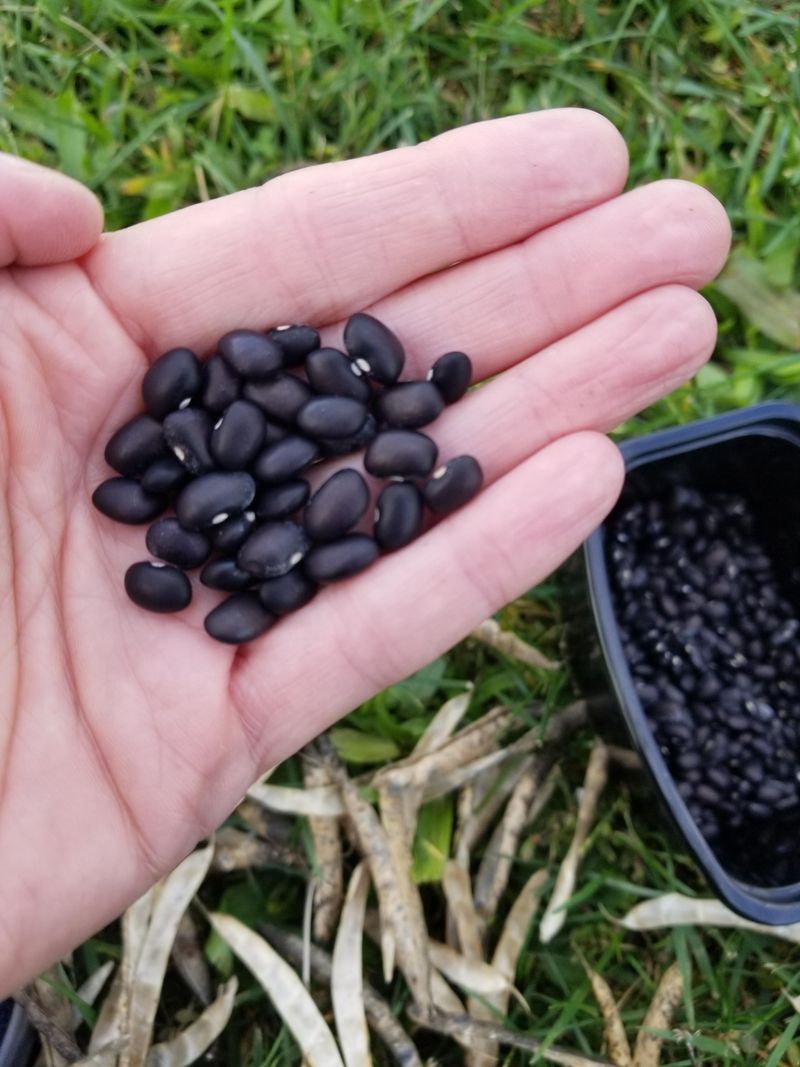
Good soil is the foundation of a great bean harvest. Dry beans are not heavy feeders, but they do need well-draining, loose soil that is rich in organic matter to grow their best.
Heavy clay soil that holds too much water is a common challenge in parts of Oregon, especially in the Willamette Valley.
Start by loosening the soil to a depth of about eight to ten inches using a garden fork or tiller. Breaking up compaction gives bean roots room to spread out and reach nutrients.
If your soil feels heavy or sticky, mixing in aged compost or well-rotted manure will improve drainage and add organic matter at the same time.
Beans are nitrogen-fixing plants, which means they actually pull nitrogen from the air and store it in their roots. Because of that, you do not need to add a lot of nitrogen fertilizer before planting.
In fact, too much nitrogen can push leafy growth at the expense of pod production. A light application of balanced fertilizer or compost is usually plenty.
Check your soil pH if you can. Dry beans grow best in slightly acidic to neutral soil, roughly between 6.0 and 7.0 on the pH scale.
Many Oregon soils fall right in that range, but testing is easy with an inexpensive kit from a garden center. Preparing your soil well before planting day gives your beans a strong foundation for the whole growing season.
6. How To Plant Dry Beans Correctly
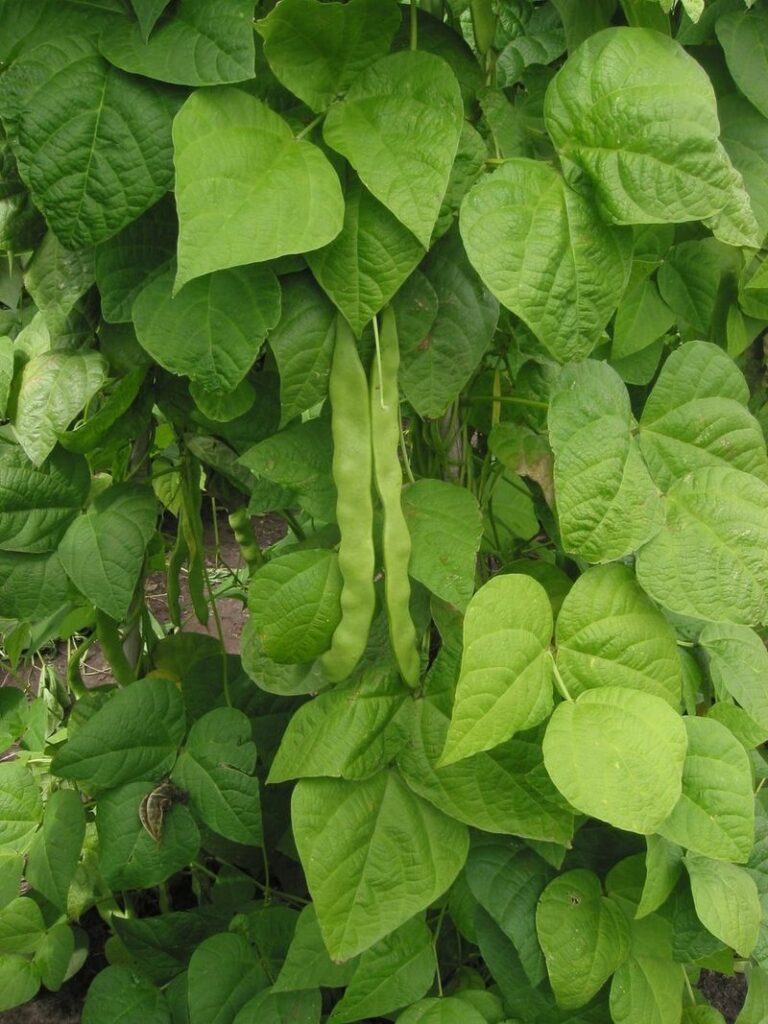
Planting day is exciting, but doing it correctly makes a big difference in how well your beans perform. Dry beans are straightforward to plant, and a few simple steps will set you up for a strong growing season in Oregon.
Sow seeds about one to two inches deep in the soil. Planting too shallow leaves seeds vulnerable to drying out or being disturbed by birds.
Planting too deep slows germination significantly. For bush beans, space seeds about two to three inches apart in rows.
Pole beans need a bit more room, about six inches apart, since they will be climbing upward.
Row spacing matters too. Leave about 18 to 24 inches between rows so plants have room to spread and air can circulate.
Good airflow helps reduce fungal disease, which is especially useful in wetter parts of Oregon like the coast and the Willamette Valley.
Water the seeds in gently right after planting. You want the soil to be moist but not waterlogged.
Dry beans do not like sitting in puddles, and overwatering right after planting can cause the seeds to rot before they sprout. After that first watering, check moisture levels every couple of days and water as needed.
Avoid working in the garden right after heavy rain when soil is muddy. Compacting wet soil around your new planting can slow root development.
Waiting for the soil to dry a little before you work it keeps the structure loose and friendly for growing beans.
7. Helping Beans Grow Through Spring
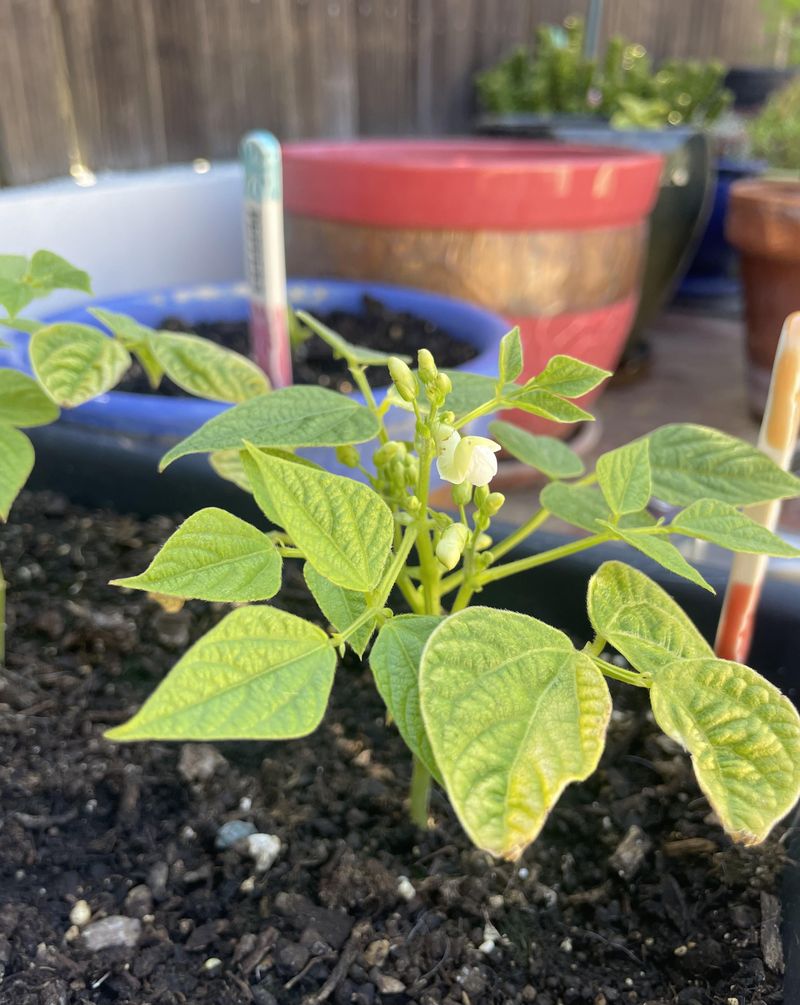
Once your dry beans are in the ground and sprouting, the real fun begins. Keeping them healthy through spring in Oregon takes a little attention, but these plants are surprisingly tough once they get going.
Watering consistently is one of the most important things you can do. Dry beans need steady moisture, especially during germination and when flowers start to appear.
Uneven watering, such as letting soil dry out completely and then flooding it, can cause blossoms to drop before pods form. Aim for about one inch of water per week, adjusting for rainfall.
Weeding regularly keeps competition away from your bean plants. Young bean seedlings are not very aggressive, and weeds can quickly crowd them out.
A light hoeing between rows once a week keeps weeds manageable without disturbing bean roots near the surface.
Watch for pests like aphids and bean beetles, which can show up in Oregon gardens as temperatures rise. A strong spray of water can knock aphids off plants.
Row covers early in the season protect seedlings from both cold snaps and pest pressure.
As summer approaches and your plants mature, reduce watering gradually. Dry beans actually prefer drier conditions as pods begin to fill and dry down.
Letting the soil dry out a bit at the end of the season helps pods dry properly on the vine, making harvest easier and cleaner. Oregon gardeners who follow these steps will be rewarded with a full and satisfying dry bean harvest.