Eastern Bluebirds Are Back In Georgia And Here’s How To Attract Them To Your Yard
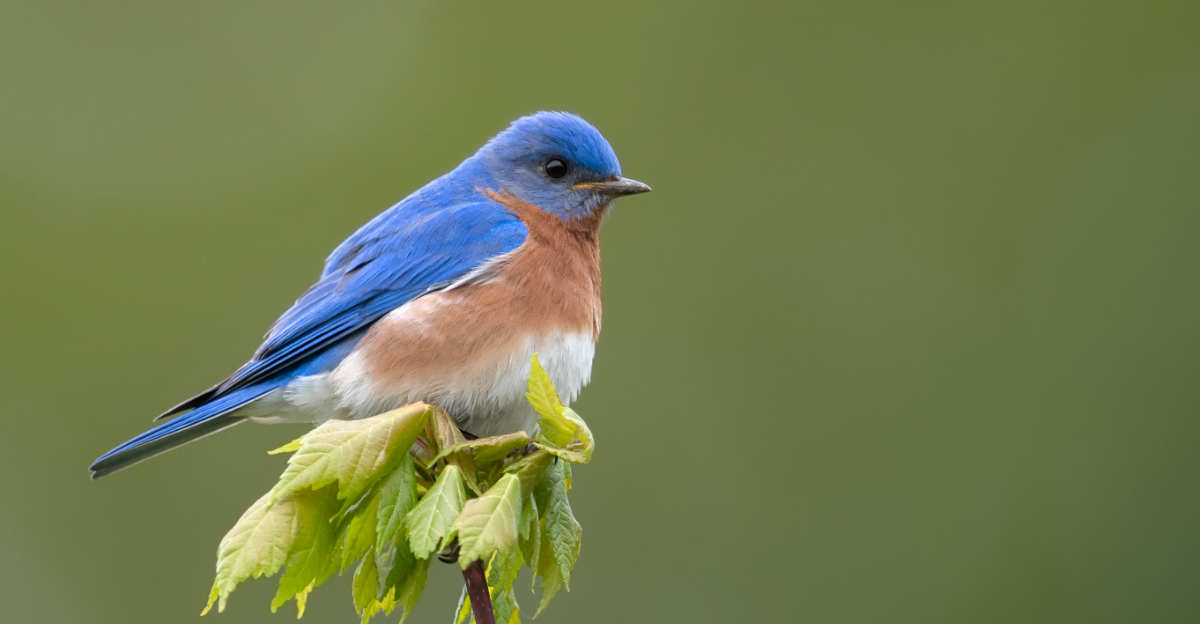
The bright flash of blue from an Eastern bluebird is one of those signs that the season in Georgia is starting to shift.
These small, colorful birds are showing up more often again, perching on fences, birdhouses, and garden posts while searching for food and safe places to nest.
Their soft calls and calm presence make them one of the most welcome visitors many yards can have.
Bluebirds are not hard to attract once a yard offers the right conditions. Open spaces, a few simple features, and the right food sources can make a big difference in whether they decide to stay around.
Many Georgia gardeners are surprised by how quickly bluebirds start visiting once a yard becomes a comfortable place for them.
With a few thoughtful changes, it is possible to turn an ordinary yard into a spot that these beautiful birds return to again and again.
1. Eastern Bluebirds Become More Active In Georgia As Spring Begins
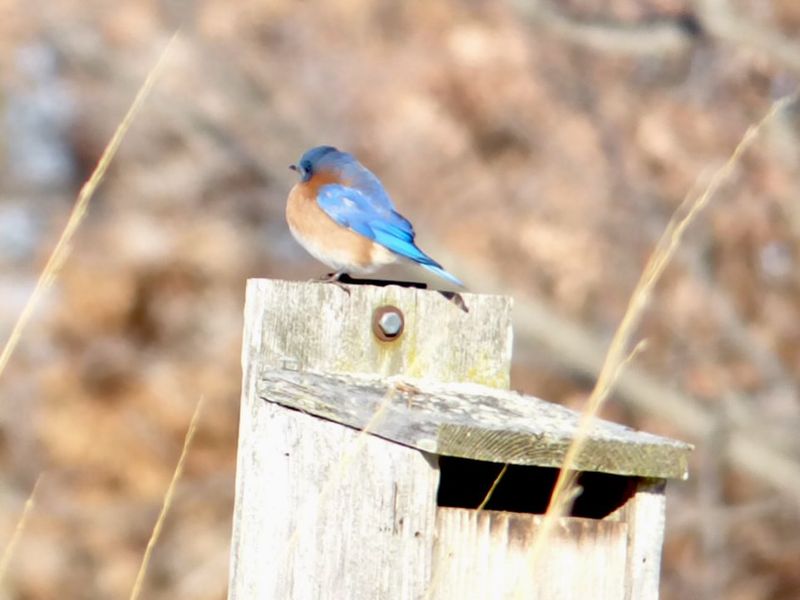
Few birds signal the arrival of spring in Georgia quite like the Eastern Bluebird. By late February, males are already staking out territory, singing from fence posts and low branches with that soft, warbling call that feels like the season itself.
Georgia sits in the heart of bluebird country. Mild winters mean many birds stay year-round, but the population visibly swells as days grow longer and warmer.
You might spot them scanning open ground from a low perch, then dropping down fast to snatch a beetle or cricket from the grass.
Bluebirds are not deep-forest birds. Open fields, pastures, rural roadsides, and suburban yards with short grass are exactly the kind of habitat they seek out.
If your property has even a small patch of open lawn, you are already ahead of the game.
Across North Georgia, Central Georgia, and the coastal plains, reports of bluebird sightings pick up noticeably in March. Birding groups in Atlanta and Savannah regularly track nesting activity starting as early as mid-February.
Getting your yard ready before then gives you a real advantage.
Understanding why bluebirds choose certain spots over others helps you set up your yard intentionally rather than just hoping for the best.
Habitat, food availability, water, and nesting options all play a role in whether a pair decides your yard is worth settling into for the season.
2. Open Lawns And Low Perches Help Bluebirds Hunt For Insects
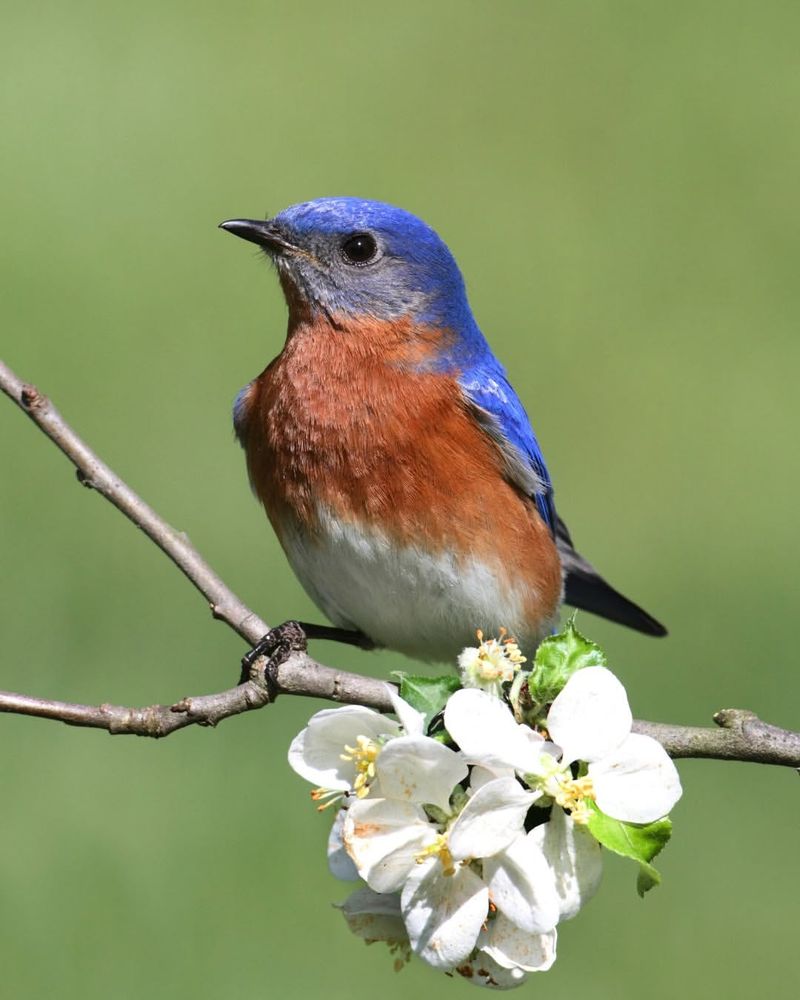
Bluebirds hunt by watching, not chasing. A bird will sit absolutely still on a low perch, eyes locked on the ground below, then drop straight down the moment it spots movement in the grass.
Without open ground and clear sightlines, that hunting style simply does not work.
Short, mowed grass is one of the most underrated bluebird attractants a Georgia homeowner can offer. Tall weeds and thick ground cover hide insects from view and make it nearly impossible for bluebirds to forage effectively.
Keeping at least part of your lawn trimmed opens up prime hunting territory.
Natural perches like low tree branches, shrub tops, and split-rail fences work well. If your yard lacks them, a few simple garden stakes or short wooden poles placed around an open area do the job just as well.
Your Georgia Garden Changes Every Week. Your Plan Should Too.
Gardening in Georgia changes quickly throughout the season. Every Friday you’ll receive a simple weekly plan showing exactly what to plant, prune, fertilize, harvest, and protect so you never miss the right timing.
Aim for perches between three and six feet off the ground — that is the sweet spot for bluebird hunting height.
Spacing a few perches around a mowed area creates a kind of foraging circuit that bluebirds will return to repeatedly throughout the day.
Georgia gardeners who set this up often notice a resident pair using the same perches morning after morning once the birds get comfortable.
Avoiding heavy foot traffic near active foraging areas matters too. Bluebirds are not skittish by nature, but constant disturbance near their preferred hunting spots will push them toward quieter corners of the yard or to a neighbor’s property instead.
3. Nest Boxes Provide Safe Places For Bluebirds To Raise Young
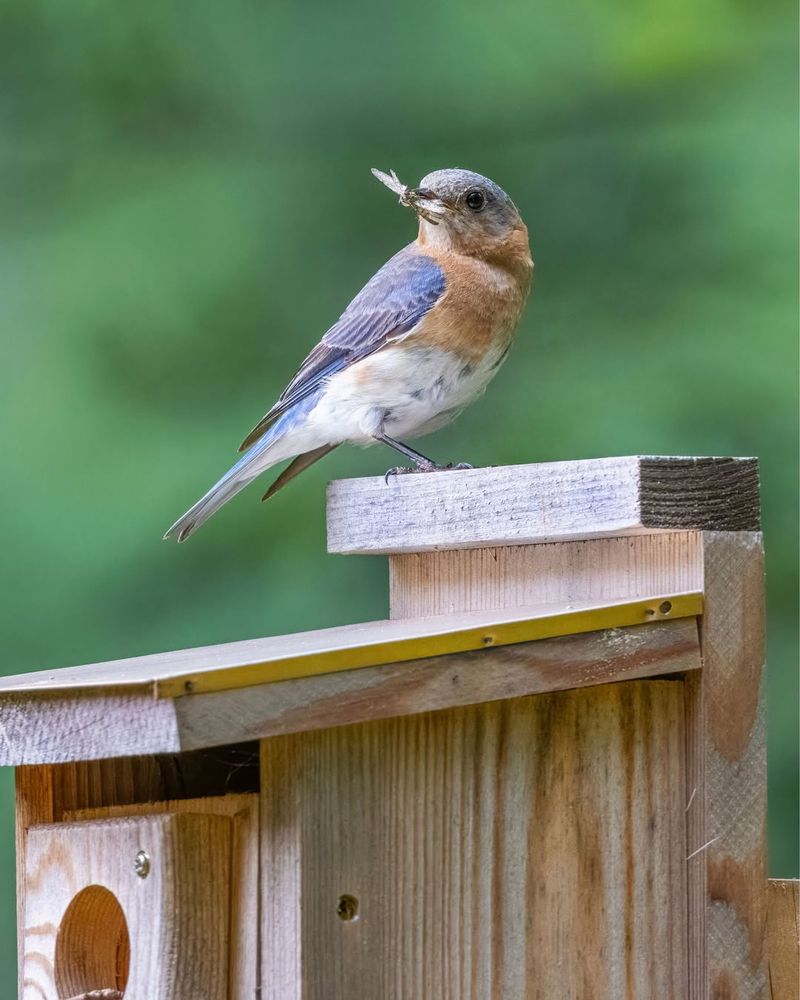
A good nest box might be the single most effective thing you can do to bring bluebirds into your Georgia yard. Bluebirds are cavity nesters, meaning they raise their young inside enclosed spaces rather than building open cup nests in trees.
Natural cavities are increasingly hard to find, so a well-placed nest box fills a real need.
Entrance hole size matters more than most people realize. A hole of exactly 1.5 inches in diameter lets bluebirds pass through easily while blocking European Starlings, which are aggressive competitors for nesting sites.
Using a metal hole reinforcer plate also prevents squirrels from chewing the opening wider over time.
Mount the box on a smooth metal pole rather than a wooden post or tree trunk. Smooth poles are much harder for predators like raccoons and snakes to climb.
Position the box four to six feet off the ground in an open area with at least 50 feet of clear space in front of the entrance.
Face the entrance hole east or southeast if possible. Morning sun warms the box and the prevailing afternoon winds in Georgia typically come from the west and southwest, so an east-facing entrance keeps the interior more comfortable for nesting birds.
Check the box every week or two during nesting season. Remove any House Sparrow nests immediately — these invasive birds will take over a bluebird box fast.
Bluebirds typically build a neat cup of dry grass or pine needles, easy to identify once you know what to look for.
4. Mealworms Can Help Attract Bluebirds To Feeding Stations
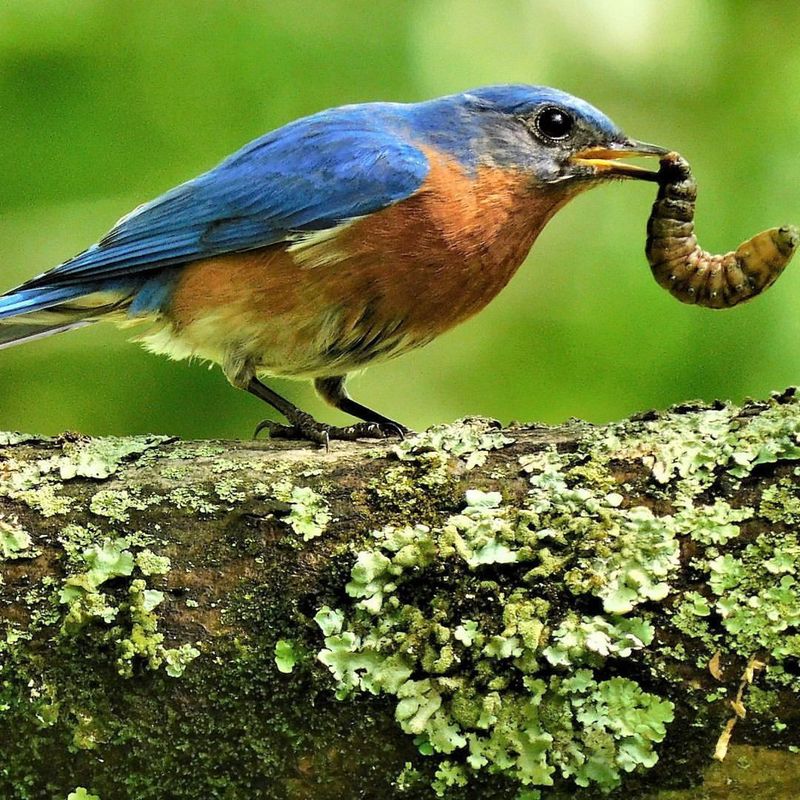
Put out a dish of live mealworms and a bluebird will find it faster than you might expect. Mealworms are essentially the bluebird equivalent of fast food — high protein, easy to grab, and irresistible to a bird that spends most of its day hunting insects.
Live mealworms are more effective than dried ones, especially when you are first trying to establish a feeding routine. The movement of live worms catches a bluebird’s eye from a distance.
Once the birds associate your feeder with a reliable food source, dried mealworms become a perfectly acceptable substitute and are easier to store.
Use a shallow dish or a specialized bluebird feeder with a small entrance hole that larger birds cannot squeeze through. Placing the feeder near a known perch point helps bluebirds spot it quickly.
Georgia homeowners often report their first bluebird visit to a mealworm feeder within just a few days of putting it out.
Start with a small amount — around 15 to 20 live mealworms — and replenish once the birds are visiting regularly. Overloading the dish with more than the birds can eat in a day leads to waste and can attract unwanted visitors like House Sparrows or American Robins.
During nesting season, a mealworm feeder becomes even more valuable. Parent bluebirds will carry worms directly to the nest box, and watching that behavior up close is one of those backyard moments that genuinely sticks with you long after the season ends.
5. Native Berry-Producing Shrubs Provide Natural Food
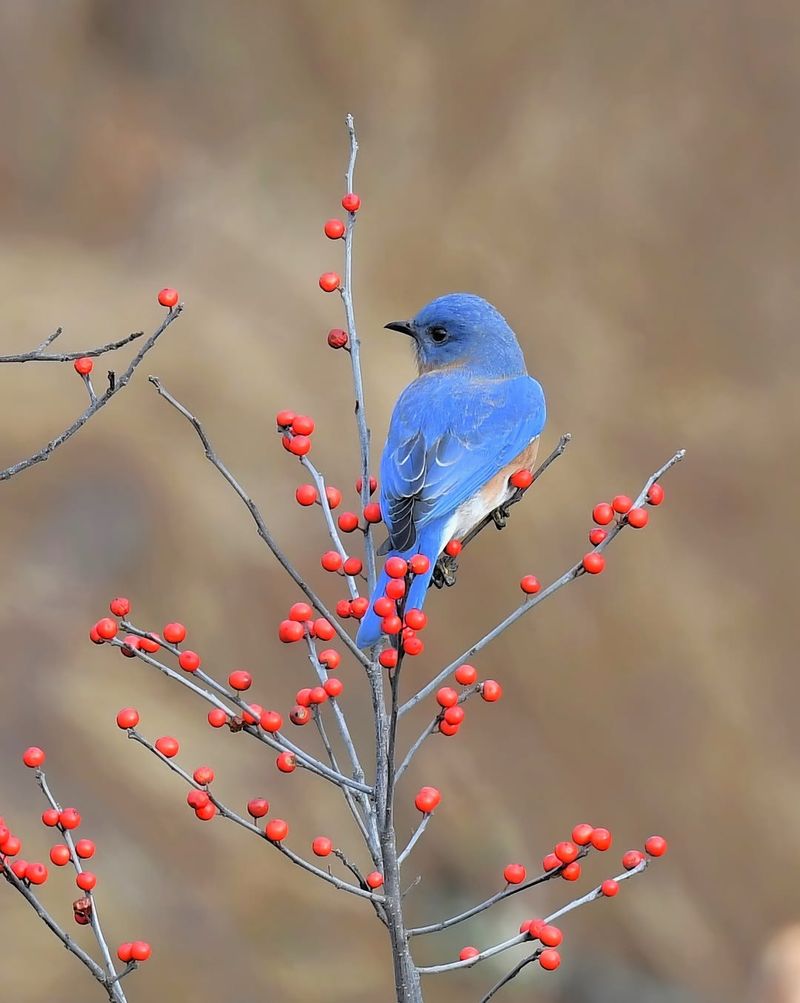
Mealworms are great, but a yard full of native berry-producing plants gives bluebirds something they can rely on even when you forget to refill the feeder.
Berries become especially critical in late fall and winter when insects are scarce across Georgia, and bluebirds shift their diet heavily toward fruit to stay fueled.
American Holly is one of the top choices for Georgia yards. Female holly trees hold their bright red berries well into winter, providing a food source right when bluebirds need it most.
Eastern Red Cedar is another powerhouse — its blue-gray berries are a favorite of bluebirds and dozens of other bird species.
Dogwood, Beautyberry, Possumhaw Holly, and Wax Myrtle all rank high on the list of plants that attract bluebirds in Georgia.
Wax Myrtle grows fast and tolerates a wide range of soil conditions across the state, from the red clay of North Georgia to the sandy soils near the coast.
Planting shrubs in clusters rather than isolated spots creates more visible food patches that birds can locate from a distance. A single shrub here and there is easy to miss.
A grouping of three to five plants becomes a destination that bluebirds will return to repeatedly throughout the season.
Skip the ornamental exotics with showy berries that birds should avoid. Nandina, for example, is common in Georgia landscapes but its berries can be harmful to birds.
Sticking with plants that evolved alongside local bird populations produces far better results in the long run.
6. Clean Water Sources Encourage Birds To Visit Often
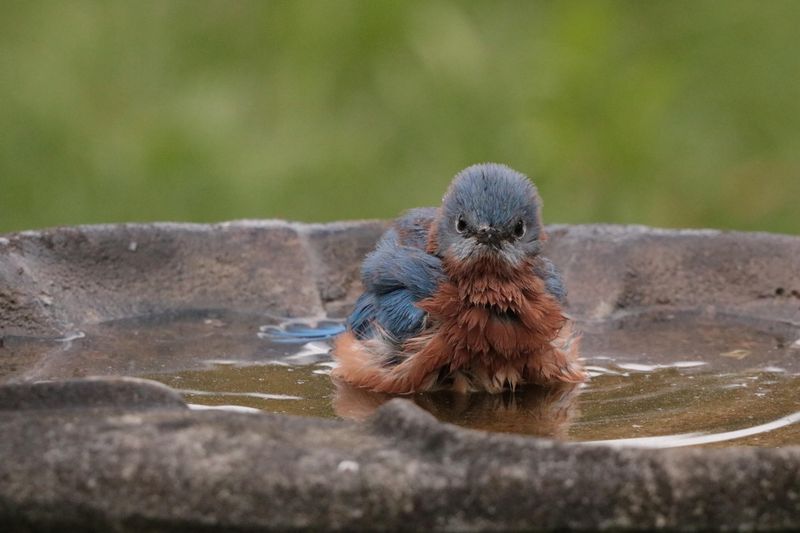
Running water is like a magnet for bluebirds. Something about the sound and movement of dripping or trickling water triggers a response in birds that a still, silent birdbath simply cannot match.
Adding even a basic dripper to an existing birdbath can dramatically increase how often bluebirds stop by your Georgia yard.
Depth matters a lot with birdbaths. Bluebirds prefer water no deeper than one to two inches at the center.
A bath that is too deep will get used by larger birds while bluebirds watch from the sidelines. Adding a flat stone or two to a deeper bath raises the floor and makes it more accessible.
Keep the bath clean. Algae buildup and stagnant water are not just unappealing — they can carry bacteria that affect bird health.
A quick scrub with a stiff brush every few days and a full water change every one to two days keeps things fresh. Georgia summers are hot, and water evaporates fast, so check the level daily.
Placement in an open area away from thick shrubs reduces the risk of cats or other predators ambushing birds while they bathe.
A clear sightline in every direction gives bluebirds the confidence to relax and actually use the bath rather than just eyeing it nervously from a distance.
Solar-powered water wigglers are an affordable option that creates surface movement without any wiring or plumbing. They run on sunlight and keep the water moving just enough to catch a passing bluebird’s attention from across the yard.
7. Keeping Nest Boxes Away From Heavy Activity Helps Bluebirds Settle In
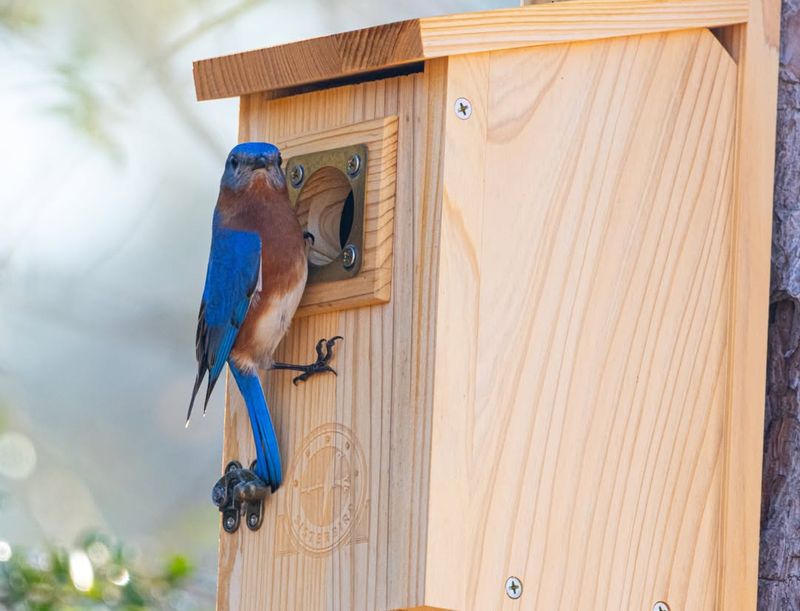
Location is everything when it comes to nest box success. A perfectly built box in the wrong spot will sit empty all season while a simple box placed thoughtfully draws a nesting pair within days.
Bluebirds want to feel safe, and heavy human or pet activity near a nest box makes them nervous enough to look elsewhere.
Place the box at least 50 to 100 feet away from your main patio, play equipment, or high-traffic areas of the yard.
Bluebirds do not need total isolation — they are comfortable around people at a reasonable distance — but a box right next to the grill or the kids’ swing set is asking too much of even a bold pair.
Pets are a real concern. A cat that regularly patrols the area beneath a nest box will keep bluebirds from committing to that site.
Dogs running freely near the box during nesting season create similar problems. If you have outdoor pets, factor their movement patterns into where you mount the box.
Noise levels matter less than visual disturbance and physical proximity. Bluebirds in Georgia regularly nest near busy roads or active farms.
Consistent, predictable activity at a distance is far less disruptive than unpredictable movement close to the box entrance.
Once a pair starts carrying nesting material into the box, resist the urge to watch too closely too often.
Weekly checks are fine and actually recommended to monitor nest progress, but hovering near an active box daily stresses the birds and can cause them to abandon a nest they worked hard to build.