9 Plants That Thrive In Arizona Gardens Without Extra Watering
Arizona gardens do not have to rely on constant watering to stay full of life. In fact, some of the most reliable plants in the region are the ones that have learned to handle long dry stretches without needing much help.
Once established, these plants can keep growing, blooming, and filling out a landscape even when rainfall is limited and watering stays minimal.
That is exactly why drought tolerant plants have become such an important part of Arizona gardening. They match the climate, handle intense sun, and make it easier to maintain a yard that still looks lively without using large amounts of water.
Choosing the right plants can turn a dry, sun exposed space into a landscape that feels natural, colorful, and well suited to the desert environment. With the right selections, Arizona gardens can stay vibrant while keeping water use low.
1. Desert Marigold Produces Bright Yellow Blooms In Harsh Desert Sun

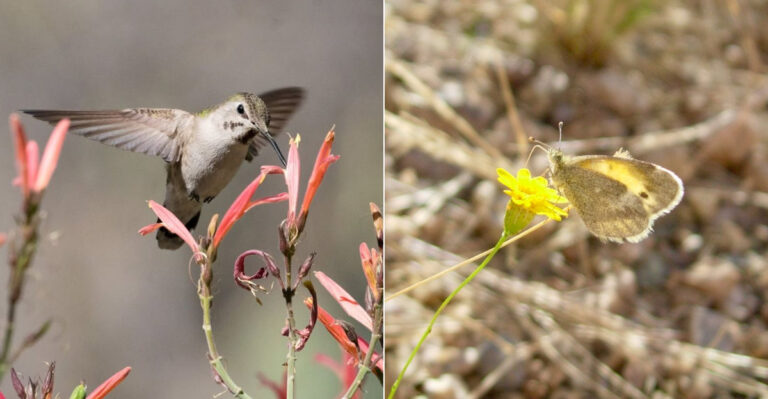
Bright yellow flowers in the middle of a bone-dry Arizona summer? That is exactly what Desert Marigold delivers, season after season, without complaint.
Baileya multiradiata is a tough little perennial wildflower that blankets roadsides, rocky slopes, and home gardens across the Sonoran Desert with cheerful color from early spring all the way through fall.
Its roots go surprisingly deep, tapping into soil moisture that most other plants cannot reach. Plant it in a spot with full sun and fast-draining soil, and it will handle the rest on its own.
Sandy, gravelly ground is actually ideal for it, so do not bother amending the soil with anything fancy.
Deadheading spent blooms can encourage more flowers, but honestly, even if you ignore it entirely, Desert Marigold keeps producing.
Pollinators absolutely flock to it, especially native bees and butterflies that need reliable food sources during Arizona’s hottest months.
It reseeds itself naturally, so over time a small planting can spread into a generous golden patch. For Arizona gardeners who want color without the commitment of regular irrigation, few plants are as dependable or as visually rewarding as this one.
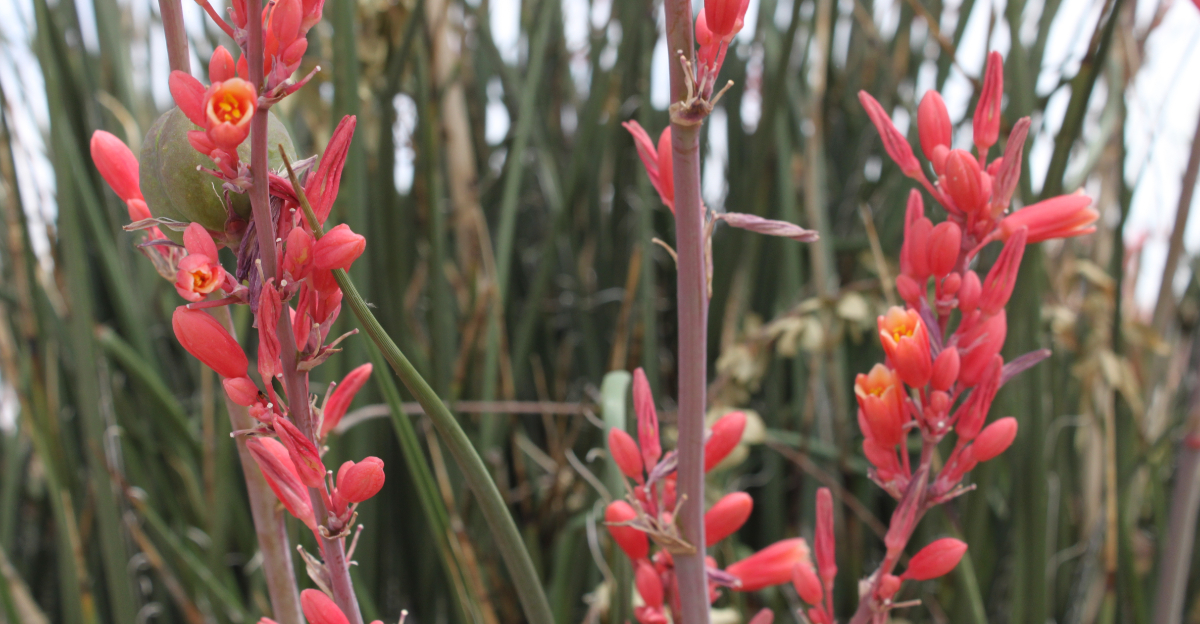
2. Red Yucca Sends Up Coral Flower Spikes Above Tough Leaves

Hummingbirds find Red Yucca before most gardeners even know it is blooming.
Those tall coral-pink flower spikes shoot up several feet above the plant’s base and stay in bloom for months, making it one of the longest-lasting floral displays you can get in an Arizona yard without any supplemental watering.
Despite the name, Red Yucca is not actually a yucca at all. It belongs to the agave family, which explains why it handles Arizona heat and drought the way it does.
Its arching, grass-like leaves stay green through brutal summer temperatures and cold winter nights alike, giving the plant a clean, sculptural look even when it is not in flower.
It does not need rich soil, regular fertilizer, or extra water beyond what falls from the sky. Tucson and Phoenix gardeners often use Red Yucca as a border plant or a focal point in rock gardens, and it works in both roles without any fuss.
Your Arizona Garden Changes Every Week. Your Plan Should Too.
Gardening in Arizona changes quickly throughout the season. Every Friday you’ll receive a simple weekly plan showing exactly what to plant, prune, fertilize, harvest, and protect so you never miss the right timing.
If you want a plant that earns its keep in every season without demanding anything in return, Red Yucca is a genuinely smart choice for Arizona landscapes.
3. Desert Globemallow Brings Soft Orange Color To Dry Landscapes
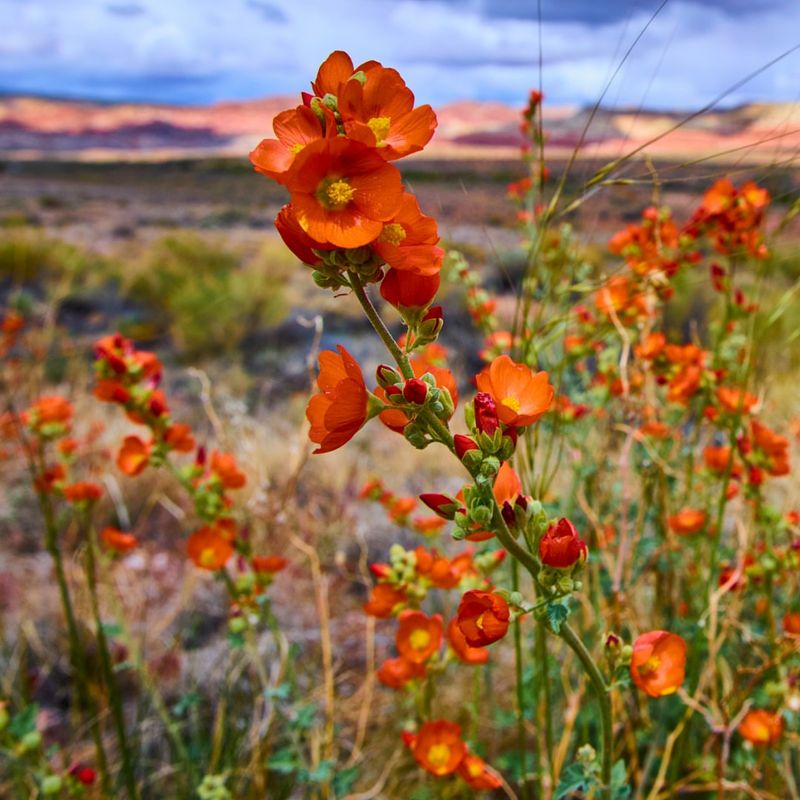
Walk almost any desert trail in Arizona between February and May and you will likely spot Desert Globemallow putting on a show.
Its soft, poppy-like orange blooms are hard to miss against the pale tan of dry desert soil, and they attract a surprising number of specialist native bees that depend on this plant specifically.
Sphaeralcea ambigua handles neglect like a champion. It thrives in rocky, alkaline soil with almost no organic matter and laughs off summer heat that would wilt most garden plants in a matter of days.
Once it gets going in your yard, it tends to reseed and spread gradually, filling in gaps in a xeriscape without any help from you.
One thing to know before planting: the tiny hairs on its leaves and stems can cause minor skin irritation for some people, so gloves are a good idea when handling it. Beyond that, it is genuinely low-effort.
Cut it back after the main bloom period ends and it often pushes out a second flush of flowers when fall temperatures cool down. For Arizona gardeners who want wildflower color without the watering schedule, Desert Globemallow fits the bill perfectly.
4. Brittlebush Covers Desert Slopes With Golden Spring Flowers
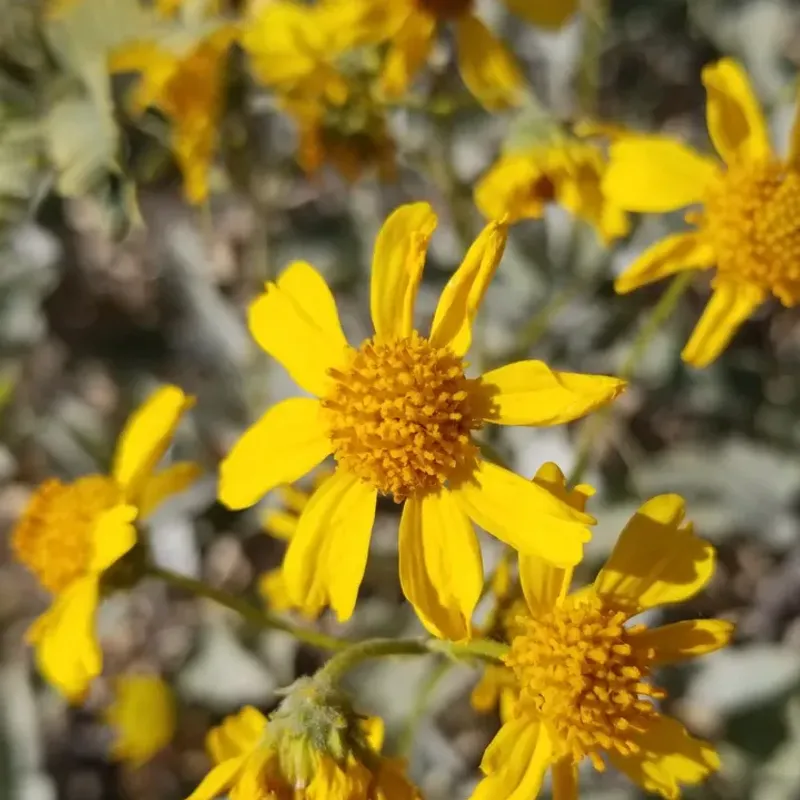
Few plants transform an Arizona hillside faster than Brittlebush in early spring. Almost overnight, those silvery-gray mounds explode into a sea of golden yellow flowers that can cover entire slopes in color.
It is one of the most dramatic natural displays the Sonoran Desert puts on, and it happens without a drop of irrigation water.
Encelia farinosa is a woody shrub that drops many of its leaves during extreme dry spells to conserve moisture, then leafs back out when conditions improve. That strategy has worked for thousands of years across the deserts of Arizona, California, and Baja California.
The silvery-white coating on its leaves reflects sunlight and reduces water loss, which is a clever built-in survival tool.
In Arizona gardens, Brittlebush works especially well on slopes, berms, and dry washes where water drains away quickly and other plants struggle. It grows fast, fills space efficiently, and provides excellent erosion control without any help.
Bees love the flowers, and the plant has a faint pleasant fragrance that is most noticeable in warm afternoon sun. After blooming season, trim it back by about a third to keep it tidy and encourage strong new growth heading into the next flowering cycle.
5. Desert Milkweed Supports Monarch Caterpillars In Arid Gardens
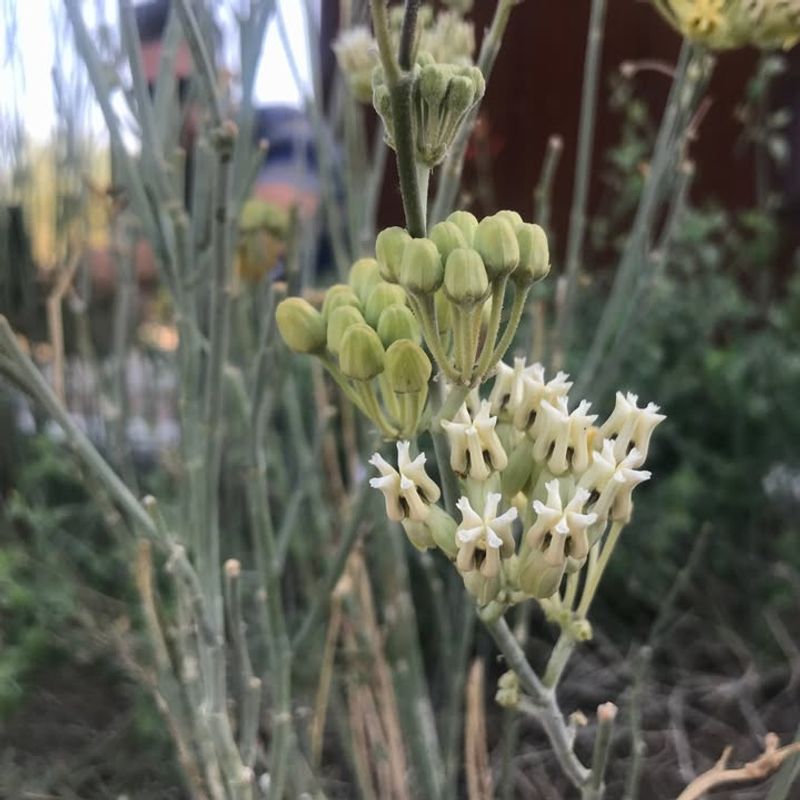
Monarch butterflies passing through Arizona need milkweed, and Desert Milkweed is the species that actually survives here without irrigation. Asclepias subulata looks unlike most milkweeds you have seen elsewhere.
It has tall, thin, almost leafless green stems that photosynthesize directly through their surface, a clever adaptation to the brutal conditions across the Sonoran Desert.
Plant it in full sun and fast-draining soil, and it will reward you with small clusters of creamy white flowers that attract monarchs, queens, and a range of native pollinators throughout the warmer months.
It stays green and upright even during Arizona’s most punishing summer heat, which is more than you can say for most garden plants.
Beyond its value to pollinators, Desert Milkweed adds a unique vertical texture to xeriscape designs. Its slender stems create an interesting contrast next to broader-leafed plants like agave or brittlebush.
Tucson and Phoenix gardeners who want to support local butterfly populations will find it especially worthwhile. It spreads slowly through its root system over time, gradually expanding its footprint without becoming aggressive.
If monarch conservation matters to you, and you garden anywhere in Arizona, this is one plant that genuinely makes a difference.
6. Parry’s Agave Forms Bold Rosettes Of Blue Gray Leaves
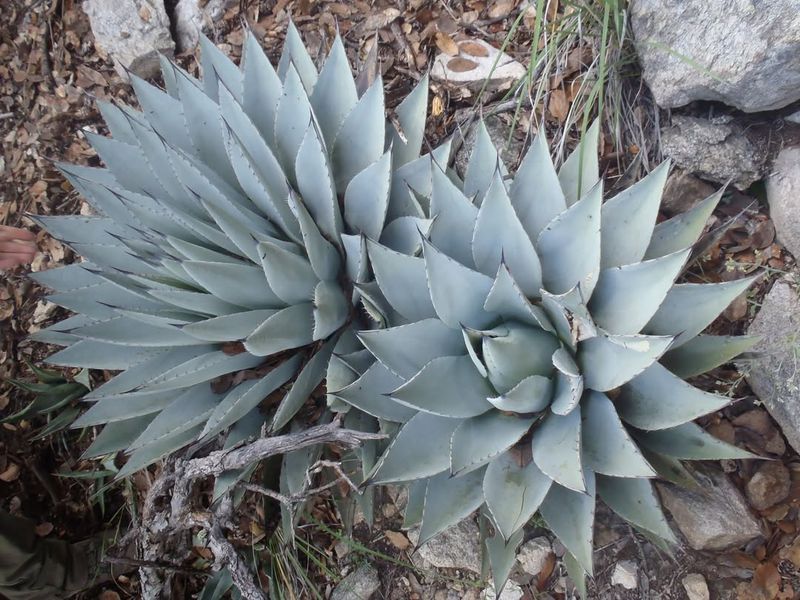
There is something almost architectural about a well-grown Parry’s Agave sitting in the middle of a rock garden. Its tight, symmetrical rosette of thick blue-gray leaves looks like it was designed by someone, not grown from the ground.
Each leaf ends in a sharp terminal spine, so placement matters, but the visual payoff is absolutely worth a little planning.
Agave parryi is native to the mountains and high deserts of Arizona and New Mexico, which means it handles both intense summer heat and cold winter temperatures without skipping a beat.
It is slower growing than some other agaves, but that actually works in its favor for small garden spaces where you do not want a plant taking over within a few years.
After many years, usually somewhere between ten and thirty, Parry’s Agave sends up a massive flowering stalk that can reach fifteen feet or more.
That bloom is a once-in-a-lifetime event for the plant, and it draws in bats, bees, and hummingbirds in impressive numbers.
After flowering, the main rosette fades, but the plant typically leaves behind several offsets, called pups, that continue growing in its place. For bold, water-free structure in Arizona gardens, Parry’s Agave has few rivals.
7. Ocotillo Produces Bright Red Spring Flower Spikes
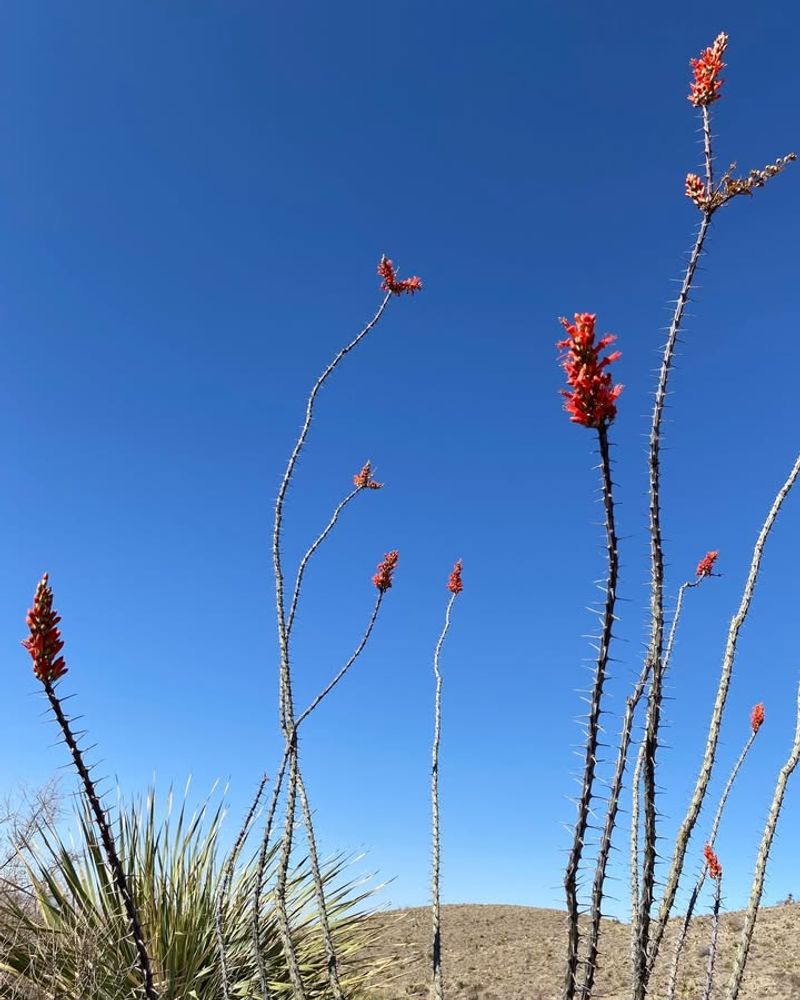
Nothing signals spring in the Sonoran Desert quite like an Ocotillo in full bloom. Those tall, whip-like canes light up at the tips with clusters of brilliant red tubular flowers that hummingbirds chase down from remarkable distances.
It is one of the most striking sights an Arizona garden can offer, and it happens with zero irrigation required.
Fouquieria splendens has a reputation for looking bare most of the year, and that reputation is partly earned.
During dry periods, it drops its small leaves to cut back on water loss, leaving bare spiny canes that can look lifeless.
But give it a rain or two and those same canes push out fresh green leaves within days, a response that never stops being impressive no matter how many times you have seen it.
Ocotillo grows best in full sun and well-draining, rocky soil. It resents sitting in wet ground and will rot if drainage is poor, so avoid low spots in the yard.
In Phoenix and Tucson landscapes, it is often used as a living fence, planted in a row where its dense spiny canes create a natural barrier that is genuinely difficult to push through. It is slow to establish but essentially unstoppable once it settles in.
8. Desert Spoon Adds Dramatic Spiky Texture To Xeriscapes
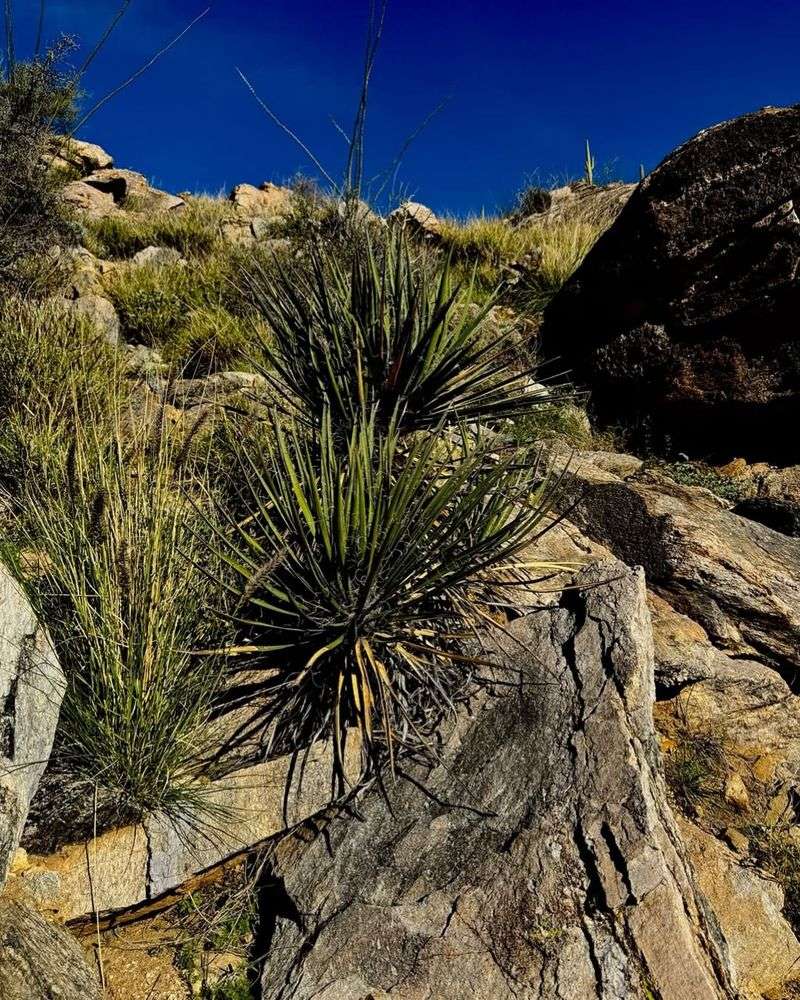
Walk past a mature Desert Spoon and it stops you in your tracks. That dense, perfectly round explosion of long, narrow, silvery-green leaves is genuinely eye-catching, and it looks just as sharp and structured in August heat as it does in February cool.
Dasylirion wheeleri earns its spot in Arizona gardens through sheer visual presence alone.
It grows slowly, but what it produces over time is worth the wait. Mature plants develop a thick trunk that lifts the leaf cluster off the ground, adding height and drama to the overall shape.
Every few years, a tall flowering spike shoots up from the center, covered in tiny cream-colored flowers that attract bees and birds from across the neighborhood.
Desert Spoon handles full sun, rocky soil, and months without rain without any visible stress. It is a natural fit for xeriscapes, rock gardens, and slopes where water runs off quickly.
The tips of the leaves are serrated, so planting it away from high-traffic areas is smart.
In Arizona, where water conservation is a real and ongoing concern, choosing a plant like this one means you get maximum visual impact without putting any strain on your irrigation system or your schedule.
Truly a set-it-and-forget-it plant.
9. Creosote Bush Is A Signature Shrub Of The Sonoran Desert
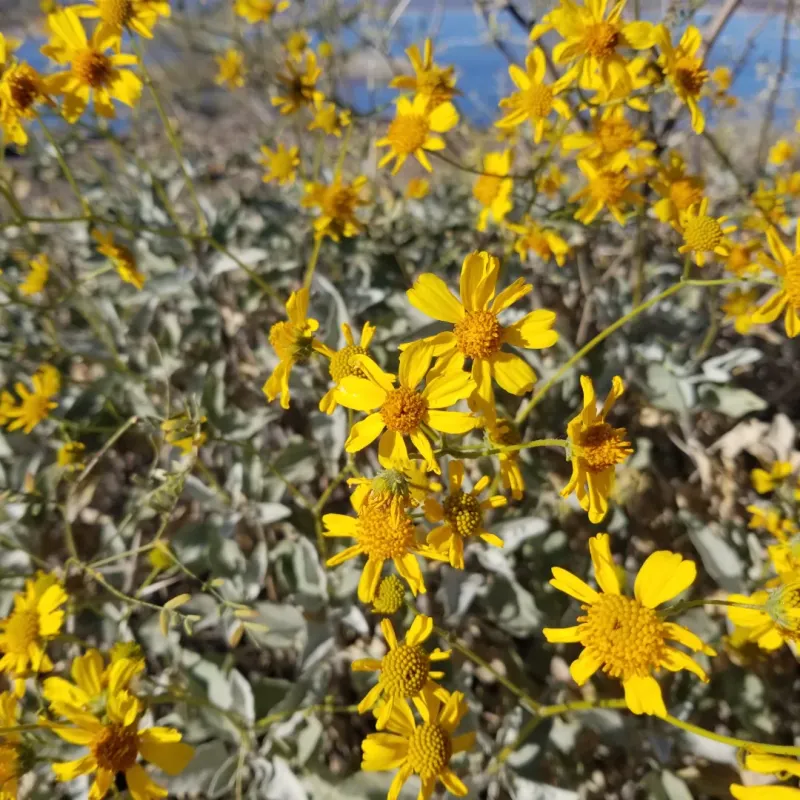
After a desert rainstorm in Arizona, that clean, earthy scent that fills the air almost immediately comes from Creosote Bush.
It is one of the most recognizable smells in the entire Southwest, and the plant behind it is one of the oldest and toughest shrubs on the continent.
Some individual Creosote clones in the Mojave have been alive for over ten thousand years.
Larrea tridentata covers enormous stretches of the Sonoran Desert and thrives in conditions that would challenge almost any other plant.
Its small, resinous leaves reduce water loss in extreme heat, and its root system spreads wide to capture every drop of rain that falls.
No supplemental irrigation needed, ever, once it is settled into the ground.
In an Arizona garden, Creosote Bush provides reliable evergreen structure and a soft, fine-textured appearance that contrasts well with the bold forms of agave and ocotillo.
Small yellow flowers appear after rain events, adding brief but cheerful color throughout the year.
Wildlife value is high too, with over sixty species of native bees documented visiting Creosote flowers in the Sonoran Desert region. For a plant that asks for nothing and gives back constantly, it is hard to beat this desert icon in any Arizona landscape.