What Late Frost Really Does To Ohio Apple Blossoms (And What To Do)
One cold night can wipe out an entire apple harvest in Ohio. Spring finally shows up, and your apple trees burst into bloom almost overnight.
Branches fill with soft pink and white flowers, and it feels like a promise of baskets full of apples later in the year. Then the forecast changes. A sudden cold snap rolls in, temperatures drop overnight, and you wake up wondering what that frost just did to your trees.
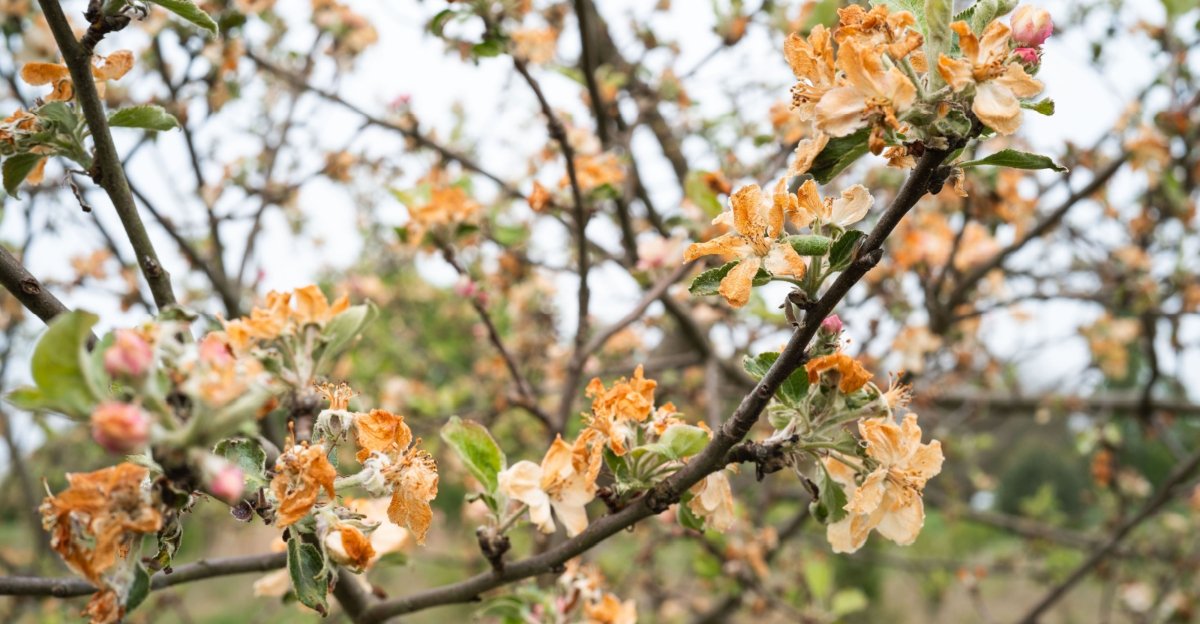
The blossoms may still look delicate and beautiful, but late frost can quietly damage them in ways that don’t show right away.
The way frost affects apple blossoms, and the steps you take after, can mean the difference between apples and empty branches.
1. Frost Can Destroy Apple Buds Before They Open
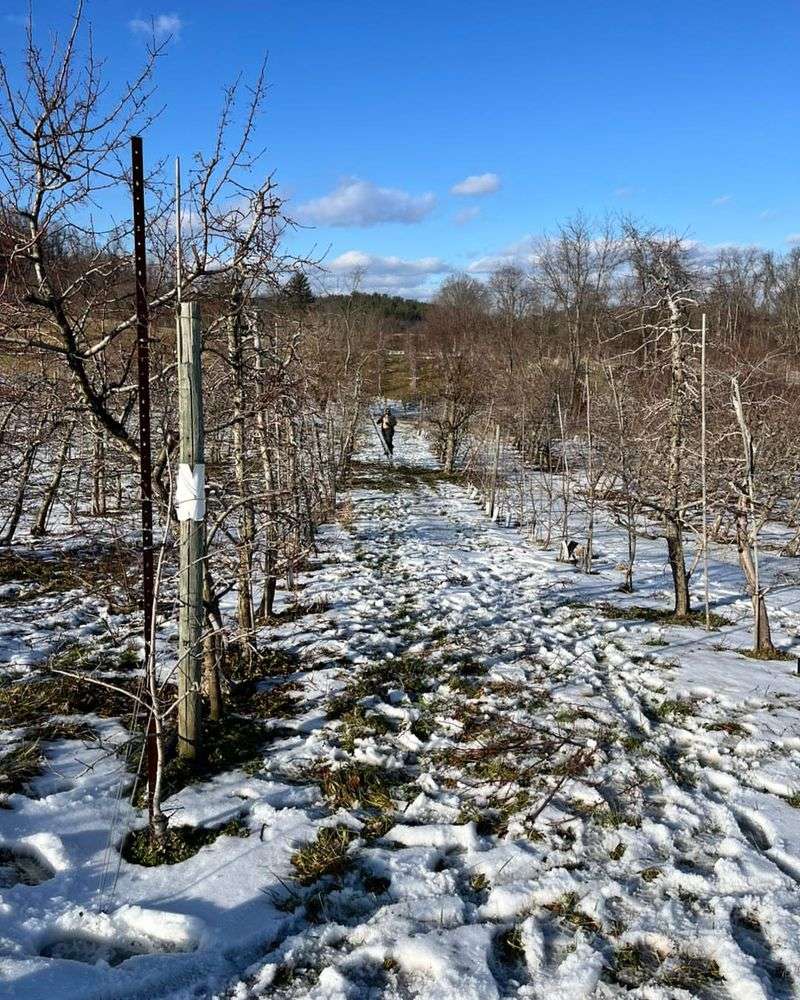
Picture walking out to your Ohio orchard on a crisp April morning, coffee in hand, only to find that last night’s freeze quietly did serious damage to your apple trees. Apple buds are surprisingly vulnerable during the early stages of bloom, and even a short dip below 28 degrees Fahrenheit can cause significant injury to the developing flower tissue inside.
The tricky part is that the damage is not always visible right away. On the outside, the bud may look perfectly fine.
But if you carefully cut one open, you might find a darkened or discolored center where healthy green tissue should be. That browning is a sign that the reproductive parts of the blossom have been damaged beyond recovery.
Timing matters enormously here. According to Ohio State University Extension, apple blossoms at the tight cluster or pink stage are more cold-hardy than fully open flowers.
Once a blossom reaches full bloom, it can suffer economic damage at temperatures as mild as 28 degrees for just 30 minutes. Ohio growers in inland areas, away from the moderating effect of Lake Erie, tend to face these conditions more frequently in late April and early May.
2. Damage Reduces Fruit Set And Yield

After a frost hits Ohio apple blossoms, the effects ripple well beyond the flowers themselves. When the reproductive parts of a bloom, specifically the pistil and stamens, are damaged by cold, pollination cannot happen properly.
No successful pollination means no fruit development, and that empty branch where apples should be hanging becomes painfully obvious by midsummer.
Even partial frost damage creates problems. A blossom that survives a freeze but suffers mild injury may still get pollinated, yet produce a misshapen or undersized apple.
In a commercial Ohio orchard, this kind of partial damage can quietly reduce both the quantity and the marketable quality of the harvest without making the loss immediately obvious in early spring.
Research from Ohio State University Extension shows that even a 10 to 15 percent reduction in fruit set can translate into meaningful income loss for growers, especially in years when markets are tight. Home orchard owners feel it too, losing the fresh-picked apples they planned to store or press into cider.
Keeping close records of frost events, bloom timing, and resulting fruit set over multiple seasons helps Ohio growers better predict risk and adjust their management practices accordingly each year.
Your Ohio Garden Changes Every Week. Your Plan Should Too.
Gardening in Ohio changes quickly throughout the season. Every Friday you’ll receive a simple weekly plan showing exactly what to plant, prune, fertilize, harvest, and protect so you never miss the right timing.
3. Check Blossoms Quickly For Frost Injury
Speed matters after a frost. Getting out into your Ohio orchard within 24 hours of a freeze event gives you the most accurate picture of what actually happened to your blossoms.
Waiting too long can make it harder to distinguish frost injury from other types of blossom damage, like disease or insect activity.
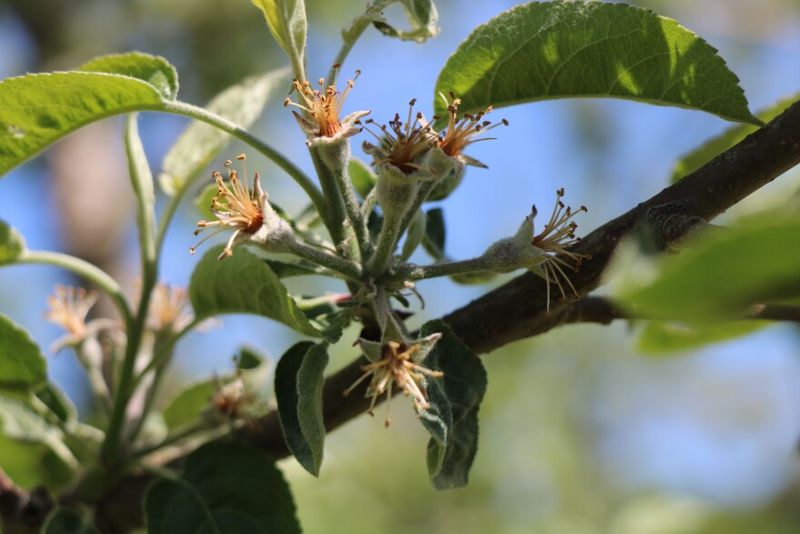
The most reliable inspection method is simple and low-tech. Pick a sample of blossoms from several different trees across your orchard, then use a small knife or fingernail to carefully split each flower open lengthwise.
A healthy blossom will show bright green or creamy white tissue at its center. A frost-damaged one will display a dark brown or black center, which is a clear sign the pistil has been injured.
Ohio State University Extension recommends checking blossoms at multiple bloom stages across your orchard, since trees in slightly different microclimates or at different growth stages can show very different levels of damage from the same frost event. Low spots in the orchard tend to collect cold air and show more injury than trees on higher ground.
Sampling at least 25 to 50 blossoms per variety gives you a statistically meaningful estimate of how much of your potential crop may have been affected.
4. Cover Trees To Protect Blossoms
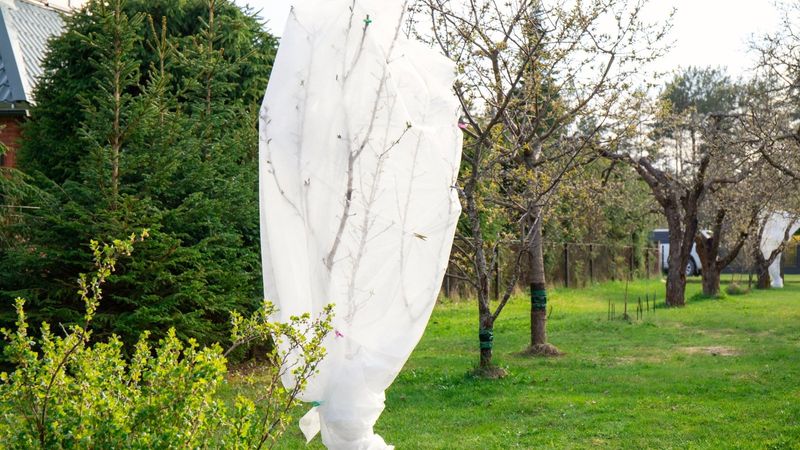
One of the most accessible and effective tools for protecting apple blossoms during a predicted frost is also one of the oldest: covering your trees. When temperatures are forecast to drop dangerously low overnight, draping your apple trees with frost cloth, old bedsheets, or breathable garden row cover fabric can make a meaningful difference in blossom survival.
The key is to cover the trees before sunset, while the ground still holds some warmth from the day. Pull the fabric all the way down to the soil surface and anchor it with rocks or stakes.
This traps radiant heat rising from the earth and creates a slightly warmer microclimate around the blossoms overnight. In the morning, remove the covers as soon as temperatures rise above freezing to allow pollinators access and prevent moisture buildup.
Ohio State University Extension cautions against using plastic sheeting, which does not breathe and can actually trap too much moisture or cause overheating on sunny mornings. Lightweight floating row cover fabric, sold at most garden supply stores in Ohio, is a better choice because it allows some air and light through while still providing a few degrees of frost protection.
For small home orchards or young trees, this method is practical, affordable, and worth the effort every time a frost warning is issued.
5. Use Water Or Sprinklers To Buffer Frost
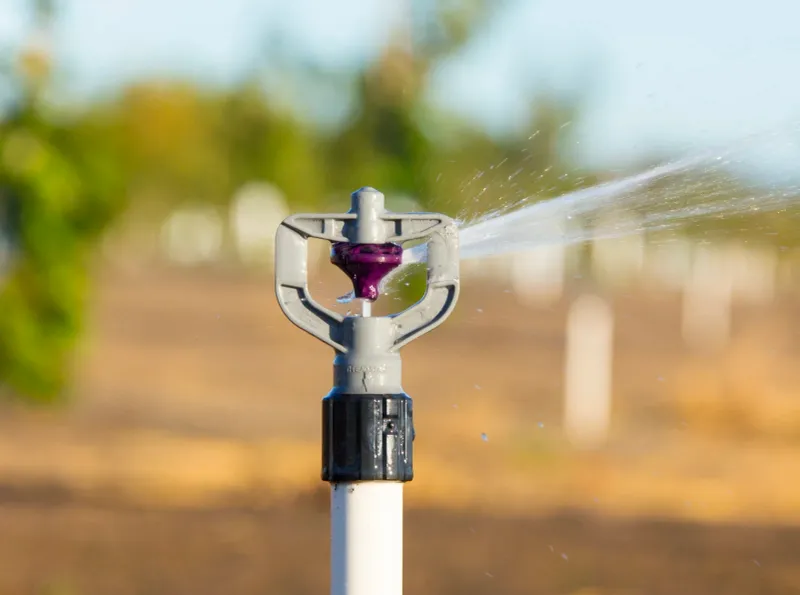
It sounds counterintuitive at first, but running sprinklers during a frost can actually protect your apple blossoms. When liquid water freezes, it releases a small but consistent amount of heat, and that process keeps the temperature of the blossom tissue right at 32 degrees Fahrenheit as long as the water keeps flowing.
This tiny thermal buffer can be enough to prevent the deeper tissue damage that occurs at 28 degrees or below.
This technique, called overhead irrigation frost protection, is widely used in commercial Ohio orchards and has solid backing from university research. The critical rule is to start the sprinklers before temperatures drop to 32 degrees, typically when the forecast shows an approach toward freezing, and to keep them running continuously until temperatures rise back above freezing the following morning.
Stopping too early, before the ice has melted off the blossoms, can actually cause more damage than not running the sprinklers at all.
Ohio growers using this method need a reliable irrigation system with enough capacity to maintain continuous coverage across the orchard. It also requires monitoring overnight, since any interruption in water flow can be damaging.
For home growers without full irrigation systems, even a simple oscillating sprinkler aimed at a few prized trees can offer some protection during a critical frost night in spring.
6. Prune Frost-Damaged Branches Correctly
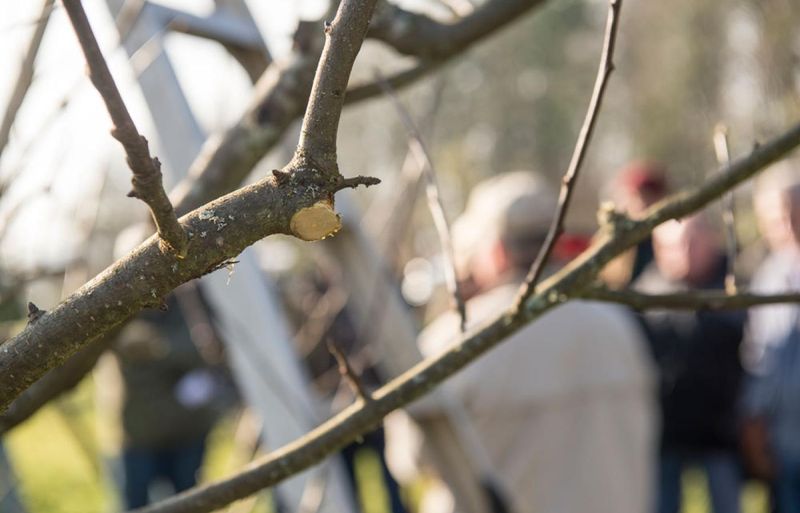
After a late frost moves through Ohio, the temptation is to grab your pruning shears and immediately cut away everything that looks brown or discolored. Resist that urge.
Pruning too quickly after a frost event can actually do more harm than good, because it takes time for the full extent of the damage to become visible on the branch tissue.
Ohio State University Extension recommends waiting at least two to four weeks after a significant frost before making any major pruning decisions on your apple trees. During that time, healthy tissue will resume growing and make it much easier to see exactly where the damage ends and where the tree is still thriving.
Cutting too early risks removing branches that might have recovered, while also leaving fresh wounds exposed to late-season cold snaps.
When you do prune, use sharp, clean tools and make your cuts just above a healthy bud or lateral branch. Avoid leaving stubs, which can become entry points for disease.
In Ohio, fire blight is a common concern after stress events like frost, so disinfecting your pruning tools between cuts with a diluted bleach solution is a smart habit. Proper pruning after frost damage helps redirect the tree’s energy toward healthy growth and sets up a better fruiting structure for the following season.
7. Plan Ahead With Frost-Resistant Varieties And Sites

Long-term success in Ohio apple growing starts before you ever plant a single tree. One of the smartest investments you can make is choosing apple varieties that bloom later in the season, reducing the chance that your blossoms will be open during the most frost-prone weeks of spring.
Varieties like Enterprise, Gold Rush, and Fuji tend to bloom later than early-season types, giving them a natural buffer against April cold snaps.
Site selection is equally important and often overlooked by newer growers. Cold air is denser than warm air and flows downhill like water, pooling in low spots and valleys.
Planting your apple trees on a gentle, well-drained slope allows that cold air to drain away from the blossoms rather than settling around them. South-facing slopes in Ohio also warm up faster in spring, which can actually be a double-edged sword, since earlier warming encourages earlier bloom and potentially more frost exposure.
Ohio State University Extension advises growers to study their site carefully over at least one full season before planting, noting where frost settles most heavily and how air moves through the landscape. Combining a well-chosen site with late-blooming, cold-tolerant cultivars creates a foundation for an orchard that handles Ohio’s unpredictable spring weather with far more resilience than one planted without that careful planning.