How To Fertilize Hydrangeas Before Spring For Bigger Blooms In North Carolina
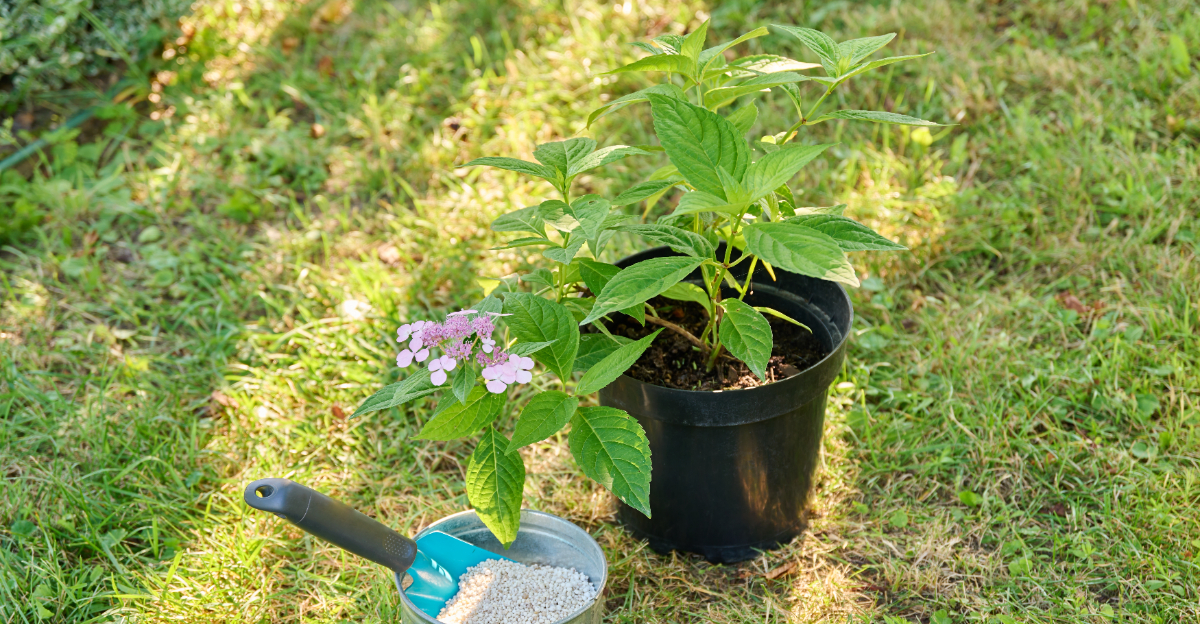
Hydrangeas have a way of stealing the spotlight in North Carolina gardens. When they are healthy and well fed, these shrubs produce huge clusters of blooms that brighten yards from the Coastal Plain to the Piedmont and into the Mountain region.
A single plant can turn an ordinary garden bed into one of the most eye catching spots in the landscape. But those impressive flowers rarely happen by accident.
Many gardeners focus on watering and pruning while overlooking one of the most important steps for strong blooms. Feeding hydrangeas before the growing season begins gives the plants the energy they need to produce fuller flowers and stronger growth.
North Carolina’s climate already gives hydrangeas a great advantage, but a little early preparation can make an even bigger difference. With the right fertilizing approach, your shrubs can deliver the kind of colorful display that truly stands out.
1. Start Fertilizing In Late Winter
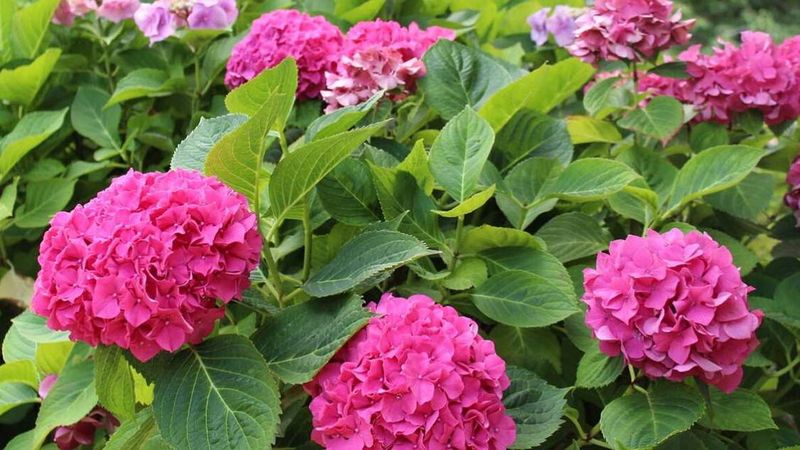
Timing is everything when it comes to feeding hydrangeas in North Carolina. Late winter, somewhere between February and early March, is actually the sweet spot for getting your plants ready before new growth kicks in.
The soil is still cool, but the roots are already waking up and getting ready to absorb nutrients.
Feeding your hydrangeas just before the growing season begins gives them a strong nutritional foundation. When fertilizer is in the soil early, plants can pull those nutrients upward as soon as stems start pushing out new growth.
This early boost supports thicker stems and encourages larger, more developed flower buds to form.
North Carolina winters are generally mild, which means hydrangeas here often break dormancy earlier than plants in colder states. Getting fertilizer down before that first flush of green growth appears puts your plants in the best possible position.
You are essentially setting the table before the guests arrive. A well-fed hydrangea heading into spring has more energy stored up, and that energy shows up later as bigger, bolder blooms that last longer through the warm season ahead.
2. Use A Balanced Slow-Release Fertilizer
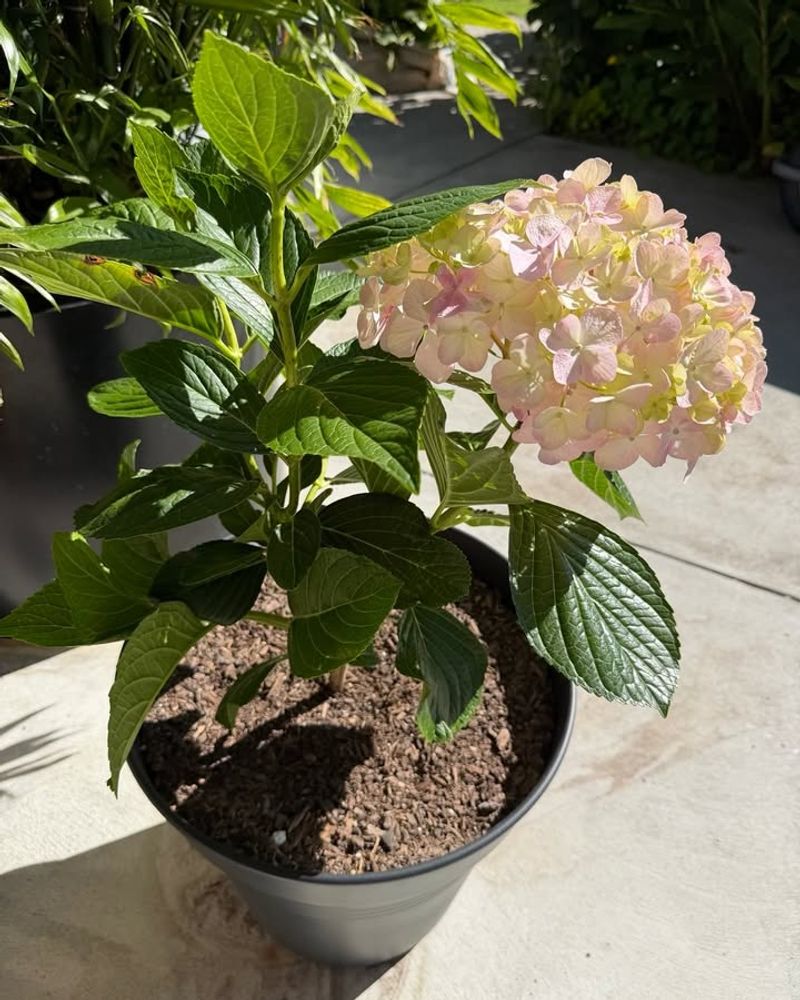
Not all fertilizers work the same way, and choosing the right one makes a real difference for your hydrangeas. A balanced slow-release fertilizer with an NPK ratio like 10-10-10 or 12-4-8 is widely recommended for hydrangeas growing in North Carolina landscapes.
These numbers tell you how much nitrogen, phosphorus, and potassium are in the mix.
Slow-release fertilizers work by breaking down gradually in the soil over several weeks or even months. Instead of delivering a sudden rush of nutrients, they feed your plants at a steady pace that matches the natural rhythm of spring growth.
This steady supply prevents the kind of excessive leafy growth that comes from too much nitrogen hitting the roots all at once.
Too much leafy growth might sound good, but it actually pulls the plant’s energy away from flowering. You want your hydrangea to put effort into blooms, not just leaves.
A balanced formula keeps everything in check, supporting healthy stems and vibrant flowers without pushing the plant off balance. Many North Carolina garden centers carry slow-release granular options that work beautifully for the region’s climate.
Your North Carolina Garden Changes Every Week. Your Plan Should Too.
Gardening in North Carolina changes quickly throughout the season. Every Friday you’ll receive a simple weekly plan showing exactly what to plant, prune, fertilize, harvest, and protect so you never miss the right timing.
Look for something labeled for flowering shrubs and you will likely find a solid match for your hydrangeas this season.
3. Apply Fertilizer Around The Root Zone
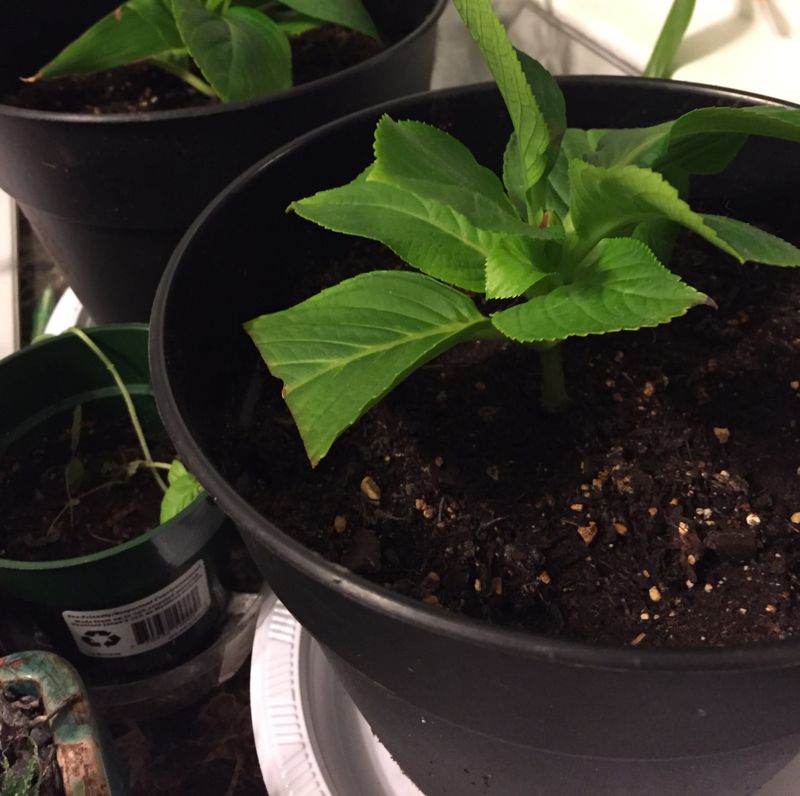
Where you place fertilizer matters just as much as what kind you use. Many gardeners make the mistake of piling fertilizer right up against the base of the plant, but that is not where hydrangeas actually absorb nutrients.
The feeder roots, which are the tiny roots responsible for taking in water and nutrients, spread outward from the plant rather than sitting directly beneath the stem.
The best approach is to spread fertilizer along the drip line, which is the outer edge of the plant’s canopy. Imagine drawing a circle on the ground that follows the widest spread of the branches above.
That circle marks the area where the most active feeder roots are working underground, and that is exactly where your fertilizer should go.
Spreading nutrients across this wider zone gives more roots access to the fertilizer at the same time.
In North Carolina gardens, where clay soil can sometimes slow nutrient movement, placing fertilizer in the right spot helps plants absorb what they need more efficiently.
Keep fertilizer a few inches away from the main stems to avoid any risk of burning the bark. A light, even application spread across the root zone is far more effective than a heavy pile concentrated in one spot near the center of the shrub.
4. Water After Fertilizing
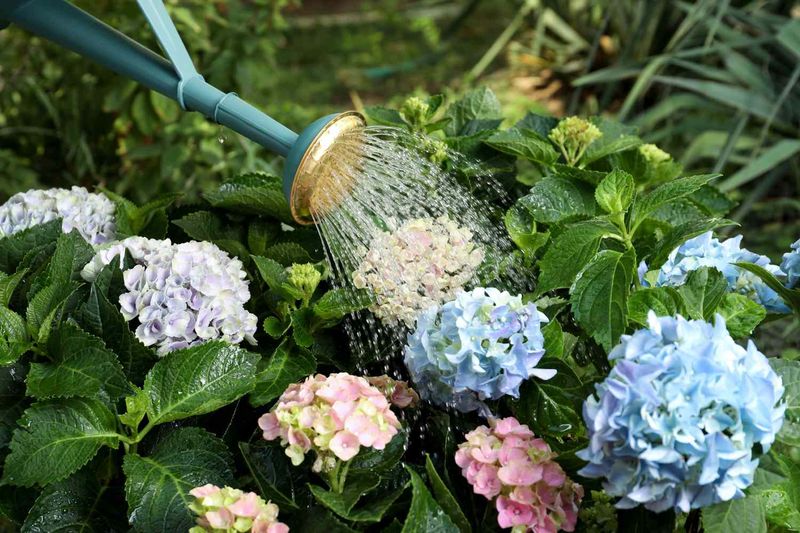
Fertilizing without watering is a bit like cooking a meal and forgetting to turn on the stove. The ingredients are all there, but nothing actually happens until heat gets involved.
For hydrangeas, water is the activating ingredient that turns dry fertilizer granules into something plants can actually use.
When you water thoroughly after fertilizing, moisture dissolves the granules and carries nutrients down through the soil toward the root zone.
Without that moisture, fertilizer can just sit on the surface, and some of it may even evaporate or wash away before the roots ever get a chance to absorb it.
A deep, slow watering right after application makes a real difference in how effectively your plants respond.
North Carolina gardens can sometimes experience dry stretches in late winter and early spring, so do not assume rainfall will do the job for you.
After applying fertilizer, give your hydrangeas a thorough soak using a garden hose or drip system, making sure the water penetrates several inches into the soil.
This helps nutrients reach the feeder roots where they are needed most. Consistent moisture also protects roots from any mild fertilizer concentration that might otherwise cause stress.
Watering in your fertilizer is one of the simplest steps you can take, and it dramatically improves the results you will see once blooming season arrives in full force.
5. Add Compost To Improve Soil Health
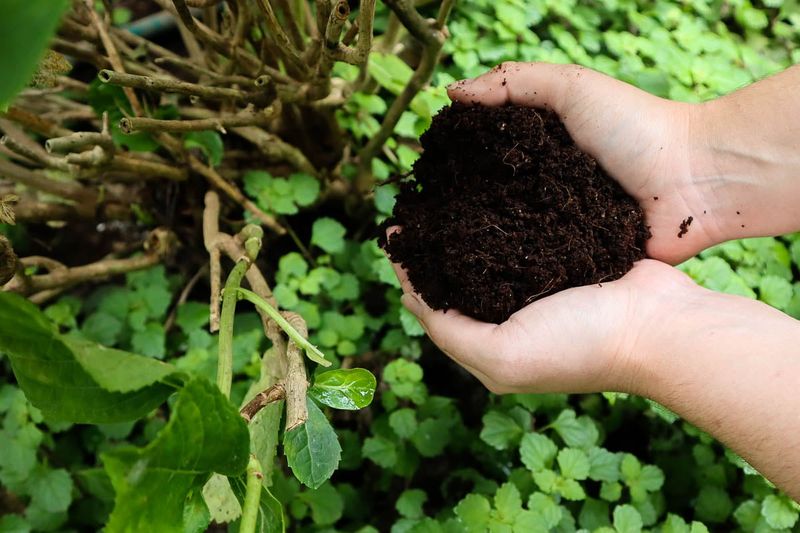
Compost might be the most underrated secret weapon in any North Carolina hydrangea garden.
Adding a layer of well-rotted compost around your plants before spring improves the soil in multiple ways at once, and the benefits build up over time the more consistently you do it.
Many areas across North Carolina, especially in the Piedmont region, have heavy clay soils that can become compacted and drain poorly. Compost helps break up that clay, improving both drainage and aeration so roots can breathe and spread more easily.
At the same time, compost slowly releases a gentle supply of organic nutrients as it continues to break down throughout the growing season.
Unlike synthetic fertilizers that deliver a quick nutrient hit, compost works on a longer timeline and improves the overall structure of your soil rather than just feeding the plant temporarily.
Spreading two to three inches of finished compost around the drip line of each hydrangea in late winter sets your plants up beautifully for the months ahead.
You can use homemade compost, bagged garden compost from a local nursery, or even well-aged leaf mulch. The goal is to feed the soil ecosystem so it can support your hydrangeas naturally.
Healthier soil consistently produces healthier plants, and healthier plants in North Carolina reliably produce bigger, more eye-catching blooms every single year.
6. Know Your Hydrangea Type Before Fertilizing
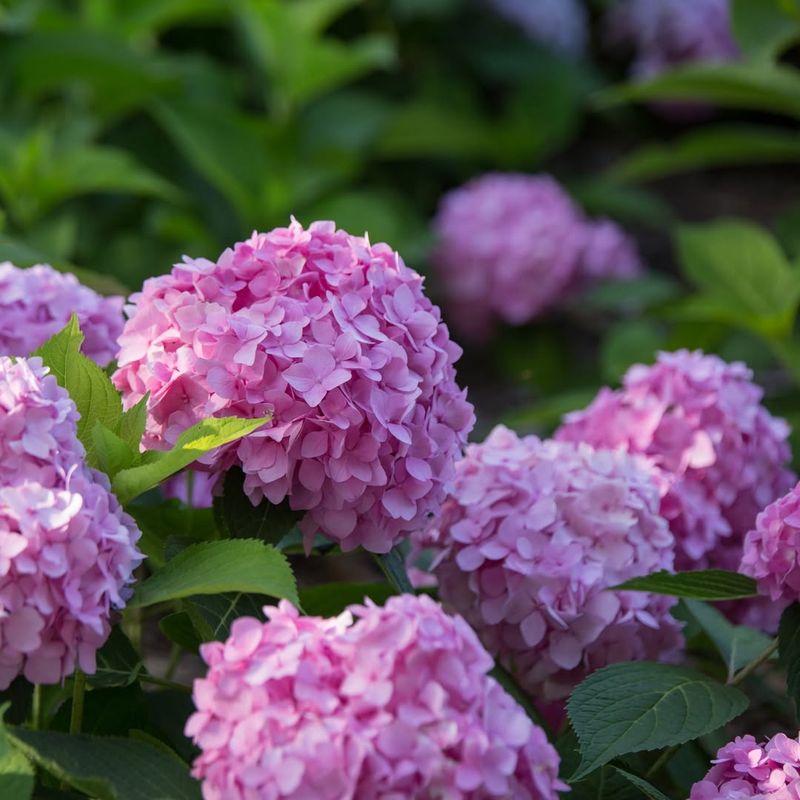
Before you open a bag of fertilizer, it really pays to know exactly which hydrangea you are working with. North Carolina gardens are home to several popular species, and while they all love a good feeding, each one has its own quirks when it comes to blooming and timing.
Bigleaf Hydrangea, known scientifically as Hydrangea macrophylla, is one of the most common varieties found in North Carolina yards. It blooms on old wood, meaning the flower buds formed last year are the ones that will open this spring.
Oakleaf Hydrangea, or Hydrangea quercifolia, also blooms on old wood and is actually native to the southeastern United States, making it wonderfully adapted to North Carolina conditions.
Smooth Hydrangea, or Hydrangea arborescens, blooms on new wood, which gives it a bit more flexibility in terms of late-winter pruning.
Knowing which type you have helps you time your fertilizing and any light pruning correctly so you do not accidentally remove buds before they bloom.
All three types respond well to an early-season fertilizer application, but the approach to pruning differs enough that confusing them could cost you a full season of flowers.
A quick search of your plant’s leaf shape and bloom style will help you identify it confidently. Getting this right from the start makes every other step in your spring hydrangea care routine much more effective.
7. Avoid Over-Fertilizing
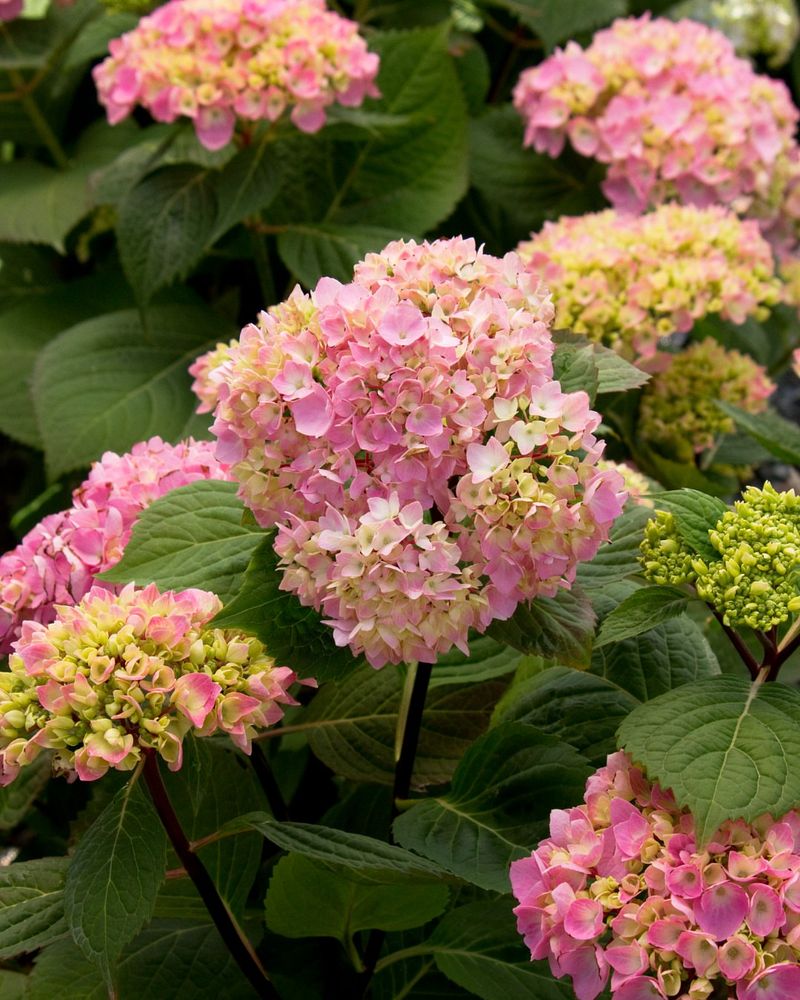
More fertilizer does not always mean more flowers. In fact, giving hydrangeas too much fertilizer is one of the most common mistakes gardeners make, and it often leads to exactly the opposite of what you want.
Plants end up producing an impressive amount of lush, dark green leaves while putting out very few actual blooms.
The reason this happens comes down to nitrogen. When plants receive too much nitrogen, they channel their energy into leafy vegetative growth instead of directing it toward flower production.
The plant looks healthy and full, but it is essentially putting all its resources into leaves rather than the blooms you have been looking forward to all winter long.
For most hydrangeas growing in North Carolina landscapes, one application of a balanced fertilizer in early spring is enough to support a strong bloom season. Some gardeners add a second light application in early summer, but that is generally the limit.
Following the recommended application rate on the fertilizer package is always a smart move, and using a slow-release formula naturally prevents accidental overfeeding.
If your hydrangeas are already growing in rich, amended soil with added compost, they may need even less supplemental fertilizer than plants in poorer ground.
Watching how your plants respond each season helps you fine-tune the right amount over time, giving you bigger blooms without the guesswork of excess feeding.
8. Mulch To Protect Roots And Hold Nutrients
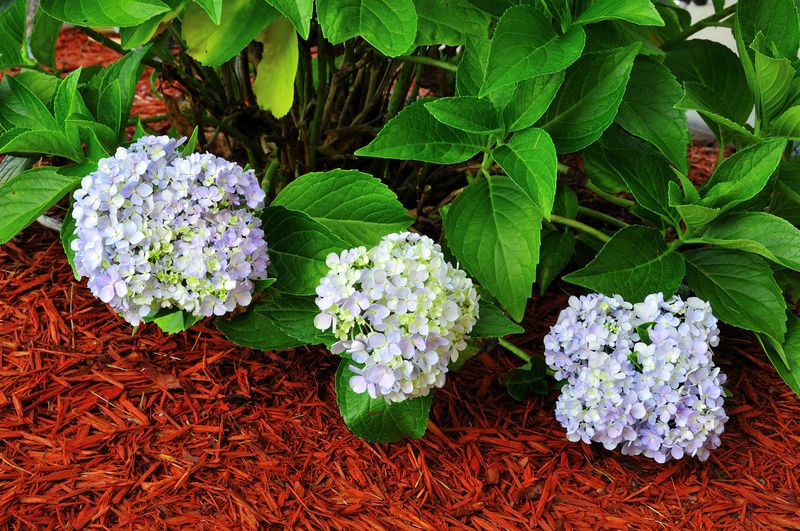
Mulching hydrangeas might feel like a finishing touch, but it actually does some serious heavy lifting in your garden.
A two to three inch layer of organic mulch spread around your hydrangeas in late winter works alongside your fertilizer to create the best possible growing environment as spring temperatures begin to climb in North Carolina.
One of the biggest benefits of mulching is moisture retention. North Carolina springs can swing between rainy stretches and surprisingly dry spells, and mulch acts as a buffer that keeps soil moisture more consistent between waterings or rainfall events.
That steady moisture level helps roots absorb the fertilizer you applied more effectively and supports steady, strong growth through the season.
Mulch also insulates the soil, protecting roots from the temperature swings that are common during North Carolina’s transitional spring weather.
A cold snap in March can stress unprotected roots right when they are most active, but a good layer of mulch cushions that impact significantly.
Shredded bark, pine straw, or wood chips all work well for hydrangeas. Just remember to keep the mulch pulled back a few inches from the main stems of the plant.
Mulch piled against the stems can trap moisture and create conditions that lead to rot over time. Spread it wide, keep it away from the base, and your hydrangeas will reward you with a root system that stays healthy and productive all season long.