Why Butterflies Love Blazing Star, One Of The Best Native Pollinator Plants In North Carolina
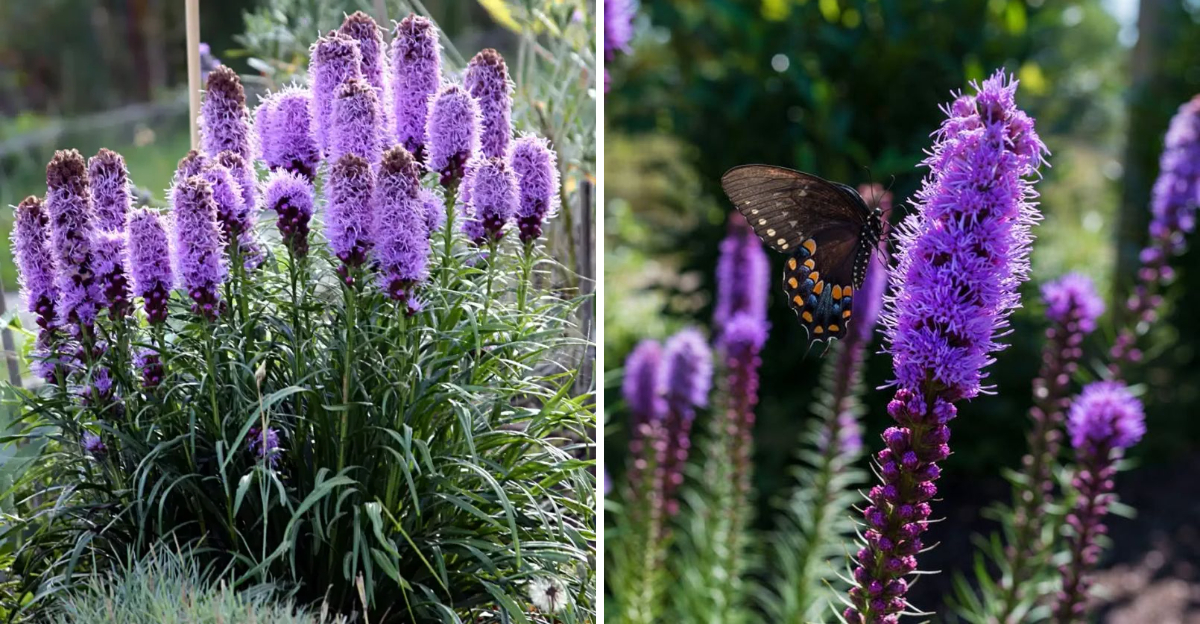
If you want a garden that buzzes with life all summer, Blazing Star is a plant worth knowing. This striking native wildflower sends up tall spikes of bright purple blooms that quickly become a magnet for butterflies.
Once it begins flowering, the garden rarely feels quiet again. Known scientifically as Liatris spicata, this hardy perennial thrives in many parts of North Carolina.
From sunny yards in the Piedmont to open spaces in the Coastal Plain and warmer pockets of the Mountain region, it adapts well to the state’s climate and soil.
Gardeners appreciate that it grows strong with very little fuss while still delivering a dramatic burst of color. The real magic happens when butterflies discover it.
Blazing Star offers a rich source of nectar that keeps pollinators returning day after day. It is easy to see why so many North Carolina gardens are adding this powerful pollinator plant to their landscapes.
1. A Native Wildflower That Supports Local Pollinators
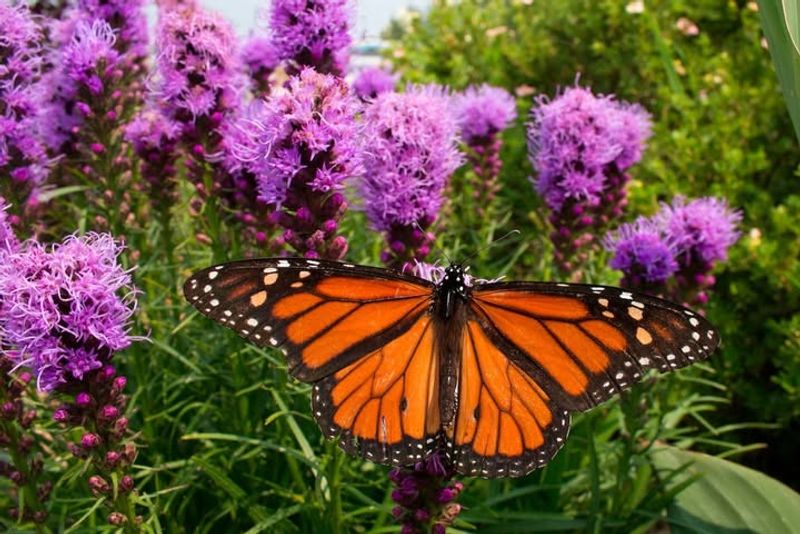
Blazing Star has been growing wild across North Carolina and the eastern United States long before anyone thought to plant it in a garden.
Because it evolved right here alongside local insects, birds, and soil conditions, it fits perfectly into the natural landscape.
Native plants like Blazing Star have a deep biological relationship with local pollinators that non-native plants simply cannot match.
Liatris spicata grows naturally in meadows, open woodlands, and along roadsides throughout North Carolina, thriving in the state’s warm summers and varied soils.
Pollinators in the region have spent thousands of years learning to recognize its scent, color, and nectar.
That long history means butterflies are almost hardwired to seek it out. When you plant Blazing Star in your North Carolina yard, you are essentially offering local wildlife something familiar and reliable.
Native pollinators recognize it instantly and return to it season after season. It also supports native bees, hummingbirds, and beneficial insects, making your entire garden healthier.
Choosing native plants like Blazing Star is one of the smartest, most impactful decisions any North Carolina gardener can make for local biodiversity.
2. Nectar Rich Flowers Attract Many Butterfly Species
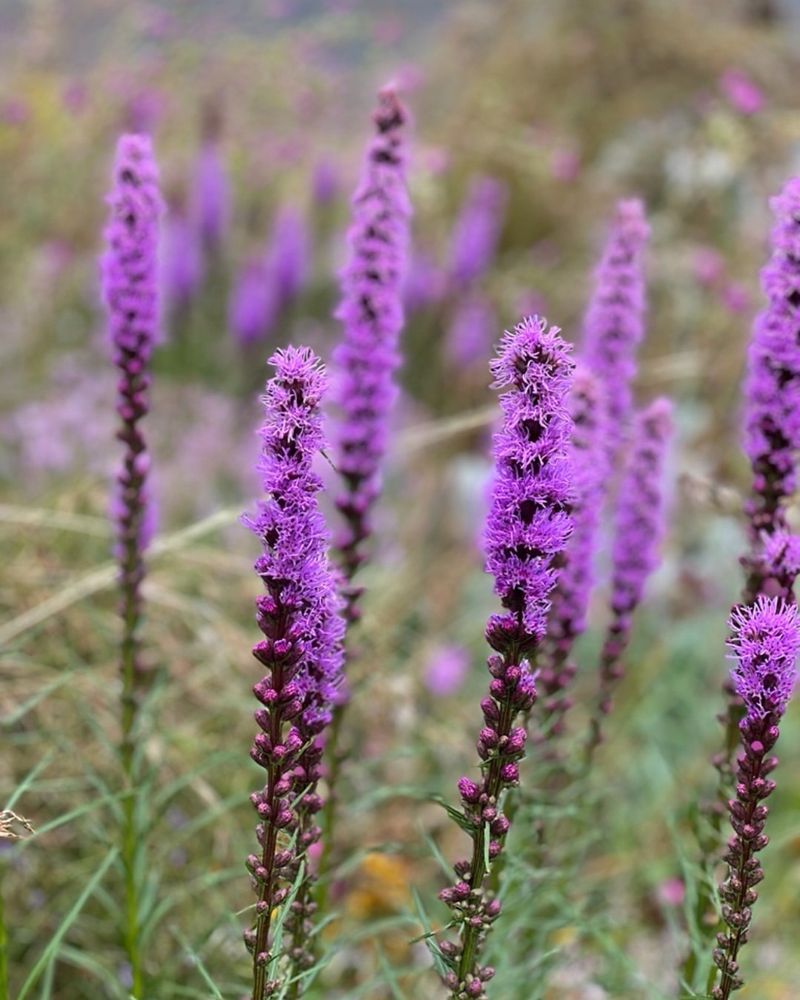
Some flowers offer a little nectar. Blazing Star offers a feast.
The tall, densely packed purple-pink flower spikes of Liatris spicata are loaded with nectar from the moment they open, and butterflies across North Carolina know exactly where to find it.
On a warm summer afternoon, a single Blazing Star plant can attract multiple butterfly species all at once.
Monarch butterflies, which travel through North Carolina on their famous migration route, stop regularly at Blazing Star blooms to fuel up.
Eastern tiger swallowtails, one of the most recognizable butterflies in the state, are also frequent visitors.
Painted ladies, spicebush swallowtails, and fritillaries all show up reliably wherever Blazing Star is in bloom.
The nectar inside Blazing Star flowers is not just abundant, it is also high quality, giving butterflies the energy they need for flying, reproducing, and migrating.
Gardeners in North Carolina who plant even a small cluster of Blazing Star often report seeing butterfly activity they had never noticed before.
Your North Carolina Garden Changes Every Week. Your Plan Should Too.
Gardening in North Carolina changes quickly throughout the season. Every Friday you’ll receive a simple weekly plan showing exactly what to plant, prune, fertilize, harvest, and protect so you never miss the right timing.
If you want to turn your yard into a butterfly hotspot, adding this plant is one of the fastest and most rewarding ways to make it happen.
3. Bloom Time Coincides With Peak Butterfly Activity
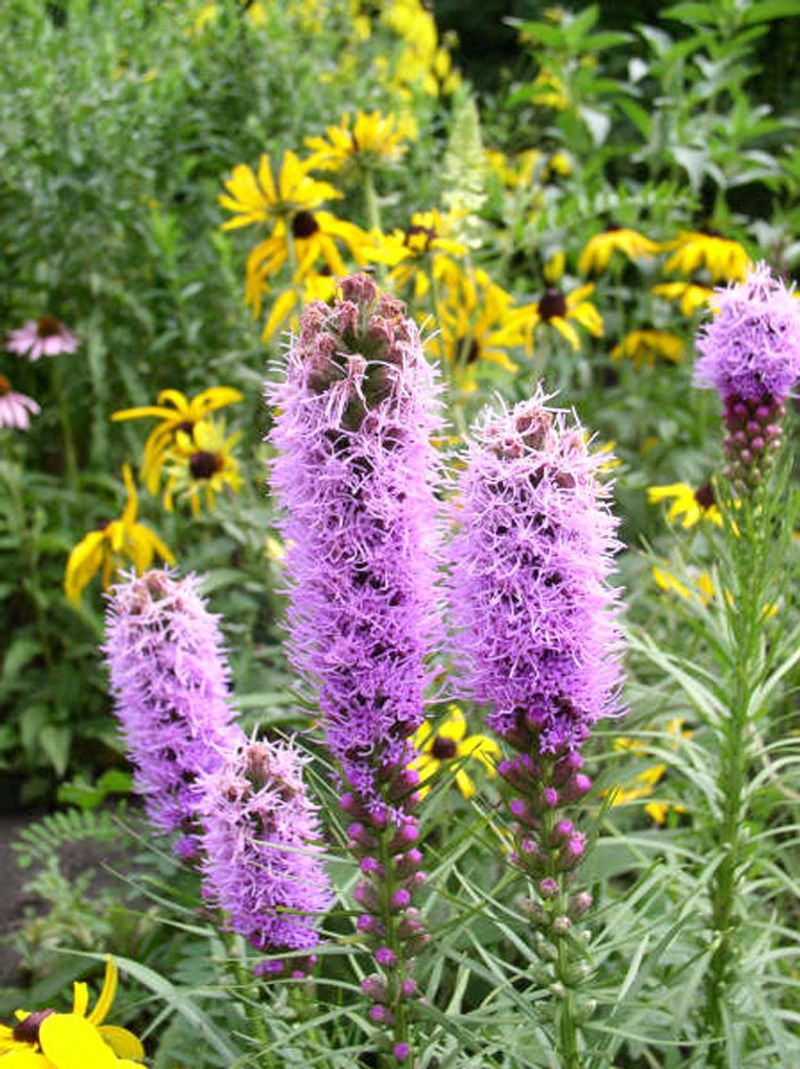
Timing is everything in a pollinator garden, and Blazing Star gets it exactly right. In North Carolina, Liatris spicata typically begins blooming in mid to late summer, right when butterfly populations across the state are at their highest.
That overlap is not a coincidence. It is the result of thousands of years of co-evolution between this plant and the insects that depend on it. Many other summer flowers fade quickly in the heat of a North Carolina July or August.
Blazing Star, on the other hand, holds its blooms for several weeks, giving butterflies a consistent and dependable nectar source during the hottest and most active part of the season.
That reliability is a huge advantage for any pollinator garden. For North Carolina gardeners, this bloom window is especially valuable because it bridges the gap between early summer flowers and fall bloomers like goldenrod and asters.
Planting Blazing Star ensures there is no hungry gap in your garden where butterflies have nothing to visit.
Think of it as the anchor of your mid-summer pollinator planting, the plant that holds everything together when butterflies need it most and keeps your yard buzzing with activity all season long.
4. Tall Flower Spikes Provide Easy Landing Spots
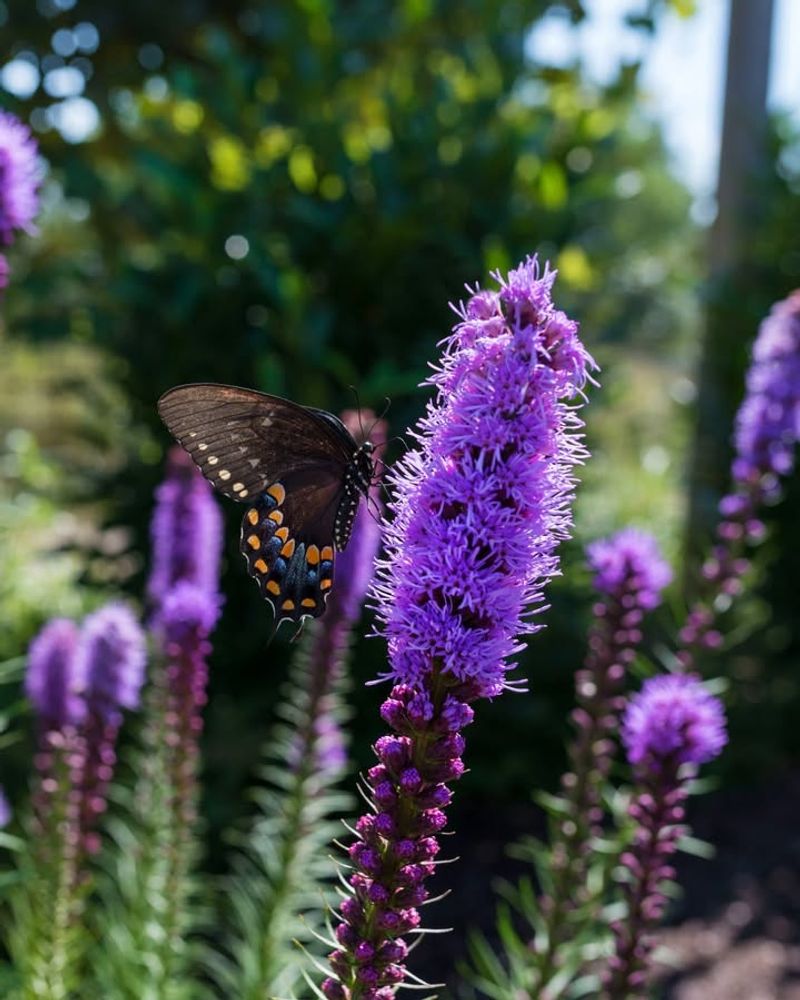
Picture a butterfly in flight, searching for a place to land and feed. It needs something sturdy, upright, and easy to grip. Blazing Star is practically designed for exactly that purpose.
The tall, firm flower spikes of Liatris spicata rise straight up from the ground, sometimes reaching four feet in height, giving butterflies a clear and stable platform to land on.
Unlike wide, flat flower heads that require a butterfly to hover awkwardly, the vertical spike of Blazing Star lets butterflies perch comfortably and work their way along the blooms at their own pace.
The small individual flowers are clustered tightly along the spike, so a butterfly can move just a few inches and find fresh nectar without ever taking flight again. That kind of easy, efficient feeding is exactly what butterflies look for.
In North Carolina gardens, where summer winds can make feeding on delicate flowers tricky, the sturdy stems of Blazing Star offer real stability.
Butterflies can grip the spike firmly and feed even on breezy afternoons without being knocked around.
Gardeners often notice that butterflies spend significantly more time on Blazing Star than on shorter, less stable flowers nearby.
More time feeding means more energy for the butterflies and more joy for anyone watching from the porch.
5. Flowers Open From The Top Down
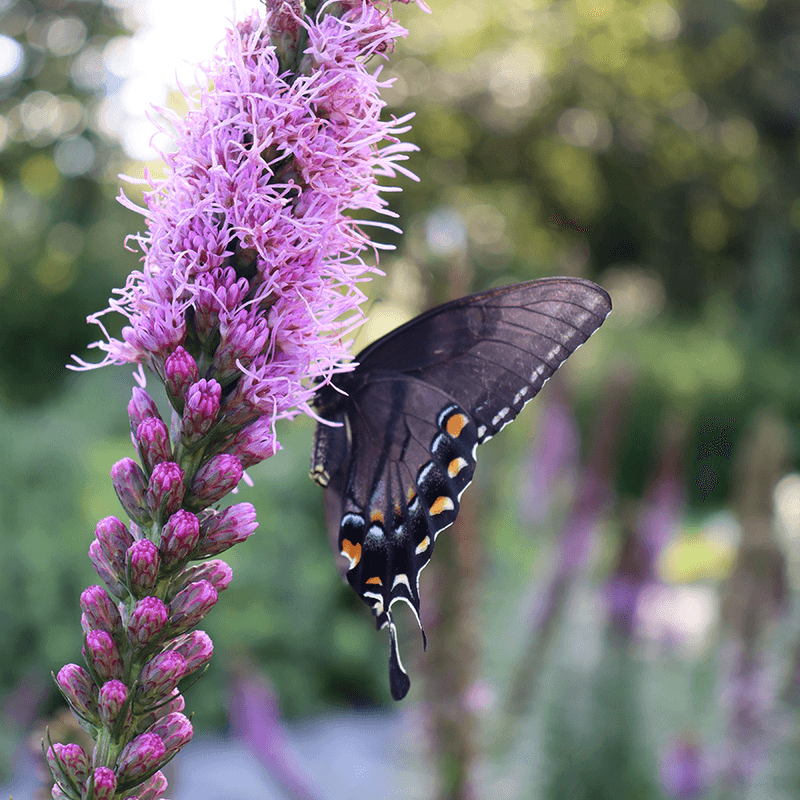
Here is something that surprises most first-time Blazing Star growers: unlike most flowering plants that bloom from the bottom up, Liatris spicata opens its flowers from the very top of the spike downward.
It sounds like a small detail, but for butterflies, this unusual blooming sequence makes a genuinely big difference in how long and how well the plant feeds them.
Because the flowers open gradually over several weeks rather than all at once, the nectar supply stays fresh and continuous throughout the entire bloom period.
A butterfly visiting the plant in early August finds open flowers at the top, while the lower buds are still waiting to open.
By late August, those lower flowers are in full bloom, offering a completely fresh nectar supply to any butterfly that returns.
This top-down pattern effectively extends the useful life of each Blazing Star plant from a pollinator’s perspective.
In North Carolina, where butterflies are active from spring through fall, having a plant that stretches its nectar availability over weeks rather than days is enormously valuable.
Gardeners who pay attention will notice butterflies returning to the same plant repeatedly across the entire summer.
That kind of loyalty from a butterfly is the clearest sign that Blazing Star is doing exactly what it was built to do.
6. The Plant Thrives In Sunny North Carolina Gardens
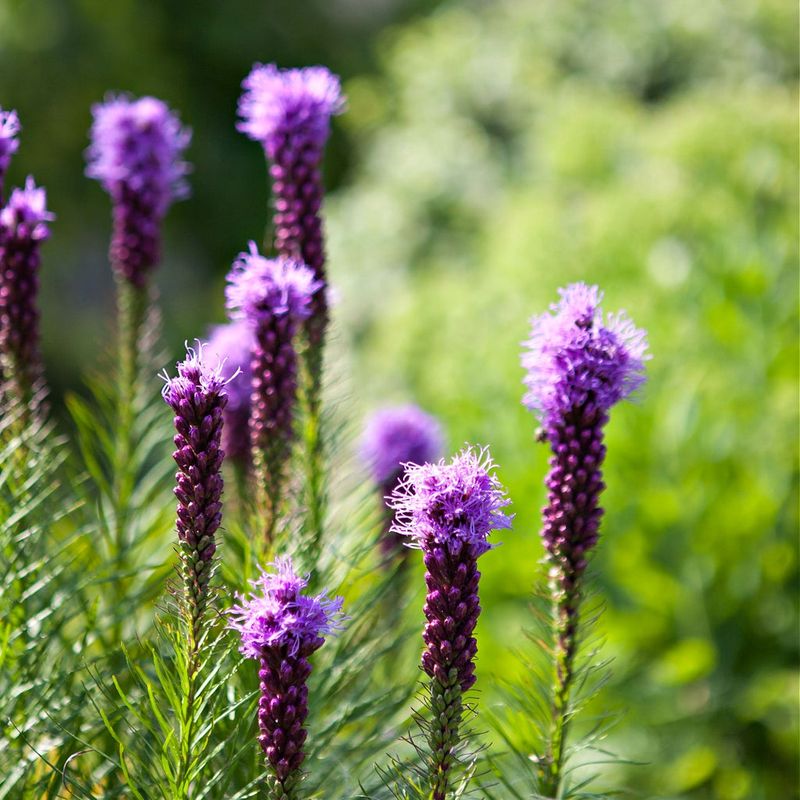
North Carolina summers are no joke. The heat rolls in hard, the sun blazes for hours, and plenty of plants struggle to keep up. Blazing Star does not just survive these conditions, it genuinely thrives in them.
Liatris spicata is built for exactly the kind of full-sun, well-drained environment that describes so many yards and garden beds across the state.
Once established, Blazing Star develops a deep root system that helps it access moisture even during dry spells.
That drought tolerance is a major advantage in North Carolina, where summer rainfall can be unpredictable.
You do not need to water it constantly or fuss over it the way you might with more delicate plants. Plant it in a sunny spot with decent drainage and it will largely take care of itself.
The plant also handles North Carolina’s clay and sandy soils surprisingly well, adapting to a wide range of conditions as long as the drainage is reasonable.
Gardeners from the mountains to the piedmont to the coastal plain have had great success with Blazing Star.
Its ability to look beautiful and feed butterflies even during the toughest weeks of a hot North Carolina summer is one of the biggest reasons it has become such a beloved staple in native plant gardens across the entire state.
7. It Returns Every Year As A Hardy Perennial
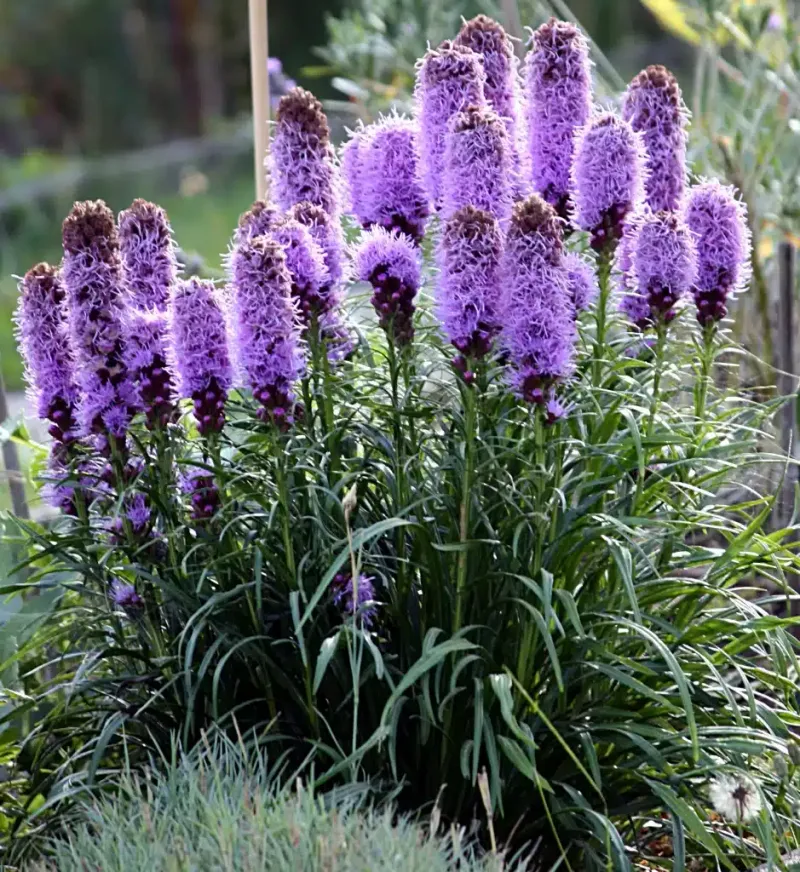
One of the most satisfying things about planting Blazing Star is knowing that it will come back year after year without you having to do much of anything.
Liatris spicata is a hardy perennial rated for USDA Zones 3 through 8, which covers all of North Carolina from the mountains to the coast.
Plant it once, and you can enjoy it for many summers to come. The secret to its reliable return is underground.
Blazing Star grows from small, round structures called corms, which store energy through the winter and send up new growth each spring.
Even after a cold North Carolina winter, those corms wake up right on schedule and push fresh shoots toward the surface. By midsummer, the plant is in full, glorious bloom again.
Over time, established Blazing Star clumps actually grow larger and produce more flower spikes, which means more nectar and more butterflies every single year.
Many North Carolina gardeners report that their Blazing Star patches get more impressive with each passing season.
Dividing the clumps every few years keeps the plants vigorous and gives you extra plants to spread around the garden or share with neighbors.
Few perennials offer this combination of reliability, low maintenance, and genuine ecological value all in one beautiful package.
8. Blazing Star Works Beautifully In Pollinator Gardens
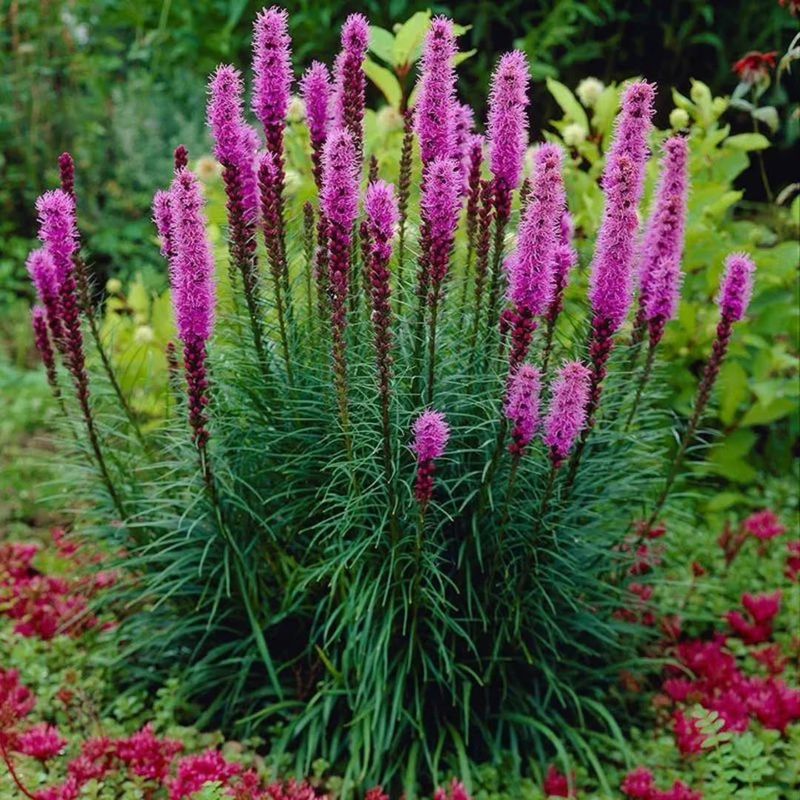
Walk through any well-designed native pollinator garden in North Carolina and there is a good chance you will spot Blazing Star standing tall among the other blooms.
Its bold vertical spikes add height, structure, and a striking pop of purple that makes the whole garden look more dynamic and intentional.
Beyond the looks, though, Blazing Star earns its place through sheer ecological performance.
Paired with coneflowers, black-eyed Susans, milkweed, and native grasses, Blazing Star creates a layered habitat that supports butterflies at every stage of their lives.
The combination of different flower shapes, bloom times, and plant heights gives pollinators options throughout the entire growing season.
Blazing Star fills the mid-summer slot in that rotation better than almost any other native plant available to North Carolina gardeners.
Meadow plantings, sunny perennial borders, rain gardens, and roadside naturalization projects across the state all benefit from including Blazing Star. It works equally well in a formal garden bed or a wild, relaxed meadow setting.
Bees love it just as much as butterflies do, and goldfinches will visit the seed heads in late fall, extending the plant’s value well beyond the summer bloom season.
Adding Blazing Star to your North Carolina pollinator garden is one of the simplest and most rewarding investments you can make for local wildlife.