This Tall Flower Attracts Bees, Hummingbirds, And Butterflies All Over North Carolina
Some plants quietly transform a garden without demanding constant attention, and Bluestar is one of them.
Across North Carolina, more gardeners are discovering how this graceful native perennial can bring both beauty and wildlife activity into the landscape.
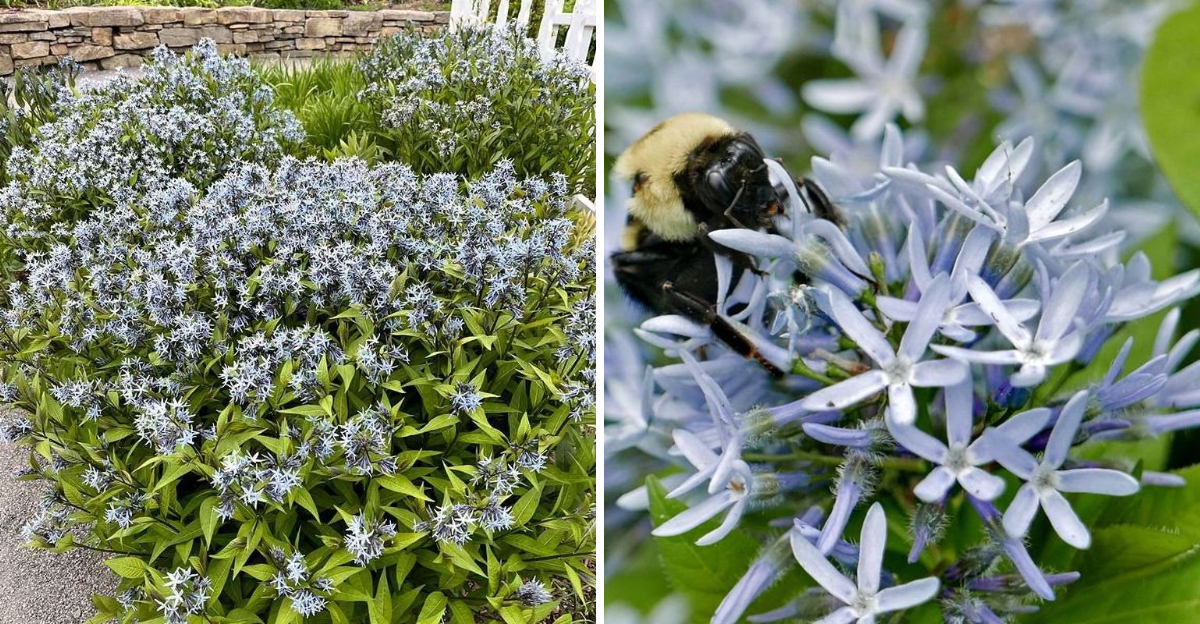
When it blooms in spring, its soft clusters of star shaped blue flowers add a color that feels fresh and unexpected in garden beds.
Known scientifically as Amsonia, this plant performs well across the Coastal Plain, Piedmont, and parts of the Mountain region.
It grows in tidy upright clumps, blends easily with other perennials, and stays attractive long after the spring flowers fade. The real charm appears when pollinators arrive.
Bees, butterflies, and even hummingbirds are drawn to its blooms throughout the season. For North Carolina gardeners looking for a plant that is beautiful, reliable, and wildlife friendly, Bluestar is quickly becoming a favorite.
1. Bluestar Is Native To Parts Of The Southeastern United States
Some plants just belong to a place, and bluestar is one of them.
Eastern Bluestar, known scientifically as Amsonia tabernaemontana, is native to North Carolina and thrives naturally in moist, open woods, sunny meadows, and along riverbanks throughout the region.
It has grown here long before gardeners ever thought to plant it in a bed. Because bluestar evolved right alongside North Carolina’s soils and climate, it already knows how to handle the conditions.
The plant does not need much fussing or extra care once it settles in, since it is essentially already home.
Native plants like bluestar have deep roots in the local ecosystem, meaning they support the wildlife and insects that evolved alongside them.
Choosing a native plant like bluestar is one of the smartest decisions a North Carolina gardener can make.
It costs less time, fewer resources, and far less frustration compared to plants that were never meant for this region.
Several other Amsonia species are also native to the eastern and southeastern United States, giving gardeners a handful of beautiful options to explore. When you plant bluestar, you are not just adding a pretty flower to your yard.
You are reconnecting your garden to the natural landscape of North Carolina in a meaningful, lasting way.
2. Soft Blue Flowers Appear In Mid To Late Spring
Right when the bold, early spring bloomers start to fade, bluestar steps in and takes over the show.
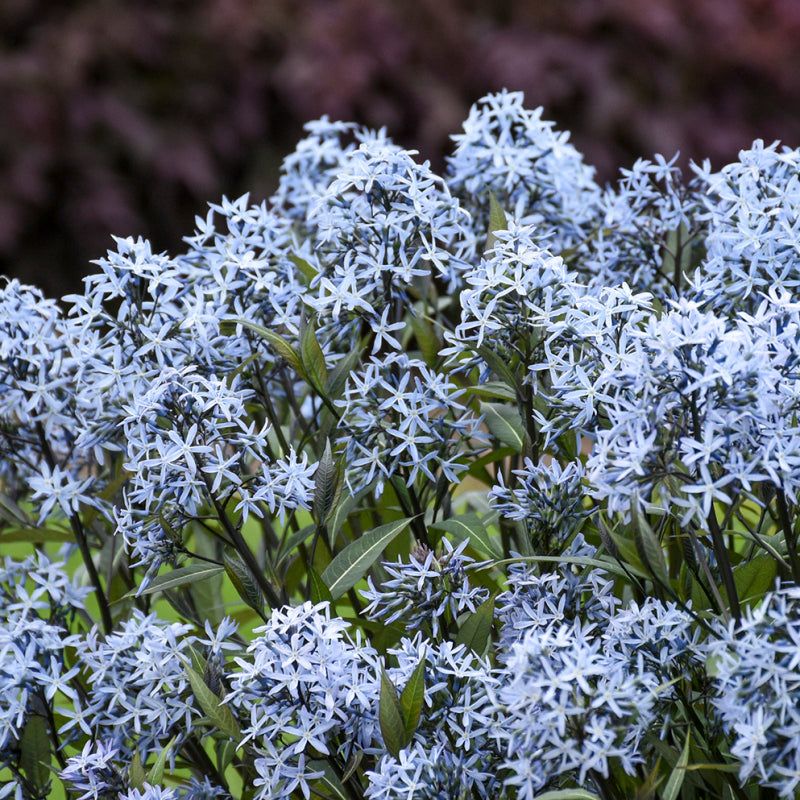
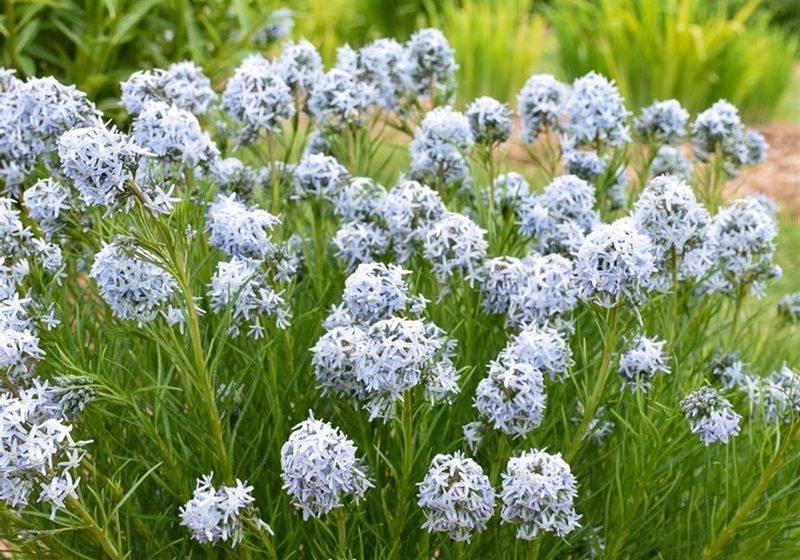
From roughly April through May across North Carolina, bluestar produces clusters of small, pale blue, star-shaped flowers that are absolutely worth waiting for.
The color is soft and cool, almost like a clear morning sky, and it pairs beautifully with nearly every other plant in the garden.
Each individual flower is tiny, but they appear in dense clusters at the tops of upright stems, creating a full and lush display that catches the eye without being overwhelming.
The delicate blue hue adds a refreshing contrast to the bright yellows and pinks that often dominate spring gardens.
Gardeners in North Carolina especially love how bluestar fills that mid-season gap with something calm and elegant.
Your North Carolina Garden Changes Every Week. Your Plan Should Too.
Gardening in North Carolina changes quickly throughout the season. Every Friday you’ll receive a simple weekly plan showing exactly what to plant, prune, fertilize, harvest, and protect so you never miss the right timing.
Timing-wise, the bloom period usually lasts several weeks, giving you a solid stretch of color to enjoy before summer heat arrives.
Planting bluestar alongside later-blooming perennials means your garden stays interesting from one season right into the next.
The flowers are not flashy or oversized, but they have a quiet charm that makes people stop and look twice.
Once you see bluestar in full bloom against a backdrop of fresh green leaves, it is very hard to imagine your North Carolina garden without it.
3. The Flowers Provide Nectar For Pollinators
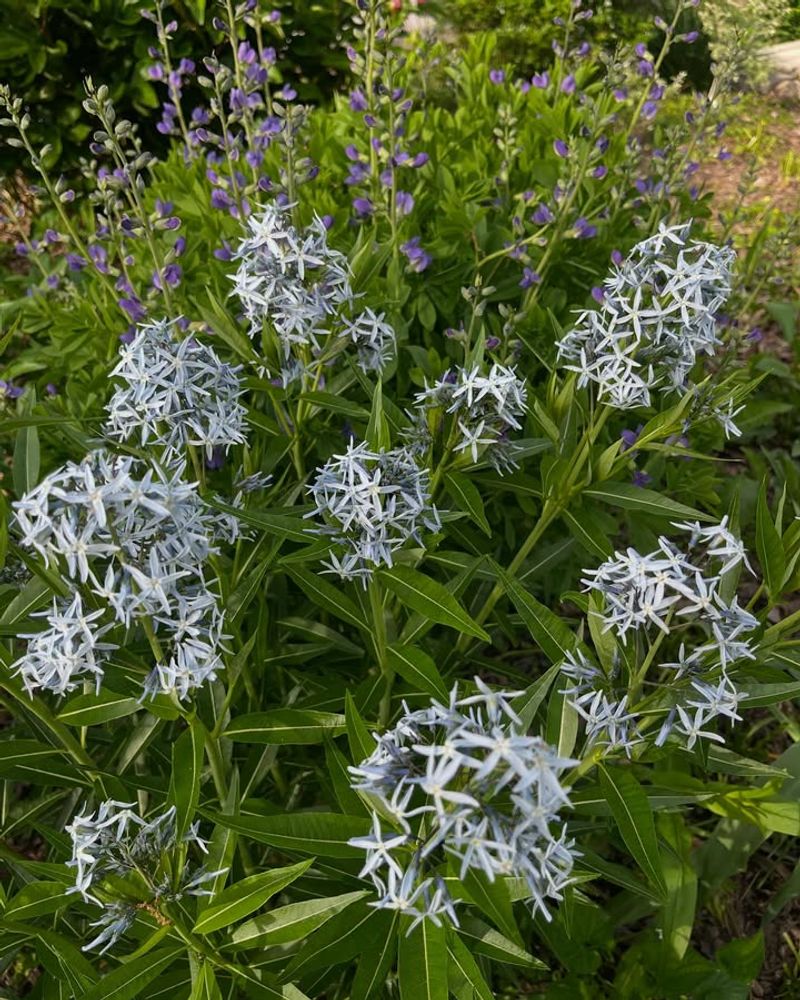
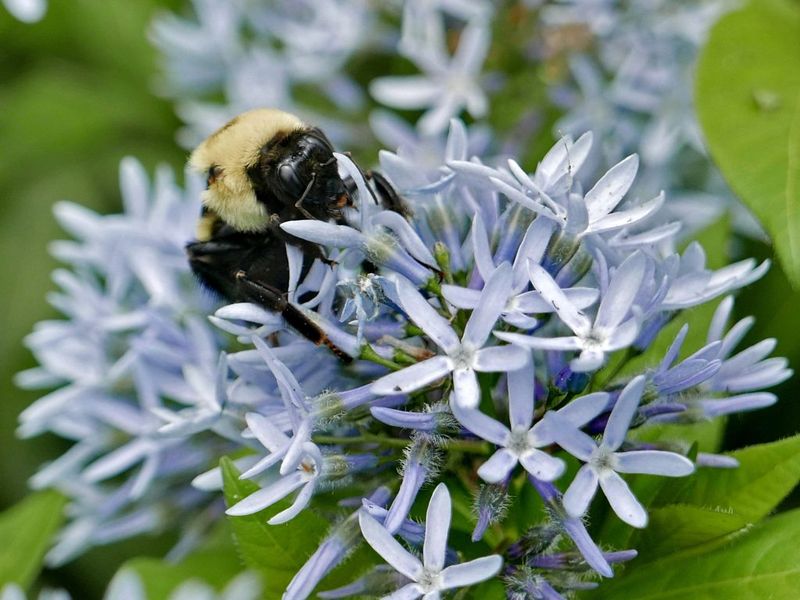
Busy wings and buzzing energy surround bluestar the moment its flowers open each spring. Native bees are among the first visitors, drawn in by the clusters of small, nectar-rich blooms that open reliably from April into May across North Carolina.
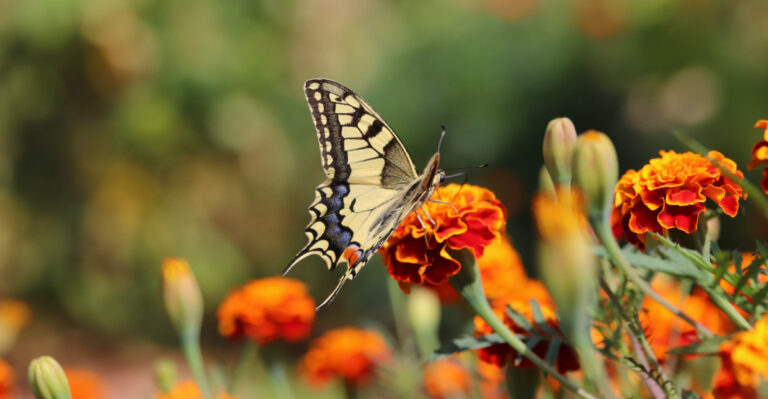
Butterflies quickly follow, fluttering from flower to flower with impressive enthusiasm throughout the bloom season.
Bluestar also serves as a host plant for the Coral Hairstreak butterfly, which is a genuinely exciting fact for anyone who loves supporting local wildlife.
Beyond just providing nectar, the plant gives butterfly larvae a place to develop, making it far more valuable than a typical ornamental flower.
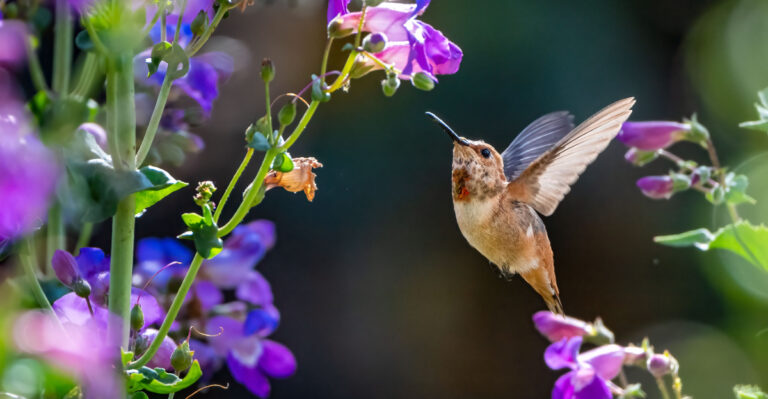
Hummingbirds also visit bluestar gardens in North Carolina, adding an extra level of life and movement to the spring landscape.
The clustered flower structure makes foraging easy and efficient for pollinators, since they do not have to travel far between blooms.
Planting bluestar in groups or drifts amplifies this effect, turning your garden into a reliable pit stop for dozens of species.
Pollinator populations have been under pressure in recent years, and simple choices like adding bluestar to a North Carolina yard can genuinely make a difference.
Each spring bloom season becomes a small but meaningful contribution to the health of the local ecosystem. Few plants offer this level of wildlife impact with so little effort from the gardener.
4. Plants Grow Into Tall, Graceful Garden Perennials
Height matters in a perennial garden, and bluestar delivers it with real style.
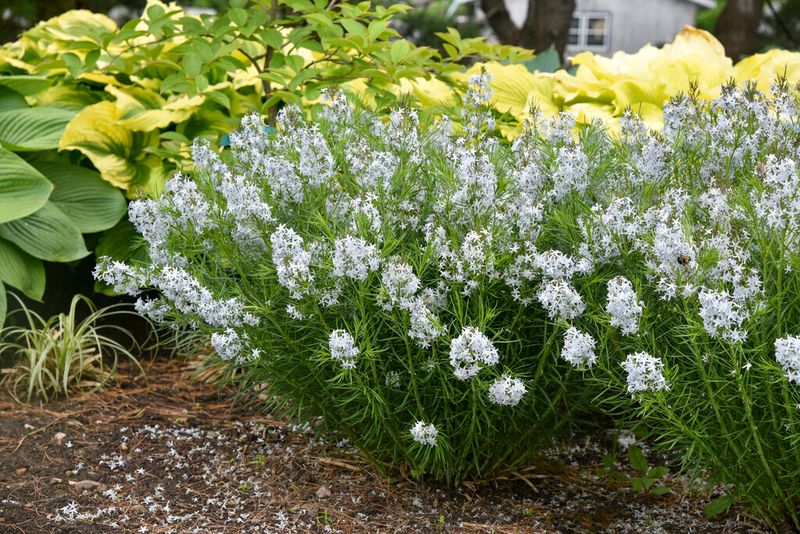
Most Amsonia species grow anywhere from two to four feet tall, forming upright, well-shaped clumps that naturally add structure and presence to a North Carolina garden border.
The stems are strong and do not flop over, which means you get that tall, graceful look without needing to stake anything.
What makes bluestar especially appealing is how it grows slowly and steadily over the years without taking over surrounding plants.
It expands in a well-mannered way, gradually forming wider clumps that look fuller and more impressive each season.
Invasive behavior is simply not in its nature, so you can plant it near other perennials without worrying about it crowding them out.
The lance-shaped, bright green leaves that cover the stems from spring through fall add to the plant’s overall elegance.
Even when bluestar is not in bloom, those lush green stems hold their own as a backdrop for shorter flowering plants in the border.
Gardeners in North Carolina often use bluestar as a mid-border anchor, placing it behind shorter plants to create a layered, professional-looking design.
Over time, a well-placed bluestar clump becomes one of the most reliable and visually satisfying features in the entire garden. It earns its spot every single year without asking for much in return.
5. Bluestar Thrives In North Carolina’s Climate
North Carolina’s summers can be hot, sticky, and sometimes brutally dry, and not every plant handles that combination gracefully. Bluestar, however, takes it all in stride.
Across USDA Hardiness Zones 7 and 8, which cover most of North Carolina, bluestar performs consistently well without needing constant watering or special protection from the heat.
Once established, bluestar develops a strong root system that allows it to access moisture deep in the soil even during dry stretches.
This drought tolerance makes it a smart choice for gardeners who want reliable plants that do not demand daily attention during the hottest months.
The plant also handles humidity well, which is a genuine advantage in a state where summer air can feel thick and heavy for weeks at a time.
Across the Piedmont, the Mountains, and the coastal plain regions of North Carolina, bluestar adapts to a wide range of soil types and garden conditions.
It is not a picky plant, and that flexibility is part of what makes it so popular among gardeners statewide.
Planting bluestar means you are choosing a perennial that was practically built for the conditions North Carolina throws at it every single year.
Few plants reward you so consistently with so little intervention, making bluestar one of the most practical and satisfying choices for any garden across the state.
6. Full Sun Produces The Best Flowering
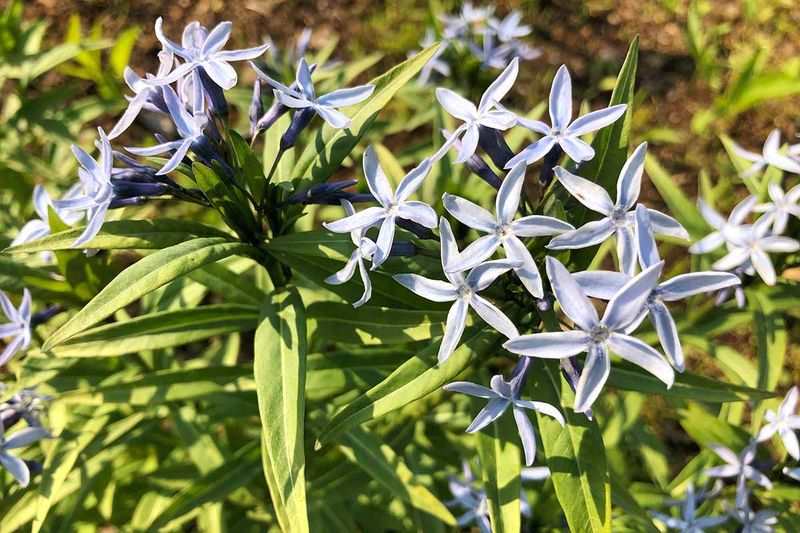
Sunlight is bluestar’s best friend, plain and simple.
Plants grown in full sun, meaning at least six hours of direct sunlight each day, consistently produce stronger stems, more compact growth, and a noticeably more abundant display of those beautiful pale blue flowers.
North Carolina gardens that offer a sunny open spot are ideal for getting the very best out of this plant. Bluestar can also tolerate light partial shade, especially in the hotter parts of the state where afternoon shade provides a bit of relief during peak summer heat.
However, too much shade tends to make the stems lean and stretch toward the light, reducing the plant’s natural upright shape and overall flower production.
For the most impressive results, a spot with morning sun and good air circulation works beautifully.
Full sun also helps the foliage stay healthy and vibrant throughout the growing season, which matters since the leaves remain attractive long after the spring flowers fade.
Gardeners across North Carolina often find that bluestar planted in a south or east-facing border outperforms plants tucked into shadier corners of the yard.
Choosing the right spot before planting makes a real difference with this perennial. A few extra minutes of thought about sun exposure at planting time will pay off with years of stronger growth and more spectacular blooms every spring season.
7. Bluestar Offers Brilliant Fall Color
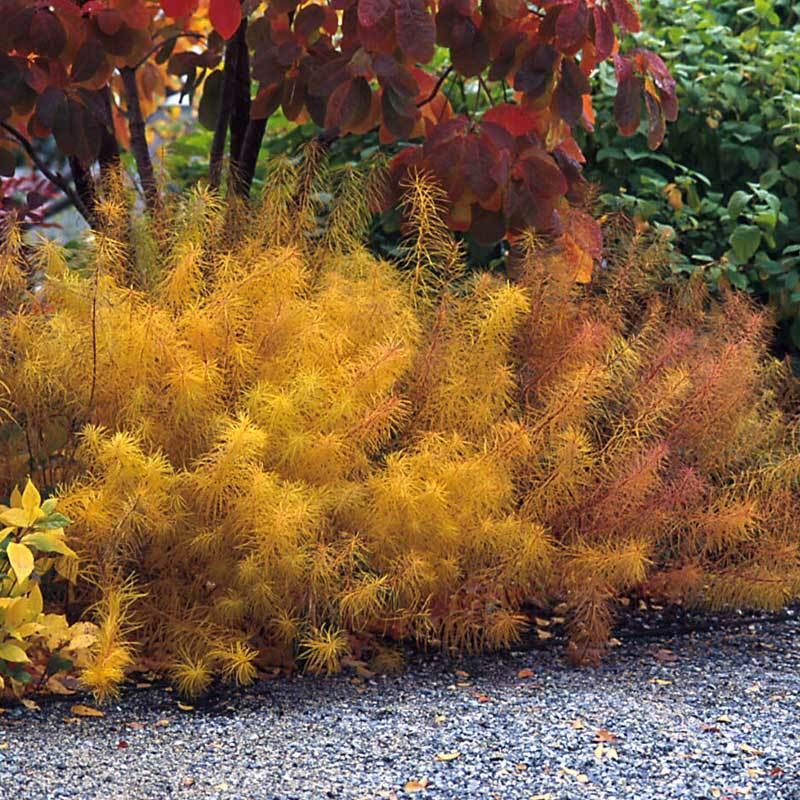
Most people fall for bluestar because of its spring flowers, but the fall show is just as impressive and honestly surprises a lot of gardeners the first time they see it.
Species like Amsonia hubrichtii and Amsonia tabernaemontana transform their foliage into a stunning golden yellow in autumn, creating a warm, glowing effect that rivals even the showiest fall-blooming plants in a North Carolina garden.
The color change typically happens in October, right when the rest of the garden is winding down for the season.
Those bright yellow stems catch the afternoon light in a way that feels almost magical, especially when planted in a mass or alongside ornamental grasses that also show fall interest.
It is a genuinely unexpected bonus from a plant you already loved for its spring performance.
Amsonia hubrichtii in particular is celebrated by landscape designers and avid gardeners across North Carolina for its feathery, fine-textured foliage that turns almost fluorescent yellow in autumn.
This species has even won prestigious garden awards for its outstanding seasonal interest. Planting bluestar means you are investing in a perennial that earns its place in the garden during not just one but two distinct seasons of the year.
Spring flowers, summer greenery, and brilliant fall color all from a single plant make bluestar one of the most rewarding choices available to North Carolina gardeners today.
8. The Plant Is Generally Deer Resistant
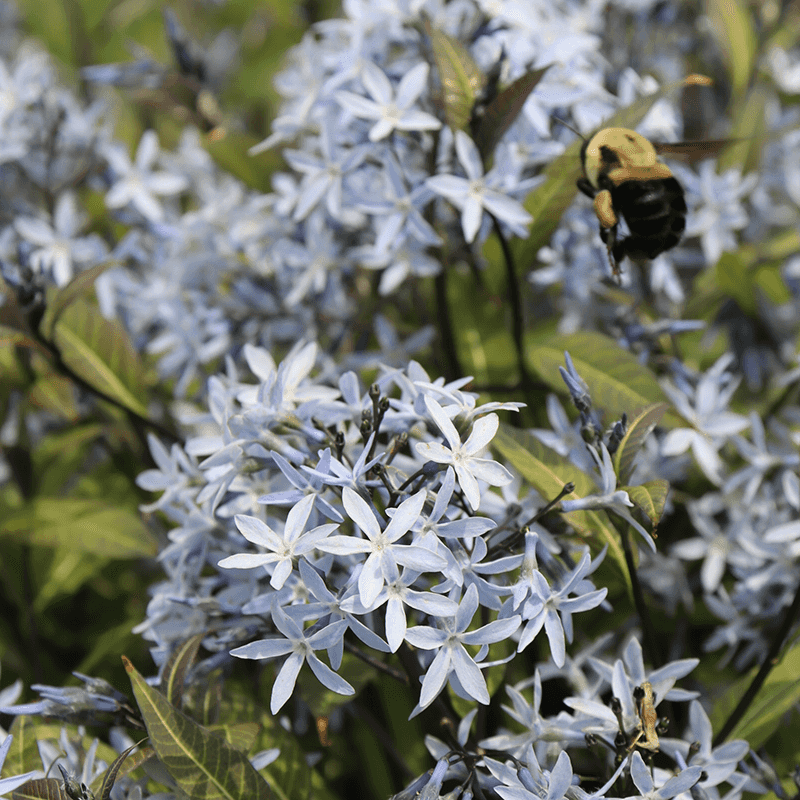
Anyone gardening in rural or suburban North Carolina knows the frustration of waking up to find a favorite plant completely stripped overnight by hungry deer.
Bluestar offers a welcome layer of protection against that problem. The plant produces a milky sap throughout its stems and leaves that deer find unappealing, making it one of the more reliably avoided plants in the landscape.
That milky sap is characteristic of the Apocynaceae family, which bluestar belongs to alongside plants like milkweed and oleander.
While the sap is not dangerous to humans when handled normally, it does a solid job of discouraging deer and other browsing animals from snacking on your garden.
This makes bluestar an especially smart choice for properties that border wooded areas or open fields where deer traffic is heavy.
No plant is completely deer-proof, and extremely hungry animals may still occasionally sample bluestar during tough seasons.
However, compared to many other popular perennials, bluestar holds up remarkably well and bounces back quickly even if minor browsing occurs.
Gardeners across the Piedmont and Mountain regions of North Carolina often include bluestar specifically because of this trait, building entire pollinator borders around deer-resistant species.
Combining bluestar with other naturally resistant natives creates a garden that stays beautiful season after season, without the constant worry of overnight damage from the local deer population.
9. Bluestar Works Well In Native And Pollinator Gardens
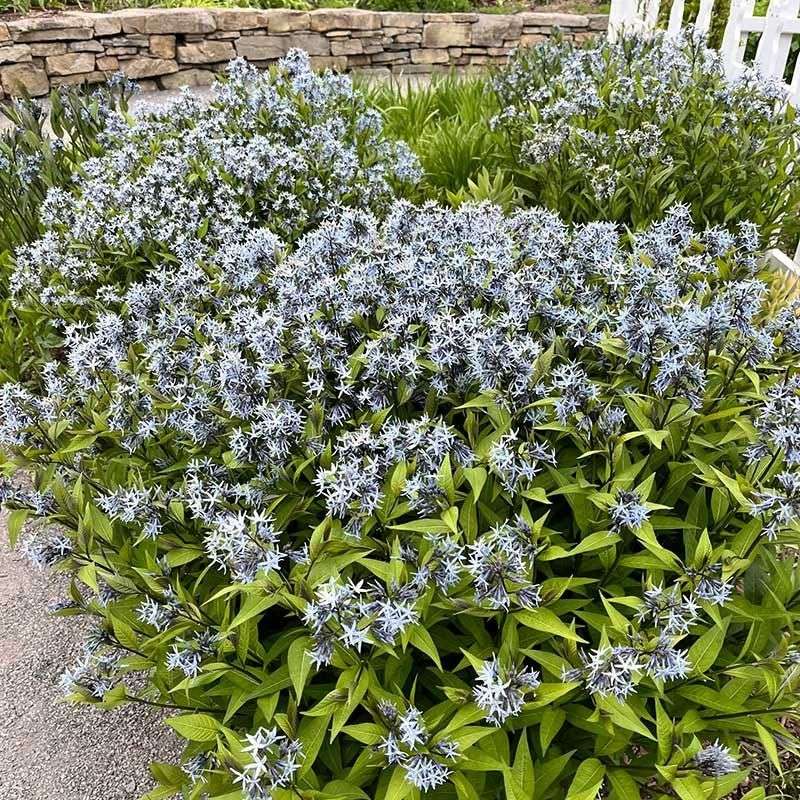
Bluestar fits into a native plant garden like it was born there, because in many cases across North Carolina, it literally was.
Landscape designers and passionate home gardeners alike reach for Amsonia when building pollinator borders, naturalistic meadows, and wildlife-friendly landscapes throughout the state.
Its combination of seasonal interest, wildlife value, and low maintenance makes it one of the most versatile native perennials available.
Planting bluestar alongside other North Carolina natives like coneflowers, black-eyed Susans, and native grasses creates a layered, dynamic garden that supports pollinators from early spring through late fall.
The spring flowers overlap perfectly with early-season bee activity, and the lush summer foliage provides structure while other plants take their turn blooming.
By the time fall arrives, the golden foliage lights up the entire border with warm seasonal color.
Naturalistic gardens designed with bluestar as an anchor plant tend to look intentional and polished rather than wild and overgrown, which appeals to gardeners who want both beauty and ecological function in one space.
Across North Carolina, community gardens, school pollinator projects, and private landscapes are all embracing bluestar for exactly these reasons.
Whether you have a small backyard bed or a sprawling property, bluestar scales beautifully to fit the space.
It is a plant that gives back to the environment, supports local wildlife, and keeps your North Carolina garden looking genuinely spectacular across every season of the year.