Why March Is Important For California Monarch Butterflies
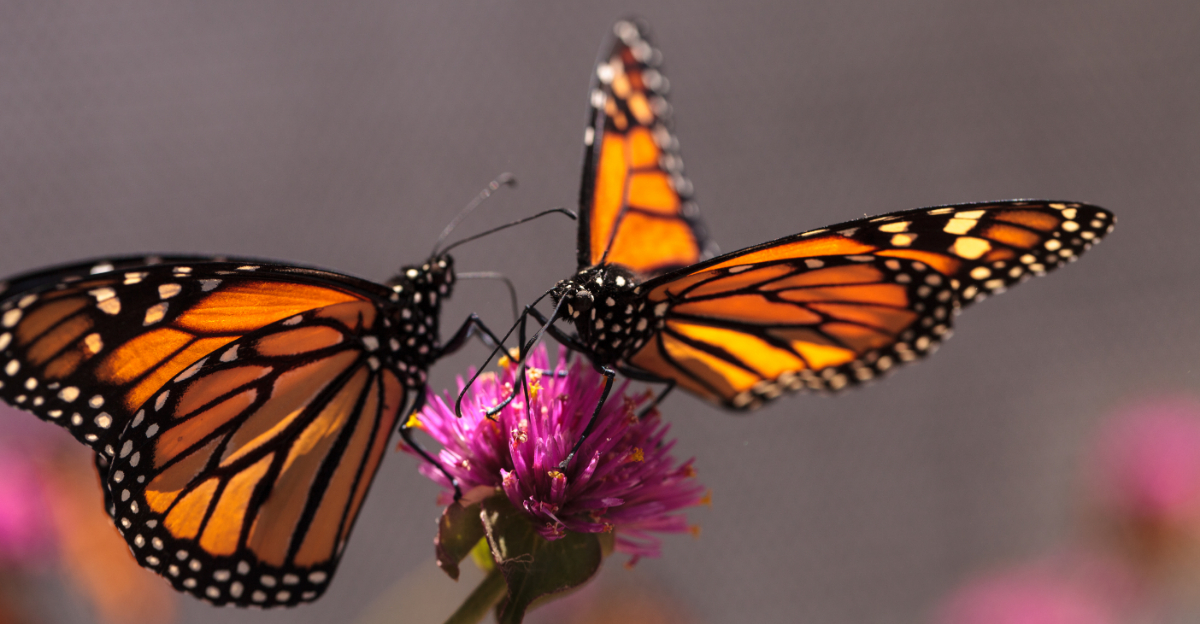
Have you ever spotted a monarch gliding through your garden in early spring and felt that little thrill?
For many Californians, March is the time when these bright orange travelers quietly reappear after winter, bringing a sense of life and motion back to the garden.
It’s the kind of moment that makes you pause, watch, and appreciate the subtle rhythms of nature right outside your window.
It’s more than just a pretty sight. Early spring sets the stage for their seasonal routines, and your garden can play an important part in supporting them – if you know how to notice the signs and provide the right conditions.
Small actions, like planting certain flowers or creating safe spaces, can make a meaningful difference for these delicate butterflies as they navigate their journey.
If you’ve ever wondered what makes this month so special for monarchs and how your backyard could help, you’re about to discover why timing, plants, and attention to detail matter more than you might imagine.
1. Understanding Monarch Migration Patterns
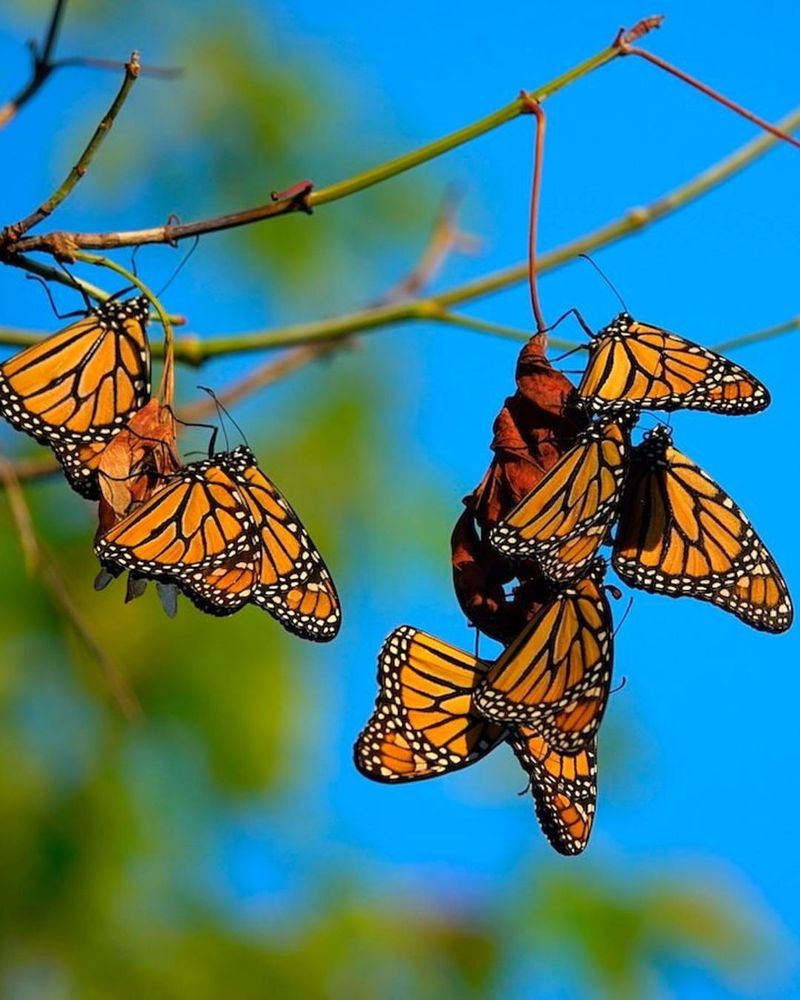
Picture thousands of orange and black wings slowly opening in the warm California sunshine after months of stillness. That is exactly what happens each March when western monarchs begin transitioning out of their overwintering clusters.
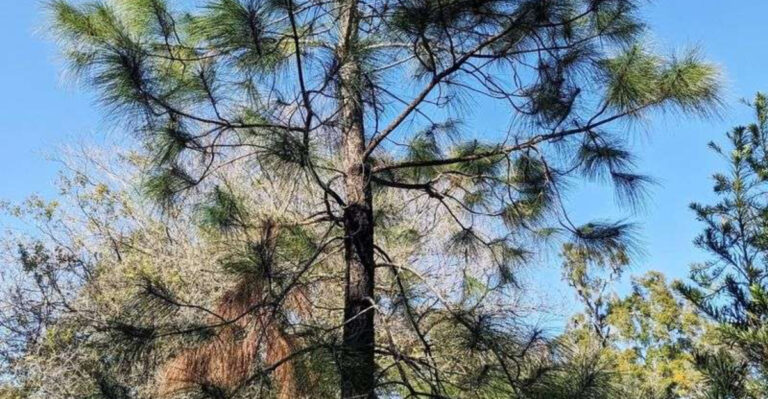
For months, these butterflies have been packed tightly together on eucalyptus and pine trees at coastal sites like Pacific Grove and Natural Bridges State Beach, conserving energy through the cooler winter months.
As temperatures rise in early spring, monarchs break from their groups and begin moving inland and northward. This movement is not random.
Scientists have discovered that monarchs follow well-established routes, navigating using a combination of the sun’s position and an internal biological compass. The journey can take them as far as Oregon, Nevada, Arizona, and even Idaho.
March is an important launch point for this process, and conditions in California can influence the timing and success of the western monarchs’ migration. Researchers track these patterns carefully each year to understand how population health connects to migration timing.
Warmer springs can shift departure windows, which sometimes causes mismatches with food availability along the route. Watching migration patterns in California each March gives scientists and conservationists a clear snapshot of how the broader western monarch population is doing overall.
2. The Role Of Milkweed In March
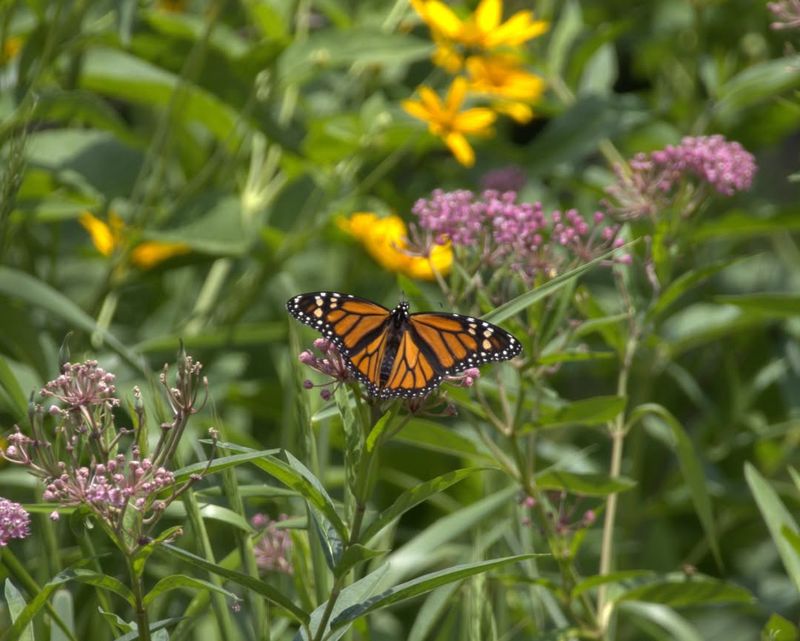
Milkweed is not just any plant for monarch butterflies. It is the only plant where female monarchs will lay their eggs, making it one of the most important resources in the entire butterfly world.
In California, several native milkweed species begin emerging in March, just as monarchs start looking for breeding spots after leaving their overwintering sites.
Narrowleaf milkweed, also known as Asclepias fascicularis, is one of the most common native varieties found throughout California’s inland valleys and foothills. When monarchs arrive in these areas in March, the fresh shoots of milkweed offer the perfect place to start the next generation.
Females carefully select leaves to deposit their tiny, pale eggs, often choosing younger, tender growth.
Your California Garden Changes Every Week. Your Plan Should Too.
Gardening in California changes quickly throughout the season. Every Friday you’ll receive a simple weekly plan showing exactly what to plant, prune, fertilize, harvest, and protect so you never miss the right timing.
Milkweed is essential for larval development, and the availability of fresh shoots in March strongly supports the breeding cycle. Larvae that hatch from eggs depend completely on milkweed leaves as their only food source during their growth stages.
Planting native milkweed in California gardens before March arrives can make a huge difference for local populations. Conservation groups across the state actively encourage people to add milkweed to their yards, school gardens, and community spaces.
Even a small patch of this plant can support multiple generations of monarchs throughout the spring and summer seasons ahead.
3. Early Spring Weather Impacts
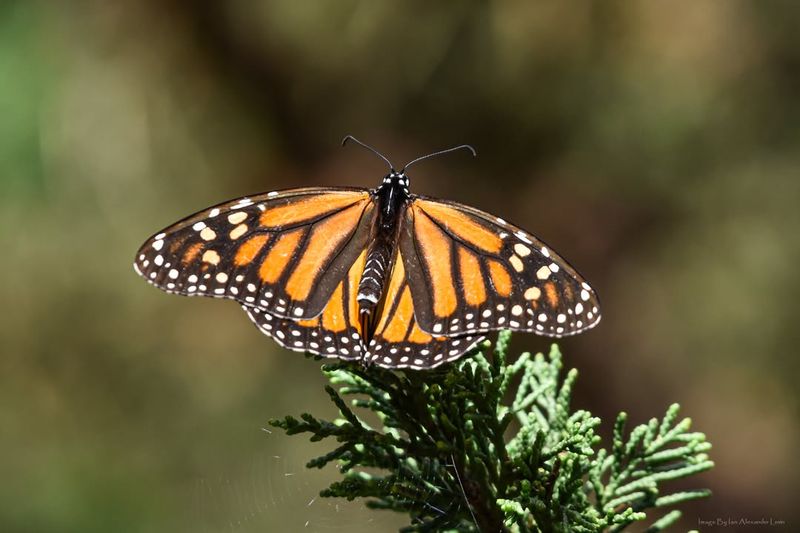
Weather plays a bigger role in monarch survival than most people realize, and March brings some of the most unpredictable conditions of the year across California. Warm, sunny days encourage butterflies to become active, mate, and begin moving toward breeding grounds.
Cold snaps, heavy rain, or late-season storms, however, can slow everything down significantly.
When temperatures stay too low for extended periods in March, monarchs may delay leaving their overwintering clusters. This delay can create a ripple effect throughout the entire season.
If butterflies depart too late, they may arrive at breeding grounds after peak milkweed growth has already passed, reducing the number of successful egg-laying opportunities available to them.
Climate patterns across California have been shifting in recent years, and researchers are closely studying how these changes affect monarch timing. Drier winters followed by sudden spring warmth can sometimes trigger early departures before food sources are ready.
On the other hand, unusually wet and cool springs can keep butterflies grounded longer than is ideal. Communities near key overwintering sites like Morro Bay and Bolinas can actually help by supporting habitat restoration projects that give monarchs a buffer against these weather swings.
Stable, healthy habitats in California provide crucial shelter during those unpredictable early March weather events that can otherwise leave butterflies vulnerable.
4. Protecting Overwintering Sites
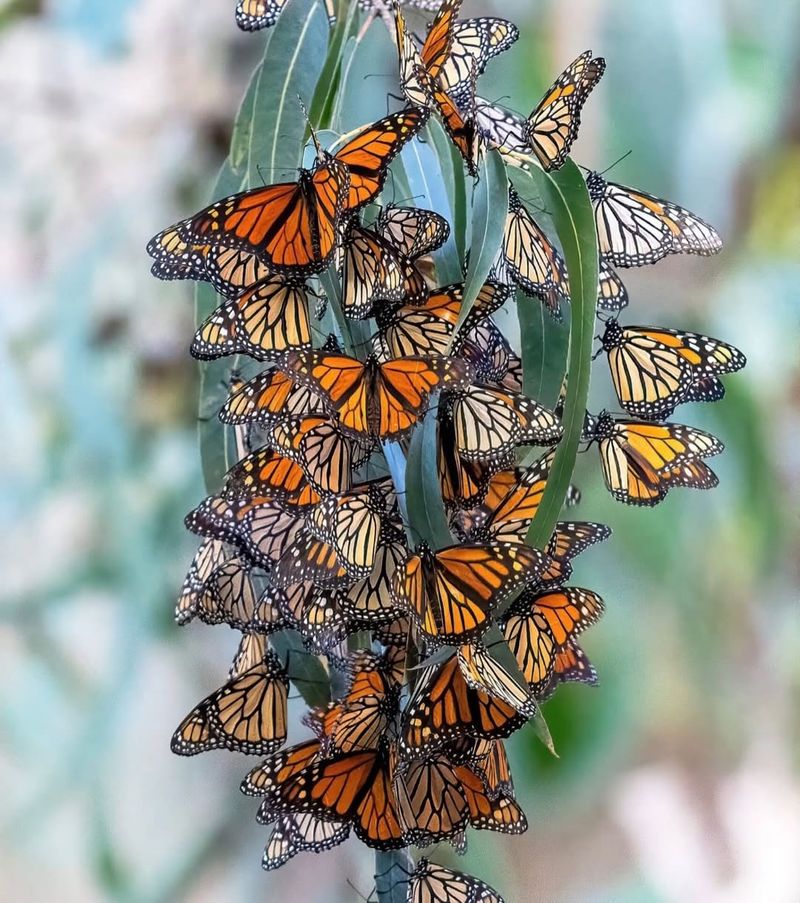
By the time March arrives, California’s famous overwintering groves have been home to millions of monarchs for several months. Sites like the Pismo State Beach Monarch Butterfly Grove and the Natural Bridges State Beach in Santa Cruz are among the most well-known gathering spots in the entire western United States.
As butterflies begin preparing to leave in March, protecting these locations remains just as important as it was during peak winter clustering season.
Overwintering sites provide the safe, sheltered conditions monarchs need to survive cooler temperatures. Tall trees block wind, regulate humidity, and offer roosting spots that keep butterfly body temperatures stable.
When these habitats are disturbed by development, invasive plant removal done at the wrong time, or heavy foot traffic, butterflies can be forced into less suitable spots where survival rates drop.
Conservation organizations and California state parks work hard year-round to maintain these groves. Volunteer programs help remove invasive plants, maintain trails at a respectful distance from roost trees, and educate visitors about keeping noise and movement to a minimum.
Supporting these efforts, whether through donations, volunteering, or simply spreading awareness, directly benefits the monarchs. March is a transition month at these sites, and thoughtful stewardship during this window ensures butterflies leave in strong condition, ready for the long breeding season ahead across the western states.
5. Nectar Sources Available In March
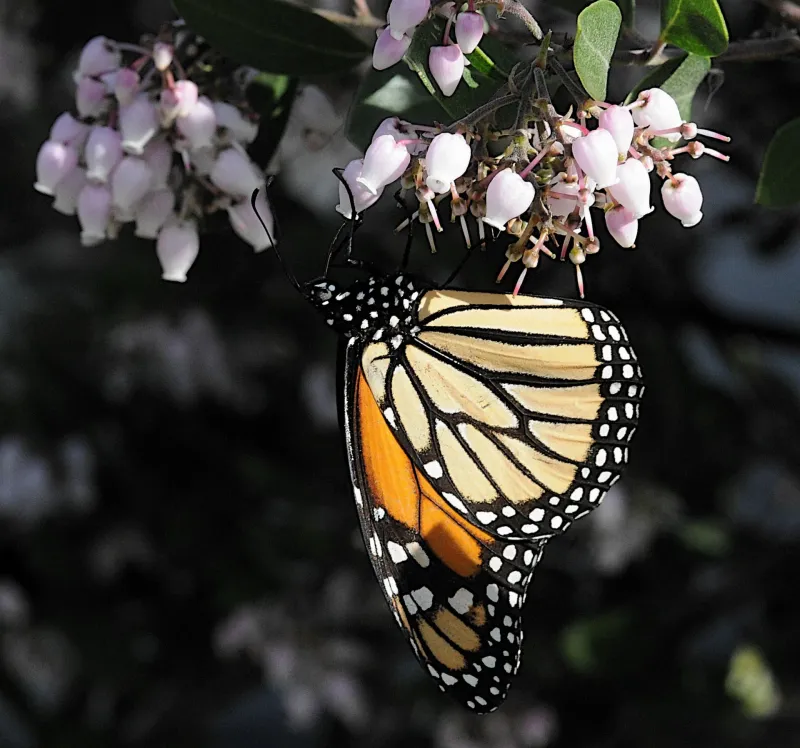
Fueling a migration and a breeding season at the same time takes serious energy, and nectar is how monarchs get it. Fortunately, March in California brings a wonderful burst of flowering plants that give these butterflies exactly what they need.
Native species like ceanothus, also called California lilac, and manzanita are among the first to bloom, offering rich nectar at precisely the right moment.
Other helpful plants include native salvias, buckwheat, and non-native favorites like lantana and scabiosa. These flowers provide high-energy nectar that helps monarchs build up the fuel reserves needed for their journeys northward and eastward from California’s coast.
Adequate nectar sources along the route help butterflies arrive at breeding grounds in better condition, supporting more successful reproduction.
Gardeners across California can directly support monarchs by planting a variety of these nectar sources in their yards before March arrives. A garden that blooms in late winter and early spring becomes a valuable refueling station for butterflies on the move.
Native plant nurseries throughout California often stock these species, and many local conservation groups offer free native plants during spring events. Even a small collection of nectar-rich flowers in a sunny spot can attract and support multiple butterflies during this critical period.
Every bloom counts when monarchs need energy most.
6. Timing For Egg Laying And Larvae Growth
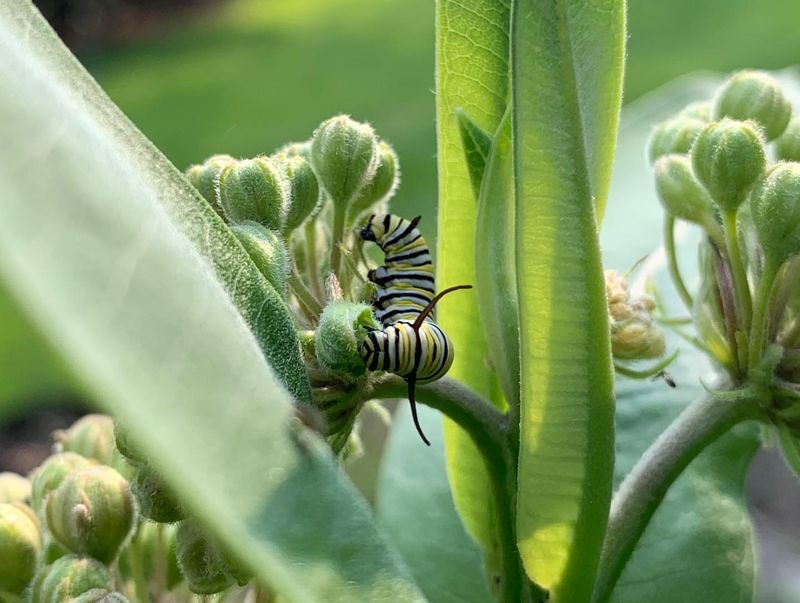
Timing is everything when it comes to monarch reproduction, and March sets the entire schedule in motion. After emerging from their overwintering state and mating, female monarchs begin searching for milkweed plants where they can deposit their eggs.
Each tiny egg is carefully placed on the underside of a milkweed leaf, and within just a few days, a small caterpillar will emerge ready to feed.
The larvae, or caterpillars, grow through five distinct stages called instars, shedding their skin as they get bigger. This process takes roughly two weeks under warm spring conditions.
Caterpillars that hatch in March in California benefit from longer days and rising temperatures, which speed up their development and help them reach the pupal stage before summer heat becomes intense.
Getting this timing right matters enormously for the health of the next generation. Early-season larvae that develop successfully in March and April become the adult butterflies that will continue moving northward and eventually produce more generations across the western United States.
If egg laying starts too late because of cold weather or limited milkweed availability, the whole season’s production can fall short. Supporting milkweed growth in California gardens and natural areas before March is one of the most effective ways anyone can help ensure larvae have everything they need right from the very start.
7. How Gardeners Can Support Monarchs In March
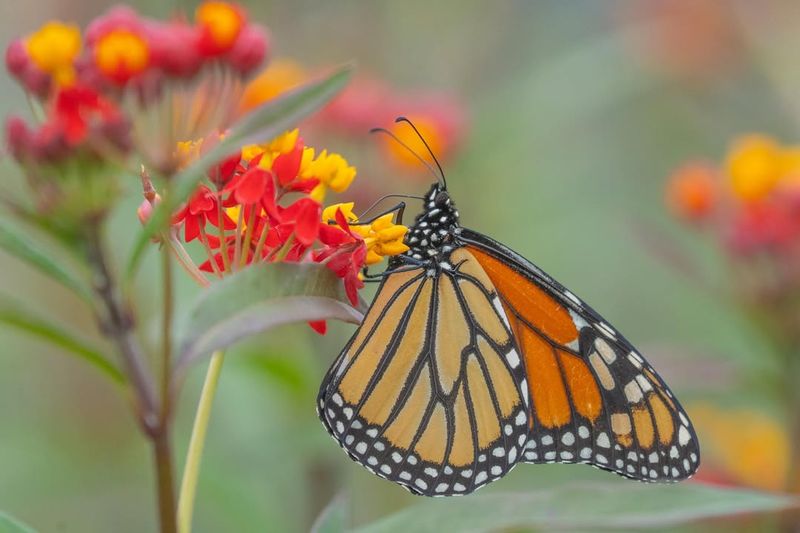
Gardeners hold real power when it comes to helping monarch butterflies thrive, and March is one of the best months to put that power to work. Across California, home gardens can serve as important stepping stones for monarchs traveling from coastal overwintering sites to inland breeding grounds.
A well-planted yard can offer both the nectar and the milkweed that butterflies desperately need during this transition period.
Starting with native milkweed varieties suited to your specific region of California is the smartest first step. Narrowleaf milkweed works well in many inland areas, while showy milkweed thrives in slightly cooler spots.
Pairing these with early-blooming nectar plants like ceanothus, native buckwheat, and salvia creates a complete habitat that supports both adult butterflies and their offspring.
Beyond planting, gardeners can also help by avoiding pesticide use during spring months, since even mild chemical treatments can harm butterfly eggs and caterpillars. Joining local citizen science programs like the Western Monarch Thanksgiving Count or reporting sightings through apps like iNaturalist gives researchers valuable data about where monarchs are showing up across California.
Sharing what you plant and observe with neighbors can spark a whole community effort that multiplies the positive impact. Small actions taken by many gardeners across California in March can add up to something truly significant for these beloved butterflies and their long-term future.