These 7 California Garden Problems Spread Fast In Spring
Does your California garden ever feel like a race against time in the spring? One day your seedlings are the picture of health, and the next, a sudden army of aphids or a rogue overnight frost can threaten your entire harvest.
From the damp, foggy coast to the scorching inland valleys, California’s diverse microclimates are a paradise for plants – but they are also a playground for pests, weeds, and fungal diseases.
The secret to a thriving season isn’t luck; it’s spotting the “red flags” before they become disasters.
Whether it’s the first sign of leaf curl on your peach trees or snails eyeing your tender greens, catching these spring troublemakers early is the only way to maintain a thriving yard throughout the season.
1. Aphids Can Overwhelm New Leaves Quickly
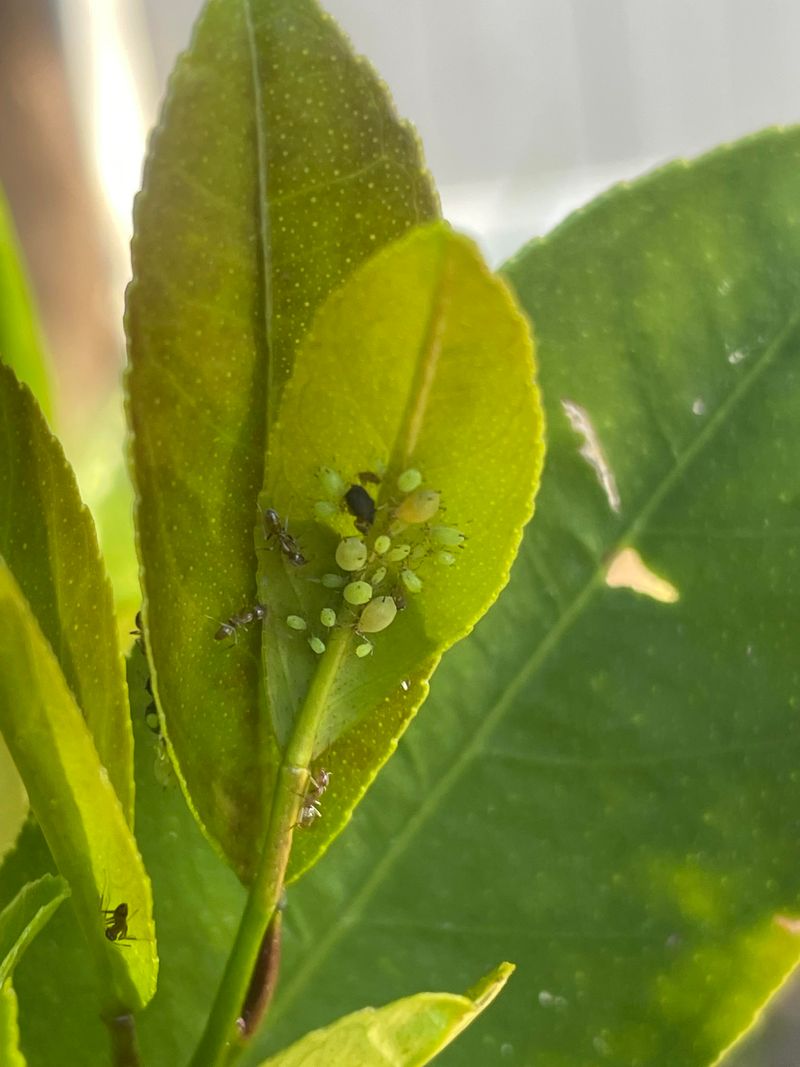
Soft, pale green clusters on brand-new leaves are often the first sign that aphids have moved into your California garden. These tiny insects arrive early in spring, sometimes before you even notice your plants have started budding out.
They feed by piercing plant tissue and sucking out sap, which causes leaves to curl, yellow, and look stunted.
On citrus, roses, and cool-season vegetables like kale and broccoli, the damage can escalate fast when conditions are warm and dry.
What makes aphids especially troublesome in spring is how quickly they reproduce. A single aphid can produce dozens of offspring in just a week without needing a mate.
Colonies double in size rapidly, and if left unchecked, they can coat entire stems in just a few days.
They also excrete a sticky substance called honeydew, which attracts ants and encourages a black sooty mold to grow on leaves, blocking sunlight and slowing photosynthesis.
Fortunately, aphids are manageable when you catch them early. A firm spray of water from your garden hose can knock most of them off tender shoots.
Insecticidal soap or neem oil are both low-impact options that work well without harming beneficial insects when applied carefully.
One of the smartest long-term strategies is attracting natural predators like ladybugs and lacewings by planting alyssum, yarrow, or fennel nearby.
Avoid over-fertilizing with nitrogen, since lush, fast-growing plants tend to attract more aphids than healthier, steadier-growing ones.
2. Powdery Mildew Shows Up On Roses And Veggies
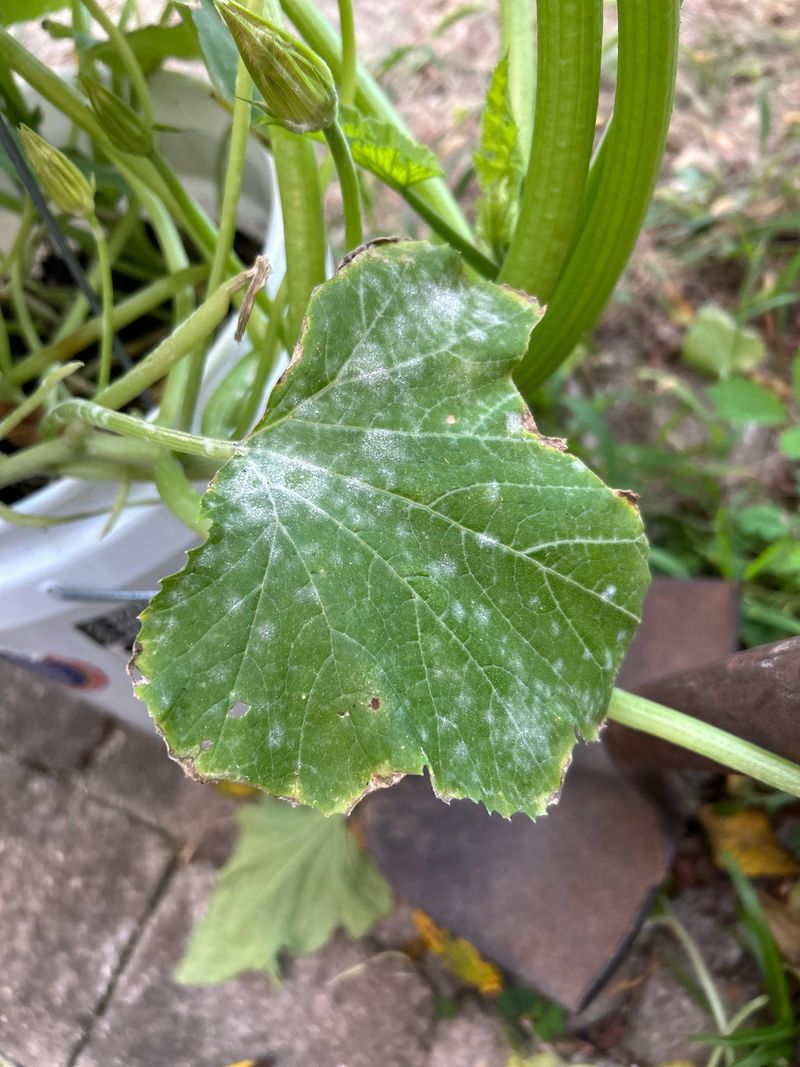
That chalky white coating on your squash leaves or rose buds is not dust, and it will not brush off easily.
Powdery mildew is a fungal disease that thrives in California’s spring conditions, particularly when warm, dry days are followed by cool, humid nights.
Unlike most fungi, it does not need wet leaves to spread. It actually does better in dry conditions with moderate humidity in the air, which makes coastal and inland California gardens especially vulnerable during March and April.
Roses, zucchini, cucumbers, peas, and melons are among the most commonly affected plants.
The white or grayish powder is actually fungal spores, and they spread easily through the air from plant to plant.
Infected leaves may twist, yellow, or drop prematurely. On rose buds, powdery mildew can prevent flowers from opening fully, which is frustrating after months of waiting for blooms.
Your California Garden Changes Every Week. Your Plan Should Too.
Gardening in California changes quickly throughout the season. Every Friday you’ll receive a simple weekly plan showing exactly what to plant, prune, fertilize, harvest, and protect so you never miss the right timing.
Good airflow is one of the best defenses against this disease. Crowded plantings trap moisture and create the still, humid pockets that mildew loves.
Prune roses and vegetable plants to improve circulation, and avoid overhead watering in the evening. A simple spray made from diluted baking soda and water can slow the spread on lightly infected plants.
Neem oil is another reliable option.
Choosing mildew-resistant plant varieties is a smart move for California gardeners who deal with this problem year after year, especially in foggy coastal zones or areas with significant day-to-night temperature swings.
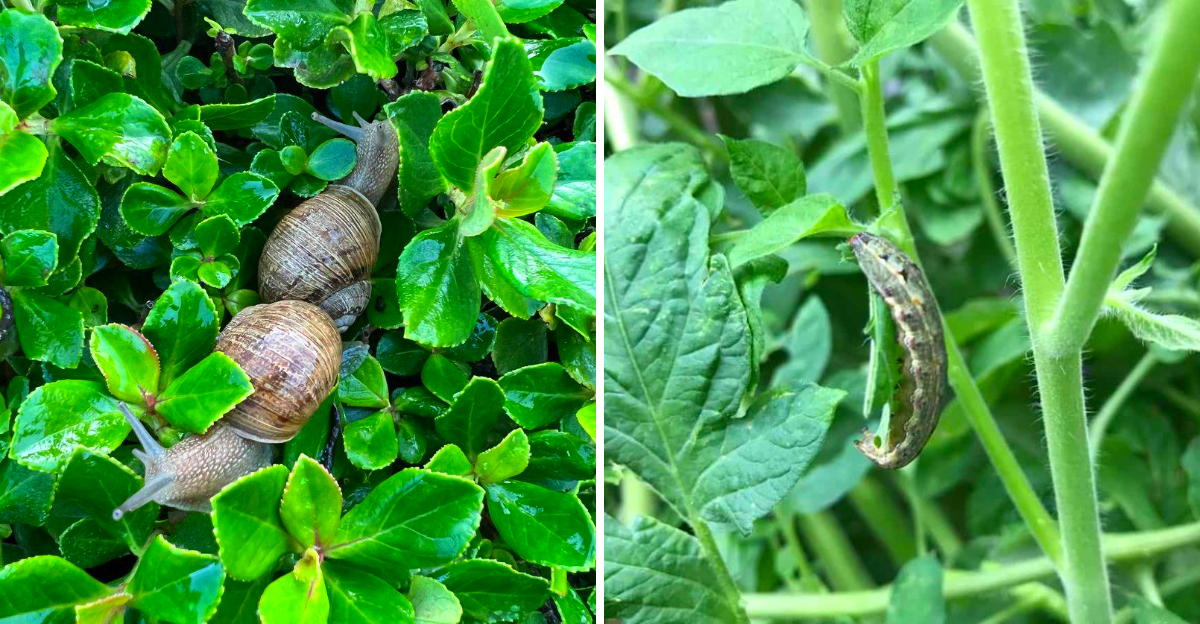
3. Snails And Slugs Feast On Tender Shoots
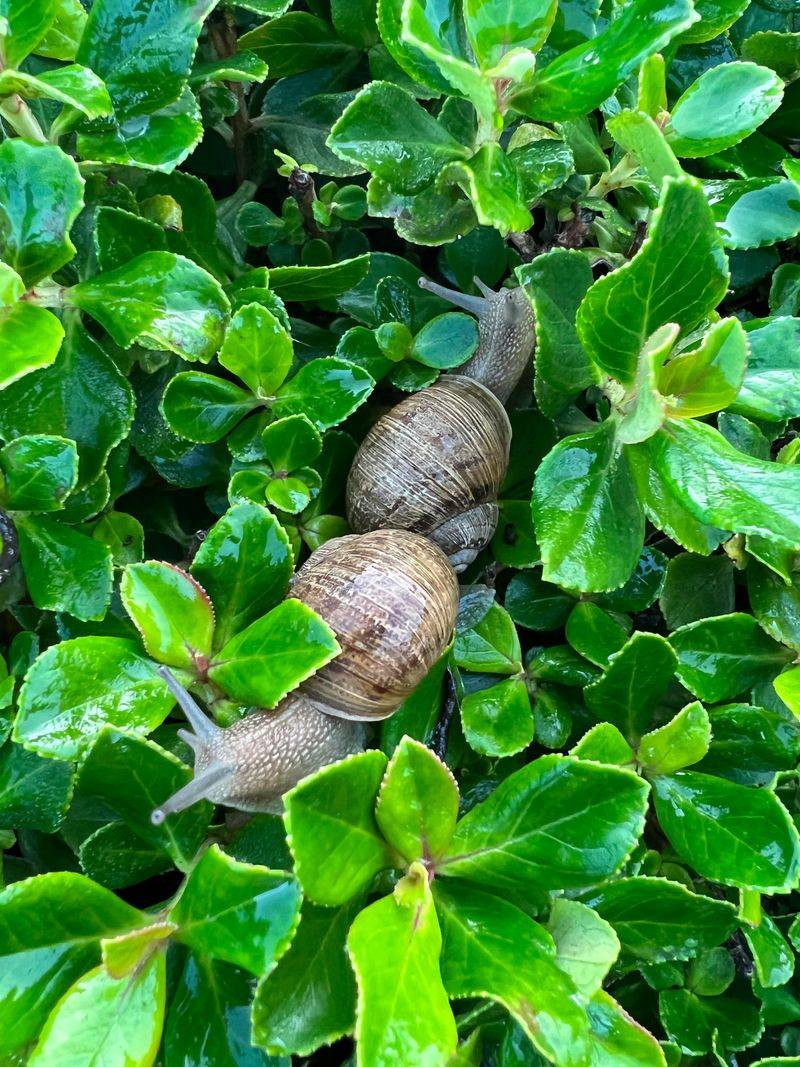
Few garden sights are more disheartening than walking out in the morning to find your freshly planted seedlings reduced to ragged stubs overnight.
Snails and slugs are masters of nighttime destruction, and spring in California is their favorite time of year.
Winter rains leave the soil moist and cool, which is exactly the kind of environment these mollusks prefer.
As temperatures warm up and new growth emerges, they emerge in force, especially in coastal areas and regions that receive regular spring rainfall.
The brown garden snail, introduced to California in the 1850s originally as a food source, has become one of the most widespread garden pests in the state.
It feeds on a wide range of plants, from leafy greens and strawberries to ornamental flowers and citrus tree bark.
Slugs, which lack shells, tend to hide in mulch, under boards, or in dense ground cover during the day. Both leave behind a telltale silvery slime trail that makes them easy to identify even when they are not visible.
Hand-picking at night with a flashlight is surprisingly effective and requires no chemicals. Setting out shallow dishes of beer or a yeast-and-water mixture can trap them overnight.
Iron phosphate baits are a low-toxicity option that is safe around pets and wildlife.
Reducing moisture near plant bases, clearing debris where snails hide, and creating copper tape barriers around raised beds can all make a meaningful difference.
Consistent management through spring keeps populations from building to levels that are difficult to control later in the season.
4. Leaf Curl Hits Stone Fruit Trees Early
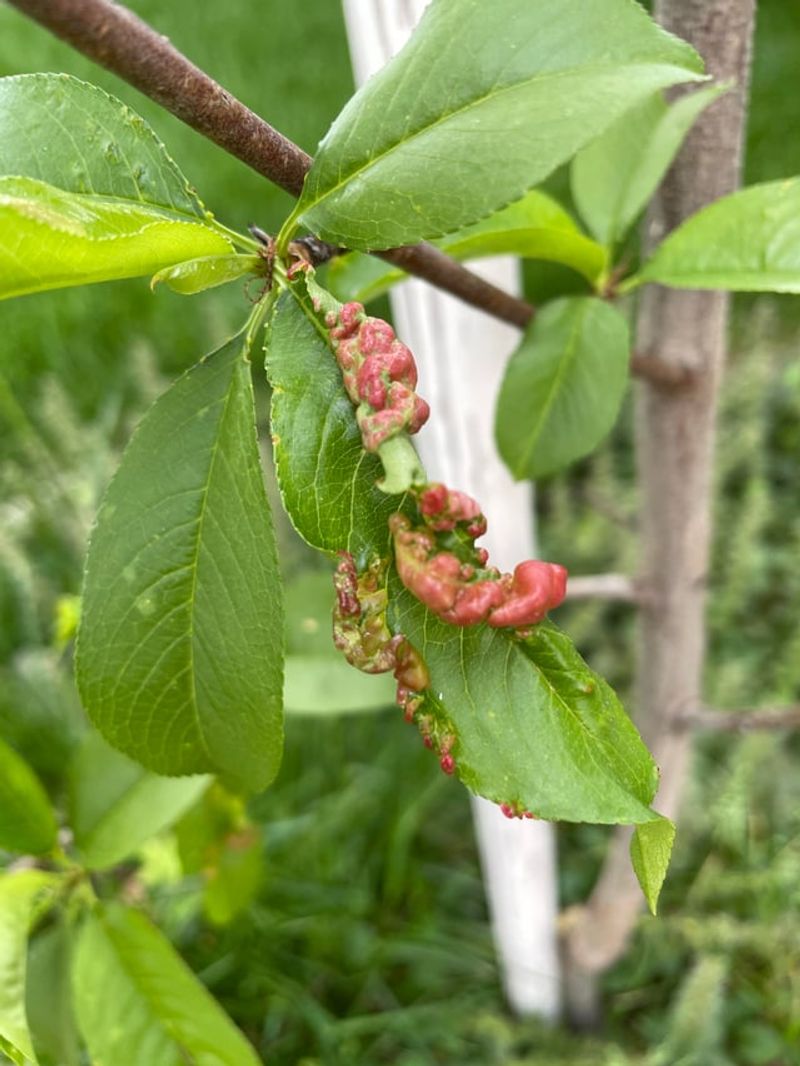
Before peach and nectarine trees even have a chance to look their best, a fungal disease called peach leaf curl can sweep through and leave their new leaves looking puckered, blistered, and stained red or pink.
This is one of the most widespread and frustrating spring problems for California home orchardists.
The fungus responsible, Taphrina deformans, infects developing leaves as they emerge from buds during cool, wet spring weather, which describes a large portion of California from late February through April.
Infected leaves thicken and curl inward, turning shades of red, pink, and yellow before eventually browning and falling off.
Trees often push out a second flush of leaves, but that effort drains their energy and can reduce fruit production significantly.
Repeated infections over several seasons can weaken a tree considerably, leaving it more vulnerable to other stressors like drought or secondary pest damage.
The tricky part about managing leaf curl is that timing matters enormously. Fungicide treatments are only effective when applied during the dormant season, before buds begin to swell in late winter.
Once the leaves have emerged and symptoms are visible, spraying does nothing to reverse the damage for that season. Copper-based fungicides and lime sulfur are both commonly used and widely available.
Applying them in late fall after leaves drop, and again just before bud swell in late winter, gives the best protection.
California gardeners in wetter regions or areas with foggy springs should mark their calendars every year to stay ahead of this fast-moving problem.
5. Winter-Weakened Weeds Explode In Spring
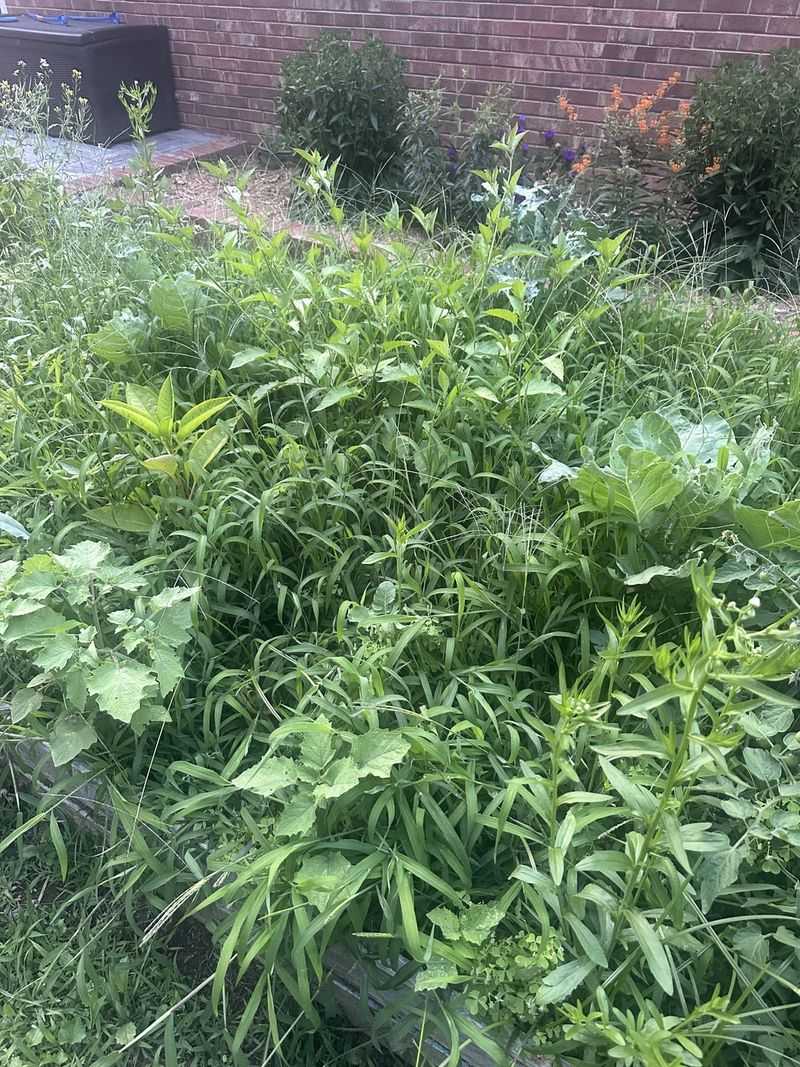
California’s winter rains do something wonderful for gardens, but they do something equally powerful for weeds.
By the time spring officially arrives, weed seeds that spent months quietly waiting in the soil are primed and ready to sprout.
Oxalis, chickweed, hairy bittercress, annual bluegrass, and filaree are among the most aggressive early-spring offenders.
They germinate quickly in moist, warm soil and can go from tiny seedlings to seed-producing plants in just a few weeks, which means one missed round of weeding can lead to thousands of new seeds in the soil.
Weeds compete directly with your garden plants for water, nutrients, and sunlight. In vegetable beds, where young seedlings are still getting established, that competition can stunt growth noticeably.
Some weeds also harbor aphids, whiteflies, and other pests that can migrate to nearby crops.
Weeds with deep taproots, like dandelions and dock, are especially difficult to remove once they mature, making early-season management far more effective than trying to deal with them later.
Pulling weeds when they are young and the soil is moist after a rain is the easiest and most satisfying approach. A sharp hoe or hand weeder makes quick work of shallow-rooted weeds in open beds.
Laying down a two-to-three-inch layer of organic mulch after weeding can suppress new germination by blocking sunlight from reaching the soil surface.
Avoid tilling deeply, as this can bring dormant weed seeds to the surface and trigger a new round of germination.
Staying consistent in early spring pays off significantly by midsummer.
6. Cutworms Can Destroy Young Vegetable Seedlings
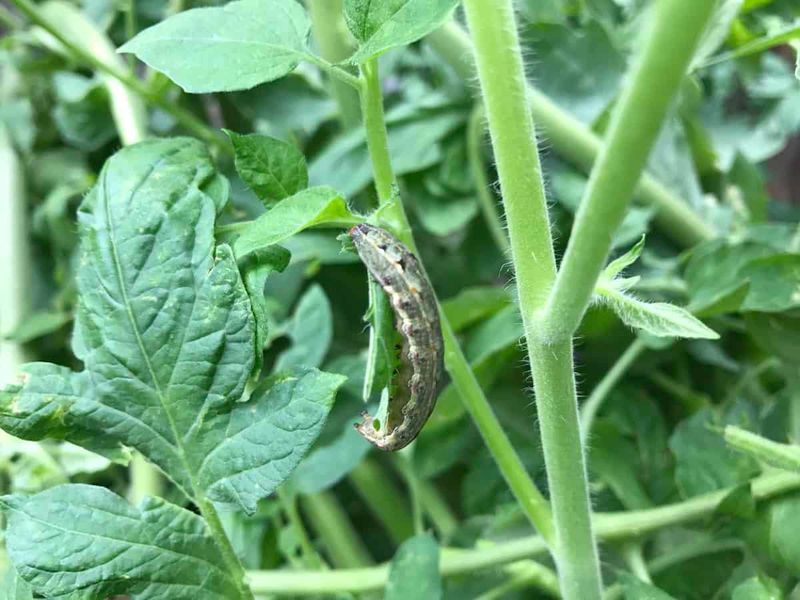
Planting a row of healthy tomato or pepper seedlings only to find them toppled over at soil level the next morning is one of the most discouraging experiences in spring gardening. Cutworms are the usual suspects.
These plump, grayish-brown caterpillars are the larvae of several moth species, and they spend their days hiding just beneath the soil surface.
At night, they emerge and chew through the stems of young seedlings right at or just below ground level, leaving the rest of the plant lying on the soil, unable to recover.
Spring is peak season for cutworm activity in California because that is when moth populations lay their eggs and larvae are actively feeding. Freshly tilled garden beds are especially attractive to egg-laying moths.
Sandy or loamy soils, which are common in many California growing regions, provide the loose, easy-to-navigate environment that cutworms prefer.
Transplants and direct-seeded vegetables are both at risk, though transplants with thicker stems tend to suffer slightly less damage than very young seedlings.
One of the simplest and most effective protections is placing a physical collar around each seedling at planting time.
A cardboard toilet paper roll, a cut plastic cup, or even a small tin can with the bottom removed can be pushed an inch into the soil around the stem to block cutworm access.
Diatomaceous earth sprinkled around the base of plants can also deter them. Checking the soil near damaged plants and removing any larvae you find by hand can reduce the local population quickly without the need for chemical treatments.
7. Late Frosts Threaten Buds And Tender Plants
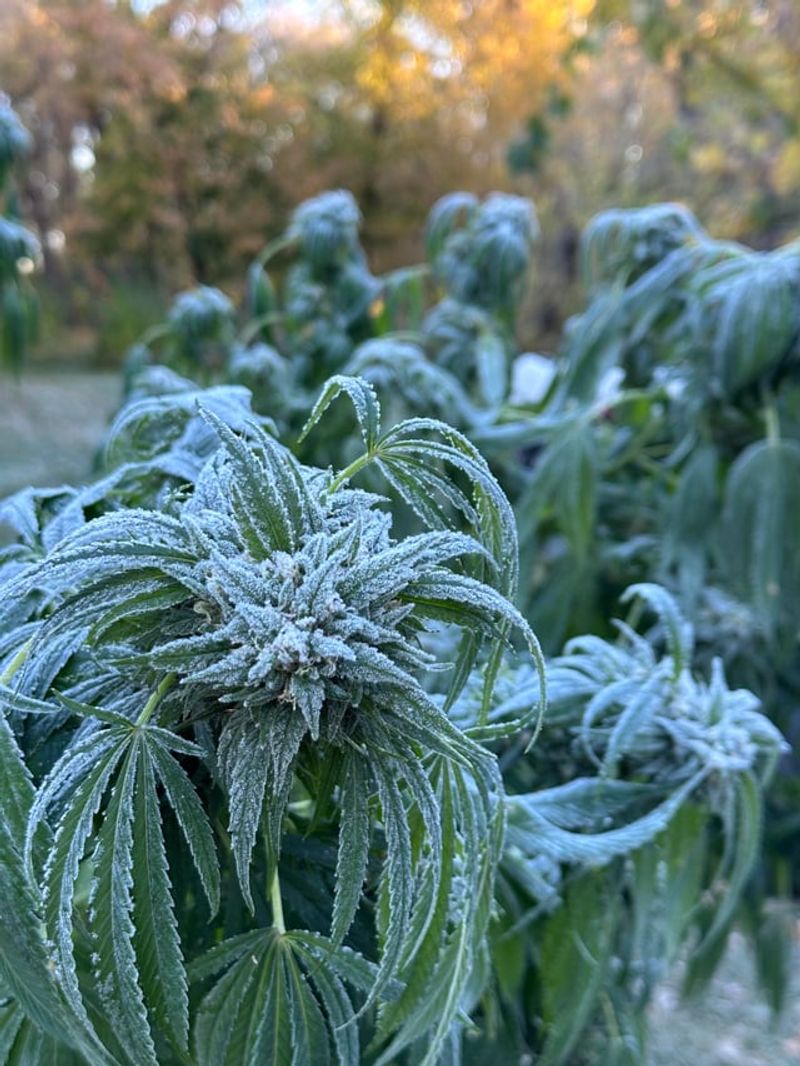
Spring in California has a reputation for warmth and sunshine, but gardeners in inland valleys, foothill regions, and high-elevation areas know that cold nights can linger well into March and April.
A late frost can arrive with little warning, and the damage it causes to tender buds and newly planted seedlings can set a garden back by weeks.
Citrus blossoms, stone fruit buds, tomato transplants, and warm-season annuals are especially vulnerable because they tend to emerge or get planted right around the time when frost risk is still present.
The damage shows up as blackened or water-soaked tissue that turns mushy as temperatures rise. Flower buds that get frosted may drop before they have a chance to set fruit.
Young vegetable transplants can collapse entirely if temperatures drop low enough, and even partial frost damage can slow their growth significantly.
California’s coastal marine layer sometimes provides insulation, but inland areas can see temperatures drop dramatically after clear, calm nights when heat radiates away from the soil quickly.
Monitoring overnight forecasts closely in late winter and early spring is the most reliable way to stay ahead of frost events.
Covering sensitive plants with frost cloth, old bedsheets, or plastic sheeting before sunset traps ground heat and can raise temperatures beneath the cover by several degrees.
Watering the soil before a predicted frost helps too, since moist soil retains heat more effectively than dry soil.
Removing covers in the morning once temperatures climb above freezing helps prevent heat buildup and allows plants to resume normal growth without stress.