5 Flowering Plants You Can Safely Prune In March In Georgia And 4 To Leave Alone
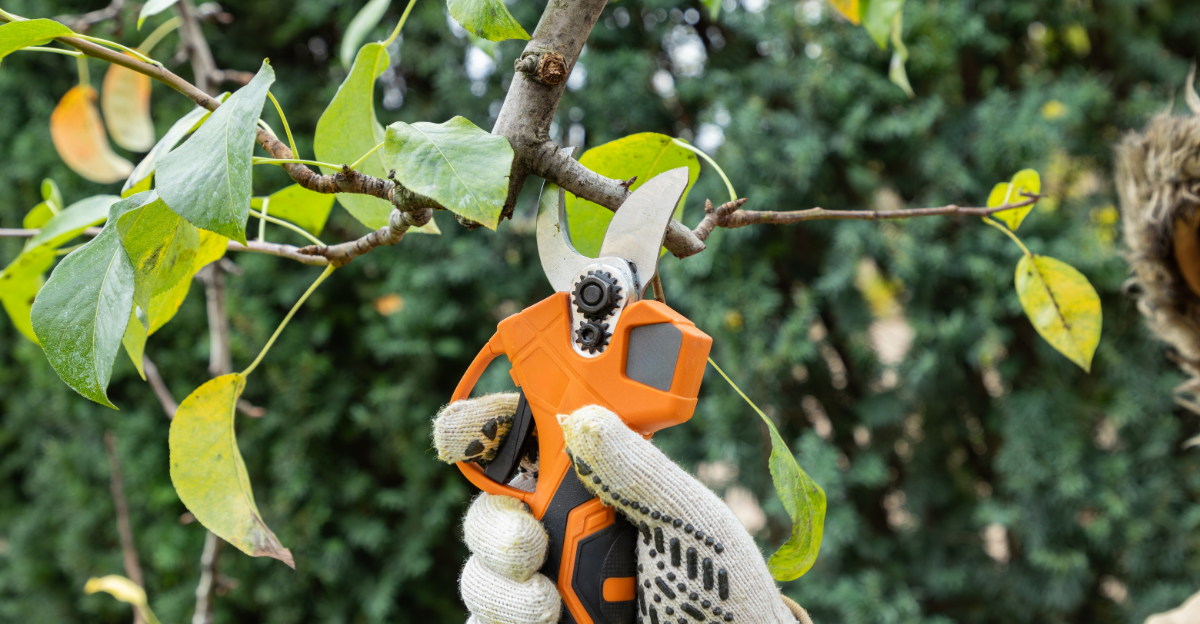
You know that thrill when the first warm March breeze drifts through your garden and makes everything feel alive again? That’s the magic moment when your hands start itching for pruning shears.
But before you start clipping like a kid in a candy store, it helps to know which flowers are ready for a trim and which ones still need a little time to wake up.
Doing the wrong cut can mean missing out on blooms you’ve been waiting for all winter.
In Georgia, the early spring timing is everything. Some shrubs and perennials practically beg for a March haircut, while others are still snoozing, quietly storing energy for the season ahead.
Knowing which is which keeps your garden looking cheerful, healthy, and vibrant. Stick with me, and we’ll go through the flowers you can safely prune now – and the ones to let grow without interruption.
1. Beautyberry Responds Well To Early March Pruning
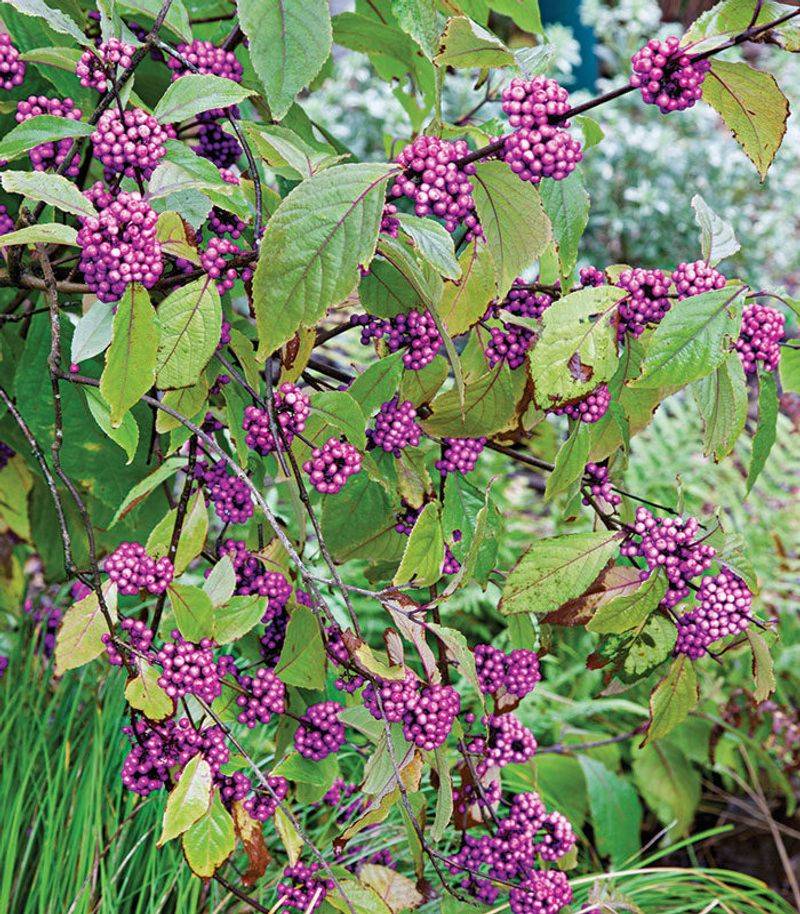
Few shrubs in the Georgia landscape put on a show quite like Beautyberry. Known scientifically as Callicarpa americana, this native plant produces jaw-dropping clusters of bright purple berries in fall that make the whole yard look like something out of a painting.
But to get that spectacular display, you need to prune it correctly in early spring, and March is the perfect time to do it.
Beautyberry blooms on new wood, meaning the flowers and berries form on growth that the plant produces during the current growing season. Light pruning in early March helps encourage new growth, but avoid excessively hard cuts until the plant shows clear signs of active growth.
Those new stems are exactly what will carry all those gorgeous berries later in the year.
Prune the shrub selectively, removing older stems and shaping as needed, rather than cutting the entire plant back to a uniform low height. It sounds dramatic, but Beautyberry bounces back quickly in Georgia’s warm spring weather.
You’ll be amazed at how fast it fills back in. Wear gloves and use sharp, clean pruning shears to make smooth cuts.
Removing old, woody growth also helps improve airflow through the plant, keeping it healthier overall. Georgia gardeners who skip this step often end up with a leggy, overgrown shrub that produces far fewer berries than it should.
2. Knockout Roses Thrive With March Cutbacks
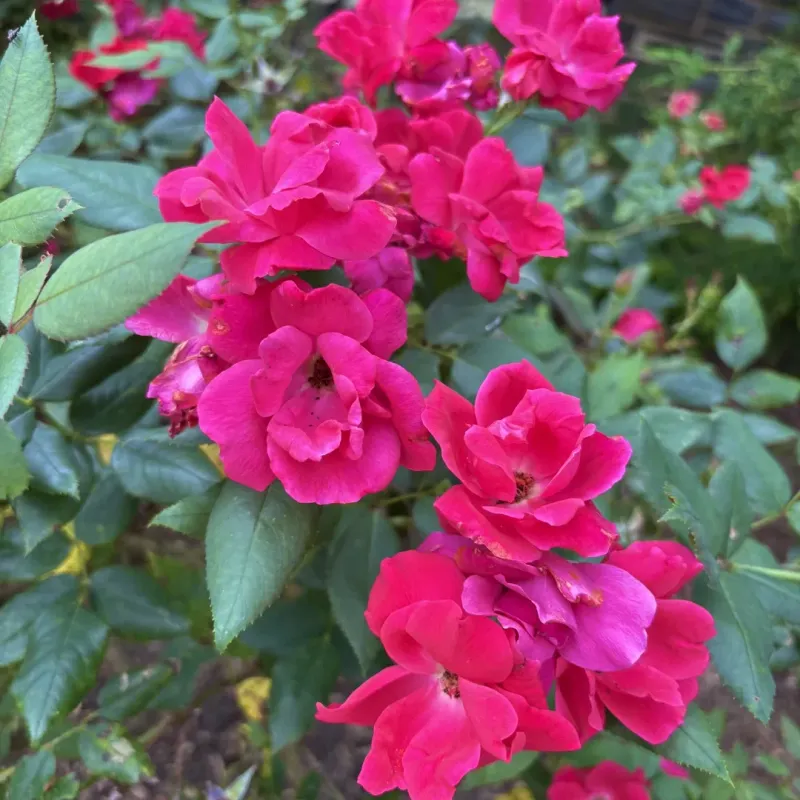
In Georgia gardens, Knockout Roses have earned their reputation as the rock stars everyone admires. They’re tough, reliable, and produce wave after wave of colorful blooms from spring all the way through fall.
The secret to keeping them performing at their peak? A good, confident pruning session right here in March.
Unlike old-fashioned roses that require complicated care routines, Knockout Roses are pretty forgiving. Still, giving them a proper cutback in early spring makes a huge difference in how full and floriferous they become.
The general rule of thumb is to cut the entire plant back by about one-third to one-half of its height. So if your Knockout Rose is four feet tall, bring it down to around two feet.
Your Georgia Garden Changes Every Week. Your Plan Should Too.
Gardening in Georgia changes quickly throughout the season. Every Friday you’ll receive a simple weekly plan showing exactly what to plant, prune, fertilize, harvest, and protect so you never miss the right timing.
This encourages the plant to send up fresh, vigorous new canes loaded with blooms.
Early spring is generally a good time for pruning, but monitor your local weather and plant growth, as some Knockout Roses may already have emerging buds in March. Always use sharp, clean pruning shears to avoid tearing the canes, which can invite disease.
Remove any dead, damaged, or crossing canes entirely. Also take a moment to clear away any fallen leaves from around the base of the plant, since old foliage can harbor fungal spores.
With just a little effort now, your Knockout Roses will reward you with months of stunning color.
3. Panicle Hydrangeas Can Be Trimmed Now
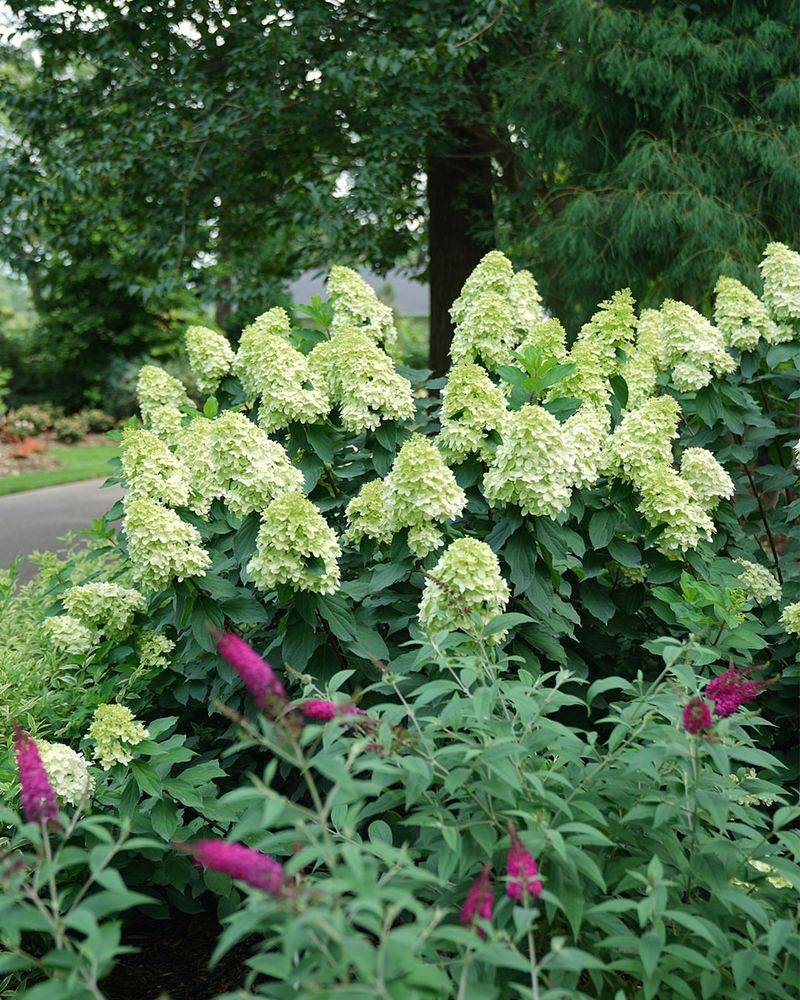
Not all hydrangeas play by the same rules, and that’s really important to understand before you pick up your pruning shears. Panicle Hydrangeas, which include popular varieties like Limelight and Pinky Winky, are the ones you absolutely can and should prune in March in Georgia.
They bloom on new wood, which means the flower buds haven’t formed yet at this point in the season.
Pruning Panicle Hydrangeas in late winter or early spring encourages new growth, which can support flower clusters later in the season, though timing may vary slightly depending on local conditions. The recommended approach is to cut back last year’s growth by about one-third.
You can also remove any weak or twiggy stems entirely to help the plant focus its energy on producing fewer but much stronger, showier blooms.
One of the great things about Panicle Hydrangeas is how well they handle the Georgia climate. They’re heat-tolerant and relatively drought-resistant once established, making them a smart choice for gardeners across the state.
After pruning, consider adding a layer of compost around the base of the plant to give it a nutritional boost heading into the growing season. You’ll want to step back and let nature take over from there, because these plants are truly spectacular when they hit their stride in summer.
4. Fruit Trees Benefit From Dormant Season Pruning
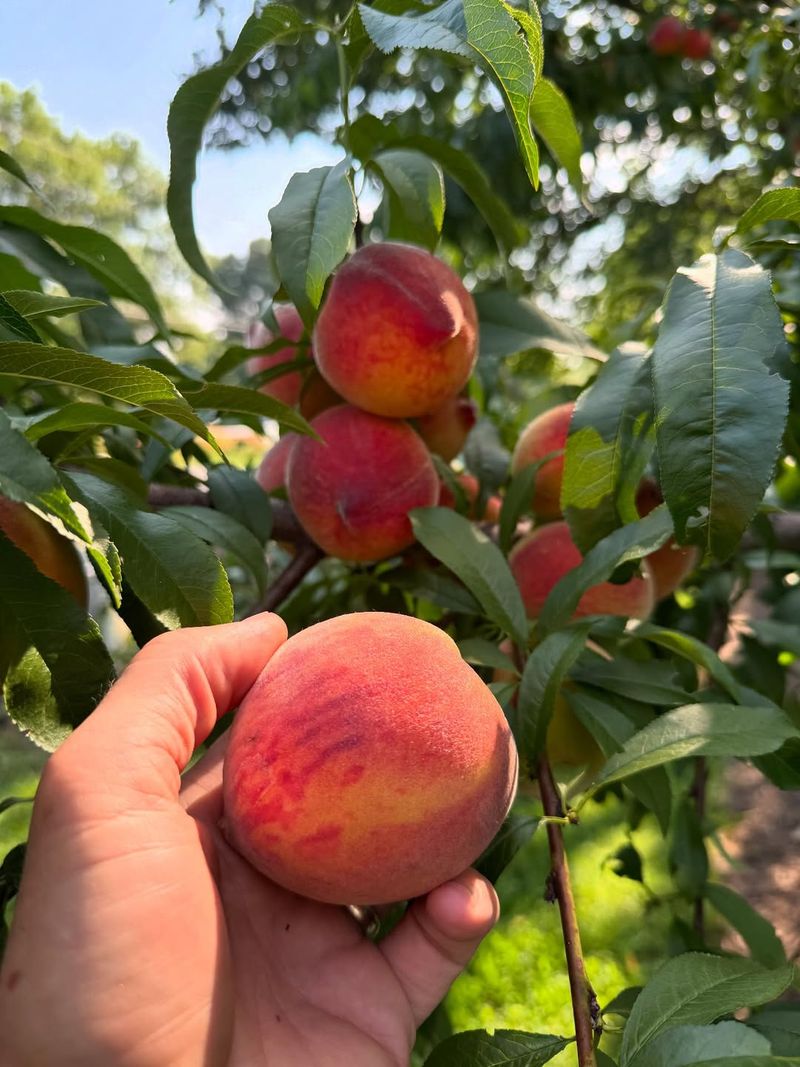
Fruit trees and March pruning go together like peanut butter and jelly, at least here in Georgia. Whether you’re growing peaches, apples, plums, or pears, late winter and very early spring is the ideal window to get in there and shape your trees before they break dormancy and burst into bloom.
The main goal when pruning fruit trees is to open up the center of the canopy so sunlight can reach all parts of the tree. More sunlight means better fruit development and fewer disease problems down the road.
Start by removing any branches that are dead, damaged, or rubbing against each other. Then step back and look at the overall shape, removing branches that are growing inward or downward.
For most backyard fruit trees in Georgia, you want a relatively open, vase-like shape.
Timing is everything here. Prune too early in winter and you risk cold damage to the fresh cuts.
Prune fruit trees before buds begin to swell, but timing can vary across Georgia; monitor each tree carefully to avoid removing early-forming flower buds. The sweet spot in Georgia is typically the last two weeks of February through mid-March, depending on your location.
North Georgia tends to run a bit cooler, so gardeners up there might wait until the second week of March to be safe. Sharp, clean tools are non-negotiable when it comes to fruit trees, as clean cuts heal faster and reduce the risk of disease.
5. Ornamental Grasses And Perennials Can Be Tidied Up
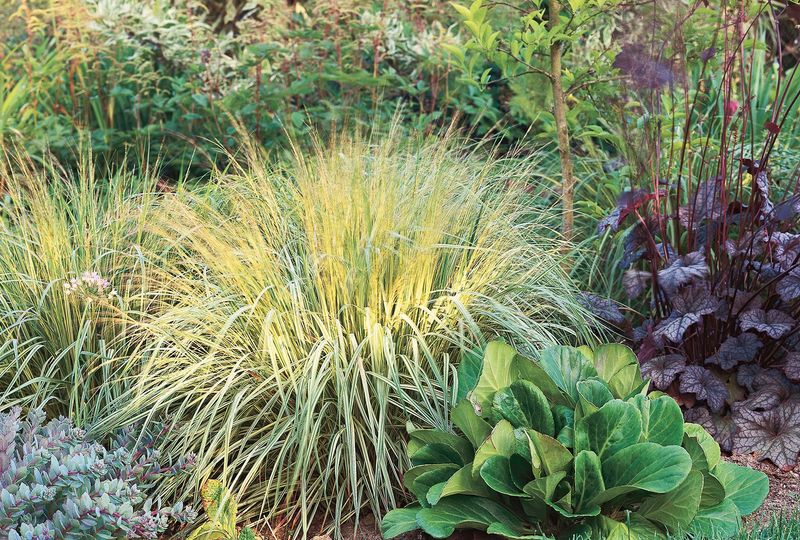
Walk through any Georgia garden in late winter and you’ll likely spot clumps of ornamental grass that look like they’ve seen better days. The tan, dried foliage might seem like it’s doing nothing useful, but it actually provided some important winter interest and shelter for beneficial insects.
By March, though, it’s time to clear all that old growth away and make room for the fresh green blades pushing up from the base.
Most ornamental grasses, including popular choices like Muhly Grass, Switchgrass, and Maiden Grass, should be cut back hard in late winter or very early spring. Use hedge shears or even a string trimmer to cut clumps down to about four to six inches from the ground.
It looks stark at first, but new growth emerges quickly in Georgia’s warming spring temperatures, and within a few weeks the plant looks completely transformed.
Perennials like Salvia, Coneflower, and Black-eyed Susan also benefit from a cleanup trim in early March. Remove dead stems and spent flower heads, but be careful not to cut into the crown where new growth is already emerging.
Cutting back ornamental grasses and perennials at the right time helps maintain healthy growth and supports seasonal flowering without guaranteeing extended bloom. A handful of slow-release fertilizer worked into the soil around the base of your grasses and perennials after pruning can also give them a great head start on the season ahead.
6. Azaleas Bloom On Old Wood And Should Wait
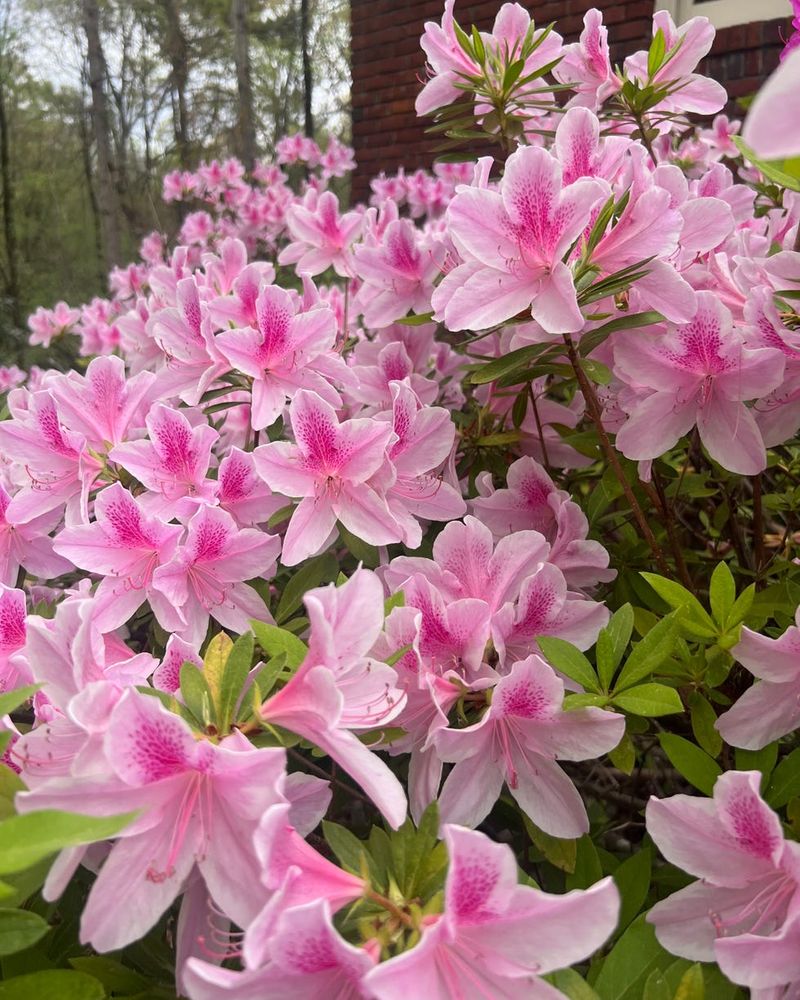
From the famous display at Augusta National during the Masters Tournament to the riot of color they bring to front yards and woodland gardens statewide, these shrubs are a true symbol of Southern spring. But here’s the critical thing every Georgia gardener needs to know: do not prune your azaleas in March.
Azaleas bloom on old wood, which means the flower buds you’ll see opening in April and May were actually set on the plant last summer and fall. By the time March rolls around, those buds are fully formed and sitting right there on the branches, just waiting for warm temperatures to trigger them.
If you prune in March, you’re cutting off those buds and essentially wiping out your entire spring flower show.
The right time to prune azaleas in Georgia is immediately after they finish blooming, which usually falls somewhere between late April and early June depending on the variety and your location in the state. At that point, the plant has a full growing season ahead of it to set new buds for next spring.
A light shaping trim right after bloom is all most healthy azaleas ever need. Resist the urge to shear them into tight balls, as this practice tends to reduce flowering over time and can stress the plant unnecessarily.
7. Camellias Should Be Pruned After Flowering
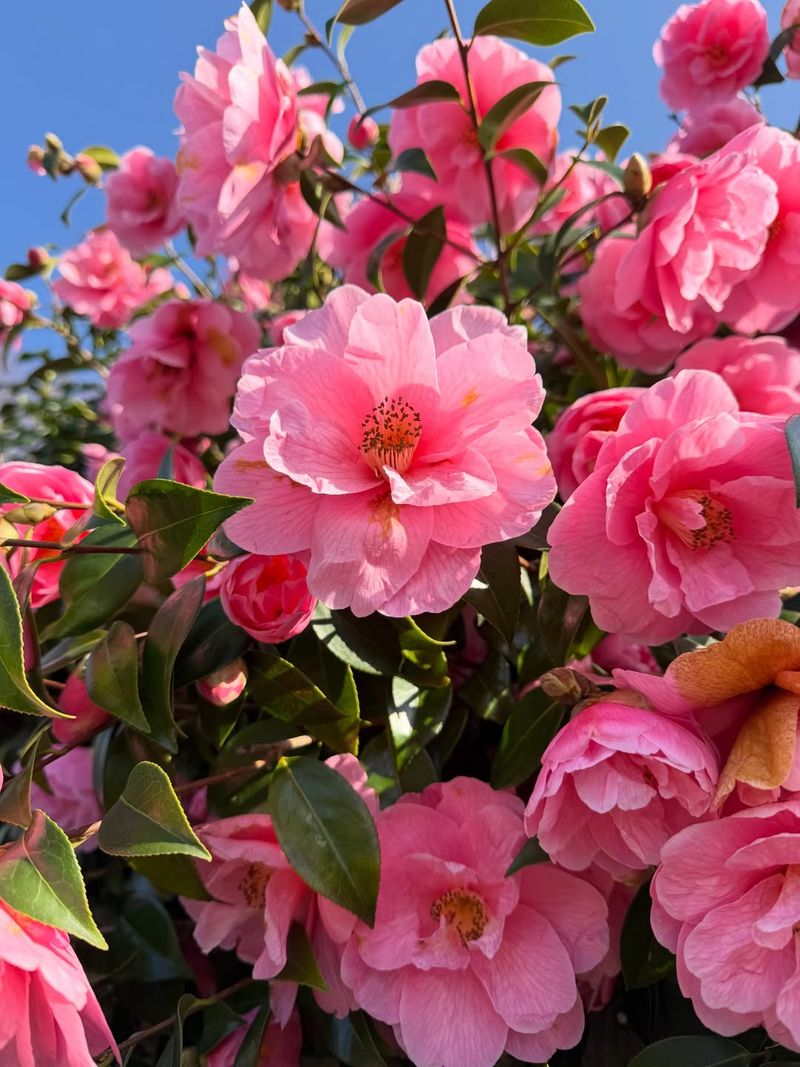
Georgia gardeners have a soft spot for camellias, and it’s easy to see why. These elegant shrubs bloom during the cooler months, often starting in fall and carrying right through winter into early spring, depending on the variety.
That extended bloom season is one of their most charming qualities, but it also means you need to be thoughtful about when you pick up your pruning shears.
Pruning camellias in March is generally a bad idea in Georgia. Many camellia varieties are still actively blooming at this time of year, and cutting into them now means cutting off flowers that haven’t opened yet.
Camellias form buds for the following season over several months, so pruning should be timed carefully after blooming to avoid impacting next season’s flowers. Pruning too late in spring can accidentally remove those developing buds, leaving you with a sparse bloom season the following year.
The best time to prune camellias is right after each individual cultivar finishes its bloom cycle. For fall-blooming varieties, that window might come in late November or December.
For spring bloomers, it could be April or May. A light shaping trim is usually all that’s needed to keep camellias looking tidy and well-proportioned.
If you have an older camellia that has become very large and overgrown, a more significant renovation prune can be done, but timing it correctly after blooming is absolutely essential for protecting next season’s flower display.
8. Bigleaf And Oakleaf Hydrangeas Lose Buds If Cut Now
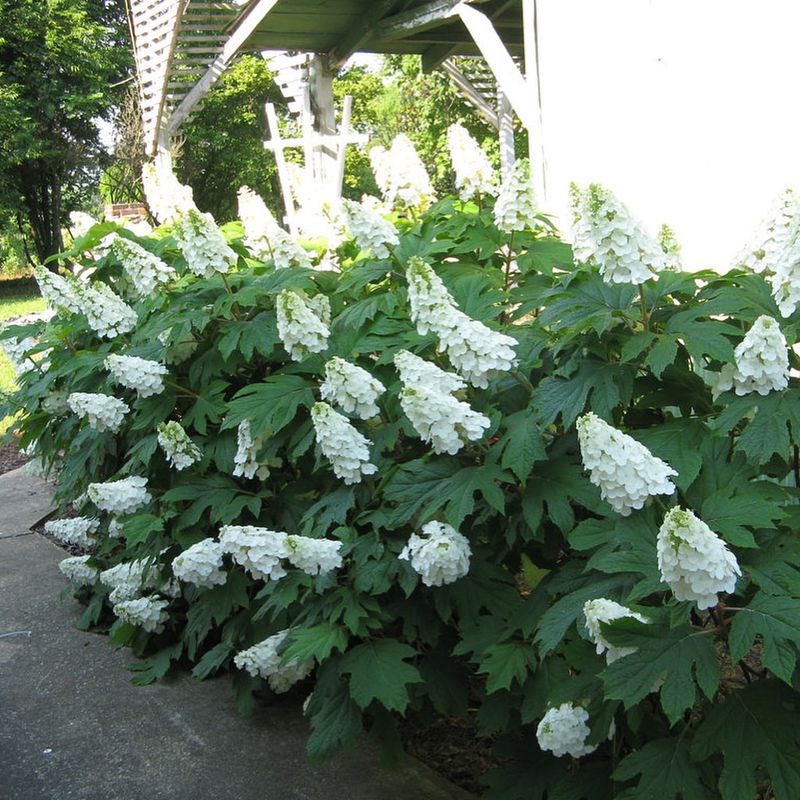
When it comes to pruning, one of the most commonly misunderstood plants is the hydrangea, with Bigleaf and Oakleaf varieties causing the most gardening heartbreak. Every year, well-meaning gardeners in Georgia cut these plants back in early spring and then wonder why they got no flowers.
The answer is simple: both of these hydrangea types bloom on old wood.
Old wood means the flower buds are already sitting on last year’s stems right now in March. Those buds are invisible to the naked eye at this stage, but they’re there.
If you prune Bigleaf or Oakleaf Hydrangeas too early, you may remove some or all flower buds, reducing blooms for the season.. It’s one of the most frustrating gardening mistakes you can make, and it’s completely avoidable.
If your Bigleaf or Oakleaf Hydrangea needs shaping, wait until after it finishes blooming in summer. At that point, you can remove spent flower heads and do any light shaping without affecting next year’s buds.
If winter has damaged some of the stems, you can carefully remove only the truly dead wood in early spring without touching anything that looks alive. Oakleaf Hydrangeas are especially beautiful in Georgia landscapes, offering four-season interest with their large white flowers, peeling bark, and stunning fall foliage.
Protect those old stems and you’ll be rewarded generously.
9. Spring‑Flowering Shrubs Like Forsythia Wait Until After Bloom
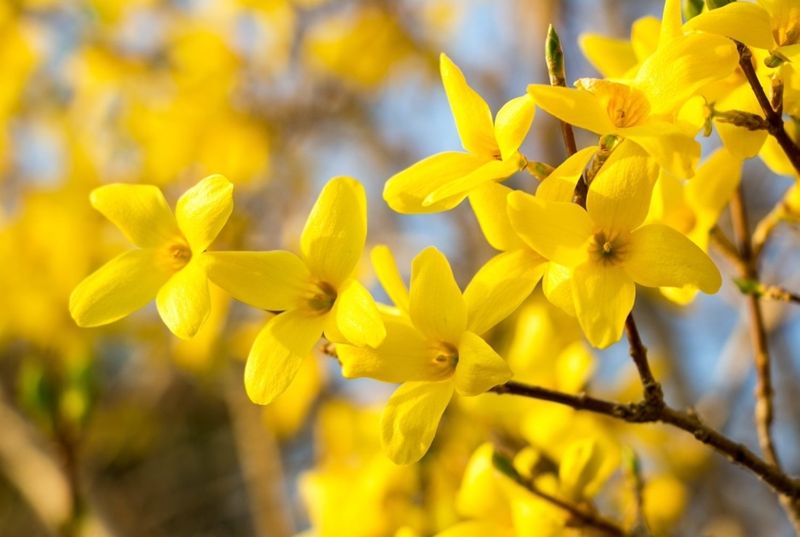
Bright yellow Forsythia blooming in early spring is one of those sights that practically announces winter is over in Georgia. Those cheerful yellow flowers appear before the leaves do, turning the whole shrub into a cascade of sunshine.
And because it blooms so early and so enthusiastically, a lot of gardeners are tempted to tidy it up right around the same time they’re out doing other spring garden chores in March.
Forsythia, however, is another old-wood bloomer that you should leave alone in March. The flower buds on Forsythia are set during the previous growing season, and by early spring those buds are already bursting open into those iconic yellow blooms.
Pruning now would mean cutting off flowers that are either already open or just about to open, which is a real shame given how brief the bloom season actually is.
The correct time to prune Forsythia in Georgia is immediately after it finishes flowering, which typically happens in March or April depending on the year and your location in the state. At that point, you have a generous window to shape the shrub, remove older woody canes to encourage fresh growth, or cut it back significantly if it has become too large for its space.
Forsythia is quite vigorous and responds well to a good post-bloom pruning, often coming back fuller and more floriferous the following spring as a result.