10 Michigan Perennials That Bloom From Spring Through Fall
As March unfolds across Michigan, gardeners are eager to shake off winter and see the first signs of life in their yards.
But while it’s tempting to grab the first flowers you see at the nursery, the secret to a landscape that stays vibrant from May’s first warmth through October’s final chill lies in strategic planning.
Why settle for a garden that fizzles out by July when you can design a seamless transition of color and life?
By layering perennials that bloom in sequence, you create a “pollinator buffet” that keeps your borders buzzing with butterflies, bees, and hummingbirds all season long.
Even with our unpredictable Great Lakes weather, the right plant choices can turn a patchy bed into a resilient, self-sustaining masterpiece.
These local champions offer the reliable color, texture, and nectar needed to keep your backyard thriving from the first spring thaw all the way to the first hard frost.
1. Coneflower Brings Color And Pollinators All Summer
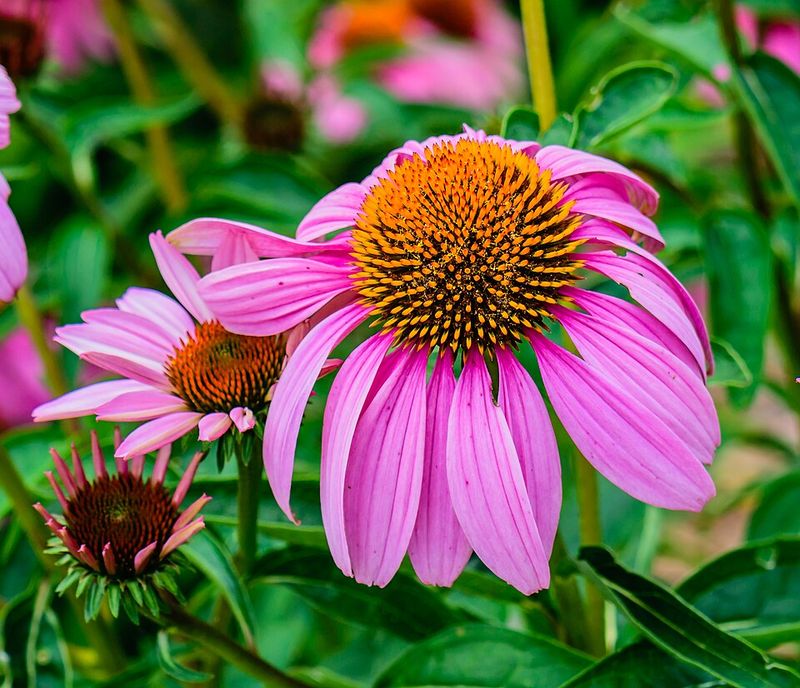
Few plants earn their place in a Michigan garden as reliably as coneflower, a native prairie perennial that thrives even in the state’s variable summer weather.
Blooming from late June through September, coneflowers produce bold, daisy-like flowers in shades of purple, pink, white, and orange that stand tall without staking.
Their sturdy stems handle Michigan’s summer storms with ease.
Full sun is ideal, though coneflowers tolerate light afternoon shade in hotter inland areas. They prefer well-drained soil and, once established, handle dry spells without much fuss.
Overwatering in heavy clay soils is one of the most common mistakes Michigan gardeners make with this plant.
Pollinators absolutely love coneflowers. Bumblebees, monarch butterflies, and goldfinches visit regularly, making them one of the best plants for supporting local wildlife.
Deadheading spent blooms encourages more flowers, but leaving some seed heads intact in fall provides food for birds through winter.
Pairing coneflowers with black-eyed Susans or bee balm creates a layered, cottage-garden effect that looks effortless. Plant them in groups of three or five for the strongest visual impact.
Established clumps benefit from division every three to four years to keep blooming vigorous.
2. Black-Eyed Susan Shines From June Through October
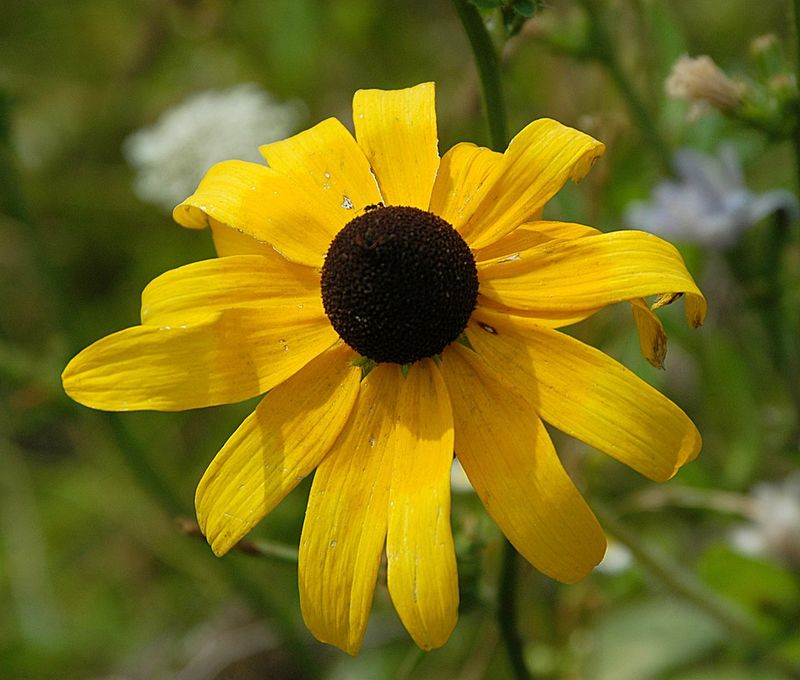
Walk through almost any Michigan roadside meadow in July and you will spot the cheerful golden blooms of black-eyed Susan lighting up the landscape.
This native wildflower translates beautifully into cultivated garden settings, blooming reliably from June through October with very little intervention needed from the gardener.
Black-eyed Susans thrive in full sun and adapt to a wide range of Michigan soils, including sandy loam and clay-heavy ground. They prefer moderate moisture but show impressive drought tolerance once their roots are established after the first season.
Soggy, poorly drained spots are the one condition they genuinely dislike.
Because they bloom so long and reseed freely, black-eyed Susans help fill gaps left by earlier-blooming perennials. Deadheading regularly through midsummer keeps the display tidy and encourages fresh buds.
Your Michigan Garden Changes Every Week. Your Plan Should Too.
Gardening in Michigan changes quickly throughout the season. Every Friday you’ll receive a simple weekly plan showing exactly what to plant, prune, fertilize, harvest, and protect so you never miss the right timing.
Letting some seed heads remain in fall supports native sparrows and finches searching for food before migration.
Combining black-eyed Susans with purple coneflowers and ornamental grasses creates a classic Michigan prairie-inspired planting that looks natural and requires minimal maintenance.
The warm yellow tones also complement the deep purples of New England asters beautifully when both are in bloom together in September.
3. Bee Balm Buzzes With Butterflies And Hummingbirds
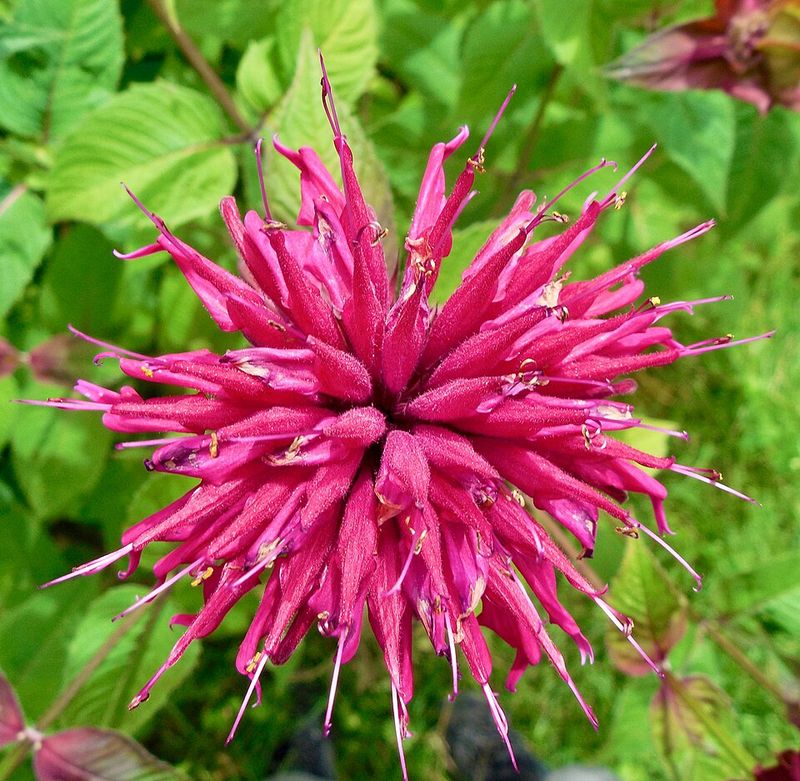
There is something genuinely exciting about watching a ruby-throated hummingbird hover over a patch of bee balm on a warm Michigan July morning.
The tubular, spidery flowers are practically designed for hummingbirds, and they attract tiger swallowtails and bumblebees in equal measure throughout the bloom period from June into August.
Bee balm grows best in full sun to partial shade and appreciates consistently moist, fertile soil. Michigan gardeners with heavier clay soils will find bee balm performs especially well, as it tolerates moisture better than many other perennials.
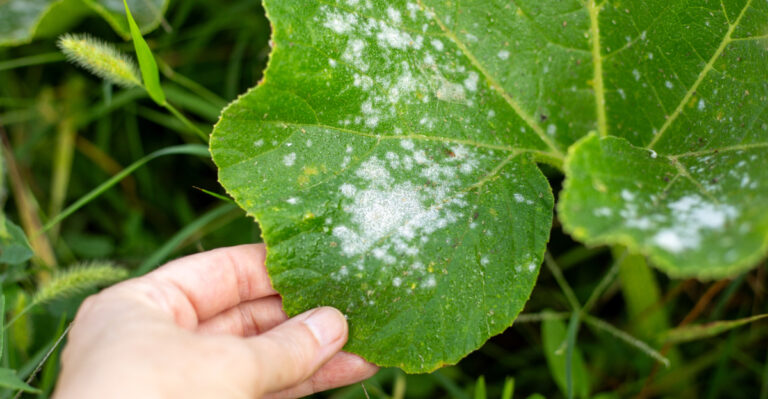
Good air circulation around plants helps reduce powdery mildew, which can be a challenge during humid Michigan summers.
Choosing mildew-resistant varieties such as ‘Jacob Cline’ or ‘Raspberry Wine’ makes maintenance much easier.
Cutting plants back by about one-third after the first flush of bloom often encourages a second round of flowers in late summer.
The aromatic foliage also deters deer, which is a bonus for Michigan gardeners in suburban and rural areas.
Plant bee balm near a seating area so you can enjoy the pollinator activity up close. It spreads steadily over time, so dividing clumps every two to three years keeps it contained and flowering at its best throughout the season.
4. Blazing Star Adds Vertical Drama And Nectar For Pollinators
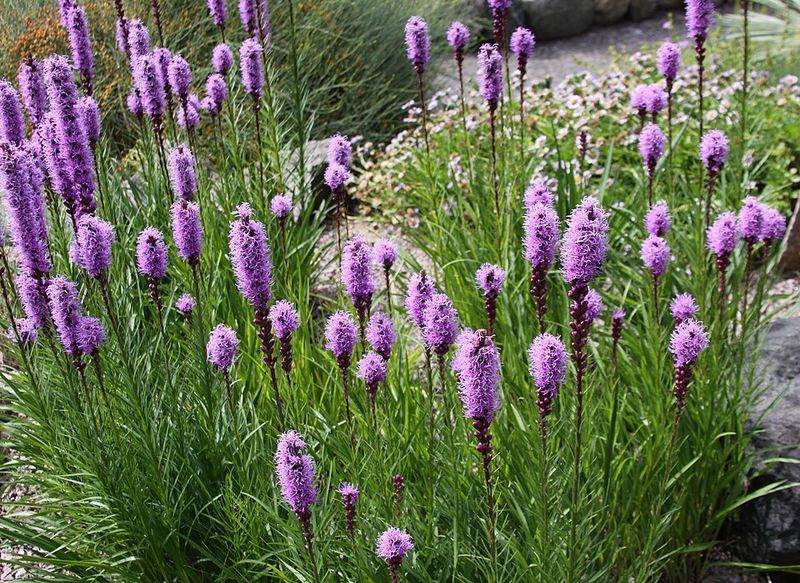
Vertical interest is something many Michigan garden borders are missing, and blazing star fills that gap with striking, feathery purple spikes that rise two to four feet tall from midsummer into early fall.
Unlike most flowering spikes, blazing star blooms from the top down, which creates a uniquely dynamic look as the season progresses.
Native to Michigan’s prairies and open meadows, blazing star is exceptionally well adapted to the state’s climate. It thrives in full sun and prefers well-drained, even somewhat sandy or gravelly soil.
Heavy clay that stays wet in spring can cause the corms to rot, so raised beds or amended borders work best in those situations.
Monarch butterflies, which pass through Michigan during their late summer migration, are strongly attracted to blazing star blooms.
Planting a generous drift of it alongside goldenrod and coneflower creates a powerful pollinator corridor during August and September.
The combination supports migrating monarchs at a critical point in their journey.
Blazing star requires almost no deadheading and looks attractive even after blooming, when its seed heads attract goldfinches.
Watering during establishment is important, but mature plants handle dry Michigan summers without much supplemental irrigation.
Clumps can remain undisturbed for many years before needing division.
5. New England Aster Extends The Season For Fall Pollinators
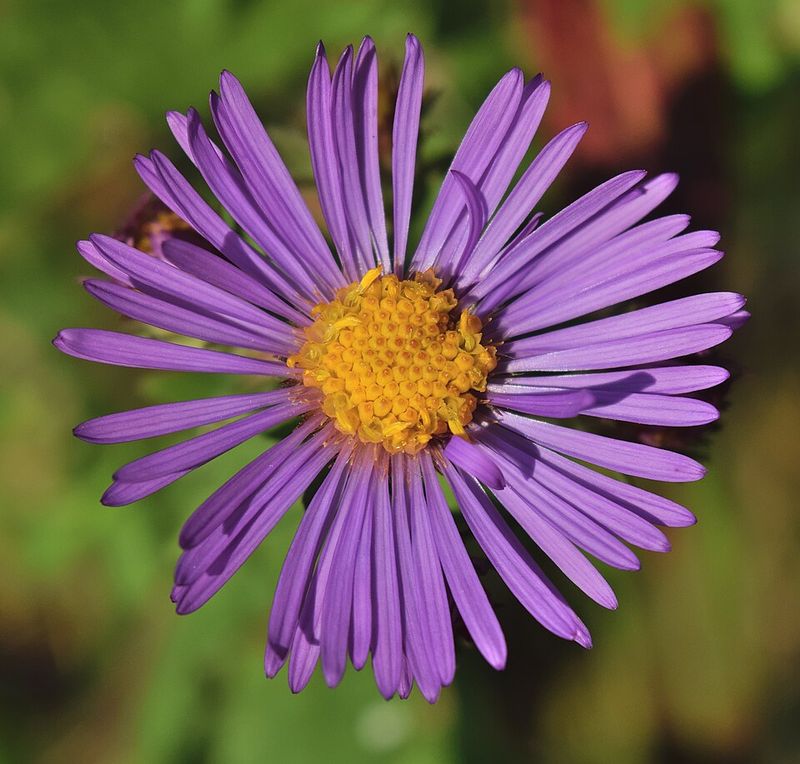
When most Michigan gardens are winding down in September, New England aster is just hitting its stride, producing masses of violet-purple, pink, or white daisy-like flowers that cover the plant from top to bottom.
For pollinators preparing for winter or migration, this late-season bloom is genuinely valuable and hard to replace.
Native to Michigan and much of the eastern United States, New England aster grows vigorously in full sun to light shade. It adapts to a range of soils but performs best in moderately moist, well-drained ground.
Plants can reach three to six feet tall, so pinching stems back by half in early June helps create a more compact, bushy plant that is less likely to flop over by fall.
Monarch butterflies depend heavily on late-blooming native plants like New England aster to fuel their migration south, and bumblebee queens use it to build reserves before winter.
Planting it alongside goldenrod and sedum creates an outstanding fall pollinator garden that serves wildlife at a critical time of year.
For Michigan gardeners, varieties like ‘Purple Dome’ and ‘Alma Potschke’ offer more compact growth habits that suit smaller borders.
These selections bloom heavily from September into October, well past the first light frosts, making them one of the most reliable season-extending perennials available in the state.
6. Sedum Keeps Butterflies Visiting In Late Summer
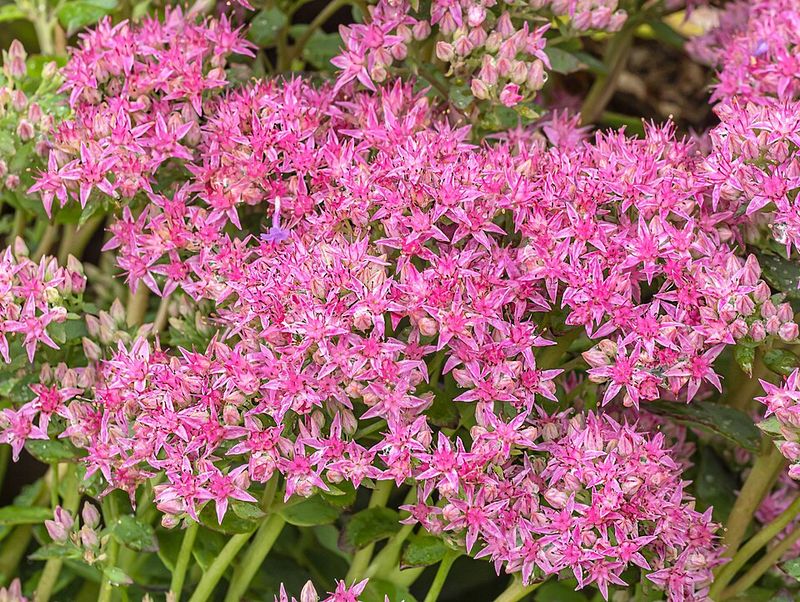
By the time late August rolls around in Michigan, many spring and early summer perennials have finished their show, and the garden can start to feel tired.
Sedum, particularly the classic ‘Autumn Joy’ variety, steps in at exactly the right moment with flat-topped clusters of rosy-pink flowers that deepen to copper-red as fall approaches.
Sedum is one of the most forgiving perennials for Michigan gardeners. It thrives in full sun and well-drained soil, handles drought with ease, and actually performs better in leaner soils than in overly rich, moist conditions.
Planting it in heavy clay without amending drainage is one of the few situations where it struggles.
Painted lady butterflies, skippers, and honeybees swarm sedum blooms from late August through October, making it one of the most valuable late-season pollinator plants available.
The flower clusters remain attractive even after they fade, turning a warm russet-brown that adds textural interest to the winter garden.
Pairing sedum with ornamental grasses and New England asters creates a rich late-season palette of pinks, purples, and bronzes that carries the Michigan garden beautifully into October.
Cutting plants back to the ground in early spring keeps them tidy and encourages full, compact new growth each season.
7. Coreopsis Offers Long-Lasting Yellow Blooms
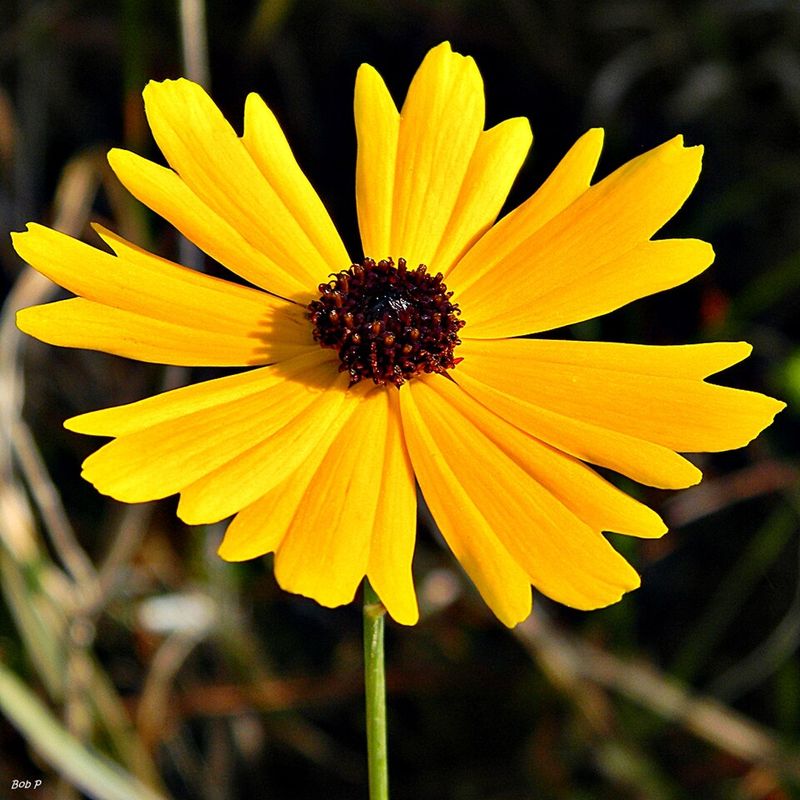
Cheerful and almost unstoppable, coreopsis is one of those perennials that seems to bloom regardless of what Michigan’s summer throws at it.
From early June through September, and sometimes beyond, the bright yellow daisy-like flowers keep coming in waves, especially when spent blooms are removed regularly throughout the season.
Coreopsis thrives in full sun and prefers well-drained, somewhat sandy or loamy soil. It is notably drought-tolerant once established, which makes it a smart choice for Michigan gardens with sandy soils in the western Lower Peninsula.
Overly rich or consistently wet soil encourages lush foliage at the expense of flowers, so lean conditions actually suit it well.
The threadleaf varieties, such as ‘Moonbeam’ and ‘Zagreb,’ are particularly well suited to Michigan’s climate because of their refined texture and strong cold hardiness.
Their fine, feathery foliage creates a delicate contrast against bolder plants like coneflower and bee balm, adding visual depth to mixed borders.
Bees and small butterflies visit coreopsis blooms regularly throughout summer, adding quiet but consistent pollinator activity to the garden.
Cutting plants back by about one-third in midsummer after the first heavy flush of bloom often triggers a fresh wave of flowering that carries the display all the way into early fall.
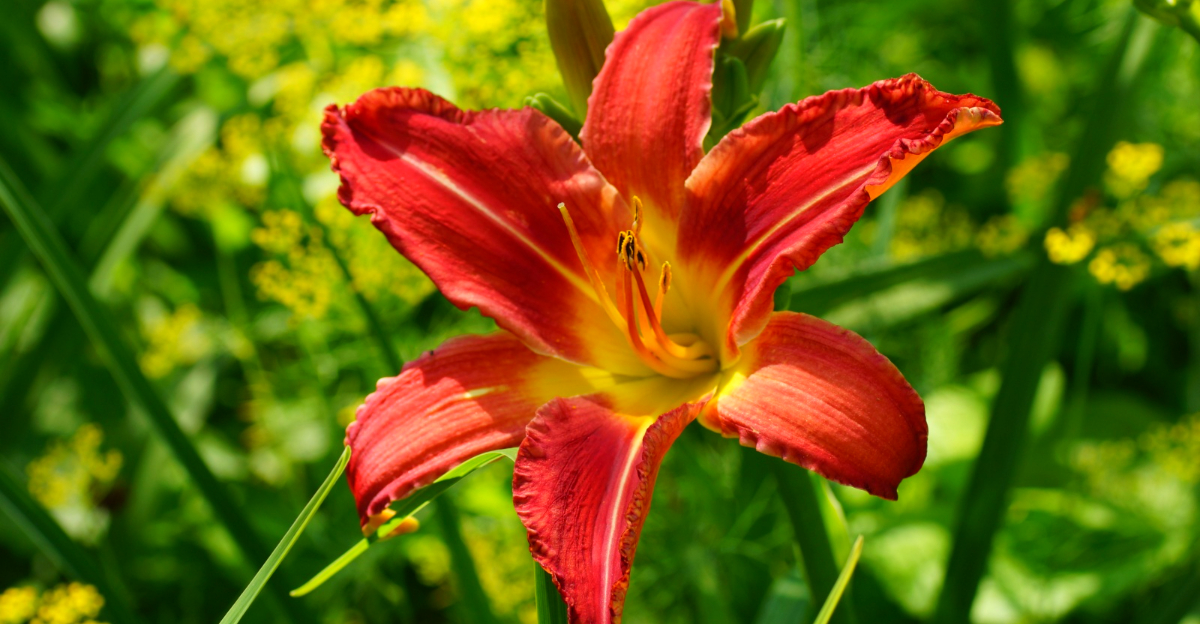
8. Daylily Delivers Color From Early To Late Summer
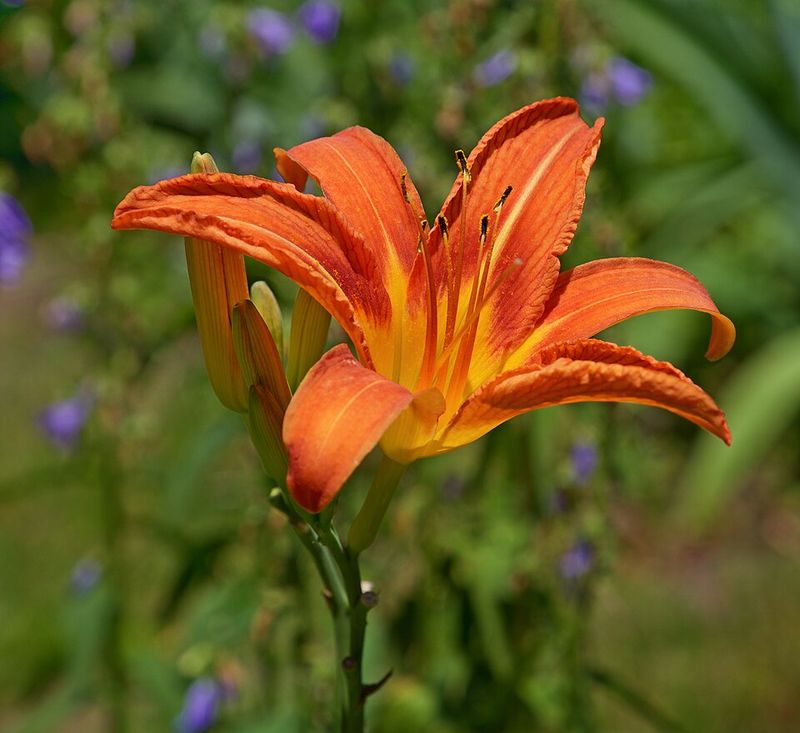
With thousands of cultivars available, choosing daylilies for a Michigan garden is part science and part personal expression.
Early varieties begin blooming in late May, mid-season types peak through July, and late-blooming selections carry color into August, meaning a well-planned daylily collection can provide continuous color across nearly three full months of Michigan summer.
Daylilies are remarkably adaptable to Michigan’s varied soils and climates, growing well in everything from sandy Upper Peninsula soils to the heavier clay of metro Detroit suburbs.
Full sun produces the most flowers, though plants tolerate partial shade and still bloom reasonably well.
They prefer moderate moisture but handle short dry spells once established.
Reblooming varieties such as ‘Stella de Oro’ and ‘Happy Returns’ are especially valuable because they flower in waves from June through September rather than in a single concentrated burst.
Deadheading spent flower scapes encourages fresh buds on reblooming types and keeps the planting looking tidy throughout the season.
Daylilies combine beautifully with coneflowers, black-eyed Susans, and ornamental grasses to create a layered summer border. Dividing clumps every three to four years keeps them blooming vigorously.
New divisions establish quickly and often bloom well in their very first season, making daylilies one of Michigan’s most rewarding perennials to share with neighbors.
9. Phlox Fills Borders With Fragrance And Flowers
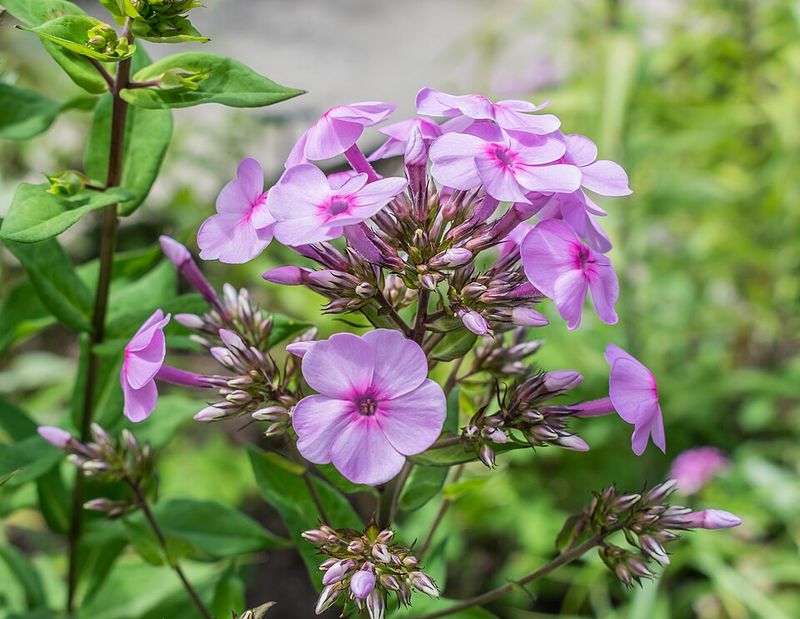
The sweet fragrance of garden phlox drifting across a Michigan yard on a warm July evening is one of those sensory experiences that makes summer feel complete.
Tall garden phlox (Phlox paniculata) produces large, rounded clusters of flowers in shades of pink, red, white, lavender, and bicolors from July through September, filling the middle and back of borders with reliable color.
Full sun and consistently moist, fertile, well-drained soil bring out the best in garden phlox. Michigan gardeners with clay soils should amend with compost before planting to improve both drainage and nutrient availability.
Good air circulation is essential for reducing powdery mildew, which affects many older phlox varieties during Michigan’s humid summer months.
Selecting mildew-resistant cultivars such as ‘David,’ ‘Laura,’ or the newer ‘Jeana’ makes maintenance far more manageable. Thinning stems to five or seven per clump in spring improves airflow and encourages larger flower clusters.
Deadheading spent trusses promptly can trigger a second flush of bloom in late summer.
Butterflies, especially swallowtails, and hummingbird moths are frequent visitors to phlox blooms throughout summer.
Planting phlox behind coreopsis or daylilies creates a layered border with continuous bloom from June through September.
Dividing clumps every two to three years keeps plants vigorous and flowering at their fullest potential in Michigan gardens.
10. Yarrow Provides Tough, Colorful Blooms For Hot Summers
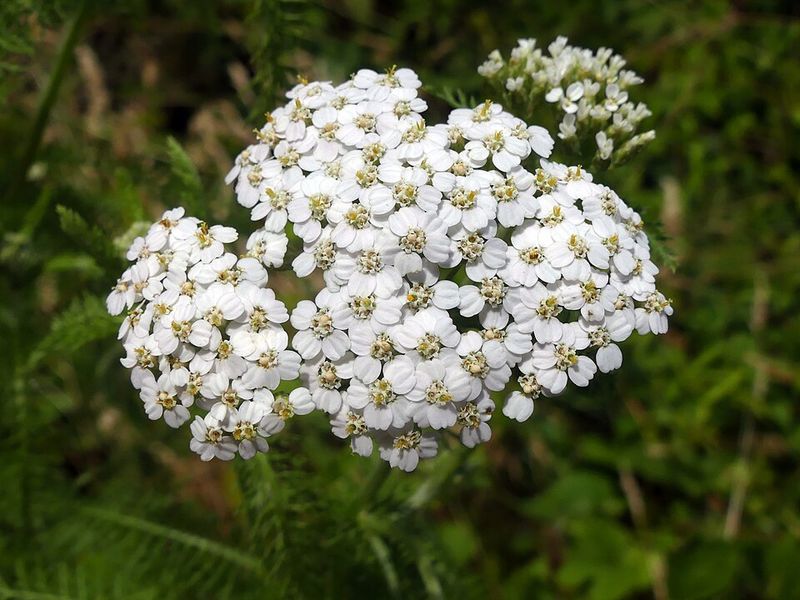
Hot, dry Michigan summers that stress out other perennials are exactly when yarrow hits its stride.
This incredibly tough plant produces flat-topped clusters of flowers in yellow, gold, red, pink, and white from June through September, with very little care required beyond an occasional trim to keep it looking its best.
Yarrow thrives in full sun and well-drained to dry soil, making it one of the best choices for Michigan gardens with sandy or gravelly ground. Rich, moist soil encourages floppy growth and reduces flowering, so resist the urge to fertilize or overwater.
Once established, yarrow handles Michigan’s summer heat and drought without complaint.
The flat flower clusters are landing pads for a wide variety of beneficial insects, including native bees, hoverflies, and parasitic wasps that help control garden pests.
Pollinators visit yarrow blooms steadily throughout summer, making it a functional as well as decorative garden plant.
Cutting spent flower clusters back to the nearest lateral bud encourages a fresh round of blooms.
Yarrow pairs beautifully with ornamental grasses, coneflowers, and blazing star in naturalistic plantings. The feathery, silver-green foliage remains attractive even between bloom cycles, adding texture to the border throughout the growing season.
For Michigan gardeners seeking a low-maintenance, high-reward perennial, yarrow consistently delivers season after season without demanding much attention.