6 Louisiana Plants Perfect For March Pruning And 4 To Leave Alone
The air is warming, humidity is creeping back, and plants are waking up after their winter nap.
It’s the moment when your garden starts stretching, budding, and bursting back to life. But here’s the catch: what you prune now, and what you don’t, can shape how your garden looks for the rest of the year.
Louisiana’s Gulf Coast climate makes timing everything. Prune the right plants now and you’ll encourage lush growth and bigger blooms.
Think of pruning in spring as giving your garden a fresh haircut. Trimming away the old, letting the new shine through, and shaping your plants for their best season yet.
Each snip is a little nudge toward stronger stems and brighter blooms.
Prune the wrong ones, though, and you could delay flowers or set your plants back for months.
1. Crape Myrtle
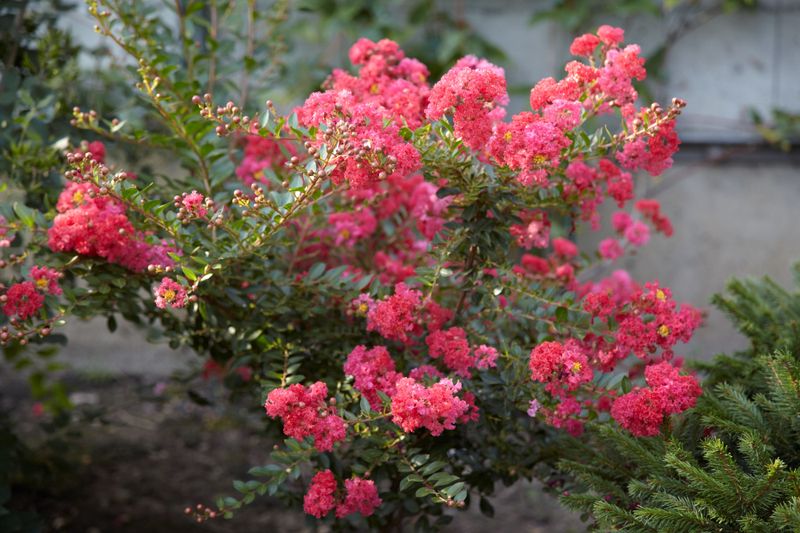
Crape myrtles are practically the mascot of Louisiana landscapes, and March is your golden window to prune them the right way.
These trees bloom on new wood, which means cutting them back before the growing season kicks off gives you more flowers come summer.
The right approach is to remove only dead wood, crossing branches, and any growth that looks weak or spindly. You want to open up the canopy so air and sunlight can move through freely.
In Louisiana’s humid climate, good airflow helps prevent fungal problems that love to sneak in during hot, sticky months.
Avoid cutting the main trunks down to ugly stubs, which ruins the tree’s natural shape and stresses it out. Instead, make clean cuts just above a healthy bud or branch junction.
A sharp pair of loppers and a little patience go a long way. Louisiana gardeners who prune crape myrtles correctly in March are rewarded with full, lush blooms from June all the way through September.
These trees are tough, beautiful, and perfectly suited to the southern heat.
Get the pruning right once, and they will reward you season after season.
2. Roses
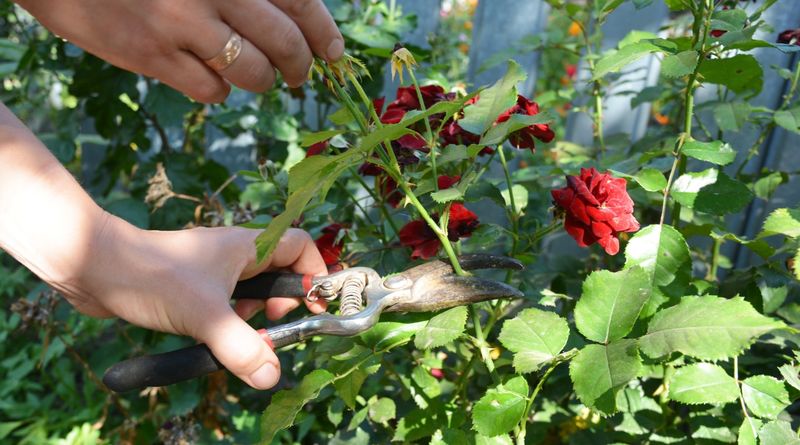
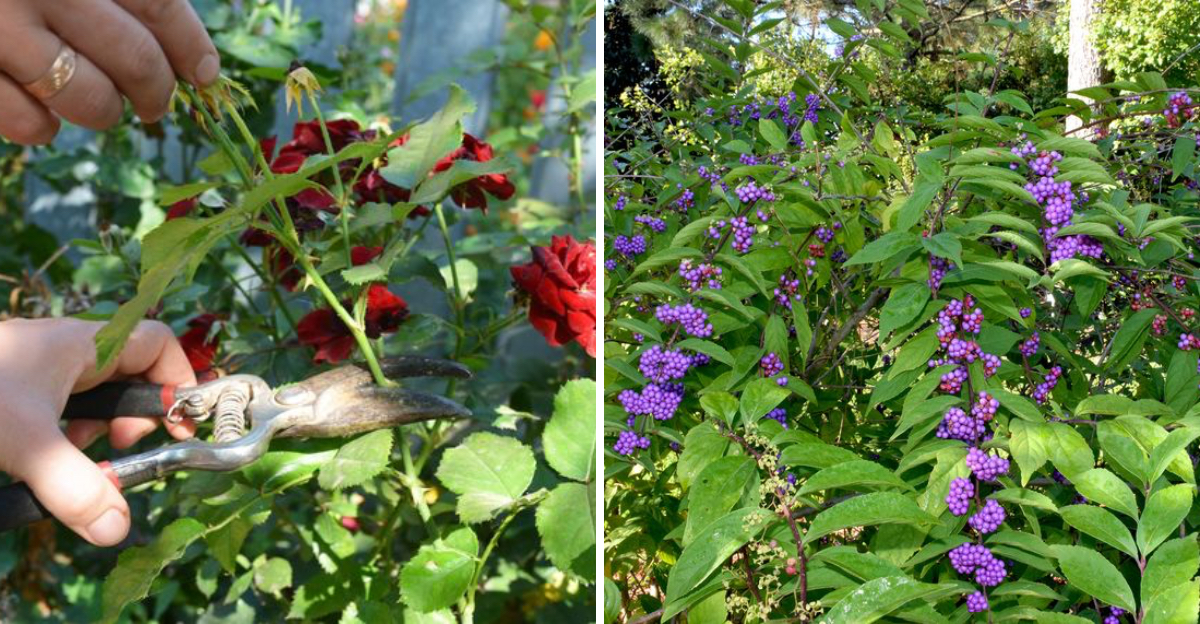
Nothing beats the smell of fresh roses blooming in a Louisiana spring, and March is exactly when you should grab your pruners and get to work. Roses pruned at the right time push out strong, healthy new canes that produce bigger, more vibrant blooms.
Wait too long, and the plant wastes energy on weak old wood.
Start by cutting out any canes that look dark, shriveled, or damaged from winter.Healthy canes will be green or cream-colored on the inside when you make a cut.
Aim to leave about five strong canes per plant and remove everything else at the base.
Cut each remaining cane at a 45-degree angle, about a quarter inch above an outward-facing bud. This small detail encourages the plant to grow outward instead of crowding itself in the center.
Better airflow means fewer fungal problems, which is a real concern in Louisiana’s warm, wet climate.
After pruning, clean up all the fallen leaves and clippings from the ground around your roses. Old debris can harbor pests and disease that will come back to haunt you.
Your Louisiana Garden Changes Every Week. Your Plan Should Too.
Gardening in Louisiana changes quickly throughout the season. Every Friday you’ll receive a simple weekly plan showing exactly what to plant, prune, fertilize, harvest, and protect so you never miss the right timing.
Feed your roses with a balanced fertilizer after pruning, and watch them absolutely take off through April and May.
3. Butterfly Bush
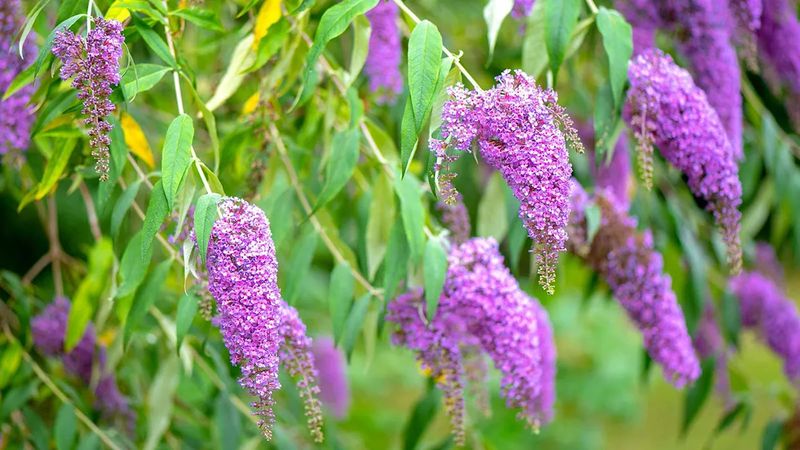
Butterfly bushes are one of those plants that actually thrive when you cut them back hard, and March is the perfect time to do it in Louisiana. These shrubs bloom on new growth, so the harder you prune, the more spectacular the flower show later on.
Left unpruned, they get leggy, woody, and produce far fewer blooms.
Cut the entire plant back to about 12 inches from the ground.It sounds drastic, but trust the process because butterfly bushes bounce back fast once Louisiana’s warm spring temperatures arrive.
Within a few weeks, you will see fresh green shoots pushing up from the base.
Louisiana’s long, warm growing season is a huge advantage for butterfly bushes. They will easily reach four to six feet tall by midsummer if pruned correctly in March.
More growth means more flower spikes, and more flower spikes means more butterflies visiting your yard all season long.
After pruning, add a layer of compost around the base to give the plant a nutrient boost. Butterfly bushes are not heavy feeders, but a little organic matter helps them establish quickly.
This is one of the most satisfying pruning jobs in the Louisiana garden because the results are fast, dramatic, and absolutely beautiful.
4. Beautyberry
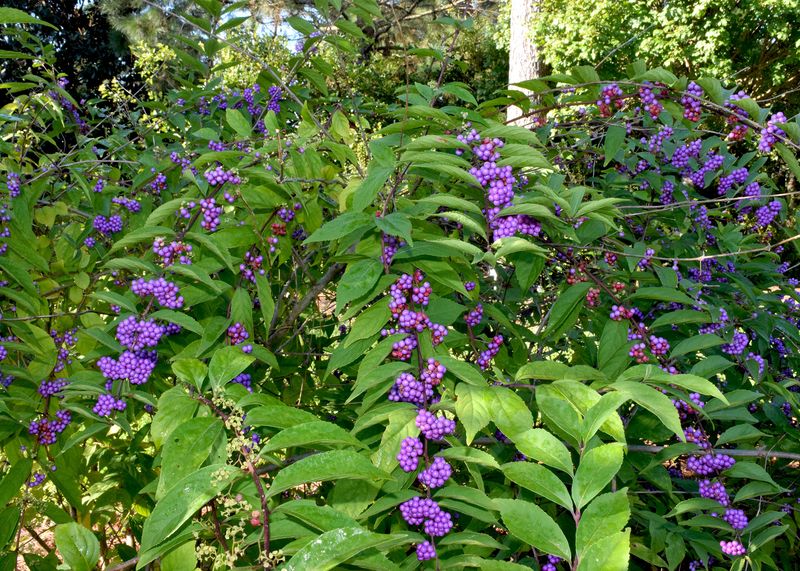
American beautyberry is a Louisiana native that puts on one of the most jaw-dropping shows in the fall garden, with clusters of vivid purple berries lining every branch.
But here is the thing most gardeners miss: you have to prune it hard in late winter or early March to get that spectacular display. Skip the pruning and you end up with a sprawling, messy shrub that produces far fewer berries.
Cut beautyberry back to about 12 to 24 inches from the ground while it is still dormant. New shoots will emerge quickly once March warmth kicks in across Louisiana.
Those new shoots are exactly where the berries will form later in the season.
Beautyberry is wonderfully low-maintenance once it gets going. It handles Louisiana’s summer heat and humidity without complaint, and it is relatively drought-tolerant once established.
Wildlife absolutely love the berries, so you are doing the local ecosystem a favor every time you plant one.
Pruning also keeps the plant at a manageable size, which matters in smaller Louisiana yards. Without regular cutting, beautyberry can spread quite wide and take over a garden bed.
A little effort in March pays off big time when those purple berry clusters show up in September and October.
5. Sago Palm

Sago palms are everywhere in Louisiana landscapes, bringing that lush, tropical feel that matches the state’s warm personality perfectly. March is a great time to tidy them up by removing any yellow, brown, or damaged fronds that built up over winter.
Clean fronds not only look better but also help the plant put its energy into fresh new growth.
Always remove fronds by cutting close to the trunk, but never cut green fronds unless they are damaged. Removing healthy green fronds stresses the plant and can slow its growth significantly.
A clean cut with a sharp blade is much better than tearing, which can leave the trunk vulnerable to pests.
One thing to watch for in Louisiana is the Asian cycad scale, a tiny pest that looks like white powdery coating on the fronds. March pruning gives you a chance to inspect the plant closely and catch any infestations early.
Treating scale early with horticultural oil spray is far easier than dealing with a heavy infestation later.
Sago palms are slow growers, but they are incredibly long-lived and rewarding. With proper March care, yours will stay looking sharp and healthy through Louisiana’s blazing summer months.
They add a timeless, classic look to any Louisiana yard or entryway.
6. Ornamental Grasses
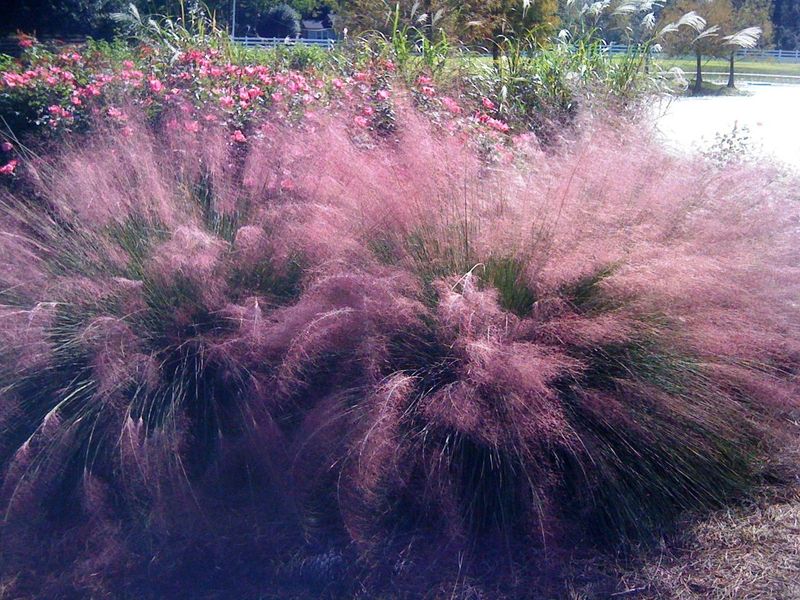
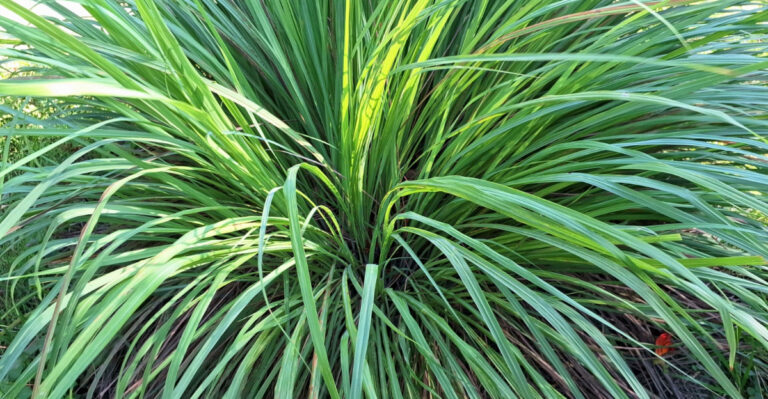
Ornamental grasses are one of the most underrated plants in Louisiana gardens, adding movement, texture, and year-round interest. By late winter, most of them look tired and brown, which is your cue to cut them back before new growth starts.
March is the ideal time because the new shoots are just beginning to push up from the base.
Use a sharp pair of hedge shears or even an electric trimmer to cut clumps back to about four to six inches from the ground. Tie the grass into a bundle before cutting to make cleanup much faster and easier.
The whole job takes just a few minutes per plant, but the results are completely worth it.
In Louisiana, ornamental grasses like muhly grass, gulf muhly, and miscanthus all respond beautifully to a hard March cutback. They grow back quickly in the warm spring temperatures and can reach their full height by early summer.
That fresh, green regrowth looks incredible compared to the ragged, winter-worn clumps left behind.
Grasses also add great habitat value for Louisiana wildlife, providing nesting material and shelter for birds and small critters. After pruning, spread a thin layer of compost around the base to encourage strong regrowth.
Few garden tasks are this quick and deliver such a visible transformation.
7. Azaleas
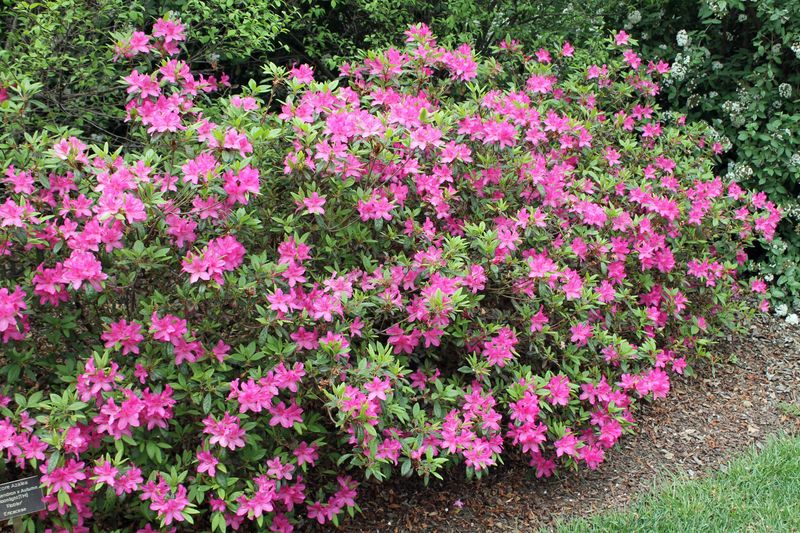
Azaleas are the crown jewel of Louisiana spring gardens, and come March, they are either already blooming or just about to burst open. This is exactly why you should keep your pruning shears away from them right now.
Cutting azaleas in March means cutting off the very flower buds that have been forming since last fall.
Azaleas set their buds on old wood, meaning the growth from last year is what produces this year’s flowers. Prune them now and you will lose the entire spring bloom, which would be a heartbreaking waste in Louisiana’s beautiful garden season.
The right time to prune azaleas is right after they finish blooming, typically in late April or early May.
Louisiana’s mild winters mean azaleas often start blooming earlier here than in other states. Some varieties along the Gulf Coast are already showing color by late February.
Giving them space to do their thing in March is the best gift you can offer these gorgeous shrubs.
If you notice dead branches or freeze damage, it is okay to remove just those specific problem areas carefully. But hold off on any shaping or size reduction until the blooms have fully faded.
Patience in March means a jaw-dropping flower display that your whole neighborhood will admire.
8. Camellias
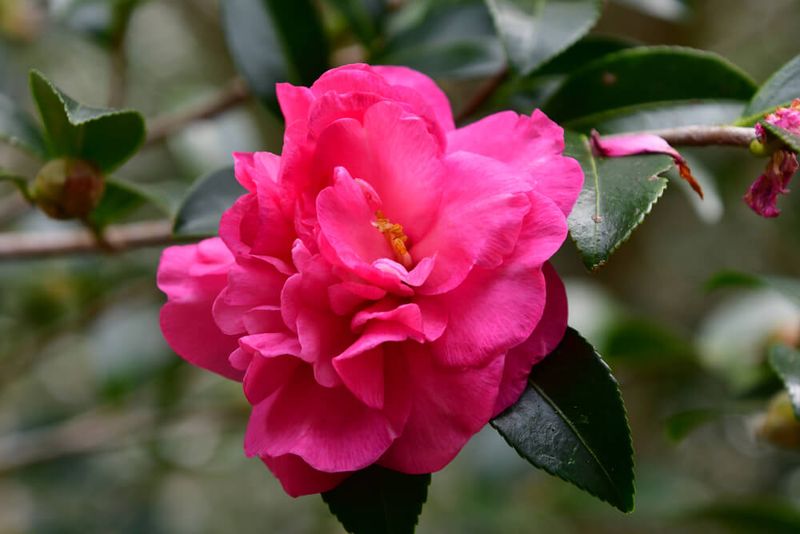
Camellias are a beloved staple of Louisiana gardens, and their blooms are one of the most treasured sights of late winter and early spring.
March is actually still prime blooming season for many camellia varieties across Louisiana, which is precisely why pruning now would be a big mistake. Those blooms you are enjoying took an entire year to develop.
Like azaleas, camellias bloom on old wood, meaning this year’s flowers are growing on branches that formed last season. Anything you cut off in March is a bloom you will never see this year.
The correct pruning window for camellias is right after the last flower drops, usually in late spring.
Louisiana’s climate is ideal for camellias, especially in the southern and central parts of the state. They love the mild winters, the acidic soil, and the partial shade provided by large live oak trees.
A well-established camellia in Louisiana can grow into a stunning, multi-trunk specimen that becomes a true garden centerpiece.
If a branch is clearly broken or completely bare, go ahead and remove it carefully. But resist the urge to reshape or reduce the plant until blooming is fully finished.
Waiting a few more weeks protects the gorgeous floral show that makes Louisiana gardens so special in early spring.
9. Wisteria
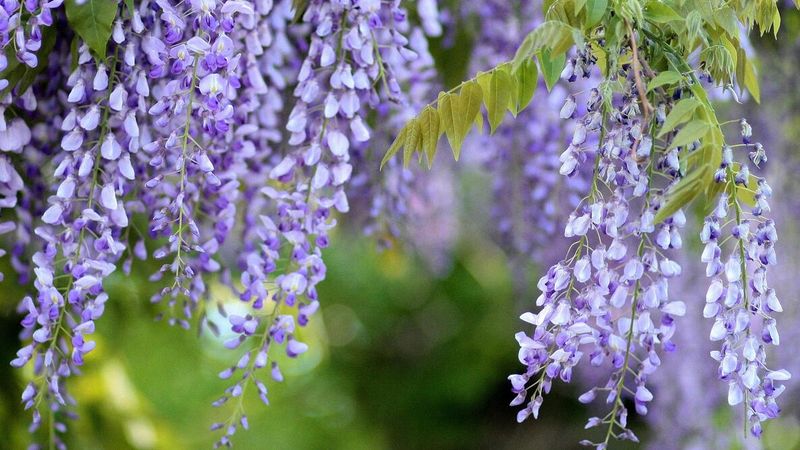
Few plants are as breathtaking as wisteria in full bloom, and Louisiana gardeners know that purple-draped pergola feeling all too well. But pruning wisteria in March, just as it is waking up and setting flower buds, is one of the easiest ways to lose your entire spring bloom.
Wisteria blooms on old wood, and those flower buds have been quietly developing through the cooler months.
The smart pruning schedule for wisteria involves two sessions: a light trim right after it blooms in spring, and a harder cutback in late summer. March is neither of those windows, so hands off for now.
Let the vines do their thing and reward you with that spectacular floral display first.
Louisiana’s warm, humid climate actually makes wisteria grow aggressively, sometimes too aggressively. It can wrap around gutters, fences, and trees with surprising speed if left unchecked.
But the answer to that problem is proper summer pruning, not a March cutback that strips away your blooms.
Enjoy wisteria in March for what it is: one of the most dramatic floral performances in the Louisiana spring garden. Sit back, take in the fragrance, and save your energy for the right pruning time.
Your patience will absolutely be rewarded with a show-stopping bloom every single year.
10. Gardenias

Gardenias and Louisiana go together like beignets and cafe au lait, a classic combination that never gets old. Their intoxicating fragrance and creamy white blooms are one of the most anticipated events of the Louisiana summer garden.
But in March, gardenias are quietly setting the flower buds that will produce all those gorgeous blooms, making it the absolute worst time to prune.
Cutting gardenias in March removes the new growth where buds are forming, which directly reduces how many flowers you will get come June and July. These shrubs bloom on new wood from the current season, but bud development starts earlier than most people realize.
Any pruning done now interferes with that process in a way that cannot be undone.
Gardenias already have a reputation for being a little fussy, especially when it comes to soil pH, watering, and fertilization. Adding poorly timed pruning to the mix just creates more stress for a plant that prefers consistency.
In Louisiana, where the growing season is long and hot, gardenias need every advantage you can give them.
The best time to prune gardenias in Louisiana is right after the main bloom cycle finishes in midsummer. A light shaping at that point encourages bushy growth without sacrificing next year’s flowers.
For now, step back and let those buds develop into the fragrant masterpiece your garden deserves.