What Pennsylvania Gardeners Should Do For Hydrangeas In March For Colorful, Long-Lasting Blooms
March in Pennsylvania can feel like two seasons arguing in the same week. One afternoon the soil is softening and buds look ready to move, then a sudden frost warning sends everyone hunting for covers.
That back-and-forth is normal, but hydrangeas notice it quickly. Hydrangeas react to early spring swings in a few important ways, especially when buds are already set on stems from last year.
A handful of smart March habits can support sturdier growth, reduce stress during cold snaps, and set the plant up for a stronger bloom season.
The biggest win comes from matching each task to the type of hydrangea you grow.
1. Identify Your Hydrangea Type Before Pruning
Grabbing pruners without knowing what kind of hydrangea you have is one of the easiest ways to reduce flowering. Timing matters because some hydrangeas already carry this season’s flower buds on last year’s stems, while others form buds on new growth later.
Hydrangeas fit best into three bloom groups.
Some bloom on new wood (current-season growth), some bloom on old wood (stems that formed last year), and some cultivars bloom on both old and new growth.
Panicle hydrangeas (like ‘Limelight’) and smooth hydrangeas (like ‘Annabelle’) are new-wood bloomers. Bigleaf and oakleaf hydrangeas are typically old-wood bloomers, and some bigleaf cultivars also bloom on new growth.
Mountain hydrangeas are often described as old wood or old and new depending on cultivar.
Check the plant tag, look up the cultivar name, or compare bloom type and leaves before you cut. Getting this right shapes every other March decision.
2. Prune Panicle Hydrangeas In March For Shape And Strong Stems
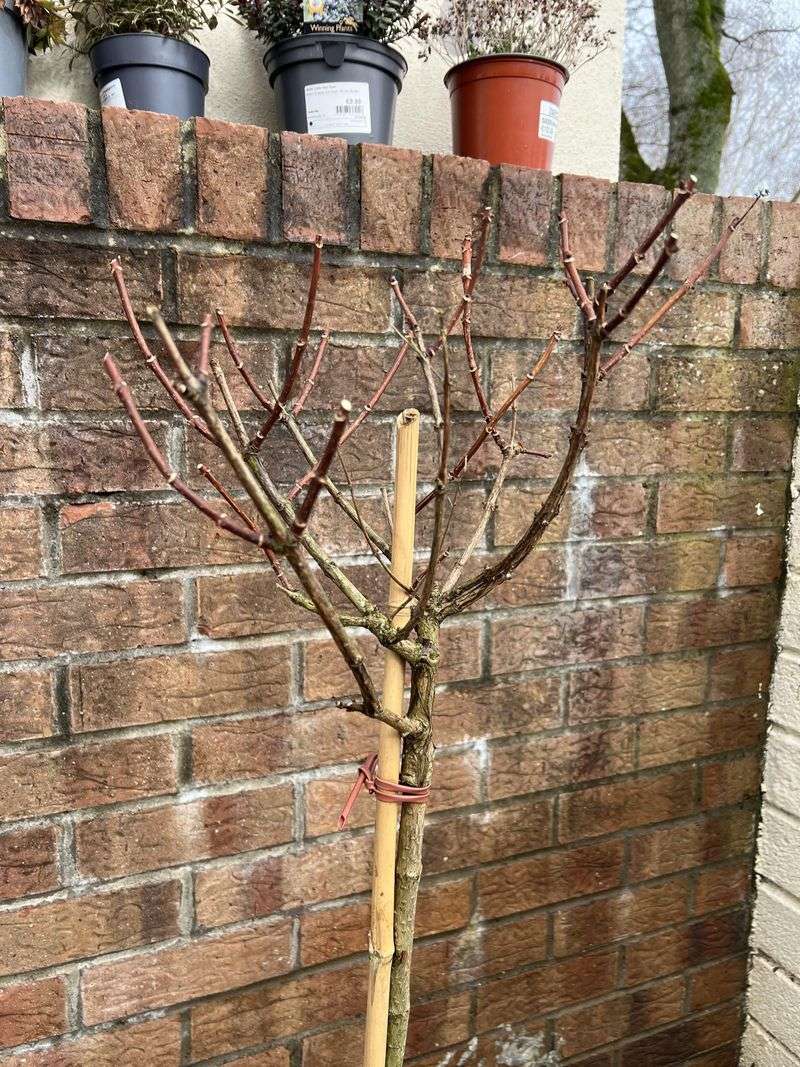
Once the ground firms up a bit after a thaw, late February through mid-March is a solid window to prune panicle hydrangeas across most of Pennsylvania.
These shrubs bloom on new wood, so cutting them back now encourages vigorous fresh growth that supports bigger, sturdier flower heads later in summer.
A common approach is to reduce the overall height by about one-third and remove any crossing, crowded, or damaged stems.
Some gardeners cut back harder, leaving stems at roughly 12 to 18 inches from the ground, which can result in fewer but larger blooms.
Lighter pruning tends to produce more blooms on a fuller, more natural-looking plant. Use clean, sharp bypass pruners and cut just above a healthy bud node.
Avoid leaving long stubs, which can invite fungal issues as the weather warms. In northern Pennsylvania, where cold lingers longer, you may want to wait until early to mid-March before cutting.
In the southeastern corner of the state, late February often works well. Strong stems from a well-timed prune mean flower heads are less likely to flop under summer rain.
3. Cut Back Smooth Hydrangeas In March For Fresh Flowering Growth
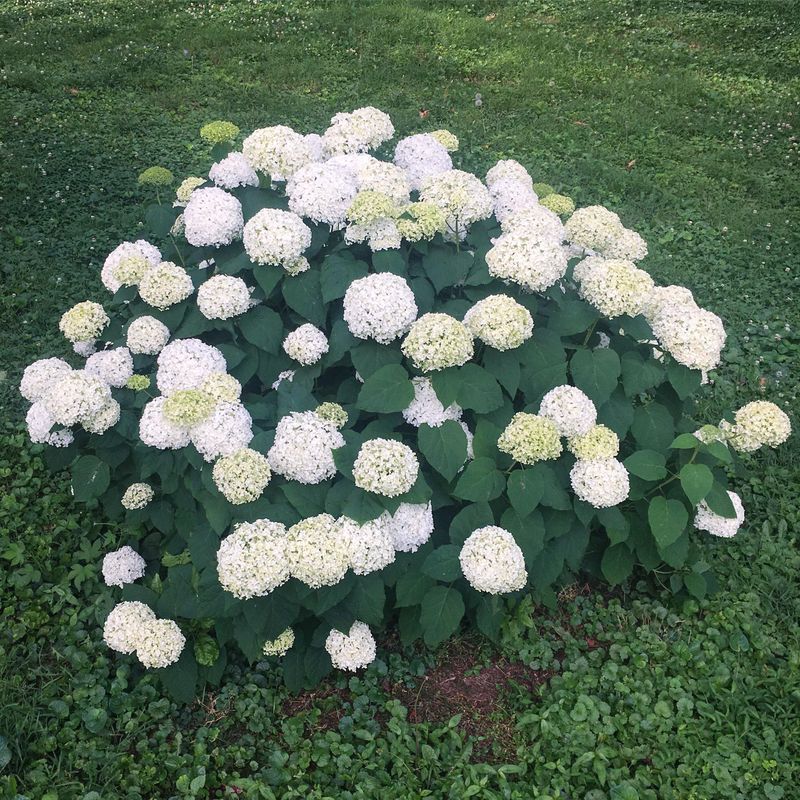
Smooth hydrangeas handle late winter to early spring pruning well because they bloom on new growth. Many gardeners cut them back in March to refresh the plant and keep it from getting overly tall or floppy.
Cut height is where goals matter. A harder cut can produce fewer, larger blooms, but big flower heads can weigh down stems in summer rain.
Your Pennsylvania Garden Changes Every Week. Your Plan Should Too.
Gardening in Pennsylvania changes quickly throughout the season. Every Friday you’ll receive a simple weekly plan showing exactly what to plant, prune, fertilize, harvest, and protect so you never miss the right timing.
When sturdier support is the priority, leaving more framework is often suggested, commonly in the 18–24 inch range, especially on established plants.
For newer plants or shrubs that looked stressed after winter, a moderate cut and simple thinning can be a safer choice than going very low.
Try to finish pruning before growth is actively expanding, since late cuts can remove a lot of the plant’s early energy.
4. Go Easy On Bigleaf And Oakleaf Hydrangeas In March
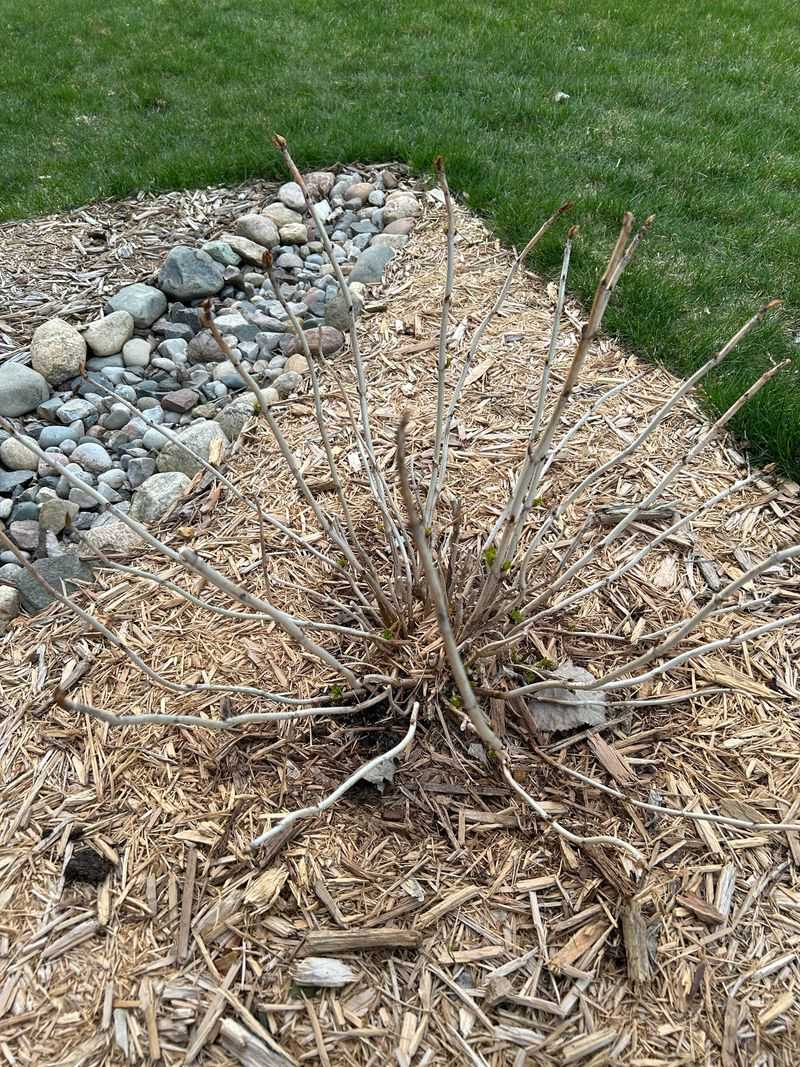
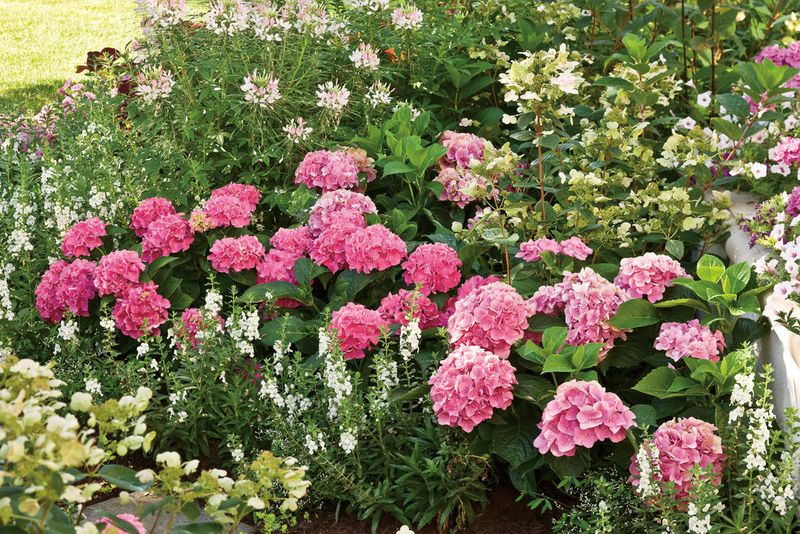
Bigleaf hydrangeas are the ones with the big mophead or lacecap blooms that come in pink, purple, and blue, and they are also the variety that catches most Pennsylvania gardeners off guard in March.
The buds for this summer’s flowers are already sitting on last year’s stems right now, and removing those stems means removing the blooms.
In March, the only cutting you should do on bigleaf and oakleaf hydrangeas is to remove stems that are clearly hollow, brittle, or show no signs of life. Scratch the bark lightly with your thumbnail.
If the layer underneath is green, the stem is alive and worth keeping. If it is brown and dry all the way through, it can come out.
Make your cuts close to the base or back to a healthy bud. Oakleaf hydrangeas follow the same old-wood rule and are generally more cold-hardy than bigleaf types, but their buds can still suffer from late Pennsylvania frosts.
Resist the urge to clean them up too aggressively. A little patience in March protects months of potential bloom.
Wait until after the plant fully leafs out in late spring before doing any additional shaping.
5. Deadhead Carefully And Consider Leaving Old Blooms A Bit Longer
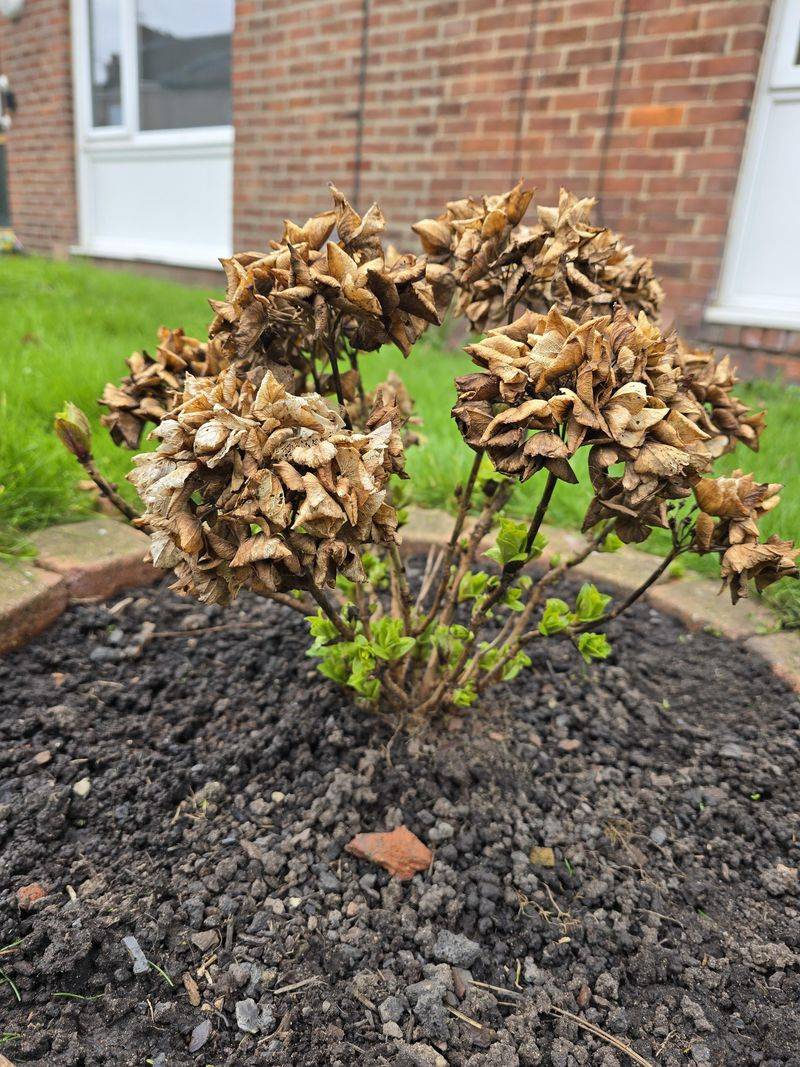
Those papery, brown flower heads still clinging to hydrangea stems in March actually served a purpose over winter.
They helped protect the tender buds sitting just below them from the worst of Pennsylvania’s cold, and removing them too early in late winter can leave those buds exposed to a late frost.
For panicle and smooth hydrangeas, the old blooms can come off during your March pruning session without much concern, since those plants bloom on new wood anyway. For bigleaf and oakleaf types, be more thoughtful.
Snip off the old flower head just above the first healthy pair of buds you can see on the stem, and do it on a mild day when temperatures are well above freezing.
If a late cold snap is in the forecast, hold off for a few more days. There is no urgency to rush this step.
Some gardeners in Pennsylvania leave the old blooms on bigleaf hydrangeas entirely until the new leaves begin to emerge, using the fresh growth as their guide for where to cut.
That approach tends to reduce the risk of accidentally removing viable buds on stems that look questionable but are actually still productive.
6. Keep Frost Cloth Ready For Late Cold Snaps
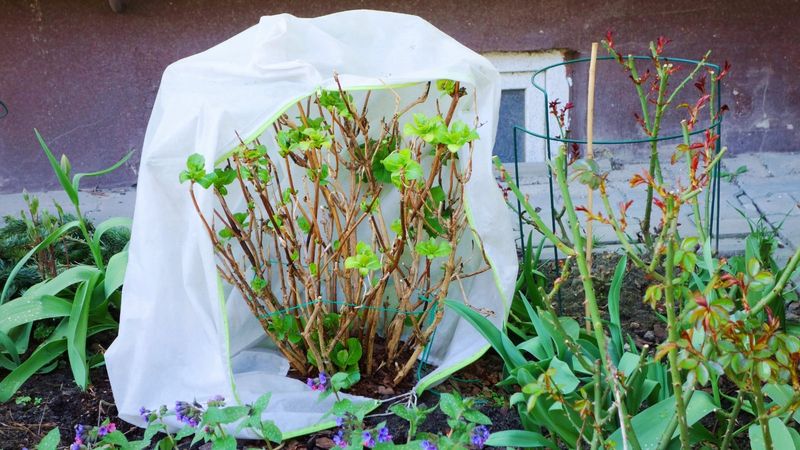
Pennsylvania warm spells can push buds forward, then a freezing night arrives at the worst moment. Bigleaf and many mountain hydrangeas are especially sensitive because buds were formed earlier and may not be replaced quickly.
A shrub that looks fine at sunset can show browned bud tips after a sharp overnight drop, especially in low spots where cold air settles.
Keeping frost cloth on hand into April, and sometimes into May depending on where you live, can prevent a lot of frustration. Drape fabric loosely before temperatures drop, anchor edges, then remove it in the morning once temperatures rise.
Covers work best when they reach the ground, since trapped soil warmth helps buffer temperatures around the buds.
Plastic can be used in a pinch, but it should be held off the plant so it does not touch buds or leaves, and it should come off promptly the next day.
A few stakes or an upside-down tomato cage can create a simple frame that keeps plastic from making contact.
Container plants are often easier to protect by moving them to a garage or sheltered porch for the night.
7. Clean Up Leaf Litter To Lower Disease Pressure
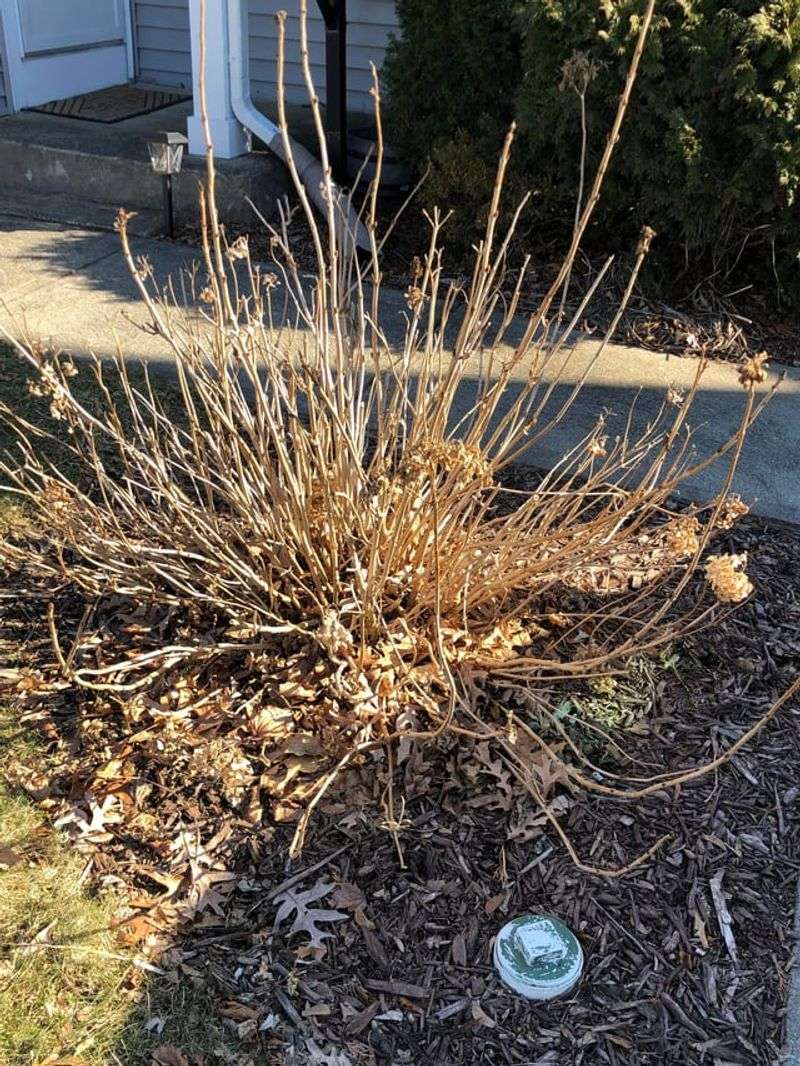
By the time March arrives, the leaves and debris that piled up around your hydrangeas over winter have had months to get soggy, matted, and full of the kind of conditions that fungal diseases love.
Cercospora leaf spot and botrytis blight are two of the more common problems that affect hydrangeas in Pennsylvania, and both can get a head start when old plant material sits close to the crown of the shrub.
Raking away that leaf litter in early March, before new growth emerges, is one of the simplest and most effective things you can do to reduce disease pressure for the whole season.
Pull the material away from the base of the plant and dispose of it rather than adding it to a compost pile, especially if you noticed any spotting or mildew on leaves last summer.
While you are cleaning up, take a look at the soil surface near the crown. If it has become compacted or waterlogged over winter, gently loosen it with a hand cultivator to improve drainage and airflow.
Good air circulation around the base of hydrangeas is a quiet but powerful factor in keeping foliage healthy, which in turn supports better and longer-lasting blooms through the summer months.
8. Refresh Mulch And Watch Moisture As The Ground Thaws
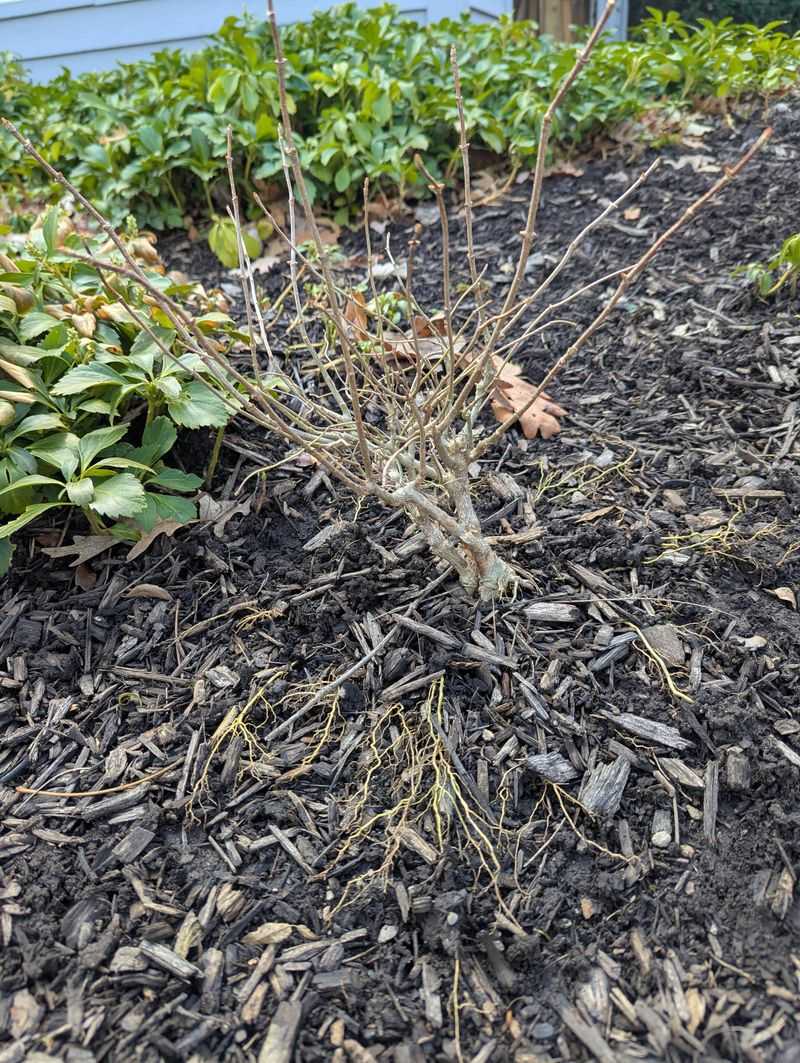
Watching the soil around your hydrangeas in March is more useful than most gardeners realize.
As Pennsylvania’s ground thaws, moisture levels can swing quickly from waterlogged to dry depending on whether rain follows or a stretch of dry, windy days comes through instead.
Hydrangeas are sensitive to both extremes, and their roots are actively beginning to wake up during this period.
If the mulch layer around your plants has thinned over winter, now is a good time to refresh it.
Aim for about two to three inches of shredded bark, wood chips, or shredded leaves around the base of each shrub, keeping the mulch a few inches away from the crown itself to prevent rot.
Fresh mulch helps hold soil moisture, moderates soil temperature, and slows the freeze-thaw cycling that can heave roots loose from the ground.
Avoid piling on thick mulch while the soil is still frozen solid, as that can actually slow the natural warming process your hydrangeas need to break dormancy.
Wait for a mild stretch when the top inch or two of soil has thawed, then apply.
Consistent moisture through spring supports root development that pays off in sturdier stems and more sustained bloom color later in the season.
9. Adjust Bloom Color Only For Bigleaf And Mountain Hydrangeas

One of the most fun and frequently misunderstood things about hydrangeas is that you can actually influence the bloom color of certain varieties by adjusting soil chemistry.
The catch is that this only works for bigleaf hydrangeas and some mountain hydrangea cultivars.
Panicle, smooth, and oakleaf hydrangeas bloom white or cream regardless of what you do to the soil, so do not waste effort there.
For bigleaf types, the color shift is driven by aluminum availability in the soil, which is tied to pH. More acidic soil, with a pH around 5.5 or lower, tends to produce bluer flowers.
More alkaline soil, with a pH around 6.5 or higher, tends to push blooms toward pink. To move toward blue, gardeners often apply aluminum sulfate or sulfur to lower pH.
To encourage pink, ground limestone can raise it.
March is a reasonable time to make these adjustments, since the soil is accessible and the plant has not yet begun active growth. Start with a soil test to know your baseline before adding anything.
Changes happen gradually over weeks, not overnight, and results vary by cultivar and existing soil conditions. Realistic expectations make this process more rewarding and less frustrating.
10. Check For Deer Browsing Before Buds Open
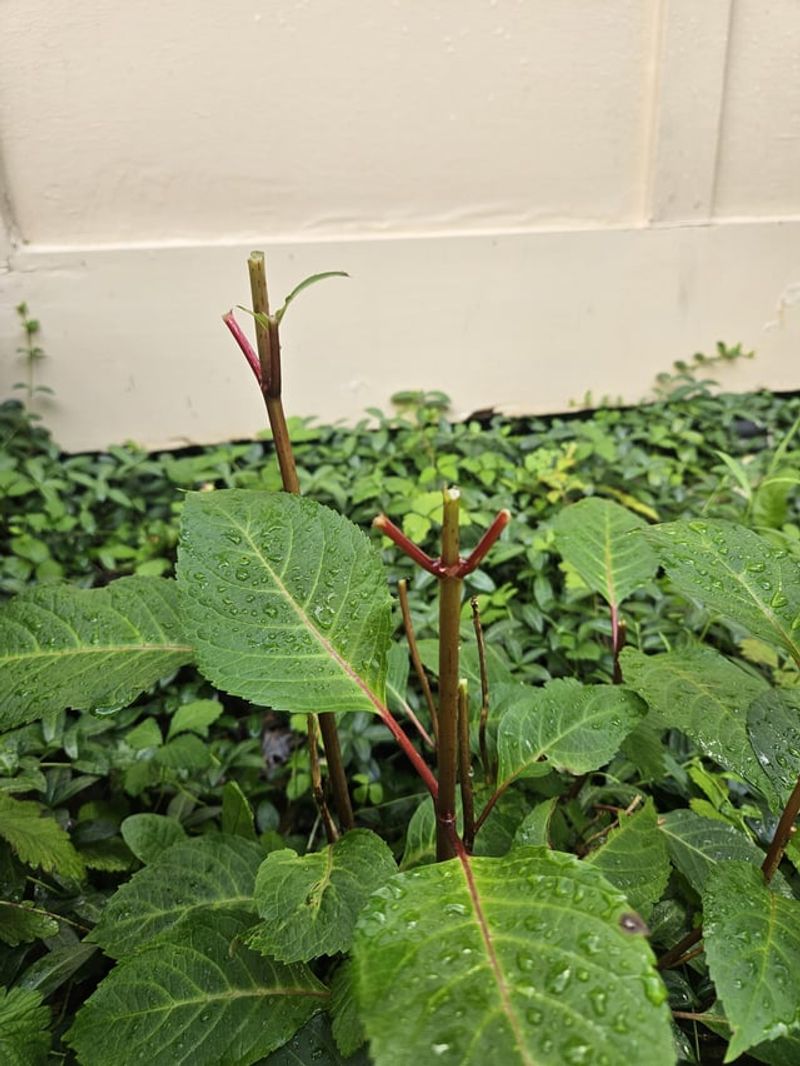
Deer pressure in Pennsylvania is real, and March is a particularly vulnerable time for hydrangeas.
Natural food sources are still scarce, deer are hungry after winter, and the swelling buds on hydrangea stems are exactly the kind of tender, nutritious material they seek out.
A few nights of browsing can strip a plant of most of its emerging growth before you even notice what happened.
Walk your garden in early March and look for signs of recent deer activity. Deer browsing tends to leave ragged, torn edges on stems rather than clean cuts.
You may also notice hoofprints in soft thawing soil near your beds. If deer have been visiting, now is the time to put up a temporary wire cage or apply a deer repellent spray around your hydrangeas before buds swell further.
Repellent sprays need to be reapplied regularly, especially after rain, and should be applied on a mild day when temperatures are above freezing so they adhere properly.
Physical barriers like wire cages or netting are more reliable for plants that have been heavily browsed in previous years.
Protecting buds in March means the plant can put its energy into growth and bloom production rather than recovering from repeated setbacks through spring.
11. Feed Lightly Only If Your Plant Needs It
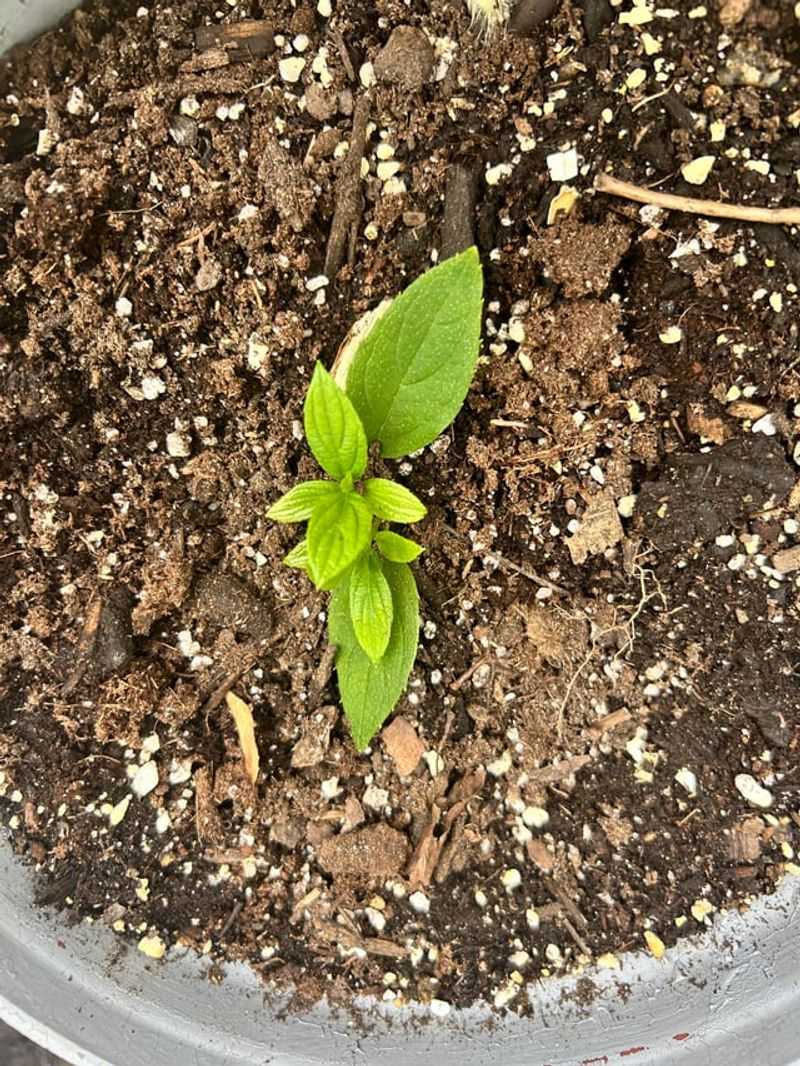
Fertilizing in March can feel productive, but many hydrangeas do fine with minimal feeding. Too much nitrogen can push lots of leafy growth with fewer flowers, so a lighter hand tends to be helpful.
Compost and mulch often support steady growth without pushing fast, soft shoots.
A soil test is the most reliable way to know what is missing. If you decide to fertilize, timing it to when soil is workable and growth is starting usually makes more sense than feeding very early.
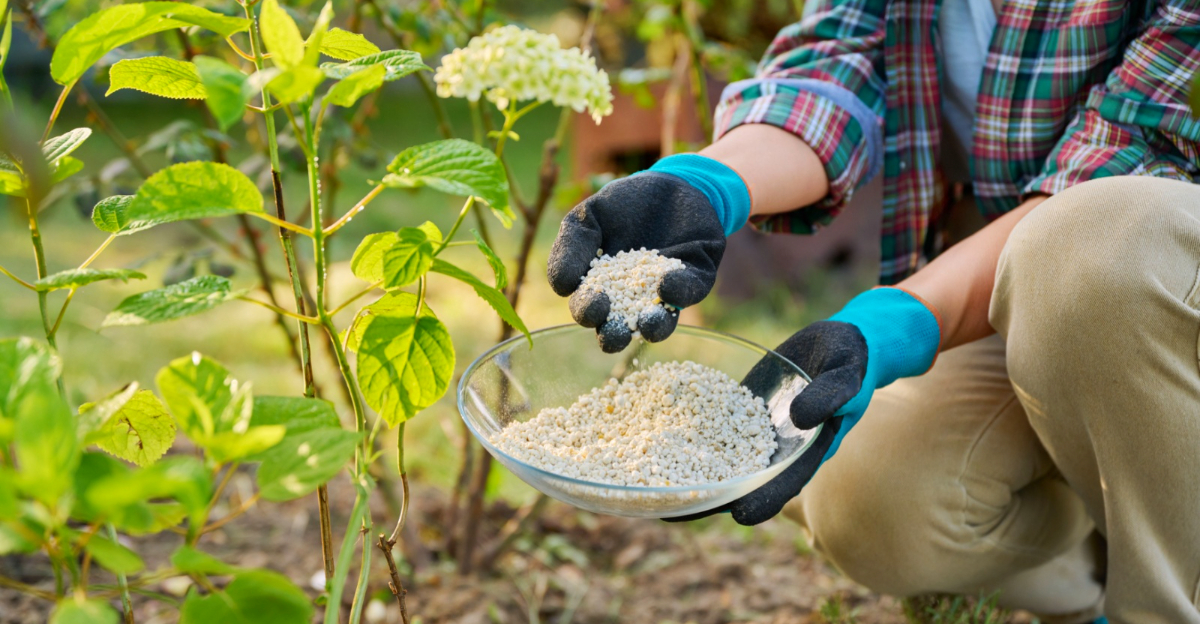
Slow-release, balanced products or a thin compost top-dress are common options. Apply around the drip line, keep fertilizer off the stems, and water in gently so nutrients move into the root zone without stressing the plant.
When you see pale new leaves or weak growth year after year, that can be a sign to check nutrients rather than guessing with extra fertilizer.
In Pennsylvania, spring rains can help carry nutrients into the soil, so a light application is often enough to support the season ahead.