These Native Michigan Vines Grow Fast And Bring Pollinators To Your Garden
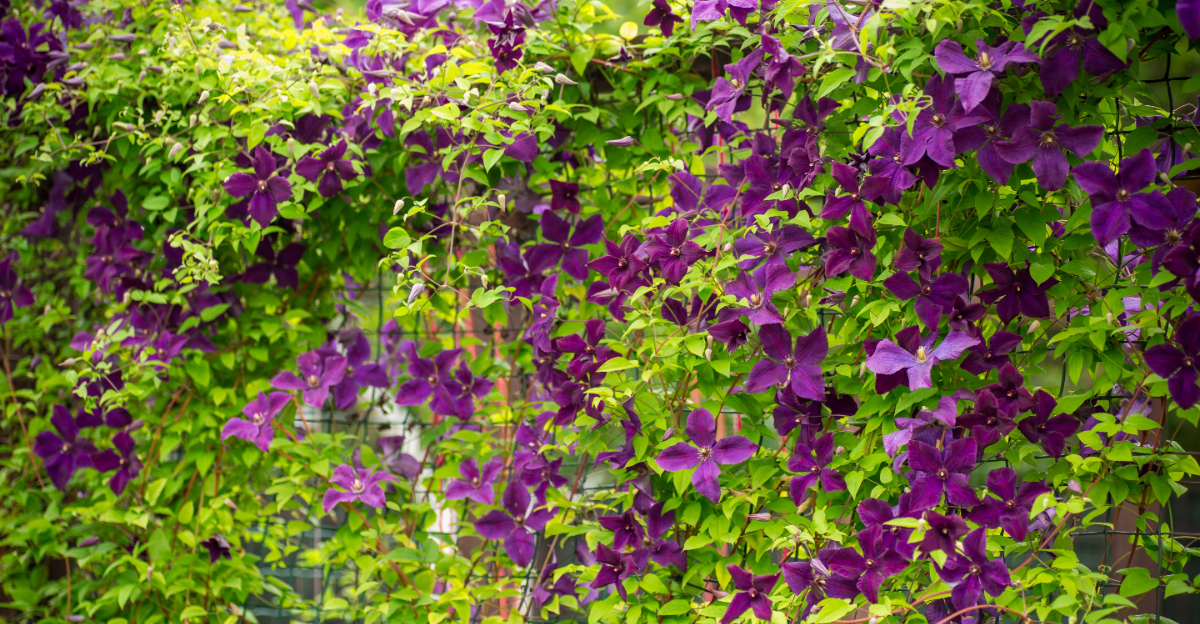
Michigan gardeners have a secret weapon that comes straight from nature. Native vines are fast growing plants that can climb up your fences and garden walls.
They turn your backyard into a busy and beautiful place for many small creatures. From hummingbirds to native bees, the right vine can change how many animals visit your yard.
These plants have lived in Michigan for a long time. They can handle the hot summer sun and the cold winter snow without any trouble.
This makes them easy to care for compared to plants from other parts of the world. By picking these native plants, you are helping the local environment and making your home look great.
If you want a garden that is easy to keep and full of life, these eight vines are the best way to start. Your garden will soon be a favorite spot for birds and butterflies to visit.
1. Trumpet Honeysuckle
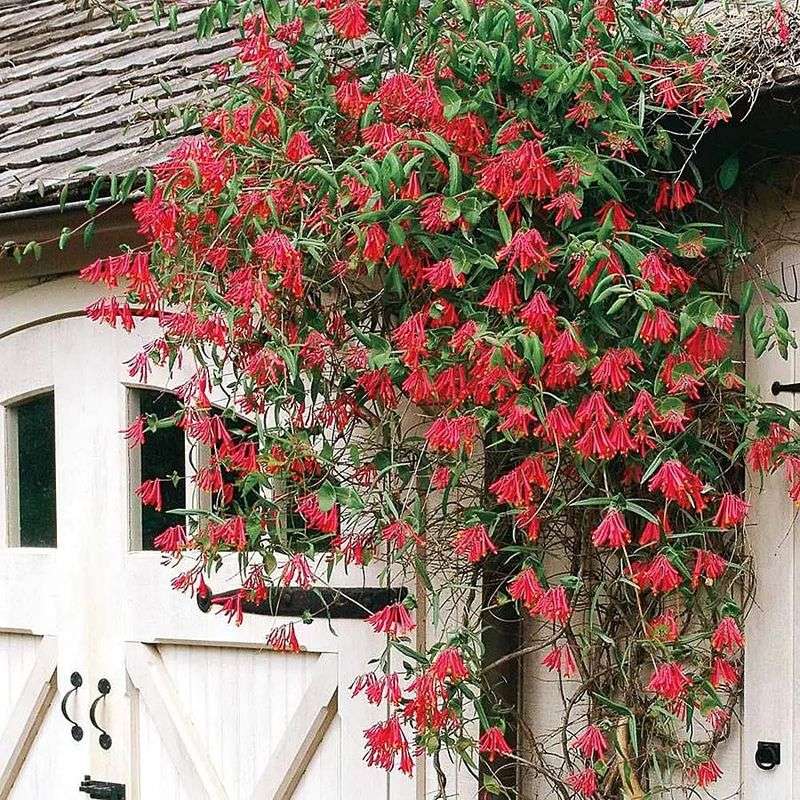
Few vines stop people in their tracks quite like Trumpet Honeysuckle does when it bursts into bloom. Lonicera sempervirens is a true North American native, found naturally across parts of Michigan and the wider Great Lakes region.
Its bold red tubular flowers are practically a welcome sign for hummingbirds, and they show up reliably from late spring all the way through summer.
Growing this vine in your Michigan garden is genuinely simple. Plant it in full sun to partial shade with well-drained soil, give it a trellis or fence to climb, and watch it take off with impressive speed.
Unlike some invasive honeysuckle species that cause headaches for Michigan ecosystems, this one plays nicely with the local environment.
Butterflies and native bees also love visiting those bright blooms, making your garden a multi-species pollinator hub. The vine can reach 10 to 20 feet, so it covers structures beautifully without overwhelming smaller gardens.
After the flowers fade, small red berries appear that birds happily snack on through fall. Trumpet Honeysuckle is honestly one of the most rewarding vines any Michigan gardener can grow, offering color, wildlife value, and fast growth all in one stunning package.
2. Virginia Creeper
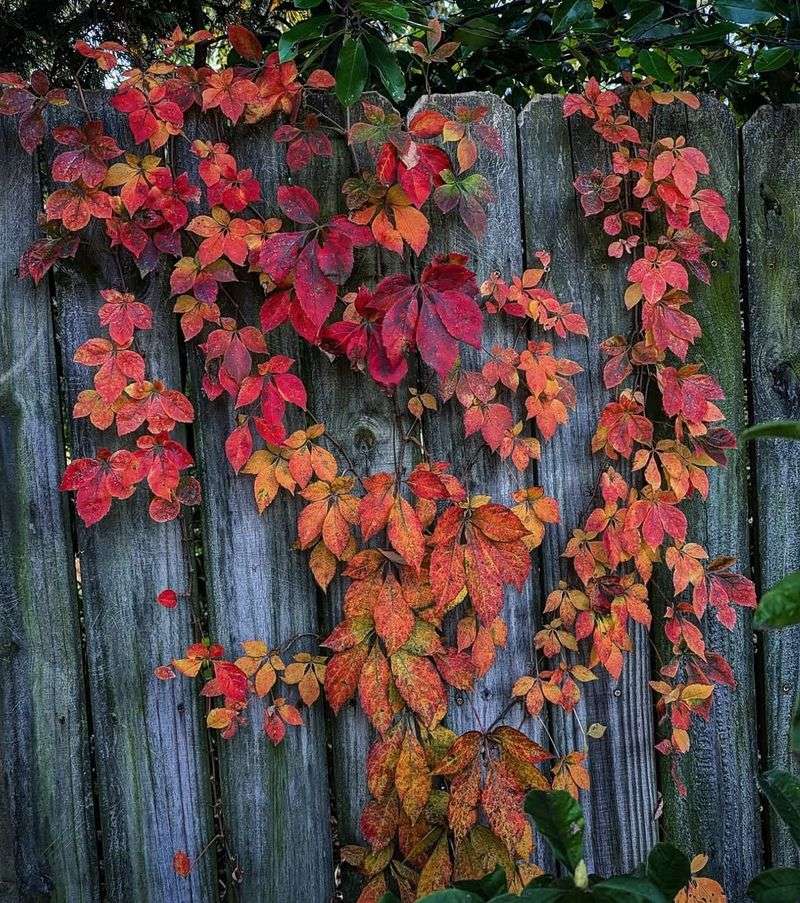
Virginia Creeper is the kind of vine that quietly earns its place in a Michigan garden by doing everything right. Parthenocissus quinquefolia grows naturally throughout Michigan forests and woodlands, so it already knows how to thrive here.
It climbs walls, fences, and trees using tiny adhesive tendrils that grip surfaces without needing any extra help from you.
Speed is one of this vine’s best qualities. It can grow several feet in a single season, quickly covering bare structures and turning them into lush green features.
During summer, small greenish flowers appear that attract native bees and other pollinating insects, adding quiet but real ecological value to your yard.
Come fall, Virginia Creeper becomes a showstopper with fiery red foliage that rivals any ornamental plant you could buy. The dark blue-black berries that follow are an important food source for birds migrating through Michigan.
Best of all, this vine tolerates full sun, deep shade, and almost any soil type, making it one of the most adaptable plants in your gardening toolkit.
Your Michigan Garden Changes Every Week. Your Plan Should Too.
Gardening in Michigan changes quickly throughout the season. Every Friday you’ll receive a simple weekly plan showing exactly what to plant, prune, fertilize, harvest, and protect so you never miss the right timing.
Whether you want to cover an old fence or soften a stone wall, Virginia Creeper handles the job beautifully while supporting Michigan wildlife every single season.
3. American Bittersweet
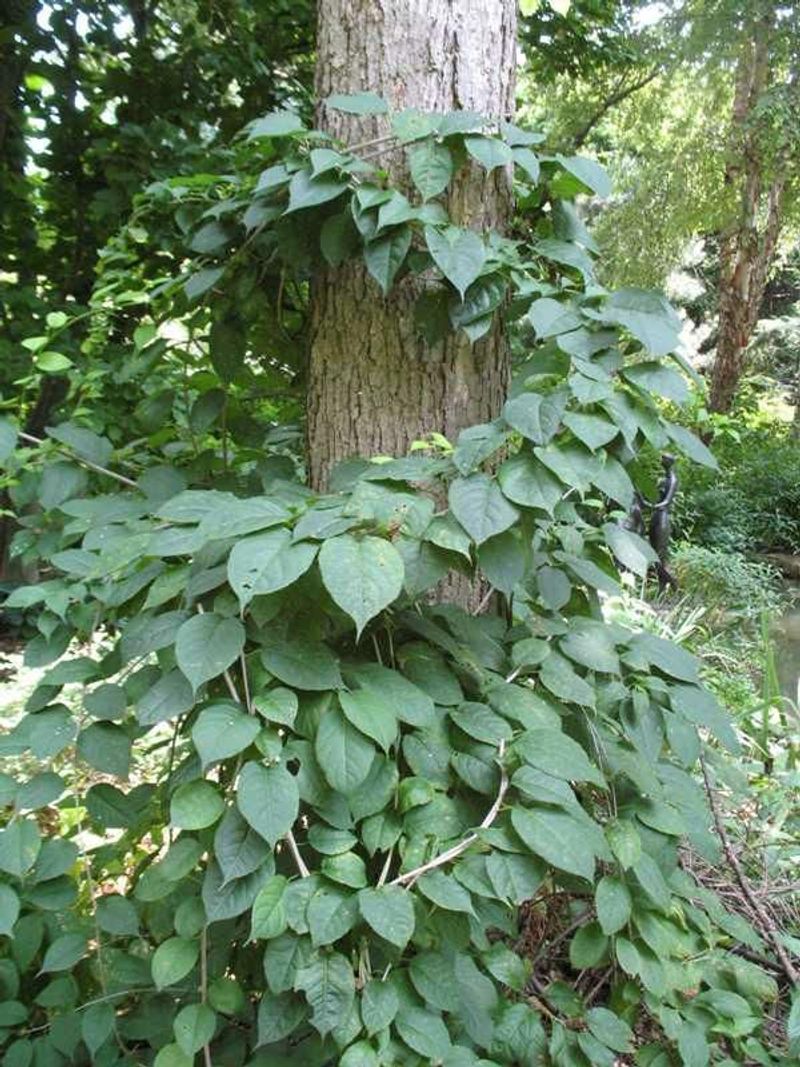
American Bittersweet has a personality all its own, and Michigan gardeners who give it space are always rewarded. Celastrus scandens is the true native species, distinct from its invasive Oriental cousin that causes problems across the Midwest.
Getting the right one matters enormously, so always source plants from reputable Michigan native plant nurseries before planting.
In late spring, this vigorous vine produces clusters of small greenish-yellow flowers that quietly attract bees and other pollinating insects. The blooms are not flashy, but pollinators find them without any trouble.
What really makes American Bittersweet famous is what comes next: bright orange seed capsules that split open in fall to reveal red-orange berries that feed birds and add stunning color to the autumn garden.
Growth is fast and enthusiastic along fences and trellises, and the vine can reach 20 feet or more with the right support. Plant it in full sun for the best berry production, though it handles partial shade reasonably well.
Well-drained soil suits it nicely, and once established, it needs very little attention.
American Bittersweet brings genuine four-season interest to Michigan landscapes, from spring pollinator activity straight through to those gorgeous fall seed displays that make neighbors stop and ask questions.
4. Purple Clematis
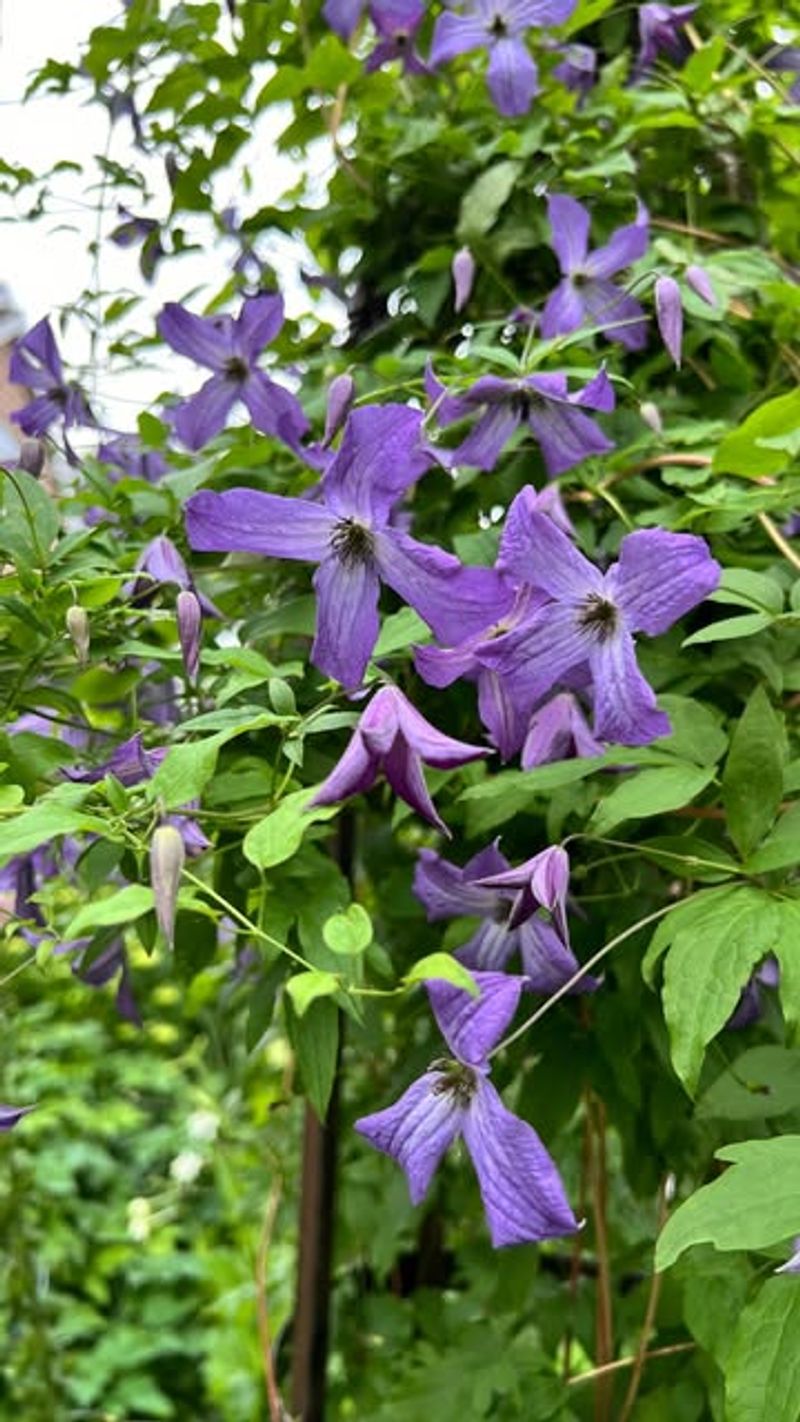
There is something quietly magical about Purple Clematis that sets it apart from every other vine on this list. Clematis occidentalis is a native species found in northern regions of Michigan, where it naturally scrambles through rocky woodlands and forest edges.
Its nodding, bell-shaped purple flowers appear in spring and early summer, bringing an elegant wildness to any garden that is hard to replicate with non-native plants.
Bees absolutely love these blooms. Native bumblebees are especially frequent visitors, and watching them navigate those drooping purple flowers is genuinely entertaining.
For best results in your Michigan garden, plant Purple Clematis in partial shade where its root zone stays cool and moist while the upper stems reach toward filtered sunlight.
A trellis, arbor, or even a shrub it can lean into provides the climbing support this vine needs. Unlike many clematis varieties sold at big box stores, this one is perfectly adapted to Michigan’s cold winters and does not need heavy coddling to survive the season.
Keep the soil consistently moist and rich in organic matter, and the plant rewards you generously.
Purple Clematis is a rare gem for gardeners who want something genuinely native, visually striking, and meaningfully valuable to the local pollinator community all at once.
5. Virgin’s Bower
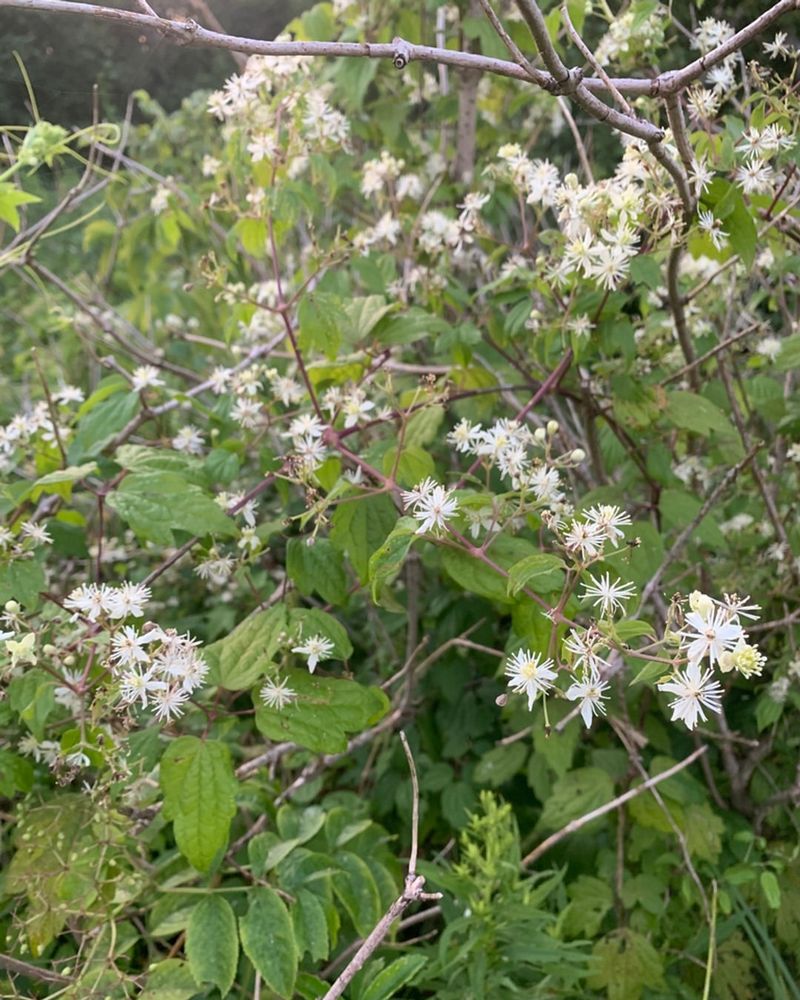
When late summer rolls around and most flowering vines have already peaked, Virgin’s Bower is just hitting its stride. Clematis virginiana is a fast-growing native vine that pops up commonly along Michigan stream banks, roadsides, and woodland edges.
Its clusters of small white flowers fill the air with a light, sweet fragrance that pulls bees and butterflies in from surprising distances.
Speed is genuinely one of this vine’s defining features. Given a fence, pergola, or natural support to work with, Virgin’s Bower can cover large areas within a single growing season.
That makes it an excellent choice for Michigan gardeners who want quick results without resorting to invasive species that harm local ecosystems.
Full sun to partial shade suits it well, and it handles a range of soil conditions without much fuss. After the flowers finish, feathery silvery seed heads develop and persist into fall, creating a soft, wispy texture that looks beautiful in the late-season garden.
Birds use the fluffy seeds for nesting material, adding another layer of wildlife value.
If you want a native Michigan vine that blooms when the garden needs it most and keeps pollinators active well into the season, Virgin’s Bower is an outstanding and often underrated choice.
6. Groundnut Vine
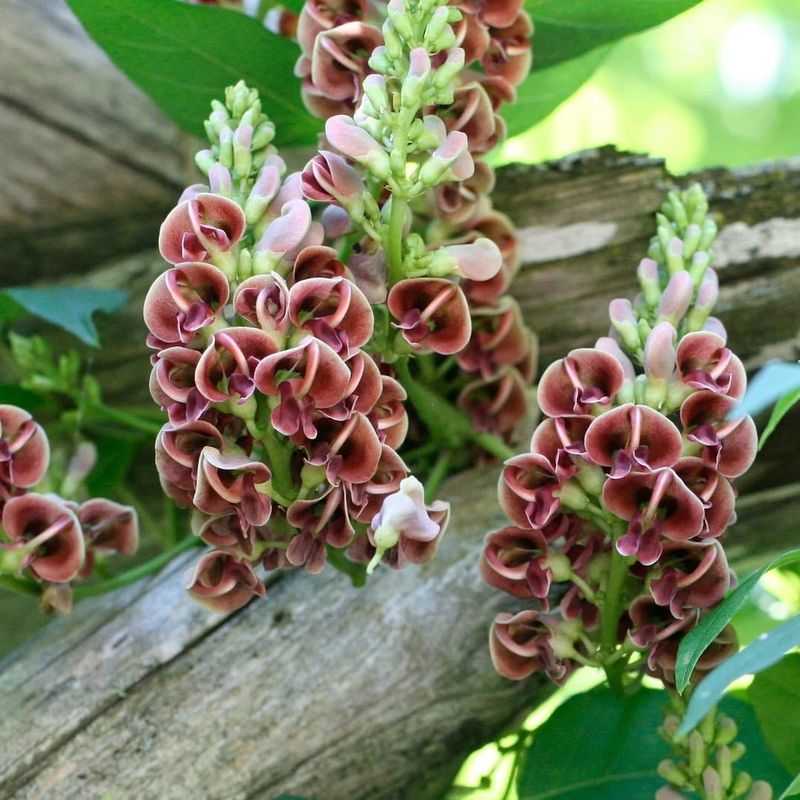
Not many garden vines come with an edible bonus underground, but Groundnut Vine delivers exactly that. Apios americana, also called American Groundnut, is a native legume that twines energetically up trellises and fences across Michigan landscapes.
Indigenous peoples across North America relied on its starchy underground tubers as a food source long before European settlement, giving this plant a fascinating historical backstory.
Above ground, the vine produces clusters of reddish-brown flowers with a rich, sweet fragrance that bumblebees find absolutely irresistible.
Blooming through the summer months, these flowers keep pollinators active and well-fed during the season when garden activity is at its peak in Michigan.
The twining stems reach six to twelve feet, making it manageable for most garden structures.
As a nitrogen-fixing legume, Groundnut Vine actually improves soil health as it grows, which is a bonus few ornamental vines can offer.
It prefers moist, well-drained soil and performs well in full sun to partial shade, suiting many Michigan garden conditions naturally. Plant it near a sturdy trellis or fence and let it do its thing with minimal intervention.
For gardeners who love plants with multiple layers of purpose, ecological value, and genuine historical significance, this underappreciated native vine is a truly exciting addition to any Michigan yard.
7. Wild Yam
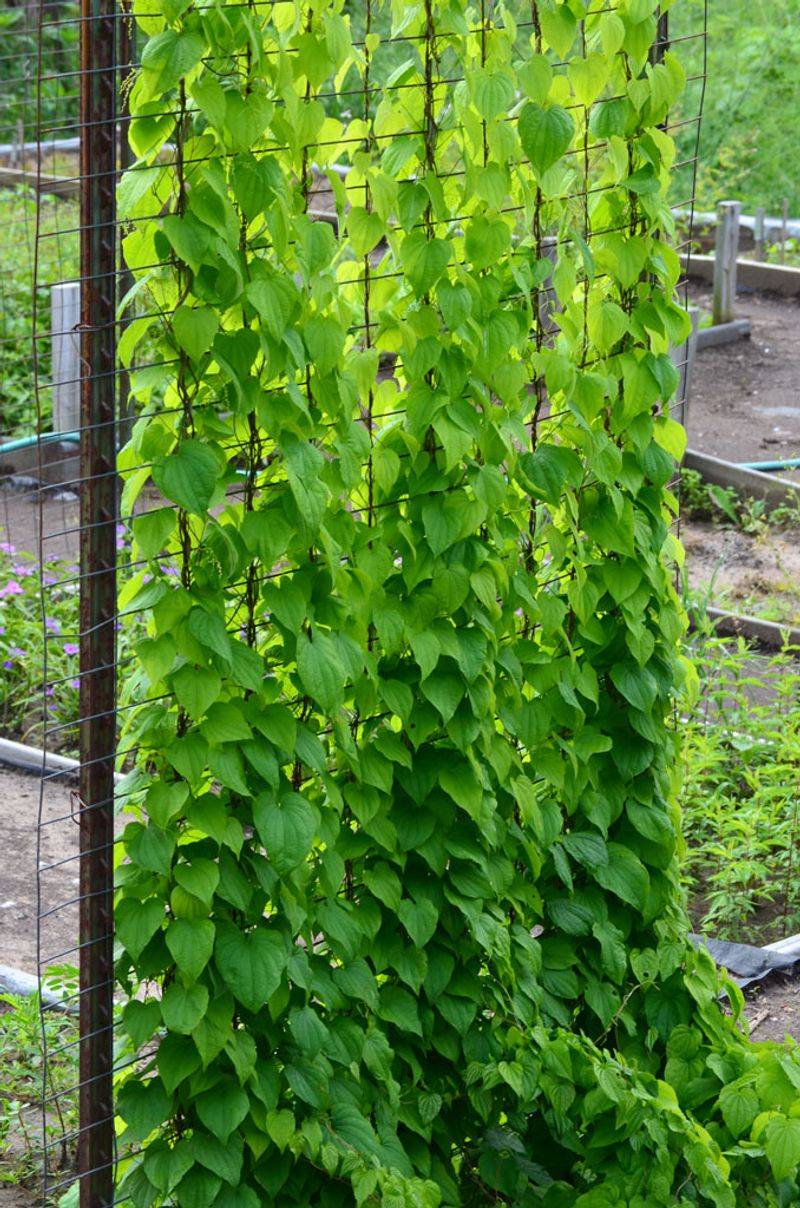
Wild Yam has a quiet, understated charm that suits the naturalistic Michigan garden perfectly. Dioscorea villosa grows naturally in Michigan woodlands, scrambling up through shrubs and small trees with slender, twining stems.
Its heart-shaped leaves are genuinely beautiful, creating a lush, layered look that feels right at home in a shaded garden corner or along a woodland edge. The flowers are small and greenish, appearing in summer on delicate drooping clusters.
While they are not showy by any standard, pollinating insects find them reliably, and the vine contributes to the broader pollinator network in your Michigan garden without demanding any spotlight.
That quiet ecological contribution is part of what makes Wild Yam a thoughtful choice for gardeners who care about supporting native insects.
For best growth, plant Wild Yam in partial shade with moist, well-drained soil rich in organic matter, mimicking the woodland floor conditions it naturally prefers.
A trellis, fence, or nearby shrub gives it the climbing support it needs to reach its full potential of around fifteen feet. Established plants are quite resilient and require very little maintenance once settled in.
Wild Yam suits rain gardens, woodland garden designs, and shaded borders beautifully, adding native texture and ecological function to spots in your Michigan yard where showier plants might struggle.
8. Dutchman’s Pipe
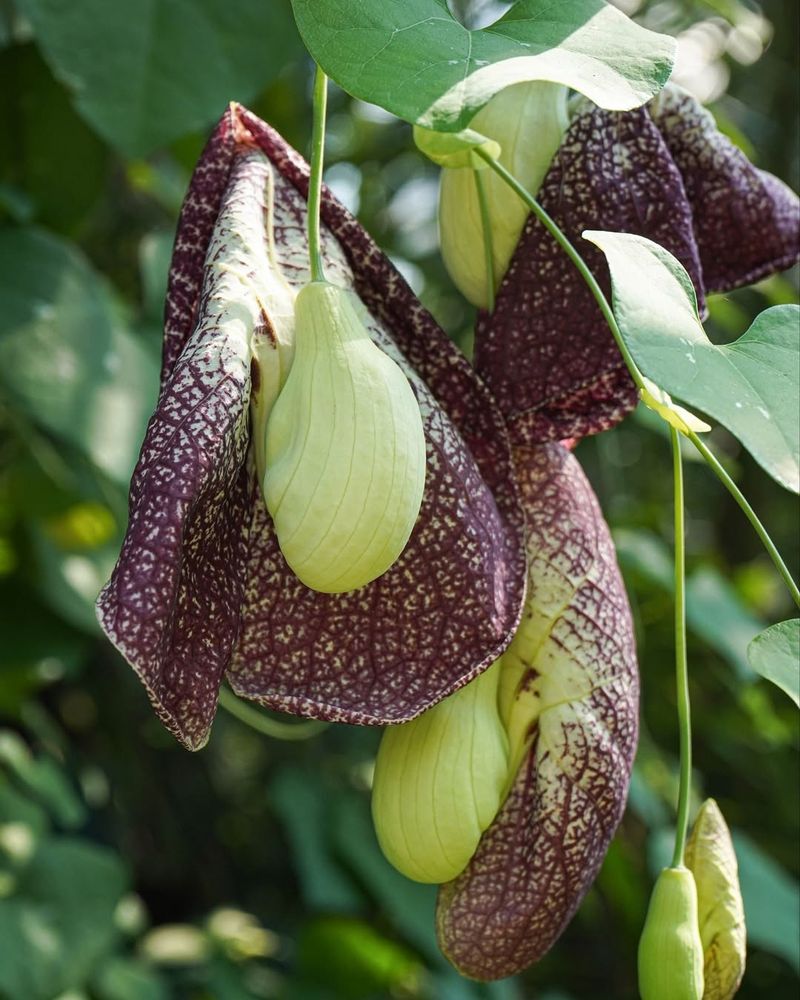
Dutchman’s Pipe is the vine that makes people stop mid-step and say, what is that? Aristolochia macrophylla is a dramatic native plant that brings real tropical energy to Michigan gardens with its enormous, overlapping heart-shaped leaves.
When the unusual pipe-shaped flowers appear in late spring, they look like something from a botanical illustration rather than a backyard vine.
Those quirky curved flowers are not just for show. They attract specialized pollinating insects through a fascinating temporary trap mechanism, ensuring successful pollination before releasing their visitors unharmed.
It is one of nature’s most creative pollination strategies, and watching it happen in a Michigan garden feels genuinely special.
Fast growth is another major selling point for this vine. Given a strong pergola or sturdy arbor to climb, Dutchman’s Pipe can cover a large structure within just a few seasons, creating dense, layered foliage that provides excellent summer shade underneath.
That shade quality makes it a practical choice for pergolas over patios or seating areas where relief from Michigan summer heat is welcome. Plant it in moist, well-drained soil in full sun to partial shade and give it serious structural support from day one.
For gardeners who want bold presence, wildlife value, and a true conversation starter in their Michigan landscape, Dutchman’s Pipe delivers on every single level.