Common Seed Starting Pests Michigan Gardeners See Indoors And How To Stop Them
Starting seeds indoors is a smart way for Michigan gardeners to get ready for spring. While it might be snowy outside, your warm and damp seed trays are the perfect place for tiny plants to grow.
However, these same cozy spots can also attract small bugs that you do not want in your home. These pests love the wet soil and the warmth just as much as your new seedlings do.
If you find these visitors early, it is much easier to keep your plants healthy and strong. You should check your trays every day to make sure nothing is crawling or flying around.
Knowing what to look for helps you stop the bugs before they can cause any real damage to your garden. It is a simple step that makes a big difference for your indoor plants.
With a little bit of care, your seeds will grow into big plants that are ready for the summer sun.
1. Fungus Gnats
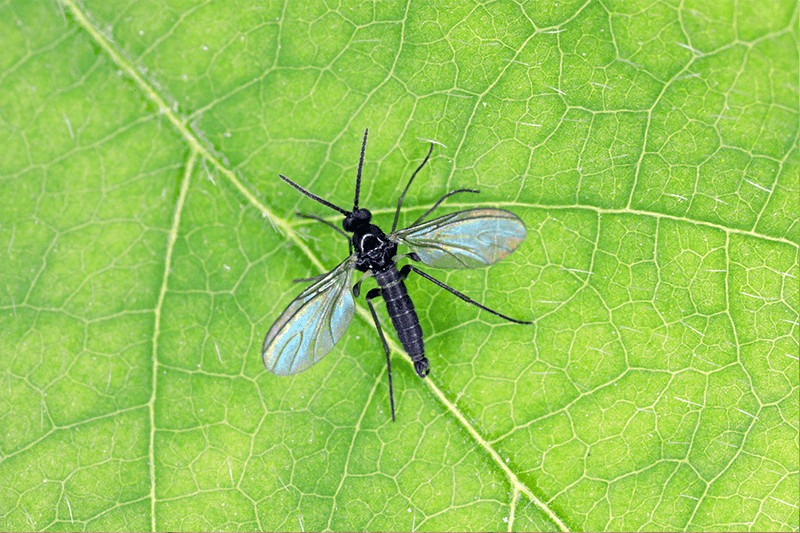
Walk up to your seed trays and notice tiny black flies zigzagging around the soil surface? You are almost certainly dealing with fungus gnats, one of the most common indoor pest problems Michigan gardeners face every single season.
These small insects belong to the family Sciaridae, and they are drawn straight to wet potting soil like a magnet.
The adult flies are mostly a nuisance, but the real trouble comes from their larvae hiding beneath the soil surface. Those tiny worm-like larvae feed on organic matter and can nibble on tender seedling roots, slowing growth or causing young plants to look wilted and pale.
In Michigan homes during winter seed-starting season, overwatered trays create the perfect breeding ground.
The best fix is surprisingly simple: let the top inch of soil dry out a little between waterings. Bottom watering is a fantastic technique because it keeps the surface dry and far less attractive to egg-laying adults.
Stick yellow sticky traps just above your trays to catch adult gnats before they multiply further. Using a sterile, well-draining seed-starting mix also reduces the organic debris their larvae need to thrive.
Consistent monitoring and small adjustments to your watering habits will clear up a fungus gnat problem faster than you might expect.
2. Aphids

Aphids are sneaky little troublemakers that seem to appear out of nowhere on your indoor seedlings.
These soft-bodied insects from the family Aphididae are incredibly small, often no bigger than a pinhead, but a colony of them can seriously weaken your young plants in a short amount of time.
Michigan gardeners starting seeds indoors during late winter often spot them gathering on stem joints and the undersides of leaves.
What makes aphids such a problem is the way they feed. They pierce plant tissue and suck out the sap, robbing seedlings of the nutrients they need to grow strong and upright.
Over time, leaves may curl, yellow, or look puckered and distorted. Aphids also produce a sticky substance called honeydew that can invite mold growth on your plants.
Your Michigan Garden Changes Every Week. Your Plan Should Too.
Gardening in Michigan changes quickly throughout the season. Every Friday you’ll receive a simple weekly plan showing exactly what to plant, prune, fertilize, harvest, and protect so you never miss the right timing.
Catching them early is the key to keeping things under control. A gentle rinse with lukewarm water can knock aphids right off your plants, and doing this a few times a week works well for light infestations.
Wiping leaves carefully with a damp cloth helps remove any stragglers hiding underneath. For heavier infestations, insecticidal soap spray applied directly to the affected areas works reliably without harming your seedlings.
Checking your plants every couple of days is the smartest habit any Michigan indoor gardener can build during seed-starting season.
3. Spider Mites
Michigan winters are long and dry, and when the furnace runs nonstop, the air inside your home loses moisture fast.
That dry indoor environment is exactly what spider mites love, making them a surprisingly common threat to seedlings started indoors during the colder months.
These tiny pests belong to the family Tetranychidae and are so small you might not even notice them until damage has already started showing up.
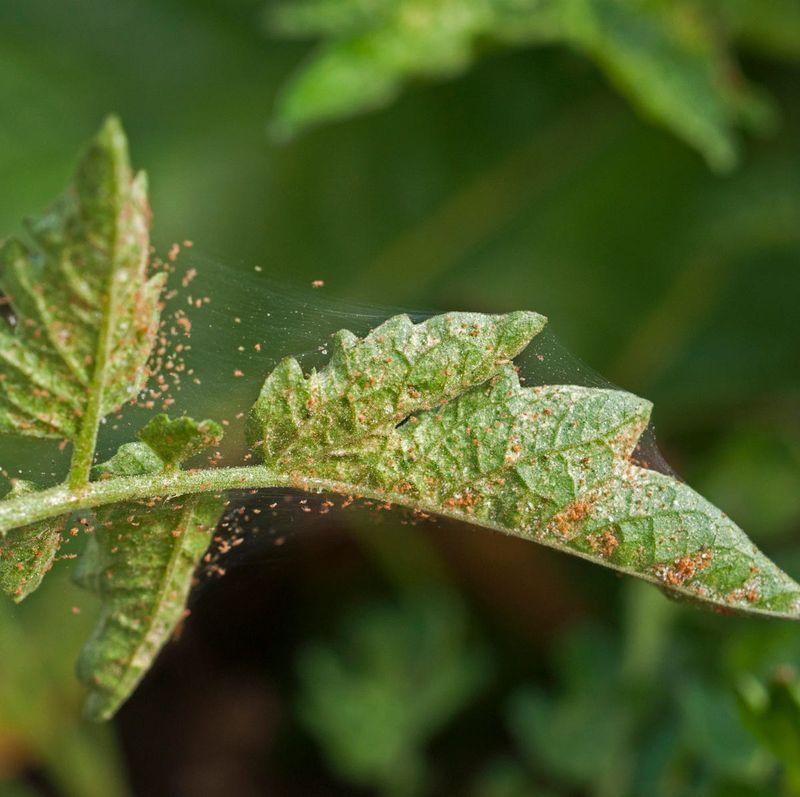
Spider mites feed by puncturing individual plant cells and draining the contents, leaving behind tiny yellow or white speckles on leaves. When an infestation grows larger, you will start to see fine, delicate webbing stretched between leaves and stems.
Seedlings under heavy attack look faded, speckled, and generally unhappy, which is a tough situation when you have worked hard to get those plants growing.
Bumping up the humidity around your seed trays is one of the most effective prevention strategies available. A small humidifier nearby or a light misting of your plants each morning can make the environment much less appealing to these pests.
Regularly wiping down leaves with a damp cloth removes mites before populations explode. Insecticidal soap or neem oil applied to the tops and undersides of leaves handles active infestations well.
Keeping your Michigan indoor growing area from getting too dry is honestly the single best thing you can do to prevent spider mites from ever moving in.
4. Whiteflies
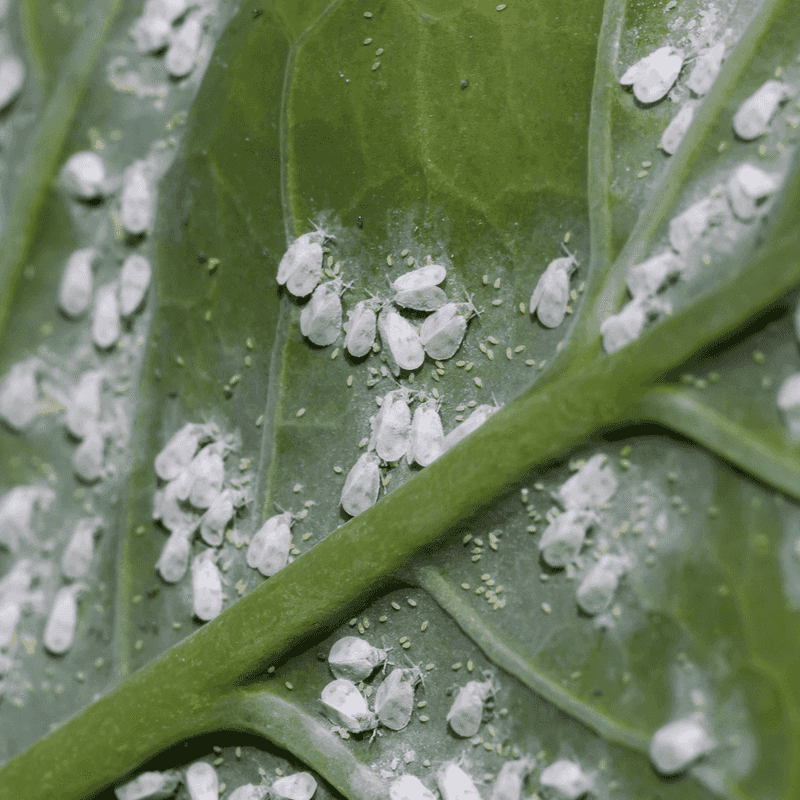
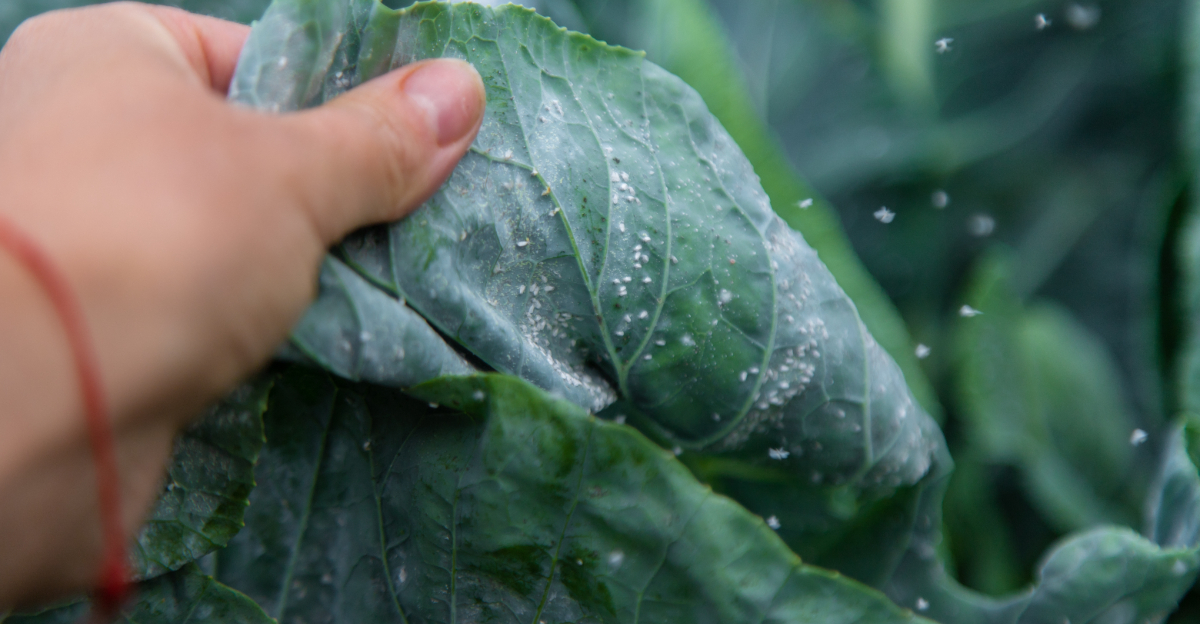
Brush your hand gently across a seedling tray and suddenly a small cloud of white insects lifts into the air around you. That is the classic whitefly surprise, and it is one Michigan indoor gardeners dread during seed-starting season.
Whiteflies belong to the family Aleyrodidae, and while they look almost delicate, they cause real stress to young plants when left unchecked.
Adult whiteflies and their nymphs both feed on plant sap from the undersides of leaves, which gradually weakens seedlings over time. Affected plants may show yellowing leaves, stunted growth, or a general lack of energy.
Like aphids, whiteflies also produce honeydew, which creates sticky residue on leaves and can lead to sooty mold forming on your seedlings.
Yellow sticky traps are genuinely one of the most effective tools for managing whiteflies indoors. Hang them just above your seed trays to catch adults before they lay more eggs.
Inspect the undersides of leaves regularly because that is where eggs and nymphs hide. Applying insecticidal soap directly to the undersides of affected leaves disrupts the feeding cycle and reduces populations noticeably within a week or two.
Removing heavily infested leaves promptly helps prevent the problem from spreading to nearby trays. Consistent weekly checks throughout your Michigan indoor growing season will keep whitefly populations from ever getting out of hand.
5. Thrips
Tiny, fast-moving, and surprisingly destructive, thrips are one of those pests that catch indoor gardeners completely off guard.
Belonging to the order Thysanoptera, these slender little insects are barely visible to the naked eye, yet the damage they leave behind is hard to miss.
Michigan gardeners starting seeds under grow lights during winter have reported thrips showing up even in brand-new growing setups.
Thrips feed in a unique way compared to other sap-sucking insects. They scrape the surface of plant tissue and then suck up the contents, leaving behind distinctive silvery or bronze streaks across leaves.
New growth may look twisted or distorted, and in heavy infestations, seedlings can struggle to develop normally. Thrips can also spread plant viruses, which adds another layer of concern for anyone growing a variety of seedlings close together.
Sticky traps placed around your trays help monitor thrip activity and catch adults moving between plants. Removing any plant material that looks heavily damaged reduces the overall population quickly.
Neem oil or insecticidal soap applied thoroughly, including on leaf undersides and along stems, works well for active infestations. Improving air circulation around your seed trays also makes the growing environment less comfortable for thrips overall.
Staying watchful and acting fast when you spot the first signs of silvery leaf damage is the most reliable way to protect your Michigan seedlings from serious thrip trouble.
6. Shore Flies
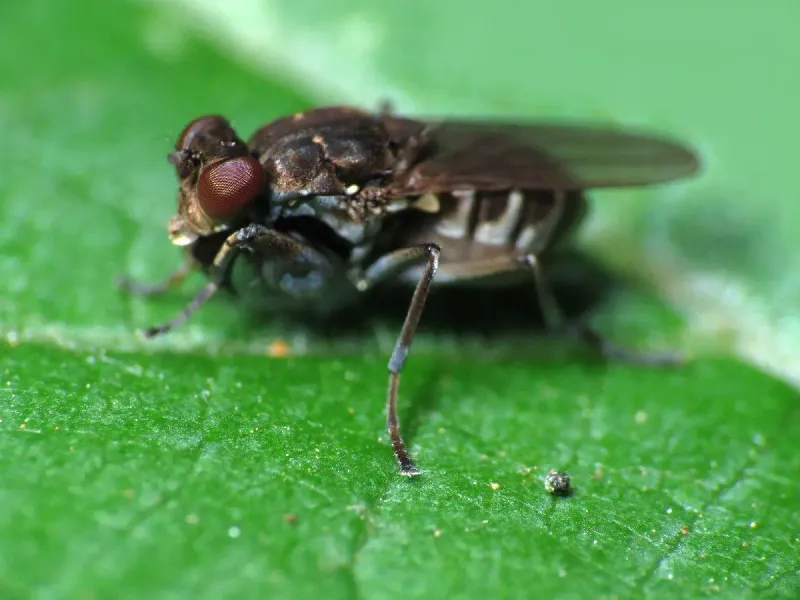
Shore flies often get mistaken for fungus gnats, and honestly, that mix-up happens to a lot of Michigan indoor gardeners.
These small, dark flies belong to the family Ephydridae and share a love of wet environments, which makes indoor seed-starting setups an easy target during the long Michigan winter months.
Spotting them early helps you understand what your growing conditions are telling you.
Unlike fungus gnats, shore fly larvae do not typically feed on seedling roots. Instead, they munch on algae and organic debris that builds up in constantly wet soil and on the surfaces of trays.
So while your plants may not suffer direct feeding damage, a shore fly infestation is a clear sign that your watering routine needs some adjustments. Wet conditions that attract shore flies also create an environment where root rot and fungal issues thrive.
The most straightforward fix is improving your drainage and cutting back on how frequently you water. Allow the soil surface to dry out between waterings, and make sure your seed trays have proper drainage holes that are not blocked.
Cleaning up any algae buildup on tray surfaces removes a major food source for shore fly larvae. Increasing airflow around your growing area also speeds up surface drying.
Think of shore flies as a helpful early warning system telling you that your Michigan indoor seed-starting environment has gotten a little too wet for comfort.
7. Springtails

Springtails are one of those insects that look alarming the first time you see them bouncing around in your seed trays.
These tiny jumping creatures belong to the order Collembola, and their sudden leaping motion when disturbed can definitely startle a gardener who has never encountered them before.
Michigan gardeners working with very moist seed-starting setups are the most likely to come across these little jumpers.
Here is the reassuring part though: springtails are mostly harmless to your seedlings. Their main diet consists of decaying organic matter, fungi, and mold spores in the soil rather than living plant tissue.
In very large numbers, there is some possibility they could nibble on fine root hairs or tender seedling stems, but significant plant damage from springtails alone is genuinely rare. Their presence is much more of a signal than a serious threat.
When springtails show up in your Michigan indoor growing space, take it as a cue to revisit your watering habits. Letting the soil dry out slightly between waterings removes the moist conditions they depend on to survive and reproduce.
Improving air circulation around your seed trays speeds up evaporation and makes the environment less hospitable for them.
In most cases, simply adjusting moisture levels is enough to send springtail populations down naturally without any additional treatments needed. A drier surface is all it really takes to encourage them to move along.