4 Herbs To Plant In Georgia During March And 4 That Need Warmer Nights
Ever feel like Georgia’s March weather is playing a game of “now you see summer, now you don’t”?
It is a confusing time for any gardener – one day you are basking in warm afternoon sun, and the next, you are bracing for a chilly night that dips into the 40s.
While that erratic weather keeps us on our toes, it is actually the secret to mastering your spring herb garden.
Different herbs have different “triggers,” and understanding which ones love the lingering chill and which ones are waiting for the real heat is the difference between a thriving harvest and a stalled-out crop.
Getting the timing right now means bypassing the usual spring frustrations and securing a much stronger start for your pots and beds.
Let’s look at which herbs are ready to jump into the soil right now and which ones prefer to stay on the sidelines a little longer.
1. Chives Wake Up Early And Keep Coming Back
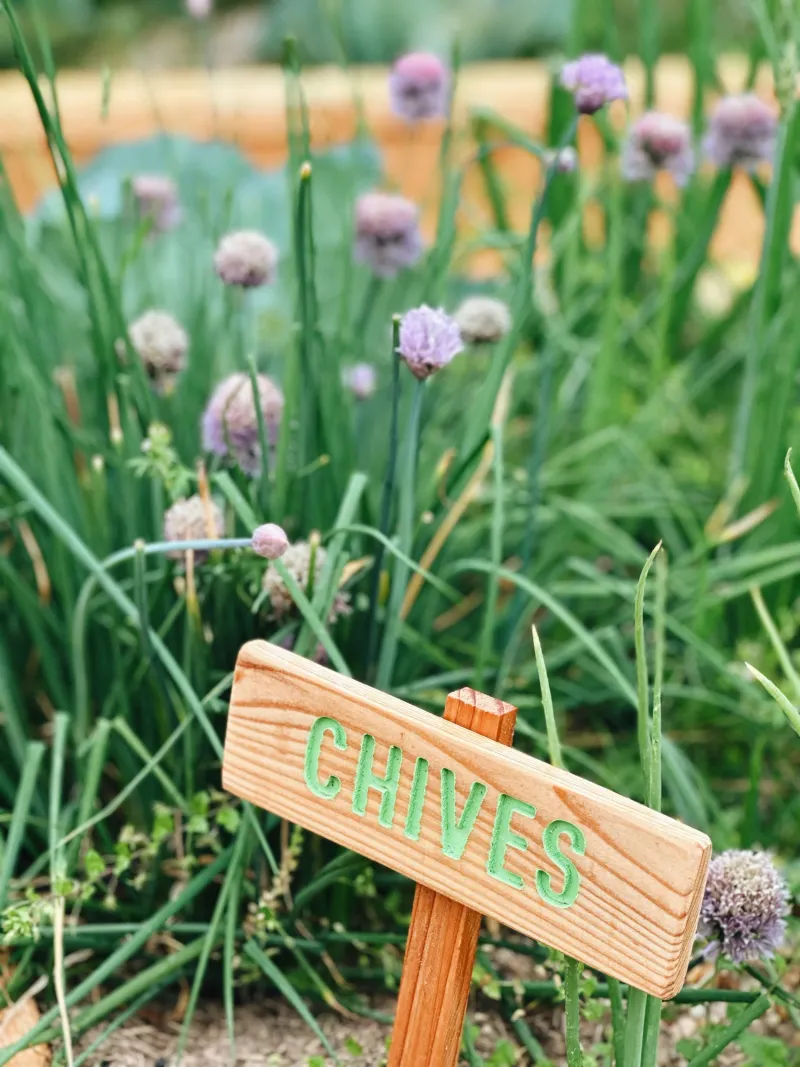
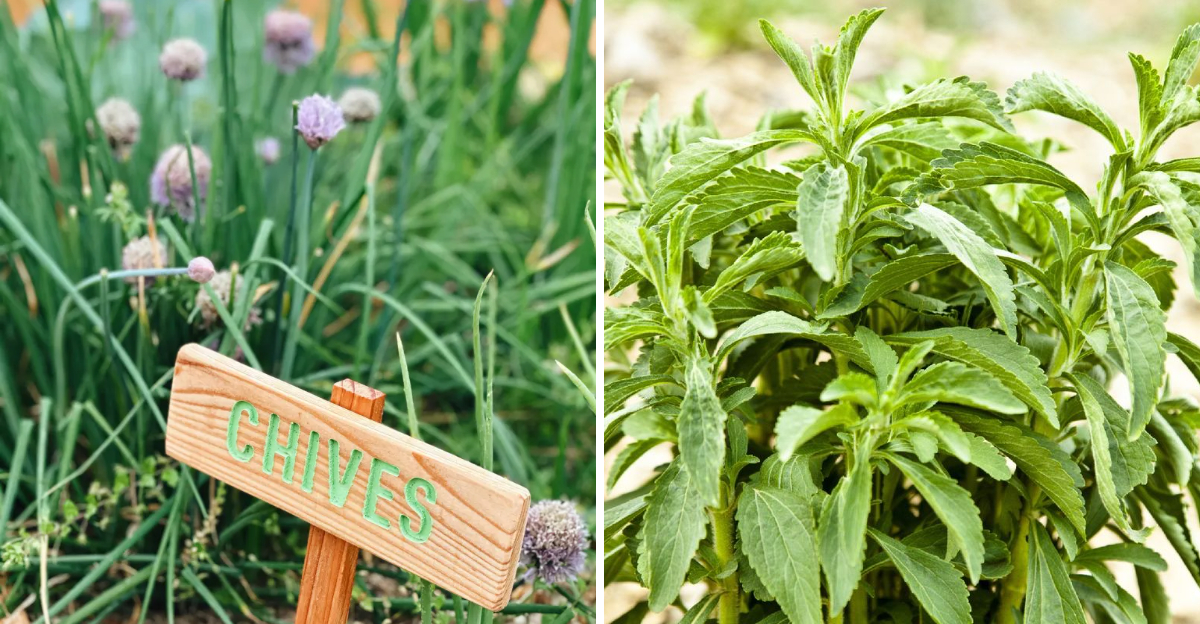
One of the most reliable things about early spring in Georgia is that chives are probably already pushing up from the soil before you even think about planting anything.
This perennial herb is among the first to wake up after winter, and March is a great time to either divide existing clumps or set out new transplants into the garden.
Chives handle cool soil and chilly nights without much fuss, making them a natural fit for Georgia’s unpredictable early spring weather.
They do well in full sun but can tolerate a little afternoon shade, which comes in handy as Georgia days start heating up toward the end of March. Well-drained soil with some compost worked in gives them a strong start.
Container growing works well too, and a pot of chives on a sunny porch can be harvested all season long with very little effort.
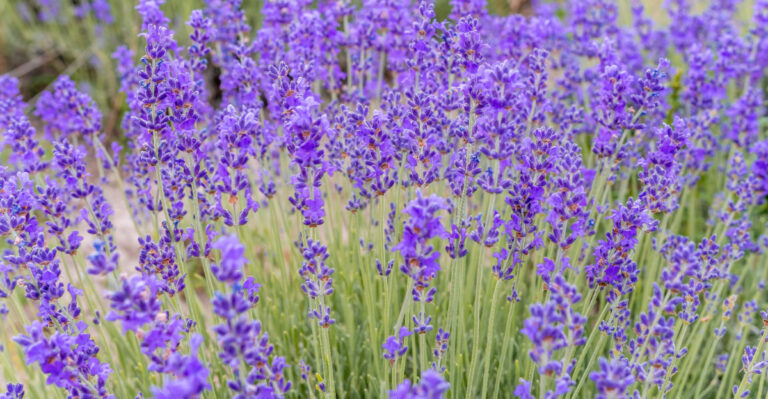
Snip the leaves about an inch above the soil and they’ll grow right back, often giving you multiple harvests before summer heat arrives. The purple blooms that appear in late spring are edible and look beautiful in salads.
If you’re starting from seed, chives germinate slowly, so transplants are usually the smarter choice for March planting. Watch for soggy soil after heavy spring rains, since sitting water can cause the roots to rot.
Give them decent drainage and they’ll reward you with fresh, mild onion flavor from early spring well into fall.
2. Dill Sprouts Fast For Spring Salads And Pickles
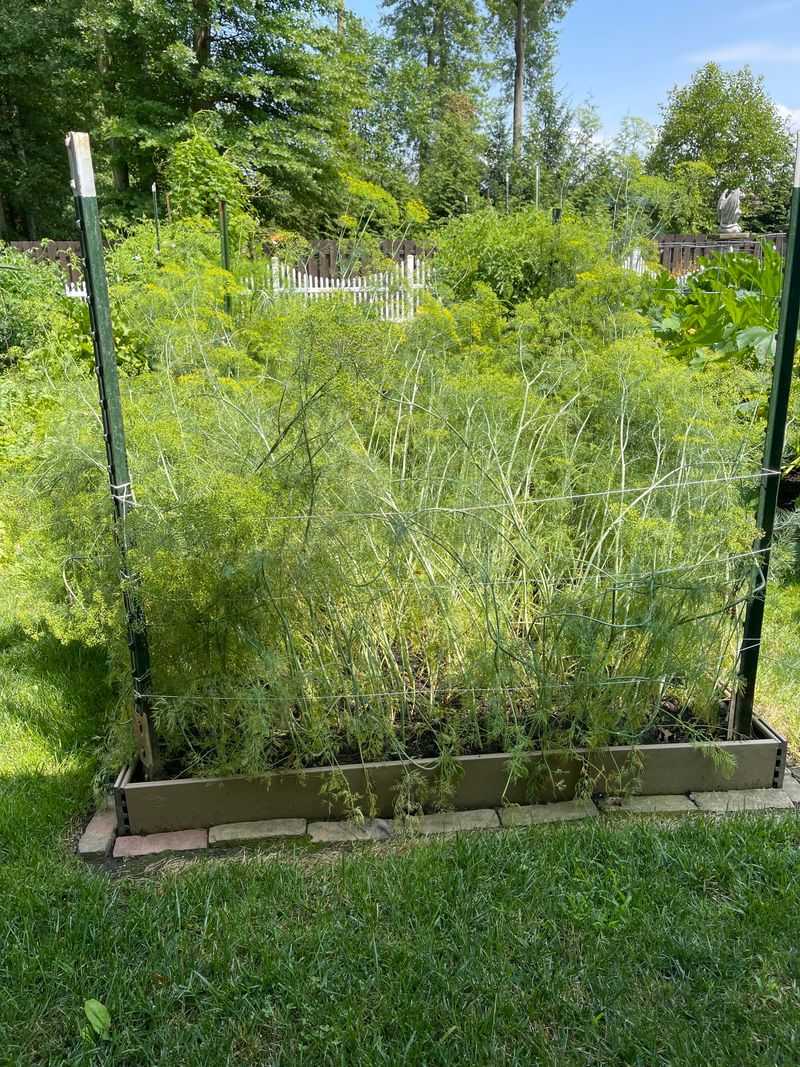
Few herbs reward impatient gardeners quite like dill, which can go from seed to harvest-ready fronds in just a few weeks under the right conditions.
In Georgia, direct-sowing dill seeds into the garden in early to mid-March takes advantage of the cool soil and moderate temperatures that this herb genuinely prefers.
Dill does not transplant well because of its long taproot, so scattering seeds directly where you want them to grow is the standard approach.
Choose a spot with full sun and loose, well-drained soil. Dill is not picky about soil fertility, but it does not like wet feet.
Your Georgia Garden Changes Every Week. Your Plan Should Too.
Gardening in Georgia changes quickly throughout the season. Every Friday you’ll receive a simple weekly plan showing exactly what to plant, prune, fertilize, harvest, and protect so you never miss the right timing.
Thin seedlings to about a foot apart once they’re a couple of inches tall so they have room to develop properly. In containers, a deep pot works better than a shallow one because of that taproot.
The window for dill in Georgia is actually fairly short. Once temperatures consistently hit the high 80s and nights stay warm, dill tends to bolt quickly, sending up flower heads and losing its best leaf flavor.
Planting in March gives you the best chance to enjoy that tender, feathery foliage for salads, dips, and fresh pickles before the heat shuts it down.
Succession planting every two to three weeks through early April can extend your harvest.
A late frost in March is possible in northern Georgia, but dill seedlings can handle a light frost reasonably well once they’re established in the ground.
3. Parsley Stays Happy In Cool March Weather
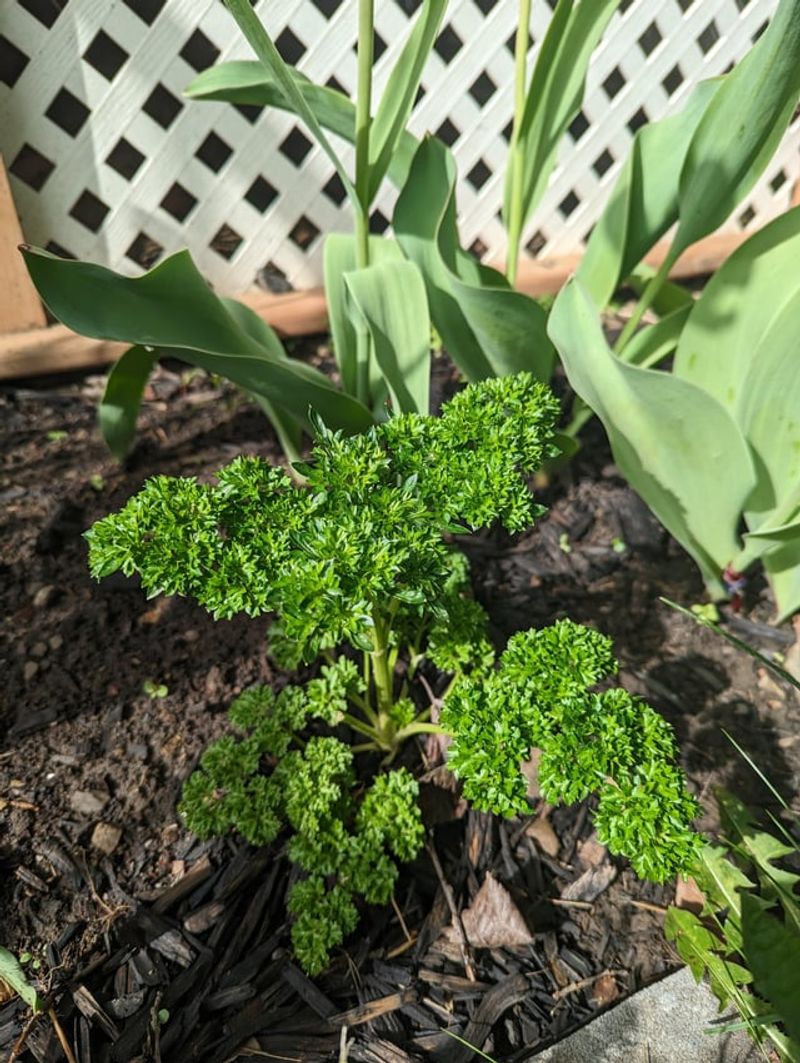
Parsley is a slow starter, and that reputation is well-earned.
Seeds can take two to four weeks to germinate even under ideal conditions, which is why many Georgia gardeners skip the seed stage and pick up transplants from a local nursery in March instead.
Either way, March is a solid month to get parsley into the ground because it genuinely thrives in the cool temperatures that define early spring across most of Georgia.
Both curly and flat-leaf varieties do well here. Flat-leaf parsley tends to have stronger flavor and holds up better in cooking, while curly parsley is popular as a garnish and stays tidy in containers.
Plant in full sun to partial shade with rich, consistently moist but well-drained soil. Adding compost at planting time gives parsley the nutrients it needs to put on good growth before summer arrives.
One thing to keep in mind is that parsley is a biennial, meaning it focuses on leaf production in its first year and then bolts to flower in its second. For the best flavor and the most usable leaves, treat it as an annual and replant each season.
In Georgia, the spring planting in March usually gives you a productive harvest window through late spring and into early summer before heat causes quality to drop.
Container parsley can be moved to a shadier spot as summer intensifies, which can extend the harvest a few extra weeks into the warmer months.
4. Cilantro Brings Fresh Flavor Before Heat Hits
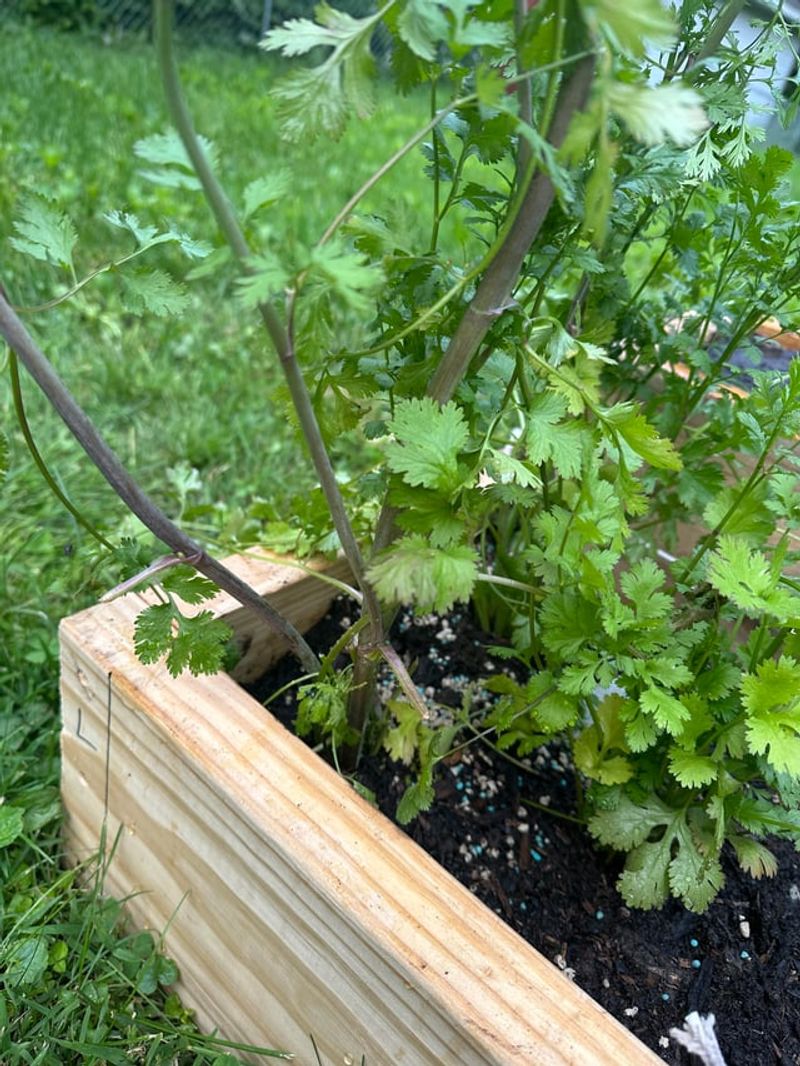
Cilantro usually shines in Georgia when temperatures are still moderate. Once warm nights settle in, it tends to bolt, so early March planting often lines up with its best growth window.
Direct sowing is often the simplest route, since cilantro can be fussy about root disturbance due to its taproot.
Scatter seed in loose soil, keep the surface lightly moist during germination, and thin plants so air can move between them. Crowding can speed up stress and shorten the harvest window.
For containers, choose a pot that’s wide enough for a small patch but also deep enough to accommodate the taproot, then place it in morning sun with a little afternoon shade as spring warms.
Succession planting through early spring can help you keep leaves coming longer.
When flower stalks appear, letting a few plants go to seed gives you coriander for cooking and can also lead to a few volunteer seedlings later.
5. Basil, However, Wants Warm Nights Before It Takes Off
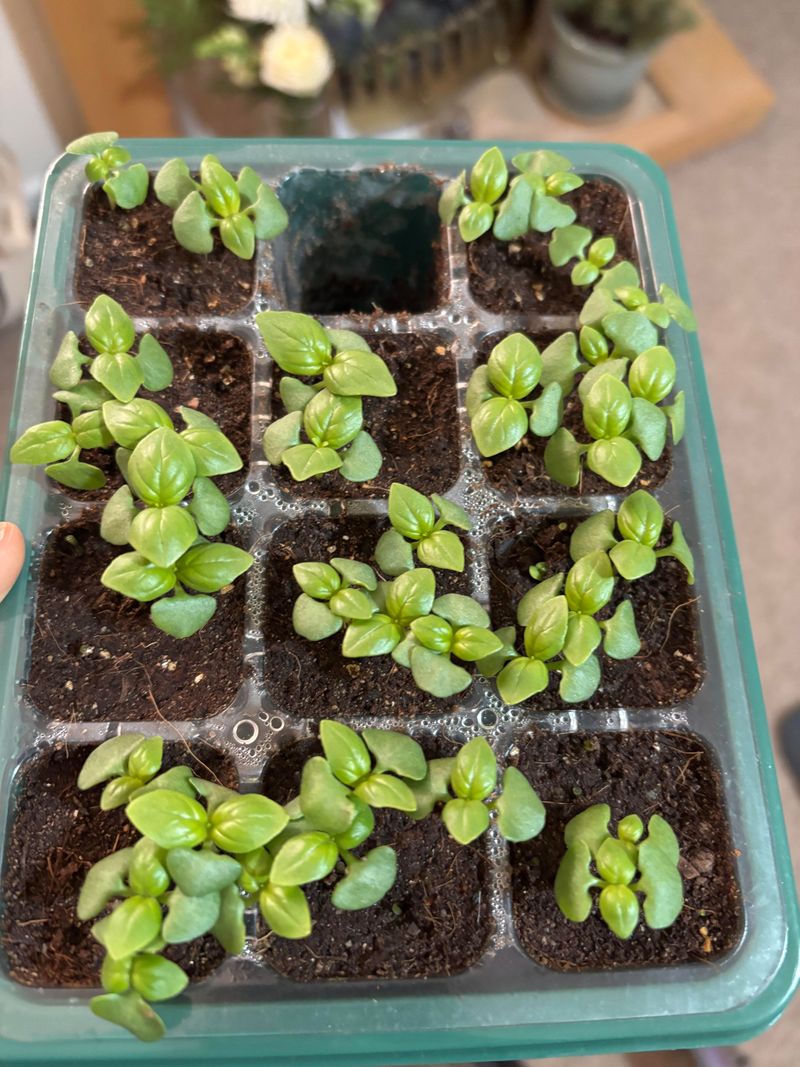
Walk into almost any Georgia garden center in early March and you’ll see basil transplants sitting on the shelves, looking tempting. Resist the urge to plant them outside just yet.
Basil is highly sensitive to cold soil and cool nights, and even a brief dip into the low 50s can stress young plants, causing them to turn yellow, stall out, or develop black spots on their leaves.
The herb needs consistent nighttime temperatures above 50 degrees Fahrenheit before it truly settles in.
In most parts of Georgia, that reliable warmth doesn’t arrive until mid-April or later, depending on whether you’re in Atlanta, Savannah, or somewhere in between. Northern Georgia gardeners should be especially patient.
If you start basil from seed indoors in early March under grow lights, you can have strong transplants ready to go outside once conditions are right. Starting seeds indoors gives you a head start without risking cold damage.
If you absolutely want to try basil outside in late March, keep it in a container that you can bring inside on cold nights.
Frost cloth can offer some protection during surprise cold snaps, but moving the pot is more reliable.
Choose a spot with full sun and rich, well-drained soil when you do plant out. Basil is a heavy feeder and benefits from a light application of balanced fertilizer after it establishes.
Once warm nights arrive and basil takes off, it grows fast and rewards regular harvesting with even bushier, more productive growth.
6. Tarragon Prefers A Milder Start To The Season
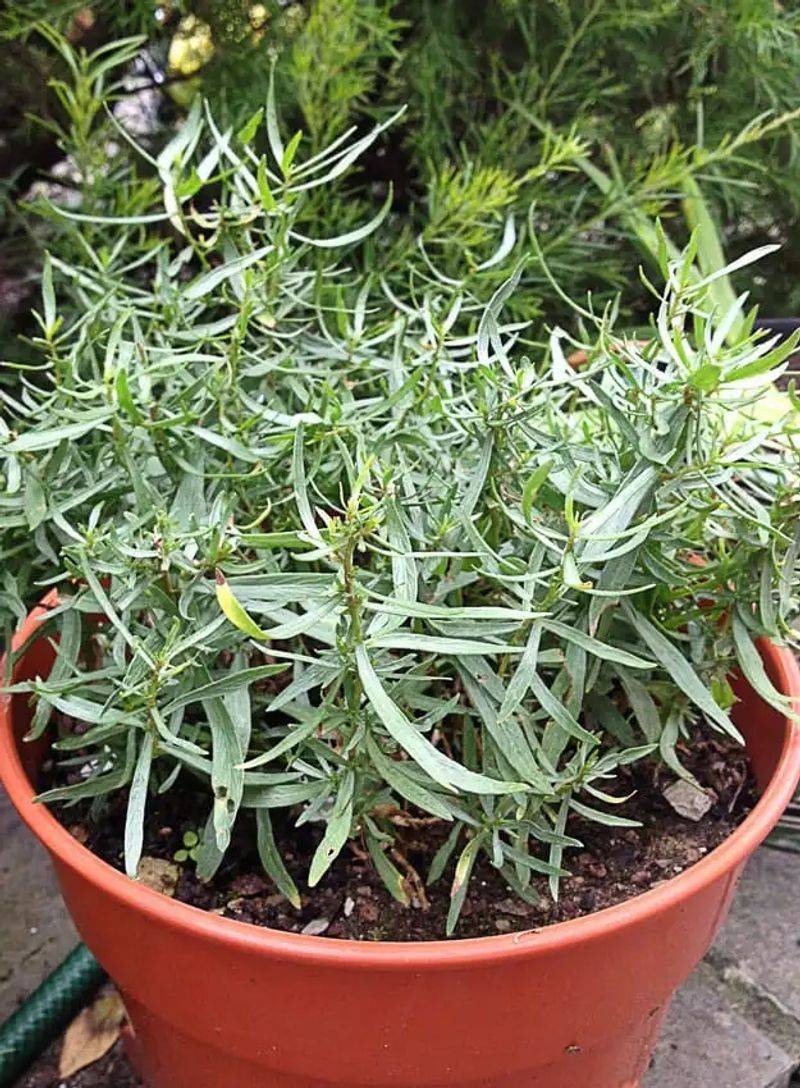
French tarragon has a devoted following among cooks who appreciate its subtle anise-like flavor, but it can be a bit finicky about when and how it gets started. Unlike many herbs, true French tarragon cannot be grown from seed at all.
It must be propagated from divisions or cuttings, which means buying transplants from a reputable nursery is the only real option for home gardeners.
March in Georgia is an acceptable time to get transplants in the ground, but the timing requires some attention to nighttime temperatures.
French tarragon is not as cold-sensitive as basil, but it prefers to establish when nights are mild rather than still dropping into the upper 30s regularly.
Waiting until mid-to-late March, when overnight lows are more consistently in the mid-40s to 50s across most of Georgia, tends to give transplants a better start.
Planting in well-drained soil is essential because tarragon roots rot quickly in wet conditions, and Georgia’s spring rains can be heavy.
Full sun to light afternoon shade suits this herb well. Raised beds and containers both work nicely, and containers make it easy to adjust positioning as the season changes.
French tarragon does not like extreme summer heat, so choosing a spot with some afternoon shade can help it persist longer into Georgia’s hot summers.
Avoid overwatering and skip heavy fertilizing, since rich soil tends to dilute the flavor that makes this herb so prized in the kitchen.
Harvest by snipping stem tips regularly to keep the plant producing fresh growth.
7. Lemongrass Likes Heat Before It Starts Growing Hard
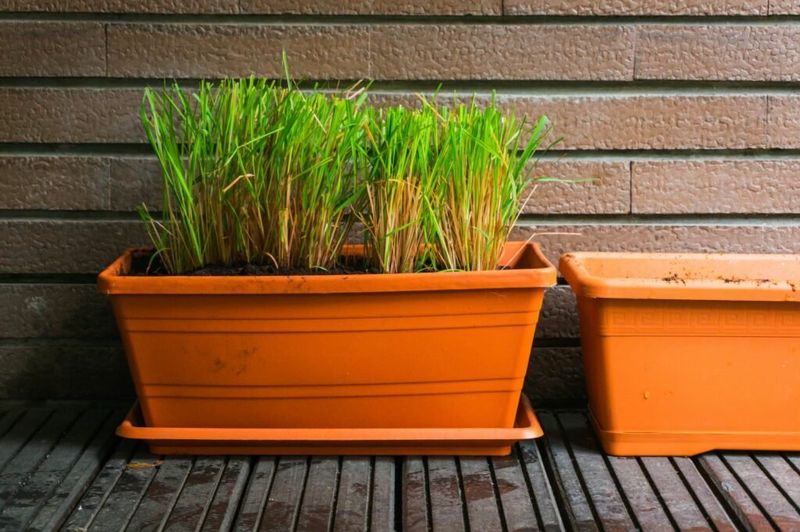
Lemongrass is one of those herbs that makes Georgia gardeners feel optimistic in March but tends to disappoint if planted too early.
It is a tropical plant at heart, native to warm climates, and it simply will not put on meaningful growth until both soil temperatures and nighttime air temperatures are consistently warm.
In most of Georgia, that kind of warmth doesn’t arrive until late April or May, making March planting a gamble that usually doesn’t pay off.
If you plant lemongrass outside in March, expect it to sit there looking unimpressed for weeks. Cold soil below 60 degrees Fahrenheit slows its root development significantly, and cool nights can cause the lower leaves to yellow and brown.
Rather than rushing it outside, start lemongrass in a large container indoors or in a warm greenhouse during March so it can get established before outdoor conditions are truly ready.
When you do move it outside, choose the sunniest spot in your garden and amend the soil with compost to improve drainage and fertility. Lemongrass grows into impressive clumps over a single season in Georgia’s warm summers, so give it plenty of space.
Containers work well long-term since you can bring the plant indoors over winter, as lemongrass is not reliably cold-hardy in most Georgia zones. Harvest the lower stalks by cutting close to the base once the plant is actively growing.
The fresh stalks have a bright citrus flavor that’s excellent in soups, teas, and marinades.
8. Stevia Needs Consistent Warmth To Settle In
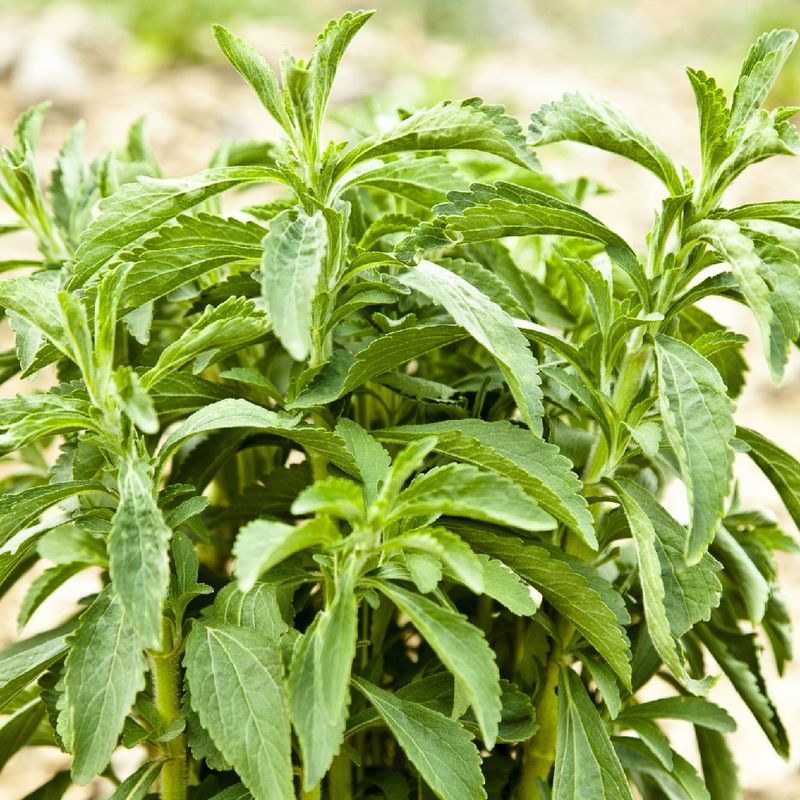
Stevia can be a fun herb to grow, but it usually performs better once spring weather is settled. A practical guideline is planting it after danger of frost has passed, rather than pushing it into cold nights.
Warm soil helps it start growing steadily instead of sitting still for weeks. Containers can be handy early in the season because they warm up faster and can be moved under cover during surprise cool snaps.
Transplants are often easier than seed because seed germination can be uneven and seedlings can be slow. Stevia prefers well-drained soil rich in organic matter and benefits from consistent moisture, especially early on.
Avoid soggy clay spots, since roots can struggle when water lingers. Harvest by pinching tips to encourage branching and more leaves, and start light harvesting once the plant is growing strongly.
Fresh leaves can sweeten tea, and dried leaves can be used too, though flavor can vary and some plants have a noticeable aftertaste.