Groundhogs Love Eating These Plants In Pennsylvania Gardens
If you’ve noticed holes in your garden beds or missing plants in Pennsylvania, groundhogs might be the culprits. These furry critters are voracious eaters with a particular taste for tender leaves, vegetables, and flowers, turning even the most carefully planned garden into a buffet.
Understanding which plants they love most can help gardeners protect their prized greenery.
Groundhogs tend to favor leafy greens, beans, peas, and flowering plants, making vegetable gardens especially vulnerable. Even ornamental plants aren’t safe from their nibbling.
Their feeding habits can stunt growth, reduce harvests, and create noticeable damage in flower beds.
Knowing which plants attract groundhogs allows Pennsylvania gardeners to plan ahead. By selecting resistant varieties, using protective measures, or strategically planting in less vulnerable areas, you can minimize damage and keep your garden productive.
With some planning and observation, your yard can thrive while keeping these hungry visitors in check.
1. Lettuce
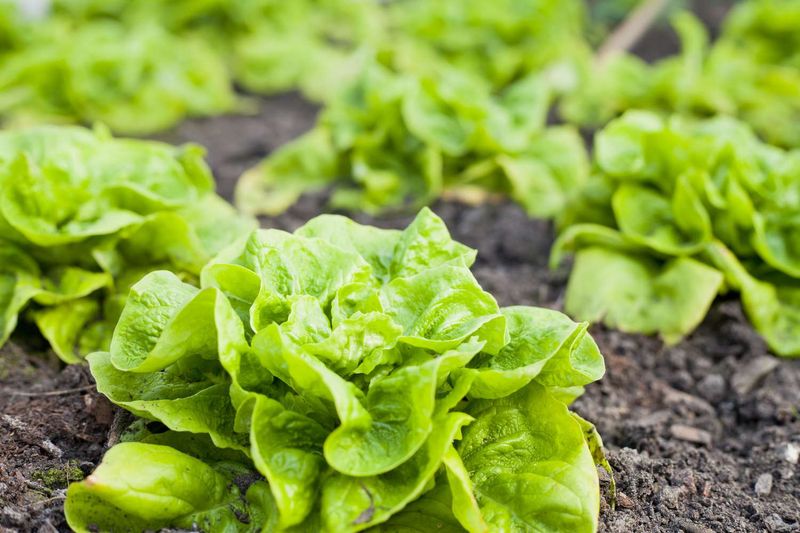
Few things are more frustrating than walking out to your Pennsylvania garden on a bright spring morning and finding your lettuce stripped down to the stems. Groundhogs absolutely love lettuce, and it is often the first plant they target when they wander into a garden.
The tender, juicy leaves are easy to chew and packed with moisture, making lettuce one of the most attractive snacks a groundhog can find.
Young lettuce seedlings are especially vulnerable. In early spring, when groundhogs come out of hibernation hungry and ready to eat, freshly planted lettuce rows can disappear almost overnight.
A single groundhog can wipe out an entire bed of lettuce in just one or two visits. Pennsylvania gardeners who grow lettuce in raised beds or open rows often notice the damage before they even realize a groundhog is living nearby.
The signs of groundhog feeding on lettuce are pretty obvious. You will see jagged, uneven edges on the leaves, or entire plants will be eaten down to the soil.
Sometimes only the top growth is gone, and the roots are left behind. If you want to protect your lettuce crop, consider using a wire mesh fence buried at least a foot underground.
Groundhogs are strong diggers, so a fence that only sits on top of the soil will not stop them. You can also try planting garlic or chives nearby, as groundhogs tend to avoid strong-smelling herbs.
Staying alert early in the season gives you the best chance of saving your lettuce harvest.
2. Tomatoes
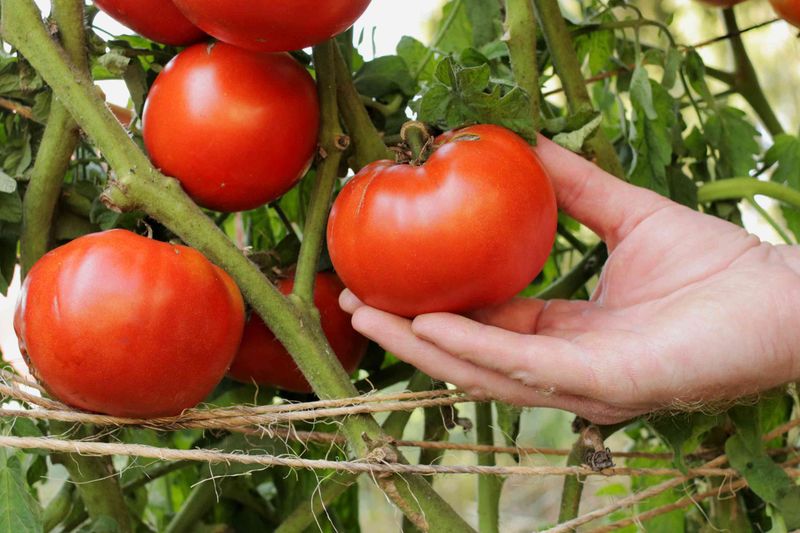
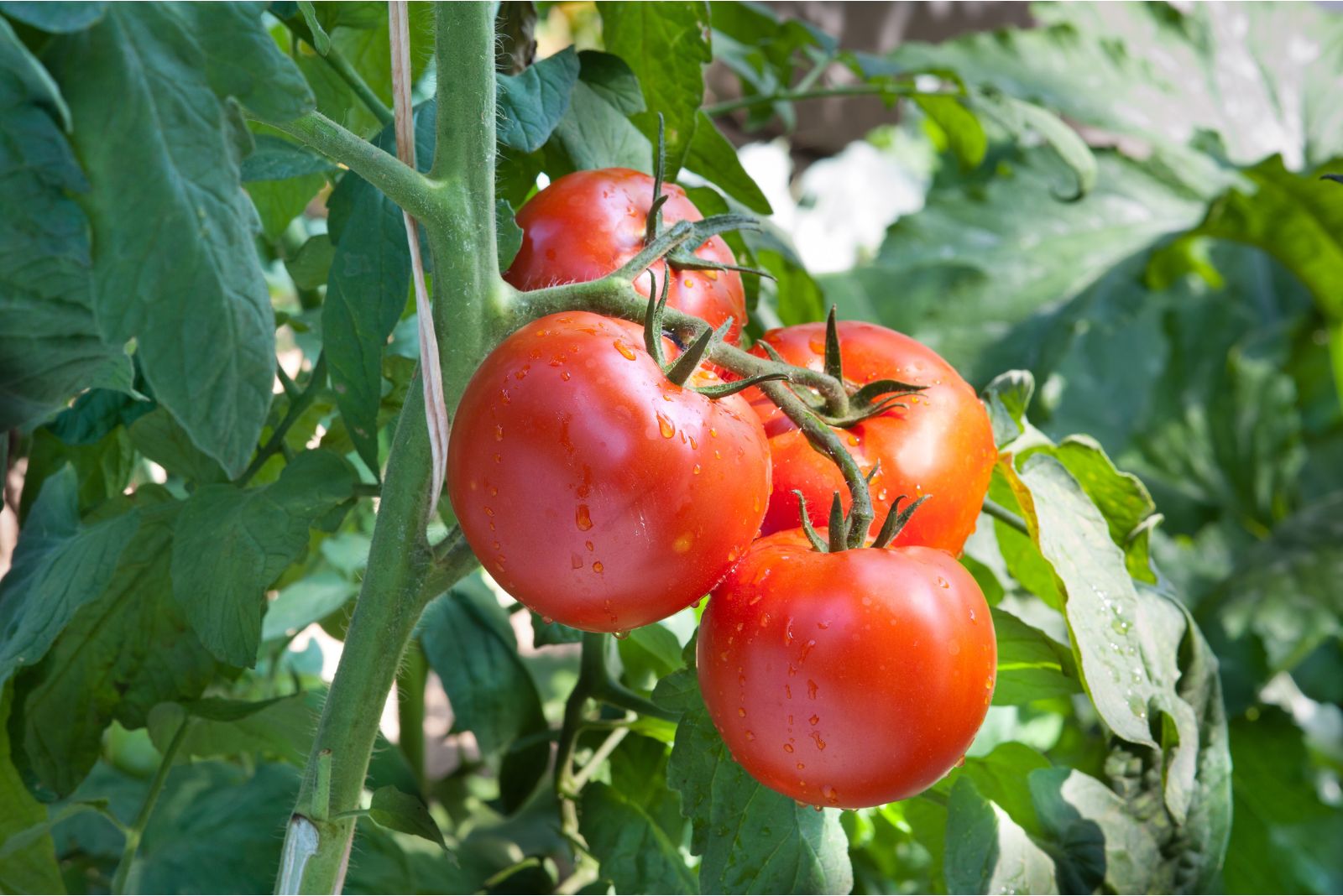
Tomatoes are one of the most popular vegetables grown in Pennsylvania, and unfortunately, groundhogs know it. These animals are drawn to tomato plants from the moment they are transplanted into the ground.
Young plants are especially at risk because their stems are still soft and easy to bite through. A groundhog can chew a young tomato plant right at the base, causing the whole plant to collapse before it even gets a chance to grow.
As tomato plants mature, groundhogs shift their attention to the fruits. They often take a few bites out of a tomato and move on to the next one, leaving behind a trail of half-eaten fruits scattered across the garden bed.
Your Pennsylvania Garden Changes Every Week. Your Plan Should Too.
Gardening in Pennsylvania changes quickly throughout the season. Every Friday you’ll receive a simple weekly plan showing exactly what to plant, prune, fertilize, harvest, and protect so you never miss the right timing.
This kind of damage is not just disappointing, it can ruin a whole season of work. Pennsylvania gardeners who grow heirloom or beefsteak tomatoes often feel this loss especially hard, since those varieties take longer to grow and are harder to replace.
Protecting tomato plants starts with a solid barrier. A wire fence that stands at least four feet tall and is buried about twelve inches into the ground works well against groundhogs.
You can also try placing tomato cages earlier in the season to make it harder for groundhogs to reach the base of the plant. Some gardeners in Pennsylvania swear by cayenne pepper sprinkled around the base of their tomato plants.
Groundhogs dislike the smell and taste of spicy pepper, so this can be an easy and affordable way to keep them away from your tomato crop.
3. Beans
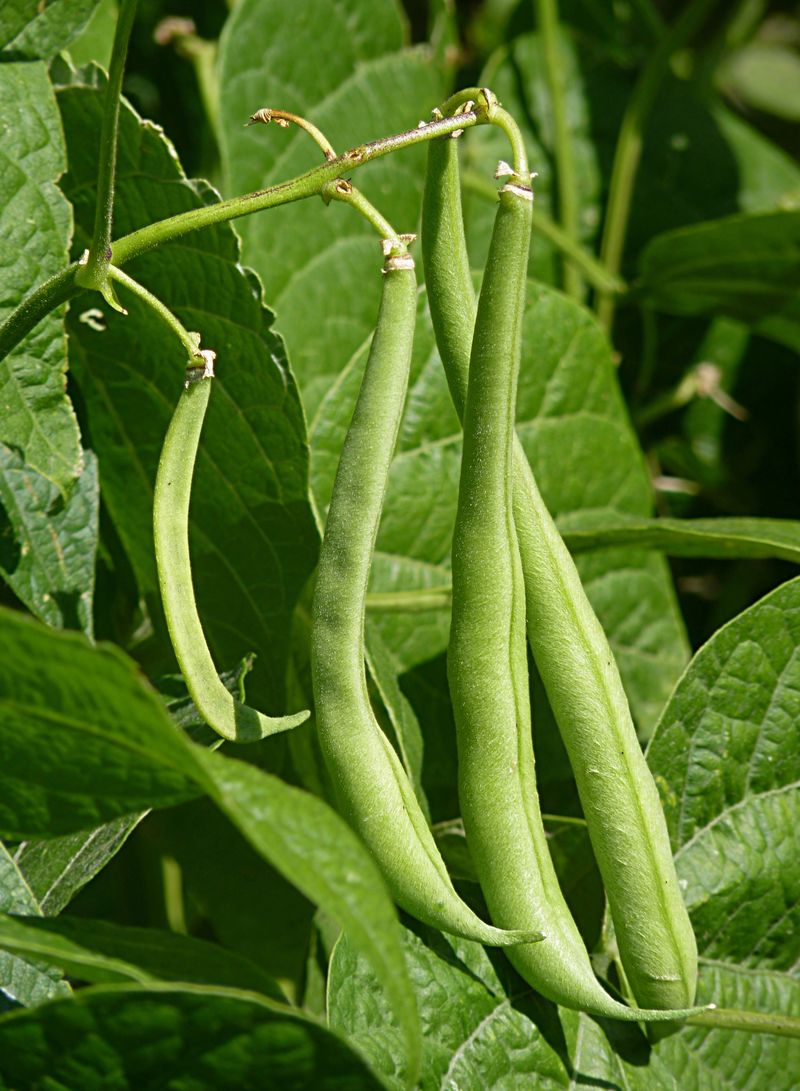
Walk through any Pennsylvania neighborhood in midsummer and you are likely to find someone growing beans. Bush beans and pole beans are garden staples here, and groundhogs know exactly where to find them.
Beans are soft, fast-growing, and incredibly nutritious, which makes them a top choice for any hungry groundhog roaming through the area. The damage they cause can be surprisingly thorough for such a small animal.
Groundhogs do not just nibble on one part of a bean plant. They go after the leaves, the stems, and the pods all at once.
A groundhog feeding on beans can strip a plant down significantly in a single visit. Young bean plants are especially easy targets because their stems are thin and the leaves are close to the ground.
Even pole beans grown on a trellis are not completely safe, since groundhogs can stand on their hind legs to reach lower leaves and pods.
Reduced yields are one of the biggest problems Pennsylvania bean growers face when groundhogs are active nearby. Even if the plant survives, losing leaves and pods early in the season can slow growth and cut your harvest in half.
To protect beans, try surrounding your garden bed with a chicken wire fence that has a small mesh size. Groundhogs cannot squeeze through tiny openings.
You can also apply a natural repellent spray made from garlic or hot pepper around the perimeter of your bean rows every few days, especially after rain washes it away. Staying consistent with your protection plan makes a big difference over the course of the growing season.
4. Zucchini And Summer Squash
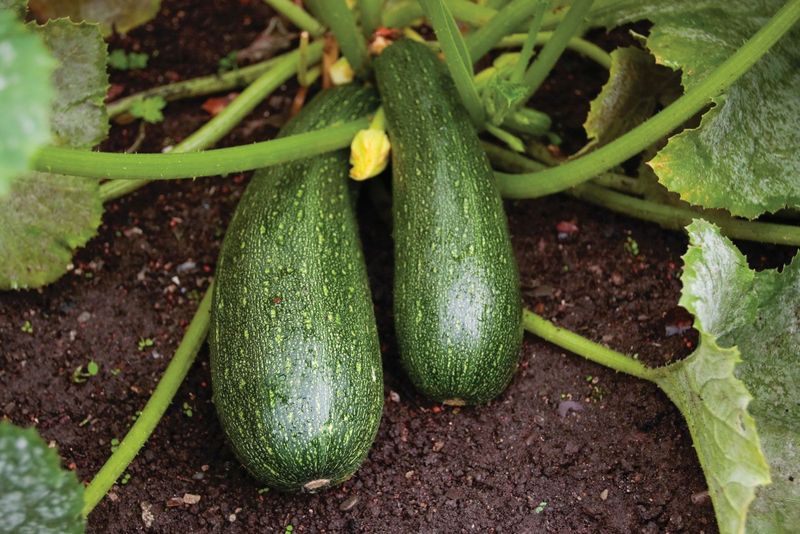
There is something almost ironic about growing zucchini in Pennsylvania. The plants grow so fast and so big that gardeners often end up with more squash than they know what to do with.
But groundhogs can change that story quickly. These animals are strongly attracted to squash plants, and the reason is simple: zucchini and summer squash have huge, broad leaves and thick, moisture-filled stems that are easy to chew and very satisfying to eat.
Groundhogs tend to start with the leaves, which they can tear through with ease. Large squash leaves provide a generous meal, and the groundhog does not have to work hard to get it.
After working through the foliage, they move on to the developing fruits. Young zucchini that are still small and tender are especially appealing.
A groundhog will bite into a young squash and scoop out the soft flesh inside, leaving behind a hollowed-out shell that is no longer usable.
The combination of foliage damage and fruit loss can really set back a squash crop. Pennsylvania gardeners who grow zucchini in open garden beds are more likely to experience this kind of damage than those who use raised beds with protective fencing.
One helpful strategy is to use row covers early in the season to keep groundhogs away from young plants. As the plants get larger and tougher, they become a little less appealing, but the fruits remain a target all summer long.
Checking your garden each morning helps you catch any fresh damage early and adjust your protection methods before things get worse.
5. Peppers
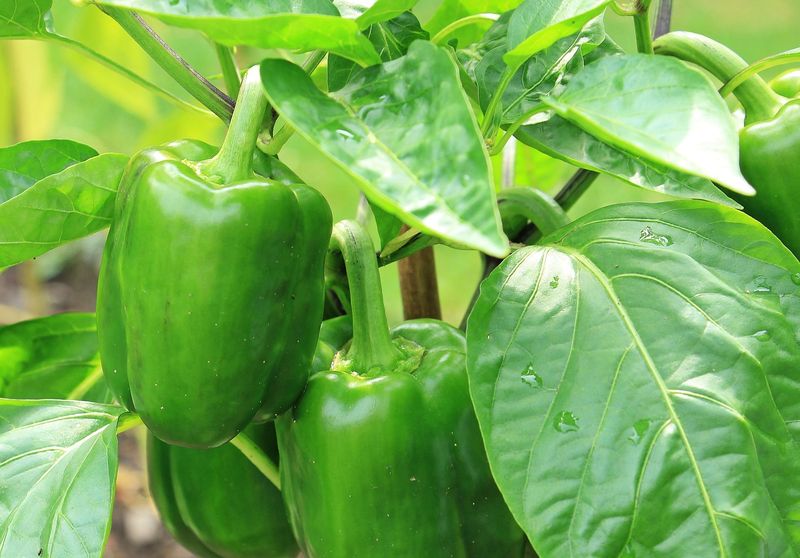
Most people assume that hot peppers would be enough to keep any animal away. After all, the capsaicin in hot peppers is what makes them spicy, and humans certainly feel that heat.
Groundhogs, however, are not as bothered by it as you might think. Both sweet peppers and hot pepper plants are eaten by groundhogs in Pennsylvania gardens, which surprises a lot of first-time growers who thought their spicy plants were safe.
Young pepper plants are the most vulnerable. When peppers are first transplanted in late spring, they are small and their stems are still soft and easy to bite through.
A groundhog can chew through the base of a young pepper plant quickly, ending its growth before it even really begins.
As the season goes on and fruits begin to develop, groundhogs will also take bites out of the peppers themselves, especially the sweet varieties like bell peppers, which have thicker, juicier flesh.
Pennsylvania gardeners who grow peppers often notice the damage in the morning after a groundhog has been active overnight or at dawn. The most reliable way to protect pepper plants is to use a physical barrier like a wire fence.
Since peppers are often grown in rows or raised beds, fencing around the entire growing area tends to work better than trying to protect individual plants. Some gardeners also find that placing motion-activated sprinklers near the garden helps startle and discourage groundhogs from coming back.
Combining a few different strategies at once gives your pepper plants the best shot at making it to harvest time in good shape.
6. Carrots
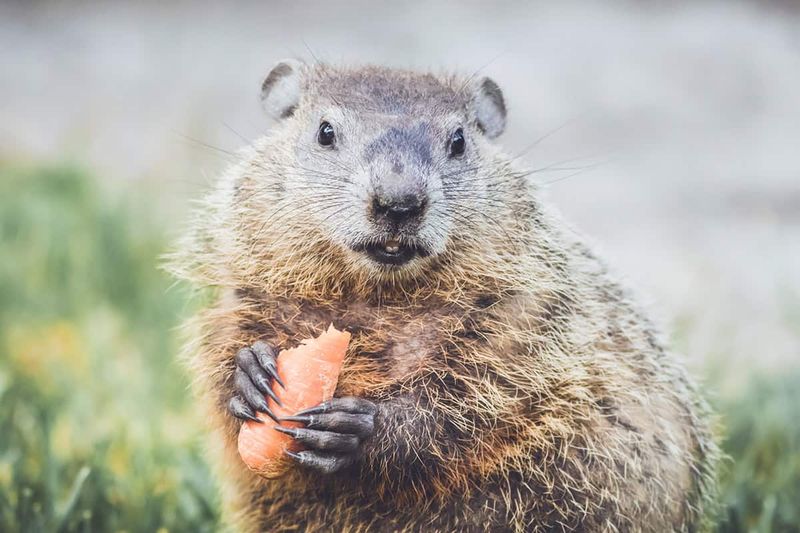
Carrots grow underground, so you might think they would be safe from above-ground pests like groundhogs. Think again.
Groundhogs are surprisingly skilled diggers, and they have no trouble sniffing out carrot roots buried beneath the surface of a Pennsylvania garden bed.
They will dig right down into the soil to pull up carrots, leaving behind obvious holes and disturbed earth that make it very clear something has been at work in your garden.
The signs of carrot damage from groundhogs are hard to miss. You will often find the green tops chewed off and lying on the ground, with the root either completely gone or partially eaten nearby.
Sometimes the groundhog will pull the carrot out and drag it a short distance before eating it. In other cases, you might find a series of small, neat holes dug along your carrot rows where the animal has been working methodically through your crop.
Protecting carrots from groundhogs in Pennsylvania requires a slightly different approach than protecting above-ground crops.
A deep wire fence is still helpful, but you should also consider covering your carrot bed with a layer of hardware cloth laid flat on the soil surface and anchored down with stakes.
This makes it much harder for a groundhog to dig through. Some Pennsylvania gardeners have also found success using raised beds with a wire mesh bottom, which prevents digging from below while still allowing good drainage.
Growing carrots in containers is another option if groundhog pressure is very high in your area. Either way, the key is blocking their access to the soil where the roots are growing.
7. Cabbage
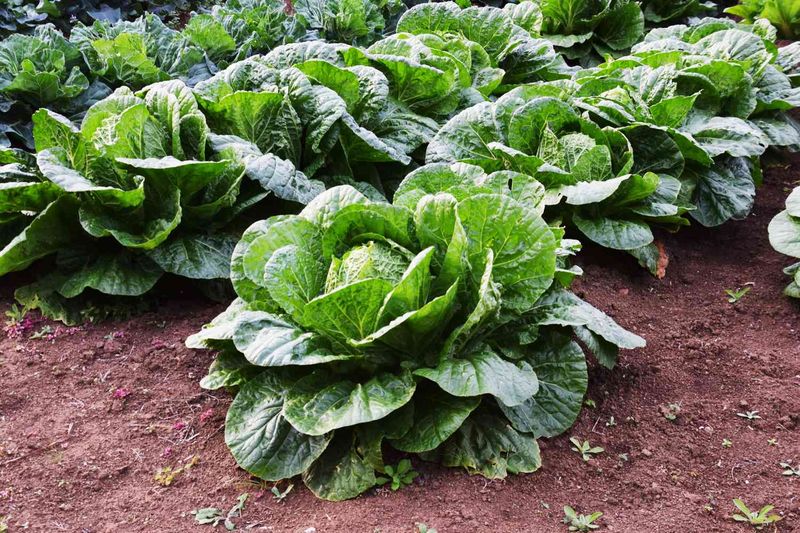
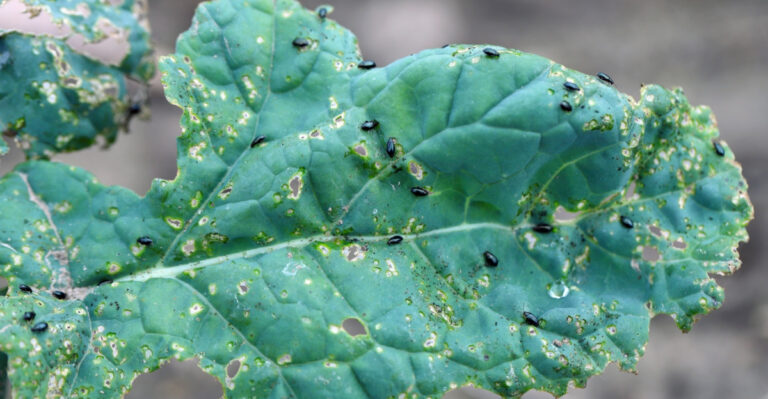
Cabbage has a strong smell that you might expect to keep animals away, but groundhogs do not seem to mind it at all. In fact, cabbage and other cole crops like broccoli, kale, and Brussels sprouts are among the most heavily targeted plants in Pennsylvania gardens.
Groundhogs are drawn to the large, broad leaves of cabbage plants, which offer a big, easy-to-eat meal with very little effort on their part.
The way groundhogs feed on cabbage is particularly damaging. They do not just take a few nibbles and move on.
They chew through the large outer leaves first, then work their way toward the center of the plant. If a groundhog reaches the tight inner head of a cabbage, the whole plant may be beyond saving.
Even if the plant survives the initial feeding, the exposed inner leaves are more vulnerable to disease and pests afterward, which can create even more problems for Pennsylvania gardeners.
Cabbage plants are also relatively low to the ground, which makes them easy for groundhogs to access without much effort. Raised beds offer some protection, but only if they are combined with a proper barrier.
A fence made of hardware cloth or chicken wire that wraps around the entire garden bed and is buried underground is the most dependable solution.
Some Pennsylvania gardeners also use strong-smelling deterrents like dried blood meal or predator urine granules scattered around the perimeter of their cabbage patch.
These products create the impression that a predator is nearby, which can be enough to make a cautious groundhog think twice before coming in for a meal.