7 Things Arizona Gardeners Need To Watch For When Growing Sunflowers
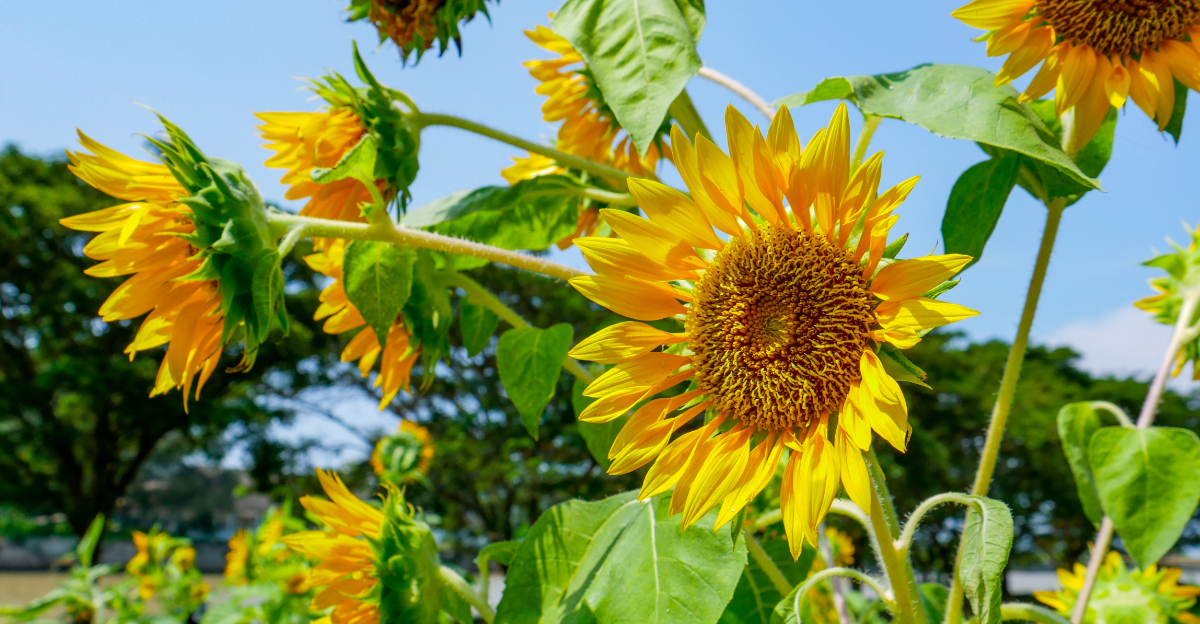
Sunflowers seem like the perfect match for Arizona gardens. They love sunshine, grow quickly, and their tall stems topped with bold flowers can instantly make a yard feel lively and full of color.
Because of that, many gardeners assume they are one of the easiest plants to grow.
But Arizona’s intense sun, dry air, and fast warming soil can create a few challenges that sunflowers do not always handle as easily as people expect.
Seeds sometimes struggle to sprout, young plants can dry out quickly, and tall stems may run into problems once strong winds arrive.
Paying attention to a few small details early in the growing season can make a big difference.
When the conditions are right and the plants stay healthy, sunflowers can grow tall, strong, and put on the kind of cheerful display that stands out in any Arizona garden.
1. Sunflowers Need Full Sun All Day In Arizona
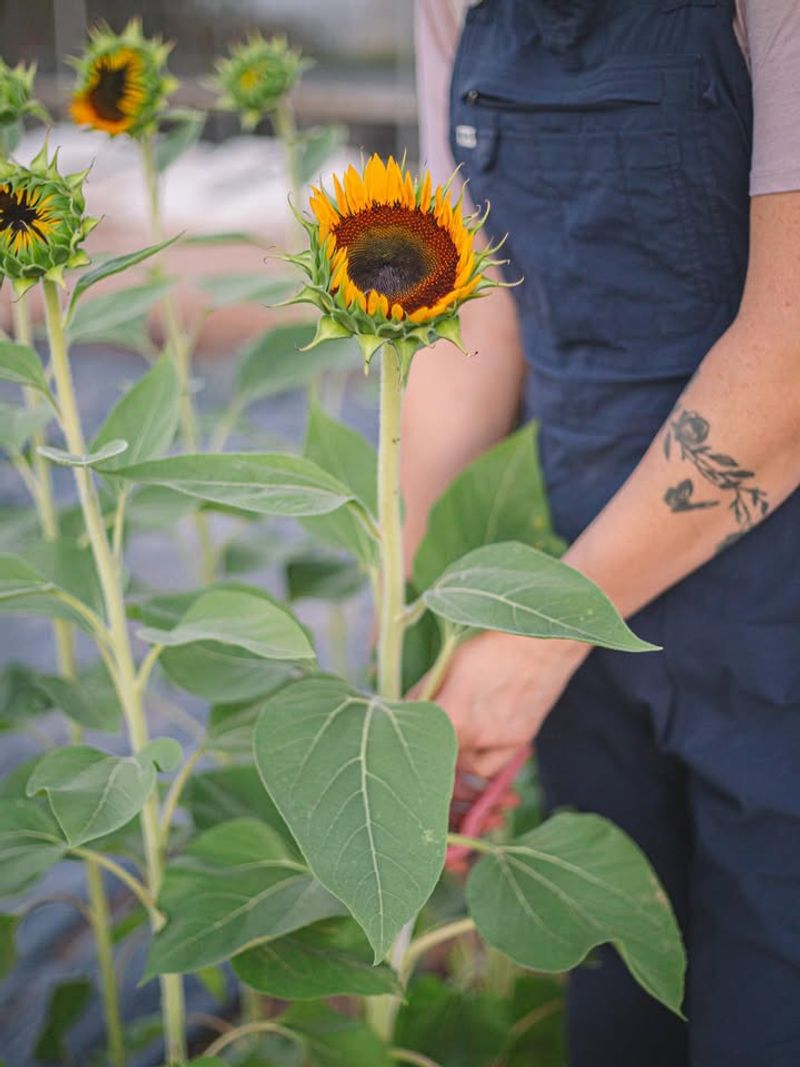
Sunflowers are not shy about what they need, and in Arizona, they make their demands very clear. Without a full day of direct sunlight, these plants simply will not perform the way you want them to.
We are talking at least six to eight hours minimum, but honestly, the more the better when you are gardening in the Southwest.
Their stems grow thicker, their root systems push deeper, and the flower heads develop richer color when they get consistent, unblocked sun throughout the day. Shade from a wall, a tree, or even a nearby taller plant can throw off the whole growing pattern.
One thing a lot of new gardeners in Phoenix and Tucson overlook is afternoon shade from structures. Even partial shade during peak afternoon hours can slow stem development and reduce bloom size noticeably.
Before you plant, spend a full day watching how sunlight moves across your yard.
South-facing beds are usually your best bet across most of Arizona. Position your sunflowers away from walls that cast long shadows, and avoid planting them too close to fences on the north side of your yard.
Getting the location right from the start saves a lot of frustration down the road. Sunflowers planted in the right spot practically take care of themselves once the roots are established and the growing season is rolling along smoothly.
2. Plant Seeds After Soil Warms In Spring
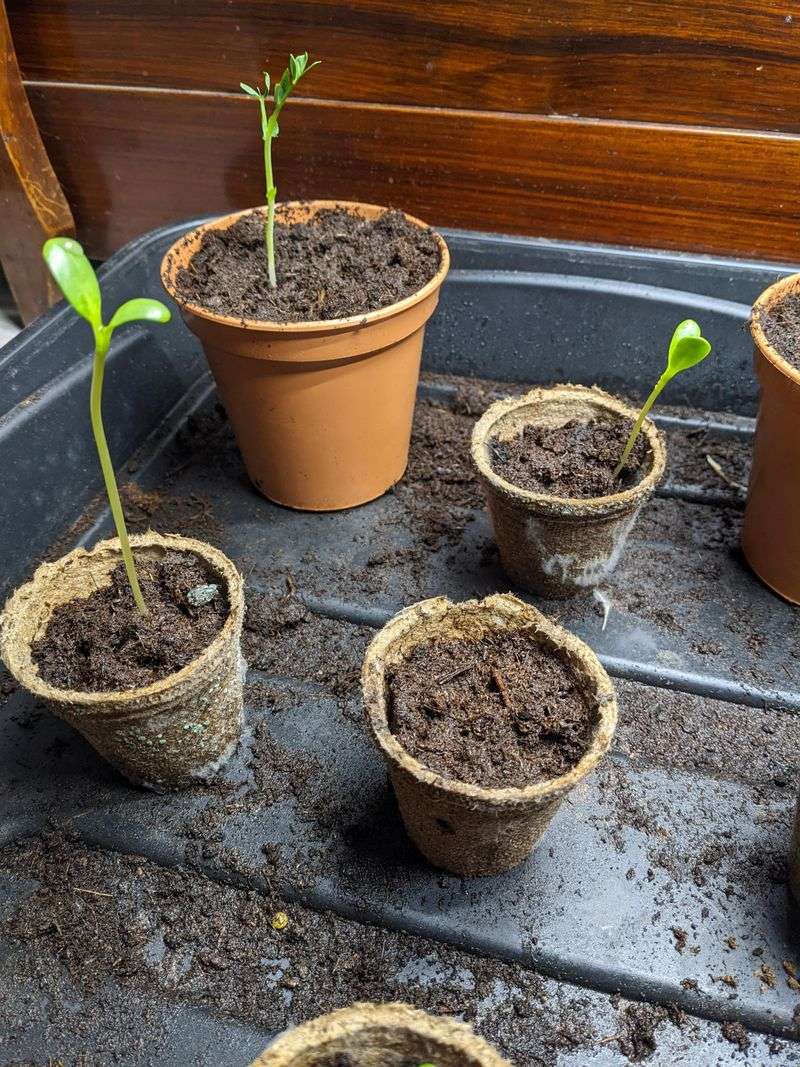
Timing is everything when it comes to sunflowers in Arizona, and planting too early is one of the most common mistakes gardeners make. Cold soil slows germination to a crawl and can cause seeds to rot before they ever sprout.
Soil temperature should be at least 55 to 60 degrees Fahrenheit before you put a single seed in the ground.
In the low desert areas like Phoenix and the Yuma Valley, late February through early April is usually the sweet spot for spring planting. By that point, overnight temperatures have stabilized enough that the soil holds warmth consistently.
Push a soil thermometer a few inches down before planting, and trust the reading over the calendar date.
Your Arizona Garden Changes Every Week. Your Plan Should Too.
Gardening in Arizona changes quickly throughout the season. Every Friday you’ll receive a simple weekly plan showing exactly what to plant, prune, fertilize, harvest, and protect so you never miss the right timing.
Arizona also offers a second planting window in late summer, typically late August through mid-September. Seeds planted during this window grow quickly in the still-warm soil and bloom beautifully as temperatures begin to drop in fall.
Many experienced Arizona gardeners actually prefer fall sunflowers because the cooler finish gives the blooms more staying power.
Skipping the thermometer test and guessing based on the date alone often leads to uneven germination across a bed. Some seeds sprout fast while others sit dormant, creating a messy, staggered row of plants that never quite catches up to itself.
A quick soil check takes less than a minute and gives you reliable data to work with. Patience at the planting stage pays off with stronger, more uniform growth from the very beginning of the season.
3. Provide Deep Watering Instead Of Frequent Light Watering
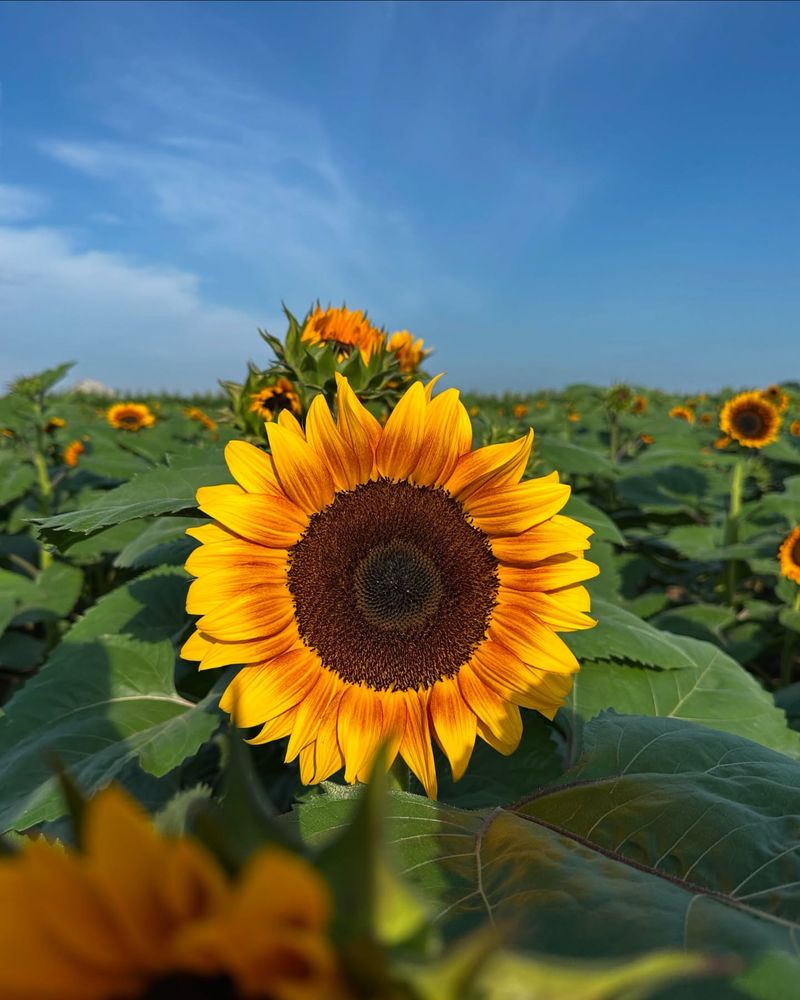
Shallow watering is one of the fastest ways to end up with weak, floppy sunflowers in Arizona. When you only wet the top inch or two of soil, the roots have no reason to push downward.
Shallow roots mean the plant is far more vulnerable to heat, wind, and drought stress as the season heats up.
Deep watering encourages roots to chase moisture further into the earth, which builds a much more stable foundation. Aim to water slowly and thoroughly, allowing moisture to penetrate at least eight to twelve inches into the soil.
A slow soaker hose or a drip system set to run for a longer period works far better than a quick spray from a handheld nozzle.
Watering frequency depends on the time of year. During cooler spring months in Arizona, watering once or twice a week is usually enough.
Once the summer heat ramps up and temperatures climb past 100 degrees, you may need to water every other day, especially for younger plants that have not yet developed deep root systems.
Early morning is the best time to water in Arizona. Watering at night can leave moisture sitting on leaves and soil too long, which encourages fungal issues.
Midday watering loses a significant amount to evaporation before it ever reaches the roots.
Morning watering gives the soil time to absorb moisture before the heat of the day takes over, and it keeps the root zone cooler during those brutal Arizona afternoons when temperatures push well past 105 degrees regularly.
4. Watch For Heat Stress During Extreme Arizona Summers
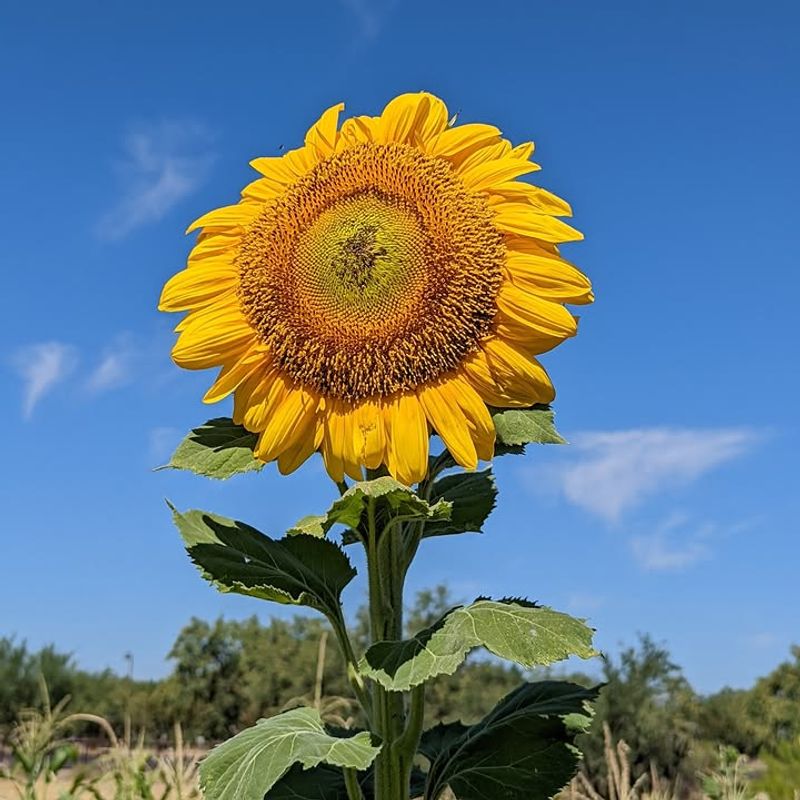
Arizona summers are not gentle, and sunflowers feel every degree of it. When temperatures consistently push past 110 degrees in places like Phoenix, even sun-loving plants start to struggle.
Recognizing heat stress early gives you a chance to respond before real damage sets in.
Wilting leaves in the early afternoon are not always cause for alarm. Sunflowers naturally droop a little during peak heat as a way of reducing moisture loss, and many will perk back up once temperatures drop in the evening.
Persistent wilting that does not recover by morning is a different story and usually signals the plant needs a deep, thorough watering right away.
Leaf scorch is another heat stress signal to watch for. Brown or crispy edges on leaves, especially on the upper portions of the plant, indicate the foliage is taking on more heat than it can handle.
Adding a two to three inch layer of mulch around the base of your plants helps keep the root zone significantly cooler and reduces moisture evaporation from the soil surface.
Choosing heat-tolerant varieties is a smart move for Arizona gardeners who want to avoid constant stress management. Varieties like Sunspot and Mammoth Russian have proven track records in hot climates.
Even with a tough variety, paying attention to your plants during heat waves is essential.
Quick action when stress signs appear, whether it is extra water, a temporary shade cloth, or added mulch, can be the difference between a plant that bounces back and one that never fully recovers during the long Arizona summer season.
5. Protect Young Seedlings From Birds And Rabbits
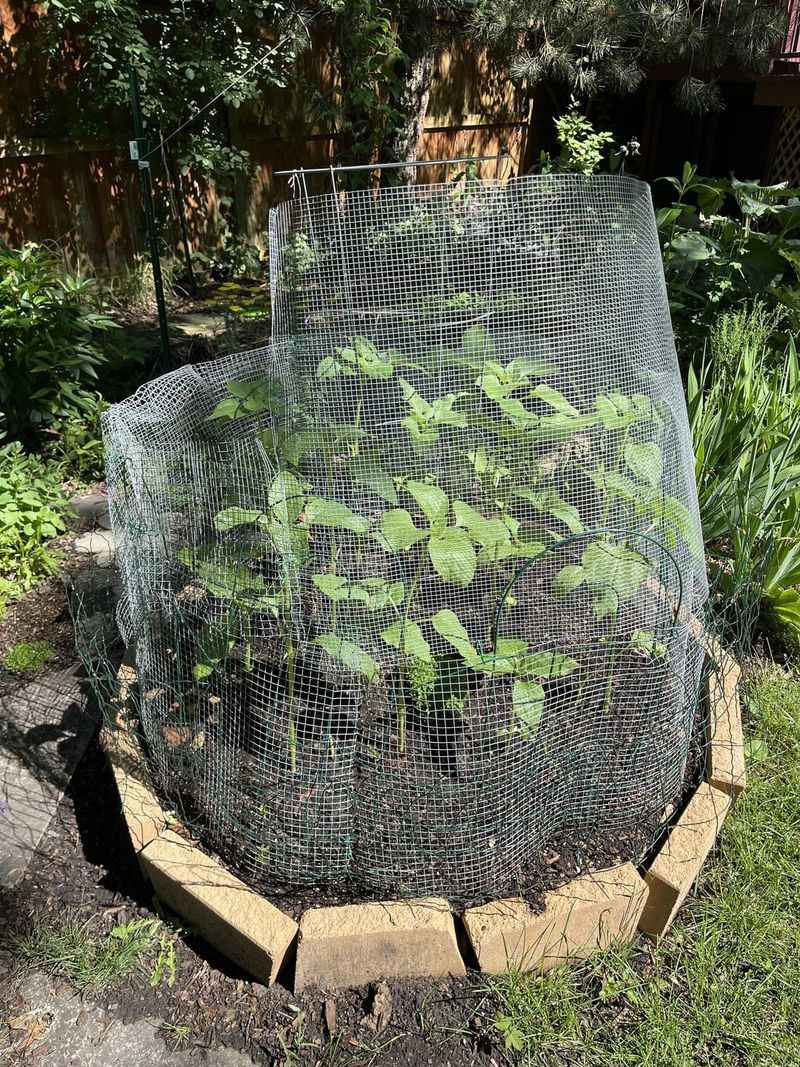
Right after your sunflower seeds germinate, they become a target. Birds, especially doves and quail which are extremely common across Arizona, will pull freshly sprouted seedlings straight out of the ground without hesitation.
Rabbits are just as eager, and a small desert cottontail can wipe out an entire row of young plants in a single evening.
Covering your seedling bed with bird netting or lightweight row cover fabric right after germination is one of the most effective protective steps you can take. Keep the covering in place until plants are at least six to eight inches tall with a sturdy stem.
At that height, most birds lose interest and the plants become harder for rabbits to fully munch down.
Wire mesh cages placed around individual seedlings or small clusters also work well. Hardware cloth with small openings is more effective than chicken wire because rabbits can squeeze through surprisingly large gaps.
Anchor the bottom edge of any wire barrier into the soil a few inches to prevent determined animals from pushing underneath it.
Seed protection is just as important as seedling protection. If you are direct sowing in an open bed, consider covering the soil with a thin layer of straw or placing a physical barrier directly over the planted area until sprouts appear.
Arizona’s wildlife is persistent, and a bird can smell or spot freshly turned soil and seeds faster than you might expect. A little proactive protection at this stage saves you from replanting the same spot multiple times throughout the growing season.
6. Support Tall Varieties Against Strong Desert Winds
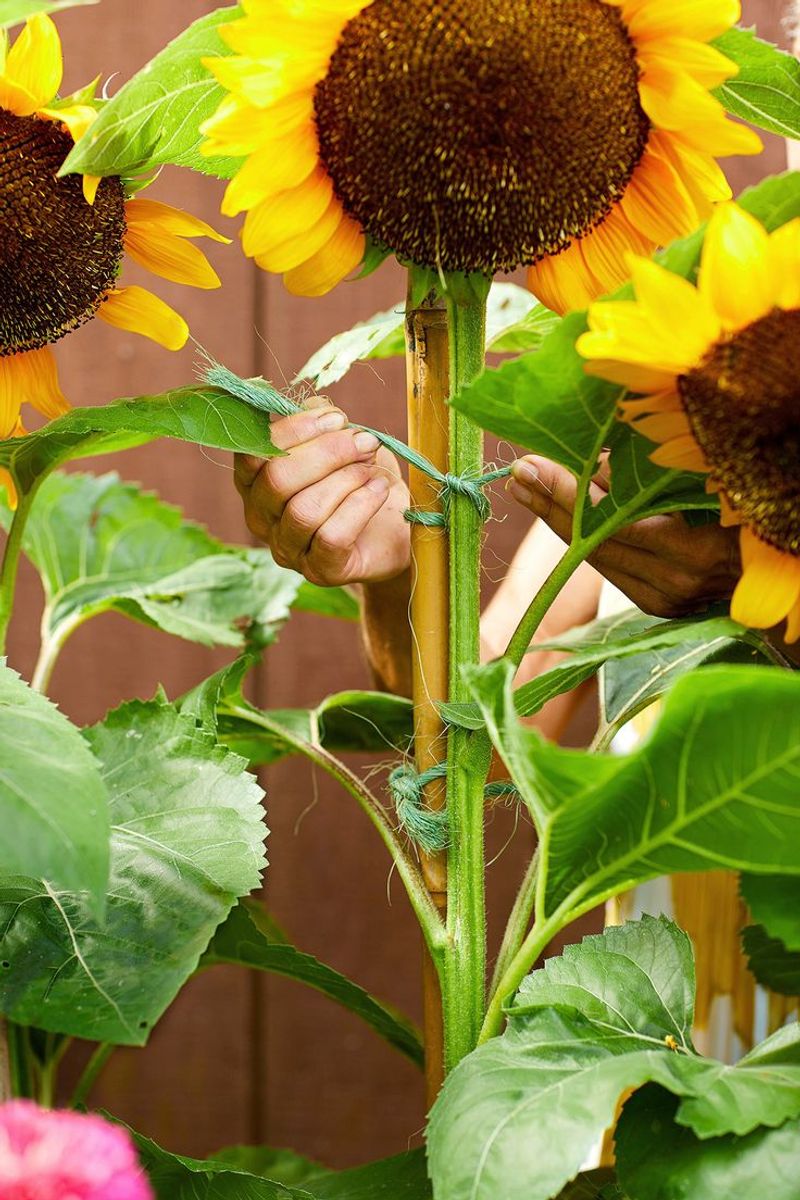
Arizona wind does not mess around, especially in spring and during monsoon season. A gust that rolls across the desert can snap a six-foot sunflower stem clean at the base if the plant has not been properly supported.
Tall varieties are particularly vulnerable once the flower head develops and adds weight to the top of the stem.
Staking is the most straightforward solution. Drive a sturdy bamboo pole or metal garden stake about a foot into the ground right next to the main stem, and use soft garden twine or strips of fabric to loosely tie the stem to the stake at several points.
Avoid tying too tightly since the stem still needs a little room to flex naturally in light breezes, which actually helps build stem strength over time.
Planting near a fence or wall on the windward side can also reduce exposure significantly. In Arizona, winds often come from the southwest, so placing tall sunflowers where a structure can buffer that direction helps quite a bit without blocking sunlight.
Just make sure the structure does not create shade during the main hours of sunlight.
Monsoon season, which runs roughly from mid-June through September across much of Arizona, brings sudden and powerful wind gusts alongside heavy rain. Checking your stakes and ties before storm season begins is a smart habit.
Loose ties can fail at the worst possible moment, and a plant that gets knocked over during a monsoon storm rarely straightens back up on its own. A few minutes of preparation before a storm rolls in protects months of growing effort.
7. Monitor For Aphids And Sunflower Moth Damage
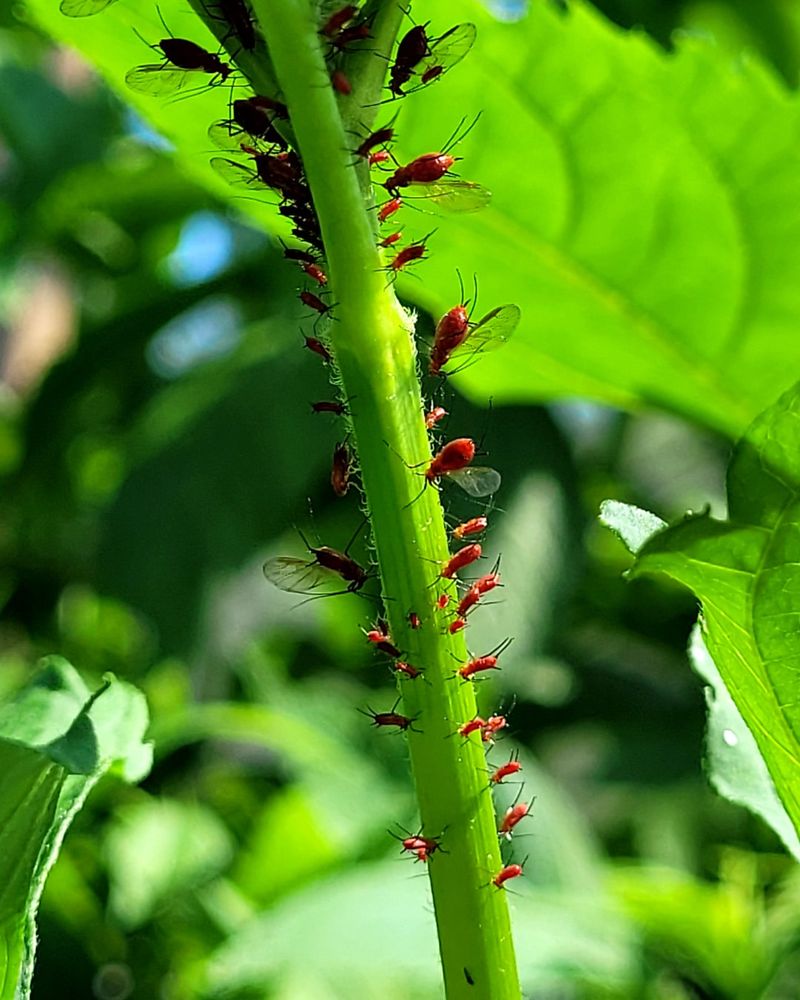
Aphids show up fast and multiply faster. On sunflowers in Arizona, you will often find them clustered on the undersides of leaves or crowded around new growth near the top of the stem.
A small colony can double in size within days if left unchecked, and a heavy infestation weakens the plant noticeably over time.
Knocking aphids off with a firm spray of water from a garden hose is often enough to control a minor problem. Do this in the morning so the plant dries quickly in Arizona’s heat.
For larger infestations, neem oil diluted in water works well and is safe for beneficial insects when applied carefully in the early morning or evening rather than during peak sun hours.
Sunflower moths are a separate issue that many Arizona gardeners do not notice until the damage is already done. Adult moths lay eggs in the flower head, and the larvae feed on developing seeds from the inside out.
You might not see the problem at all until you cut open the head and find it hollowed out. Checking the backs of flower petals and the base of the flower head regularly during blooming season helps catch this early.
Ladybugs and lacewings are natural aphid predators that show up in healthy Arizona gardens. Avoiding broad-spectrum pesticides keeps these beneficial insects around and working in your favor.
Encouraging a balanced garden ecosystem, even in the desert, is one of the most effective long-term pest management strategies you can use throughout the entire sunflower growing season.