5 Fruit Trees Arizona Gardeners Can Prune In March And 3 That Are Not Ready Yet
March is when many fruit trees across Arizona begin waking up and pushing fresh growth. Buds start swelling, branches show the first signs of activity, and the garden slowly shifts into a busy growing season.
It is also the time when many gardeners start wondering if it is the right moment to prune.
Timing matters more than it seems. Some fruit trees respond well to pruning in March and can grow stronger, healthier branches afterward.
Others are only just beginning to push new growth, and cutting them too early can slow them down or affect fruit production later in the season.
That difference is where many Arizona gardeners get tripped up every spring. Knowing which fruit trees can handle pruning now and which ones should be left alone a little longer can make a noticeable difference as the growing season continues.
1. Apple Trees Benefit From Pruning Before Spring Growth Takes Off
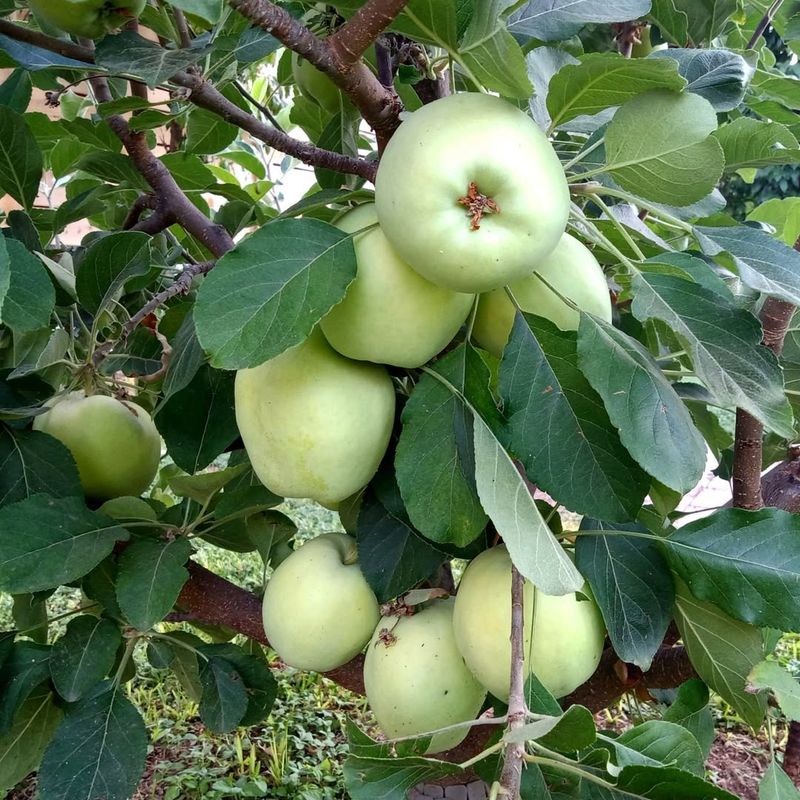
Apple trees in Arizona are practically begging to be pruned in March.
Right now, they are still dormant enough that you can see the branch structure clearly, but the buds are just starting to swell — which means your cuts will heal fast once warm weather kicks in fully.
Start by removing any damaged or crossing branches. Look for branches that rub against each other, because that friction creates wounds that invite pests and disease over time.
Your goal is an open canopy that lets sunlight reach the center of the tree.
Arizona apple growers often deal with sunburn on exposed limbs, so avoid cutting too aggressively. Take out no more than about a quarter of the canopy in a single season.
If you have a young tree, focus on building a strong framework of three to five main branches spread evenly around the trunk.
Sharp, clean tools matter more than most people realize. Dull blades tear bark instead of cutting cleanly, and rough cuts are slower to close up.
Wipe your blades with rubbing alcohol between trees, especially if any branches showed signs of disease last season.
Low-chill apple varieties like Anna and Dorsett Golden do well across many parts of Arizona. Both respond well to March pruning and tend to reward a tidy canopy with a solid fruit set come summer.
2. Peach Trees Respond Best To Careful March Pruning
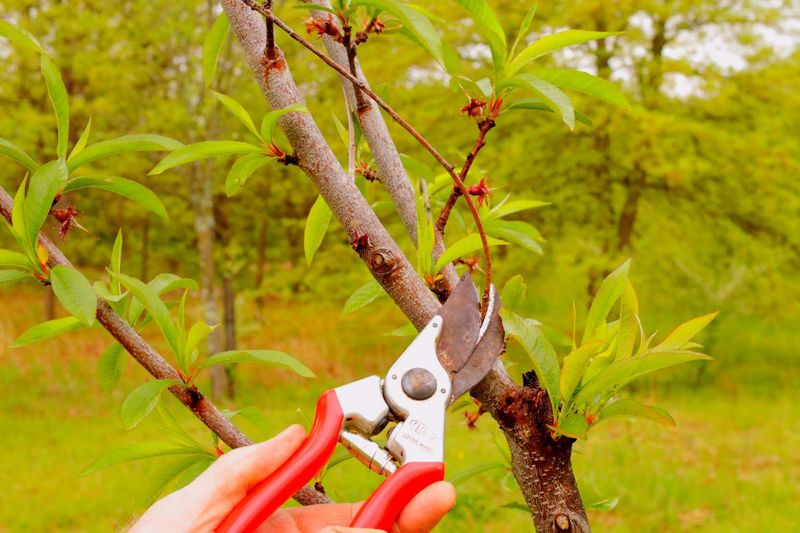
Peach trees are one of the most rewarding fruit trees you can grow in Arizona, and March is genuinely the sweet spot for pruning them.
Wait too long and you will be cutting into active bloom, which knocks off flowers and reduces your fruit count before the season even gets started.
Peaches fruit on last year’s growth, so the pruning strategy here is different from apples. You want to remove old, unproductive wood and encourage fresh, vigorous shoots.
A good rule of thumb is to cut back about half of last year’s new growth, which keeps the tree from getting too tall and keeps fruit within easy picking reach.
In the Phoenix area and other low-desert zones, peach trees can grow fast and get leggy if left unpruned.
Your Arizona Garden Changes Every Week. Your Plan Should Too.
Gardening in Arizona changes quickly throughout the season. Every Friday you’ll receive a simple weekly plan showing exactly what to plant, prune, fertilize, harvest, and protect so you never miss the right timing.
A vase shape with an open center works well here because it lets air circulate and reduces humidity pockets that can encourage fungal problems in the monsoon season later on.
Watch for any branches showing signs of peach leaf curl — that telltale puckered, reddish leaf distortion. Remove affected wood and dispose of it away from the garden.
Do not compost it.
Varieties like Desert Gold and Earligrande are popular across Arizona and handle March pruning well. Prune on a dry, mild day when temperatures are above 45 degrees for the best results.
3. Plum Trees Grow Better With A Light Canopy Thinning In Early Spring
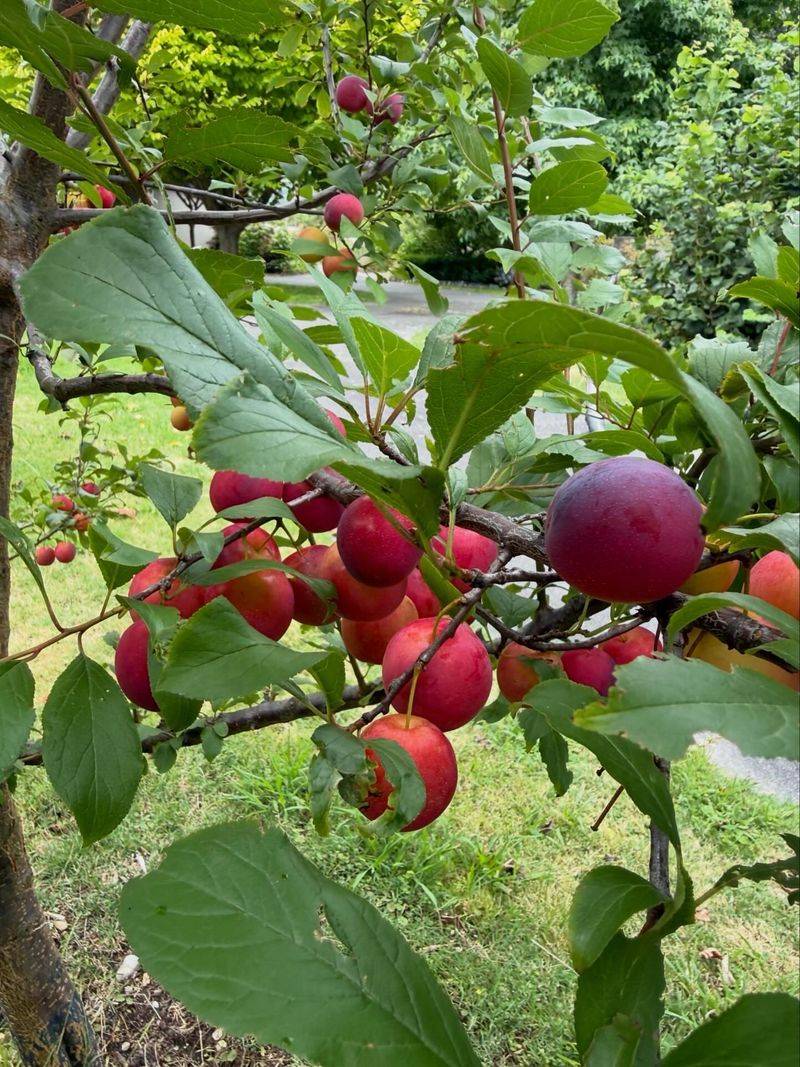
Plum trees are a bit trickier than peaches when it comes to timing, but March still falls within the right window for most of Arizona. Pruning them while they are dormant or just barely waking up gives cuts time to seal before the heat of summer arrives.
Japanese plum varieties tend to be the most common across Arizona because they handle the heat better than European types.
Varieties like Santa Rosa and Burgundy are found in backyards all over the Phoenix metro area and respond well to a good March pruning session.
Focus on thinning out the canopy rather than cutting everything back hard. Plums can get dense quickly, and a crowded canopy means poor air circulation and more disease pressure.
Remove any water sprouts — those fast-growing vertical shoots that shoot straight up from main branches — since they rarely produce fruit and just take up space.
Keep the overall height manageable. Plum trees in Arizona can push out a lot of growth during the spring flush, and if you let them go unchecked, you will be harvesting fruit with a ladder every summer.
Aim for a tree you can reach from the ground or a short step stool.
After pruning, check the cuts for any oozing or discoloration, which can signal bacterial canker. Catching it early makes a real difference in how the tree performs through the rest of the growing season.
4. Apricot Trees Need Quick Pruning Before Bloom Moves Too Far
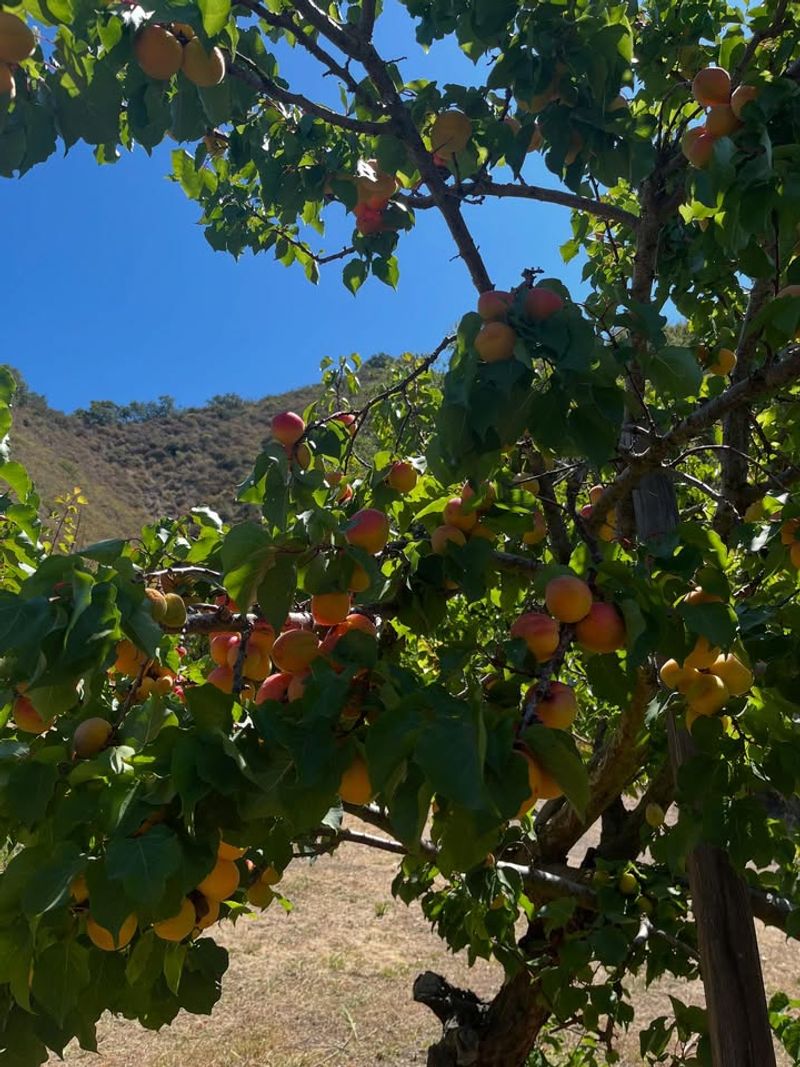
Apricots bloom earlier than almost any other fruit tree in Arizona, which means the pruning window is tight.
If you have not pruned your apricot tree yet and you are reading this in early March, get out there soon — these trees can go from dormant to full bloom surprisingly fast once temperatures start climbing.
Late February through the first week of March is ideal for most low-desert locations. In higher elevation areas like Prescott or Flagstaff, you have a bit more time because spring arrives later up there.
Apricots are prone to a fungal issue called brown rot, especially in years with wet springs. Pruning opens up the canopy and improves airflow, which is one of the best defenses you have against it.
Remove any mummified fruit left over from last season — those dried-up fruits still clinging to branches are a major source of fungal spores.
Shape the tree to a modified central leader or open vase form. Either works well in Arizona as long as sunlight can reach the inner branches.
Apricots fruit on short spurs along older wood, so avoid removing too many of those stubby little side branches — they are where your harvest comes from.
After you finish pruning, step back and look at the overall silhouette. A balanced, open tree with good light penetration almost always outproduces a dense, overgrown one when harvest time rolls around.
5. Fig Trees Push Strong New Growth After A March Trim
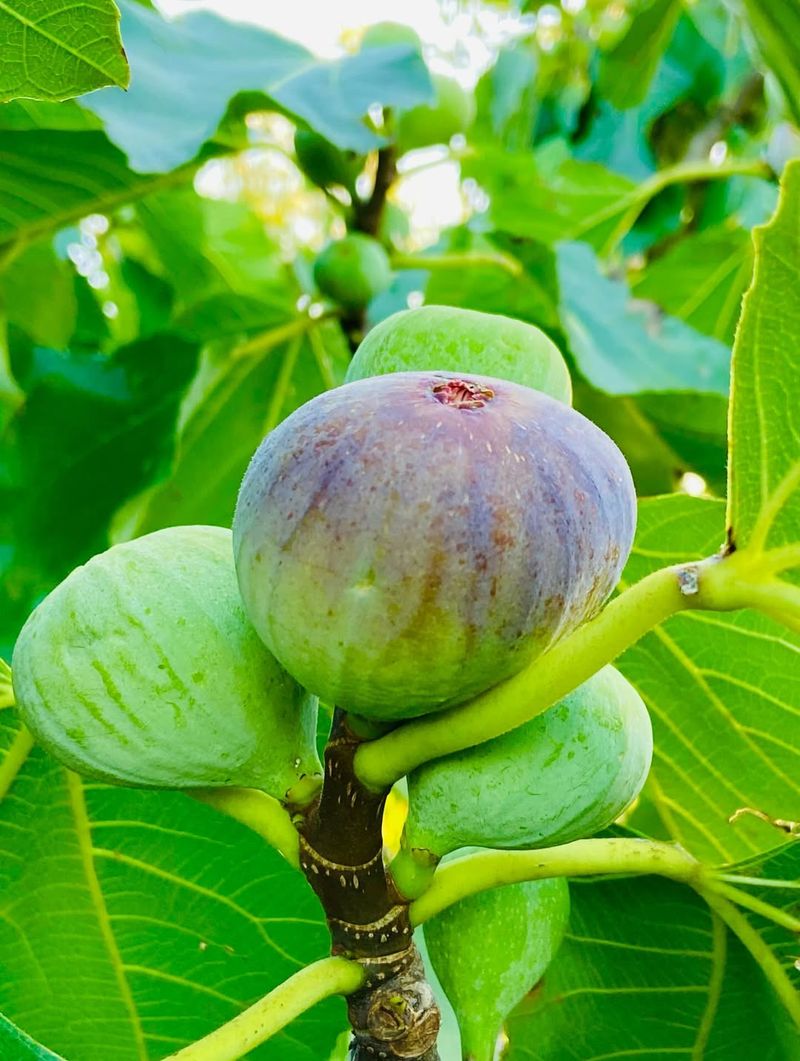
Fig trees are incredibly tough plants, and Arizona’s climate suits them well. Pruning in March works perfectly because figs are still leafless and dormant, making it easy to see exactly what you are working with before new growth starts pushing out.
Figs fruit on new wood, so encouraging fresh growth each season is the whole point of pruning. Cut back long branches by about a third and remove any weak or damaged wood entirely.
You will notice a white milky sap when you cut — that is normal, but wear gloves because it can irritate skin.
In warm parts of Arizona like the Tucson basin or the Phoenix metro area, figs can grow into large trees quickly.
If space is limited, you can keep them in a bush form or train them against a south-facing wall, which also helps protect them if an unexpected cold snap rolls through in late winter.
Brown Turkey and Black Mission are two of the most reliable fig varieties for Arizona gardens. Both handle the desert heat well and produce generously when given a good pruning each year.
One thing to keep in mind — figs do not need heavy pruning every single year. If your tree is young and still developing its structure, focus on shaping.
Once it is established and producing well, lighter annual maintenance cuts are usually all it needs to keep performing season after season.
6. Loquat Trees Should Be Left Alone In March
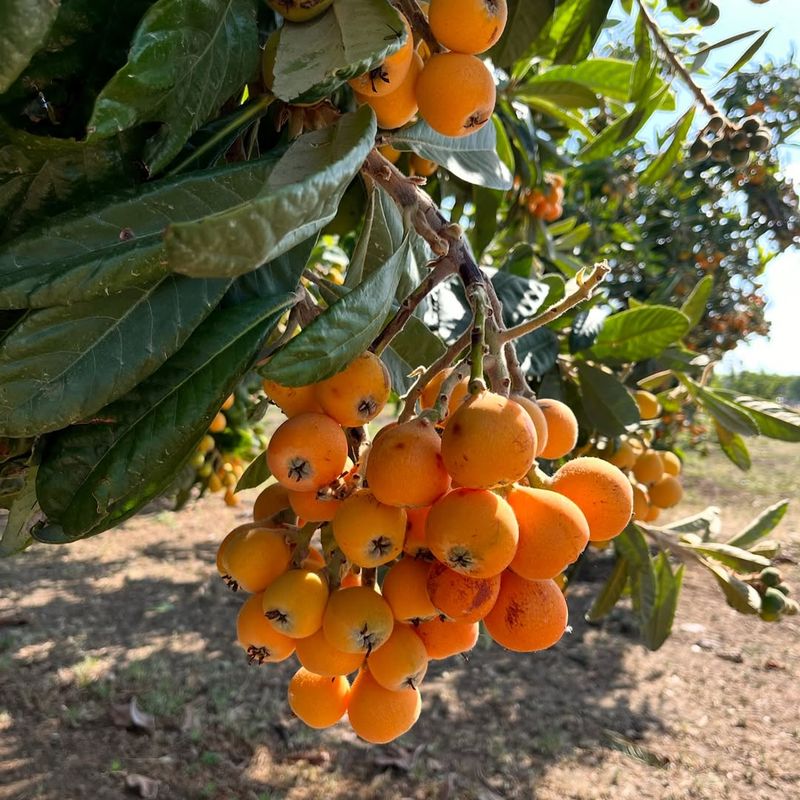
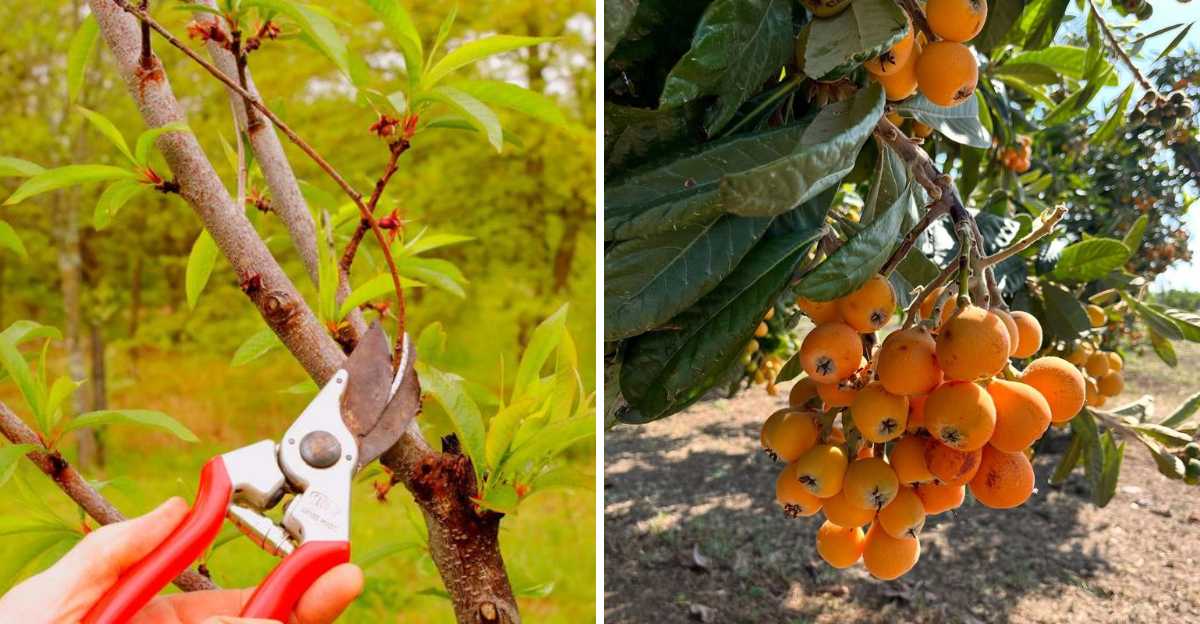
Loquat trees follow a different seasonal rhythm than most fruit trees grown in Arizona, which is why March is not the right time to prune them. While apples, peaches, and plums are still waking up from dormancy, loquats are often already busy producing fruit.
These evergreen trees usually bloom in fall and set fruit through the winter months. By late winter and early spring, clusters of small yellow fruits are already forming or starting to ripen on the branches.
Pruning during this stage often means removing developing fruit before it has a chance to mature.
That is the main reason Arizona gardeners are encouraged to leave loquat trees alone in March. Cutting branches now can easily reduce the harvest without realizing it.
Pruning at the wrong moment can also stress the tree. While it is focusing energy on growing fruit, any cuts force it to redirect energy toward healing wounds and pushing new growth instead.
In most Arizona yards, loquats do not need heavy pruning anyway. They naturally form a dense, rounded canopy and usually stay manageable without much intervention.
Light maintenance, such as removing dead wood or branches that rub against each other, is usually enough to keep the tree healthy.
The better time to prune loquat trees is after the fruit has finished ripening, typically in late spring. Once harvest is complete, the tree can recover and produce new growth without sacrificing the current season’s crop.
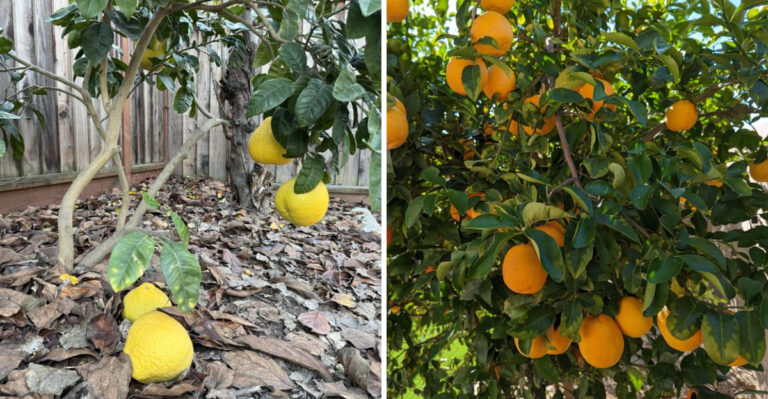
7. Citrus Trees Are Better Pruned After Bloom Finishes
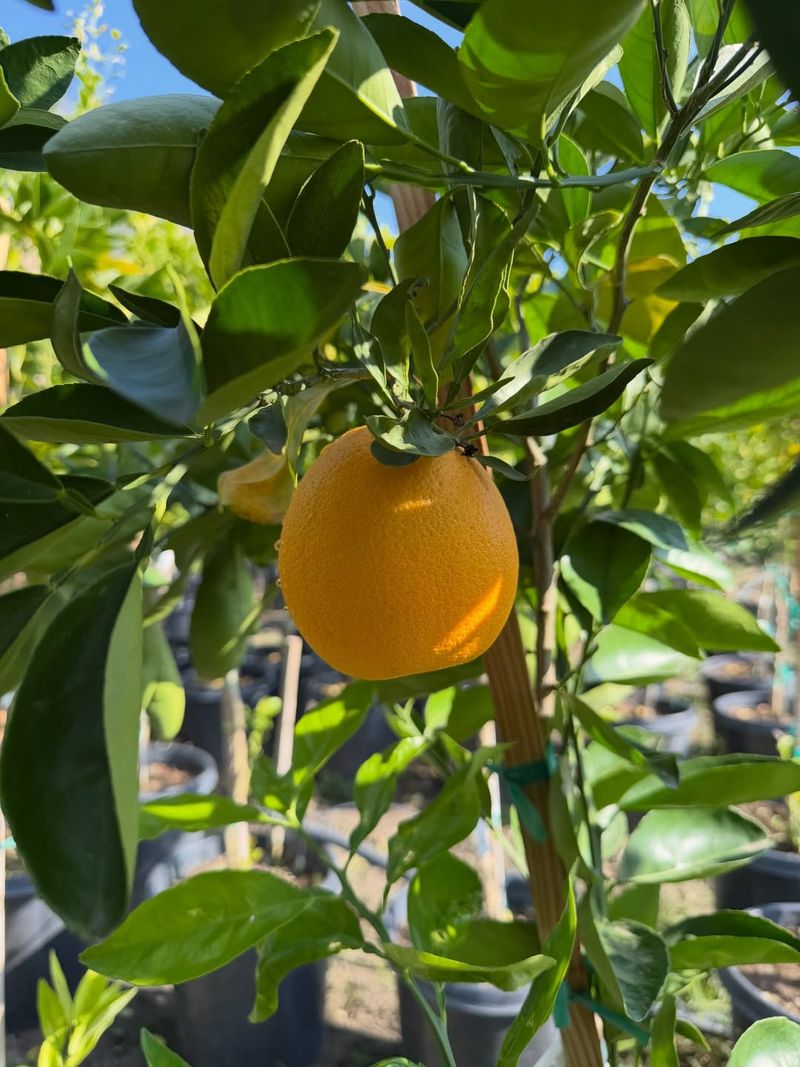
Citrus trees are the backbone of countless Arizona backyards, but March is not the time to grab the pruning shears.
Right now, many citrus trees are either holding ripe fruit, finishing up their bloom cycle, or just starting to push new growth — and cutting into that activity disrupts the whole process.
Heavy pruning on citrus in March can expose the lower trunk and major branches to direct sun. In Arizona, that is a real problem.
Sunburn on citrus bark causes lasting damage, and once a branch is sunburned, it becomes vulnerable to pests and secondary infections.
Wait until after the last frost risk has passed and the tree has finished blooming — typically late spring in the low desert, around April or May.
At that point, you can safely remove damaged wood, crossed branches, and any suckers growing from below the graft union.
Light shaping is usually all citrus needs. These trees do not require the same structural pruning that deciduous fruit trees do.
If your citrus is getting too large, gradual size reduction over two or three seasons is much gentler on the tree than one dramatic cutback.
Across Arizona, from Yuma to Mesa to Tucson, citrus trees thrive with minimal intervention. Skipping the March pruning and waiting for the right window is one of the simplest things you can do to protect a healthy, productive tree this year.
8. Avocado Trees Can Lose Their Crop If Pruned Too Early
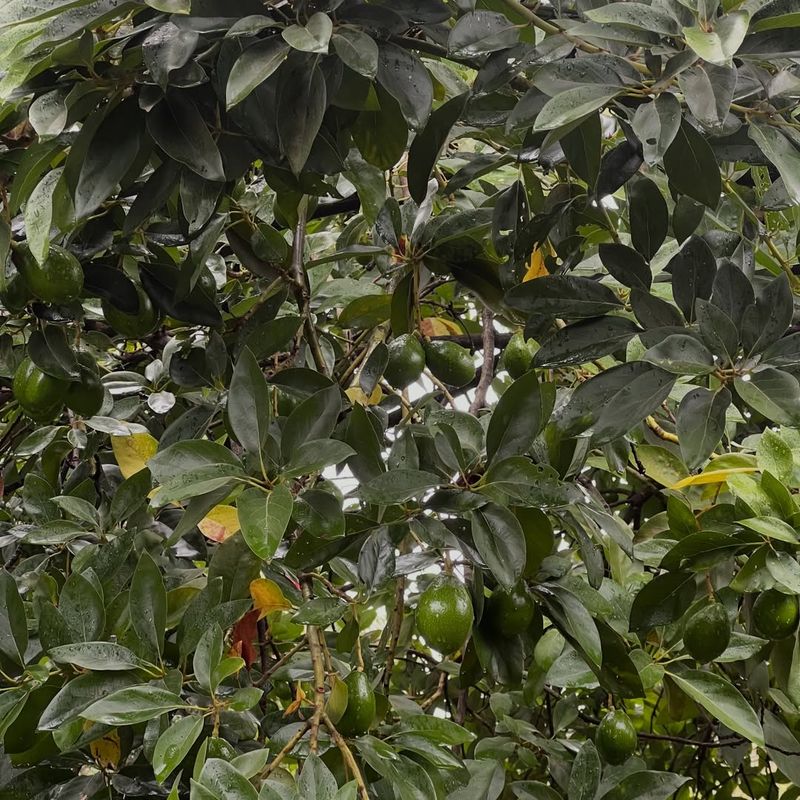
Avocados in Arizona are already pushing their luck with the climate, and March is one of the worst times to stress them out with pruning.
Many avocado trees in the state are actively flowering or preparing to flower right now, and cutting into a blooming tree means cutting off your fruit before it even sets.
Avocado flowers are small and easy to miss, but they are there. If you prune heavily during bloom, you strip away a significant chunk of your potential harvest.
In a climate where avocados already face heat stress, late frosts, and dry winds, there is no reason to add pruning stress on top of all that.
The best time to prune avocados in Arizona is after the fruit has set and temperatures have stabilized — usually late spring or early summer. Even then, keep pruning minimal.
Avocados do not respond well to aggressive cuts, and large pruning wounds in the Arizona sun can lead to serious bark damage.
Fuerte and Hass are the most common varieties grown across central and southern Arizona. Both are sensitive to cold and sun stress, so any pruning work should be thoughtful and conservative rather than heavy-handed.
If your avocado has damaged wood or frost-damaged branches from winter, wait until you can clearly see which growth is recovering and which is not.
Cutting too soon risks removing branches that might still push out new leaves given a few more weeks of warming weather.