7 Mistakes To Avoid When Growing Peach Trees In Georgia
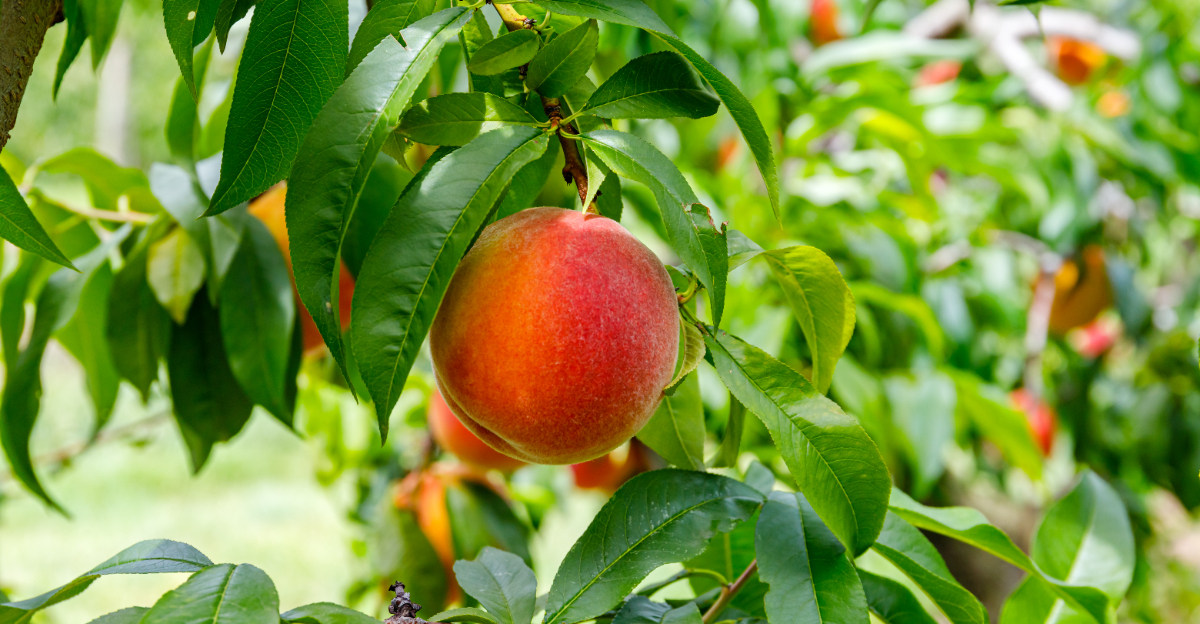
Peach trees are a favorite in many Georgia gardens, and it is easy to see why. When they are healthy and well cared for, they can reward gardeners with fragrant spring blossoms and sweet fruit later in the season.
But peaches are not always as effortless to grow as they might seem at first.
Many problems begin with small mistakes that are easy to overlook. Planting in the wrong spot, pruning at the wrong time, or watering inconsistently can all affect how well a peach tree grows and how much fruit it eventually produces.
These issues often show up slowly, which is why they catch many gardeners off guard.
Paying attention to a few common pitfalls can make a big difference. Avoiding these mistakes helps peach trees stay stronger, grow more balanced branches, and produce better fruit in Georgia gardens.
1. Planting Peach Trees In Poorly Drained Georgia Soil
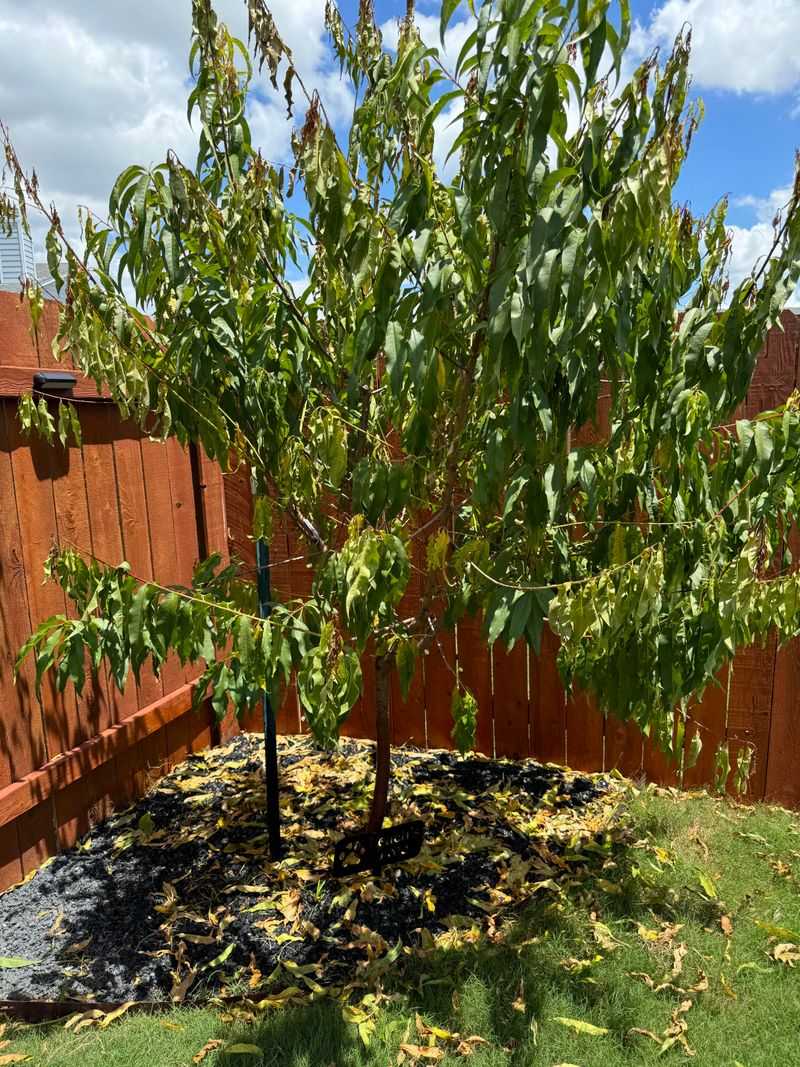
Soggy roots are one of the fastest ways to wreck a peach tree in Georgia, and it happens more often than most people expect. Red clay soil is everywhere across the state, and while it holds moisture well, it drains terribly.
Peach trees cannot handle sitting in wet soil for long periods, and roots that stay waterlogged will rot before the tree ever has a chance to mature.
Before you put a single tree in the ground, grab a shovel and dig a hole about 12 inches deep. Fill it with water and watch how fast it drains.
If water is still sitting in that hole after an hour, you have a drainage problem that needs to be addressed first. Raised beds or mounded planting rows are popular solutions used by Georgia orchardists for exactly this reason.
Mixing organic compost into heavy clay soil helps break it up and improve drainage over time. Sandy loam soil is actually ideal for peaches, and if your property has it, you are already ahead of the game.
Soil pH also matters here. Peach trees prefer a slightly acidic range between 6.0 and 6.5, so getting a soil test through your local Georgia extension office is worth doing before planting.
Planting on a gentle slope is another practical trick that encourages natural water runoff and keeps root zones from staying saturated after heavy Georgia rains. Good drainage from day one sets your trees up for a much stronger future.
2. Choosing Varieties That Do Not Match Georgia Chill Hours
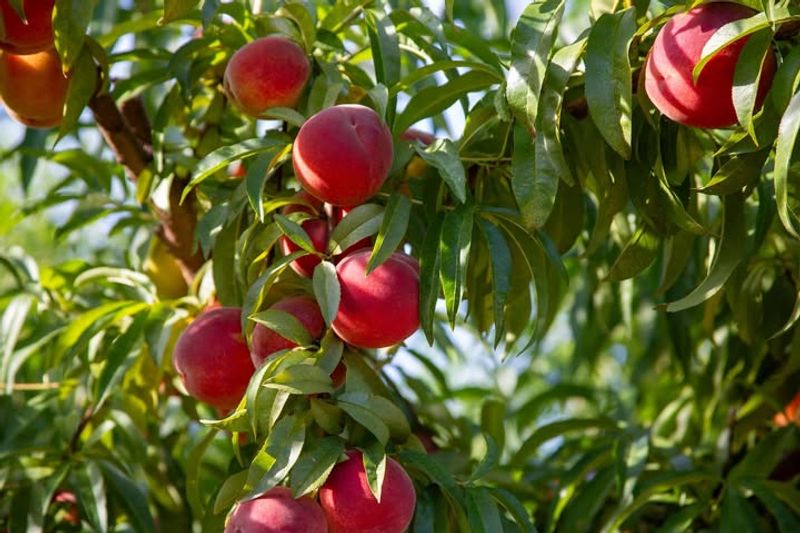
Pick the wrong peach variety and your tree might look perfectly healthy yet never produce a single peach worth eating. Chill hours are the key factor most new growers overlook, and understanding them is not complicated once you break it down.
Chill hours refer to the number of hours a tree spends at temperatures below 45 degrees Fahrenheit during winter dormancy.
Without enough of those cold hours, peach trees cannot properly break dormancy in spring, which leads to poor flowering, uneven fruit set, or no fruit at all.
Georgia generally accumulates between 400 and 800 chill hours depending on where you live in the state, with North Georgia getting more cold than the southern regions.
Your Georgia Garden Changes Every Week. Your Plan Should Too.
Gardening in Georgia changes quickly throughout the season. Every Friday you’ll receive a simple weekly plan showing exactly what to plant, prune, fertilize, harvest, and protect so you never miss the right timing.
Varieties like Elberta, Redhaven, and Julyprince are well-suited to Georgia’s chill hour range and have been grown here successfully for generations.
High-chill varieties bred for colder northern climates will struggle in Georgia winters that simply do not get cold enough.
On the flip side, very low-chill varieties may break dormancy too early and get hammered by a late frost.
Check with your local Georgia Cooperative Extension office or a regional nursery to confirm which varieties perform best in your specific county. Growers in the Atlanta area deal with different chill hour averages than those near Savannah or Albany.
Matching your variety to your local winter pattern is one of the most important decisions you will make, and getting it right from the start saves years of frustration.
3. Planting Peach Trees In Too Much Shade
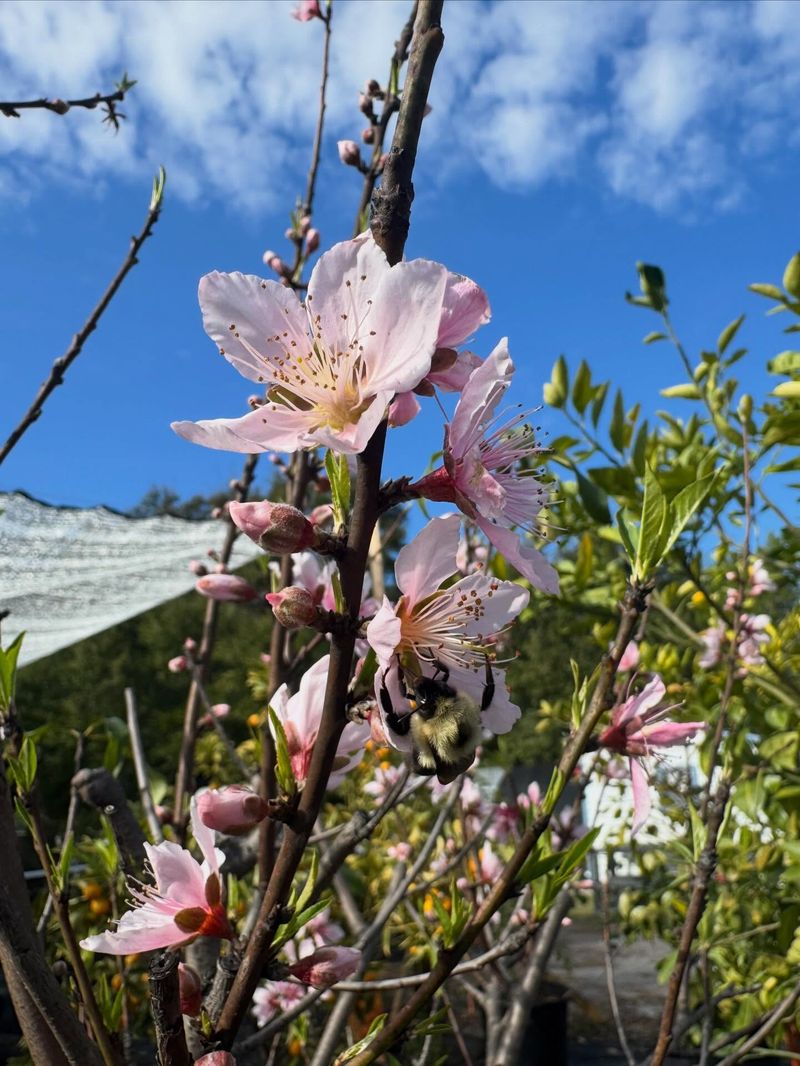
Peach trees are sun-hungry, full stop. A spot that gets only a few hours of light each day might work fine for a shade-tolerant shrub, but it will slowly starve a peach tree of the energy it needs to produce fruit.
Across Georgia, where summer heat is intense, you might think shade would be a welcome thing, but peaches need that direct sun exposure to thrive.
Aim for a location that gets at least six to eight hours of direct sunlight daily. Morning sun is especially valuable because it dries dew off the leaves quickly, which reduces the chance of fungal diseases taking hold.
Brown rot, a common problem for Georgia peach growers, loves damp foliage sitting in low-light conditions.
Before choosing a planting spot, spend a day watching how sunlight moves across your yard. Large oak trees, pine stands, fences, and buildings can all cast more shade than you realize, especially as the season changes and the sun angle shifts.
What looks like a sunny spot in February might be heavily shaded by June when nearby trees leaf out fully.
South-facing slopes and open areas away from tall tree lines tend to offer the best light exposure in Georgia.
If you are working with a smaller yard in a suburban neighborhood around Metro Atlanta or similar areas, consider the long-term canopy growth of any nearby trees before committing to a planting location.
Getting the sun situation right from the beginning is non-negotiable for a productive peach tree.
4. Skipping Annual Pruning For Strong Fruit Production
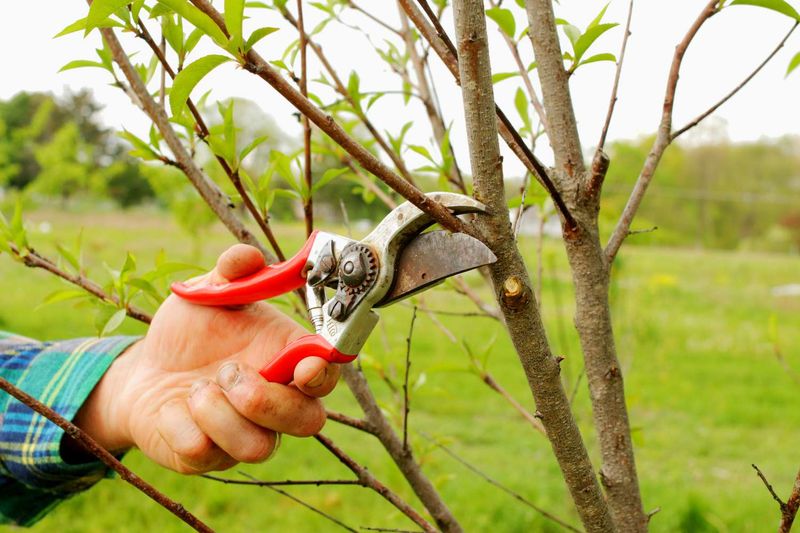
Letting a peach tree grow however it wants might seem like the hands-off, easy approach, but skipping annual pruning is one of the most reliable ways to end up with a crowded, unproductive tree.
Peaches fruit on one-year-old wood, which means if you are not cutting back old growth regularly, you are reducing next season’s fruiting potential every single year.
Late winter is the right window for pruning in Georgia, typically between late January and mid-February before new growth starts pushing.
Cutting too late risks removing developing buds, and waiting until the tree has fully leafed out makes it harder to see the branch structure clearly.
An open center or vase shape is the most widely recommended form for peach trees because it lets sunlight reach the interior of the canopy.
Remove any branches that cross each other, grow straight up like water sprouts, or crowd the middle of the tree.
Good airflow through the canopy reduces humidity buildup, which directly lowers the risk of fungal issues that are already a challenge in Georgia’s humid summers.
Pruning also keeps the tree at a manageable height, making it easier to spray, thin fruit, and harvest without a ladder.
New growers often hesitate to cut aggressively enough, worried they will harm the tree. In reality, peach trees respond well to firm pruning.
A good rule of thumb is to remove about one-third of last year’s growth each season. Consistent annual pruning adds up to noticeably better yields and healthier wood over time.
5. Overwatering Trees In Heavy Georgia Soil
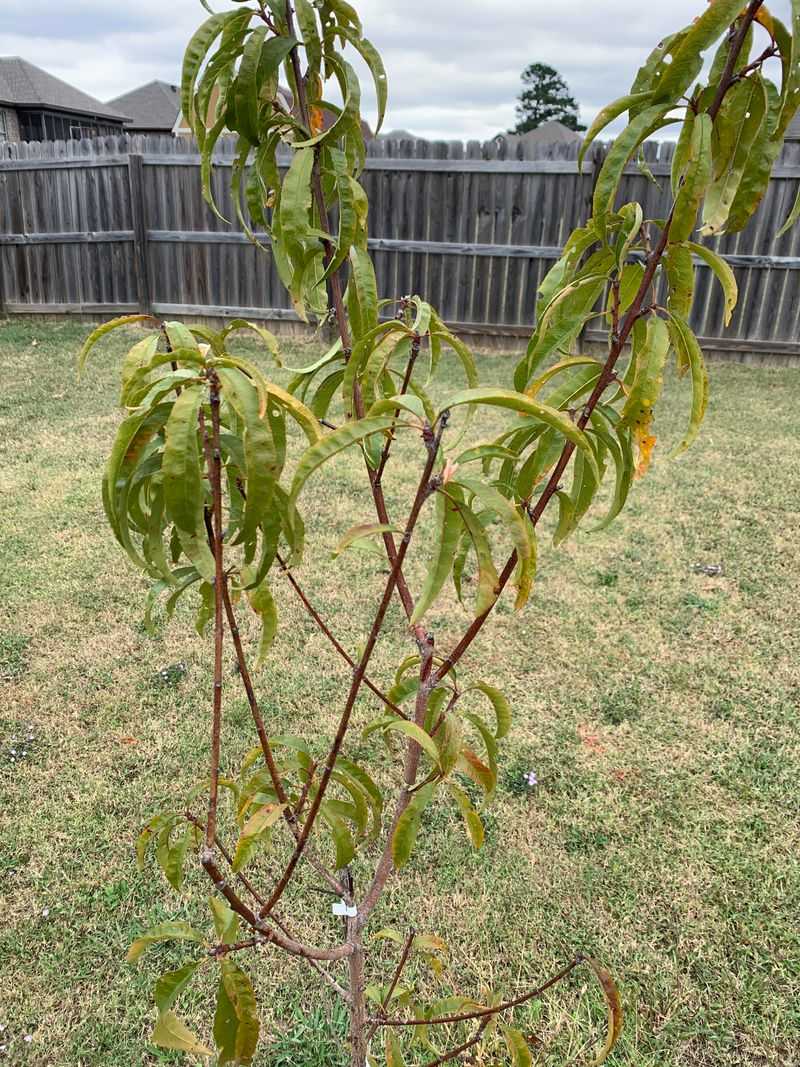
Watering feels like caring, but too much of it can quietly harm a peach tree faster than a dry spell in some cases.
In Georgia, where clay-heavy soils are common across the Piedmont region, excess water has nowhere to go and just sits around the root zone, cutting off the oxygen roots need to function properly.
Young peach trees need consistent moisture during their first couple of seasons while they establish, but consistent does not mean constant. About an inch of water per week is a reasonable target, whether that comes from rainfall or supplemental irrigation.
During Georgia’s hot and dry summer stretches, you may need to water more frequently, but always check the soil first before turning on the hose.
Push a finger or a small stick a few inches into the soil near the drip line of the tree. If the soil feels moist at that depth, hold off on watering.
Wilting leaves during the hottest part of a Georgia afternoon are not always a sign of drought stress either. Peach trees sometimes droop slightly in extreme midday heat and perk back up by evening without any additional water needed.
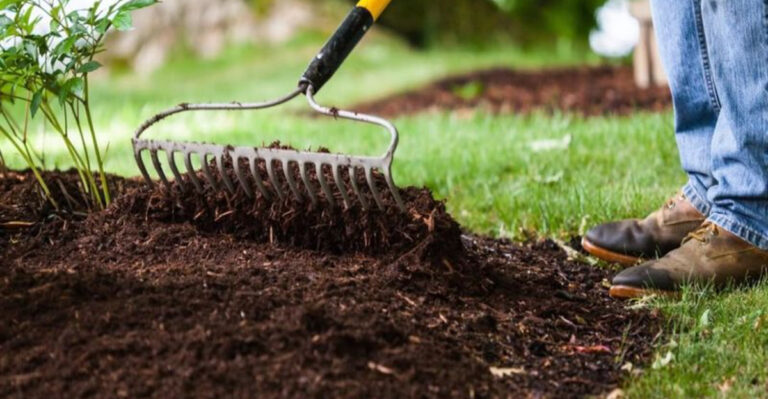
Mulching around the base of the tree with wood chips or pine straw helps regulate soil moisture, keeps roots cooler during Georgia’s brutal summers, and slows evaporation so you do not have to water as often.
Keep mulch a few inches away from the trunk itself to avoid creating a moist environment right at the bark.
Smart watering habits protect the roots and keep the tree producing well season after season.
6. Ignoring Common Peach Pests Like Borers And Aphids
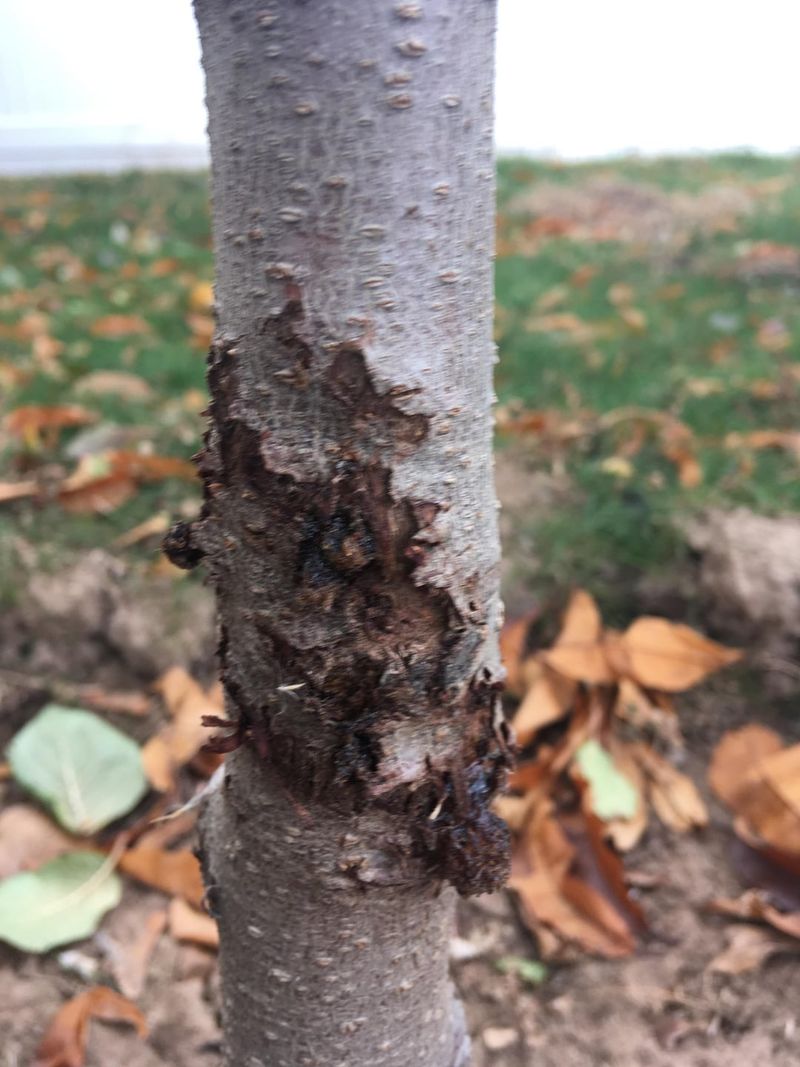
Peach tree borers are one of the most destructive pests Georgia growers deal with, and the frustrating part is that by the time you notice the damage, the larvae have already been tunneling inside the trunk for a while.
Gummy sap oozing from the base of the trunk, often mixed with a sawdust-like material called frass, is the telltale sign that borers have moved in.
Adult borer moths lay eggs at the base of peach trees during summer, and the larvae burrow into the bark and feed through fall and into the following year. Keeping the area around the trunk clear of weeds and debris reduces egg-laying opportunities.
Applying a trunk spray or paste product labeled for peach tree borer in late spring to early summer is a common preventive approach used by Georgia growers.
Aphids are another regular nuisance, clustering on new growth and curling young leaves as they feed.
A strong blast of water from a hose knocks them back effectively, and insecticidal soap works well for heavier infestations without being harsh on beneficial insects.
Checking new growth weekly during spring keeps aphid populations from exploding before you notice them.
Oriental fruit moths and stink bugs are also worth watching for in Georgia orchards and home gardens alike. Stink bugs have become increasingly problematic across the state over the past decade.
Staying on top of scouting, meaning actually walking out and looking at your trees regularly, is the most practical defense any Georgia grower has against pest pressure building up unchecked.
7. Forgetting To Thin Fruit For Larger And Healthier Peaches
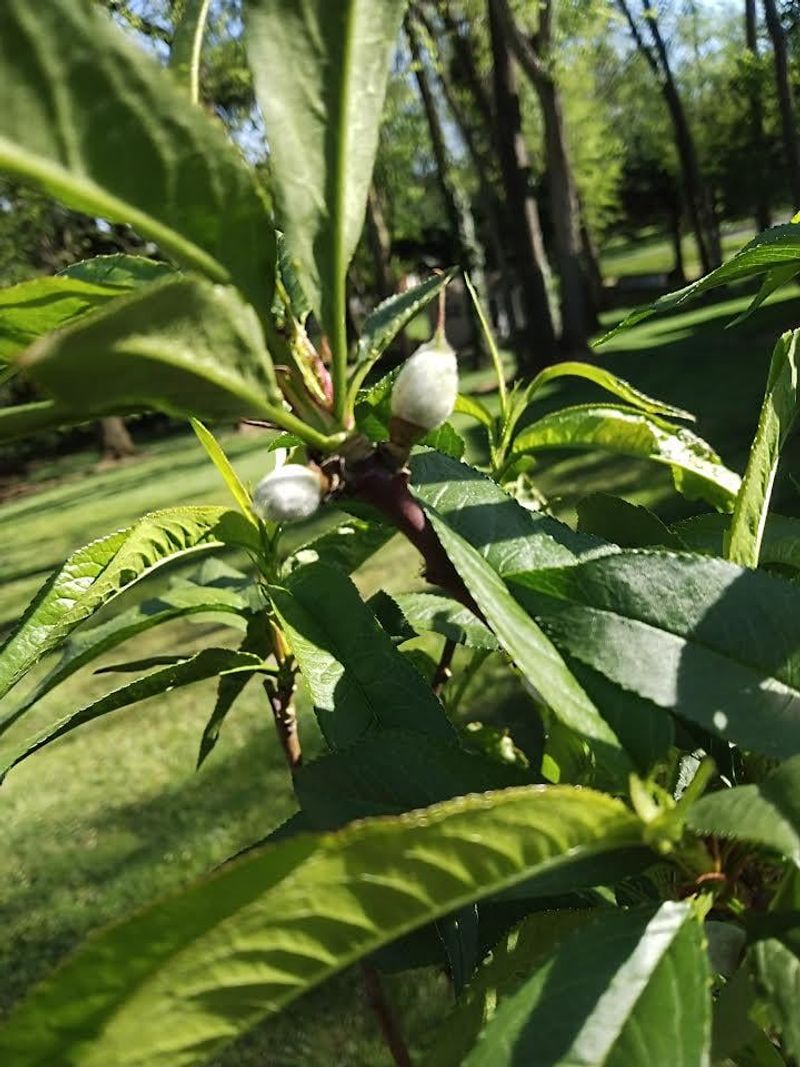
A peach tree loaded with hundreds of tiny fruits looks impressive in late spring, but that cluster of peaches is actually a problem in disguise.
When a tree tries to ripen more fruit than it can reasonably support, every individual peach ends up small, bland, and often falls off before it is ready.
Thinning is the fix, and most home growers either skip it entirely or do not thin aggressively enough.
About four to six weeks after bloom, when the small green fruitlets are roughly the size of a marble, go through the tree and remove the excess. Leave one peach every six to eight inches along each branch.
Yes, that means pulling off a lot of fruit that looks perfectly fine, and it feels counterintuitive the first time you do it.
Thinning redirects the tree’s energy into fewer fruits, which means each remaining peach grows larger, develops better sugar content, and reaches full maturity more reliably.
Branches also benefit because a heavy fruit load on unpruned, unthinned trees can literally snap limbs during summer storms, which are a regular feature of Georgia weather from June through August.
Hand thinning takes an hour or two depending on how many trees you have, but the payoff at harvest time is obvious. Peaches that were properly thinned are noticeably bigger and sweeter than those left to compete with dozens of neighbors on the same branch.
If you want the kind of Georgia peaches worth sharing with the neighbors, thinning is not optional, it is essential.